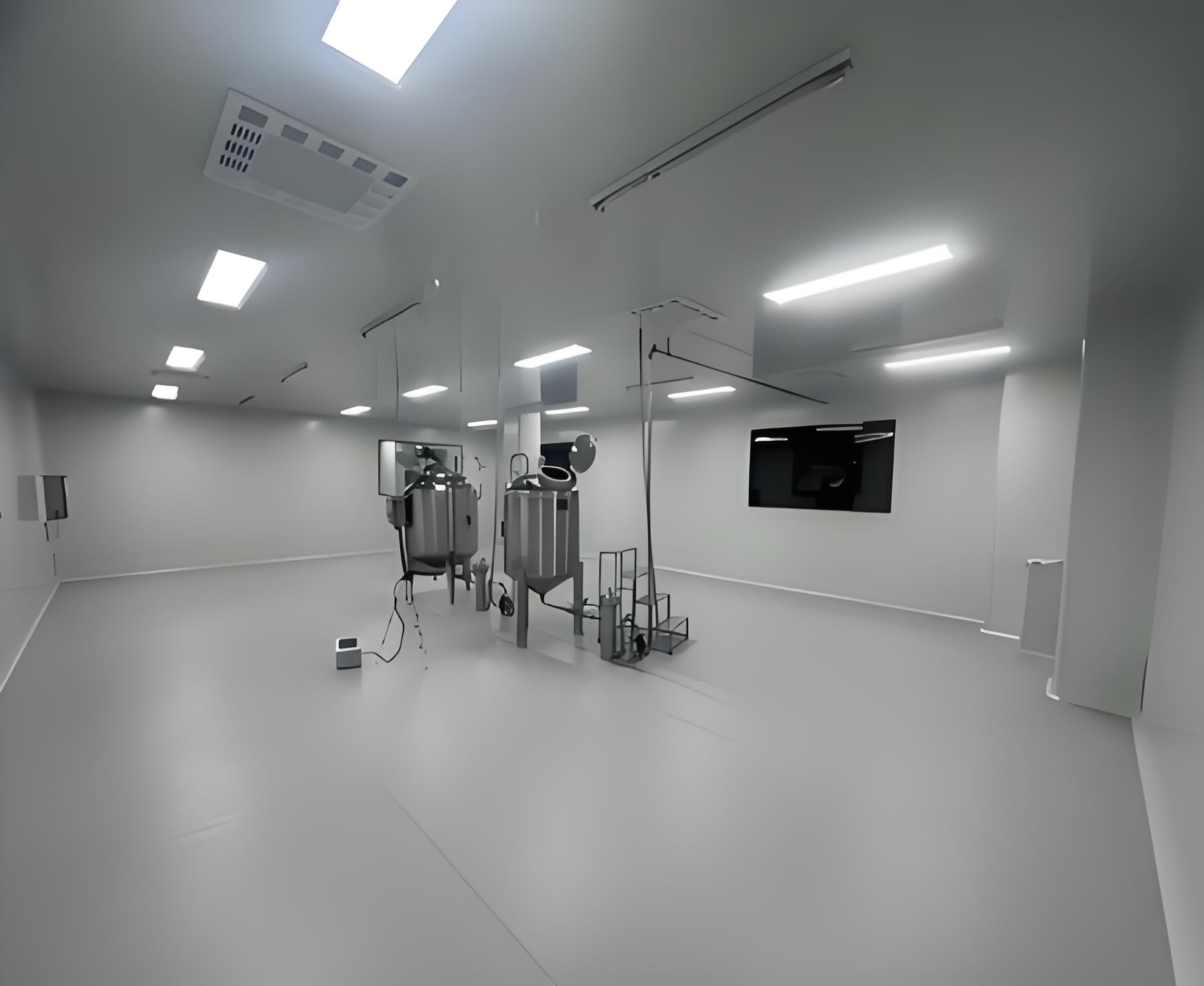
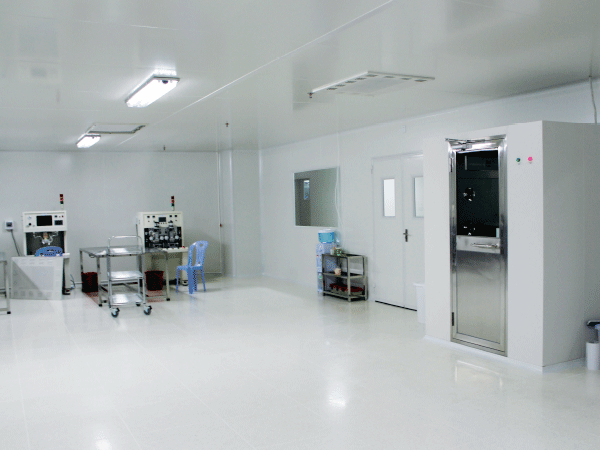
A perfectly controlled environment is the unseen foundation of countless modern innovations. Whether it's a microchip, a life-saving pharmaceutical, or a precision aerospace component, its reliability often begins in a space where air purity, temperature, and every procedural detail are meticulously governed. This is the domain of professional cleanroom design.
Effective cleanroom design is far more than just installing high-efficiency filters. It is a holistic engineering discipline that integrates architecture, HVAC systems, material science, and rigorous procedural protocols. The goal is to create a predictable, repeatable environment where pollutant levels—be they airborne particles, microbial contaminants, or chemical vapors—are kept within strict, predefined limits.
This article examines the core aspects that make a cleanroom functional, compliant, and efficient.
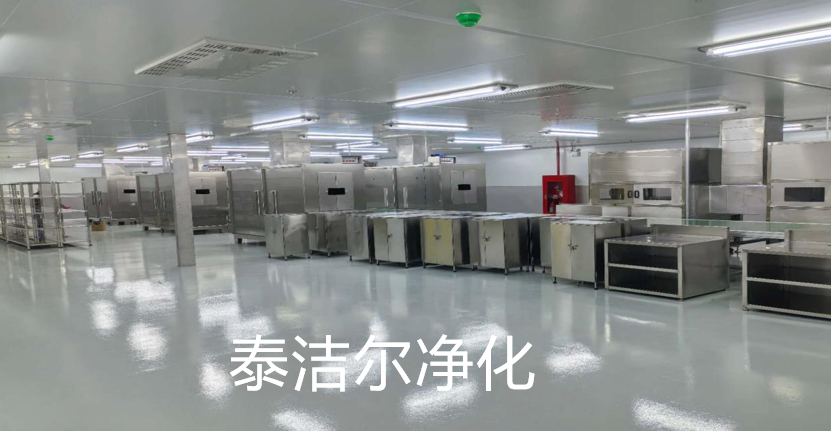
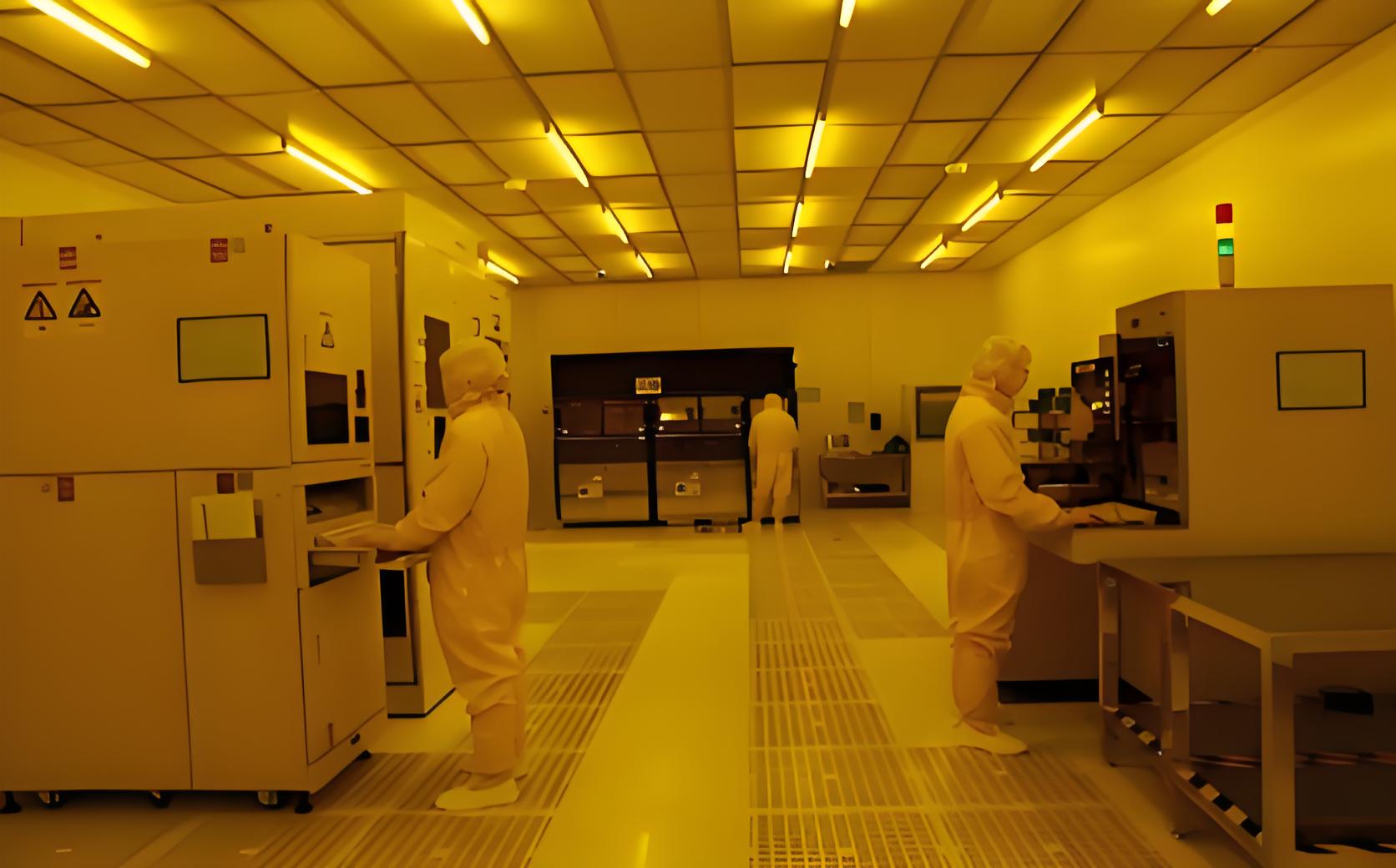
Every design project starts with a clear performance target, defined by ISO 14644-1 standards. This system classifies rooms by the number and size of particles permitted per cubic meter of air.
An ISO Class 5 room (formerly Class 100) is vastly different in its design requirements from an ISO Class 8 room. The target classification dictates everything from air change rates and filter types to the pressurization strategy and gowning protocols. Defining this parameter is the critical first step in any cleanroom design brief.
A cleanroom is rarely a single, monolithic space. Intelligent design incorporates a series of progressively cleaner zones.
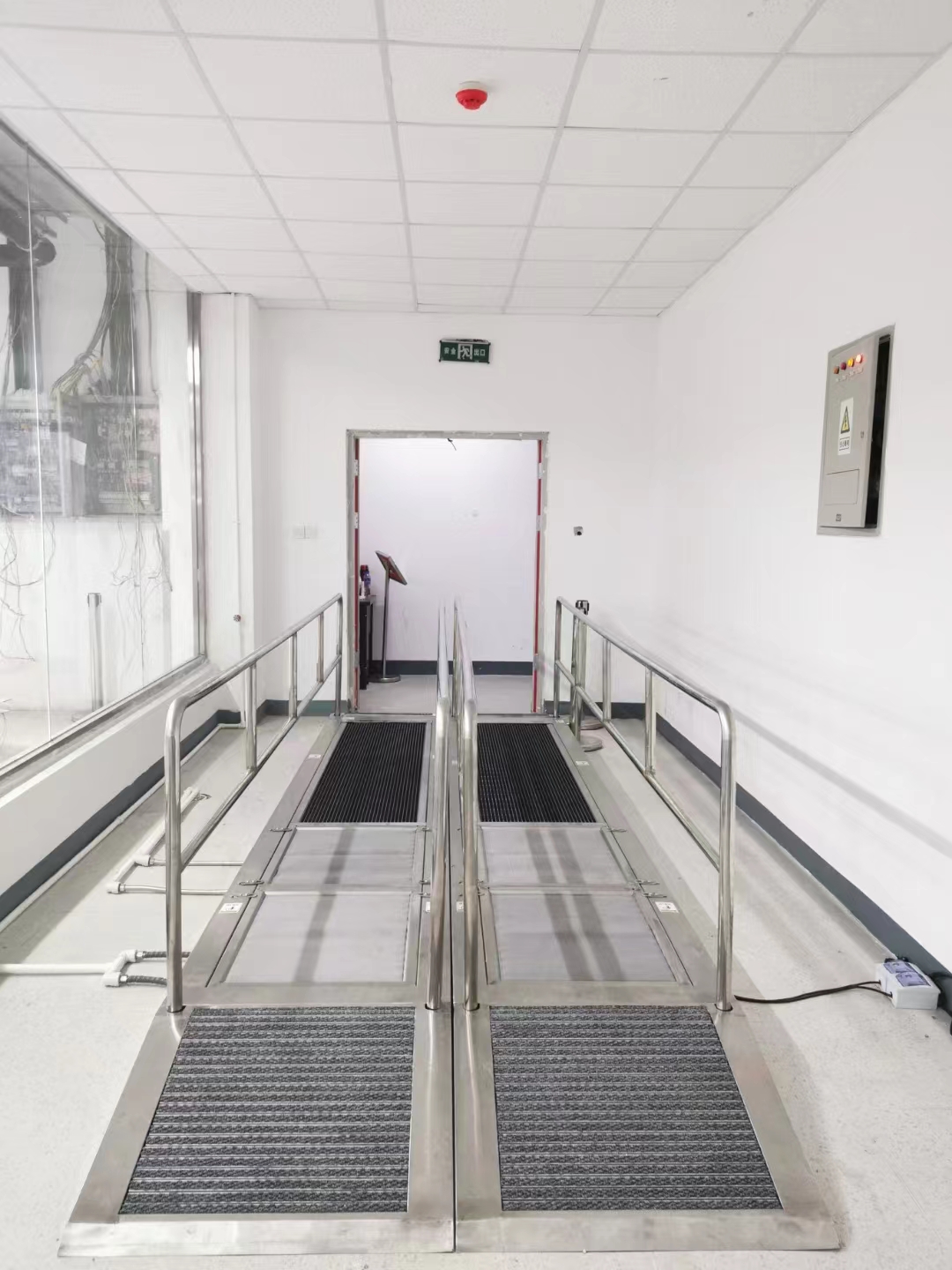
Personnel enter through changing rooms (gowning areas), which act as airlocks. Materials often pass through separate airlocks or sanitization chambers like pass-throughs. This zoning prevents contamination from being tracked directly into the critical core.
The flow pattern—how people and materials move from "dirtier" to "cleaner" areas—must be linear and logical. Crossing paths or backtracking can compromise integrity. A well-designed flow is a cornerstone of operational efficiency and contamination control.
This is the engineered core of the cleanroom design. The HVAC system must achieve several simultaneous goals:
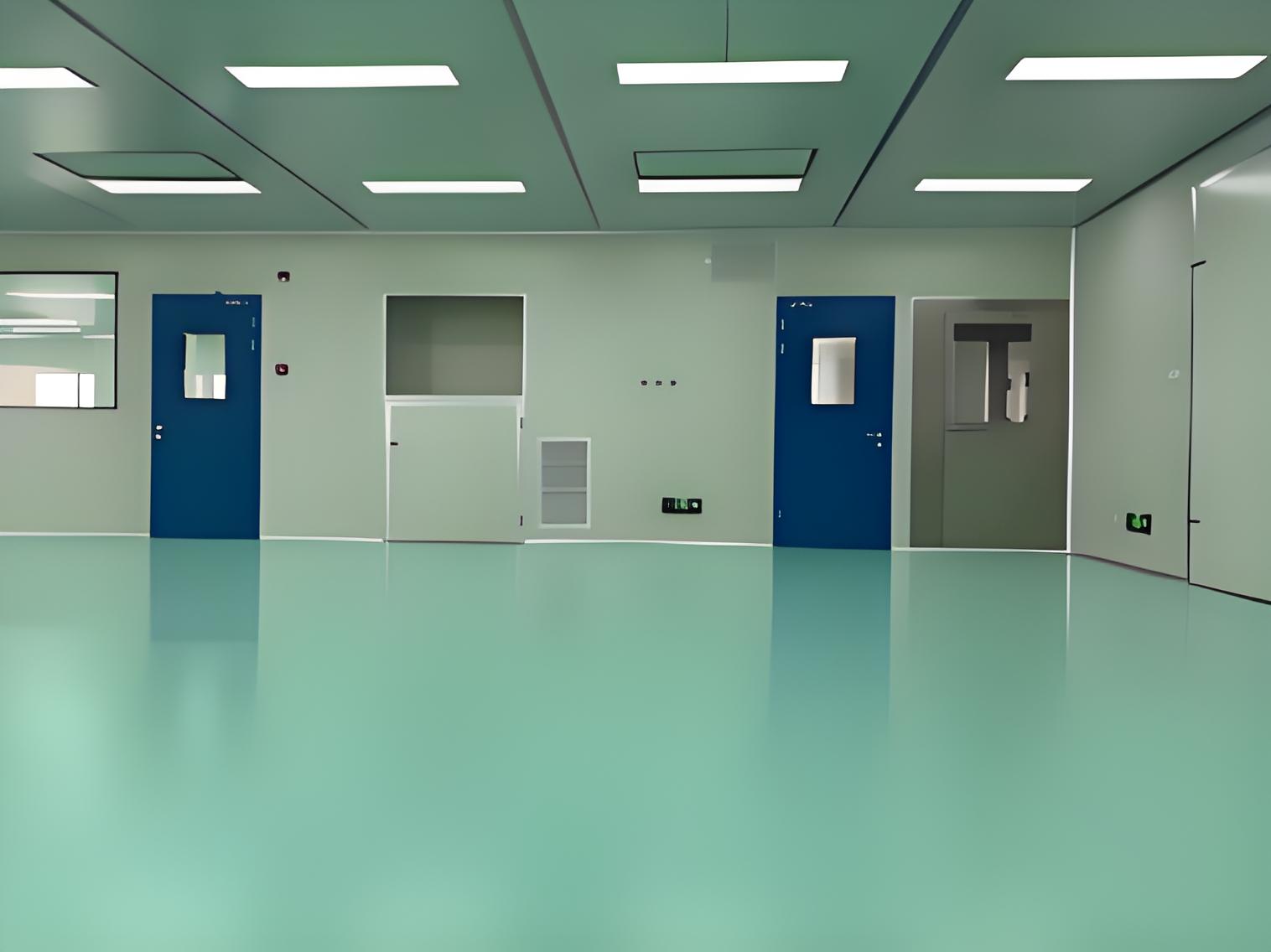
Every material inside a cleanroom must contribute to cleanliness. Walls, ceilings, and floors should be seamless, non-shedding, and easy to clean.
Common choices include coated gypsum board, modular insulated metal panels, and fiberglass-reinforced plastic (FRP) panels. Floors are often conductive or static-dissipative epoxy or urethane systems. The key is durability, cleanability, and the absence of pores or seams that can harbor contaminants.
Process requirements dictate utility needs. Electrical, process gases, DI water, and vacuum lines must be integrated without creating contamination traps or disrupting airflow.
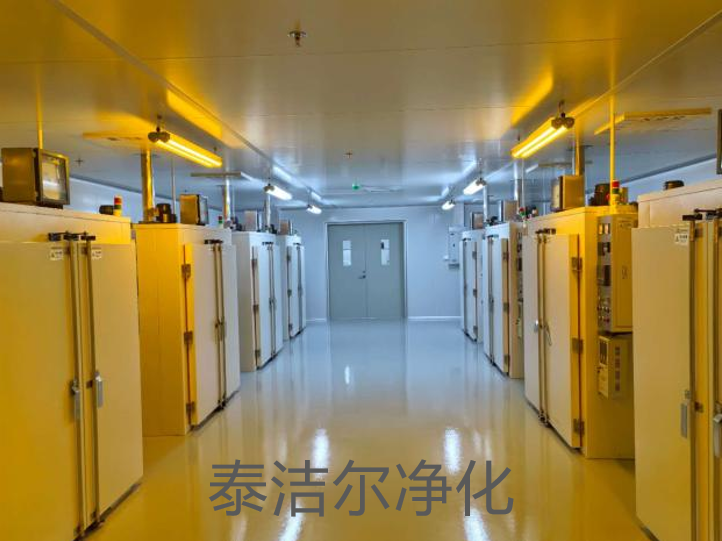
Lighting is another vital factor. Sealed, smooth-fixture LED lights are standard. They provide bright, cool illumination without generating excessive heat that could disrupt thermal stability.
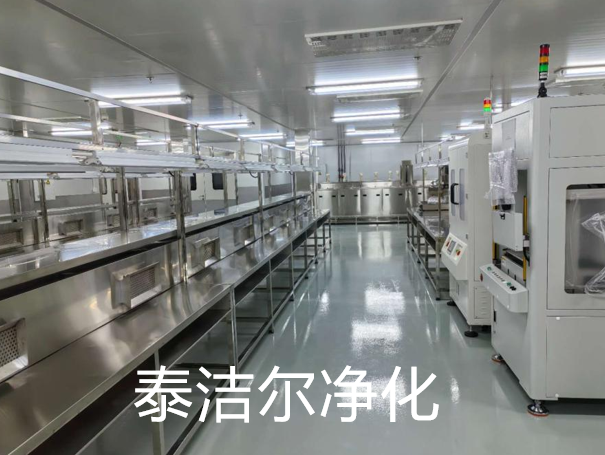
Modern cleanrooms are dynamic environments. Real-time monitoring of particles, pressure differentials, temperature, and humidity is essential. A Building Management System (BMS) or dedicated environmental monitoring system provides data logging, alarms, and trending, ensuring the facility operates within its validated state at all times. This is a non-negotiable aspect of contemporary cleanroom design for regulated industries.
For sectors like pharmaceuticals and medical devices, design is only the beginning. The facility must undergo a rigorous Qualification (Q) process: Installation Qualification (IQ), Operational Qualification (OQ), and Performance Qualification (PQ). This structured testing proves the cleanroom is built correctly, operates as intended, and consistently meets its specified classification under simulated or actual production conditions.
Given this complexity, partnering with a specialist firm is crucial. A partner like TAI JIE ER brings essential experience to the table. They understand how to translate a client's process needs into a compliant, efficient, and cost-effective physical layout. Their expertise spans from initial concept and detailed design to overseeing construction, commissioning, and validation support, ensuring a seamless project from blueprint to operational facility.
A successful cleanroom design is an intricate balance of science, engineering, and practical logistics. It creates the invisible, stable foundation upon which visible technological and medical advancements are built. By focusing on these fundamental principles and partnering with knowledgeable experts, organizations can secure a controlled environment that safeguards their most critical processes for years to come.
Q1: How long does it typically take from initial cleanroom design to operational status?
A1: The timeline varies significantly based on complexity, size, and certification requirements. A simple modular ISO Class 7 or 8 room can be operational in a few months. A large, ISO Class 5 biopharmaceutical facility with full validation can take 12 to 24 months from initial design to approved operational status.
Q2: What is the single biggest factor affecting the cost of a cleanroom build?
A2: While many factors contribute, the target ISO Classification and the associated HVAC system are typically the largest cost drivers. Achieving and maintaining ISO Class 5 or cleaner environments requires vastly more sophisticated air handling, higher fan power, advanced filtration, and precise control systems than a Class 7 or 8 room.
Q3: Can an existing room or warehouse be converted into a cleanroom?
A3: Yes, retrofitting existing spaces is common. The feasibility depends on ceiling height, existing utility capacities, floor strength, and the ability to install the necessary HVAC ductwork and machinery. A design-build firm like TAI JIE ER can assess the space and provide a retrofit design that meets requirements, often using modular cleanroom solutions for efficiency.
Q4: How often does a cleanroom need to be re-certified?
A4: ISO 14644-2 recommends testing at maximum intervals of 6 months for particle counts for ISO Class 5 and above, and 12 months for Class 6 and below. However, most regulated industries require more frequent monitoring (e.g., continuous or daily for pressure differentials) and formal re-certification at 6 or 12-month intervals as part of their quality system.
Q5: What's the difference between a "modular" and a "stick-built" (traditional) cleanroom?
A5: A modular cleanroom uses pre-engineered wall, ceiling, and support systems (often metal-faced insulated panels) that are assembled on-site. It offers faster installation, easier future modification, and potential relocation. A stick-built cleanroom uses traditional construction (e.g., drywall, studs) with applied cleanroom finishes. It can be more cost-effective for very large, permanent facilities and can offer better integration with a building's existing architecture. The choice depends on budget, timeline, flexibility needs, and longevity.