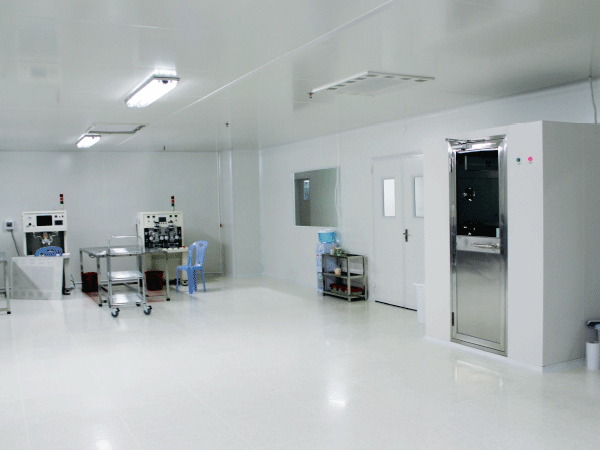

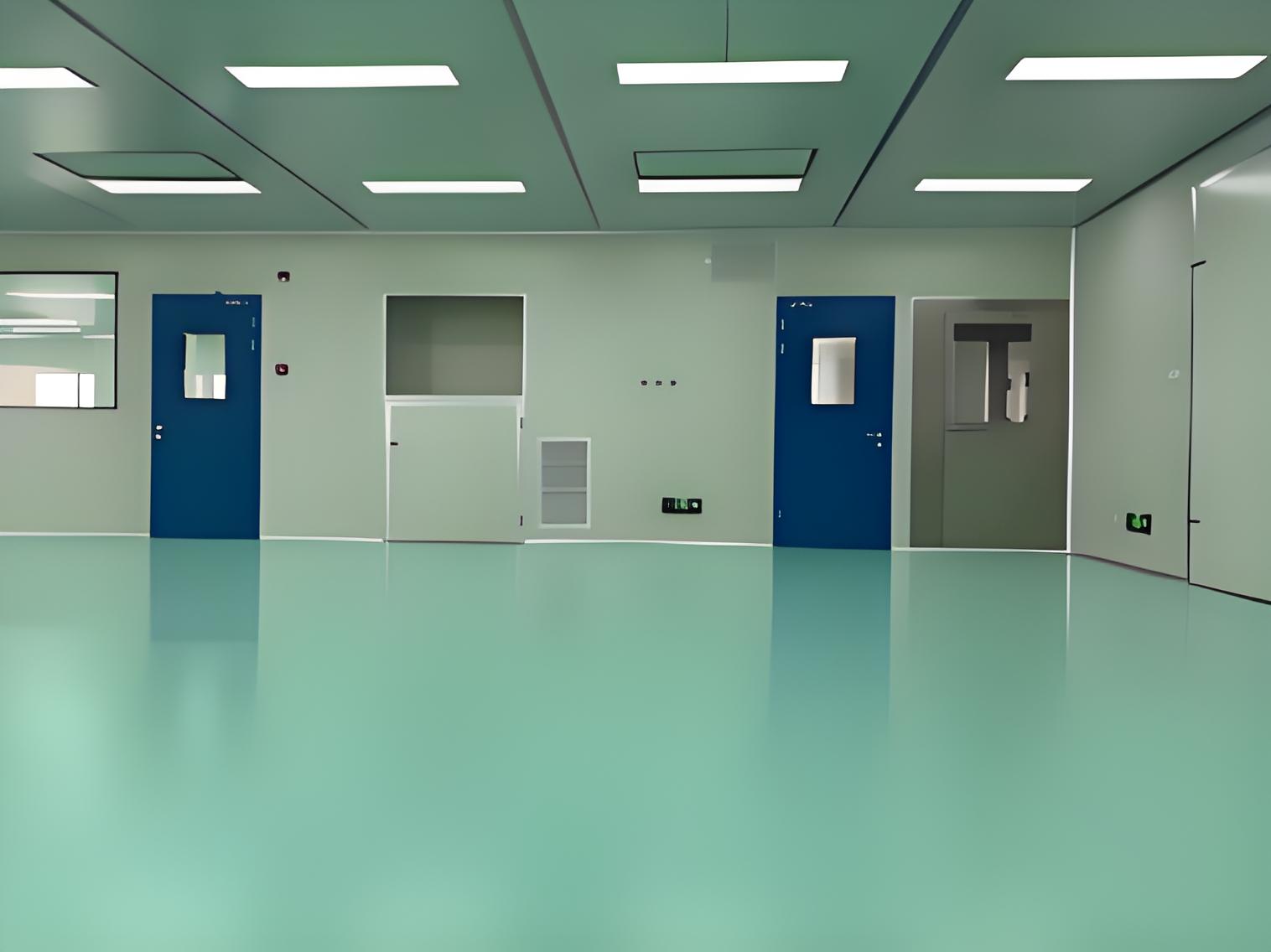
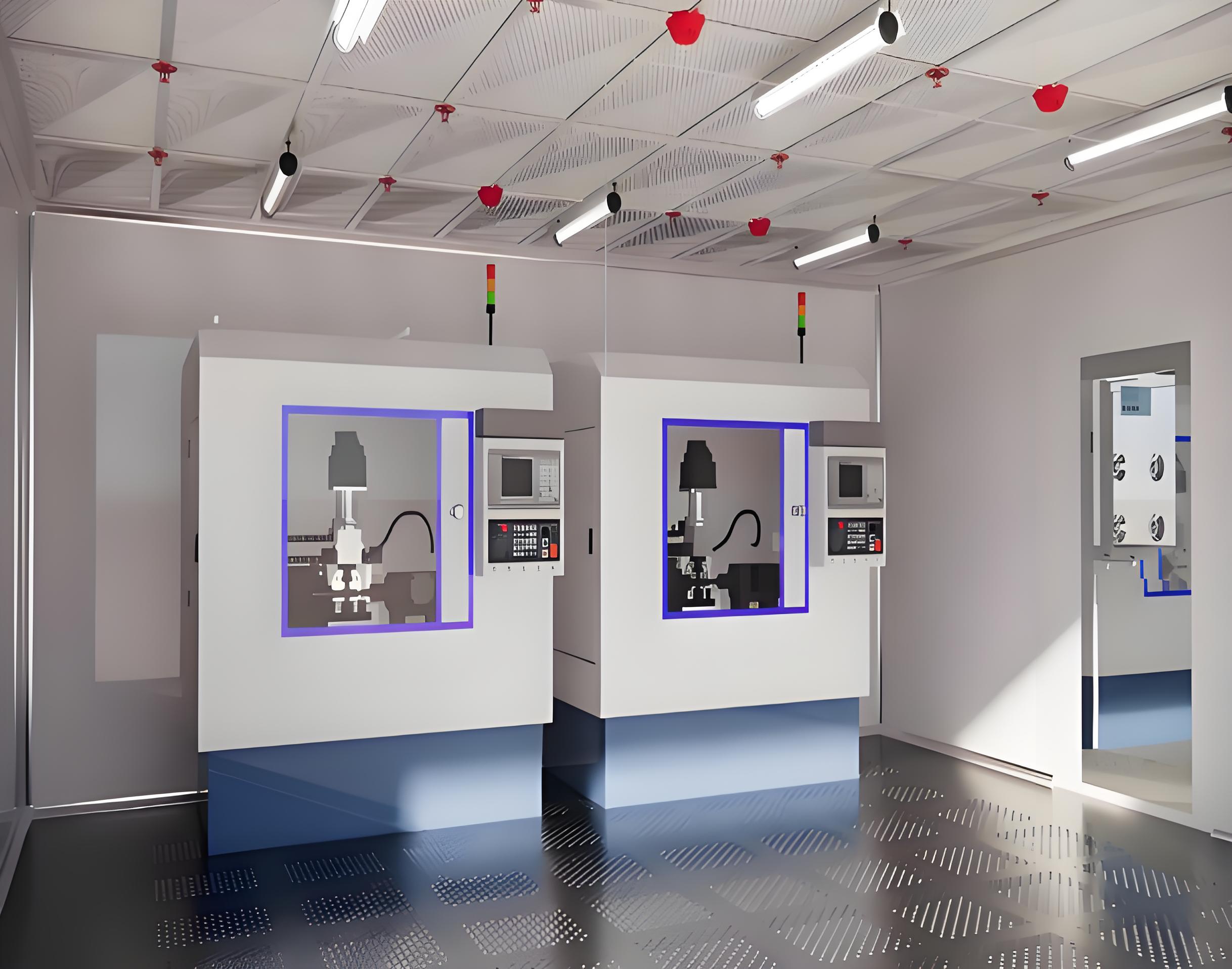
Cleanroom design is a critical process in creating controlled environments for industries like pharmaceuticals, semiconductors, and biotechnology. Proper Cleanroom design ensures contamination control, product quality, and regulatory compliance. This article outlines the fundamental aspects to consider.
A well-planned cleanroom supports operational efficiency and safety. It involves integrating various systems to maintain specific cleanliness levels. Understanding the basics helps in achieving optimal performance.
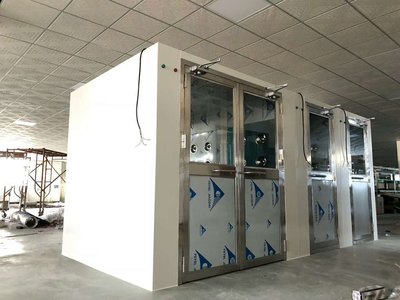
The foundation of any cleanroom lies in its design principles. These principles focus on controlling particulate and microbial contamination. Key elements include airflow, pressure differentials, and material selection.
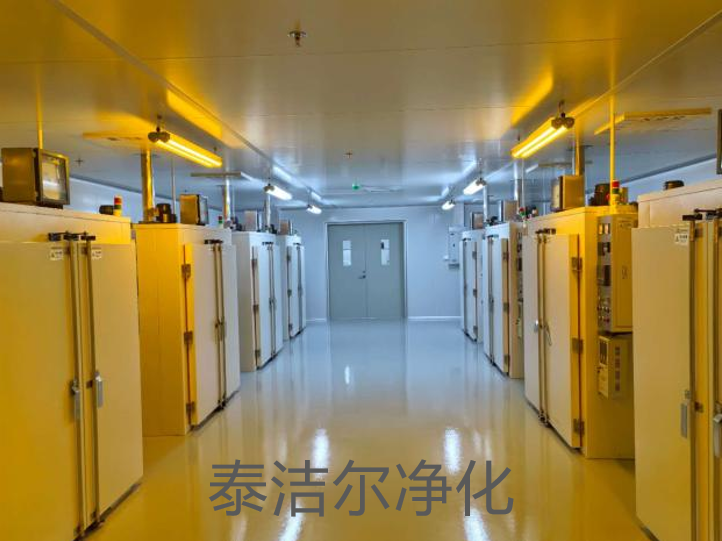
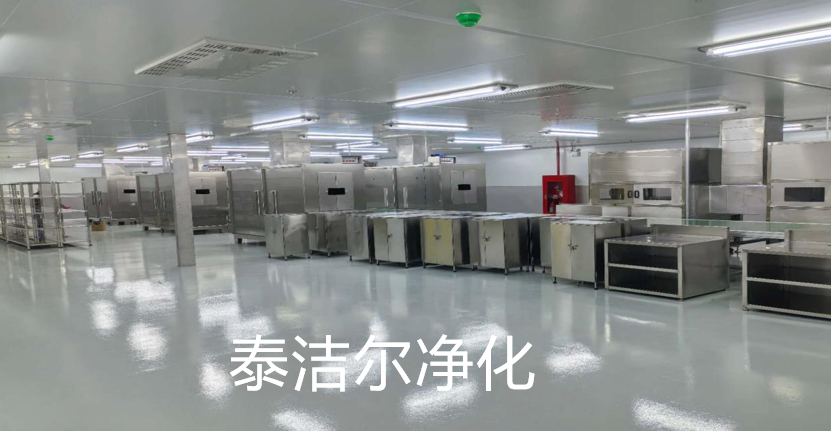
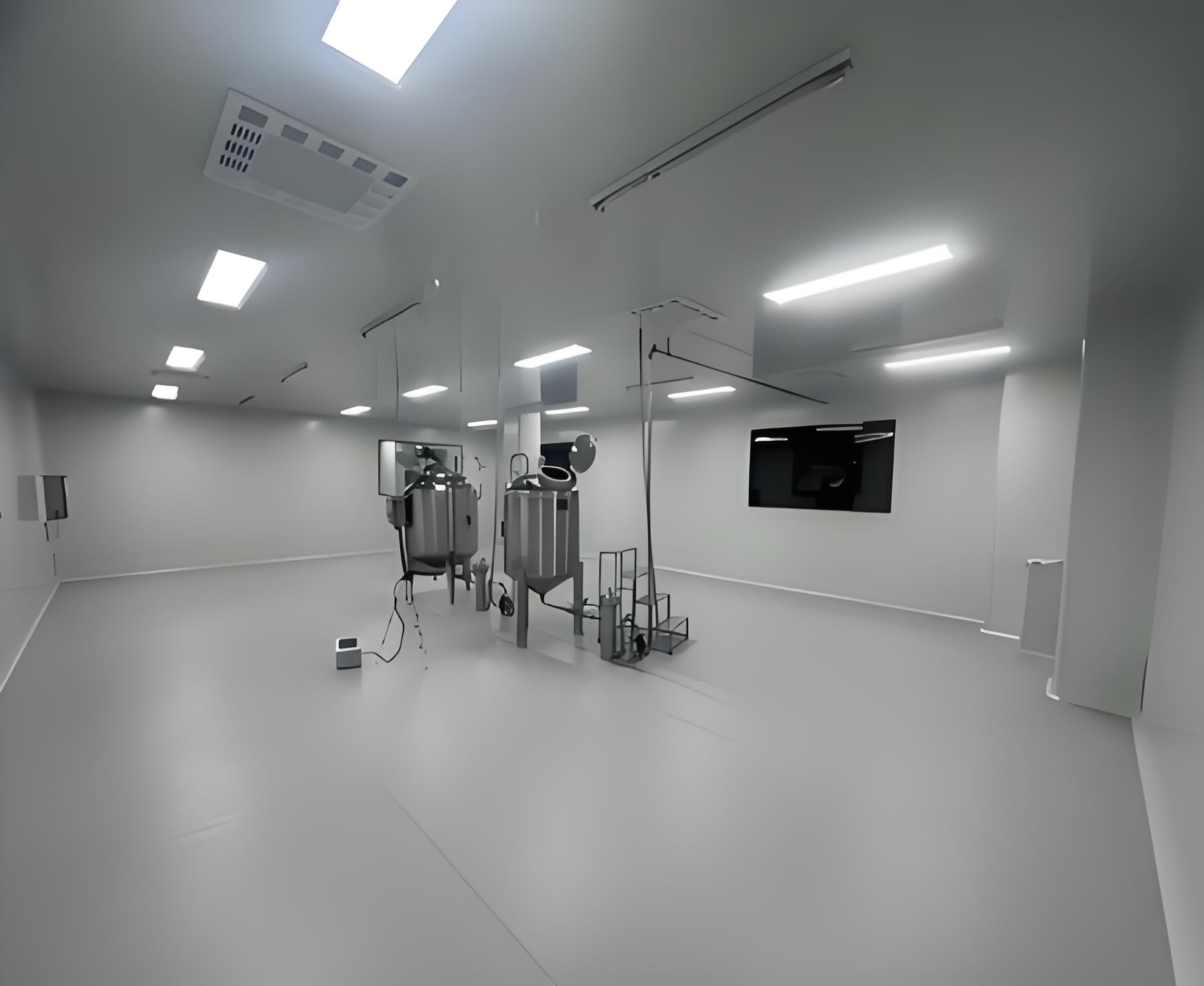
A cleanroom is an enclosed space with regulated environmental conditions. It is used in industries where even minor contaminants can affect outcomes. The design aims to minimize pollution from sources like personnel, equipment, and processes.
Primary objectives include:
Maintaining specified air cleanliness levels.
Controlling temperature, humidity, and pressure.
Ensuring safety for products and personnel.
Effective Cleanroom design relies on several core principles. These guide the planning and implementation phases. They help in meeting industry-specific requirements.
Controlled airflow patterns to remove contaminants.
Use of appropriate filtration systems, such as HEPA or ULPA filters.
Selection of non-shedding, easy-to-clean materials for surfaces.
Proper zoning to separate clean and less clean areas.
Adhering to international standards is essential for cleanroom design. These standards define cleanliness levels and testing methods. Compliance ensures consistency and reliability across industries.
The ISO 14644 series provides guidelines for cleanrooms and associated controlled environments. It classifies cleanrooms based on airborne particulate concentration. Classes range from ISO 1 (most clean) to ISO 9 (least clean).
Key aspects covered:
Classification of air cleanliness.
Testing procedures for compliance.
Monitoring and operational requirements.
Different industries have unique cleanroom needs. For example, pharmaceutical cleanrooms must follow GMP guidelines. Semiconductor facilities often require stricter particle control.
Common industry standards include:
FDA regulations for pharmaceuticals and medical devices.
EU GMP Annex 1 for sterile products.
Federal Standard 209E (still referenced in some regions).
Several components work together to achieve desired cleanroom conditions. Each plays a vital role in contamination control. Proper integration is crucial for functionality.
Heating, ventilation, and air conditioning (HVAC) systems are central to cleanroom design. They regulate air quality, temperature, and humidity. Efficient systems reduce energy consumption while maintaining standards.
Important features include:
High-efficiency particulate air (HEPA) filters.
Laminar or turbulent airflow designs.
Precise control of pressure differentials.
Filtration removes contaminants from the air. HEPA filters are common in many cleanrooms. ULPA filters offer even higher efficiency for critical applications.
Selection depends on:
Required cleanliness class.
Airflow rates and volume.
Maintenance and replacement schedules.
Strategic planning ensures a cleanroom meets operational goals. It involves assessing site conditions and optimizing space. A good layout enhances workflow and contamination control.
Before design begins, evaluate the site. Factors like existing infrastructure, utilities, and environmental impacts matter. This assessment informs the design approach.
Key steps include:
Analyzing space availability and dimensions.
Identifying potential contamination sources.
Ensuring access for construction and maintenance.
Cleanroom design typically follows structured phases. These include conceptual design, detailed planning, and implementation. Each phase addresses specific technical and regulatory aspects.
Conceptual design: Define requirements and overall layout.
Detailed design: Specify materials, systems, and components.
Construction documentation: Create blueprints and schedules.
Materials used in cleanrooms must minimize particle generation. They should be durable, easy to clean, and compatible with cleaning agents. Proper selection reduces contamination risks.
Common choices include smooth panels, vinyl, or epoxy coatings. These materials resist corrosion and support seamless surfaces. They help maintain cleanliness over time.
Considerations:
Non-porous surfaces to prevent microbial growth.
Fire resistance and safety compliance.
Long-term durability under frequent cleaning.
Floors must withstand heavy traffic and chemical exposure. Options like vinyl, epoxy, or raised floors are popular. They provide easy cleaning and static control.
Factors to evaluate:
Slip resistance and ergonomic design.
Static dissipative properties for electronics.
Seamless installation to avoid dirt traps.
After construction, cleanrooms must be validated to ensure they meet design specifications. Regular maintenance preserves performance. This includes monitoring and periodic testing.
Validation tests airflow, particle counts, and pressure differentials. It confirms compliance with standards like ISO 14644. Certification is often required for operational approval.
Typical tests involve:
Particle count measurements at various locations.
Airflow velocity and uniformity checks.
Leak testing of filters and enclosures.
Continuous monitoring detects deviations from set parameters. It helps in proactive maintenance. Systems may include sensors for particles, temperature, and humidity.
Best practices include:
Daily checks of pressure differentials.
Regular filter inspections and replacements.
Documenting all maintenance activities.
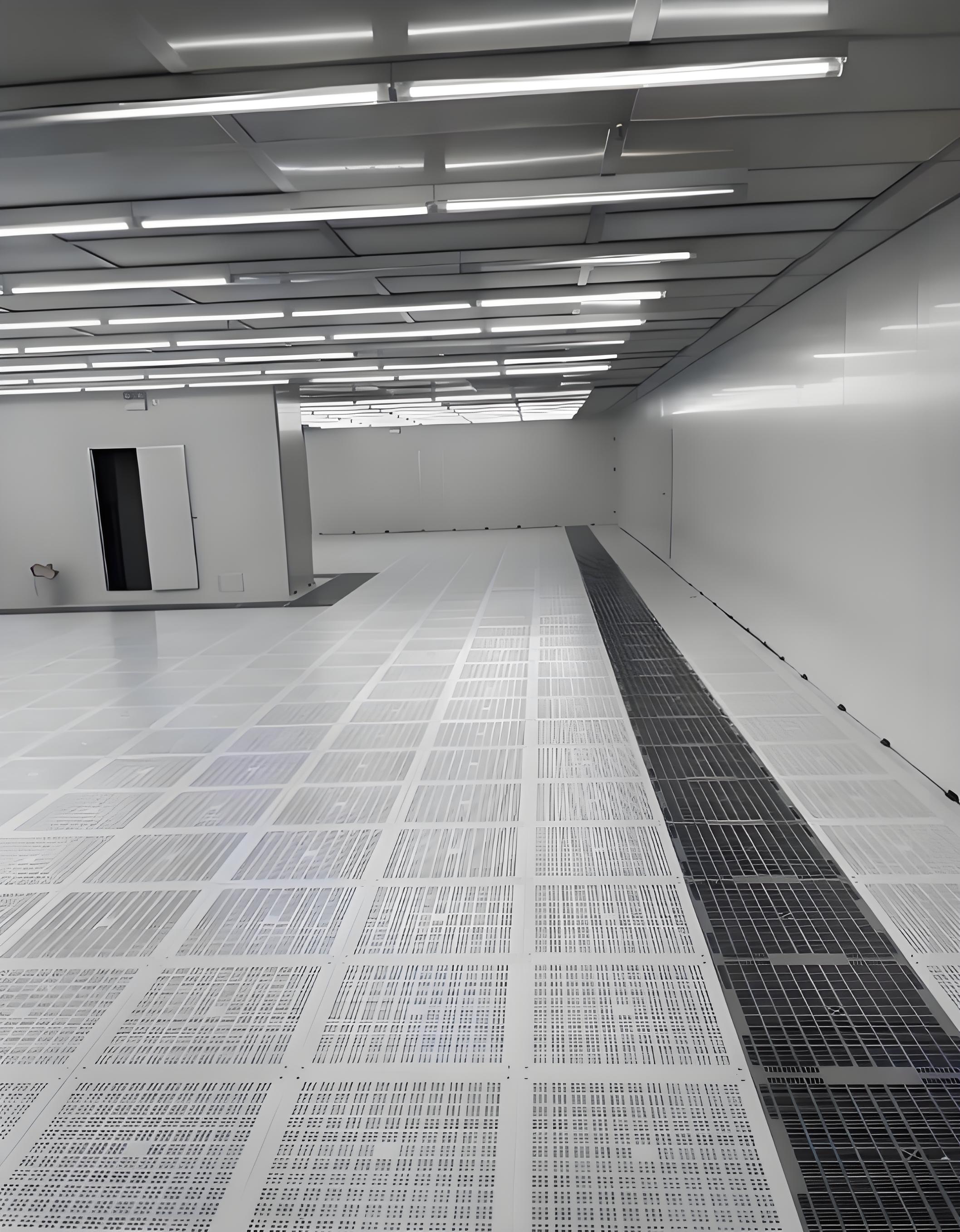
Designing a cleanroom involves addressing potential challenges. These can include cost constraints, space limitations, and evolving regulations. Solutions require careful planning and expertise.
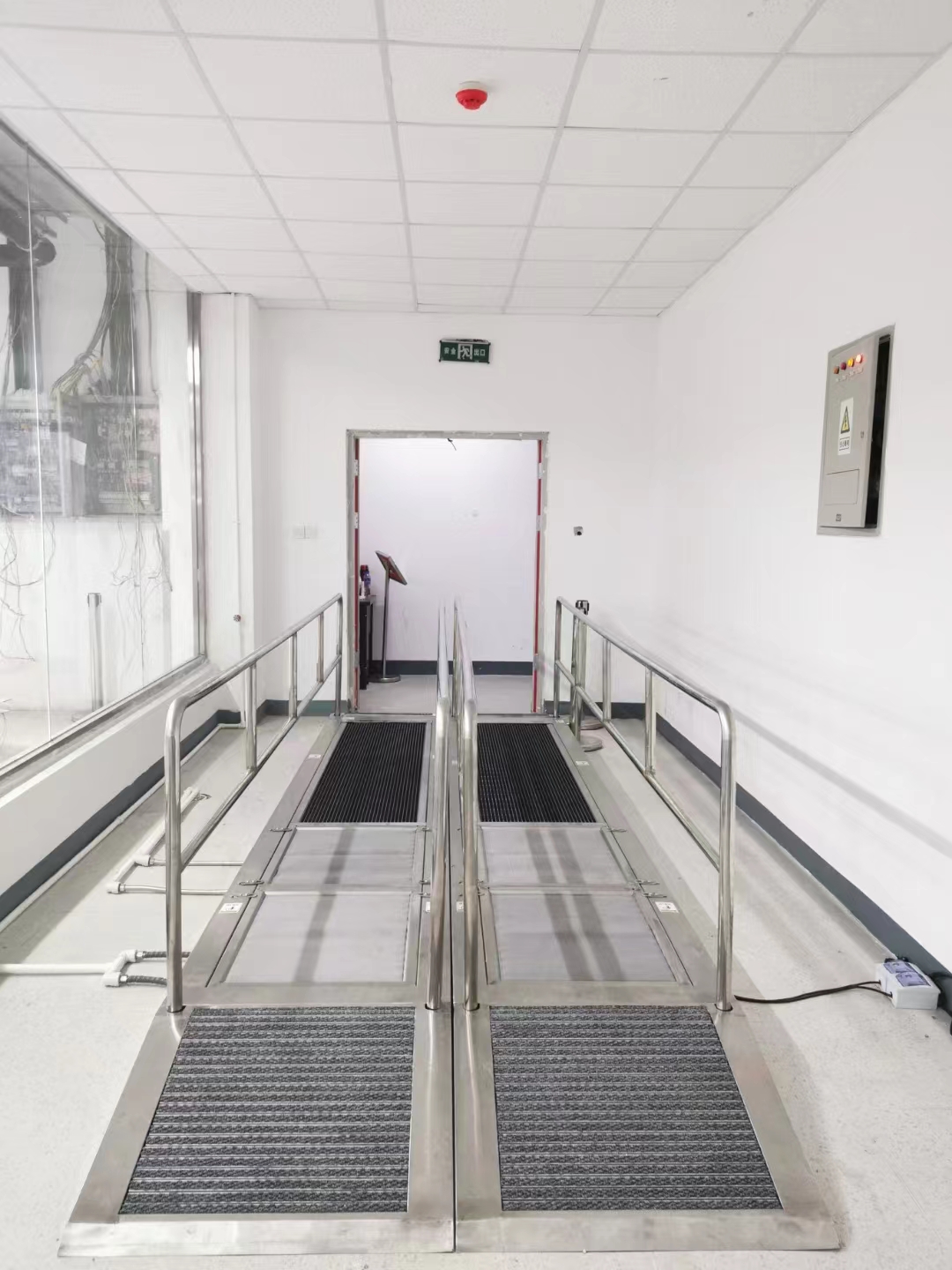
Preventing contamination is a constant challenge. Strategies include proper gowning procedures and airlock systems. Design must minimize human and material ingress of pollutants.
Effective measures:
Installing anterooms and pass-throughs.
Using dedicated tools and equipment.
Training personnel on cleanroom protocols.
Cleanroom projects can be expensive. Balancing budget with performance needs is key. Value engineering helps optimize costs without compromising quality.
Approaches to consider:
Selecting cost-effective materials that meet standards.
Designing for energy efficiency to reduce operational costs.
Phasing construction to spread expenses.
Successful cleanroom design requires attention to detail and adherence to standards. It integrates various systems to create controlled environments. Proper planning ensures long-term reliability and compliance.
For expert assistance, consider consulting with professionals like TAI JIE ER. Their experience can help navigate the complexities of Cleanroom design. Investing in a well-designed cleanroom pays off in product quality and operational efficiency.
Q1: What is the first step in cleanroom design?
A1: The first step is defining the requirements based on the intended use. This includes determining the cleanliness class (e.g., ISO level), environmental controls, and industry regulations. A thorough needs assessment guides the entire design process.
Q2: How long does it take to design and build a cleanroom?
A2: The timeline varies depending on complexity, size, and regulatory approvals. Simple cleanrooms may take a few months, while large, high-class facilities can require a year or more. Planning phases alone might take several weeks to months.
Q3: What are the most common mistakes in cleanroom design?
A3: Common mistakes include underestimating airflow requirements, poor material selection, and inadequate zoning for contamination control. Overlooking maintenance access or future scalability can also lead to issues. Working with experienced designers helps avoid these pitfalls.
Q4: How often should a cleanroom be recertified?
A4: Recertification frequency depends on standards and usage. Typically, cleanrooms are recertified annually or after significant modifications. Regular monitoring may prompt more frequent checks. Following ISO 14644 guidelines is recommended.
Q5: Can an existing room be converted into a cleanroom?
A5: Yes, existing rooms can be converted, but it requires careful evaluation. Factors like structural integrity, HVAC capacity, and utility access must be assessed. Retrofitting often involves installing new filtration systems and sealing surfaces to meet cleanliness standards.