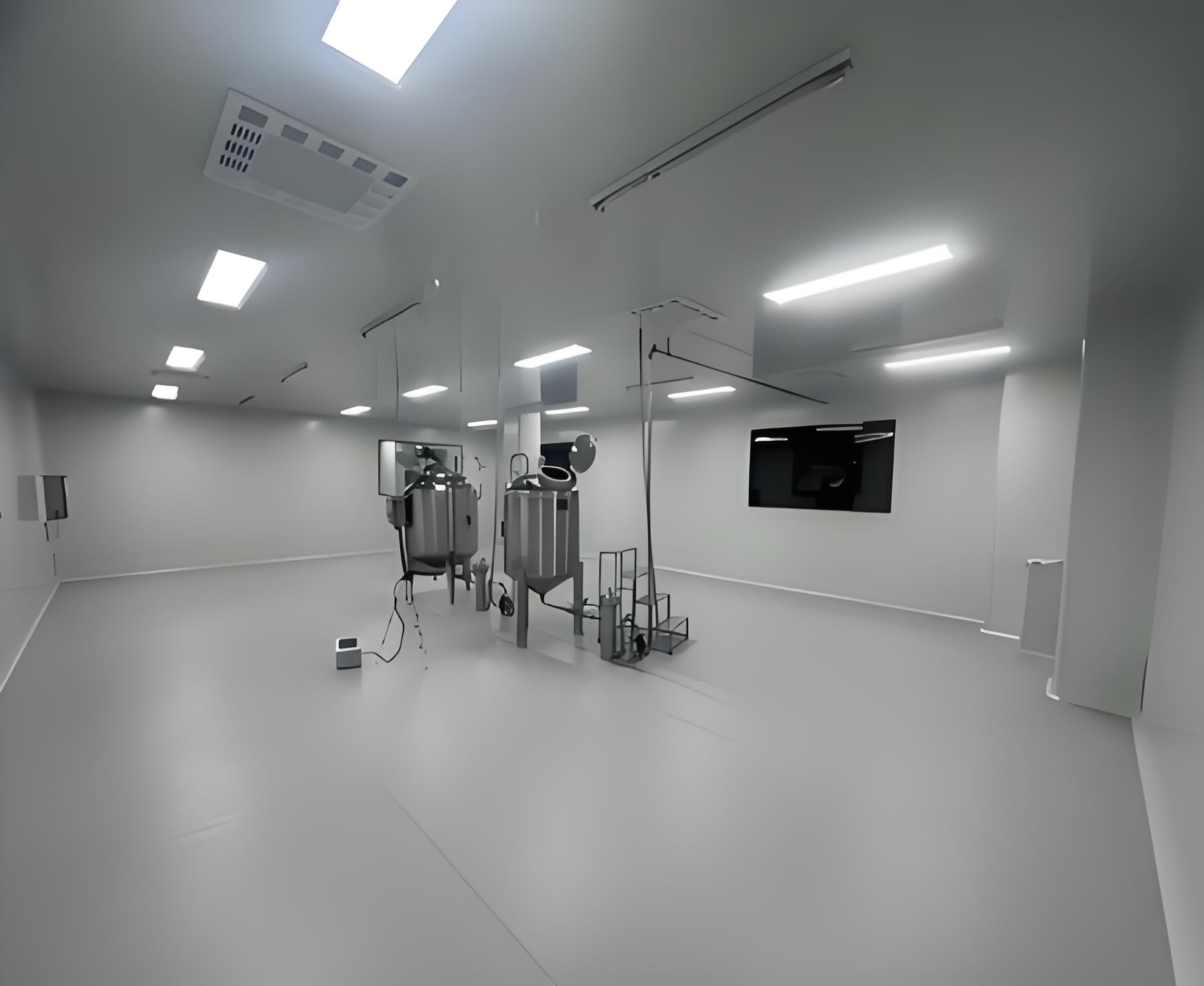
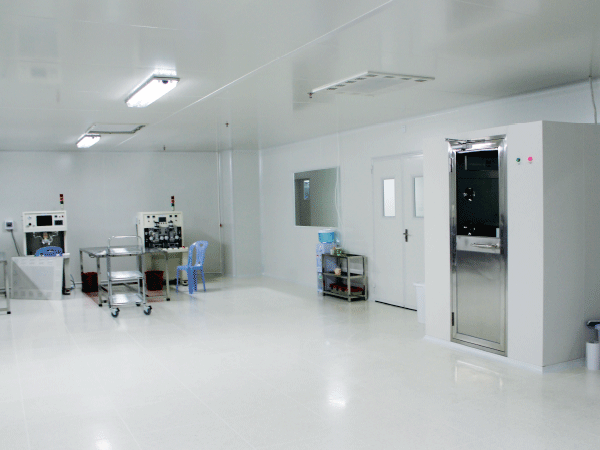

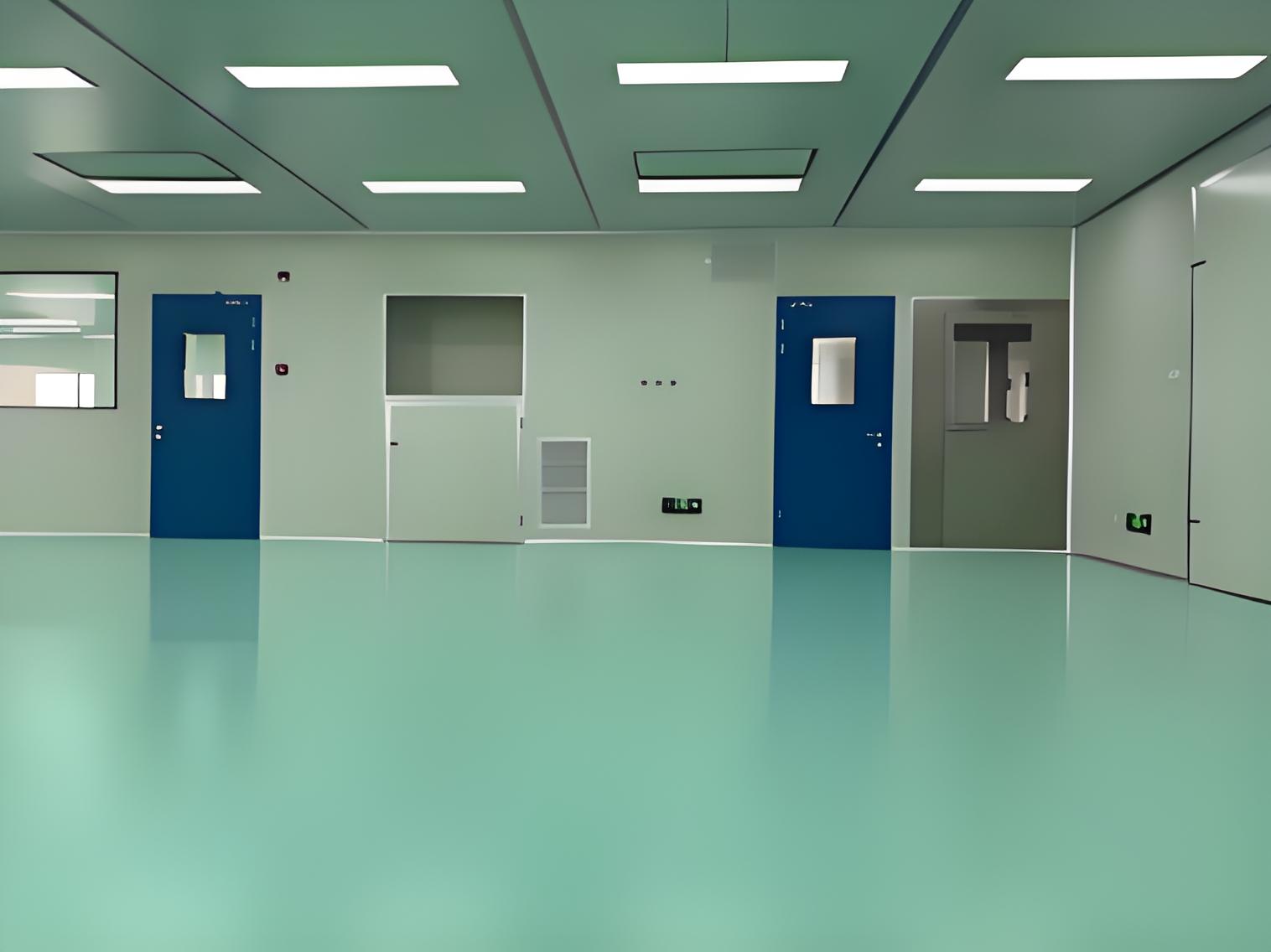
In today’s advanced manufacturing and research landscape, controlling environmental contamination is not just a goal—it’s an absolute necessity. This is where the specialized environment of a cleanroom becomes critical. These controlled spaces are engineered to maintain extremely low levels of airborne particles, such as dust, microbes, and chemical vapors. The specific requirements for a cleanroom, however, vary dramatically depending on its application. A one-size-fits-all approach does not exist. For companies like TAI JIE ER, understanding these nuanced differences is the foundation of delivering a successful project that meets exact operational and regulatory demands.
The first step in any project is defining the required level of cleanliness. Globally, two main standards are used: the ISO 14644-1 and the older U.S. Federal Standard 209E, which is still often referenced.
The ISO standard classifies rooms from ISO 1 (cleanest) to ISO 9 (least clean) based on the maximum allowable concentration of airborne particles per cubic meter of air. For example, an ISO 5 cleanroom (equivalent to Class 100) allows no more than 3,520 particles of size 0.5 microns per cubic meter. The classification level dictates every other design decision.
It’s also vital to consider industry-specific standards. Pharmaceutical facilities must comply with Good Manufacturing Practice (GMP) guidelines, which incorporate ISO standards but add requirements for aseptic processing and microbial monitoring.
Each sector pushes cleanroom technology in different directions, focusing on specific contamination types.
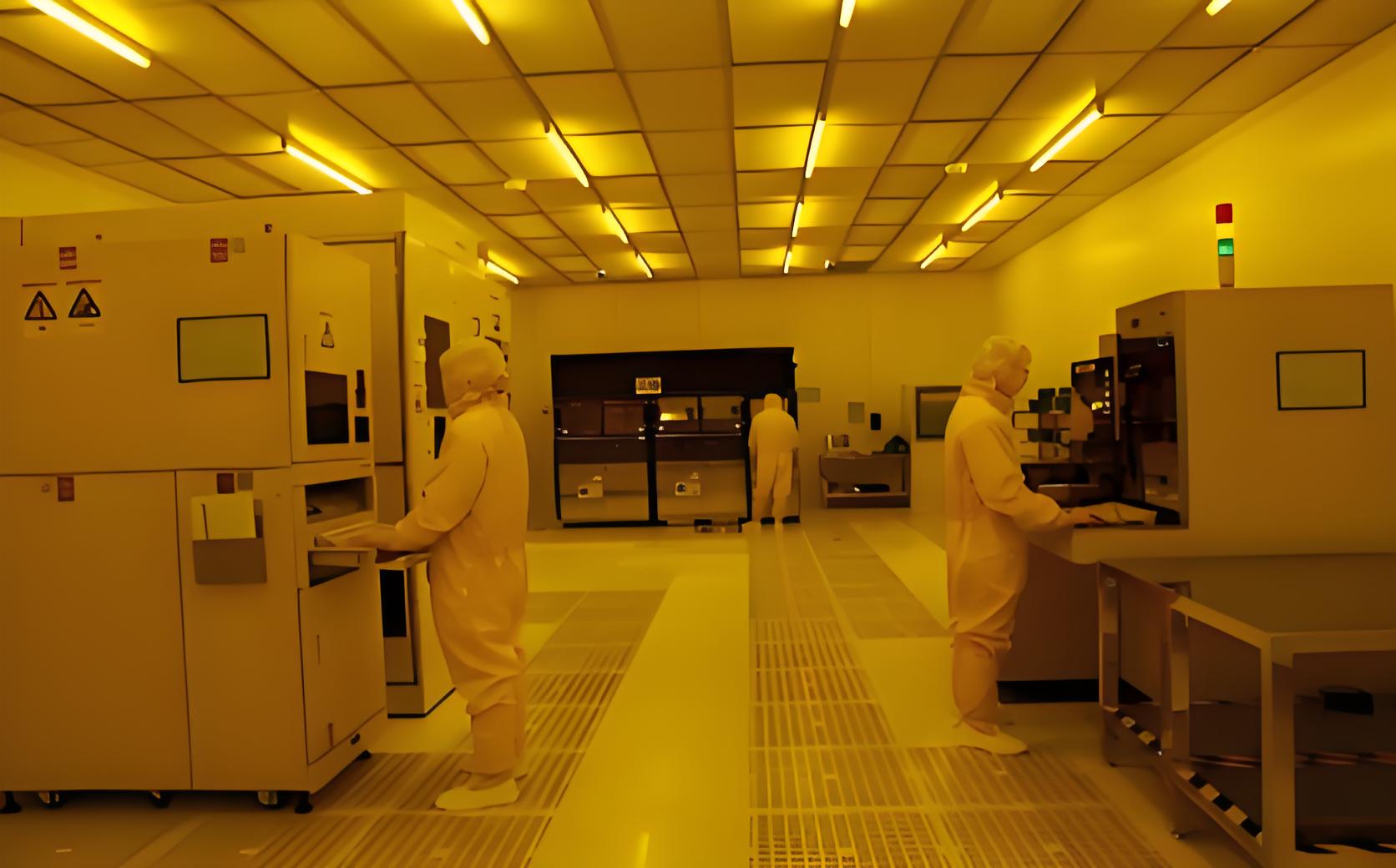
Semiconductor and Microelectronics: Here, even a single microscopic particle can destroy a microchip. These facilities often require ISO 3-5 environments. The focus is on eliminating electrostatic discharge (ESD) and controlling airborne molecular contamination (AMC) from chemicals. Ultra-pure materials and vibration control for sensitive lithography equipment are also paramount.
Pharmaceutical and Biotechnology: Contamination control targets both particulates and, crucially, viable organisms (bacteria, fungi). Areas for sterile filling often operate at ISO 5 with unidirectional (laminar) airflow hoods. GMP emphasizes cleanability, material integrity, and detailed documentation for every process. Biocontainment labs, conversely, focus on keeping hazards in, requiring negative pressure and HEPA filtration on exhaust.
Medical Device Manufacturing: Requirements span a wide range. Implantable devices like pacemakers or joint replacements may need an aseptic ISO 7 environment. Packaging areas for sterile devices might require ISO 8. The key is a risk-based approach aligned with regulatory submissions to bodies like the FDA.
Aerospace and Optics: While particle counts are important, the focus often shifts to environmental stability. Manufacturing satellite components or laser optics requires precise control of temperature and humidity to prevent material warping. Vibration isolation from external sources is another critical design factor.
Constructing a controlled environment involves integrating several engineered systems.
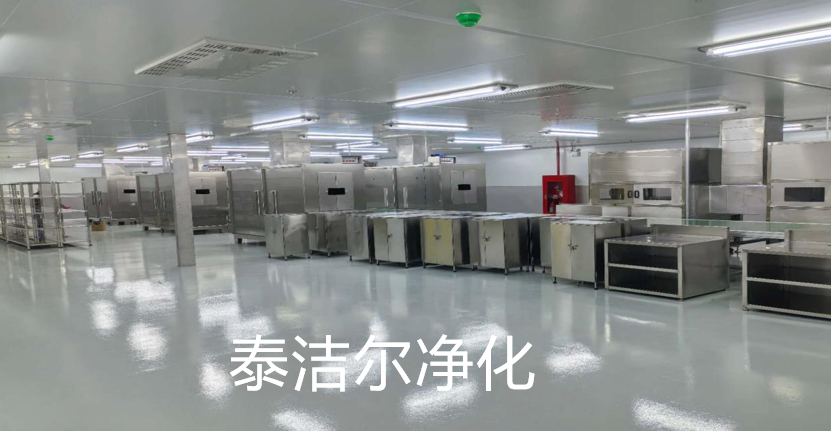
Wall, Ceiling, and Floor Systems: Smooth, non-shedding, and easily cleanable surfaces are mandatory. Common choices include coated steel panels, fiberglass-reinforced plastic (FRP), and high-performance vinyl flooring with coved bases to eliminate corners.
Air Filtration and HVAC Systems: This is the heart of the cleanroom. High-efficiency particulate air (HEPA) or ultra-low penetration air (ULPA) filters remove particles from the supplied air. The airflow pattern—whether laminar (unidirectional) or turbulent (mixed)—is selected based on the class and process. The system must provide stable temperature and humidity.
Pressurization: Rooms are kept at a positive or negative air pressure relative to adjacent spaces to control the flow of contamination. Aseptic filling suites are positive to keep contaminants out, while a lab handling potent compounds would be negative to keep them in.
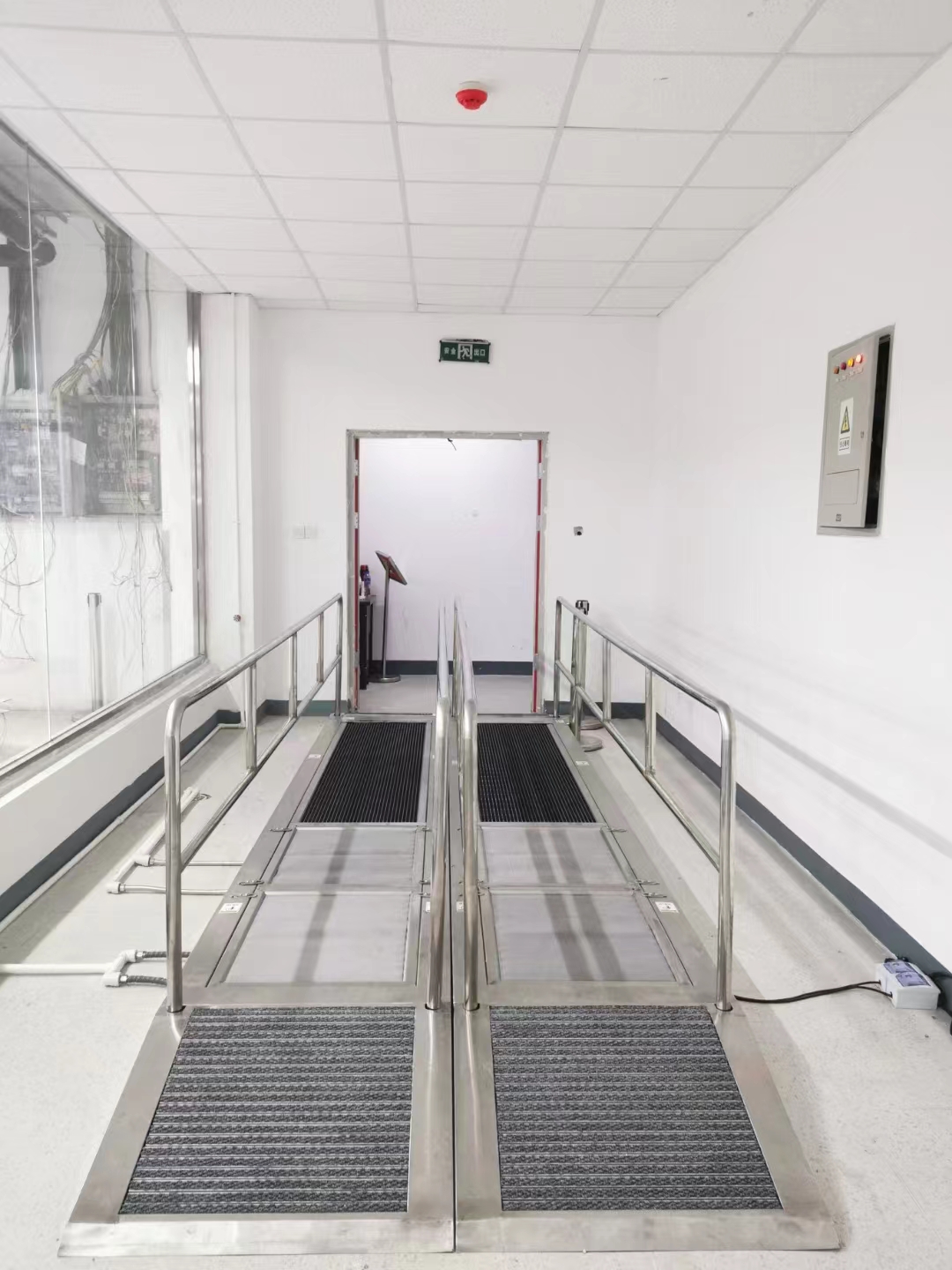
The cleanroom itself is only part of the solution. People are the largest source of contamination. Strict gowning procedures are enforced.
Operators wear coveralls, hoods, booties, gloves, and face masks made from low-lint synthetic materials. The gowning sequence is performed in a graduated airlock. Comprehensive training on aseptic techniques, movement, and material handling is continuous. Without disciplined personnel, even the best-designed cleanroom will fail.
A newly built space is not operational until it is proven to perform. This involves a formal validation process.
Initial certification tests particle counts, airflow velocity and uniformity, filter integrity, pressurization, and recovery time. TAI JIE ER oversees this rigorous testing to provide the data needed for regulatory compliance.
Monitoring never stops. Particle counters provide continuous data. Regular recertification, typically every 6-12 months, is required. Microbial monitoring through settle plates and air samplers is standard in life sciences.
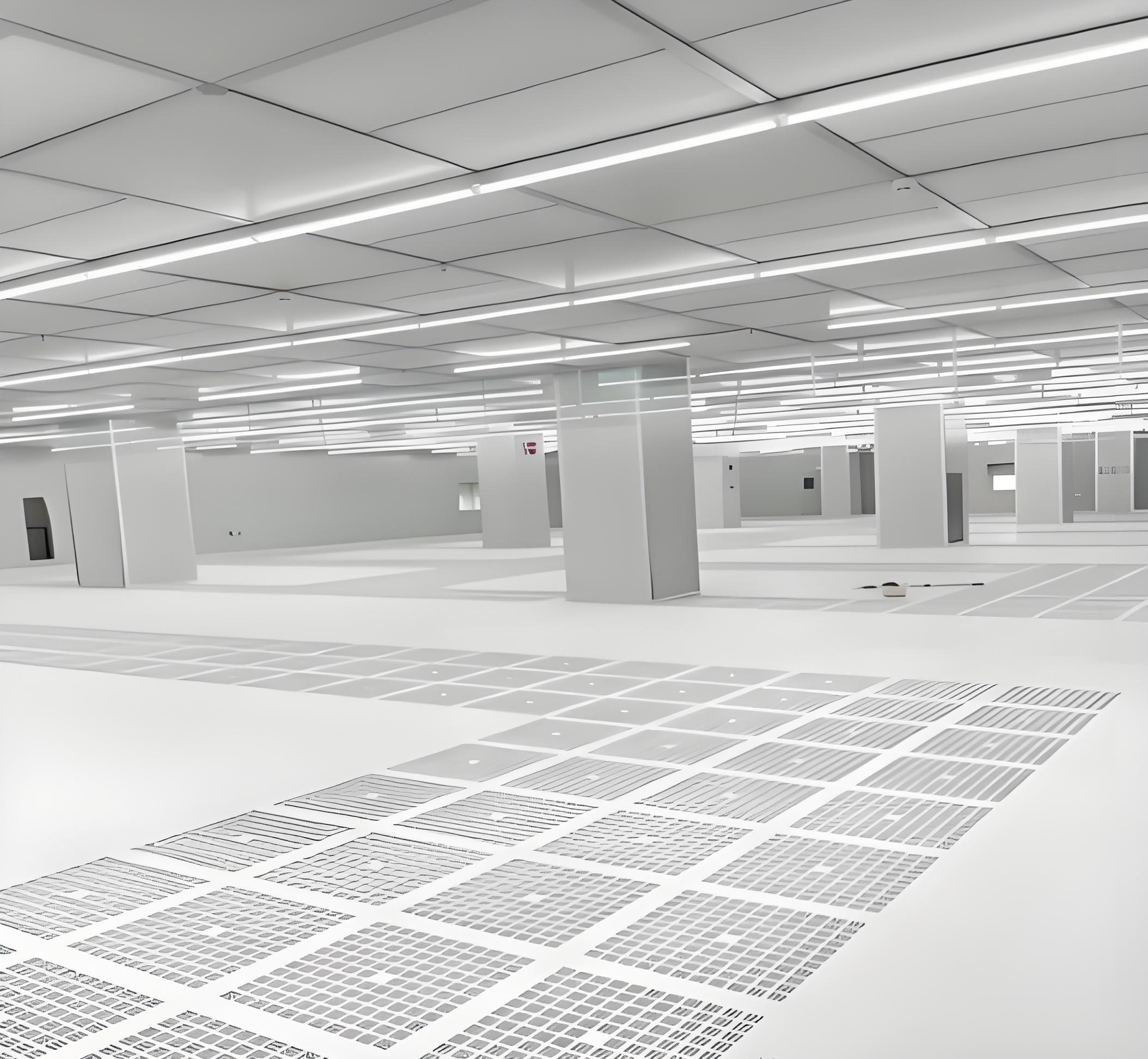
Designing and building a functional cleanroom is a complex undertaking. It requires a deep understanding of engineering principles, construction logistics, and the specific regulatory landscape of the client’s industry.
A specialist partner like TAI JIE ER manages this complexity. They translate operational needs into a functional design, select appropriate materials, integrate sophisticated MEP systems, and guide the project through certification. This partnership mitigates risk, controls costs, and ensures the delivered facility is a reliable asset for production or research.
The decision to invest in a cleanroom is significant. Its performance directly impacts product quality, research validity, and regulatory approval. By focusing on the precise standards of your industry and partnering with experienced professionals, you create more than a room—you create a controlled foundation for innovation and quality assurance.
Q1: What is the typical lead time for designing and building a cleanroom?
A1: There is no single answer, as timelines depend on size, complexity, and classification. A simple ISO 8 modular softwall room can be operational in a few weeks. A large, ISO 5 hardwall facility with complex HVAC and process utilities can take 6 to 12 months from design to certification. Detailed front-end planning with your vendor is key to setting realistic schedules.
Q2: How much does a cleanroom cost per square foot?
A2: Costs vary too widely for a simple per-foot quote. Factors include ISO class (higher cleanliness = exponentially higher cost), industry (pharma costs more than general manufacturing), internal finishes, the complexity of the HVAC system, and required process utilities (compressed air, DI water, etc.). It’s best to define your user requirements first for an accurate budget estimate.
Q3: Can an existing room be converted into a cleanroom?
A3: Often, yes. Retrofit projects are common. The feasibility depends on ceiling height, the capacity of the building’s existing HVAC system to handle increased loads, and available space for equipment like air handlers. A professional assessment can determine if a retrofit is more cost-effective than new construction.
Q4: What's the difference between a "softwall" and a "hardwall" cleanroom?
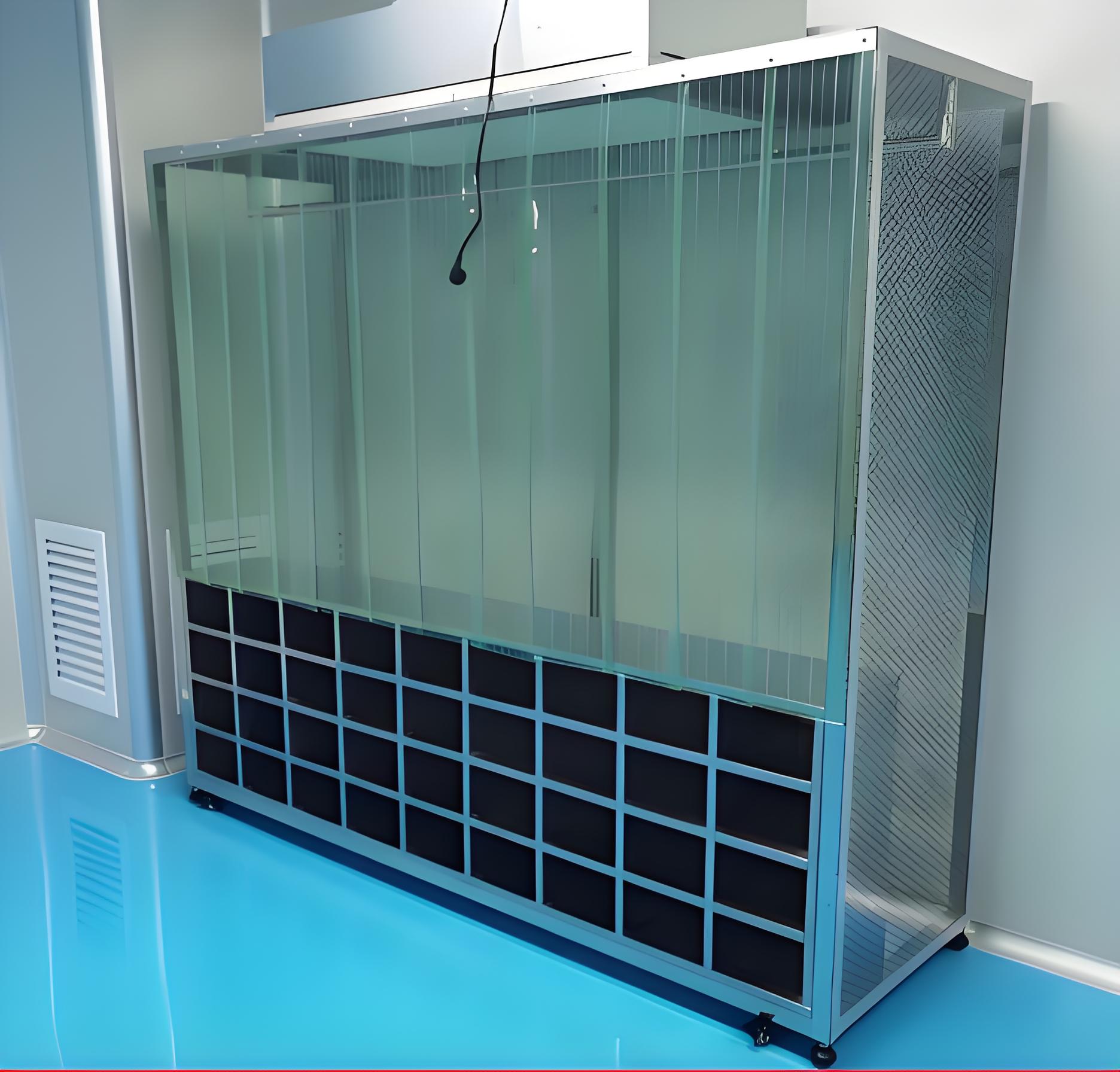
A4: Softwall cleanrooms use clear vinyl curtains suspended from a grid ceiling to enclose the space. They are cost-effective, flexible, and suitable for lower classes (ISO 7-8). Hardwall cleanrooms use solid panels (metal, composite) for walls and ceiling. They are more durable, offer better pressure control, are easier to clean, and are required for higher classification areas.
Q5: Who performs the cleanroom certification, and what does it involve?
A5: Certification is typically performed by an independent, accredited testing agency or by the qualified team of the build contractor like TAI JIE ER. Key tests include: Particle Count (to verify ISO class), Airflow Velocity and Volume, HEPA/ULPA Filter Integrity Scan (to find leaks), Room Pressurization, and Airflow Visualization (smoke) Test to show airflow patterns.