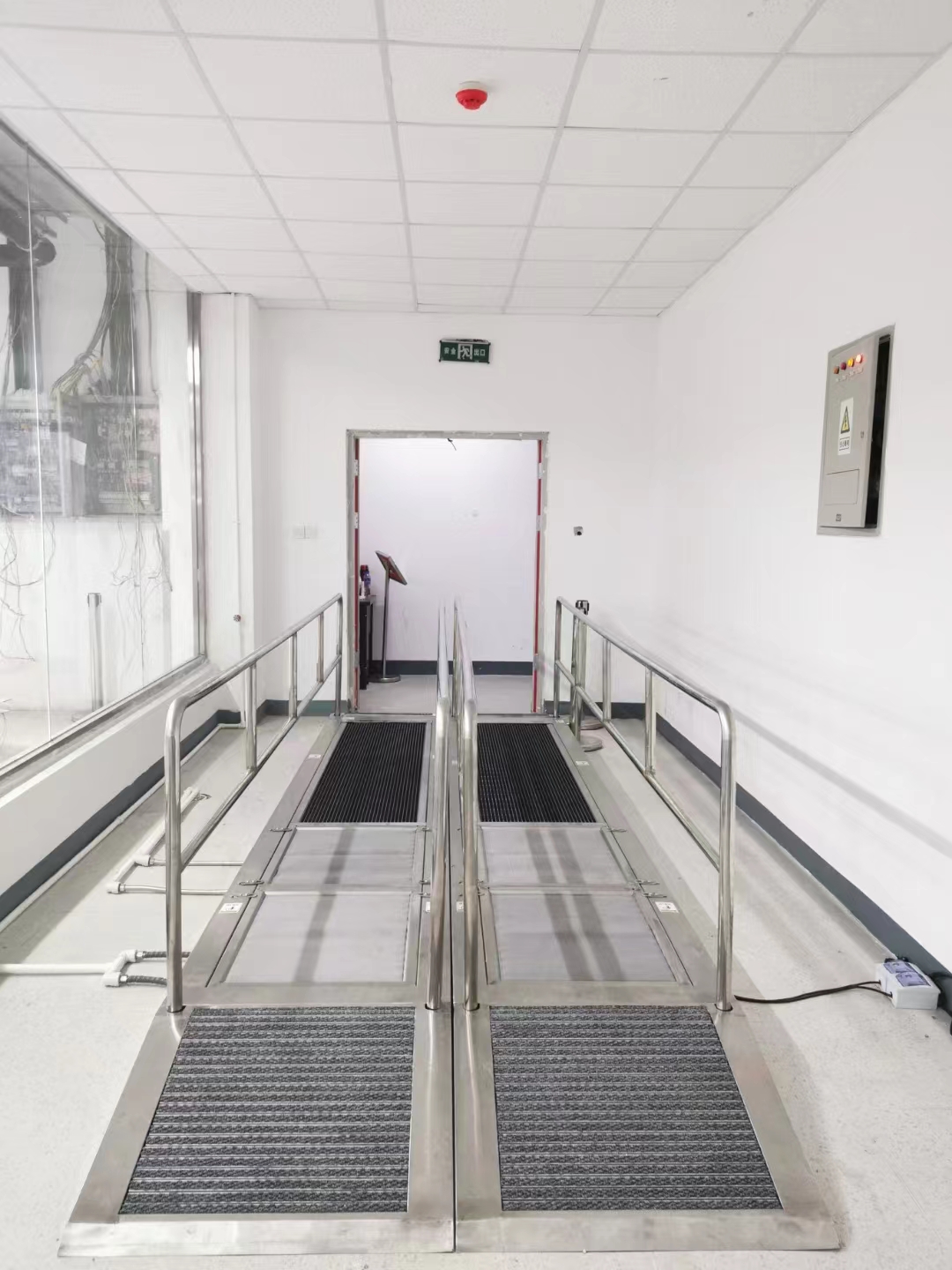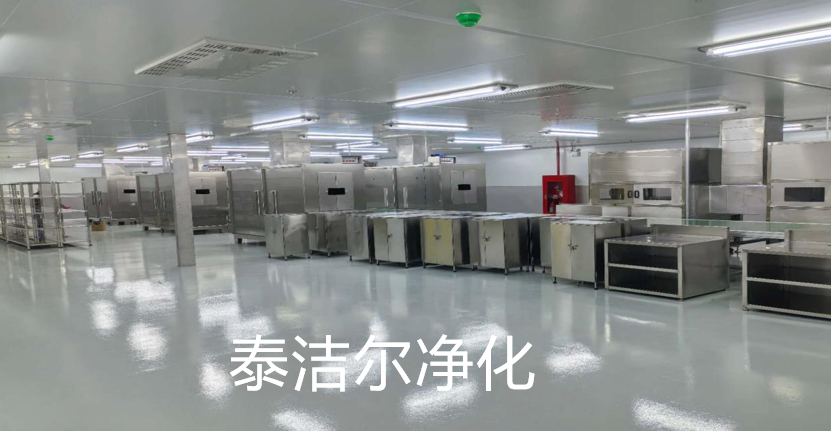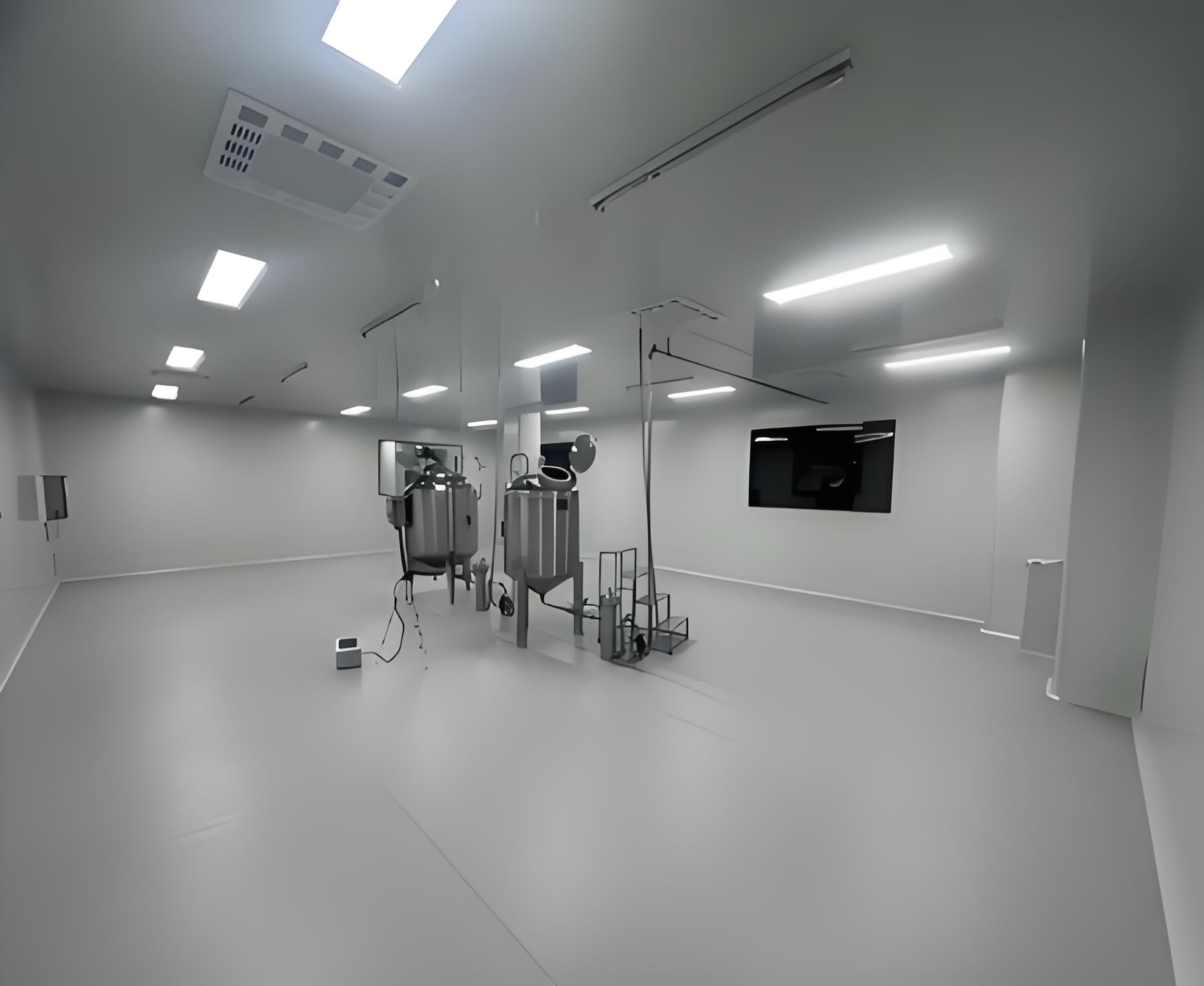
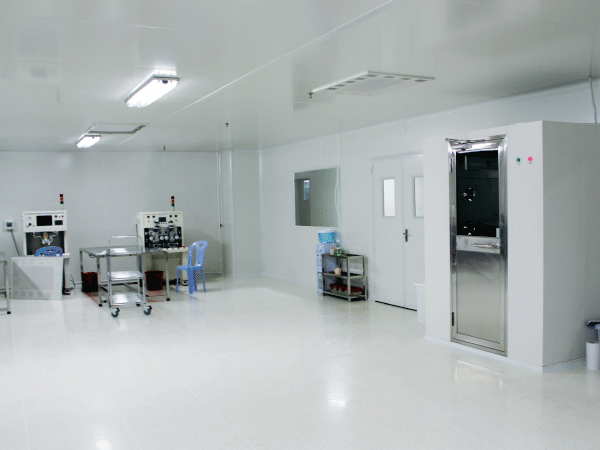

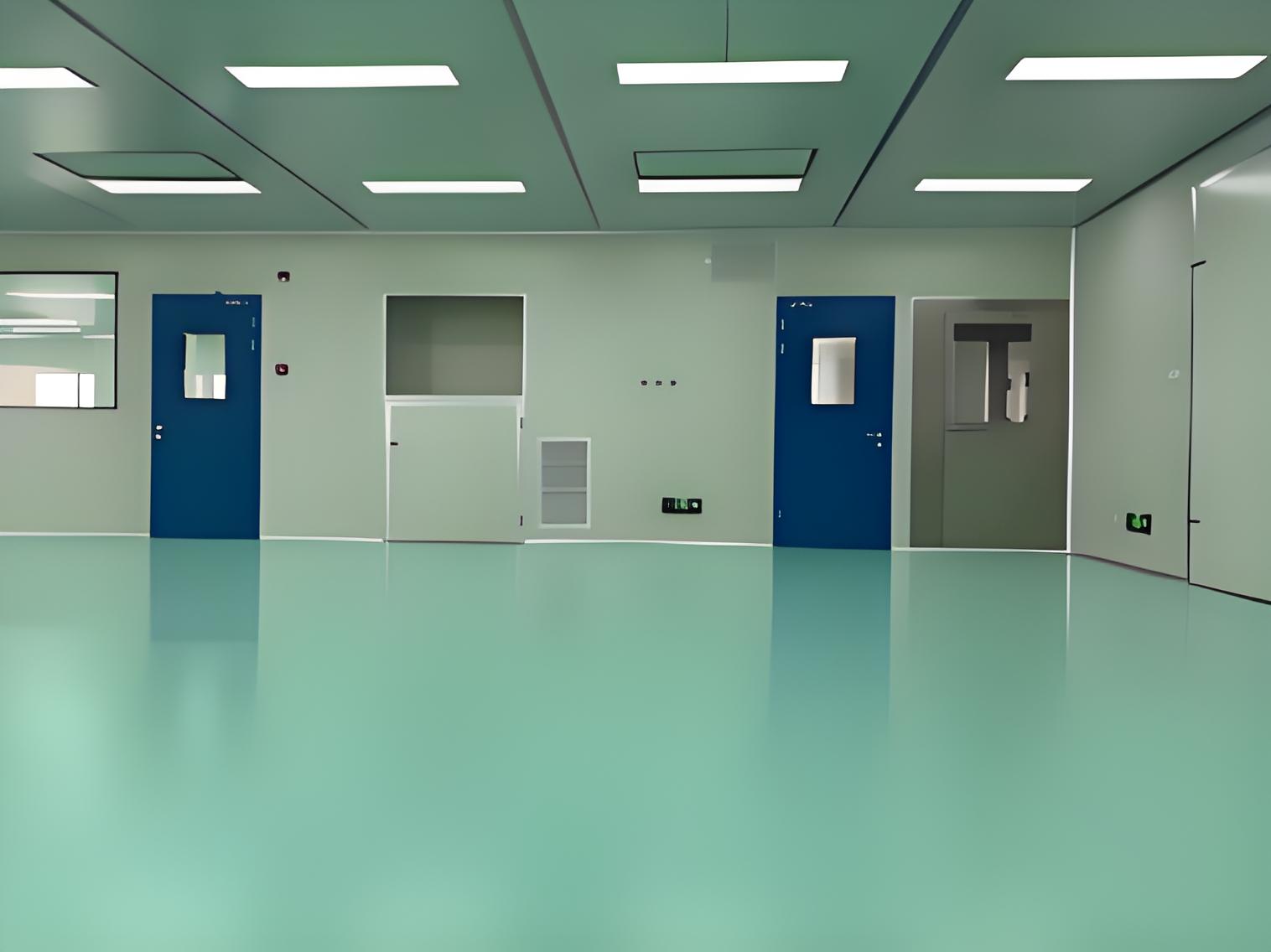
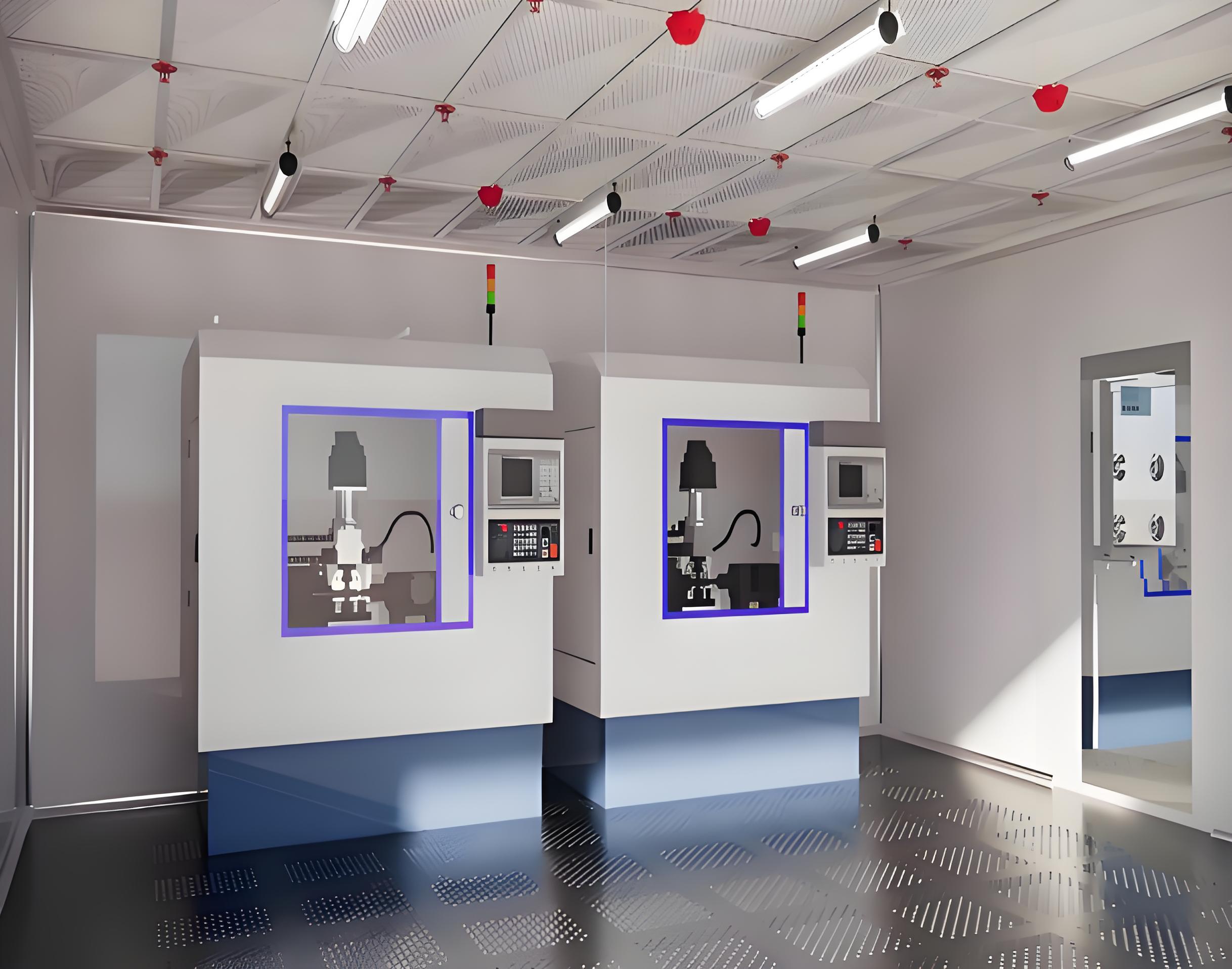
In the pharmaceutical, electronics, and food processing industries, the physical environment is just as critical as the machinery used for production. Yield rates and product safety depend heavily on the control of particles and bacteria. This is where professional Clean Workshop decoration becomes the determining factor between a successful facility and one plagued by contamination issues.
Many facility managers mistake cleanroom construction for standard interior renovation. However, the requirements for airflow, static control, and surface sterilization create a completely different set of engineering challenges. This article breaks down the materials, construction standards, and cost factors you need to know, drawing on the engineering expertise of TAI JIE ER.
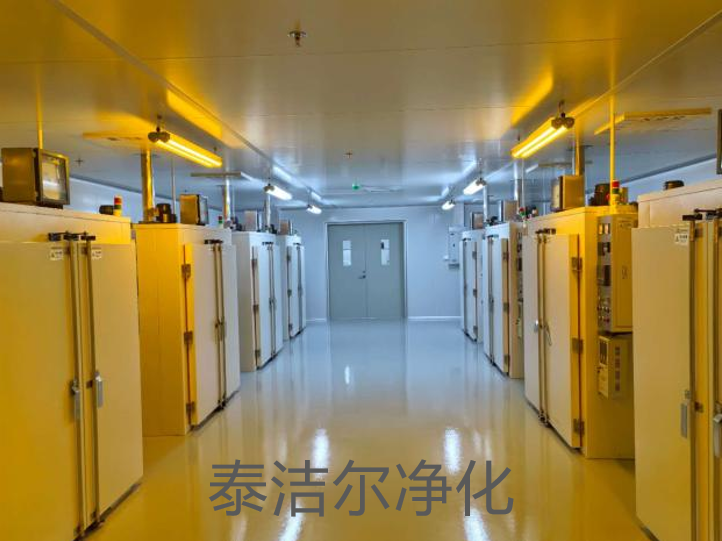
When we discuss Clean Workshop decoration, we are referring to the systematic construction of the "building within a building." It involves the installation of specialized enclosure systems that create a sealed environment. This process goes far beyond painting walls or laying tiles.
The primary goal is to establish a barrier against external contaminants. The decoration process includes the installation of purification color steel plates, airtight ceiling systems, and specialized floor treatments.
For companies like TAI JIE ER, the decoration phase is the bridge between the structural shell of a factory and the installation of HVAC purification equipment. If the decoration is flawed, gaps in the wall panels or poor floor bonding will render even the most expensive air handling unit (AHU) ineffective.
A core component of this construction is airtightness. The workshop must maintain positive pressure. If the decoration materials allow air leakage, energy costs will skyrocket as the HVAC system works overtime.
Every surface must be non-shedding. Traditional drywall or wood cannot be used because they generate dust. The materials selected during the Clean Workshop decoration phase must be smooth, crack-free, and resistant to aggressive cleaning chemicals.
Selecting the right materials is the first step in project planning. The market offers various options, but they differ significantly in terms of fire resistance, insulation, and cost.
The industry standard for walls is the sandwich panel. These modular units provide structural integrity and insulation.
Rockwool Panels: These are the most common choice for projects requiring high fire safety ratings. They are non-combustible and offer decent sound insulation.Magnesium Oxide (MGO) Panels: These offer superior strength and fire resistance compared to Rockwool but are heavier and more expensive.Paper Honeycomb Panels: These are lightweight and cheaper but have lower fire ratings. They are often used in electronics factories where fire risk is lower than in chemical processing.
TAI JIE ER often recommends high-density Rockwool or MGO panels for pharmaceutical clients to meet strict GMP audits. The connection points between these panels must be flush. We use aluminum profiles or specialized silicone sealants to ensure no dust accumulates in the joints.
Flooring is the most abused surface in any facility.
Epoxy Self-Leveling: This provides a seamless, glass-like finish. It is excellent for hygiene but can be scratched by heavy forklifts.PVC Vinyl Flooring: Sheets of PVC are welded together to create a continuous surface. This is softer underfoot and easier to repair than epoxy.Raised Access Floors: Essential for semiconductor cleanrooms where airflow must be vertical (laminar flow) and cabling runs beneath the floor.
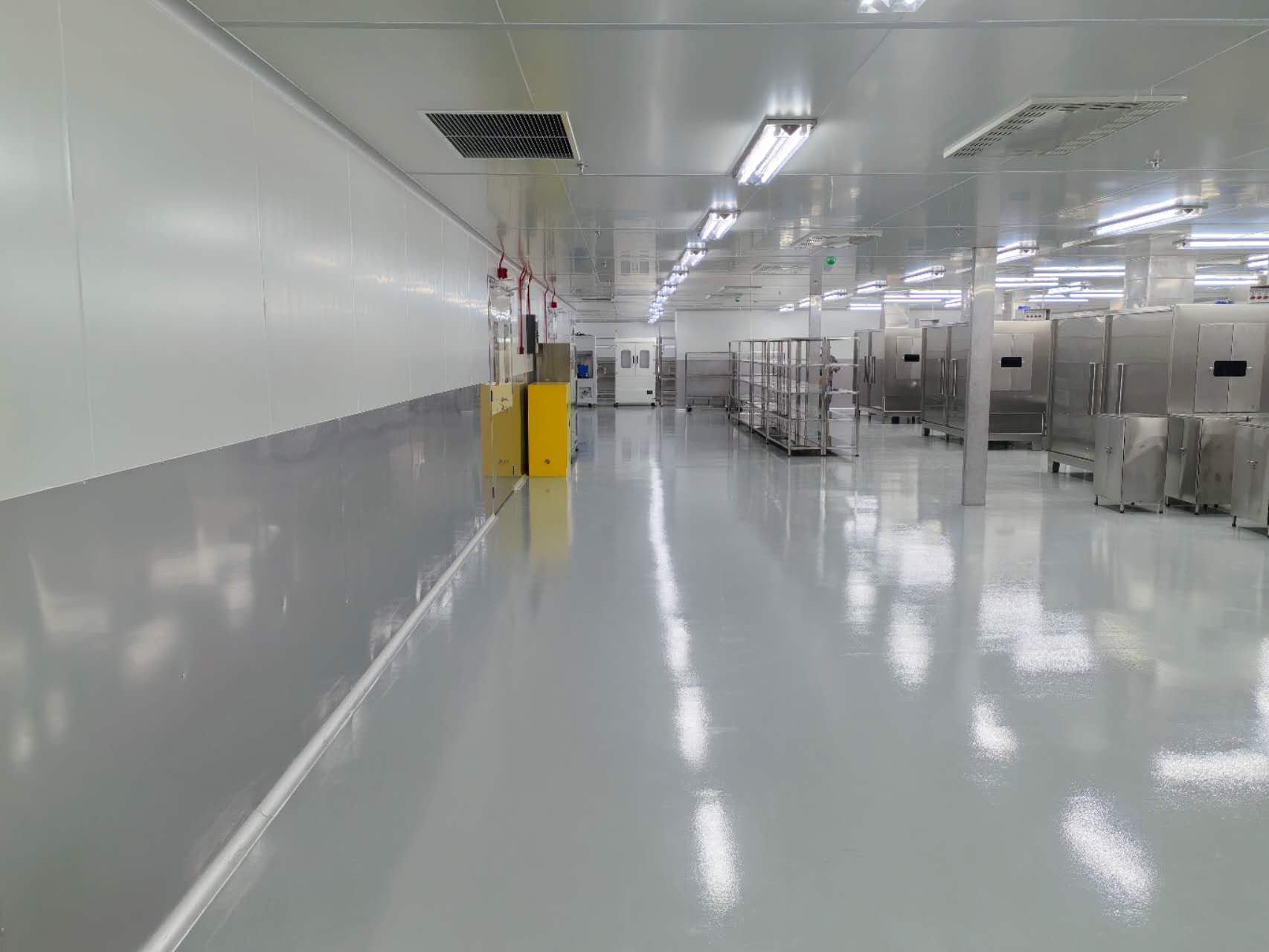
You cannot proceed with construction without defining the target cleanliness class. The decoration specifications change drastically between an ISO Class 8 room and an ISO Class 5 room.
For an ISO Class 7 or 8 workshop (common in food and general medical assembly), the Clean Workshop decoration focuses on easy-to-clean surfaces. However, for ISO Class 5, the decoration must support complete laminar airflow. This affects the ceiling grid design, requiring high coverage of HEPA fan filter units (FFUs).
Right angles are the enemy of cleanliness. In a cleanroom, wall-to-floor and wall-to-ceiling connections must be curved. This is called "coving."
Aluminum radius profiles are installed during the decoration phase. This eliminates 90-degree corners where dust and bacteria typically hide. If a contractor attempts to use standard skirting boards, the facility will fail certification.
Lighting must be flush-mounted. Tear-drop lights or recessed LED panels are integrated directly into the ceiling grid. The design must ensure that changing a light bulb does not breach the sterile boundary of the room.
Execution is just as important as material selection. TAI JIE ER has developed a streamlined installation process that minimizes construction dust.
When cutting sandwich panels on-site, debris is inevitable. Experienced teams set up a cutting zone outside the clean zone to prevent contamination of the HVAC ducting before the system is even turned on.
Furthermore, we prioritize the "clean-build" protocol. As the Clean Workshop decoration nears completion, workers must wear protective shoe covers and clothing, even before the room is validated. This prevents tracking dirt into the micropores of the new flooring.
Budgeting for these projects is complex. Prices vary based on geography, raw material costs, and specific industry requirements.
Cheap sandwich panels often use thin steel skins (0.3mm). These warp easily and ripple under pressure. A quality build requires 0.4mm to 0.5mm steel skins. While the initial cost is higher, the longevity is significantly better.
While not strictly "decoration," the ductwork installation happens simultaneously. If the ceiling decoration does not align with the HVAC layout, rework is required. This is a common hidden cost in poorly managed projects.
Skilled labor is required for sealing and welding flooring. Poor welding leads to cracks where bacteria grow. Investing in experienced installers from established brands like TAI JIE ER prevents expensive shutdowns for floor repairs later.
Many companies try to cut corners during the Clean Workshop decoration process, leading to long-term operational headaches.
In electronics manufacturing, Electrostatic Discharge (ESD) can destroy products. Standard epoxy floors generate static. You must specify ESD-conductive flooring and grounding systems during the design phase. Retrofitting this later is nearly impossible.
As mentioned earlier, wood absorbs moisture and rots. Standard drywall sheds particles. These materials have no place in a controlled environment.
Doors are the weak point for air leakage. Specialized cleanroom doors with drop-down seals are necessary to maintain pressure. Using standard office doors will result in a loss of pressure and potential ingress of contaminants.
Building a controlled environment is an investment in product quality and brand reputation. The success of the project hinges on the precision of the Clean Workshop decoration. From selecting the right sandwich panels to ensuring seamless flooring and flush lighting, every detail contributes to the facility's particle count performance.
TAI JIE ER understands the intersection of construction engineering and contamination control. Whether you are upgrading an existing facility or building a new pharmaceutical plant, prioritizing high-quality decoration materials and experienced installation teams is the only way to ensure ISO compliance and long-term operational efficiency.
Q1: What is the average lifespan of a Clean Workshop decoration setup?
A1: With proper maintenance, the hard surfaces (walls and ceilings) can last 15 to 20 years. However, flooring (especially in high-traffic areas) may need refurbishment every 5 to 7 years. TAI JIE ER uses high-grade steel plates that resist corrosion, extending the overall lifespan of the facility structure.
Q2: Can I upgrade an existing standard room into a clean workshop?
A2: Yes, but it requires stripping the room back to the shell. You cannot simply place cleanroom panels over existing dirty walls without risking mold growth behind them. The HVAC system also needs to be completely replaced or significantly upgraded to handle the filtration and pressure requirements.
Q3: How long does the Clean Workshop decoration process take?
A3: For a standard 500-square-meter facility, the installation of walls, ceilings, and floors usually takes 15 to 25 days. This timeline excludes the HVAC system installation and commissioning. Pre-fabricated modular panels from TAI JIE ER can significantly speed up this on-site assembly time.
Q4: What is the difference between GMP and ISO decoration standards?
A4: ISO standards (like ISO 14644) focus primarily on particle counts. GMP (Good Manufacturing Practice) includes particle counts but adds strict requirements for sanitization, cross-contamination prevention, and material non-toxicity. GMP decoration standards are generally stricter regarding corners, surface smoothness, and resistance to cleaning agents.
Q5: How do I clean the walls and floors after the decoration is finished?
A5: You must use non-shedding microfiber cloths and specialized cleanroom detergents. Never use standard household cleaners that leave residues. For the initial deep clean after Clean Workshop decoration is complete, it is often best to hire a specialized cleaning crew to remove construction dust before the HVAC is fully balanced.