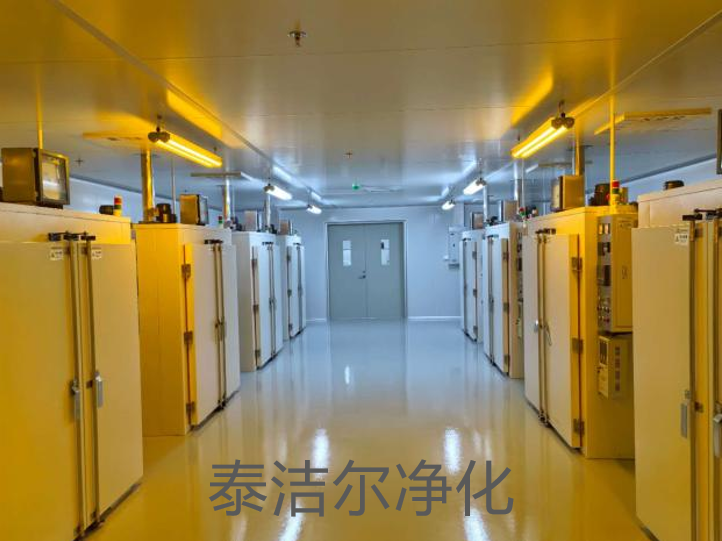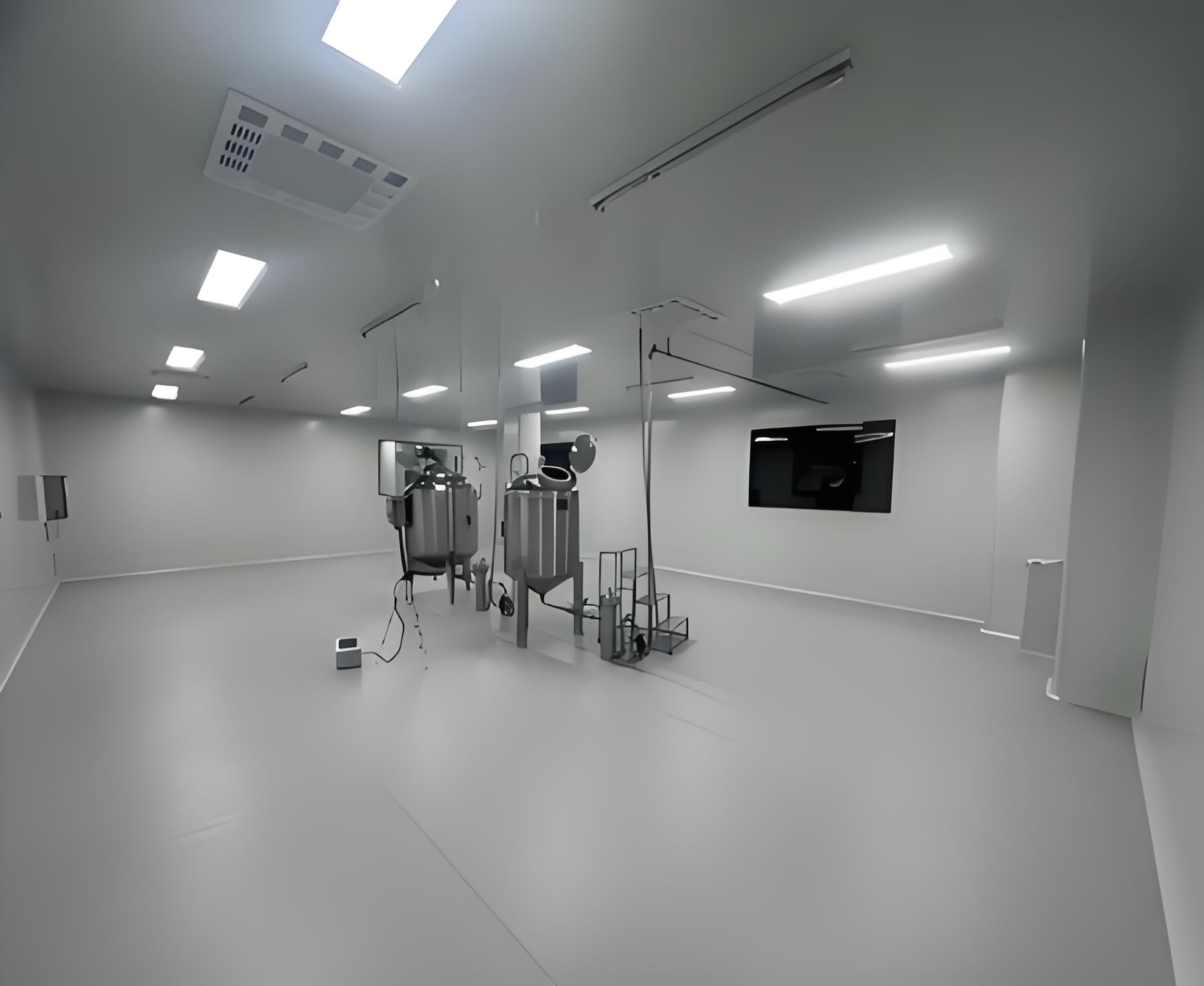
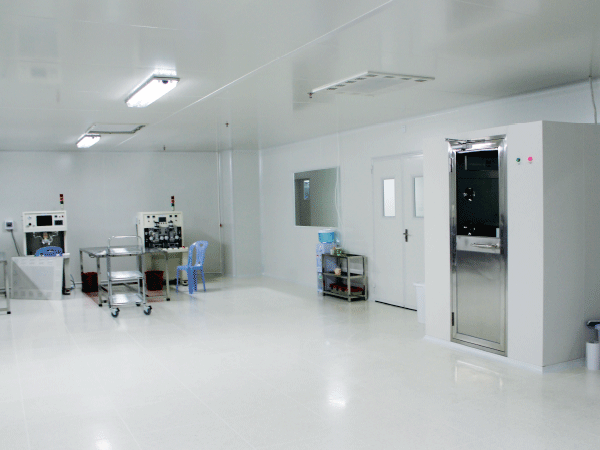

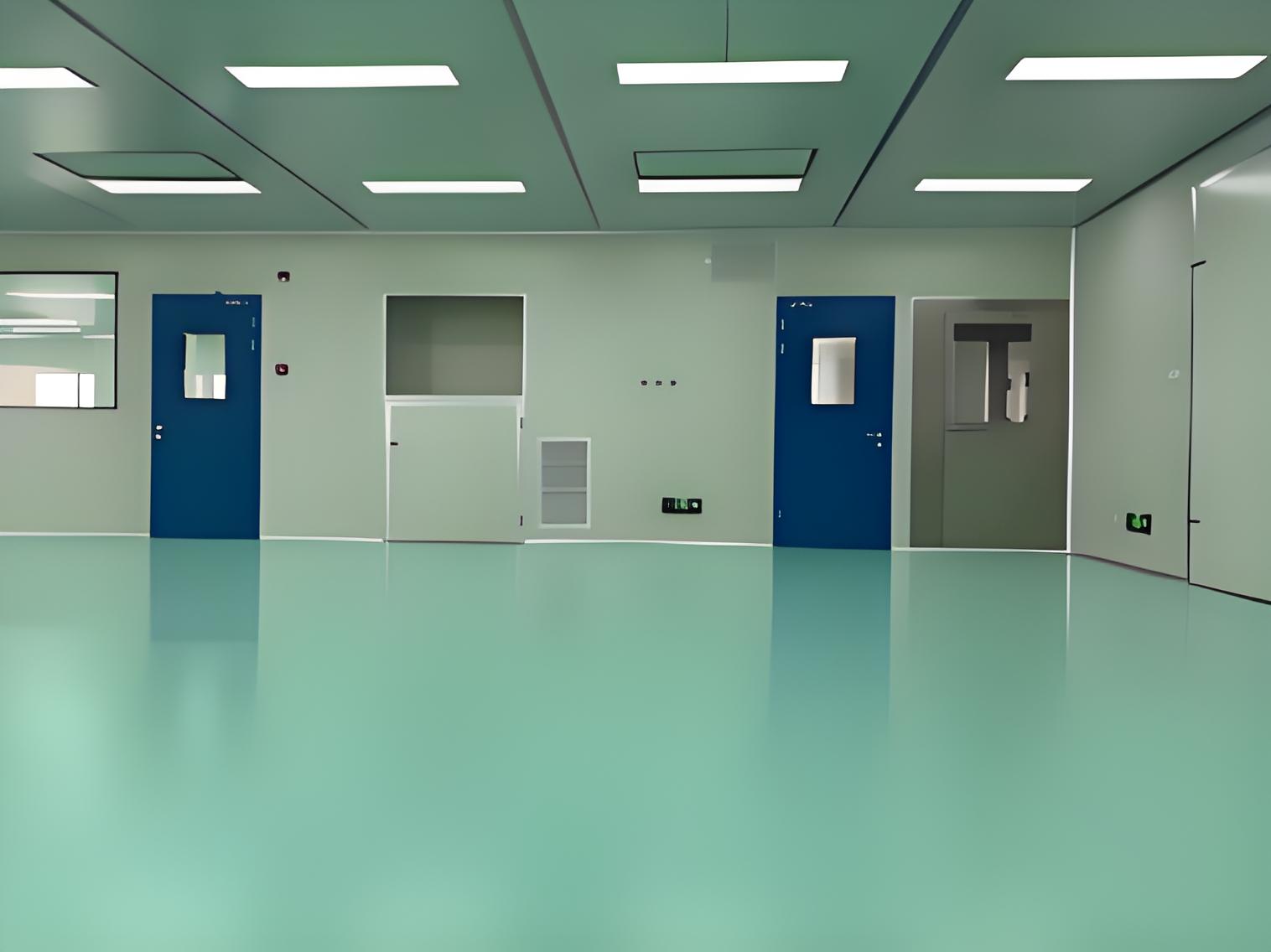
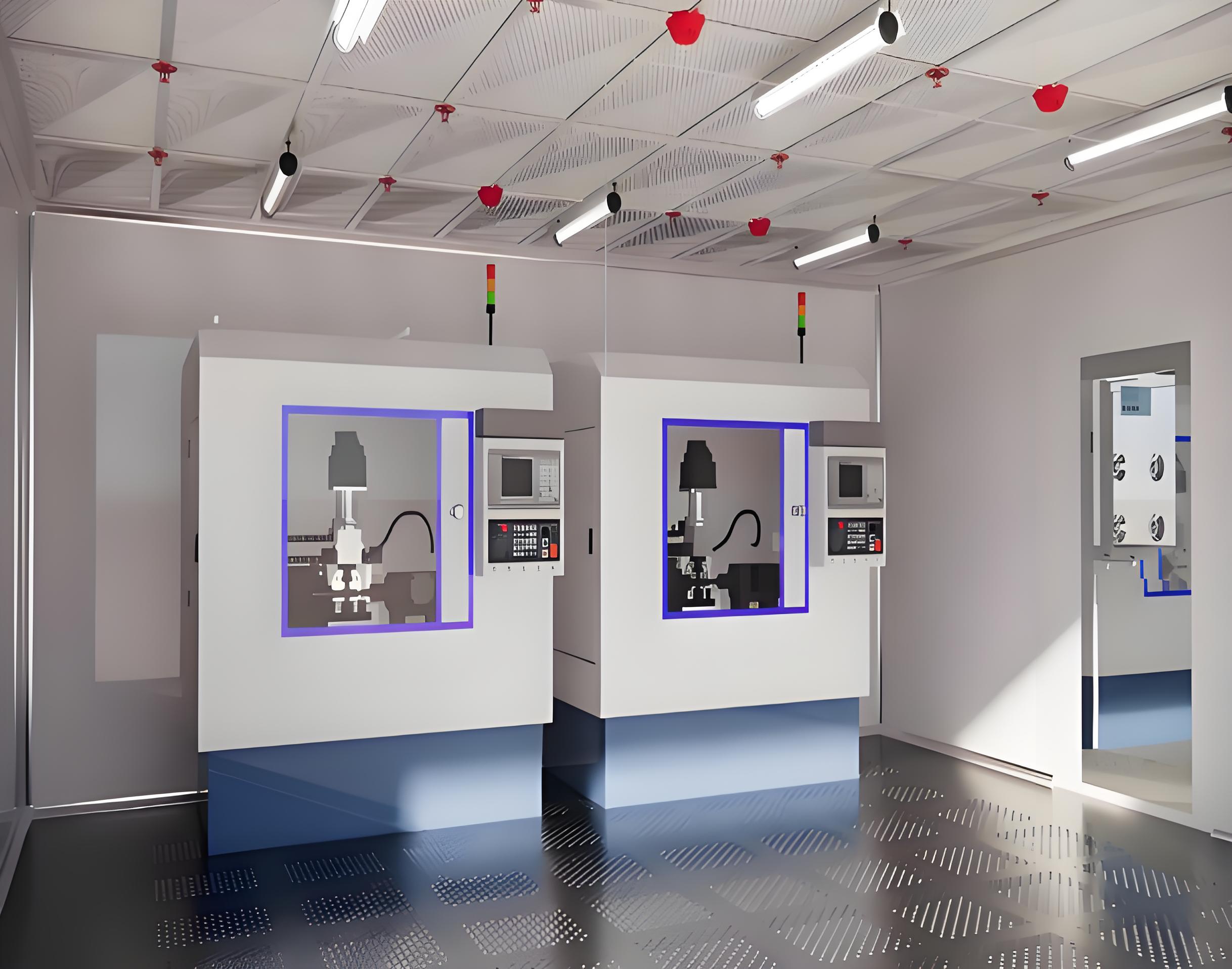
Clean workshop decoration is a vital aspect of industrial operations. It ensures a controlled environment for production.
This process involves designing spaces to minimize contamination. It supports efficiency and safety in manufacturing.
Proper clean workshop decoration can boost product quality. It also helps meet regulatory standards in sectors like pharmaceuticals and electronics.
In this article, we discuss key factors for success. We highlight how TAI JIE ER contributes to effective solutions.
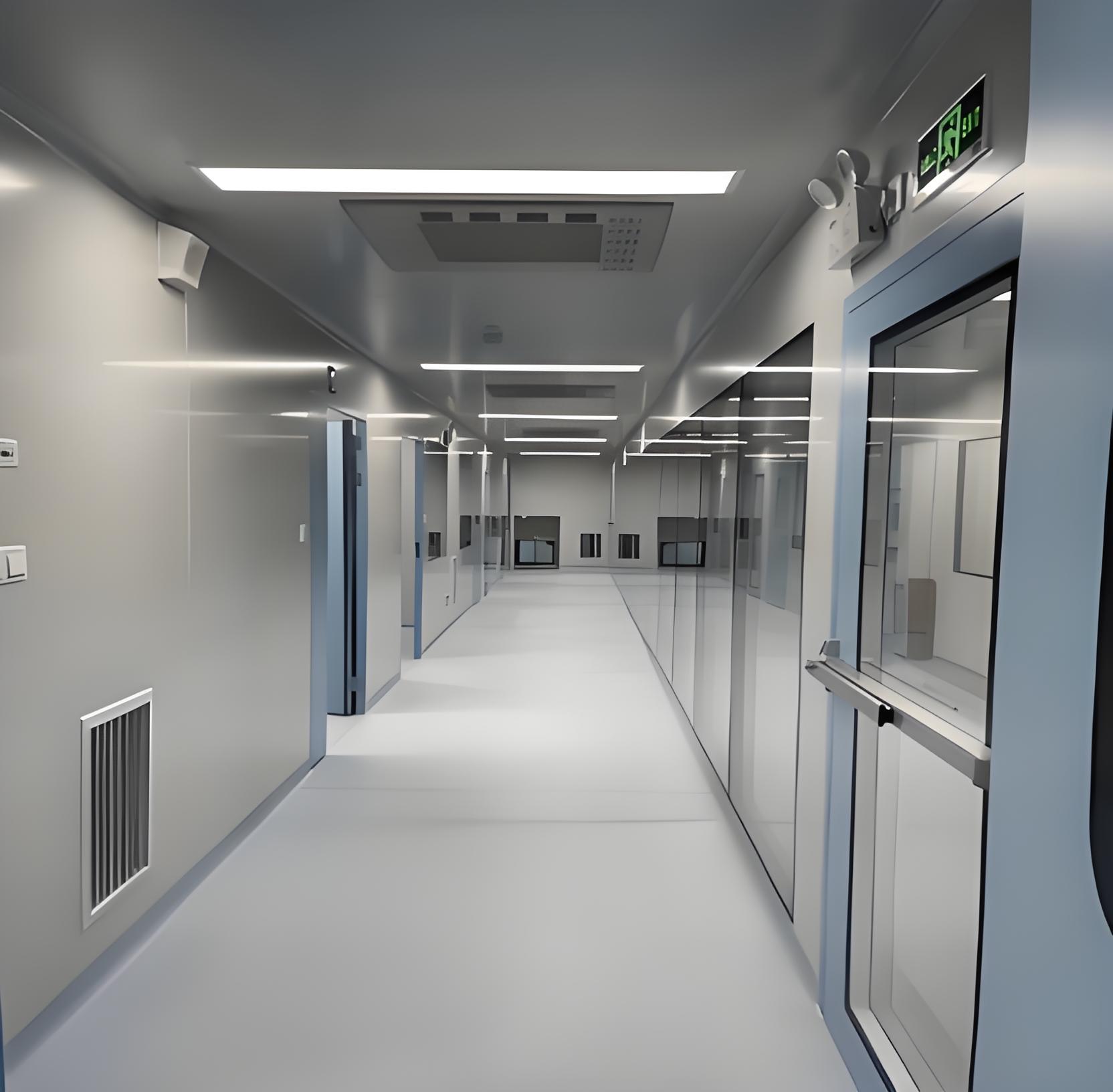
Effective clean workshop decoration starts with detailed planning. It sets the foundation for all other steps.
Assess the workshop's purpose and workflow. This ensures the design aligns with operational needs.
Cleanrooms are classified by ISO standards. These standards define allowable particle counts.
Key classifications include ISO Class 5 to ISO Class 9. Each level requires specific design approaches.
ISO Class 5: Used in semiconductor manufacturing.
ISO Class 7: Common in medical device production.
ISO Class 8: Suitable for general assembly areas.
Choose the right classification for your clean workshop decoration. TAI JIE ER experts can guide this decision.
Optimize space to reduce contamination risks. Plan for smooth material and personnel flow.
Consider these elements in layout design:
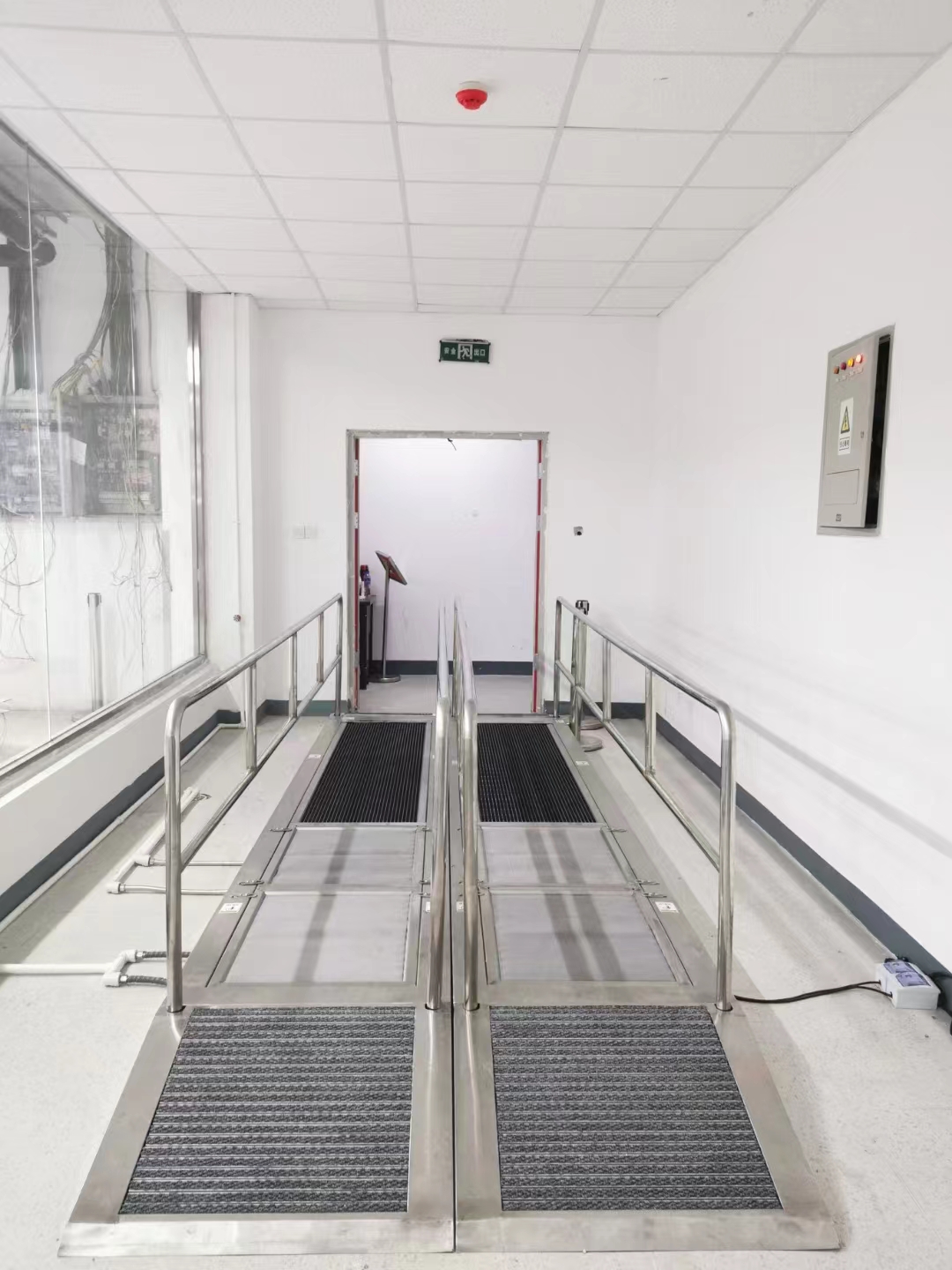
Entry and exit points with airlocks.
Segregation of clean and dirty zones.
Efficient placement of equipment and workstations.
A well-planned layout enhances clean workshop decoration outcomes. It improves productivity and safety.
Materials must resist corrosion and support cleanliness. They play a direct role in contamination control.
Select non-porous and easy-to-clean surfaces. This is crucial for maintaining hygiene standards.
Walls and ceilings should be smooth and seamless. Common materials include:
Epoxy-coated panels: Durable and resistant to chemicals.
Vinyl sheets: Easy to install and clean.
Stainless steel: Ideal for high-hygiene areas.
TAI JIE ER offers a range of certified materials. They ensure long-lasting clean workshop decoration.
Floors must withstand heavy traffic and cleaning agents. Popular choices are:
Conductive vinyl: Reduces static electricity.
Epoxy resin: Provides a seamless and durable surface.
Polyurethane coatings: Offer flexibility and resistance.
Proper flooring is a key component of clean workshop decoration. It prevents particle generation and accumulation.
HVAC systems control air quality and temperature. They are essential for maintaining clean environments.
Design systems to achieve required air changes per hour. This helps remove contaminants effectively.
Use HEPA or ULPA filters to capture particles. Maintain positive or negative pressure as needed.
Positive pressure: Keeps contaminants out of clean areas.
Negative pressure: Contains hazards in specific zones.
Regular filter maintenance ensures system efficiency.
Integrating advanced filtration supports reliable clean workshop decoration. TAI JIE ER provides customized HVAC solutions.
Stable conditions prevent condensation and microbial growth. Aim for consistent temperature and humidity levels.
Typical ranges are 20-22°C and 30-50% relative humidity. Adjust based on process requirements.
Proper management enhances comfort and product integrity. It is a critical aspect of clean workshop decoration.
Lighting must provide adequate illumination without generating heat or particles. Choose fixtures that are easy to clean.
LED lights are often preferred for energy efficiency. They have low heat emission and long lifespan.
Consider these points for lighting design:
Uniform light distribution to avoid shadows.
Sealed fixtures to prevent dust accumulation.
Compliance with industry standards for lux levels.
Good lighting improves visibility and safety. It contributes to effective clean workshop decoration.
Furniture and equipment should support clean operations. Select items with smooth surfaces and minimal joints.
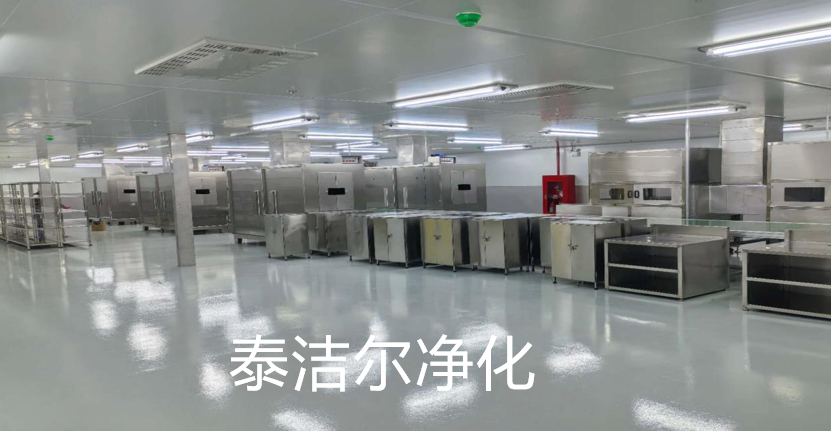
Stainless steel workbenches and carts are common. They resist corrosion and are easy to sanitize.
Plan equipment placement to avoid obstruction. Ensure easy access for maintenance and cleaning.
TAI JIE ER designs custom furniture for clean workshop decoration. Their solutions enhance workflow and cleanliness.
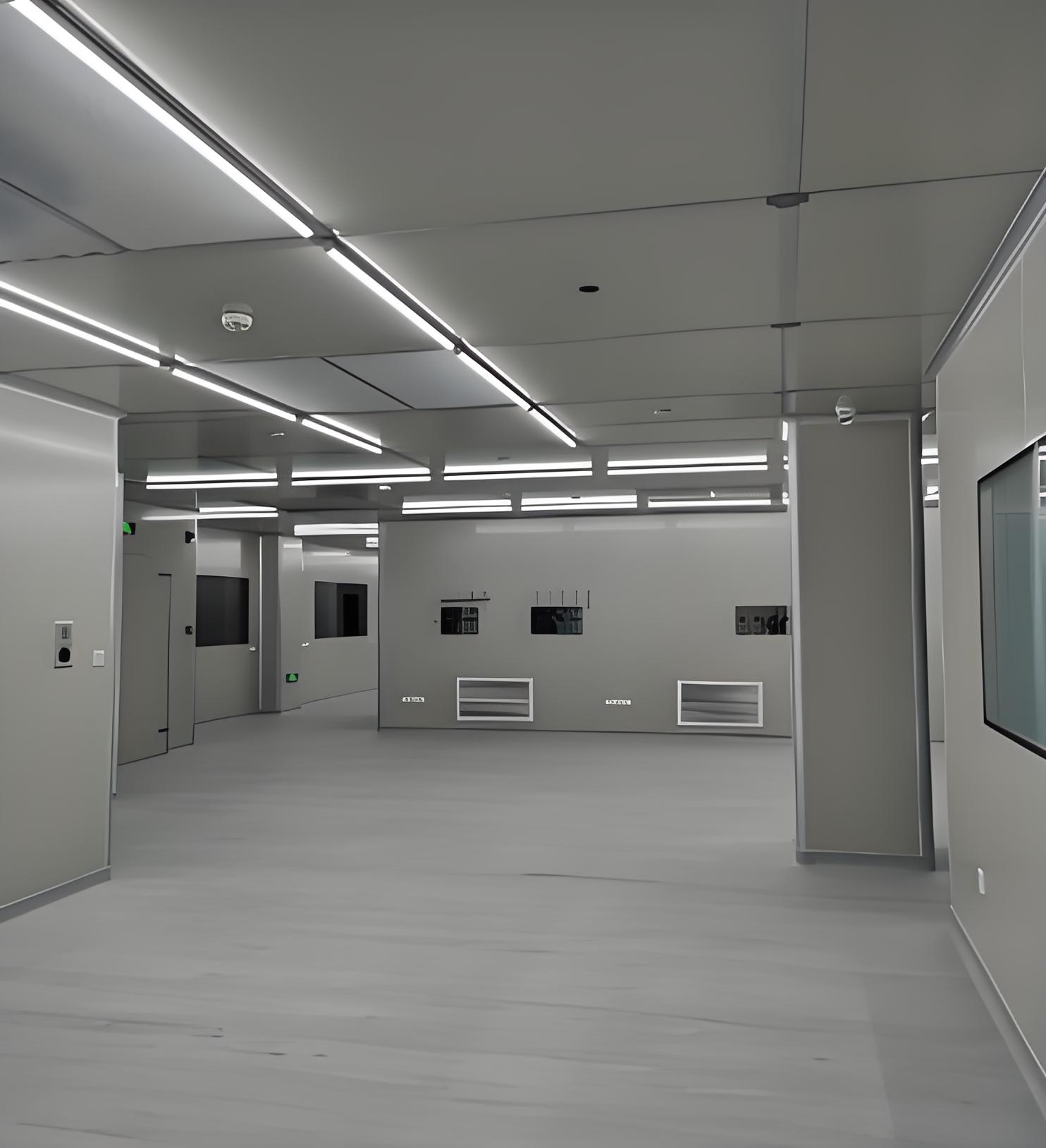
Regular maintenance preserves the integrity of clean workshop decoration. Establish clear protocols for cleaning and inspection.
Use appropriate cleaning agents and tools. Train staff on proper procedures to prevent contamination.
Daily wiping of surfaces with disinfectants.
Weekly checks of HVAC filters and seals.
Periodic audits to ensure compliance.
Proactive maintenance extends the life of clean workshop decoration. It ensures consistent performance over time.
Adherence to standards is mandatory in clean workshop decoration. Follow guidelines from ISO, FDA, or other regulatory bodies.
Document all design and maintenance activities. This facilitates audits and certifications.
Key standards include:
ISO 14644 for cleanroom classifications.
GMP for pharmaceutical manufacturing.
IEST recommendations for contamination control.
Compliance builds trust and ensures safety. TAI JIE ER helps clients meet these requirements seamlessly.
Invest in clean workshop decoration to achieve long-term savings. Proper design reduces energy costs and downtime.
Calculate return on investment by considering factors like improved yield and reduced contamination incidents.
Work with experts like TAI JIE ER to optimize budgets. They offer scalable solutions for various industries.
A well-executed clean workshop decoration pays off through enhanced productivity and quality.
Clean workshop decoration is a multifaceted process. It requires attention to design, materials, and systems.
By focusing on these eight factors, businesses can create efficient and compliant environments. This leads to better outcomes in manufacturing.
TAI JIE ER specializes in delivering tailored clean workshop decoration services. Their expertise supports industries worldwide.
For reliable solutions, consider partnering with TAI JIE ER. They ensure your workshop meets the highest standards of cleanliness and performance.
Q1: What is the first step in clean workshop decoration?
A1: The first step is thorough planning. Assess the workshop's purpose, workflow, and required cleanroom classification. This sets the foundation for all design and material choices in clean workshop decoration.
Q2: How often should HVAC filters be replaced in a clean workshop?
A2: It depends on usage and environment. Generally, HEPA filters may need replacement every 1-3 years. Regular inspections help determine the right schedule to maintain air quality in clean workshop decoration.
Q3: Can clean workshop decoration be applied to existing facilities?
A3: Yes, retrofitting is possible. TAI JIE ER offers renovation services to upgrade existing workshops. They modify layouts, materials, and systems to achieve desired cleanliness levels.
Q4: What are common mistakes to avoid in clean workshop decoration?
A4: Avoid poor material selection and inadequate HVAC design. Also, ensure proper sealing of joints and regular maintenance. These oversights can compromise contamination control in clean workshop decoration.
Q5: How does TAI JIE ER support clean workshop decoration projects?
A5: TAI JIE ER provides end-to-end solutions. They offer design consultation, material supply, installation, and maintenance services. Their team ensures compliance with international standards for effective clean workshop decoration.