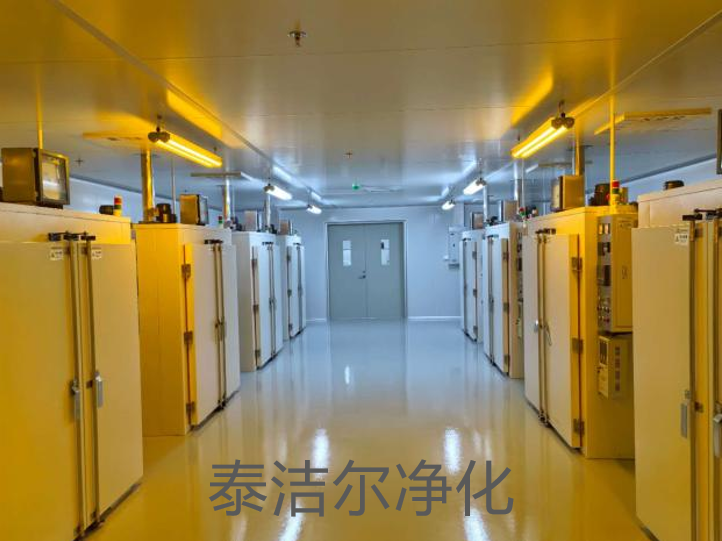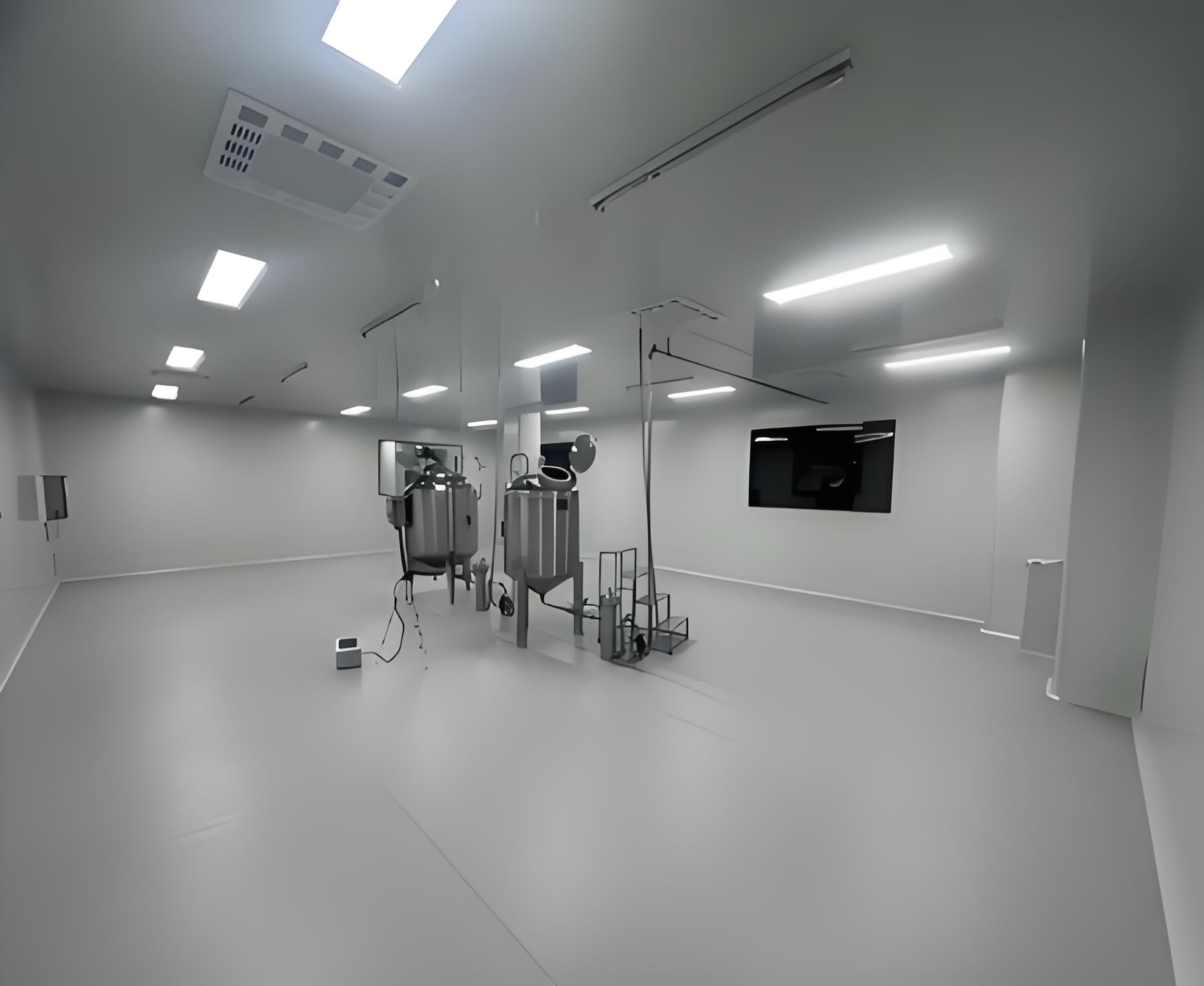
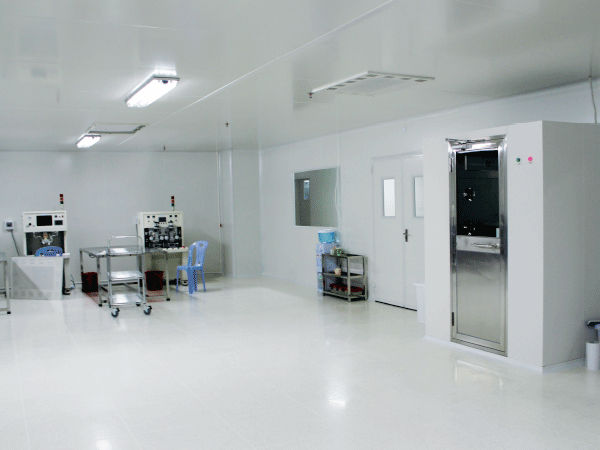

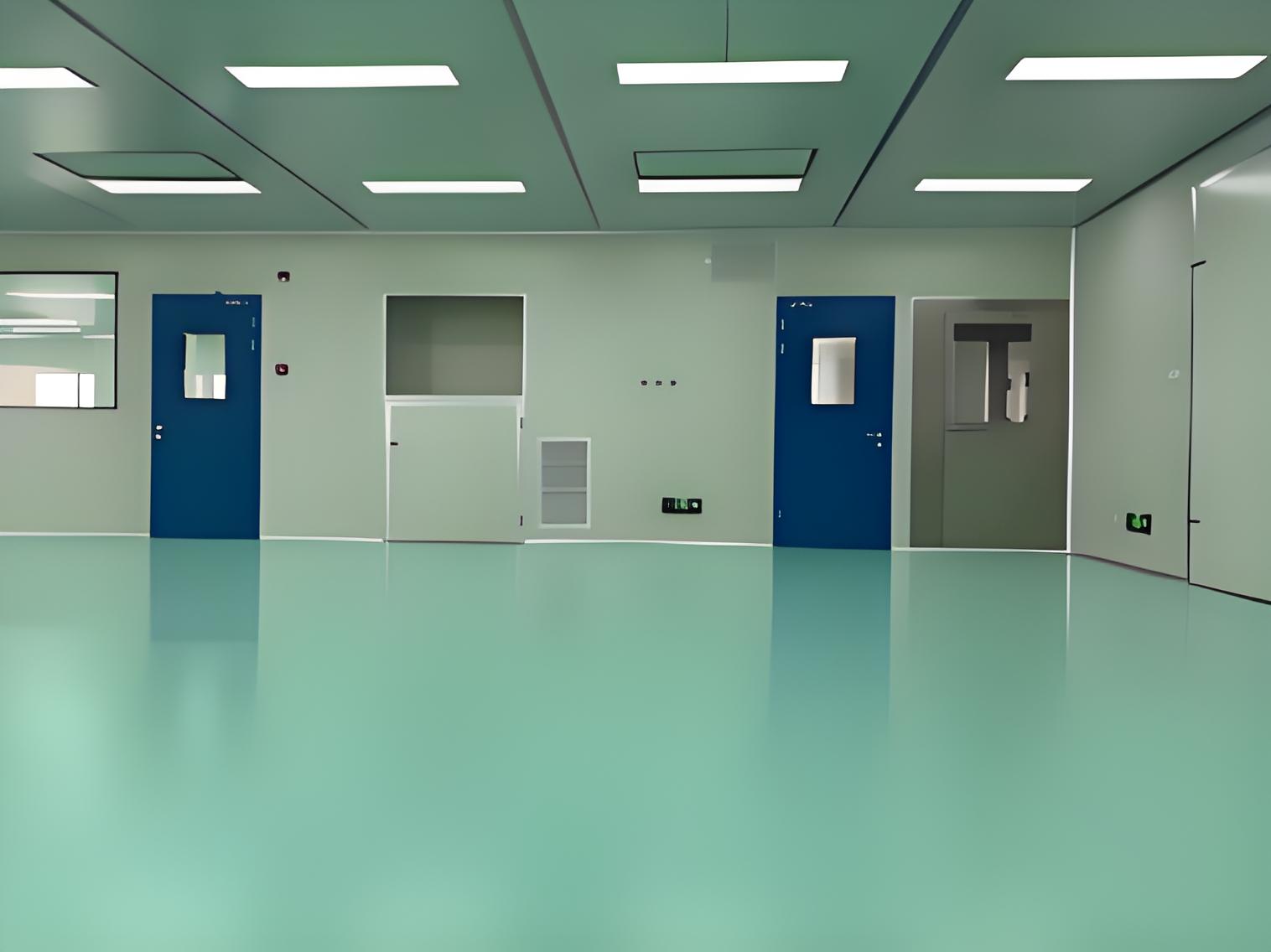
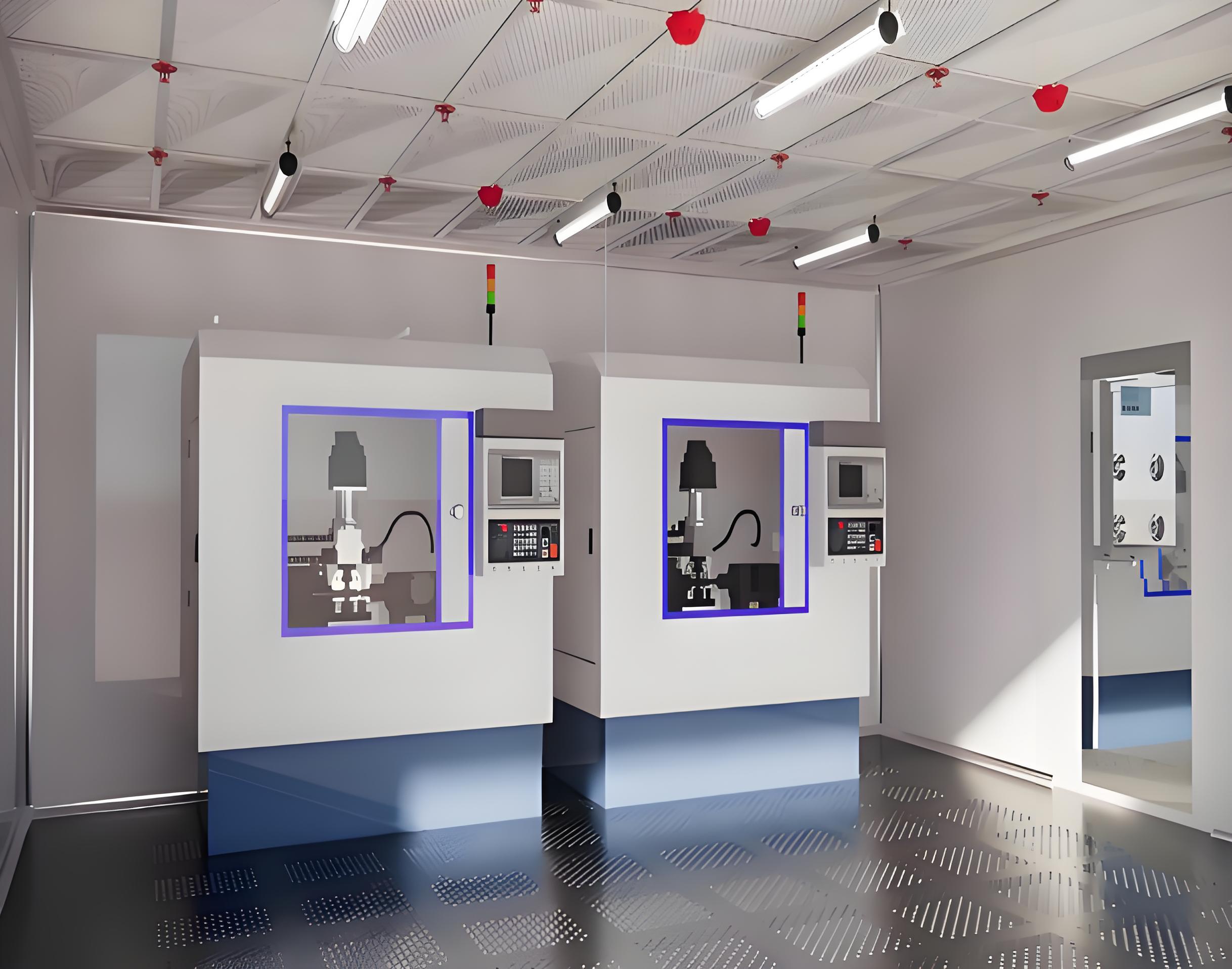
Building a controlled environment requires more than just high-quality air filters. The physical construction—often referred to in the industry as the "fit-out" or finishing—plays a critical role in maintaining cleanliness levels. Contamination often originates from surfaces that shed particles, harbor bacteria, or fail to withstand rigorous cleaning protocols.
For facility managers and engineers, getting the sterile room decoration right is the first line of defense against product contamination. Whether you are constructing a pharmaceutical facility, a biotech lab, or an electronics manufacturing plant, the interior finishes determine the room's longevity and compliance.
At TAI JIE ER, we have seen that successful projects prioritize material compatibility and seamless installation over simple aesthetics. This article breaks down the engineering requirements, cost factors, and material choices necessary for a compliant cleanroom build.
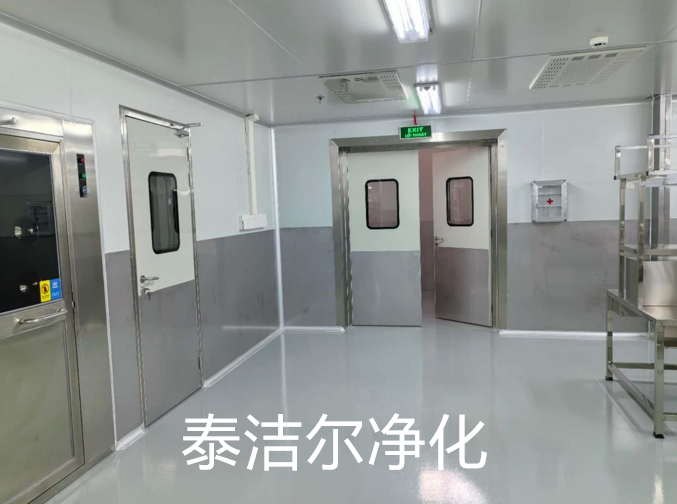
Regulatory bodies like the FDA, EMA, and ISO do not care about the color of your walls. They care about particle counts and microbial control. The interior surfaces of a cleanroom must meet specific performance criteria to ensure the HVAC system works effectively.
If walls are porous, they absorb moisture and become breeding grounds for mold. If floors have cracks, they trap dust. The process of sterile room decoration is fundamentally about creating a hermetically sealed shell. This shell must withstand positive or negative air pressure without leaking.
GMP (Good Manufacturing Practice) guidelines specifically state that surfaces must be "smooth, impervious, and easy to clean." This drives every decision in the construction phase. You are not just decorating a room; you are engineering a barrier.
Furthermore, these surfaces must resist chemical attack. Daily cleaning regimes often involve harsh disinfectants like Vaporized Hydrogen Peroxide (VHP) or phenolic compounds. Standard drywall and latex paint will fail within weeks in such an environment.
Selecting the right materials is the most significant decision in the design phase. The market offers several options, but they are not all equal in performance or price.
In the past, epoxy-painted drywall was common. Today, it is rarely recommended for high-classification areas (ISO 5 or ISO 6). The risk of cracking and particle generation is too high.
Modular sandwich panels are the industry standard. These consist of two metal faces (usually powder-coated steel) bonded to a core. The core material varies based on fire codes and insulation needs. Rockwool is common for fire resistance, while aluminum honeycomb offers high strength and light weight.
Floors take the most abuse. For heavy traffic areas, such as corridors moving large tanks, TAI JIE ER often recommends thick epoxy terrazzo or troweled epoxy. It is extremely hard and durable.
However, for precision labs, vinyl (PVC) sheet flooring is superior. It is softer to stand on, often has better chemical resistance, and can be installed with heat-welded seams to create a monolithic surface.
The ceiling must support lighting and HEPA filter fan units (FFUs). Walkable ceilings are preferred for maintenance purposes. This allows technicians to service lights and filters from above, without entering the sterile room decoration envelope and disrupting the clean status.
A design is only as good as its installation. The difference between a Class A and a Class D room often comes down to the quality of the joinery and sealing.
Sharp 90-degree corners are impossible to clean effectively. Dust accumulates in the right angle. To solve this, aluminum or PVC coving (radius corners) must be installed at all wall-to-floor, wall-to-wall, and wall-to-ceiling junctions.
This creates a seamless curve that allows mops and wipes to clean the entire surface. The installation of these coves must be flush with the panel to avoid creating a "ledge" where dust can sit.
Windows in a sterile environment must be double-glazed and flush with the wall panel on both sides. We call these "flush-mount" windows. If there is a sill, it will collect dust.
Doors require drop-seals that automatically lower when the door closes to maintain air pressure. Interlock systems are also integrated during the decoration phase to prevent two doors in an airlock from opening simultaneously.
Every gap, no matter how small, is a potential leak path. A specialized, neutral-cure cleanroom silicone is used to seal joints. This silicone must be resistant to mold growth and not outgas volatile organic compounds (VOCs) that could contaminate sensitive products.
Lighting is often an afterthought, but in sterile room decoration, it is integrated into the structure. Teardrop lights are used in laminar flow areas to minimize airflow turbulence.
In standard turbulent flow rooms, flat-panel LED lights are recessed into the ceiling grid. They must be IP65 rated and sealed to prevent air from leaking through the fixture itself.
The walls themselves often act as return air ducts. Low-wall return air grilles are installed into the wall panels to pull air down, sweeping particles away from the work surface. The internal structure of the wall panel must be designed to accommodate these ducts without compromising structural integrity.
Budgeting for a cleanroom fit-out is complex. Prices vary wildly based on the classification level required.
Modular steel panels are more expensive upfront than drywall but offer a lower Total Cost of Ownership (TCO). They do not require repainting, are harder to damage, and can be modified easily.
Installation requires certified technicians. A general contractor cannot install cleanroom panels correctly. The alignment must be precise to the millimeter to ensure seals hold air pressure. TAI JIE ER emphasizes that skilled labor is approximately 30-40% of the project cost.
An ISO 8 room (less clean) permits more standard finishes. An ISO 5 room (cleaner) requires 100% ceiling filter coverage and potentially raised access flooring, which significantly increases the price per square meter.
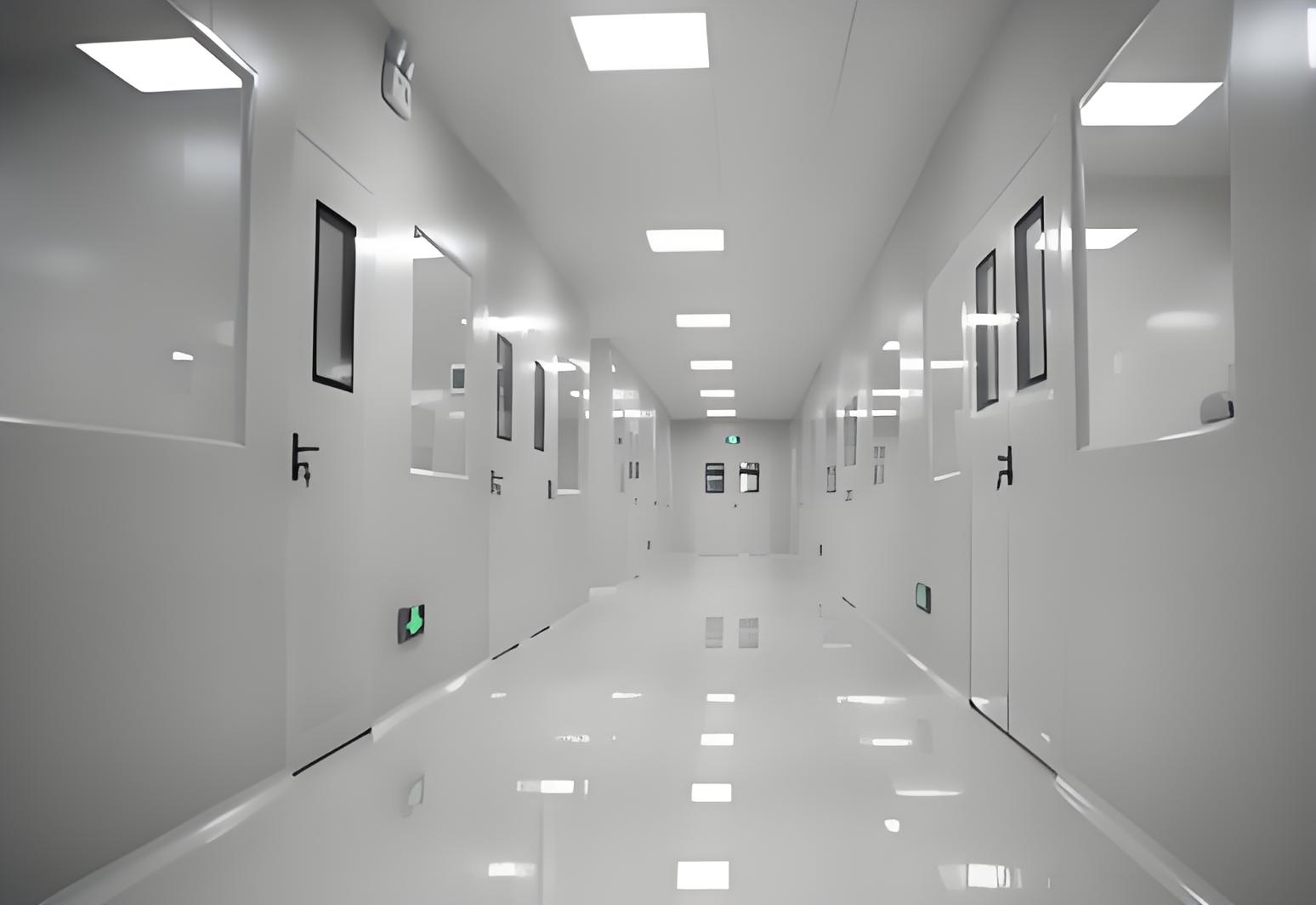
Finding a supplier is about finding a company that understands the engineering behind the aesthetics.
Suppliers who manufacture their own panels and doors, like TAI JIE ER, have better quality control. When a supplier relies on third-party vendors for every component, tolerance issues arise. A door from Vendor A might not fit perfectly into a wall panel from Vendor B.
The construction company must understand validation. They should provide documentation for all materials used (datasheets, fire certificates, cleanability reports) to help you pass Installation Qualification (IQ) and Operational Qualification (OQ).
Doors will need adjustment. Seals will eventually wear out. A good partner provides maintenance services long after the initial build is complete.
Renovating an existing building into a sterile facility presents unique challenges compared to a greenfield build.
Existing floors may not be level. Modular wall systems require a perfectly level track. If the base building floor is uneven, self-leveling concrete must be applied first.
Ceiling heights are another constraint. Cleanrooms require significant overhead space for ductwork. If the existing building has low ceilings, achieving the required air change rates becomes difficult. In these cases, the sterile room decoration design must be clever, perhaps utilizing slim-profile fan filter units or side-wall return systems to save space.
The interior finish of your facility is the physical boundary of your clean process. It must be robust, seamless, and chemically resistant. From the coving on the floor to the flush-mount lighting in the ceiling, every element of sterile room decoration serves a functional purpose in contamination control.
Investing in high-quality modular systems and experienced installation teams ensures that your facility remains compliant for years. Whether you choose TAI JIE ER or another provider, prioritize engineering specifications over cosmetic preferences. A well-built room protects your product, your personnel, and your bottom line.
Q1: What is the typical lifespan of sterile room decoration materials?
A1: High-quality modular steel wall panels and properly installed epoxy floors can last 15 to 20 years. However, this depends heavily on the cleaning agents used. Harsh chemicals may degrade sealants or vinyl flooring faster, requiring maintenance or spot repairs every 5 to 7 years.
Q2: Can we use standard commercial paint for sterile room walls?
A2: No. Standard paint sheds particles and cannot withstand the aggressive cleaning protocols required in GMP environments. If you must paint existing walls, you need a specialized two-component epoxy coating that creates a hard, non-porous shell, though modular panels are always preferred.
Q3: How does TAI JIE ER ensure the wall panels are airtight?
A3: We utilize a tongue-and-groove connection system for panels, combined with cleanroom-specific silicone sealants. Furthermore, we install radius coving at all joints. After installation, the room undergoes pressure testing to identify and seal any microscopic leaks before validation begins.
Q4: Is antistatic flooring necessary for all sterile rooms?
A4: Not always. Antistatic or ESD (Electrostatic Discharge) flooring is critical for electronics manufacturing or environments handling explosive powders. For standard pharmaceutical or biotech applications, standard GMP-grade PVC or epoxy is usually sufficient unless the equipment inside is sensitive to static.
Q5: How long does the installation of sterile room decoration take?
A5: This varies by size, but modular systems are significantly faster than traditional construction. A 500-square-meter facility can often have walls, ceilings, and floors installed in 4 to 6 weeks, assuming the HVAC and structural steel are already in place. Prefabrication allows for rapid on-site assembly.