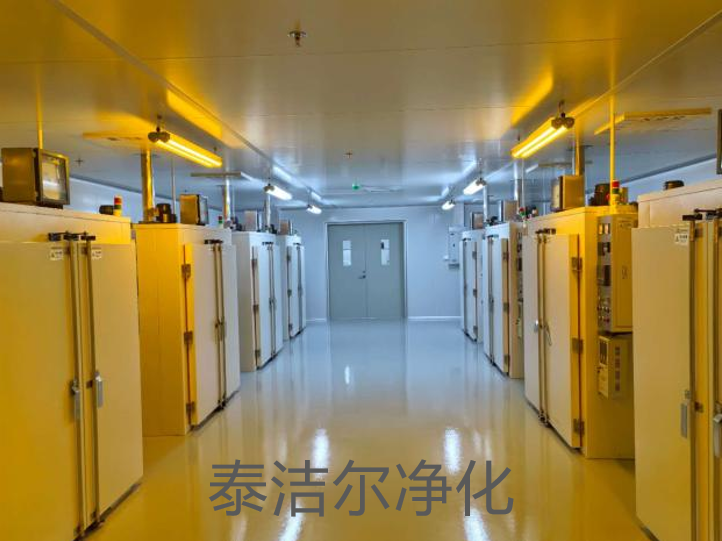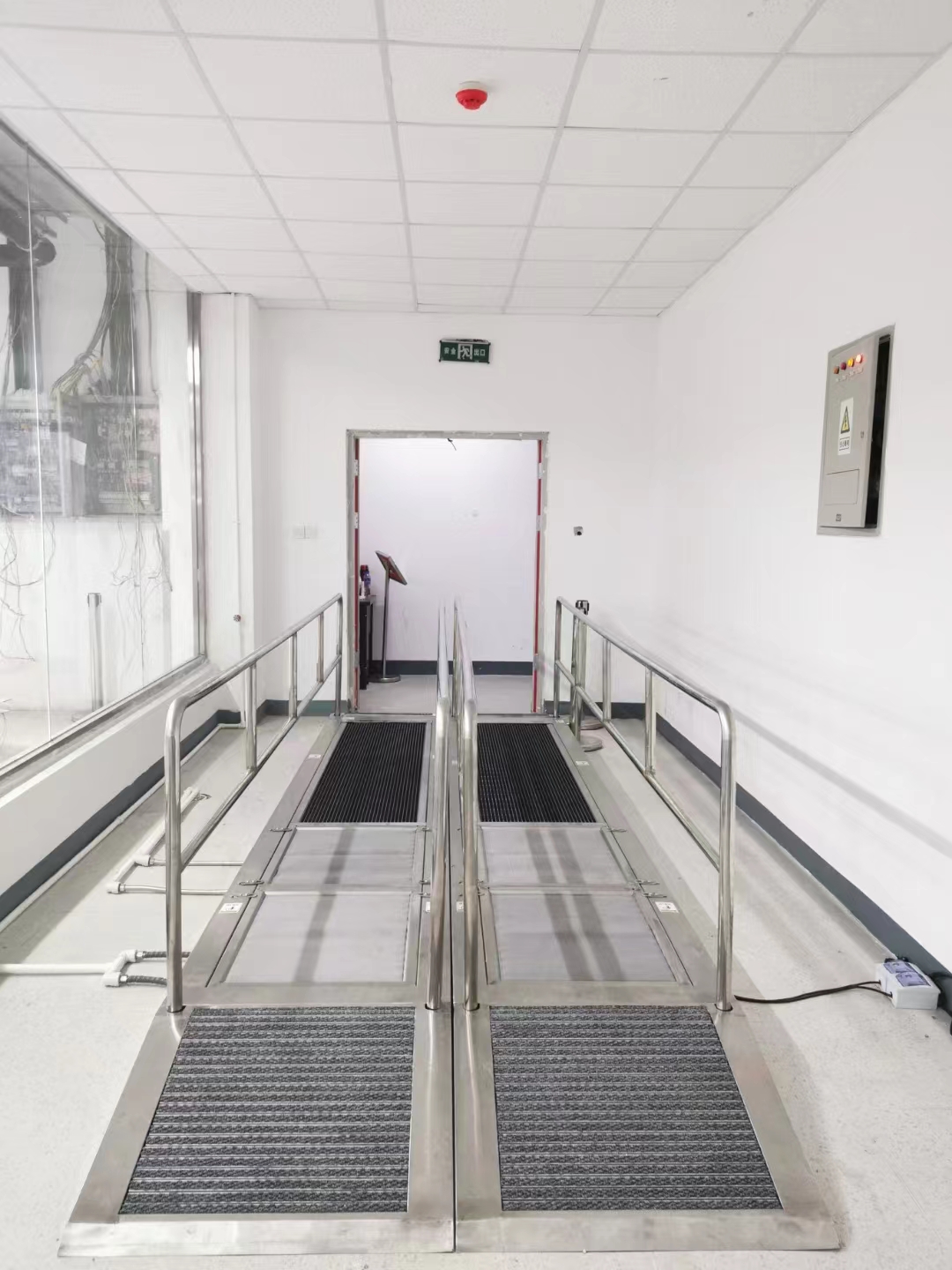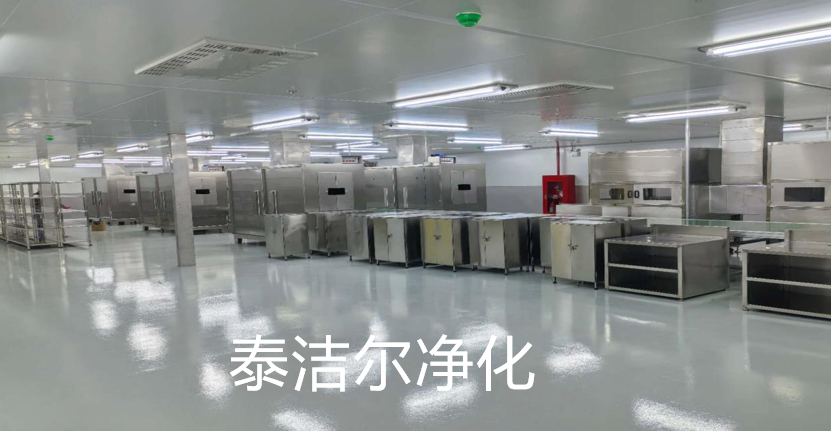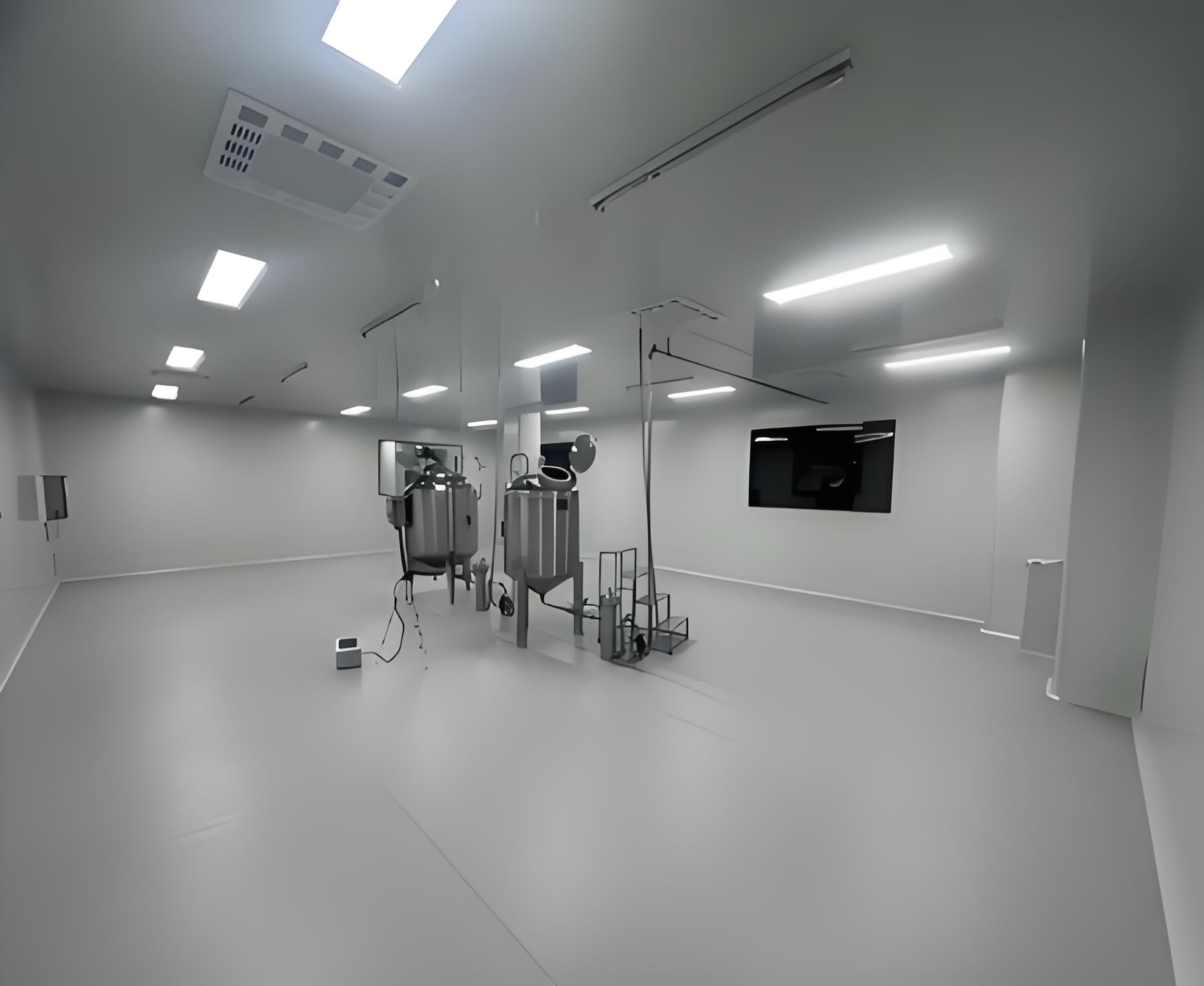
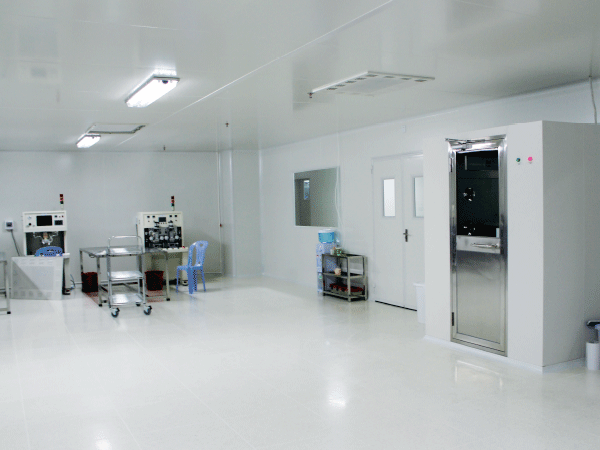

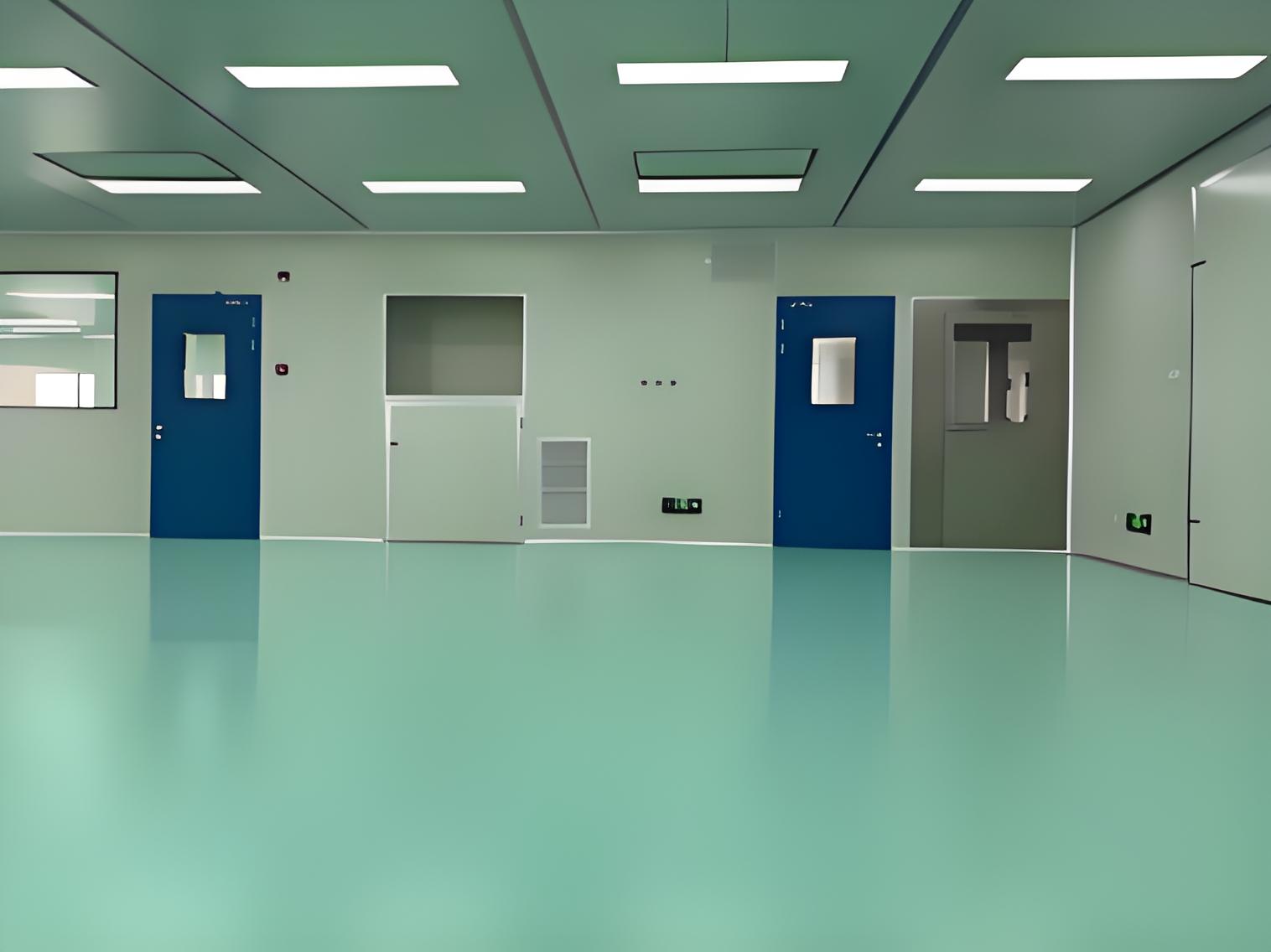
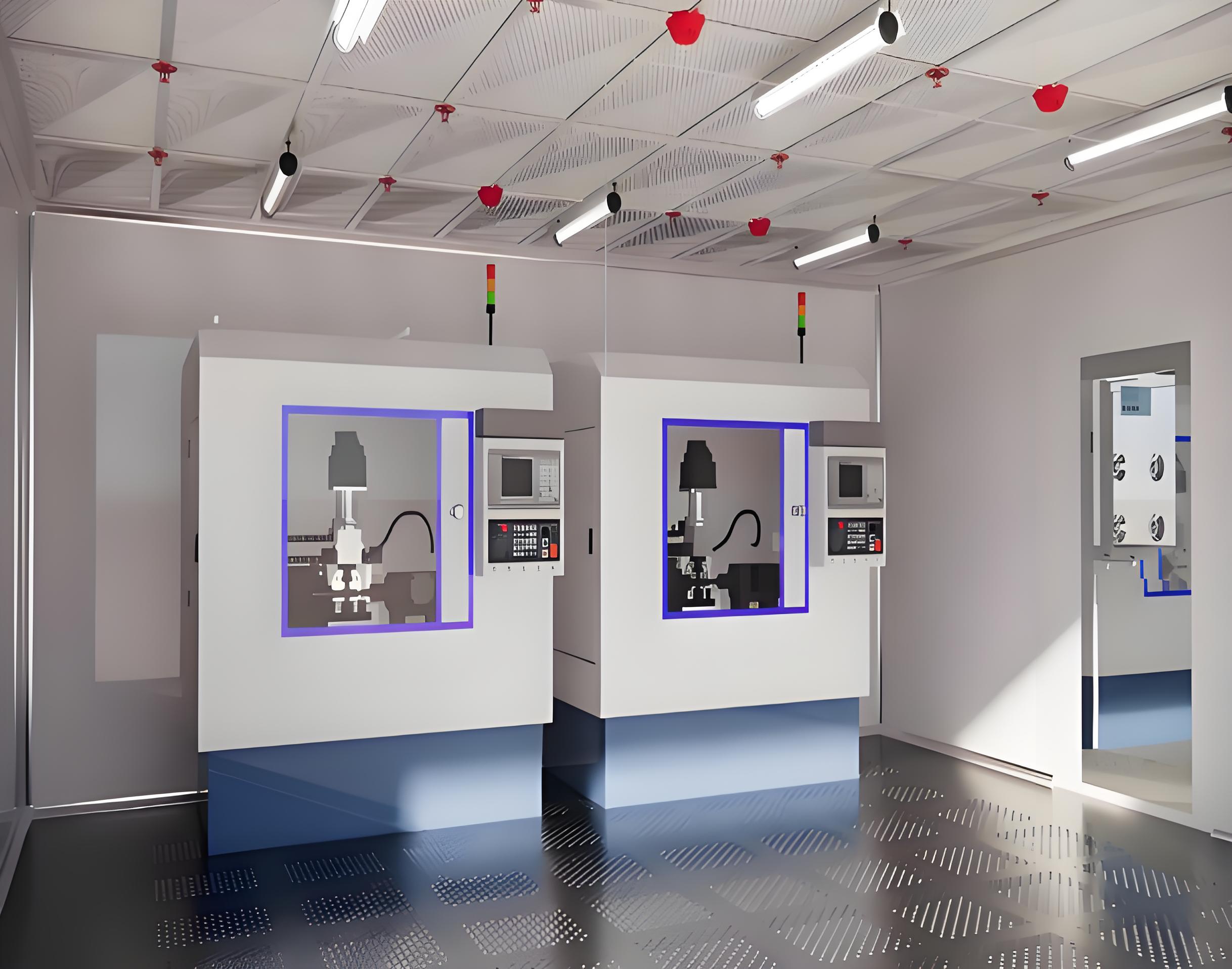
In today's highly regulated industries, from pharmaceuticals to electronics, maintaining pristine environments is non-negotiable. Cleanroom engineering lies at the heart of this endeavor, ensuring controlled environments free from contaminants that could compromise product quality, safety, and compliance. Whether you're launching a new facility or upgrading an existing one, understanding the intricacies of cleanroom engineering can save time, reduce costs, and enhance operational efficiency. As a foundational element in sectors like healthcare, biotechnology, and semiconductor manufacturing, cleanroom engineering integrates advanced design, construction, and maintenance protocols to meet stringent international standards. Companies like TAI JIE ER have built reputations for delivering tailored cleanroom solutions, emphasizing precision and reliability. In this article, we delve into the essentials of cleanroom engineering, explore its applications, break down cost factors, and provide guidance on selecting the right partners to meet your specific needs.
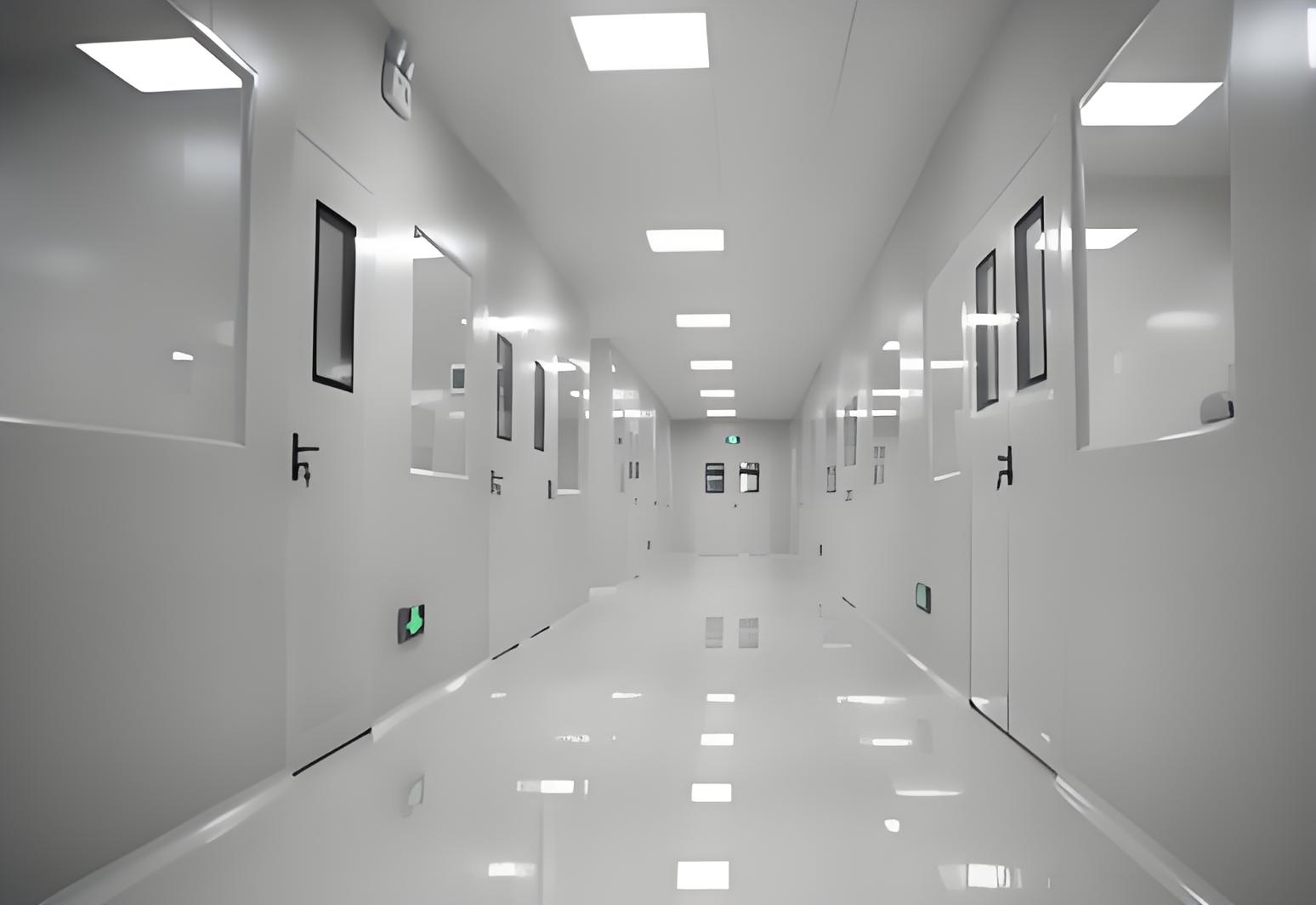
Cleanroom engineering refers to the specialized discipline of designing, constructing, and maintaining controlled environments where pollutants such as dust, airborne microbes, and chemical vapors are minimized to specified levels. These environments are critical in industries where even microscopic contaminants can lead to product failures, regulatory non-compliance, or health hazards. The core of cleanroom engineering involves integrating HVAC systems, HEPA or ULPA filters, and monitoring technologies to achieve desired cleanliness levels, often classified under standards like ISO 14644-1. For instance, a ISO Class 5 cleanroom allows no more than 3,520 particles per cubic meter of air, highlighting the precision required in cleanroom engineering. This field combines principles from mechanical engineering, architecture, and environmental science to create spaces that support sensitive processes, such as drug manufacturing or microchip production. By leveraging cleanroom engineering, businesses can ensure product integrity, protect personnel, and adhere to global regulations, making it a cornerstone of modern industrial infrastructure.
Cleanroom engineering finds applications in a diverse range of sectors, each with unique requirements for contamination control. In the pharmaceutical and biotechnology industries, cleanroom engineering is indispensable for aseptic processing, vaccine production, and laboratory research, where sterility is paramount to prevent contamination and ensure patient safety. Similarly, in the electronics and semiconductor fields, cleanroom engineering enables the fabrication of microchips and nanoscale devices by eliminating particulate matter that could cause defects. The medical device industry relies on cleanroom engineering for assembling implants and diagnostic tools, while the aerospace and automotive sectors use it for precision manufacturing and testing components. Even food processing and cosmetics industries employ cleanroom engineering to maintain hygiene and extend product shelf life. Each application demands customized cleanroom design, such as modular cleanrooms for flexibility or hardwall cleanrooms for durability. For example, TAI JIE ER has supported clients in these areas by implementing scalable cleanroom solutions that adapt to evolving production needs, showcasing the versatility of cleanroom engineering in driving innovation and quality assurance.
When planning a cleanroom project, understanding cost drivers is essential for budgeting and decision-making. The expenses associated with cleanroom engineering can vary widely based on factors like size, complexity, and compliance requirements. Key cost components include design and consultancy fees, materials (e.g., wall panels, flooring, and ceilings), HVAC systems with advanced filtration, and ongoing maintenance. For instance, a higher ISO classification (e.g., ISO Class 1 vs. ISO Class 8) typically increases costs due to the need for more sophisticated air handling and monitoring systems. Other factors include the type of cleanroom—such as softwall, hardwall, or modular—and site-specific considerations like existing infrastructure and regulatory certifications. Labor costs for installation and validation, along with energy consumption for maintaining temperature and humidity controls, also contribute significantly. On average, basic cleanroom engineering projects might start at $100 per square foot, while high-end facilities can exceed $1,000 per square foot. By partnering with experienced firms like TAI JIE ER, organizations can optimize costs through value engineering, which balances performance with affordability, ensuring that cleanroom engineering investments deliver long-term returns through reduced downtime and enhanced productivity.
Selecting the right supplier for cleanroom engineering is crucial to achieving project success, as it impacts everything from design accuracy to long-term maintenance. Start by evaluating the supplier's expertise and track record in your industry—look for case studies, certifications (e.g., ISO 9001 for quality management), and client testimonials. A reputable cleanroom engineering provider should offer end-to-end services, including feasibility studies, 3D modeling, construction, and validation, to ensure seamless integration. Consider their approach to compliance with international standards like ISO 14644, GMP (Good Manufacturing Practice), or FDA regulations, as this minimizes risks during audits. Additionally, assess their technological capabilities, such as the use of BIM (Building Information Modeling) for precise cleanroom design, and their ability to provide ongoing support for maintenance and upgrades. Transparency in pricing and project timelines is another key factor; avoid suppliers with vague estimates and instead opt for those who provide detailed breakdowns. For instance, TAI JIE ER emphasizes collaborative partnerships, offering customized cleanroom engineering solutions that align with client budgets and timelines, while ensuring adherence to the highest quality benchmarks. By conducting site visits and requesting references, you can gauge their reliability and avoid common pitfalls in cleanroom engineering projects.
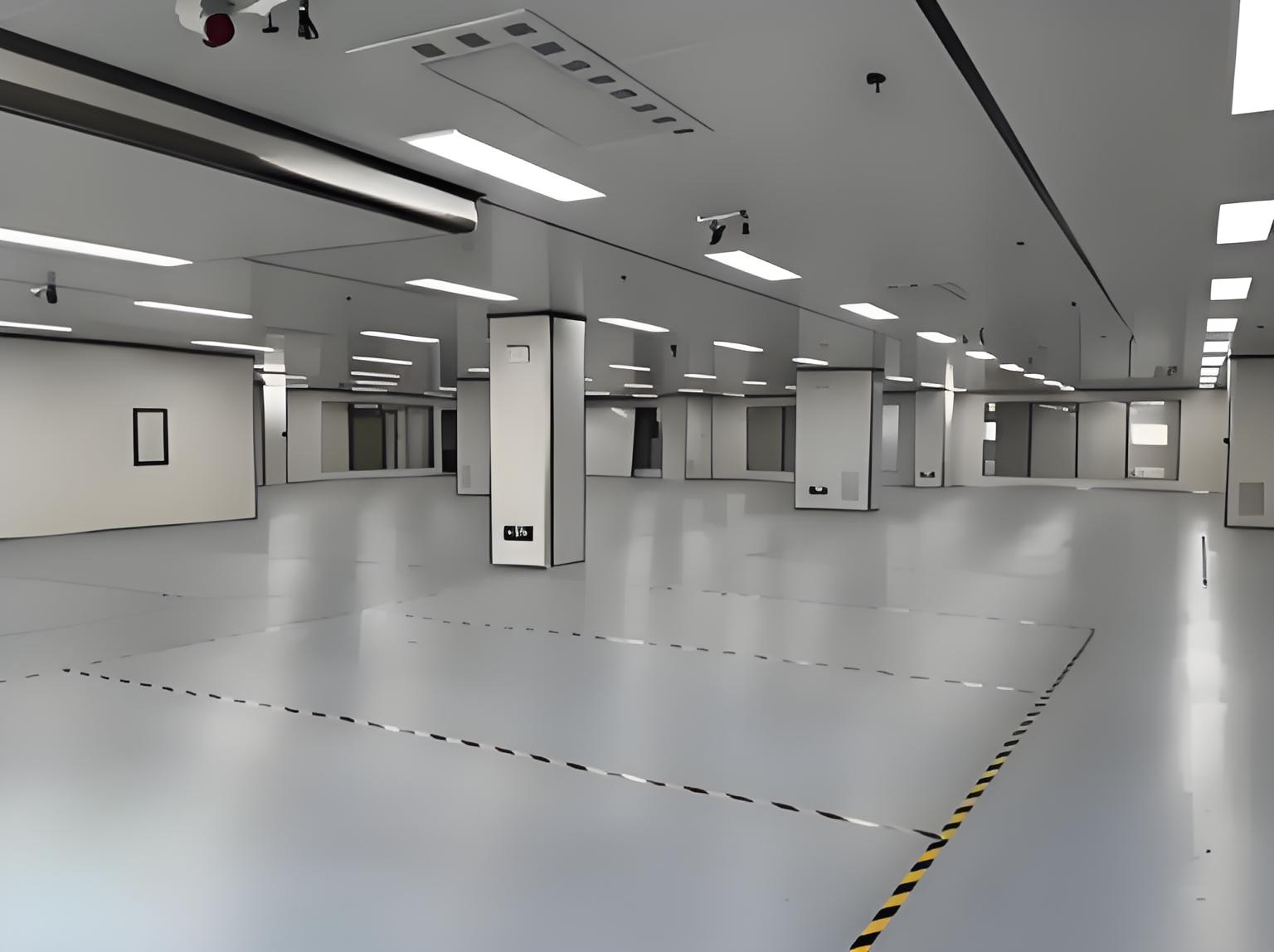
The field of cleanroom engineering is continuously evolving, driven by technological advancements and increasing regulatory demands. Recent innovations focus on enhancing energy efficiency, automation, and flexibility. For example, smart cleanrooms integrate IoT sensors and AI-driven monitoring systems to provide real-time data on particle counts, temperature, and humidity, enabling predictive maintenance and reducing human error. Modular cleanroom engineering has gained popularity for its scalability and quick deployment, allowing facilities to adapt to changing production needs without major renovations. Advances in materials science have led to the use of antimicrobial surfaces and low-outgassing materials, which improve cleanliness and longevity. Moreover, sustainable cleanroom engineering practices, such as energy-recovery ventilators and LED lighting, are becoming standard to minimize environmental impact and operational costs. These trends not only boost performance but also align with global sustainability goals. Firms like TAI JIE ER are at the forefront, incorporating these innovations into their cleanroom engineering services to help clients stay competitive. As industries embrace Industry 4.0, the integration of digital twins and robotics in cleanroom engineering is set to redefine contamination control, making facilities more resilient and cost-effective.
Cleanroom engineering remains a vital enabler of quality and innovation across multiple industries, from life sciences to advanced manufacturing. By understanding its principles, applications, and cost dynamics, businesses can make informed decisions that enhance operational excellence. As technologies like AI and modular design continue to shape the landscape, cleanroom engineering will become even more accessible and efficient, driving down costs while improving reliability. Choosing the right partners, such as TAI JIE ER, can simplify this journey, providing expertise tailored to unique challenges. Ultimately, investing in robust cleanroom engineering not only safeguards products and processes but also positions organizations for growth in an increasingly competitive global market. Whether you're embarking on a new project or optimizing an existing facility, prioritizing cleanroom engineering is a step toward sustainable success.
Q1: What is the typical lifespan of a cleanroom facility designed through cleanroom engineering?
A1: The lifespan of a cleanroom facility largely depends on the quality of cleanroom engineering, materials used, and maintenance practices. Well-designed cleanrooms can last 15–20 years or more with regular upkeep, including filter replacements and system audits. Factors like industry standards updates—such as changes in ISO classifications—might necessitate upgrades to extend usability.
Q2: How does cleanroom engineering address energy efficiency in high-classification cleanrooms?
A2: Cleanroom engineering incorporates energy-efficient solutions like variable air volume (VAV) systems, heat recovery units, and LED lighting to reduce power consumption. For high-classification cleanrooms, engineers optimize airflow patterns and use advanced controls to minimize energy waste while maintaining strict contamination control, often resulting in significant cost savings over time.
Q3: Can cleanroom engineering be applied to existing buildings, or is it only for new constructions?
A3: Yes, cleanroom engineering can be adapted to existing buildings through retrofitting or modular installations. This approach involves assessing the current infrastructure, upgrading HVAC and filtration systems, and ensuring compliance with standards. It's a cost-effective option for expansions or renovations, though it may require more detailed planning to address spatial constraints.
Q4: What are the most common mistakes to avoid in cleanroom engineering projects?
A4: Common mistakes in cleanroom engineering include underestimating space requirements, neglecting proper validation protocols, and selecting materials that emit contaminants. Others involve inadequate staffing training and overlooking long-term maintenance costs. Working with experienced providers like TAI JIE ER can help mitigate these issues through comprehensive planning and support.
Q5: How do international standards like ISO 14644 impact cleanroom engineering?
A5: International standards such as ISO 14644 provide guidelines for cleanroom classification, testing, and monitoring, ensuring consistency and reliability in cleanroom engineering. They define parameters for particle counts, airflow, and cleanliness, which influence design, construction, and certification. Adherence to these standards is crucial for global compliance and facilitating cross-border operations in industries like pharmaceuticals and electronics.
This article provides a general overview of cleanroom engineering; for specific projects, consult with experts like TAI JIE ER to address unique requirements and ensure optimal outcomes.