
The physical envelope of a cleanroom—its walls, floors, ceilings, and integrated systems—is often underestimated in its impact on contamination control. Cleanroom decoration is not merely about aesthetics; it is a critical engineering discipline that ensures particle shedding is minimized, surfaces are cleanable, and the environment meets ISO or GMP standards. Poorly executed cleanroom decoration can lead to particulate generation, microbial harborage, and validation failures. Drawing on decades of project experience, TAI JIE ER has refined a set of principles that guarantee durable, compliant, and energy‑efficient cleanroom interiors. This article examines five essential aspects of modern cleanroom decoration, supported by technical data and real‑world applications.
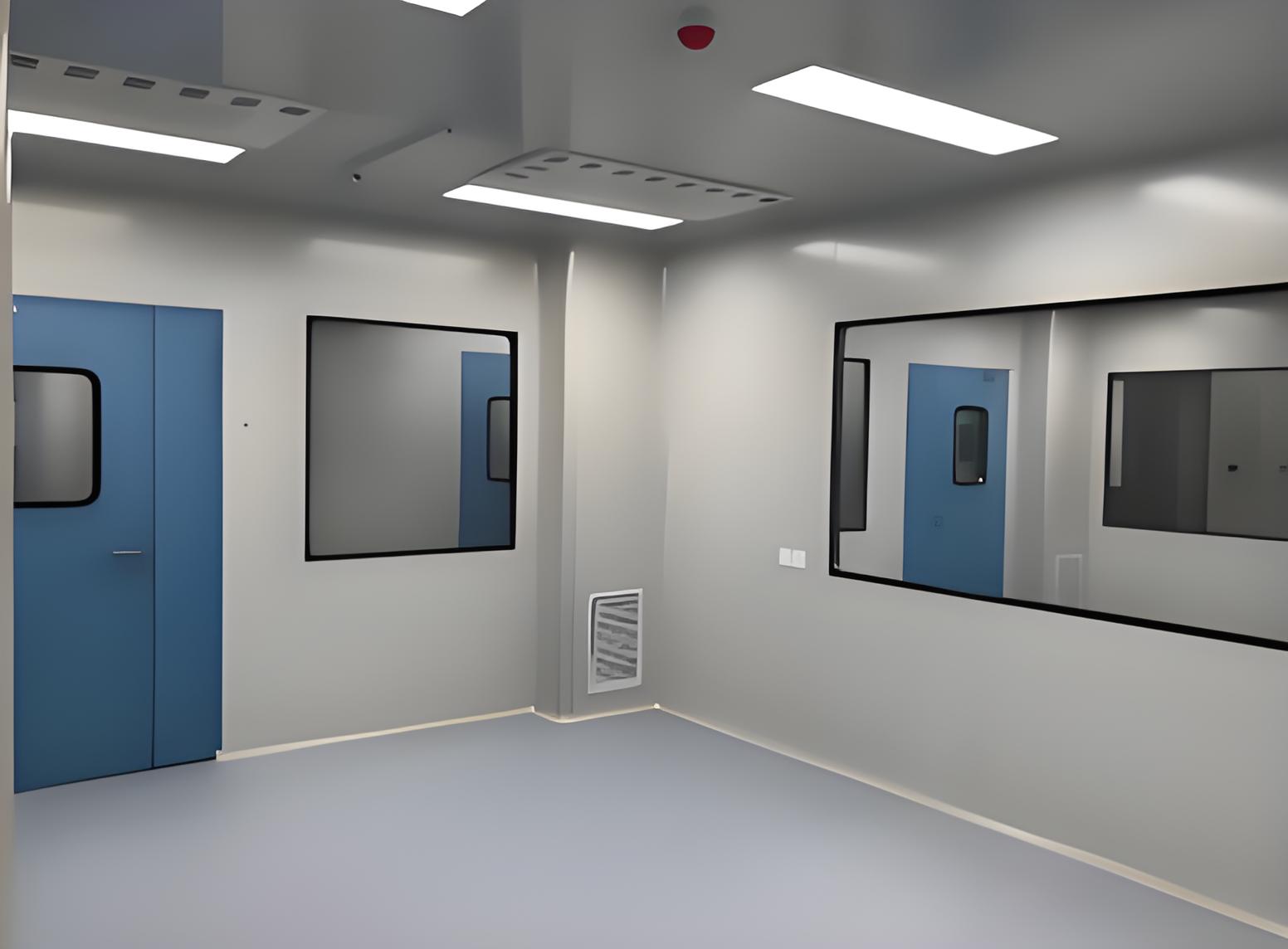
Every material used inside a classified area must be evaluated for particle shedding, chemical resistance, and cleanability. Key categories include:
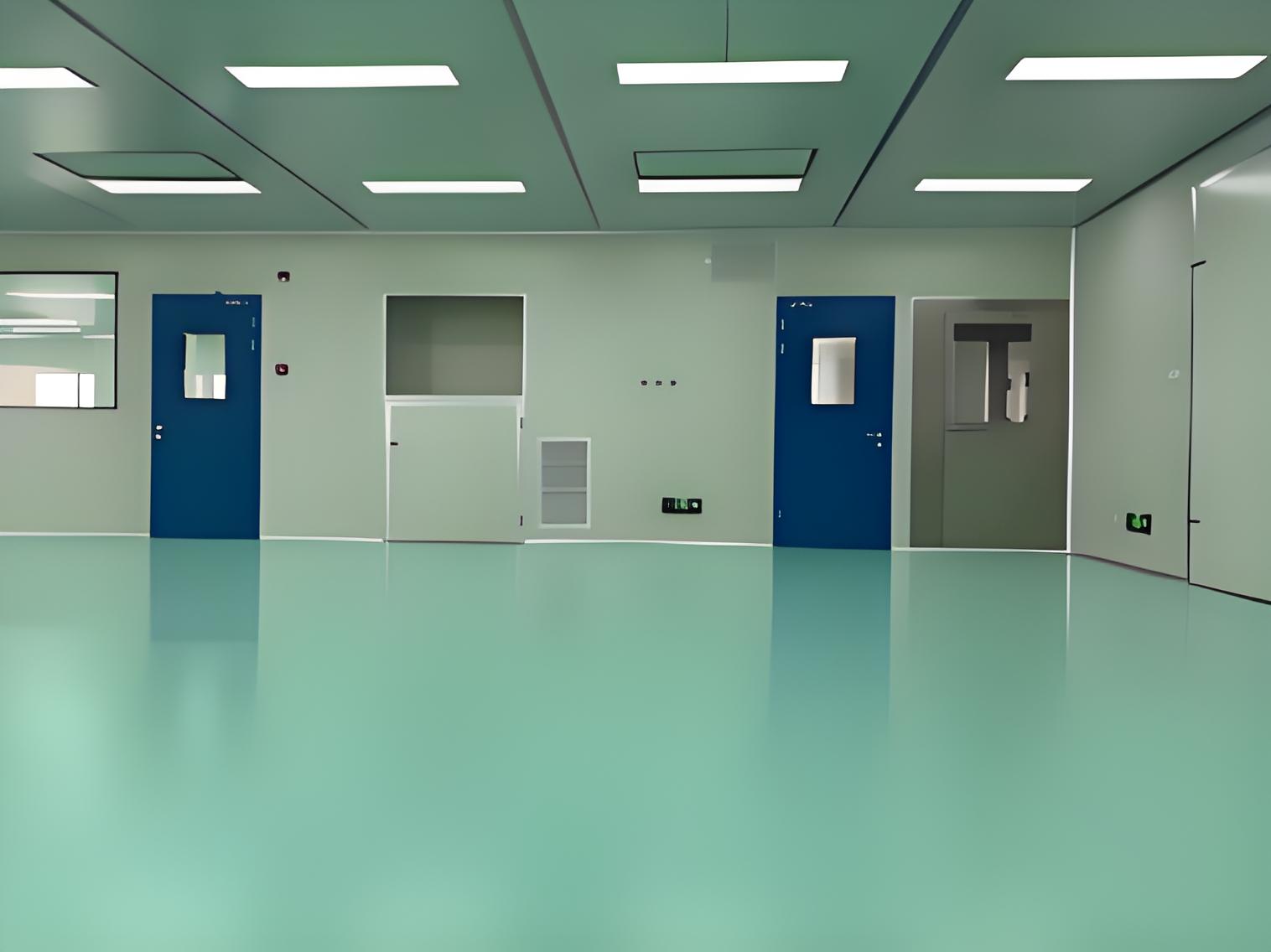
Wall panels: Typically, faced with baked‑enamel painted steel, aluminum, or cleanroom‑rated fiberglass reinforced plastic (FRP). Surface finish should have a gloss level >60% to facilitate cleaning and resist chemical attack. Panels must be non‑porous and non‑shedding.
Flooring: Seamless epoxy, polyurethane, or vinyl sheet with heat‑welded seams. For ISO 5 and cleaner, conductive flooring (surface resistivity 10⁶–10⁹ Ω) is often required to dissipate static charge. Thickness is typically 2–3 mm.
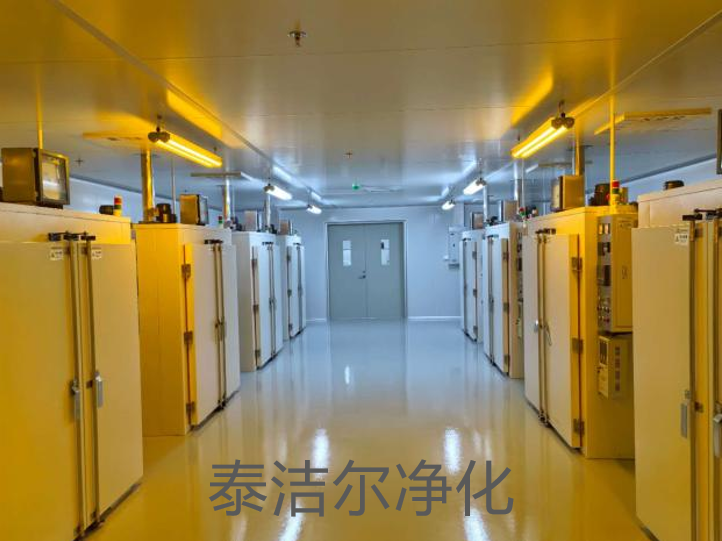
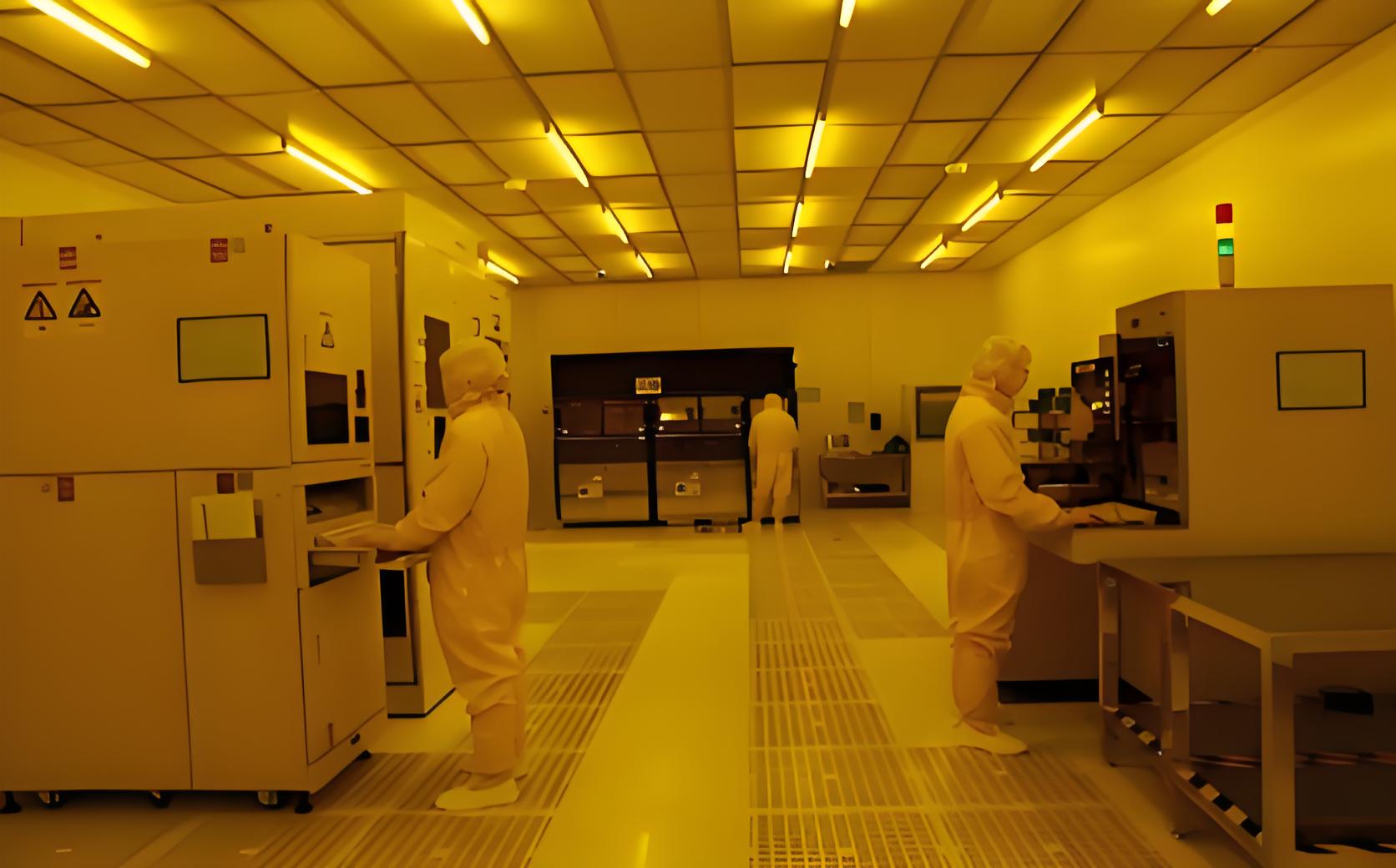
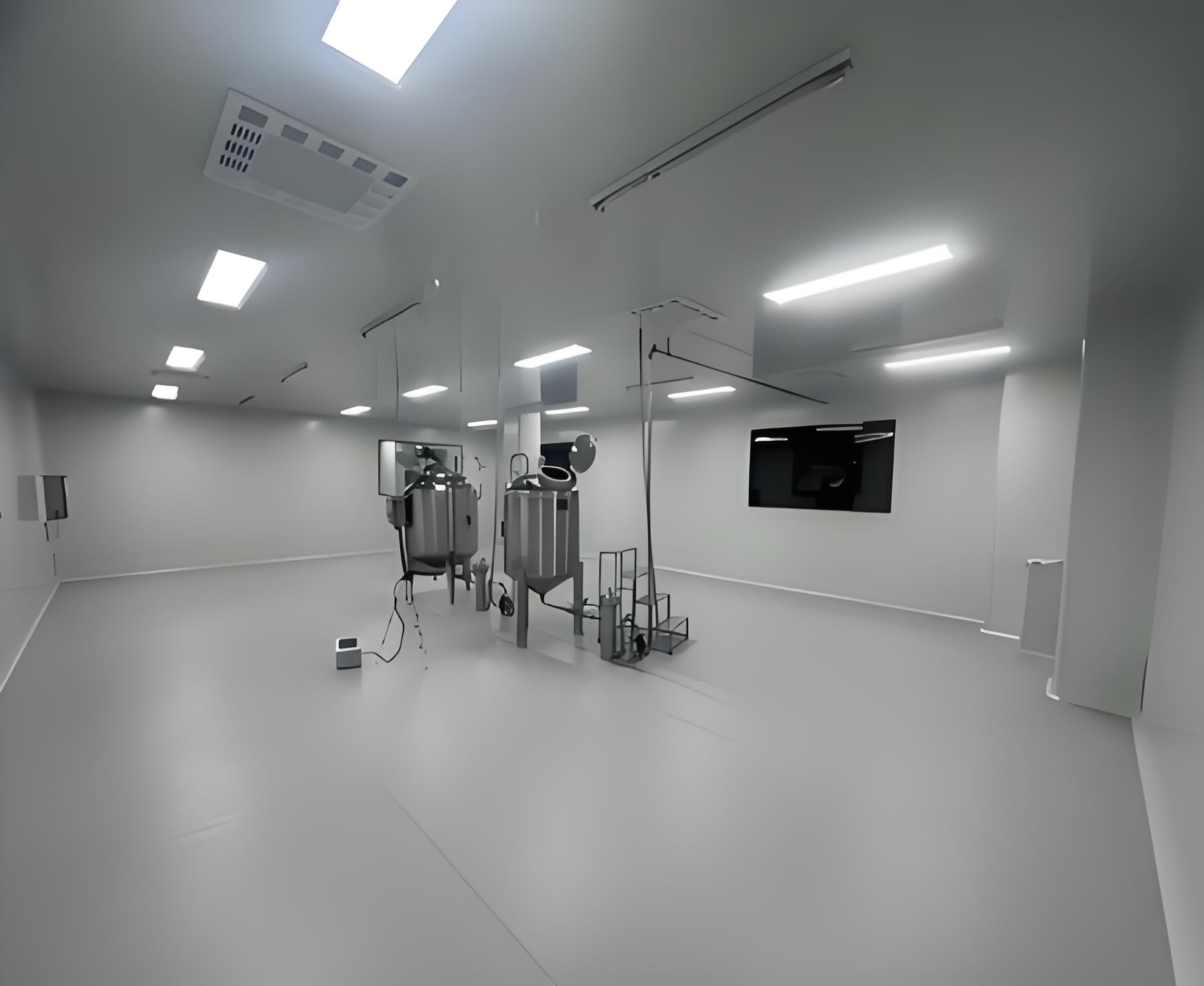
Ceiling systems: Grid‑supported or modular panel ceilings with gasketed HEPA filter housings. Materials must be corrosion‑resistant and capable of supporting light fixtures and sensors without sagging.
Doors and windows: Flush‑mounted, with minimal ledges, often with stainless steel frames and tempered glass. Interlocks and seals are critical for maintaining pressure differentials.
In a recent TAI JIE ER project for a biologics facility, the selection of a specialized polyurea wall coating reduced outgassing and VOC levels by 40% compared to standard epoxy, improving environmental conditions for sensitive assays.
The mantra of cleanroom decoration is “seal everything.” Joints, corners, and penetrations are the primary routes for contamination ingress and accumulation. Critical details include:
Coved bases: Floor‑to‑wall transitions must be curved (radius 50–100 mm) to eliminate sharp corners where dust can collect. Cove bases are typically formed from the same seamless flooring material or a compatible coving strip.
Sealed penetrations: Every pipe, conduit, or duct passing through the cleanroom envelope must be sealed with cleanroom‑rated silicone or acrylic sealants that are non‑shedding and resistant to cleaning agents. Fire‑stopping materials must also meet classification requirements.
Panel joints: Wall and ceiling panels should be joined with interlocking profiles and sealed with continuous gaskets or sanitary sealant. The goal is a monolithic surface with no crevices.
ISO 14644‑4 specifies that surfaces must be smooth, impervious, and capable of withstanding repeated cleaning. Third‑party pressurization testing (e.g., blower door tests) can verify that the envelope leakage is below 0.5% of room volume per hour at 50 Pa—a typical requirement for pharmaceutical cleanrooms.
Floors endure the heaviest mechanical wear and chemical exposure. In cleanroom decoration, flooring must meet both functional and regulatory demands:
Resin flooring: Epoxy or polyurethane self‑leveling systems provide a seamless, durable surface. They are available in antistatic variants (surface resistivity 10⁶–10⁹ Ω) for electronics and explosive environments. Typical thickness: 2–3 mm.
Vinyl sheet flooring: Heat‑welded seams create a watertight barrier. Vinyl is more forgiving underfoot and often specified for hospital pharmacies and research labs.
Impact resistance: In high‑traffic areas, flooring should withstand point loads >1,000 N without indentation. Data from TAI JIE ER installations show that properly specified polyurethane floors last 10+ years with only routine maintenance.
Installation conditions are critical: substrate moisture content must be <4% (CM method) before application to prevent blistering. Ambient temperature during cure must be maintained at 18–25°C for optimal cross‑linking.
Two primary construction methods exist for cleanroom decoration:
Modular (prefabricated) panels: Factory‑finished panels with integrated seals, often made of honeycomb or foam‑core with metal facings. Advantages: speed of installation (up to 50% faster than stick‑built), consistent quality, and ease of reconfiguration. Modular systems are ideal for ISO 5–8 cleanrooms.
Stick‑built (drywall) construction: Conventional framing with gypsum boards, finished with a smooth coating (epoxy or polyurethane). This method is less expensive but requires meticulous on‑site sealing and painting. It is commonly used for ISO 7–8 areas.
Ceilings must support HEPA filters, lights, and sensors. In unidirectional flow areas (ISO 5), ceiling coverage with HEPA filters should be 40–80% to achieve the required air velocity. Walkable ceiling panels (with load capacity >150 kg/m²) are available for maintenance access.
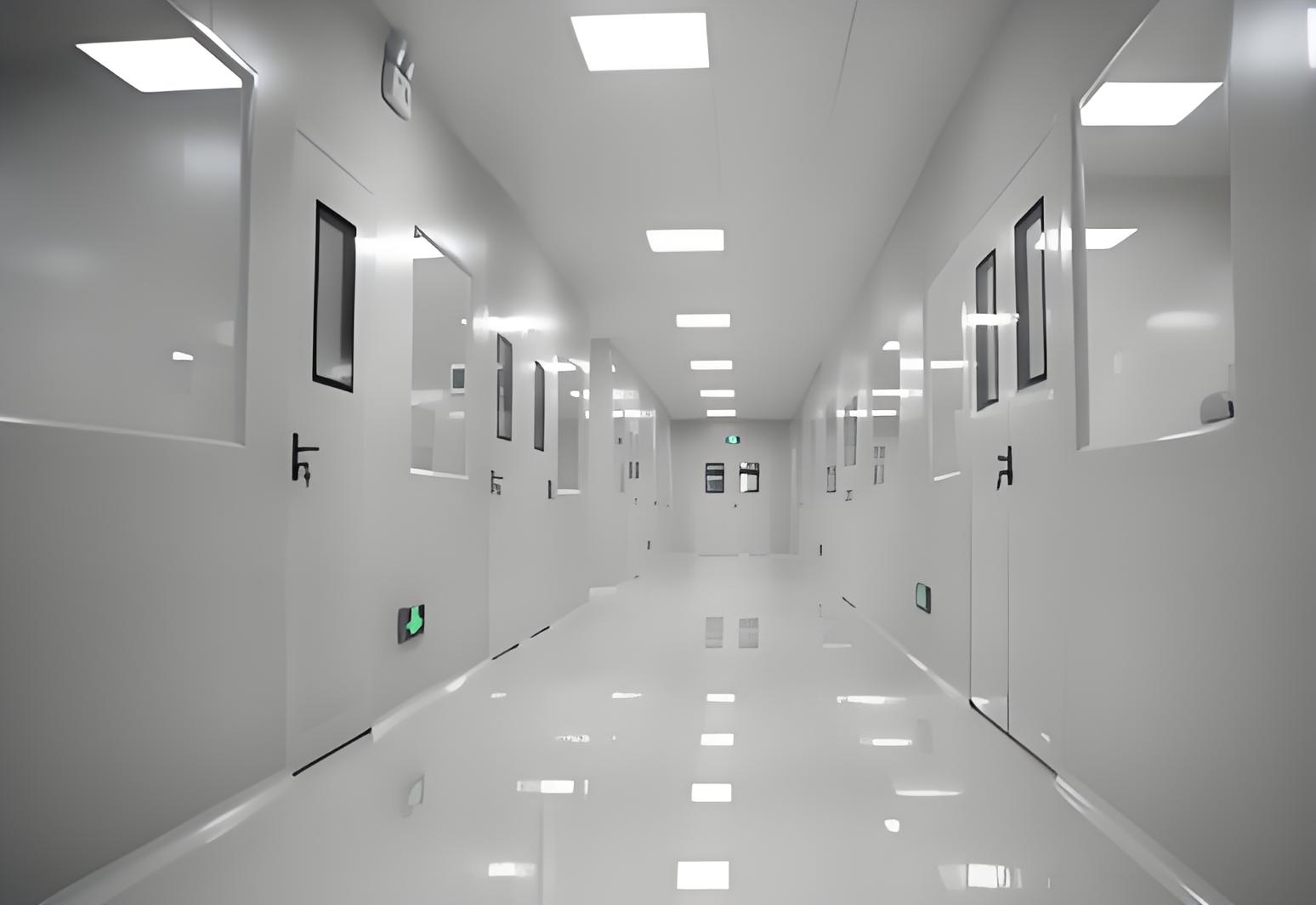
Even the best cleanroom decoration must be validated through testing:
Surface particle testing: Swab or tape‑lift tests measure non‑viable particle counts per ISO 14644‑9. Acceptable limits depend on the cleanliness class; for ISO 5, surface cleanliness is typically N/A (non‑applicable) because air cleanliness dominates, but for lower classes, surface cleanliness is specified.
Microbial sampling: Contact plates (RODAC) assess bacterial and fungal contamination on surfaces. Limits are defined by pharmacopoeias (e.g., <1 CFU/plate for ISO 5).
Cleanability testing: Surfaces must withstand repeated wiping with disinfectants (e.g., 70% IPA, quaternary ammonium compounds) without degradation. ASTM D6578 provides a standard test for chemical resistance.
In a recent TAI JIE ER project for a gene therapy manufacturer, post‑construction validation showed zero non‑conformances in surface particle counts, and the cleanroom achieved ISO 5 certification within two weeks of commissioning.
Even with meticulous planning, pitfalls can arise. Here are three frequent issues:
Outgassing from materials: Some sealants and paints release volatile organic compounds (VOCs) that can affect sensitive processes. Solution: specify low‑VOC or VOC‑free materials, and allow adequate curing time (typically 7–14 days) before occupancy.
Inadequate sealing of penetrations: Unsealed cable trays or pipe entries can bypass the entire pressurization cascade. Solution: use pre‑formed cleanroom penetration seals (e.g., rubber grommets with compression plates) and inspect each with a smoke pencil during commissioning.
Thermal bridging and condensation: Metal frames can conduct cold, leading to condensation in humid areas. Solution: incorporate thermal breaks or use insulated panel systems.
Q1: What is the typical cost range for cleanroom decoration per
square meter?
A1: Costs vary widely by class and region. For ISO
7–8, basic cleanroom decoration (walls, floors,
ceiling) may range from €400–€800/m². For ISO 5 with unidirectional flow and
specialized materials, costs can exceed €1,500/m². TAI JIE
ER provides detailed budget estimates based on user requirement
specifications.
Q2: How often should cleanroom wall coatings be
reapplied?
A2: With proper maintenance, high‑quality epoxy or
polyurethane wall coatings last 10–15 years. Recoating is typically triggered by
physical damage, staining that cannot be removed, or changes in regulatory
requirements. Annual inspections help schedule recoatings before problems
arise.
Q3: Can existing conventional rooms be converted into cleanrooms
through decoration?
A3: Yes, many cleanrooms are retrofits. The
process involves stripping existing finishes, repairing the substrate,
installing new wall/ceiling systems, sealing all penetrations, and integrating
HVAC. However, existing structural constraints (low ceiling height, column
spacing) may limit achievable classification. A feasibility study is
essential.
Q4: What standards govern cleanroom decoration
materials?
A4: Key references include ISO 14644‑4 (design,
construction), ISO 14644‑5 (operations), and national building codes. For
pharmaceutical applications, EU GMP Annex 1 and USP 797/800 impose additional
requirements on material cleanability and resistance to disinfectants. Fire
safety standards (e.g., EN 13501‑1, ASTM E84) also apply.
Q5: How do I verify that the cleanroom decoration is properly
sealed?
A5: After construction, a room integrity test
(pressurization decay) is performed. With all openings sealed, the room is
pressurized to 50 Pa and the decay rate measured. Leakage should not exceed 0.5%
of room volume per hour for ISO 5–7. Additionally, a smoke pencil test visually
identifies air leaks at seams and penetrations.
Q6: What is the difference between epoxy and polyurethane flooring
for cleanrooms?
A6: Epoxy is harder and more chemical‑resistant but
can be brittle under impact. Polyurethane is more flexible, quieter underfoot,
and better withstands thermal cycling. Both can be formulated antistatic. The
choice depends on the process: epoxy for heavy chemical exposure, polyurethane
for areas with heavy wheeled traffic.
Q7: How long does cleanroom decoration typically take for a 500 m²
facility?
A7: For a greenfield project, construction of the shell,
installation of wall/ceiling systems, flooring, and final sealing takes 12–16
weeks, depending on complexity and whether modular or stick‑built methods are
used. Commissioning and validation add another 4–6 weeks.
For detailed engineering assessments or to request a proposal for a custom‑engineered cleanroom decoration project, visit TAI JIE ER’s official website.