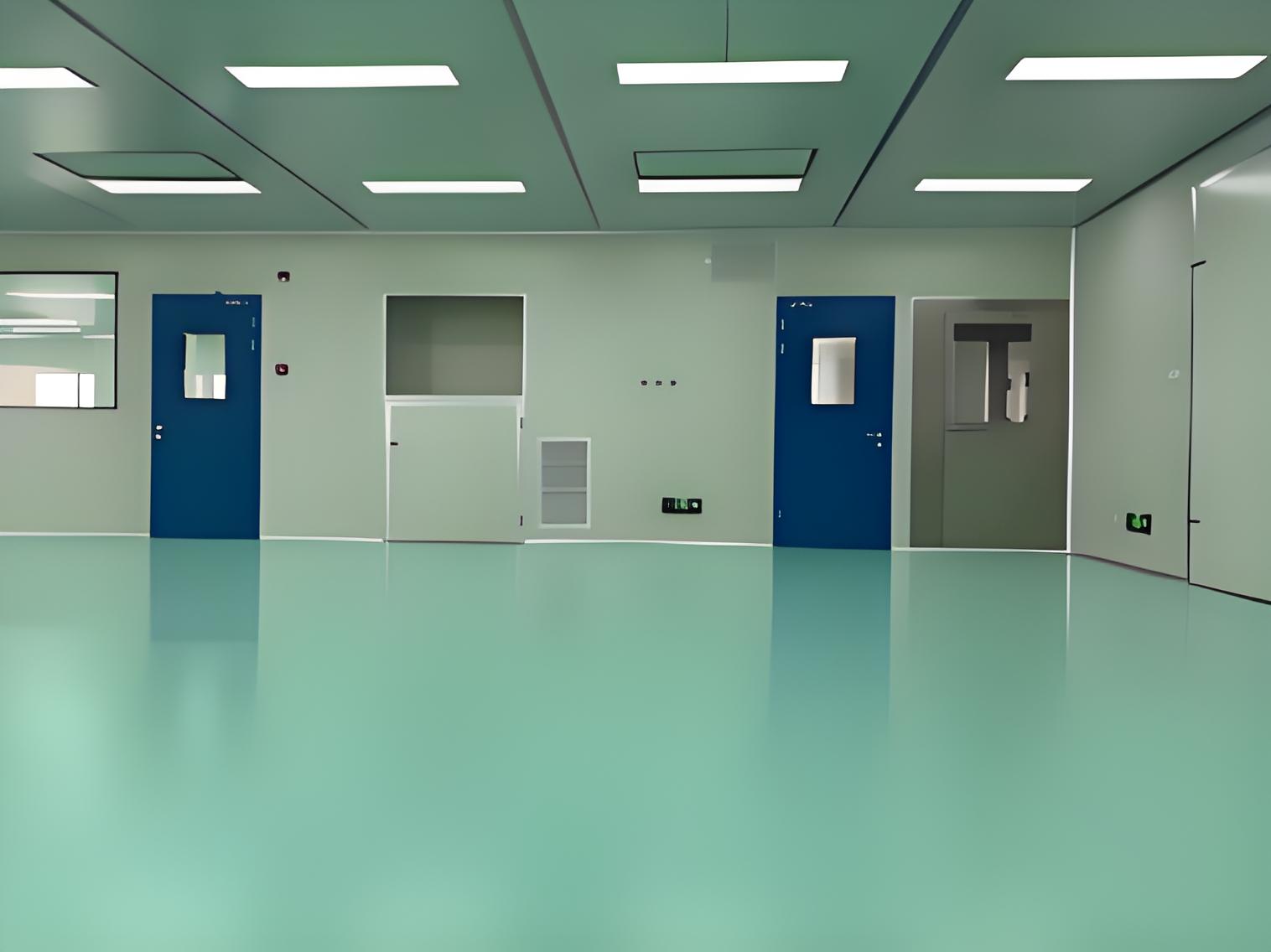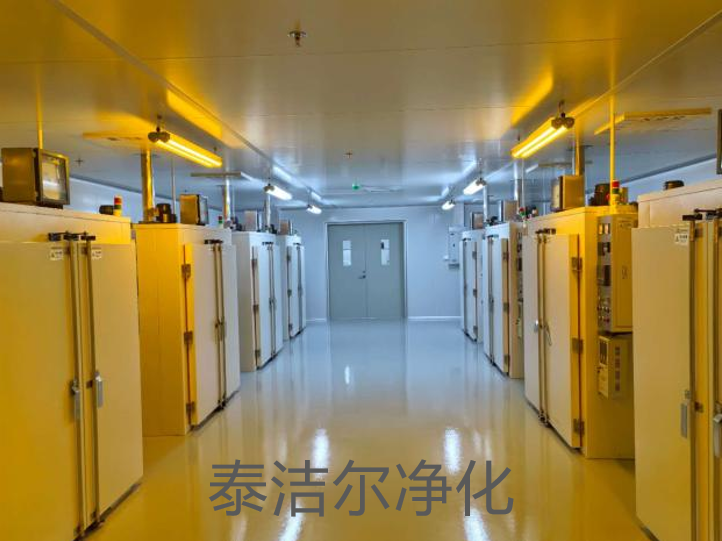

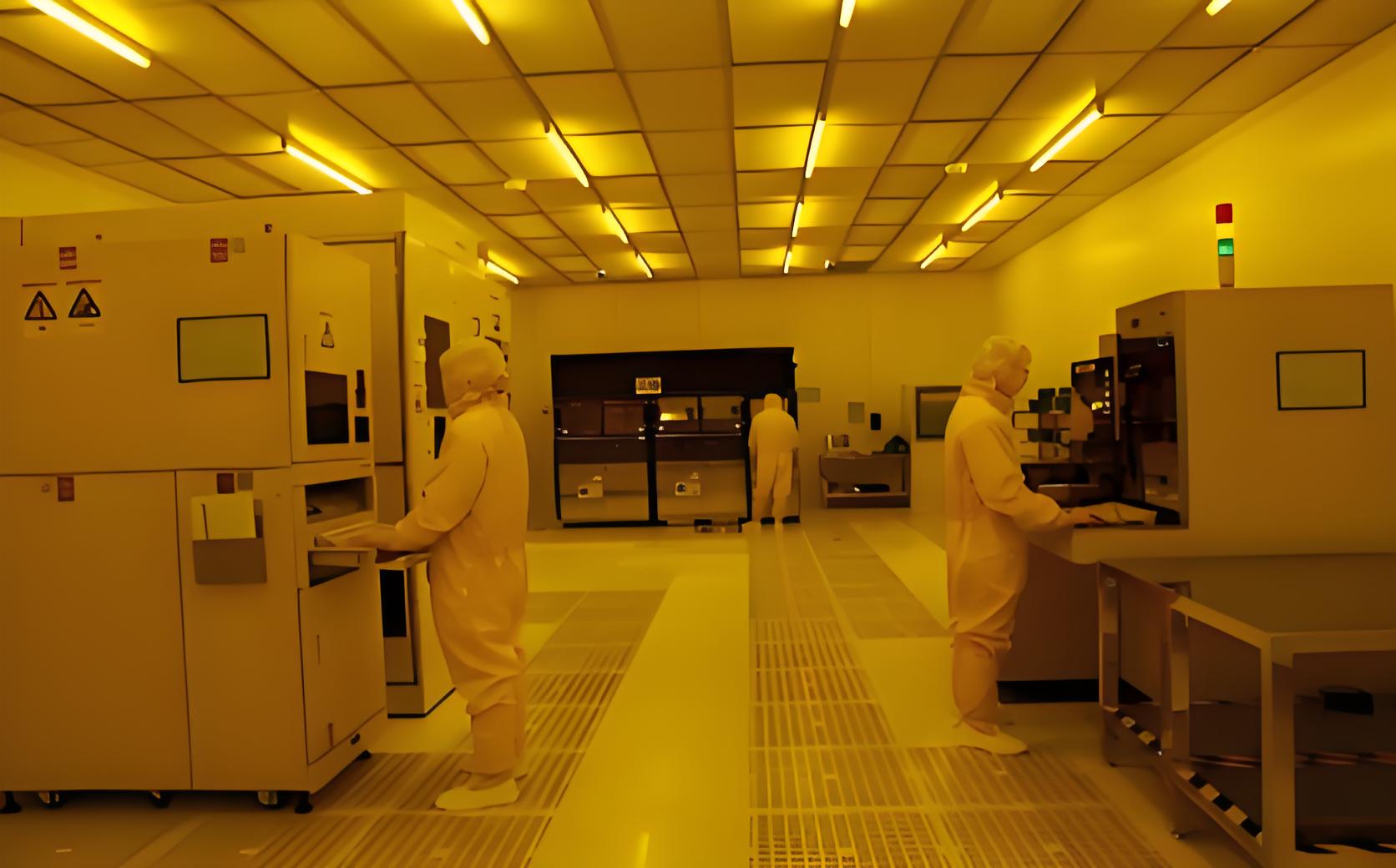

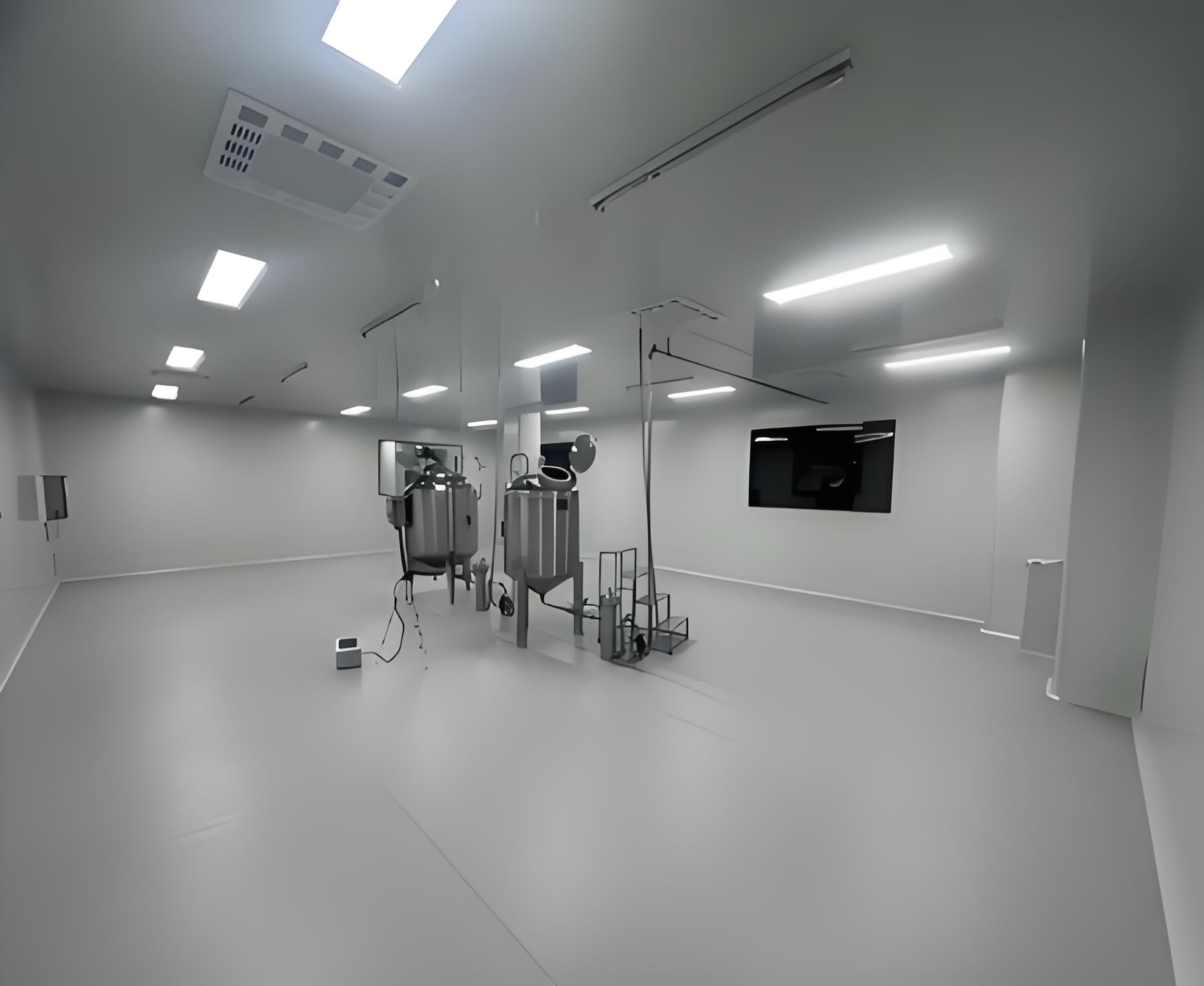
The performance of any controlled environment—whether for aseptic processing, semiconductor fabrication, or advanced therapy manufacturing—hinges on the quality of its cleanroom decoration. This term encompasses far more than aesthetics; it defines the architectural and material strategies that prevent particle generation, microbial ingress, and cross‑contamination. Drawing on decades of Cleanroom Engineering practice and current regulatory expectations (ISO 14644, EU GMP Annex 1, Fed. Std. 209E legacy), this article dissects seven technical pillars that separate compliant cleanrooms from chronic failure cases.
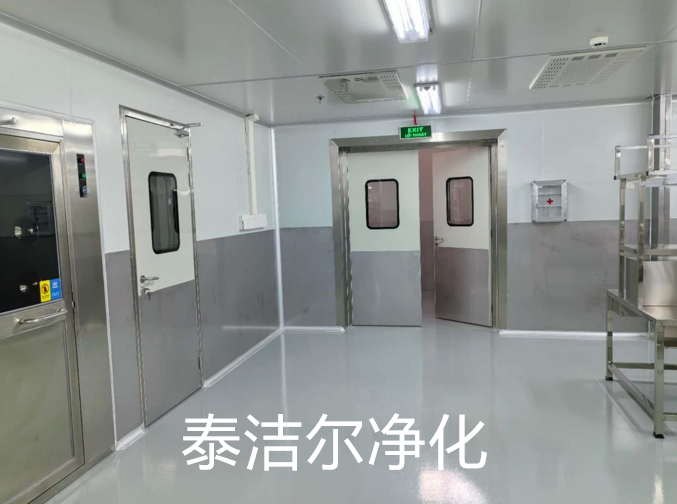
1. Material selection: the first line of defence
The substrates chosen for walls, floors, and ceilings directly influence cleanability, outgassing, and long‑term durability. Modern cleanroom decoration demands materials validated for low particle shedding and resistance to aggressive cleaning agents (e.g., peracetic acid, VHP). Common systems include:
Epoxy or polyurethane floor coatings: Self‑levelling formulations with embedded antimicrobial additives; must withstand repeated scrubbing without delamination. Data from controlled wear tests indicate that high‑solids epoxy (>95%) reduces surface roughening by 60% compared to water‑based alternatives.
Modular wall panels: Phenolic resin, HPL, or stainless steel (AISI 304/316) skins. For ISO 5/6 zones, electropolished stainless steel (Ra < 0.5 µm) is preferred because it prevents biofilm formation.
Seamless ceilings: Vinyl‑faced gypsum or cleanroom‑rated aluminium honeycomb panels. Every joint must be sealed with fungicidal‑free silicone (validated for non‑outgassing).
2. Coving and surface geometry: eliminating microbial reservoirs
Sharp corners and recesses are the primary hiding places for contaminants. A well‑executed cleanroom decoration incorporates radius coving at all wall‑floor and wall‑ceiling intersections (typically ≥ 25 mm). Pre‑formed coving strips made from the same material as the flooring ensure homogeneous thermal expansion and prevent cracks. In aseptic processing areas, continuous curved profiles reduce particle accumulation by up to 45% according to airflow visualisation studies conducted by TAI JIE ER in recent EU GMP projects.
LSI terms: “cleanroom radius coving”, “seamless floor welding”, “hygienic wall base”.
3. HVAC integration and air‑tight sealing
Airborne contamination control depends on maintaining correct pressure differentials and unidirectional airflow. The cleanroom decoration must interface flawlessly with HVAC components:
3.1. Terminal filter mounting
HEPA/ULPA filters should be installed using knife‑edge gel seals (non‑hardening, non‑toxic silicone) rather than compression gaskets. The latter tends to set and create leakage paths over time. Data from independent certification bodies show that 12–15% of initial cleanroom failures stem from inadequate sealing around filter frames.
3.2. Diffuser integration
Perforated ceiling panels in ISO 7/8 zones require airtight connections to the plenum; even a 0.5% leakage area can prolong recovery time beyond ISO 14644‑3 limits.
4. Utility penetrations: the weak points
Every pipe, conduit, or cable that breaches the cleanroom envelope creates a potential contamination route. Advanced cleanroom decoration specifies stainless steel penetration plates with welded sleeves and silicone‑free seals (where silicone is prohibited due to particle adsorption). For multiple cables, potted blocks with validated IP66/67 ingress protection are preferred. TAI JIE ER documented that using prefabricated utility chases reduces field‑cut seal failures by 70% compared to on‑site caulking.
5. Lighting systems: cleanability and shadow control
Light fixtures must be flush‑mounted, sealed to the ceiling, and free of external screw heads or crevices. LED panels with smooth polycarbonate covers (IP65 minimum) are now standard. However, cleanroom decoration must also address thermal management: excess heat can create micro‑convection currents that disturb unidirectional airflow. Integrating cooling fins above the ceiling (outside the clean zone) is a proven solution.
LSI: “cleanroom lighting gaskets”, “low‑particle LED luminaires”, “shadow‑free illumination for visual inspection”.
6. Doors, windows, and access control
Sliding doors are discouraged in high‑grade cleanrooms because their tracks accumulate debris. Hinged doors with continuous piano hinges and magnetic interlocking gaskets are the industry standard. Vision panels must be double‑glazed with flush‑mounted frames to prevent condensate pooling and microbial growth. A 2022 ISPE survey identified that worn door gaskets contribute to nearly 30% of airborne contamination incidents in sterile facilities. Using platinum‑cured silicone gaskets with a validated lifetime >5 years is a critical detail in cleanroom decoration specifications.
7. Validation and lifecycle management
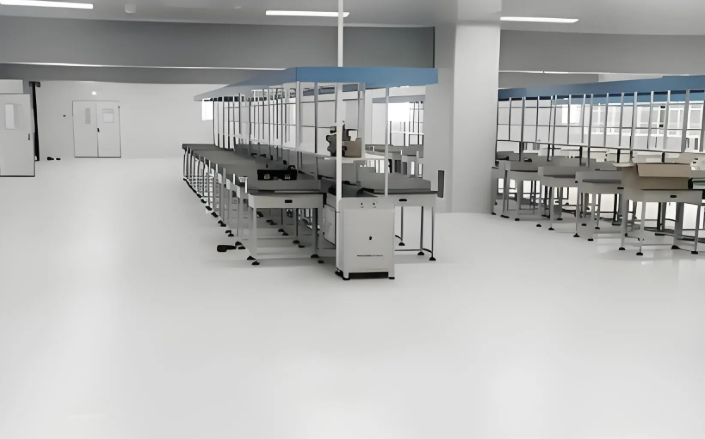
The decoration phase is incomplete until the room passes a full suite of tests: non‑viable particle counts (at rest/in operation), airflow visualisation (smoke studies), pressure decay, and surface bioburden (contact plates). Increasingly, owners demand a “design‑build‑validate” approach where the decoration contractor guarantees final certification. TAI JIE ER reports that pre‑commissioning checks during decoration (e.g., seal integrity testing according to ASTM E779) can reduce final certification failures by 62%.
7.1. Common validation pitfalls linked to decoration
Leakage from poorly sealed corners — detected by pressurisation decay tests.
Outgassing from paints or sealants — identified via VOC profiling during dynamic conditioning.
Electrostatic charge on non‑conductive flooring — dissipative flooring (ESD) required for electronics cleanrooms; also relevant for pharmaceutical areas to reduce particle attraction.
Addressing industry pain points with integrated solutions
The most persistent challenges in cleanroom decoration are the disconnect between construction crews and qualification teams, and the use of materials incompatible with routine disinfection. For example, standard silicone sealants containing fungicides can leach compounds that inhibit microbial growth in environmental monitoring cultures. Expert providers like TAI JIE ER mitigate this by applying a “clean‑by‑design” methodology: every material is pre‑approved by validation specialists, and mock‑up sections are tested for cleanability before full installation. Another pain point is schedule overrun due to curing times. By selecting fast‑curing, low‑odour resins and prefabricated components, overall project duration can be cut by 20–30% without compromising quality.
Data from TAI JIE ER database shows that facilities investing in high‑grade cleanroom decoration with full traceability experience 34% lower operational expenditure (OPEX) over five years, due to fewer unplanned shutdowns for re‑caulking or surface repairs.
Frequently asked questions about cleanroom decoration
In conclusion, successful cleanroom decoration demands a multidisciplinary approach—integrating material science, mechanical system interfaces, and rigorous validation protocols. Partnering with an experienced specialist like TAI JIE ER ensures that the finished environment meets current regulatory standards and remains robust throughout its operational life. The evidence is clear: investing in high‑quality decoration yields measurable returns in compliance, uptime, and product safety.
— Written by a senior B2B content strategist & cleanroom authority with 18 years in controlled environment engineering.