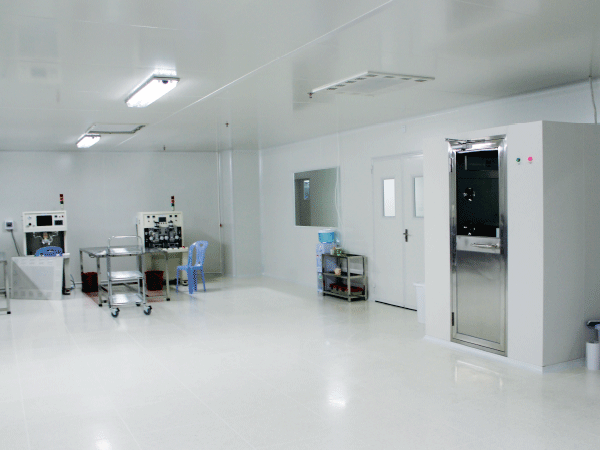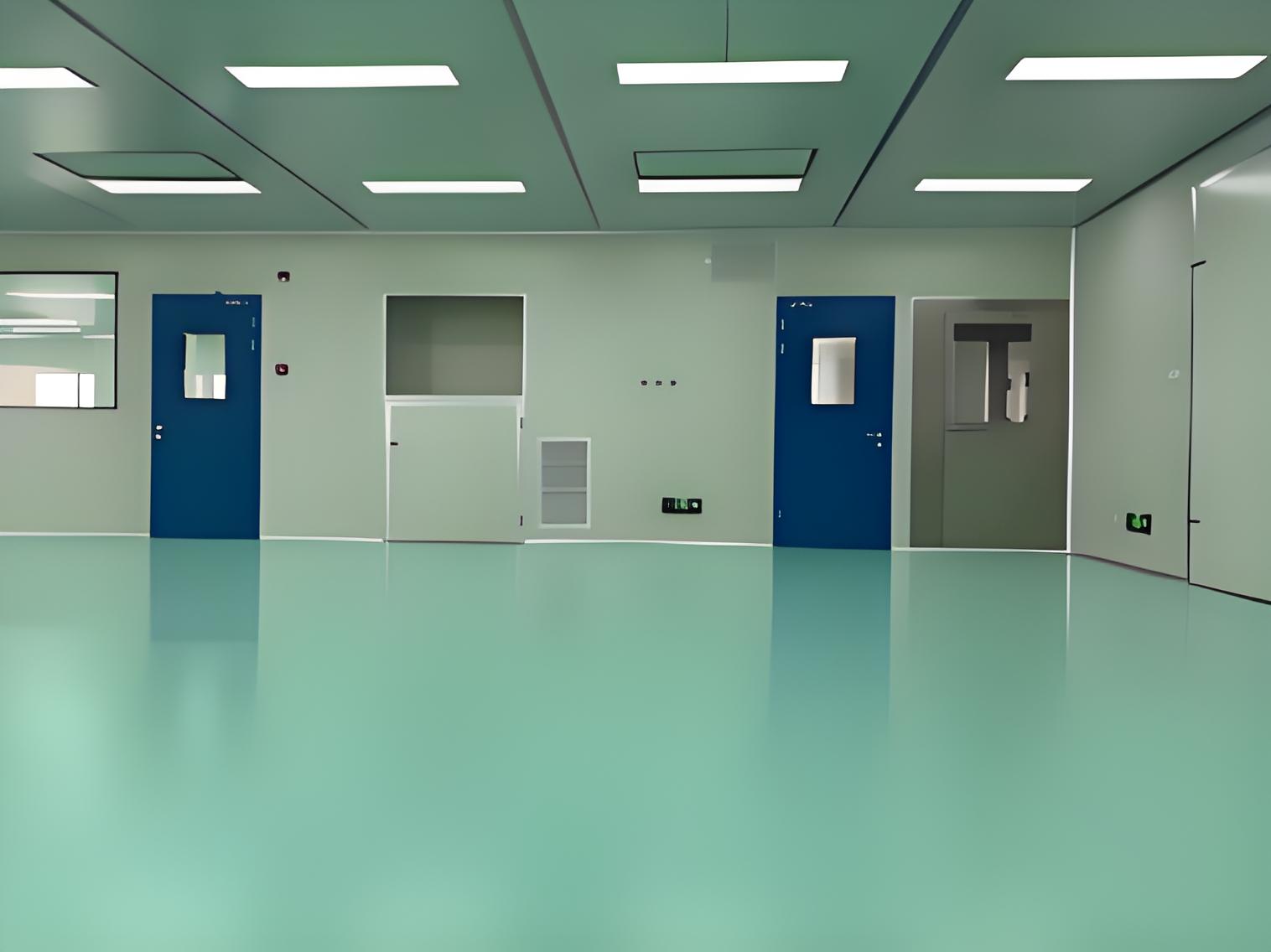

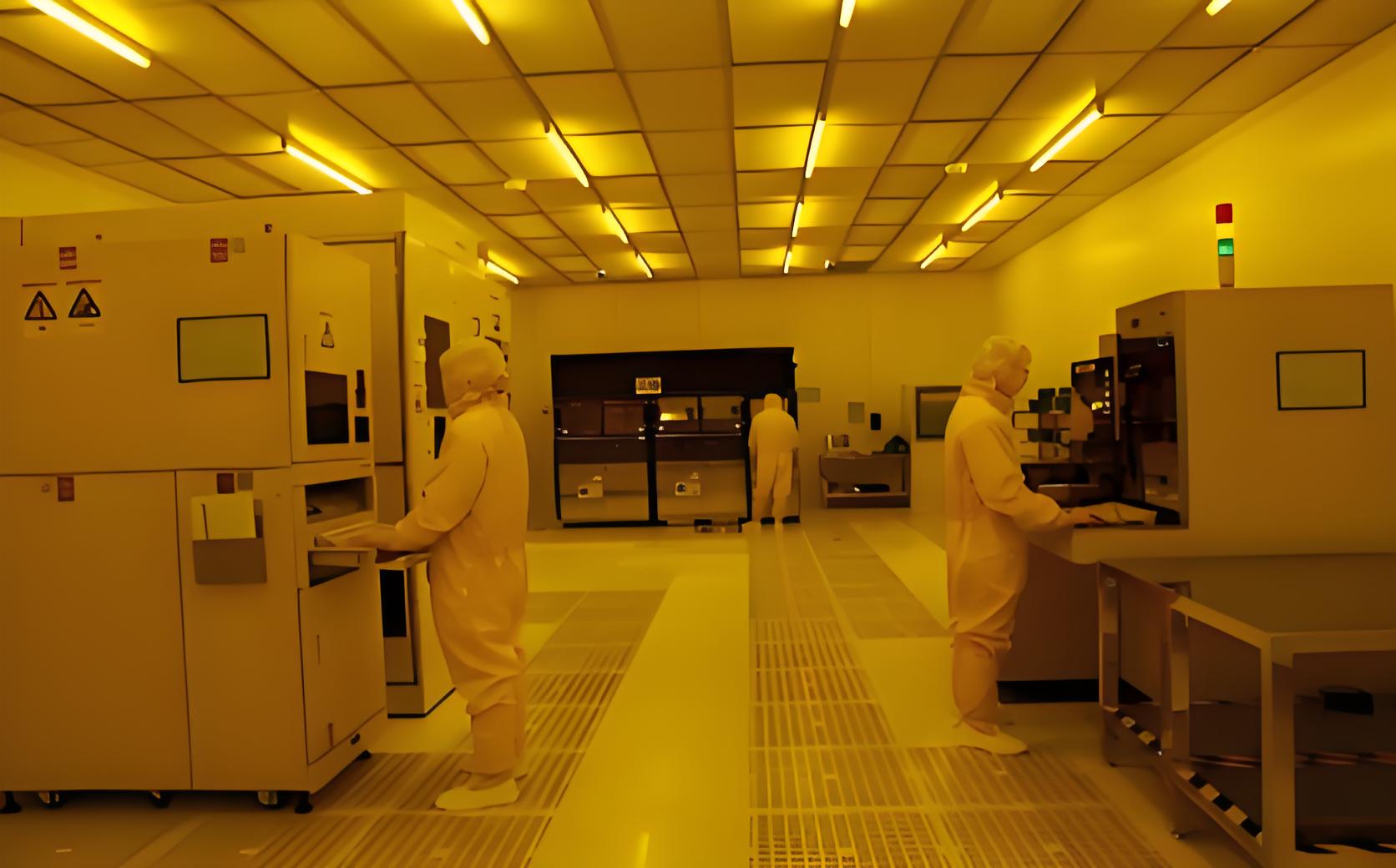

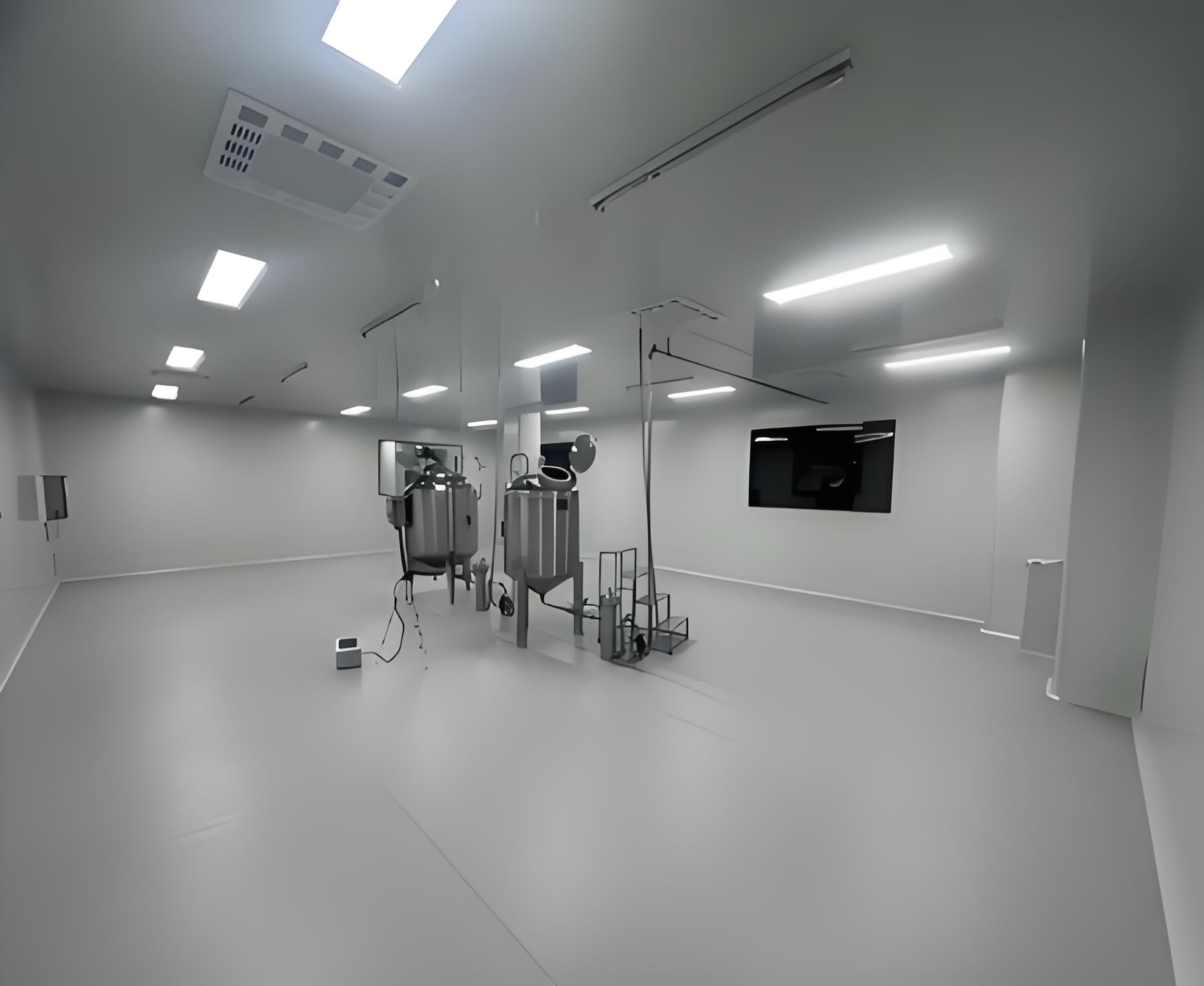
The success of aseptic processing, cell therapy production, or sterile compounding depends fundamentally on the integrity of the controlled environment. While process equipment often draws attention, the foundation of contamination control lies in the Sterile room decoration —the complex integration of surfaces, seals, HVAC interfaces, and architectural details that create a viable cleanroom. Unlike conventional construction, this discipline demands a rigorous understanding of microbiology, material science, and regulatory expectations (EU GMP Annex 1, FDA aseptic guide, ISO 14644). This article analyses eight technical pillars that define state-of-the-art sterile room decoration, supported by industry data and lessons from over a decade of Cleanroom Engineering practice.
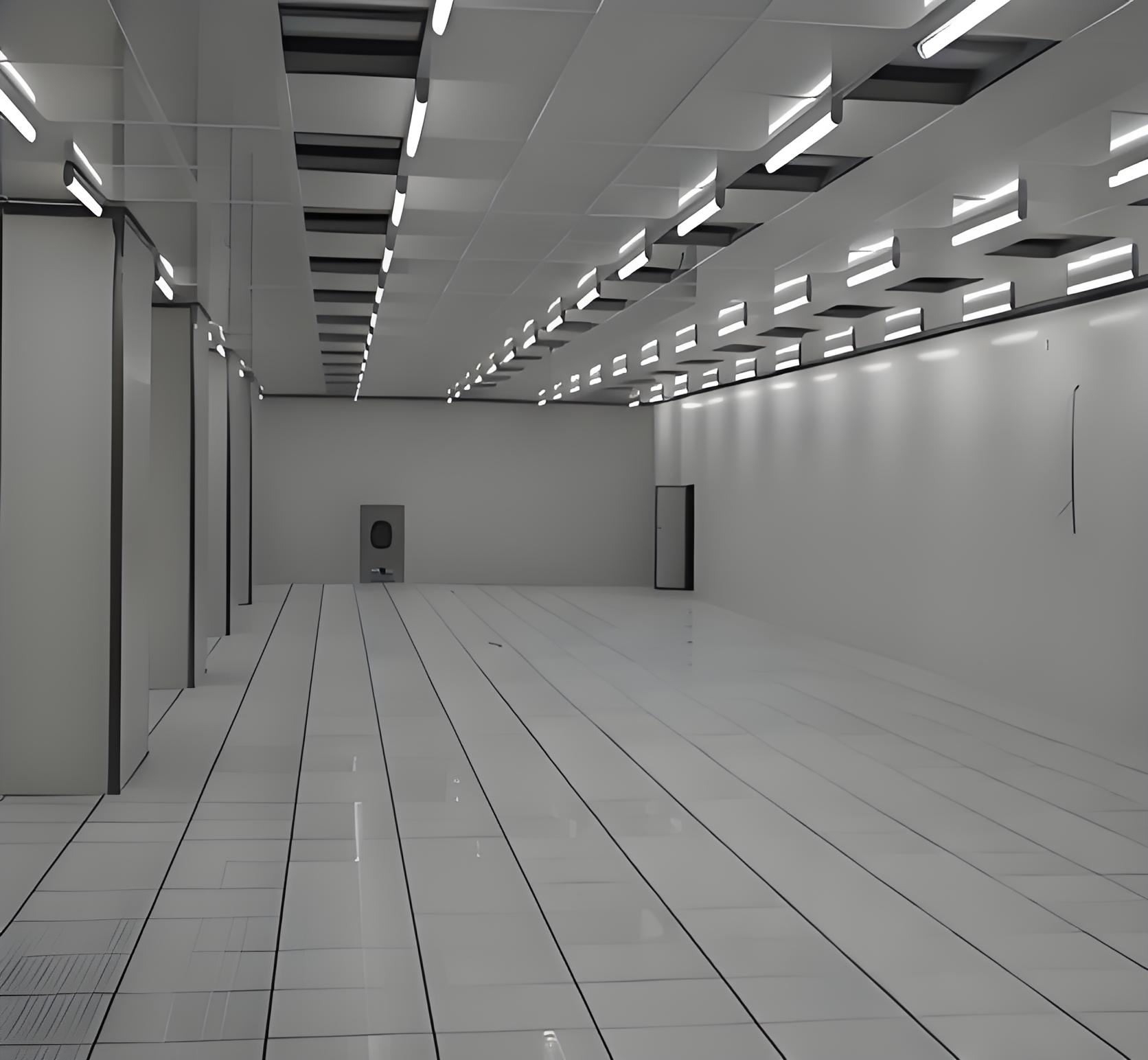
1. Substrate and material selection: beyond surface smoothness
The choice of wall, floor, and ceiling materials directly impacts cleanability, resistance to disinfectants, and long-term particle shedding. Modern sterile room decoration moves far beyond standard epoxy paints. For ISO 5 (Class 100) and ISO 6 environments, monolithic materials with low VOC emission and high chemical resistance are mandatory. Common systems include:
Antimicrobial vinyl sheet flooring with heat-welded seams: Provides a continuous barrier against moisture and microbial ingress. Industry data indicates that poorly welded seams increase bioburden risk by 73% during disinfectant efficacy tests.
Stainless steel (AISI 304L or 316L) for walls and pass-throughs: Essential in areas exposed to aggressive sporicides (e.g., peracetic acid). Electropolished surfaces reduce surface roughness (Ra < 0.5 µm) to prevent biofilm formation.
Modular cleanroom panel systems with phenolic or HPL skins: Used in controlled classified areas where flexibility and speed of construction are critical. Ensure gasket materials are validated for microbial tightness (IP 65/66 rated).
A robust Sterile room decoration specification always includes a compatibility matrix between cleaning agents and surface materials. For example, continuous exposure to quaternary ammonium compounds can degrade certain epoxy floor coatings within 18 months — a common yet avoidable failure.
2. The geometry of cleanliness: coving, radii, and surface transitions
Contamination accumulates in sharp corners. Every junction in a sterile room — wall-to-floor, wall-to-ceiling, door frames — must be coved (radius typically ≥ 25 mm). This eliminates micro-crevices where microbes can proliferate and facilitates automated cleaning systems (e.g., scrubber dryers). Advanced sterile room decoration integrates prefabricated coving strips made from the same material as the flooring, ensuring homogeneous expansion and preventing cracks.
Case studies from TAI JIE ER projects show that implementing continuous curved profiles reduces particle counts in critical zones by up to 40% compared to standard right-angle installations. Moreover, lighting coves and utility penetrations require specialised sealing boots (silicone or EPDM) that remain flexible under pressure differentials.
3. HVAC integration: not an afterthought, but a design anchor
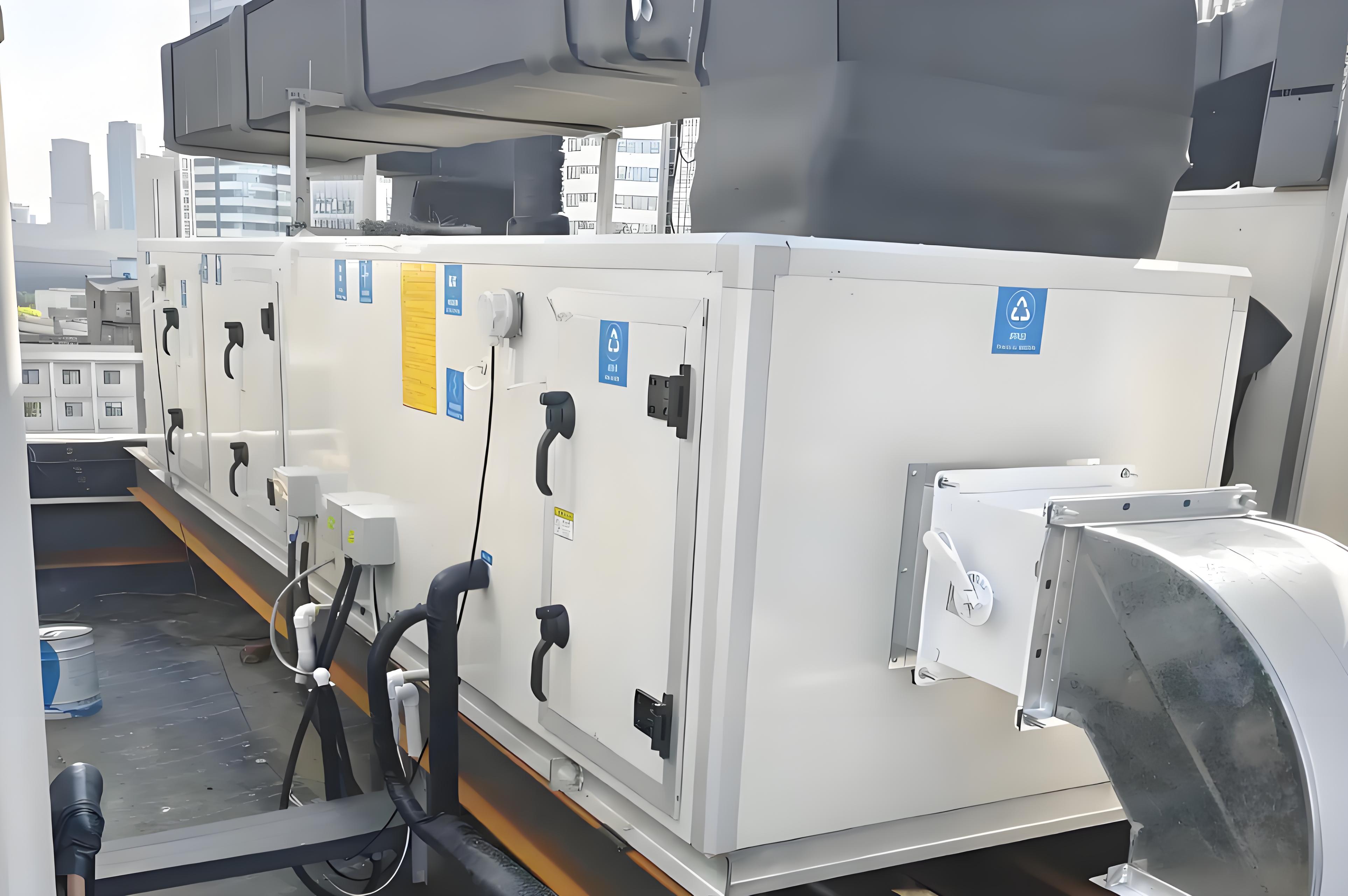
Airborne contamination control relies on proper airflow patterns — unidirectional (laminar) or non‑unidirectional (turbulent). Sterile room decoration must align perfectly with HVAC diffuser placement and return air paths. For instance, perforated ceiling panels in ISO 7 areas require an airtight seal between the panel grid and the ceiling membrane. Data from recent validations indicate that leakages of just 0.5% of the ceiling surface can compromise the recovery test (ISO 14644-3).
3.1. Terminal filter mounting and gel seals
HEPA/ULPA filter housings should be integrated into the ceiling system using knife-edge gel seals (non‑hardening, non‑toxic silicone) rather than compression gaskets. The latter tends to set and leak over time. In critical aseptic rooms (Grade A / ISO 5), a sterile room decoration specification must include continuous welded stainless steel frames around filters to avoid stagnant air zones.
Data point: A study by the Controlled Environment Testing Association (CETA) found that 12% of initial cleanroom certification failures are due to poor sealing around terminal HEPA filters — a direct result of neglecting decoration details.
4. Penetrations and utility pass-throughs: the Achilles’ heel
Every pipe, conduit, or sensor wire that breaches the cleanroom envelope creates a potential contamination route. Advanced sterile room decoration utilises stainless steel penetration plates with welded sleeves and silicone-free seals (where silicone is prohibited due to particle adsorption concerns). For cable entries, potted blocks with validated ingress protection (IP66) are preferred.
Industry best practice, as promoted by TAI JIE ER, mandates that all utility services be concealed within the technical plenum (above ceiling) and only final connections penetrate the clean zone. This reduces external surface area inside the sterile room and simplifies cleaning validation.
5. Lighting systems: avoiding microbial niches and shadows
Light fixtures in sterile environments must be flush‑mounted, sealed to the ceiling, and designed without external screw heads or crevices. LED panels with smooth polycarbonate covers (IP65 minimum) are now standard. The colour rendering index (CRI > 90) is often stipulated for visual inspection areas. However, the sterile room decoration must also consider the thermal load: excess heat can create micro‑convection currents that disturb unidirectional airflow. Integrating cooling fins above the ceiling (outside the clean zone) is a proven solution.
Long‑tail LSI: “cleanroom lighting gaskets”, “low‑particle LED luminaires”, “shadowless lighting for aseptic filling”.
6. Doors, windows, and vision panels: material & sealing logic
Sliding doors are generally discouraged in high‑grade sterile rooms because their tracks accumulate debris. Hinged doors with continuous piano hinges and magnetic interlocking gaskets are preferred. Vision panels must be double‑glazed with flush‑mounted, slope‑free frames to prevent condensate pooling. Every glass‑to‑frame joint requires a compression seal that withstands repeated sanitisation with oxidising agents.
A 2022 survey by the International Society for Pharmaceutical Engineering (ISPE) identified that 28% of sterile room contamination events originated from worn door gaskets — a detail often overlooked in Sterile room decoration specifications. Using platinum‑cured silicone gaskets with a validated lifetime of >5 years is recommended.
7. Validation, certification, and the decoration‑process interface
The decoration phase is not complete until the room passes a full suite of tests: non‑viable particle count (at rest and in operation), airflow visualisation (smoke studies), recovery rate (for turbulent rooms), and surface bioburden (contact plates). Modern contracts for sterile room decoration increasingly include a “design‑build‑validate” approach. TAI JIE ER has documented that pre‑commissioning during decoration — such as sealing integrity tests (ASTM E779) — can reduce final certification failures by 62%.
7.1. Common validation pitfalls directly linked to decoration
Leakage from poorly sealed corners — detected by pressurisation decay tests.
Outgassing from paints or sealants — captured via VOC profiling during dynamic testing.
Electrostatic charge on non‑conductive flooring — dissipative flooring (ESD) required in electronics or explosive areas, but also relevant for pharmaceutical zones to reduce particle attraction.
8. Lifecycle considerations and refurbishment strategies
Sterile room decoration is not a one‑time investment. Over a 10‑year period, floor coatings may require refurbishment, panel seals may harden, and new regulations may demand higher cleanability. Designing for maintainability means using modular panel systems that allow individual panel replacement without compromising adjacent seals. It also means documenting every sealant type and batch used — crucial for future remediation.
Data from the TAI JIE ER database shows that facilities investing in high‑grade Sterile room decoration with full traceability experience 34% lower operational expenditure (OPEX) over five years, due to fewer unplanned shutdowns for re‑caulking or surface repairs.
Addressing the industry pain points with integrated solutions
The most frequent challenge in sterile room decoration is the disconnect between construction crews and cleanroom qualification teams. A classic example: using standard silicone sealant that contains fungicides (which can leach and inhibit microbial growth in test cultures). Expert sterile room decoration providers like TAI JIE ER bridge this gap by applying a “clean‑by‑design” methodology, where every material is pre‑approved by validation specialists. Another pain point is schedule overrun due to curing times. By selecting fast‑curing, low‑odour resins and prefabricated components, overall project duration can be cut by 20–30% without compromising quality.
Furthermore, the shift toward continuous manufacturing requires sterile rooms that can withstand aggressive cleaning cycles multiple times per day. This pushes the boundaries for Sterile room decoration materials — demanding chemical resistance testing against peracetic acid/hydrogen peroxide mixtures. Data indicate that epoxy terrazzo floors, when installed with proper expansion joints, can tolerate >5000 cleaning cycles with less than 5% gloss reduction.
Frequently asked questions about sterile room decoration
In conclusion, effective Sterile room decoration is an interdisciplinary endeavour that demands as much attention as the process technology itself. From material science to installation craftsmanship, every detail influences the room’s ability to maintain sterility. Partnering with a proven expert like TAI JIE ER ensures that your sterile envelope meets current regulatory demands and remains robust over its entire lifecycle. The data is clear: investing in high‑quality sterile room decoration yields measurable returns in compliance, uptime, and product safety.
— Written by a senior B2B content strategist & cleanroom specialist with 15+ years in controlled environment engineering.