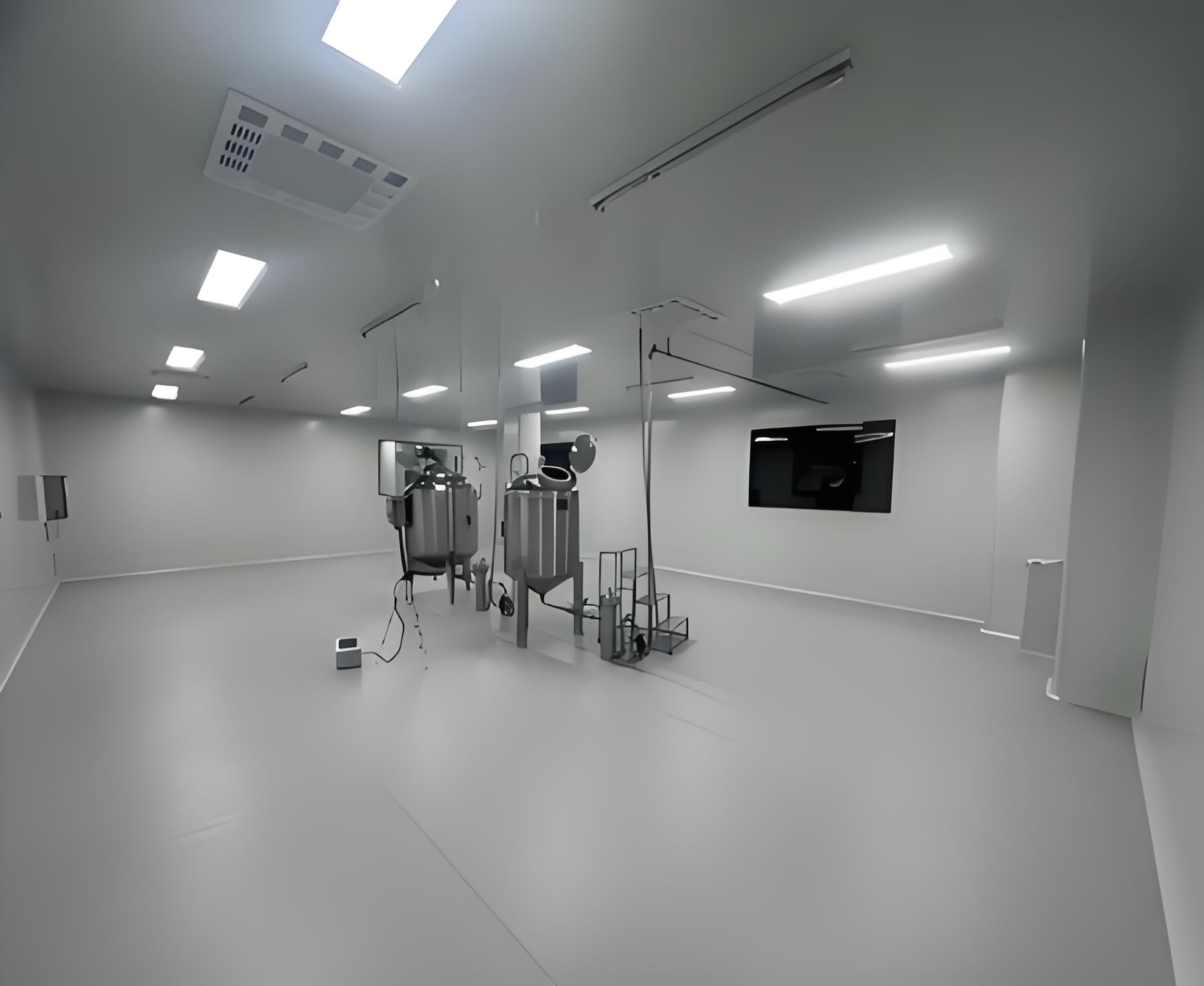
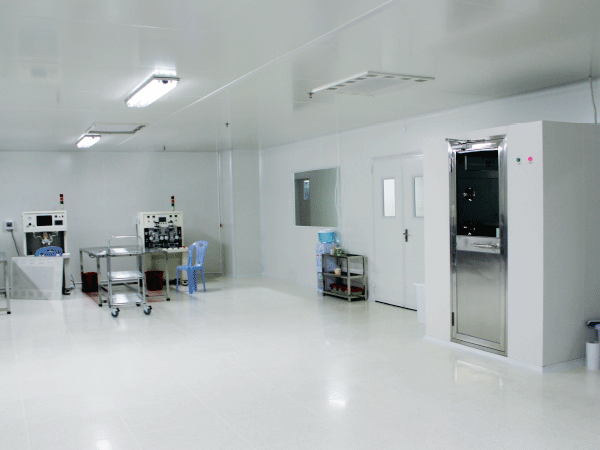
The foundation of any high-performance controlled environment lies in its Clean Workshop design. Unlike conventional industrial spaces, a cleanroom requires an integrated approach where architecture, mechanical systems, process flow, and human factors converge to maintain stringent particulate and microbial limits. For sectors ranging from aseptic pharmaceutical manufacturing to semiconductor front-end processing, design-phase decisions dictate operational success, regulatory compliance, and long-term cost efficiency. This article provides a data-backed exploration of modern Clean Workshop design methodologies, addressing spatial organization, HVAC configurations, material selection, and risk mitigation—essential knowledge for project managers, facility engineers, and quality assurance leaders.
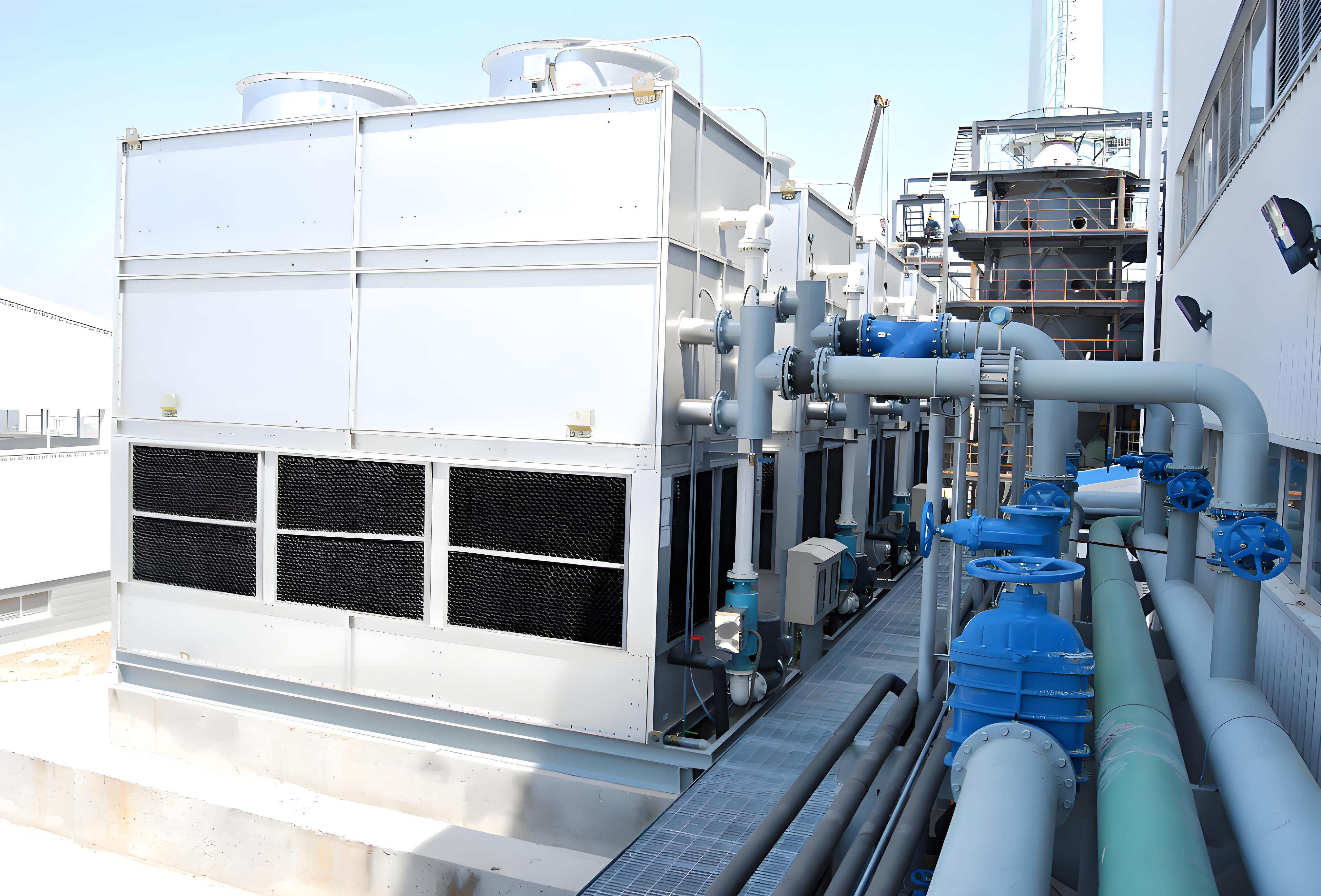
Clean Workshop design is not merely the arrangement of walls and equipment; it is a systematic discipline that balances contamination control with operational ergonomics. The design process must commence with a clear definition of the workshop's intended use, cleanliness classification (per ISO 14644-1), and regulatory framework (EU GMP, FDA, etc.). Critical parameters—such as air change rates, pressure differentials, temperature, humidity, and material flow—are established during conceptual design. A robust design also anticipates future flexibility, allowing for reconfiguration as production needs evolve. The integration of these elements determines the facility's ability to protect product integrity while maintaining workflow efficiency.
Every Clean Workshop design must be anchored to international standards. ISO 14644-1 defines airborne cleanliness classes based on particle concentration, directly influencing air change rates and filter coverage. For pharmaceutical applications, EU GMP Annex 1 imposes additional design mandates: unidirectional airflow in critical zones, segregation of clean and dirty areas, and materials that withstand aggressive sanitization. The design must also address adjacent classified spaces, airlocks, and material transfer systems to maintain cascade pressurization. Non-compliance with these standards can lead to validation failures and costly retrofits.
A successful Clean Workshop design translates regulatory requirements into physical reality through meticulous engineering. Below we examine the critical subsystems that define professional-grade cleanroom architecture.
The layout must minimize cross-contamination risks by segregating personnel, materials, and waste streams. Key design principles include:
Unidirectional flow: Materials and personnel should move from lower-grade to higher-grade areas without backtracking. Pass-through chambers and transfer hatches facilitate this.
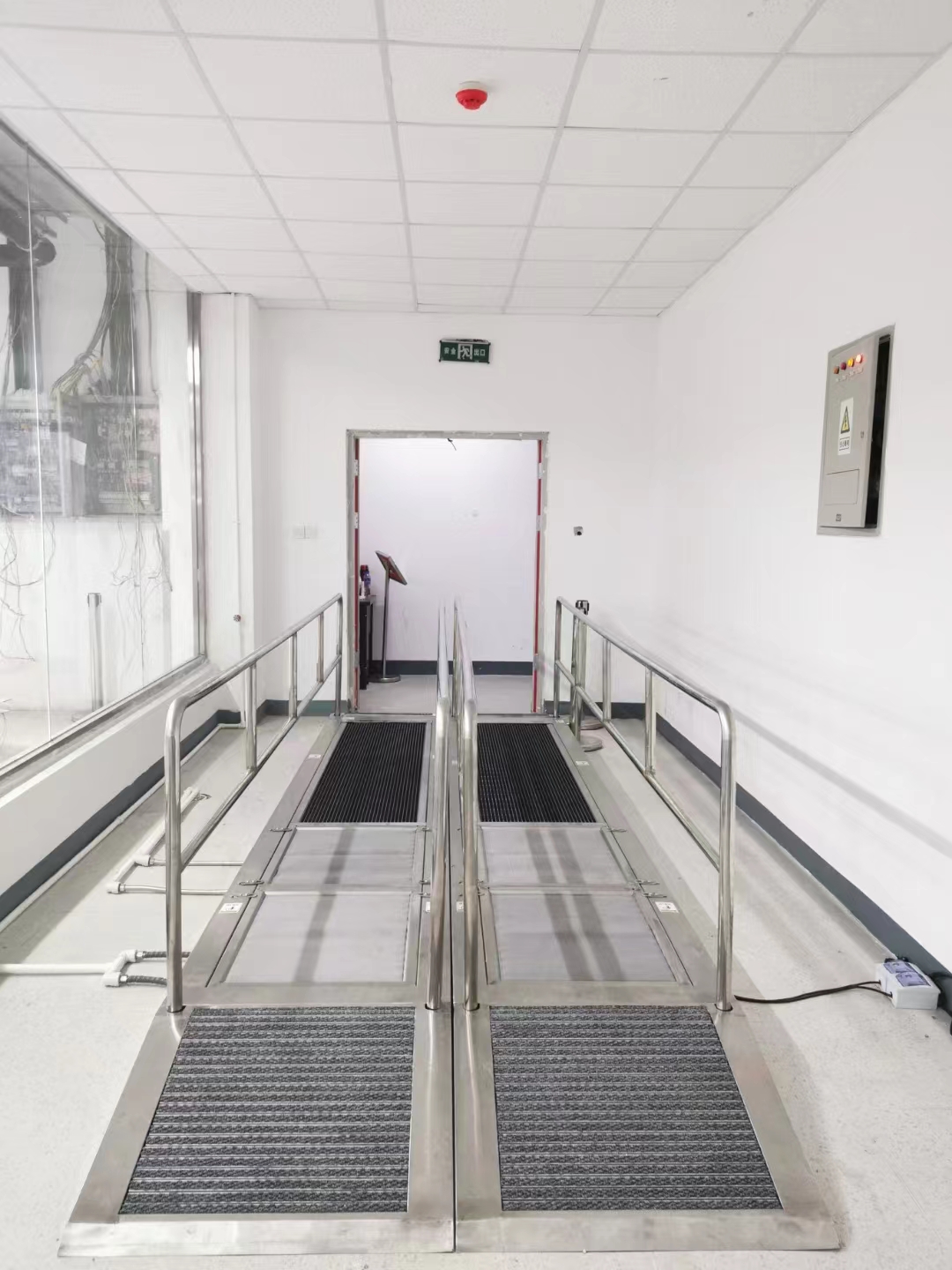
Airlocks and gowning rooms: These buffer zones maintain pressure cascades and provide space for cleanroom attire. Designs often incorporate “black-white” concepts with a physical demarcation line.
Equipment placement: Process equipment should be accessible for maintenance without compromising cleanroom integrity. Service corridors or interstitial spaces allow technicians to work without entering the clean zone.
Spatial efficiency directly impacts operational costs—optimized layouts reduce the volume of air requiring conditioning and filtration.
The HVAC system is the heart of any cleanroom, and its design is inseparable from the architectural plan. Two primary airflow regimes dominate:
Turbulent (non-unidirectional) flow: Clean air is introduced through ceiling diffusers and mixed with room air, diluting contaminants. Suitable for ISO 7-8 spaces, with air changes typically ranging from 20 to 60 per hour.
Unidirectional (laminar) flow: Displacement airflow moves uniformly through the workspace at 0.3–0.5 m/s, sweeping particles away. Required for ISO 5 and higher, often achieved with full HEPA/ULPA filter ceilings and perforated floors.
Pressure differentials (typically 10–15 Pa between grades) must be designed with stable wall construction and airtight penetrations. Computational Fluid Dynamics (CFD) modeling during the design phase predicts airflow patterns and identifies potential stagnation zones.
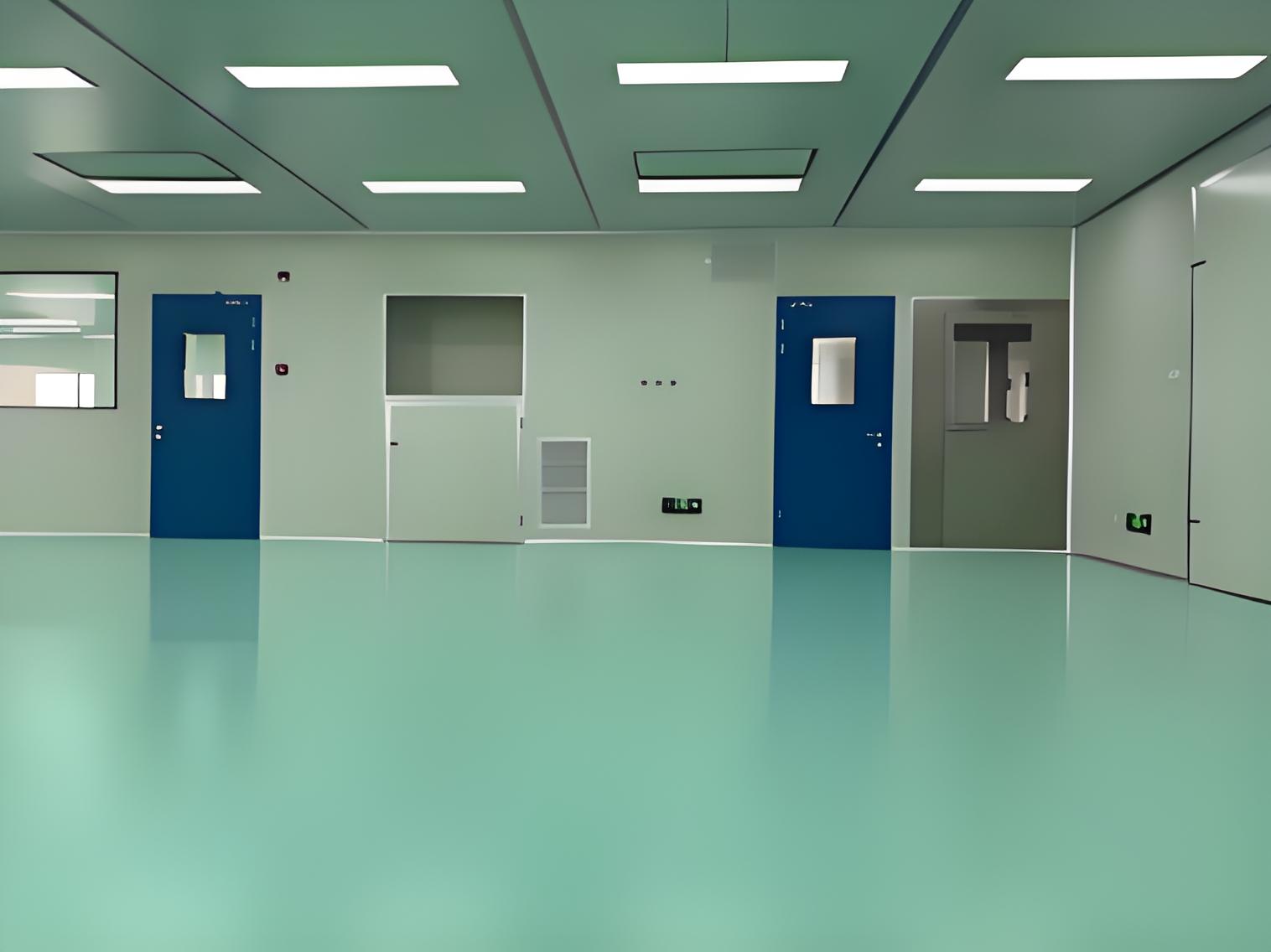
Material selection in Clean Workshop design extends beyond aesthetics to functional performance. Walls and ceilings are commonly constructed from modular sandwich panels with smooth, non-porous finishes (e.g., powder-coated steel). Flooring systems—epoxy, polyurethane, or vinyl—must be seamless, chemical-resistant, and coved at wall junctions. All surfaces should exhibit low particle shedding and withstand repeated cleaning with disinfectants like hydrogen peroxide or quaternary ammonium compounds. For critical aseptic areas, surface roughness (Ra) should not exceed 0.8 micrometers to prevent microbial adhesion.
Cleanrooms require extensive utilities: process gases, purified water (WFI), vacuum, and electrical power. The design must conceal these services within wall cavities or ceiling plenums while providing flush-mounted access points. Penetrations through the clean envelope must be meticulously sealed with gland plates or silicone. Lighting fixtures should be recessed and sealed, providing illumination levels of 500–1000 lux without generating heat or turbulence. In electronics cleanrooms, electrostatic discharge (ESD) control is integrated through conductive flooring and grounding points.
Beyond baseline requirements, sophisticated Clean Workshop design incorporates features that enhance robustness and reduce human error.
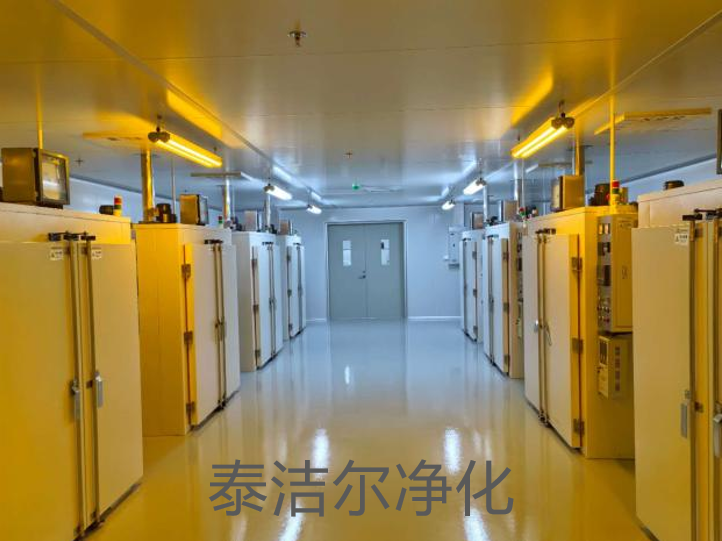
Critical facilities often specify N+1 redundancy for HVAC fans, chillers, and control systems to ensure continuous operation during maintenance. Backup generators and uninterruptible power supplies (UPS) protect against grid failures. The design should also allow for filter changes and component servicing without disrupting cleanroom operations—achieved through bag-in/bag-out housings and accessible technical corridors.
For potent compound handling or biosafety levels (BSL), design must incorporate additional containment features: negative pressure zones, airlocks with interlocking doors, and effluent decontamination systems. Isolators and restricted access barrier systems (RABS) are often integrated into the cleanroom architecture, requiring precise alignment with surrounding walls and utilities. TAI JIE ER specializes in designing such high-containment environments, ensuring operator safety and product protection.
People are the primary source of contamination in cleanrooms. Design can mitigate this through intuitive workflows, adequate space for gowning, and ergonomic workstations. Sight lines should allow supervisors to observe activities without entering critical zones. Communication systems (intercoms, windows) reduce the need for door openings. Attention to these details in the Clean Workshop design phase improves compliance and reduces operator fatigue.
A recent collaboration between a European biotech firm and TAI JIE ER illustrates best practices in action. The project required a 1200 m² facility with ISO 5 filling lines, ISO 7 preparation areas, and ISO 8 support zones. The Clean Workshop design incorporated modular wall panels with continuous coving, raised access floors for return air, and a building management system (BMS) monitoring 30 pressure zones. CFD modeling optimized the placement of unidirectional airflow units above the filling machines, reducing particle counts by 40% compared to standard designs. The facility achieved first-pass validation and has operated continuously for three years with zero contamination incidents. This outcome underscores the value of integrated design expertise.
Each sector imposes unique demands on Clean Workshop design:
Biopharmaceuticals: Focus on aseptic processing lines, segregated suites for different products, and compliance with Annex 1's contamination control strategy (CCS).
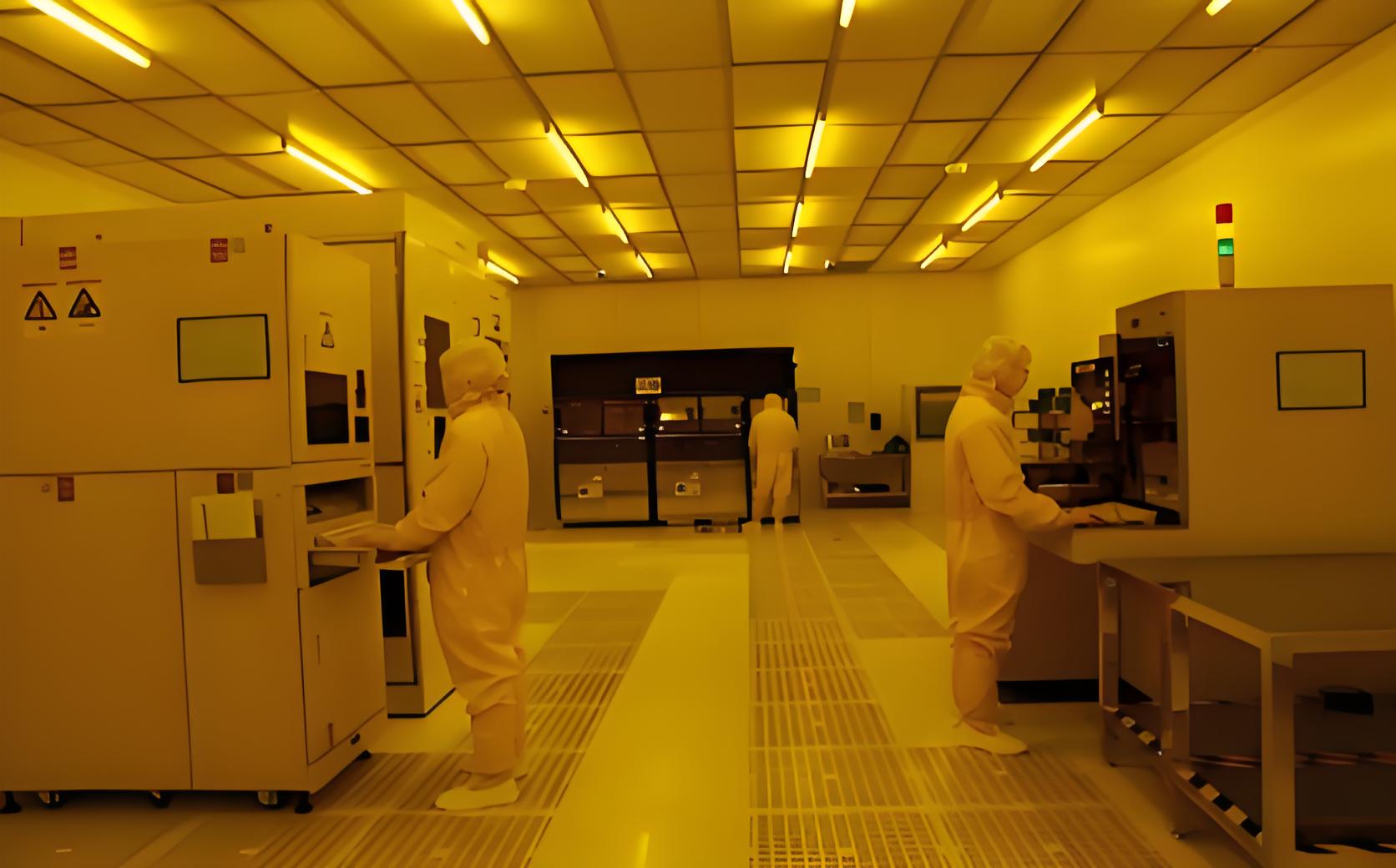
Semiconductors: Emphasis on vibration control (VC-C to VC-E), airborne molecular contamination (AMC) filtration, and ESD protection throughout the fab.
Medical devices: Cleanrooms for implant manufacturing require ISO 5 zones for final assembly, with strict control of bioburden and endotoxins.
Food processing: Hygienic design with sloped floors, drainage, and materials resistant to frequent washdowns and high-pressure cleaning.
TAI JIE ER leverages cross-industry experience to tailor designs that meet both regulatory and operational targets.
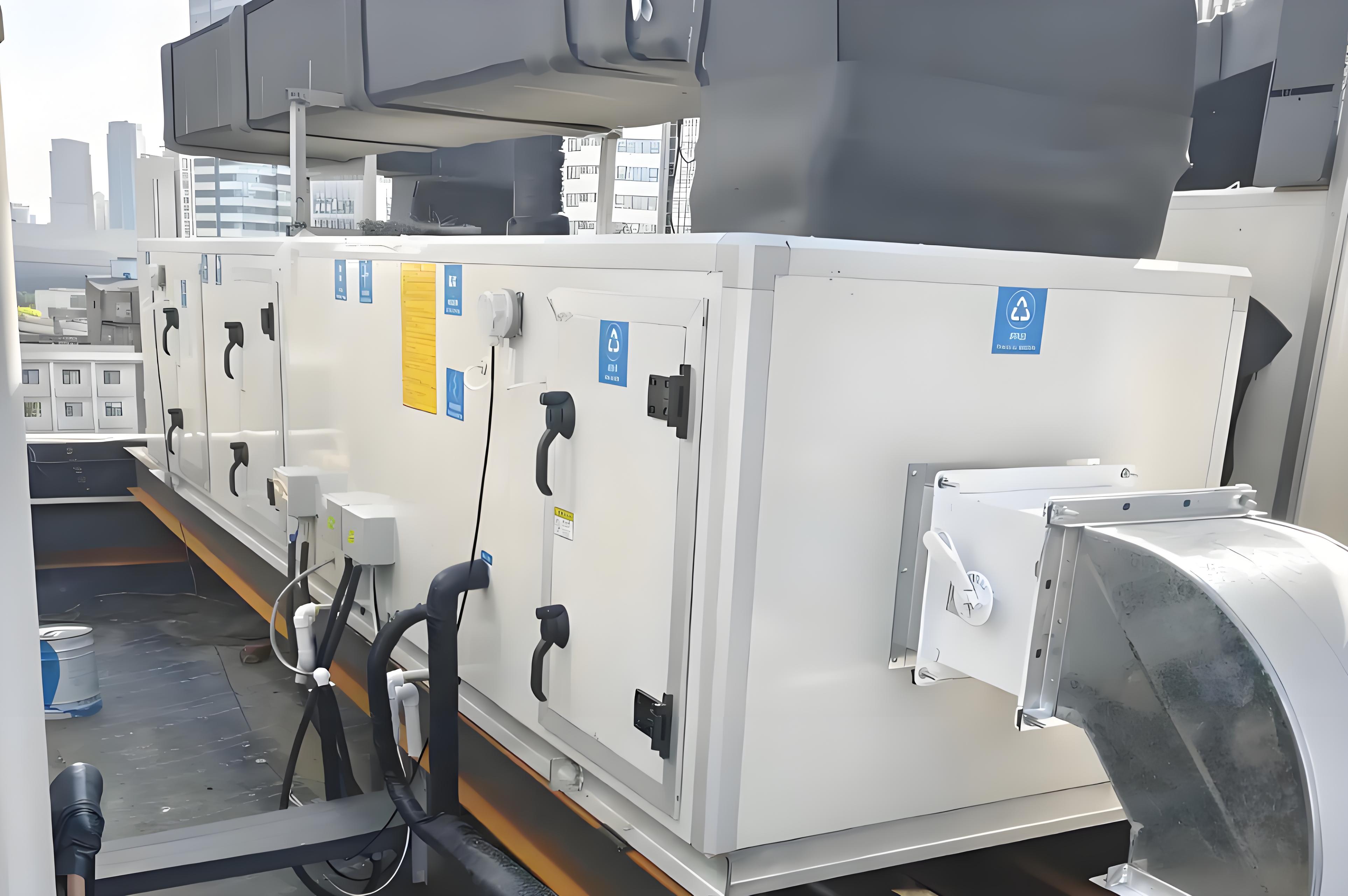
A structured approach ensures that design intent is fully realized during construction and commissioning:
Conceptual design: Defining classification, space program, and high-level MEP requirements.
Detailed engineering: Producing architectural, structural, and MEP drawings; specifying materials and equipment.
Construction documentation: Developing installation protocols, quality control plans, and testing procedures.
Commissioning and qualification: Verifying that systems perform as designed through documented testing (IQ, OQ, PQ).
Throughout these phases, close collaboration between designers, engineers, and end-users prevents misalignments and ensures that the finished cleanroom meets its intended purpose.
Investing in a well-conceived Clean Workshop design yields dividends in product quality, operational efficiency, and regulatory peace of mind. Design errors—such as inadequate airlocks, poor material flow, or incompatible finishes—can compromise years of production and invite inspection observations. By contrast, a design executed by experienced professionals integrates every element into a coherent, compliant whole. TAI JIE ER brings this comprehensive perspective to every project, ensuring that your cleanroom is not just a room, but a precision instrument for contamination control. Whether you are planning a new facility or upgrading an existing one, prioritize design as the cornerstone of your cleanroom strategy.
Q1: What is the first step in Clean Workshop design?
A1: The first step is defining the cleanroom's purpose, required ISO class, and applicable regulatory standards (e.g., GMP, FDA). This drives all subsequent decisions, from airflow rates to material selection.
Q2: How do I determine the right air change rate for my cleanroom?
A2: Air change rates are dictated by the target ISO class and the level of contamination generated by processes. ISO 14644-1 provides guidance, but detailed design often uses recovery rate tests and CFD modeling to optimize airflow. Typical ranges: ISO 5: 240–600 air changes/hour; ISO 7: 30–60; ISO 8: 15–30.
Q3: Can a Clean Workshop design accommodate future process changes?
A3: Yes, modular design principles—using demountable wall panels, raised floors, and flexible utility connections—allow for reconfiguration. It is cost-effective to anticipate future needs during the initial design phase.
Q4: What are common design pitfalls that lead to validation failures?
A4: Common issues include insufficient pressure differentials, unsealed penetrations, sharp corners that trap particles, and inadequate space for maintenance. Engaging an experienced design partner like TAI JIE ER mitigates these risks.
Q5: How important is CFD modeling in Clean Workshop design?
A5: CFD modeling is highly valuable, especially for ISO 5 and above areas, as it visualizes airflow patterns, identifies dead zones, and verifies unidirectional flow before construction begins. It reduces the need for costly post-installation adjustments.
Q6: What role does material selection play in cleanroom contamination control?
A6: Materials are critical—they must be non-shedding, chemically resistant, and easy to clean. Porous or rough surfaces can harbor microbes and particles, compromising cleanliness. Seamless finishes with coved corners are essential for maintaining aseptic conditions.