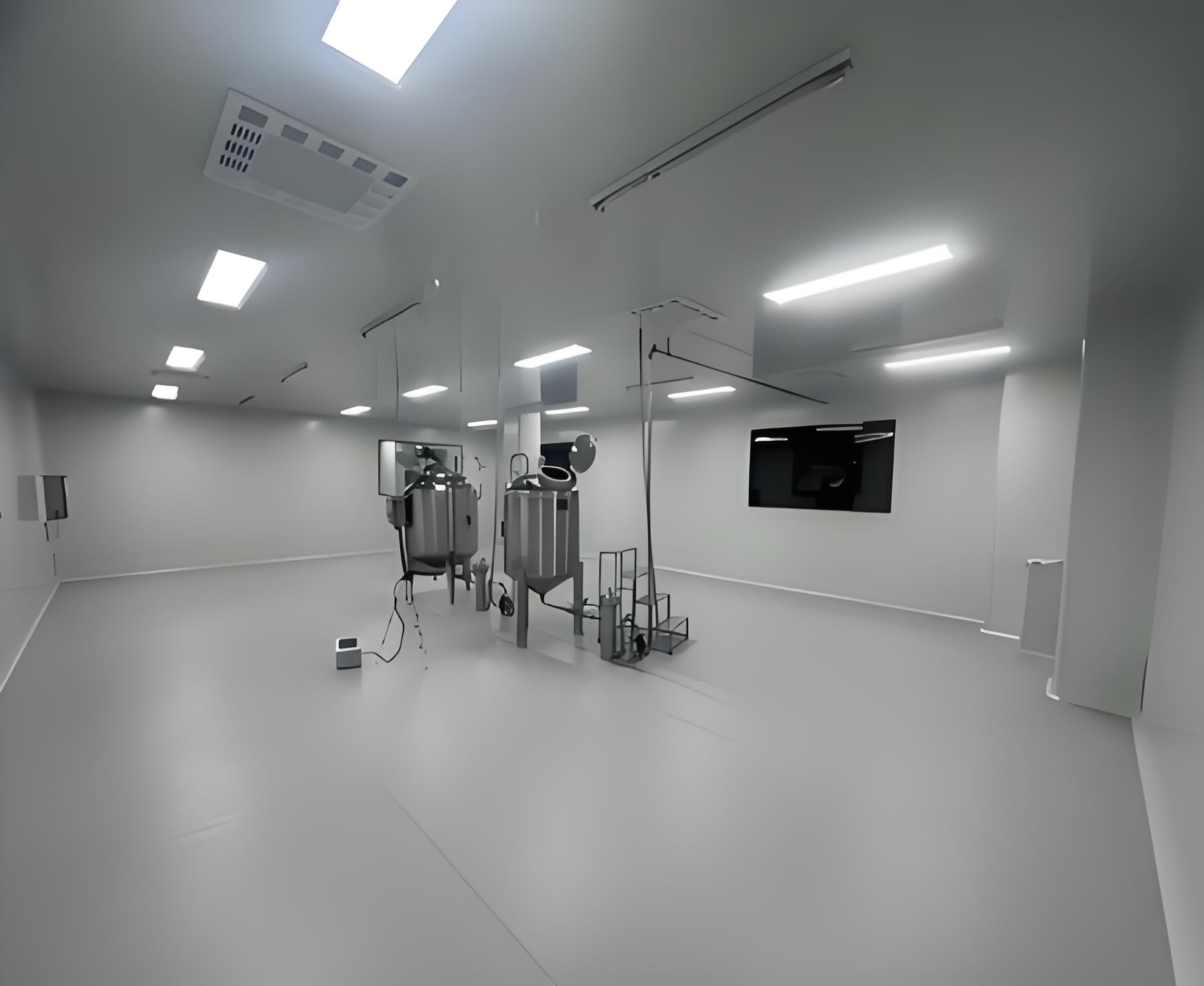
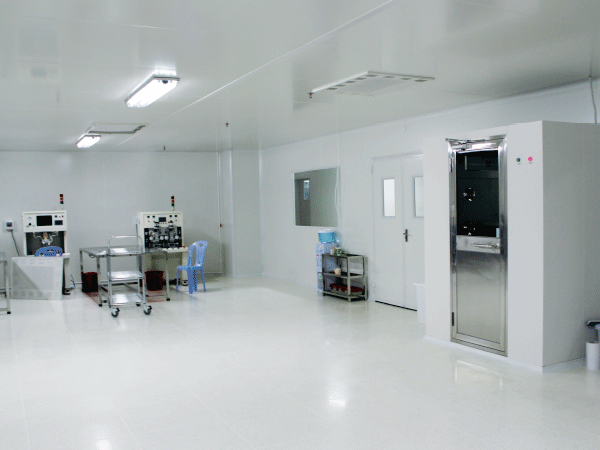

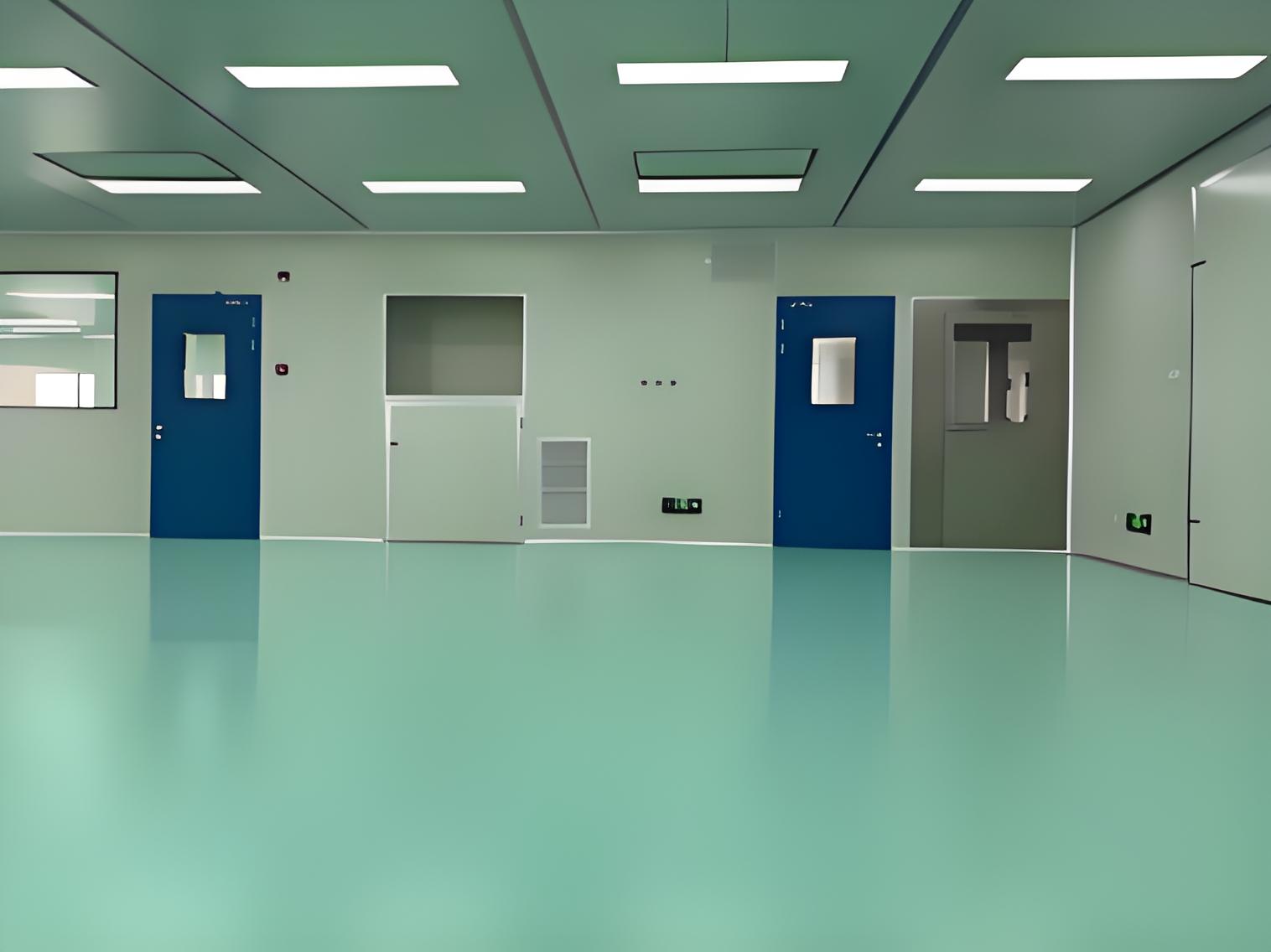
The manufacturing of sub-micron electronics, pharmaceutical biologics, and aerospace components requires environments where atmospheric pollutants are strictly governed. High-precision manufacturing cannot exist without the rigorous application of Cleanroom Engineering. This discipline integrates mechanical design, thermodynamics, and material science to isolate sensitive processes from particulate, microbial, and chemical interference. As technology nodes shrink in the semiconductor industry and sterility requirements tighten in healthcare, the complexity of these controlled environments continues to grow.
Modern industrial facilities rely on sophisticated filtration and airflow management to maintain specific cleanliness classifications. Achieving these standards involves more than just installing filters; it requires a holistic approach to facility design, structural integrity, and operational protocols. Professionals in this field must balance pressure differentials, air change rates (ACR), and recovery times to ensure that the environment remains within the specified tolerances defined by international regulatory bodies.
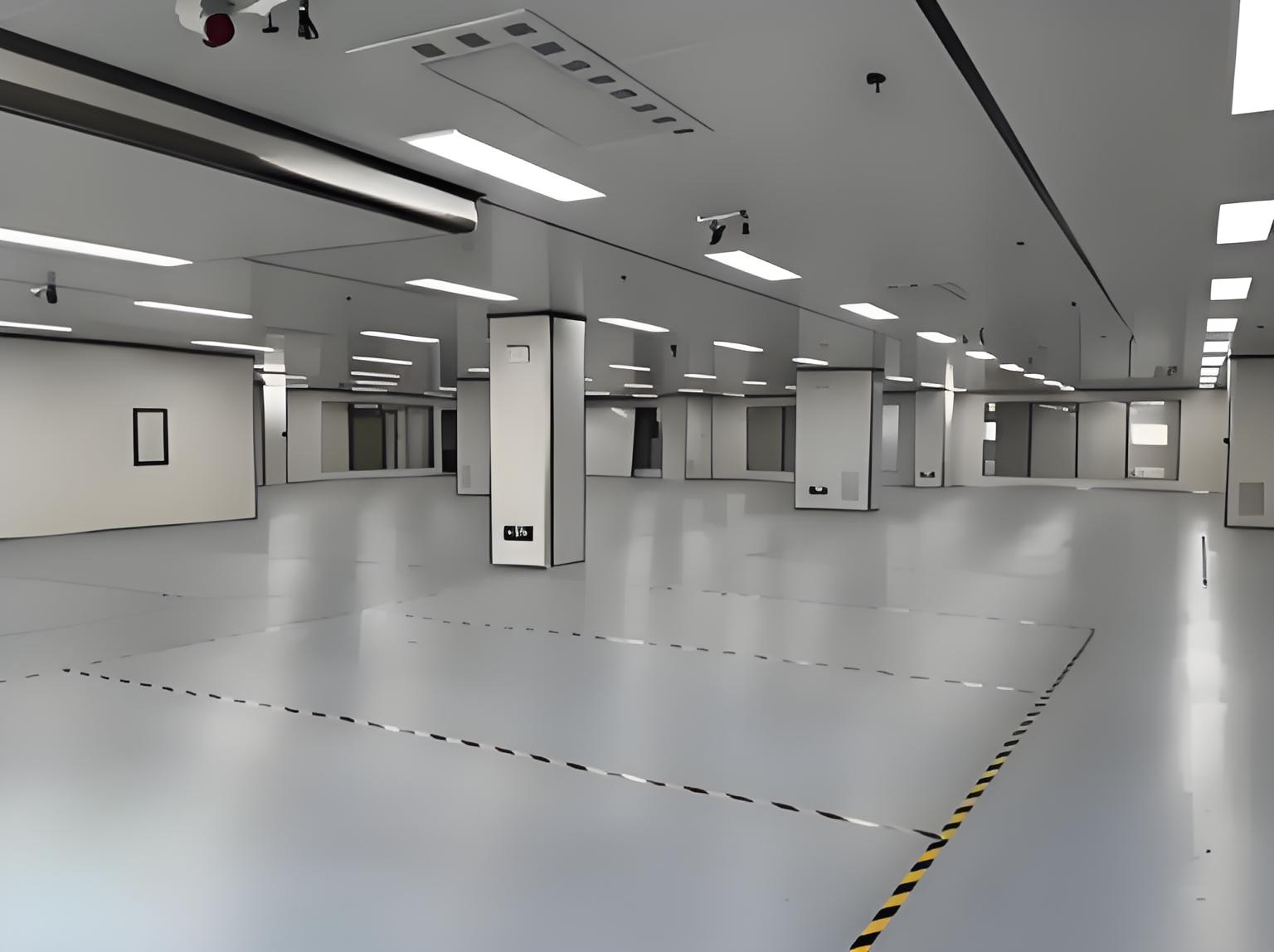
At the heart of every project is the classification system. The ISO 14644-1 standard provides the framework for quantifying cleanliness by the number of particles per cubic meter of air. These particles are categorized by size, typically ranging from 0.1 micrometers (µm) to 5.0 µm. A project involving Cleanroom Engineering must first identify the target ISO class (from Class 1 to Class 9) to determine the necessary filtration density and airflow patterns.
For instance, an ISO 5 environment—frequently required for wafer fabrication or aseptic filling—allows no more than 3,520 particles of 0.5 µm per cubic meter. In contrast, an ISO 7 space allows up to 352,000 particles of the same size. This massive difference in particle tolerance dictates every subsequent engineering decision, from the selection of Fan Filter Units (FFUs) to the design of the return air plenums. Understanding these thresholds is the first step in creating a space that meets the specific needs of the process it houses.
The Heating, Ventilation, and Air Conditioning (HVAC) system is the primary engine of contamination control. Unlike standard commercial HVAC, cleanroom systems must handle significantly higher static pressures and air change rates. High-Efficiency Particulate Air (HEPA) filters, rated at 99.97% efficiency for 0.3 µm particles, or Ultra-Low Penetration Air (ULPA) filters, are the primary tools for removing contaminants.
Airflow patterns are typically divided into two categories: unidirectional (laminar) and non-unidirectional (turbulent). In high-stringency environments like ISO 5 or better, unidirectional flow is required to "wash" the workspace with a constant stream of filtered air, pushing particles downward and out through floor-level returns. In less stringent environments, turbulent flow is used to dilute the concentration of particles. TAI JIE ER emphasizes that the placement of supply and return vents is vital to preventing "dead zones" where air stagnates and contaminants accumulate. Temperature and humidity control are also integrated into this system, as fluctuations can lead to material expansion or static electricity issues in sensitive components.
The physical envelope of the cleanroom must be airtight and constructed from materials that do not shed particles. Walls are typically constructed from modular sandwich panels featuring aluminum honeycombs or rock wool cores. These panels are finished with specialized coatings like Polyvinylidene Fluoride (PVDF) or anti-static PVC to resist chemical cleaning agents and prevent the buildup of electrostatic charges.
Flooring is another area where material science is paramount. Depending on the application, Electrostatic Dissipative (ESD) vinyl or epoxy resin floors are used to mitigate the risk of discharge that could destroy integrated circuits. Ceilings must be rigid enough to support the weight of numerous FFUs and lighting fixtures while maintaining a hermetic seal. The integration of these components requires a deep understanding of Cleanroom Engineering to ensure that every joint, corner, and penetration is coved and sealed to eliminate particulate traps.
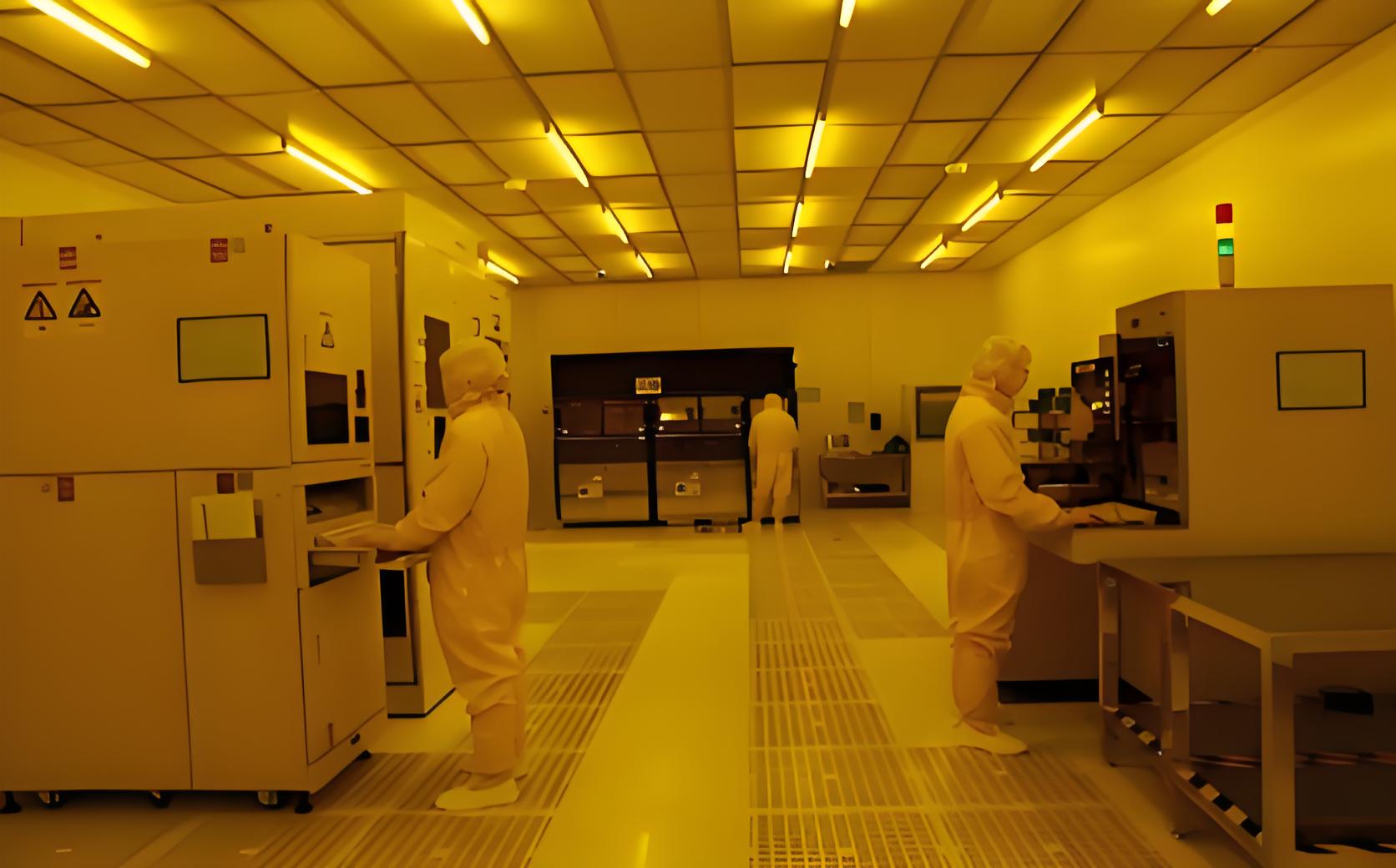
The requirements for a cleanroom vary significantly between industries. In semiconductor fabrication, the focus is on Airborne Molecular Contamination (AMC) and vibration isolation. Even microscopic tremors can disrupt the photolithography process, requiring the use of isolated structural slabs and specialized damping systems. The engineering must also account for the heavy use of process gases and chemical delivery systems, necessitating robust exhaust and scrubbing infrastructure.
In the pharmaceutical and biotechnology sectors, the emphasis shifts toward biocontamination control. Here, the facility must not only be clean but often sterile. The design must accommodate rigorous decontamination procedures, such as Vaporized Hydrogen Peroxide (VHP) sterilization. Surfaces must be non-porous and resistant to microbial growth. Cleanroom Engineering in this sector also involves managing pressure cascades to ensure that air always flows from the cleanest areas to less clean areas, preventing cross-contamination between different production stages.
Semiconductor: ISO 1-5, ESD control, AMC filtration, vibration dampening.
Pharmaceutical: ISO 5-8, microbial monitoring, VHP compatibility, pressure cascades.
Medical Device: ISO 7-8, particulate control, sterile packaging environments.
Aerospace: ISO 7-8, large-scale volume control, outgassing mitigation.
Constructing the facility is only half the battle; it must be proven to perform under operational conditions. This process, known as validation, typically follows the Installation Qualification (IQ), Operational Qualification (OQ), and Performance Qualification (PQ) framework. TAI JIE ER provides comprehensive support through these phases to ensure compliance with cGMP (Current Good Manufacturing Practice) and ISO standards.
Key tests include:
Airflow Velocity and Uniformity: Ensuring the air moves at the correct speed to displace particles effectively.
HEPA Filter Leak Testing: Using aerosolized PAO (Polyalphaolefin) to detect any bypass or damage in the filter media.
Room Pressurization: Confirming that the pressure differential between rooms prevents the ingress of outside air.
Recovery Time Test: Measuring how quickly the cleanroom returns to its specified cleanliness level after a contamination event.
These tests provide the data necessary to certify the room for production, ensuring that the Cleanroom Engineering principles applied during the design phase have been successfully executed.
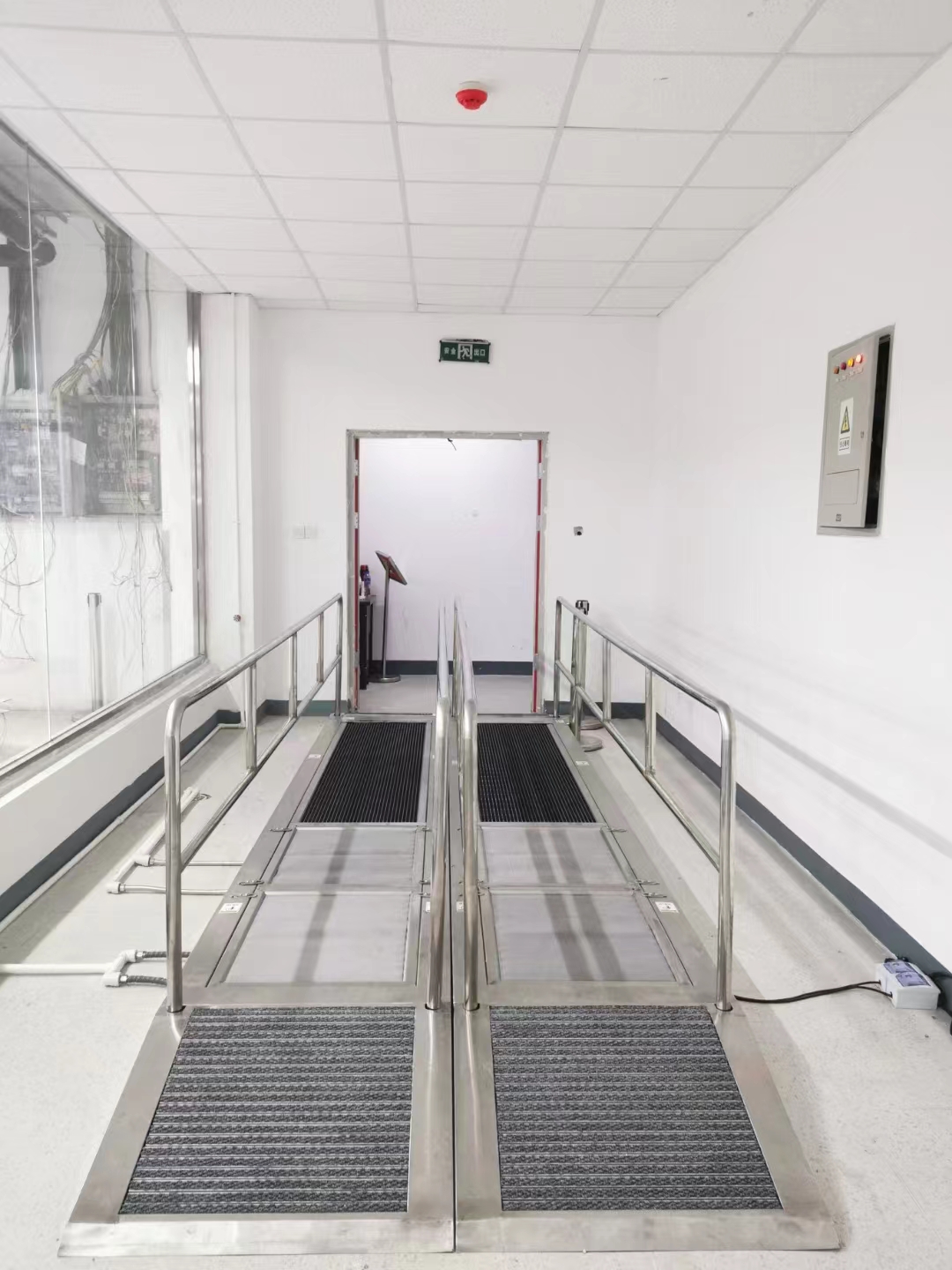
Human beings are the primary source of contamination in any controlled environment. A person standing still can shed 100,000 particles per minute, while a person in motion can shed millions. Therefore, the engineering of the facility must include physical barriers and transition zones to manage personnel flow. Air showers, gowning rooms, and pass-boxes are integrated into the layout to minimize the transfer of particles from the outside world into the clean zone.
Operational discipline involves strict gowning procedures, including the use of non-linting coveralls, hoods, masks, and gloves. The layout of the facility should encourage a logical flow that prevents personnel from backtracking through different cleanliness zones. Effective Cleanroom Engineering accounts for these human factors by designing intuitive airlocks and monitoring systems that alert operators if a door is left open or if pressure is lost, maintaining the integrity of the environment at all times.
The industry is moving toward more modular and flexible designs. Traditional "stick-built" cleanrooms are being replaced by modular systems that can be expanded or reconfigured as production needs change. Furthermore, the integration of IoT (Internet of Things) sensors allows for real-time monitoring of particle counts, humidity, and pressure. These smart systems can adjust fan speeds and energy consumption based on actual demand, improving efficiency without compromising safety.
By partnering with an experienced firm like TAI JIE ER, companies can leverage advanced modeling techniques such as Computational Fluid Dynamics (CFD) to predict airflow behavior before a single component is installed. This predictive approach reduces the risk of design flaws and ensures that the final facility meets all regulatory and operational requirements from day one.
Q1: What is the difference between a HEPA and an ULPA filter in Cleanroom Engineering?
A1: HEPA (High-Efficiency Particulate Air) filters are rated to trap 99.97% of particles as small as 0.3 µm. ULPA (Ultra-Low Penetration Air) filters go further, capturing 99.999% of particles as small as 0.12 µm. ULPA filters are generally reserved for ISO Class 1 to 3 environments where even the smallest sub-micron particles can cause product failure.
Q2: Why is positive pressure necessary in a cleanroom?
A2: Positive pressure ensures that air leaks out of the cleanroom rather than sucking contaminated air in from the surrounding hallways or rooms. By maintaining a higher pressure inside the clean zone, the facility creates a physical barrier of air that protects the sensitive manufacturing processes.
Q3: How often should a cleanroom be certified?
A3: Most international standards and regulatory bodies require full certification at least once every six to twelve months. However, continuous monitoring of pressure and particle counts is recommended to detect any performance degradation between formal certification cycles.
Q4: Can any HVAC system be converted into a cleanroom system?
A4: Generally, no. Standard HVAC systems lack the static pressure capacity to push air through dense HEPA filters and do not provide the necessary air change rates or precise humidity control. Cleanroom systems require dedicated Air Handling Units (AHUs) and specialized ducting designed for high-velocity, high-purity air delivery.
Q5: What are the primary causes of cleanroom failure during validation?
A5: The most common causes are improperly sealed HEPA filters, inadequate air change rates, and poor room pressurization due to leaks in the wall or ceiling panels. Often, these issues stem from poor design or the use of sub-standard materials during the initial construction phase.
If your organization is planning a new facility or requires an upgrade to an existing controlled environment, professional consultation is the most effective way to ensure long-term compliance and operational success. TAI JIE ER offers technical expertise in every phase of the project, from initial conceptualization to final validation. For detailed technical specifications or to discuss your specific process requirements, please contact our engineering team today. We are ready to provide the solutions needed for your next high-precision project.