
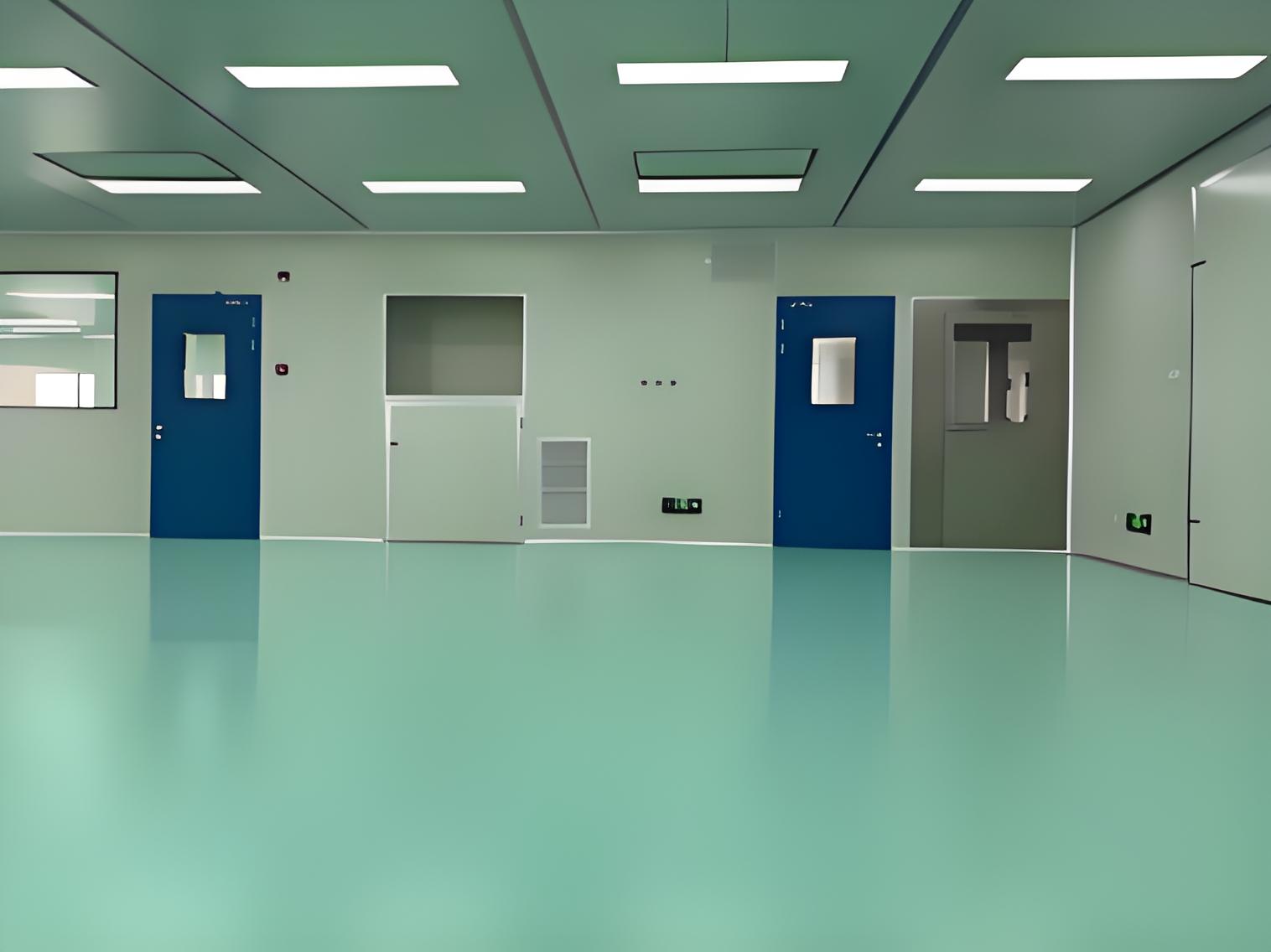
Modern industrial manufacturing requires an environment where atmospheric contaminants are suppressed to nearly undetectable levels. This technical requirement has given rise to the sophisticated discipline of Purification Engineering. Unlike standard ventilation, these systems must integrate particulate control, molecular filtration, and precise thermodynamic regulation to protect sensitive processes. As the dimensions of integrated circuits shrink and the requirements for sterile pharmaceutical production rise, the engineering behind these spaces must evolve to meet increasingly stringent tolerance levels.
The success of a controlled environment depends on the synergy between architectural design and mechanical performance. Achieving a specific ISO class rating is not merely a matter of air volume; it involves the strategic management of airflow vectors, pressure differentials, and material outgassing. Organizations must look beyond simple air filtration to implement comprehensive solutions that address the specific biochemical and physical challenges of their respective sectors.
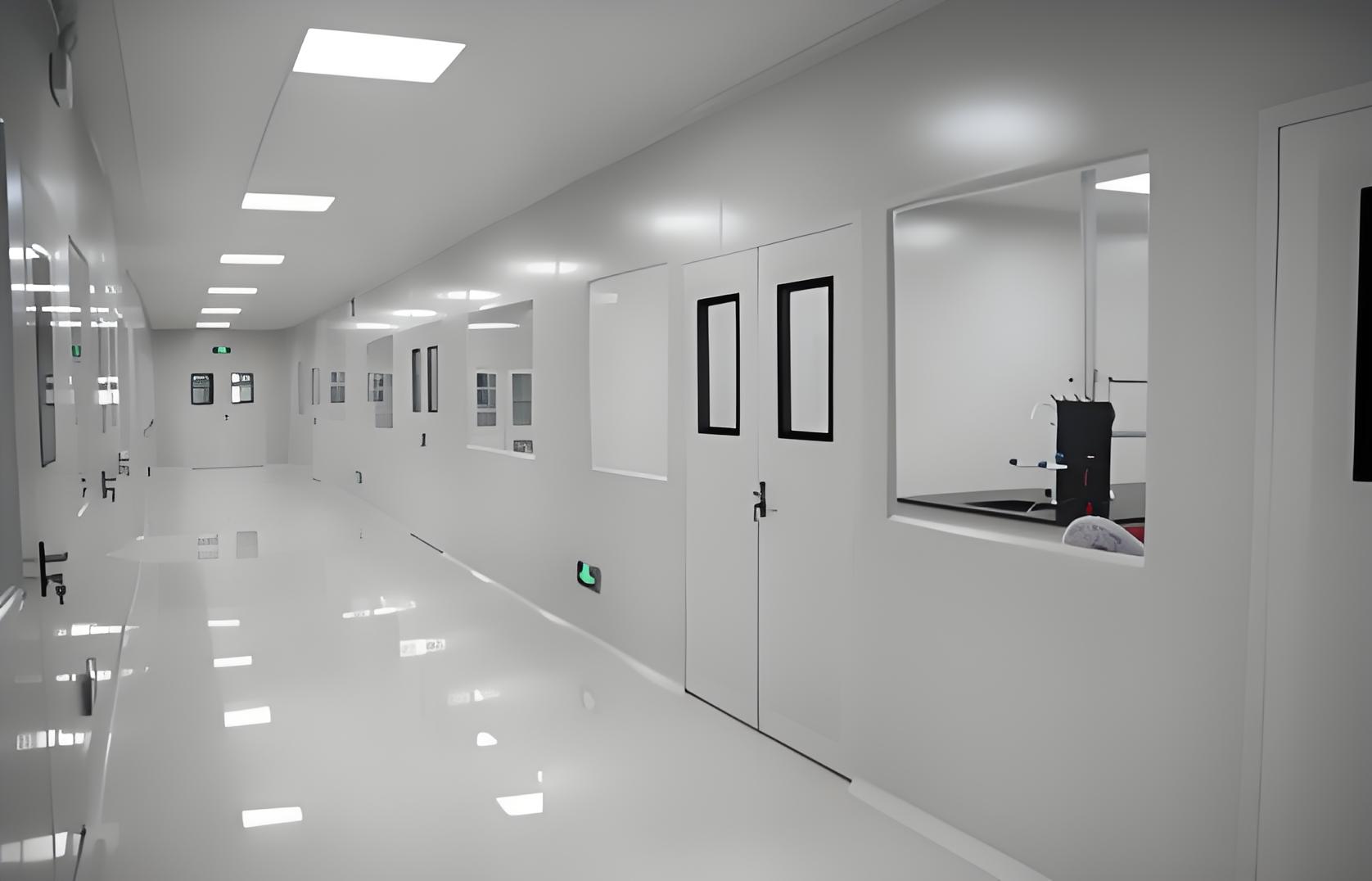
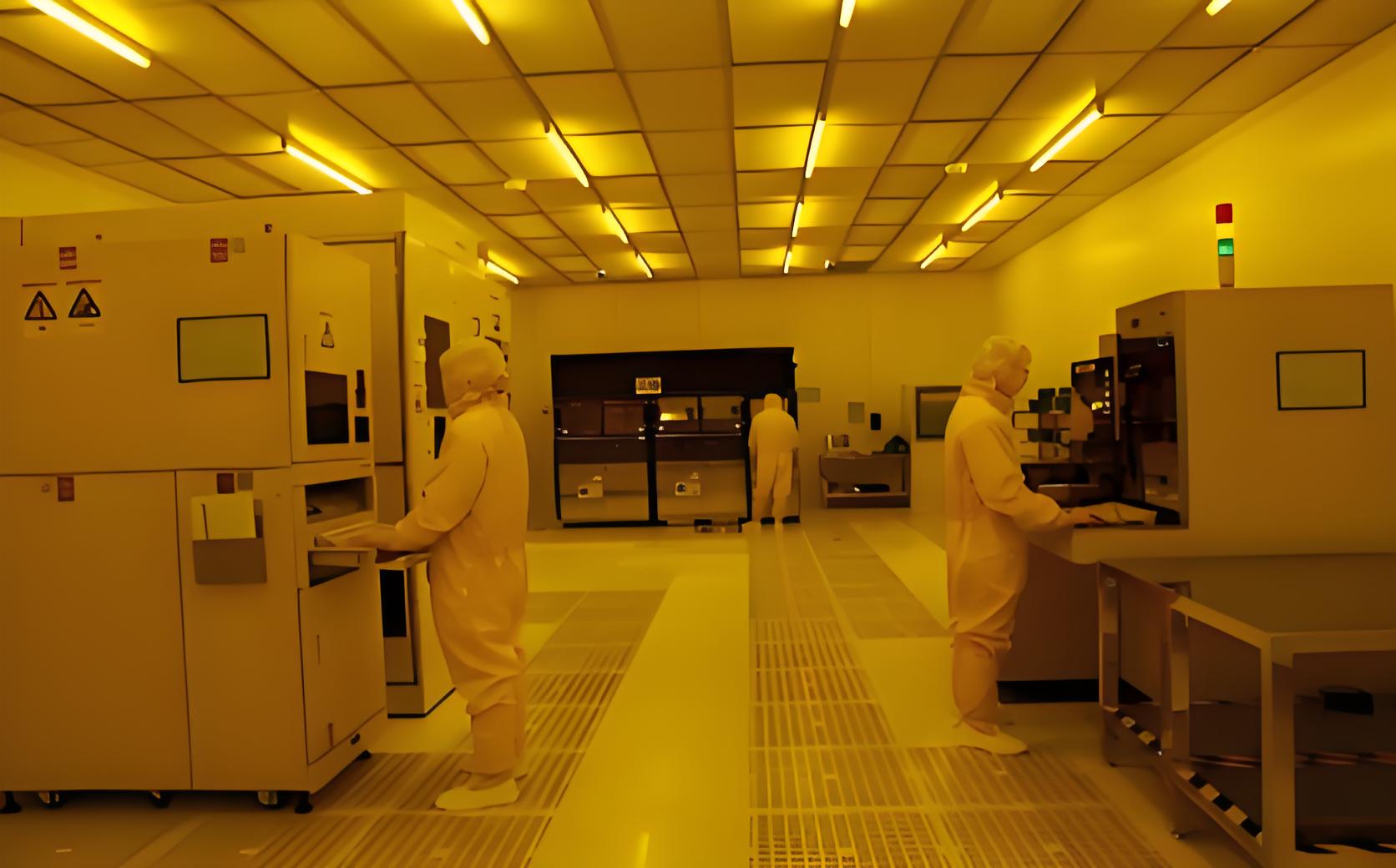
Airflow pattern design is a fundamental aspect of Purification Engineering. For environments requiring ISO Class 5 or higher, unidirectional (laminar) airflow is mandatory. This design ensures that filtered air moves in a single, downward direction at a uniform velocity—typically between 0.3 to 0.5 meters per second—to "sweep" particles away from the work surface before they can settle. In these high-precision zones, the air is replaced hundreds of times per hour, ensuring that any contaminants introduced by personnel or machinery are immediately exhausted.
In contrast, non-unidirectional (turbulent) airflow is utilized in ISO Class 6 through 9 environments. Here, the air enters through ceiling diffusers and mixes with existing room air, diluting the concentration of particles. While less stringent than laminar flow, the placement of return air vents remains a significant factor. If vents are poorly positioned, stagnant pockets of air can form, leading to "hot spots" of contamination. Professional engineering firms like TAI JIE ER utilize Computational Fluid Dynamics (CFD) modeling to simulate these patterns before construction, ensuring that every square centimeter of the facility adheres to the required cleanliness standards.
The filtration system is the primary defense against particulate ingress. A multi-stage approach is used to extend the operational life of the most expensive components. Pre-filters (MERV 8-11) capture large debris and dust, while intermediate filters (MERV 14-16) handle finer particles. The final stage typically involves High-Efficiency Particulate Air (HEPA) filters, which must achieve a minimum efficiency of 99.97% for particles at 0.3 microns.
For the most demanding applications, such as EUV lithography in semiconductor manufacturing, Ultra-Low Penetration Air (ULPA) filters are deployed. These filters are capable of removing 99.999% of particles down to 0.12 microns. The engineering challenge lies in managing the high static pressure required to push air through such dense media without causing leaks in the filter housing or ductwork. This necessitates robust Fan Filter Units (FFUs) equipped with EC (Electronically Commutated) motors that can automatically adjust their speed to compensate for filter loading over time.
Maintaining a pressure gradient is a mandatory requirement for preventing the migration of contaminants between rooms of different cleanliness levels. In a typical Purification Engineering project, the cleanroom is kept at a positive pressure relative to the surrounding corridors. This ensures that whenever a door is opened, air flows out of the cleanroom, preventing unfiltered air from entering. A differential pressure of 10 to 15 Pascals is standard between adjacent rooms of different classes.
In pharmaceutical settings involving hazardous substances or live viruses, a negative pressure regime may be required to protect the external environment. This requires a complex "sink" or "bubble" airlock design, where pressure is carefully balanced to contain harmful biological agents while still maintaining internal product purity. The integration of high-precision pressure sensors and automated dampers is required to maintain these delicate balances 24/7.
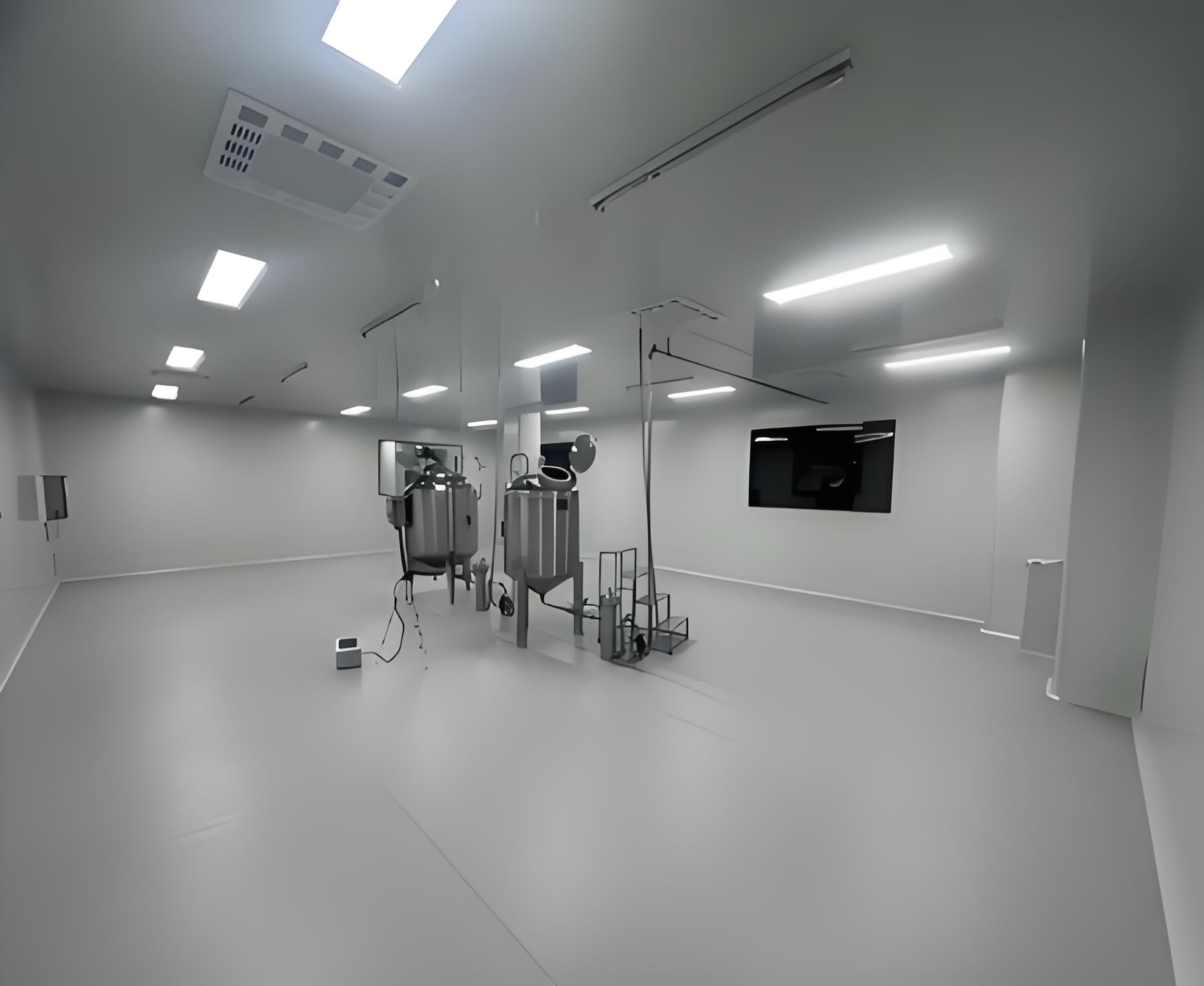
The internal surfaces of a purified environment must be chemically inert and non-shedding. Standard drywall or porous materials are unacceptable as they harbor microbes and release dust. Instead, modular wall systems using aluminum or galvanized steel skins with baked-on epoxy or PVDF coatings are preferred. These panels are designed with "coved" corners to eliminate 90-degree angles where dust can accumulate.
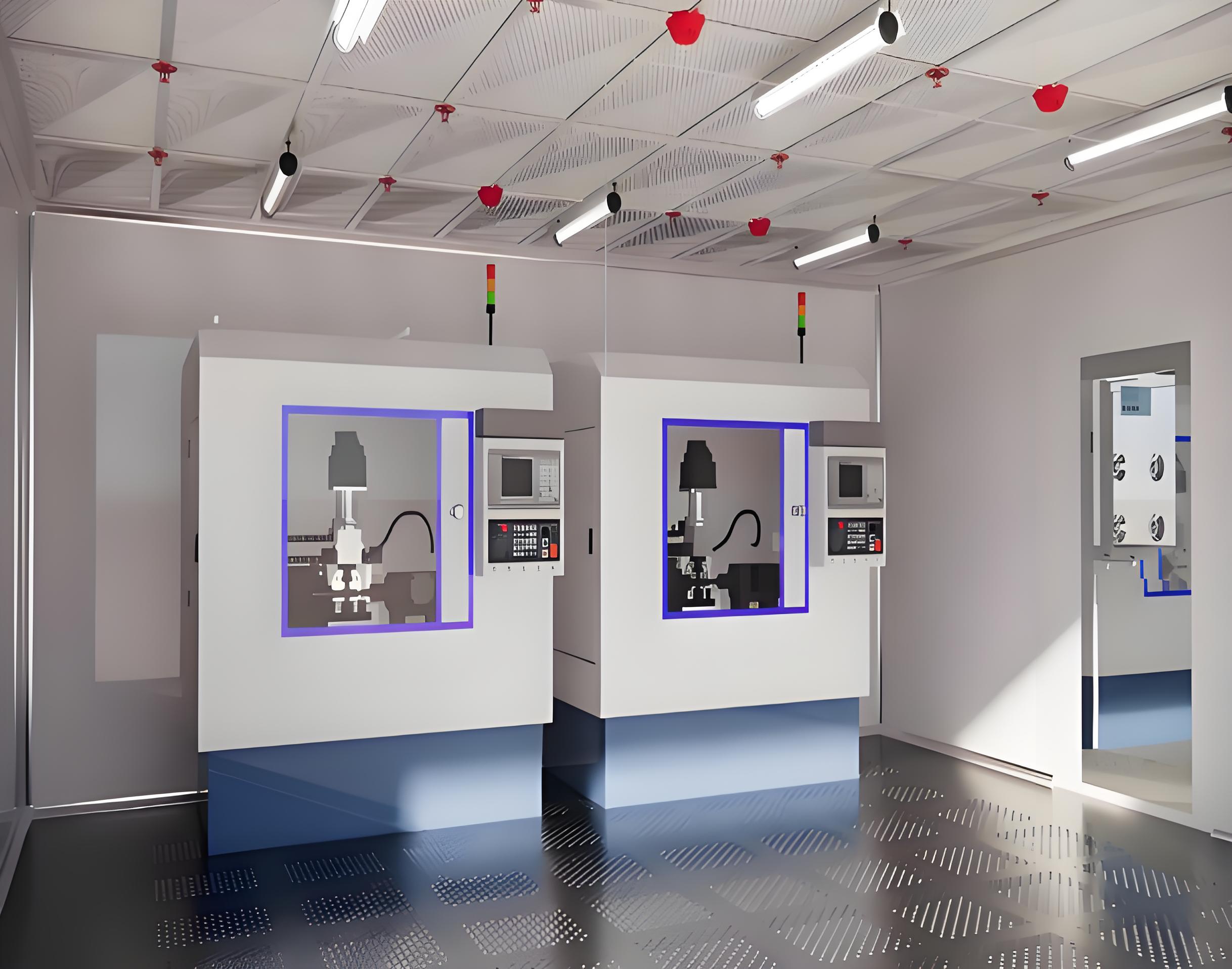
Flooring also plays a significant role in Purification Engineering. Static-dissipative vinyl or epoxy floors are used to prevent Electrostatic Discharge (ESD), which can be fatal to microelectronic components. The structural integrity of the ceiling grid must also be verified, as it must support the weight of numerous FFUs and lighting fixtures while maintaining a gas-tight seal to prevent leakage from the plenum space above.
Surface Smoothness: Ra values must be minimized to prevent particle adhesion.
Chemical Resistance: Materials must withstand aggressive disinfection with IPA (Isopropyl Alcohol) or VHP (Vaporized Hydrogen Peroxide).
Outgassing: Selection of sealants and gaskets that do not release Volatile Organic Compounds (VOCs).
Cleanrooms are often filled with heat-generating equipment, from high-speed robotic arms to industrial ovens. Removing this sensible heat while maintaining precise temperature control—often within ±0.1°C for optics—is a significant engineering feat. The HVAC system must be sized not just for air changes, but for massive cooling capacities. TAI JIE ER specializes in integrating chilled water systems and heat exchangers that provide high-precision thermal stability without introducing vibration or noise that could interfere with sensitive measurements.
Humidity control is equally important. High humidity can lead to biological growth and corrosion, while low humidity increases the risk of ESD. In semiconductor facilities, the RH (Relative Humidity) is often kept at a strict 45% ±5%. Desiccant dehumidifiers or steam humidifiers are integrated into the primary air handling units to maintain these levels regardless of external weather conditions.
As manufacturing moves toward sub-7nm processes, particulate filtration is no longer sufficient. AMC—gaseous chemical contaminants such as acids, bases, and organics—can ruin silicon wafers or fog high-end lenses. Advanced Purification Engineering now incorporates chemical filtration, using activated carbon or ion-exchange resins to scrub the air at the molecular level.
Monitoring AMC requires sophisticated real-time sensors and periodic "witness plate" testing. The engineering solution involves identifying the specific chemical threats—whether it's ammonia from cleaning agents or outgassing from plastic components—and selecting the appropriate media to neutralize those specific molecules. This level of protection is a prerequisite for modern semiconductor foundries and advanced aerospace laboratories.
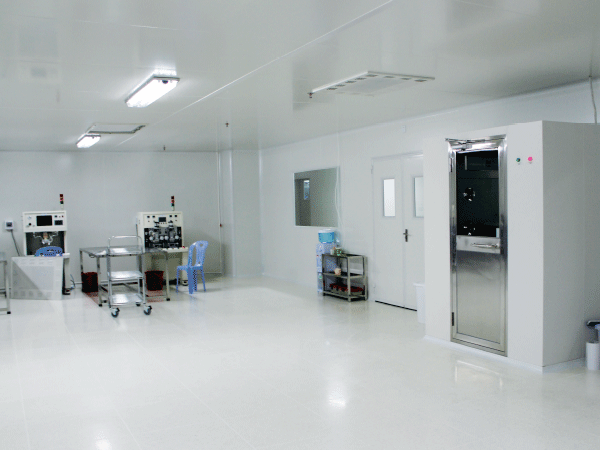
The highest performing filtration system will fail if the facility layout does not account for human activity. Personnel are the largest source of particulates and microbial shedding. Therefore, the design must include a logical sequence of transition zones. This includes airlocks, gowning rooms, and air showers that "wash" personnel with high-velocity air before they enter the primary work zone.
Material transfer is managed through pass-boxes, which are often equipped with UV sterilization or HEPA-filtered air to ensure that parts moving into the cleanroom do not bring contaminants with them. By designing a one-way flow for both personnel and waste, the risk of cross-contamination is significantly reduced. This architectural logic is a hallmark of professional Purification Engineering, ensuring that the operational reality matches the theoretical design.
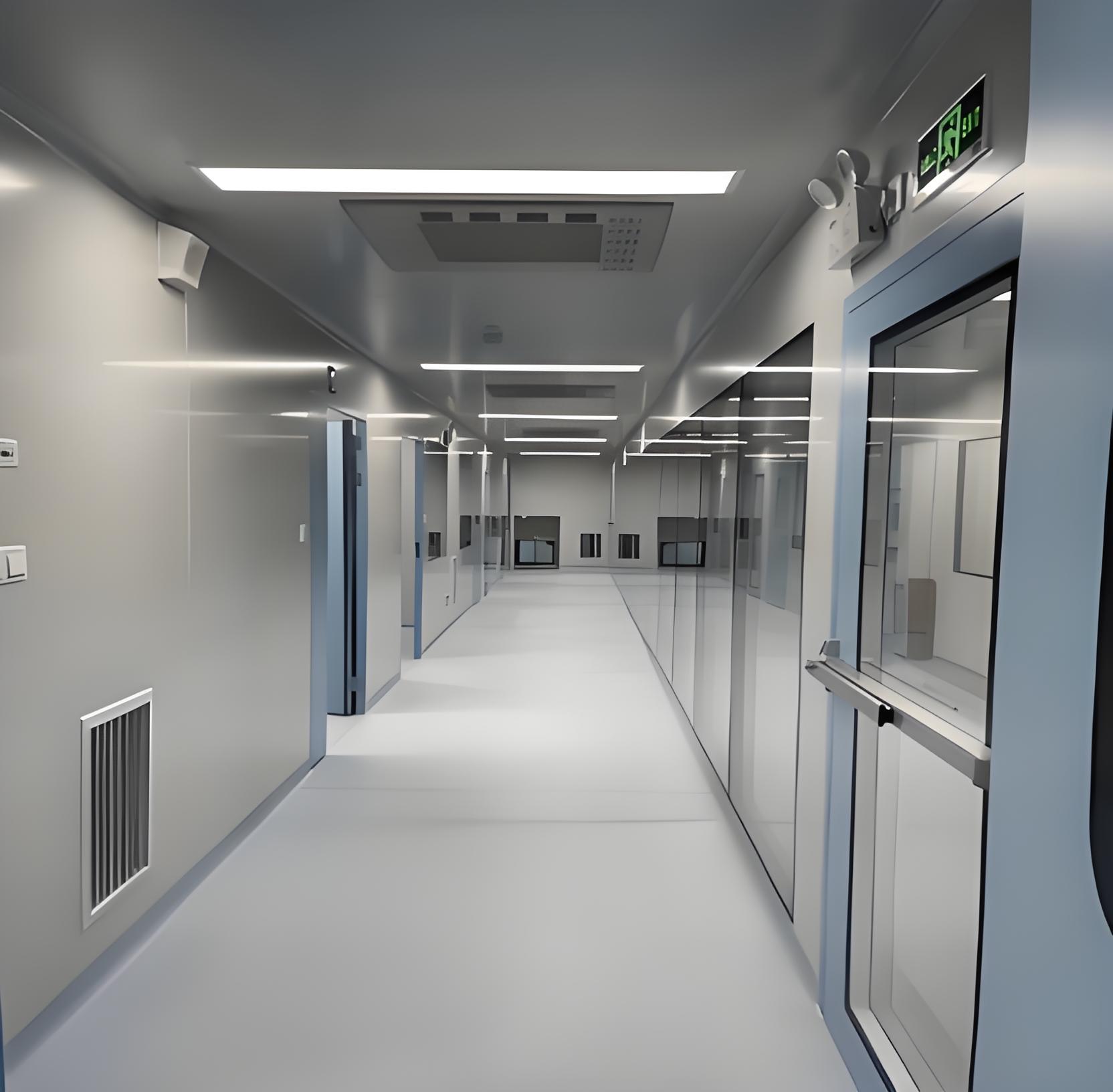
A cleanroom is only as good as its last certification. Validation is a rigorous process that involves testing the facility under three states: "As-built," "At-rest," and "Operational." The most significant test is the operational state, which measures the room's performance while personnel and machinery are active. ISO 14644-1 specifies the maximum allowable concentrations for various particle sizes, and the facility must pass these counts at multiple sampling points.
Beyond particle counts, other tests include:
Filter Integrity Testing (DOP/PAO): Checking for leaks in the filter media or frame seals.
Air Change Rate Calculation: Verifying the volume of air delivered per hour.
Recovery Testing: Timing how long it takes for the room to return to its class rating after a simulated contamination event.
Visualization (Smoke Testing): Using non-toxic smoke to confirm laminar airflow and identify areas of turbulence.
These testing protocols provide the empirical evidence required for regulatory approval and quality assurance. TAI JIE ER provides comprehensive documentation for these tests, supporting clients through the most rigorous audits from health and safety organizations.
Q1: What is the primary difference between standard HVAC and Purification Engineering?
A1: Standard HVAC focuses on occupant comfort (temperature and CO2 levels). Purification engineering focuses on environmental purity, involving higher air change rates, high-efficiency filtration (HEPA/ULPA), and the management of particle counts and pressure differentials.
Q2: Why is humidity control so difficult in a cleanroom environment?
A2: Because of the high air change rates, a large volume of outside air is often introduced for makeup. This air must be rapidly dehumidified or humidified to meet the strict ±5% RH tolerances, requiring significant mechanical capacity and precise sensor feedback loops.
Q3: How does the "As-built" state differ from the "Operational" state?
A3: "As-built" refers to the empty room with no equipment or people. "Operational" is the room during peak production. Particle counts are always higher in the operational state, which is why the engineering must be designed with a "buffer" to handle the contaminant load of workers.
Q4: Are modular cleanrooms better than traditional construction?
A4: Modular systems offer superior cleanliness because the panels are manufactured in controlled factory settings rather than on a dusty construction site. They are also easier to modify or expand as the manufacturing process changes over time.
Q5: What are Fan Filter Units (FFUs) and why are they used?
A5: FFUs are self-contained units that combine a fan and a filter. They are used in the ceiling grid to provide localized air filtration. They are preferred in modern designs because they allow for easier maintenance and can be individually controlled to optimize airflow across the room.
Establishing a high-purity environment is a complex undertaking that requires specialized knowledge across multiple engineering disciplines. From the initial CFD analysis to the final ISO certification, every decision impacts the reliability of your manufacturing process. TAI JIE ER provides the technical leadership and execution required to build facilities that meet the world's most demanding standards. For organizations seeking to eliminate contamination risks and enhance product yield, our team is ready to provide a detailed technical Inquiry and customized design proposal. Please contact us to discuss how our expertise in Purification Engineering can support your next facility expansion.