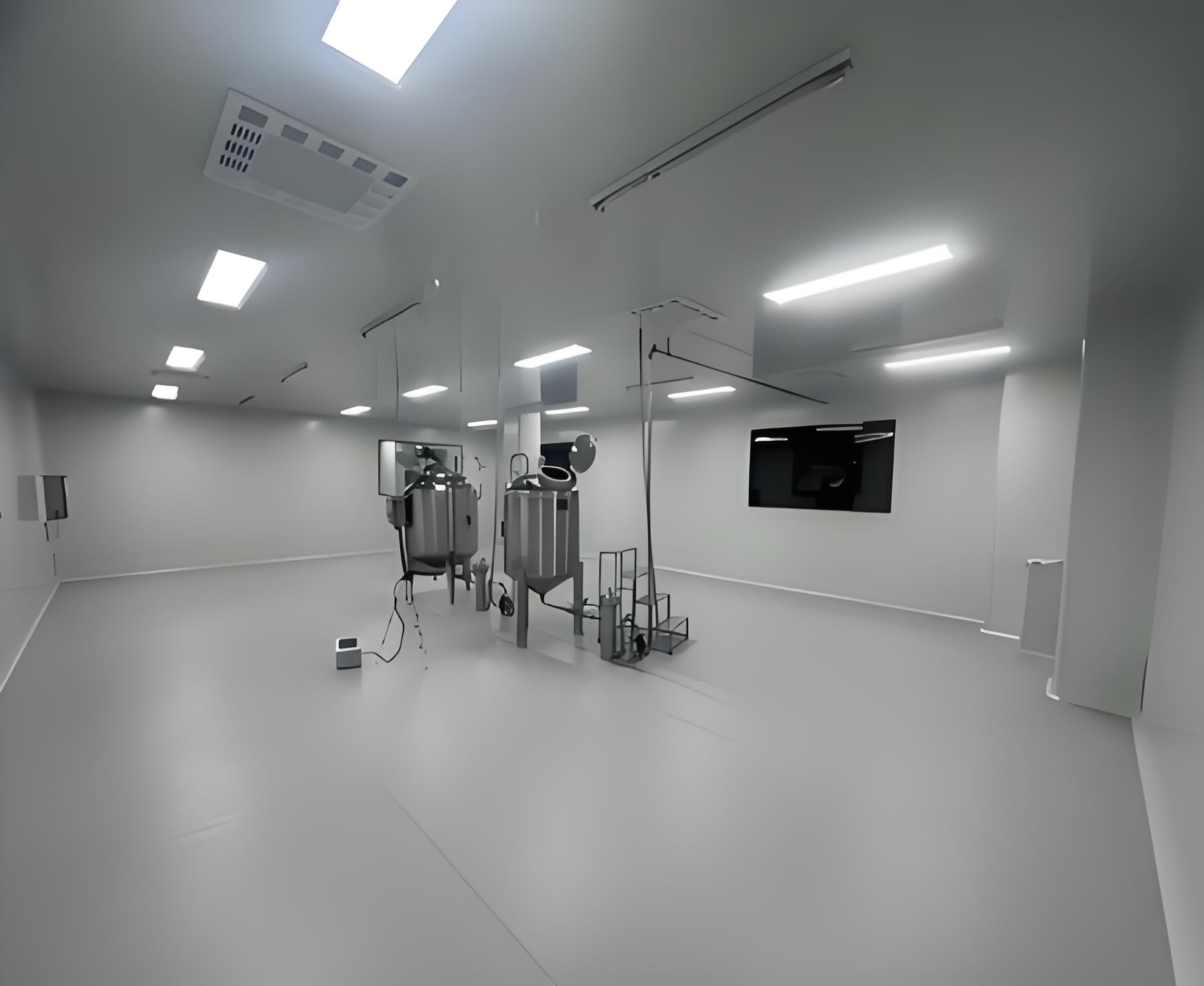
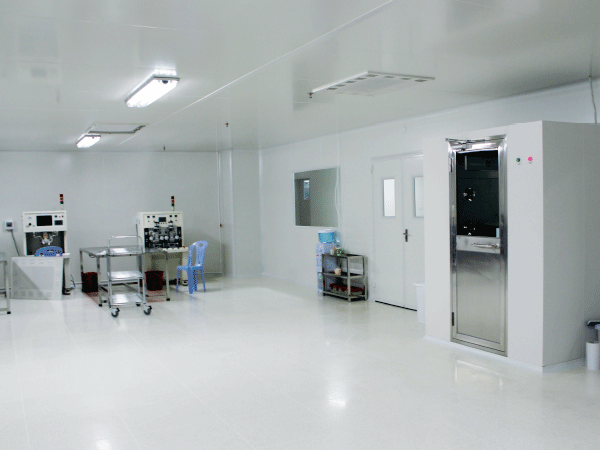
The construction and finishing of controlled environments—commonly referred to as Clean Workshop decoration—demands a rigorous, systematic approach. In sectors such as pharmaceuticals, biotechnology, medical devices, and semiconductor manufacturing, even microscopic particle infiltration can compromise product integrity, batch consistency, or patient safety. This article provides an authoritative, data-driven examination of modern cleanroom finishing, addressing technical specifications, material science, regulatory compliance, and practical execution. Drawing on decades of collective field expertise, we detail how to achieve and maintain ISO 14644-1 and GMP-compliant environments through superior Clean Workshop decoration practices.
Clean workshop decoration encompasses the design, material selection, installation, and validation of all interior surfaces and integrated systems that establish a controlled environment. Unlike conventional construction, this specialization focuses on minimizing particle generation, facilitating rigorous cleaning, and withstanding aggressive decontamination agents. The primary goal is to create a seamless, durable envelope that supports cleanliness classifications ranging from ISO 8 (class 100,000) to ISO 5 (class 100) and beyond. Effective Clean Workshop decoration also integrates HVAC, lighting, and monitoring systems into the architectural fabric, ensuring that all components work synergistically to maintain specified parameters.
Any credible Clean Workshop decoration project must adhere to international cleanroom standards. ISO 14644-1 defines airborne particulate cleanliness classes based on particle size and concentration. For pharmaceutical applications, EU GMP Annex 1 imposes additional requirements for cleanroom finishes, including smooth, impervious surfaces, coved corners, and resistance to disinfectants. Designers must also consider adjacent support areas, airlocks, and material transfer zones, ensuring that the entire facility maintains pressure differentials and cascade principles.
The integrity of a cleanroom is only as strong as its weakest component. Every surface, joint, and penetration must be engineered to eliminate particle traps and microbial niches. Below we dissect the key subsystems that define professional-grade Clean Workshop decoration.
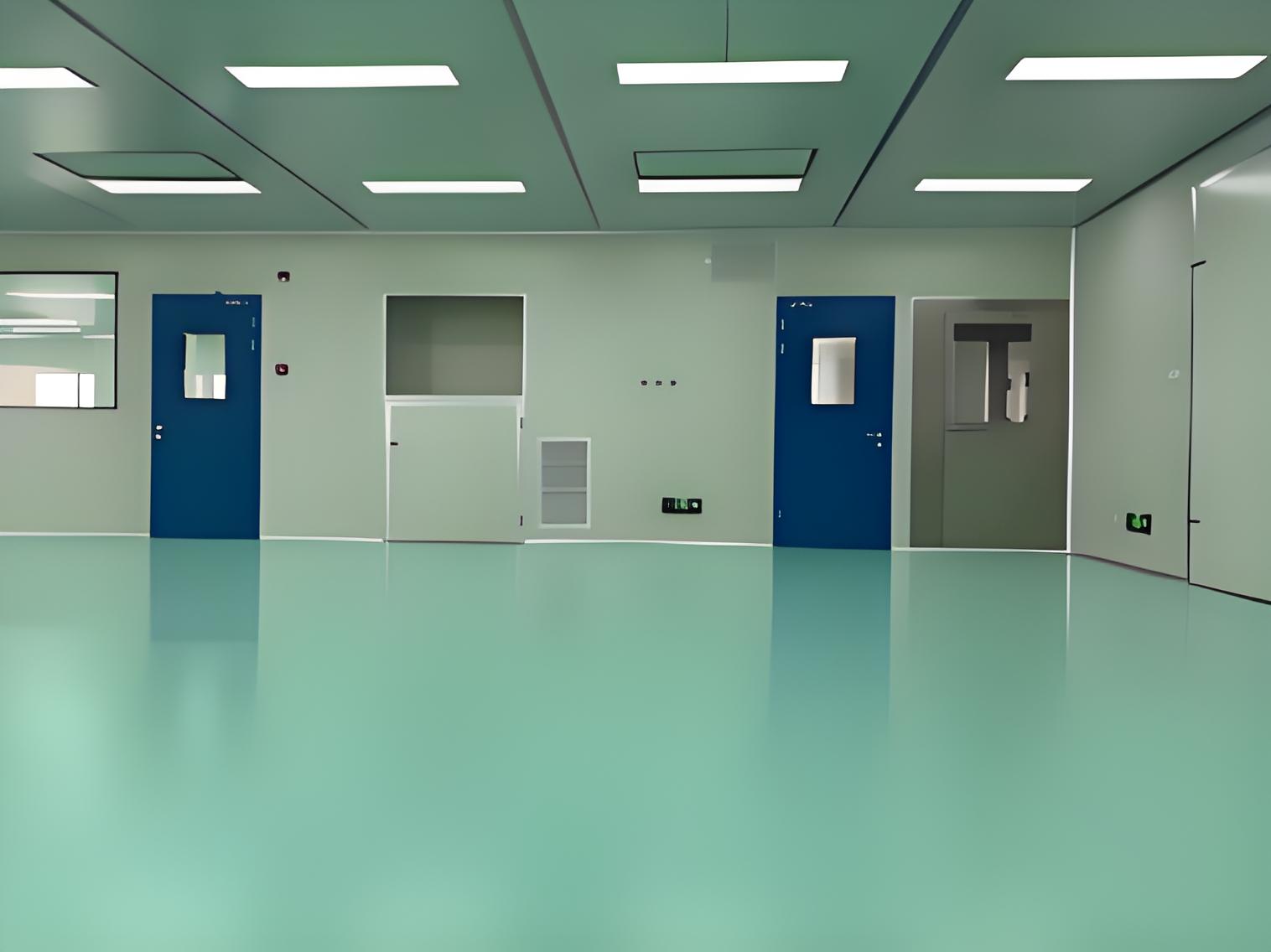
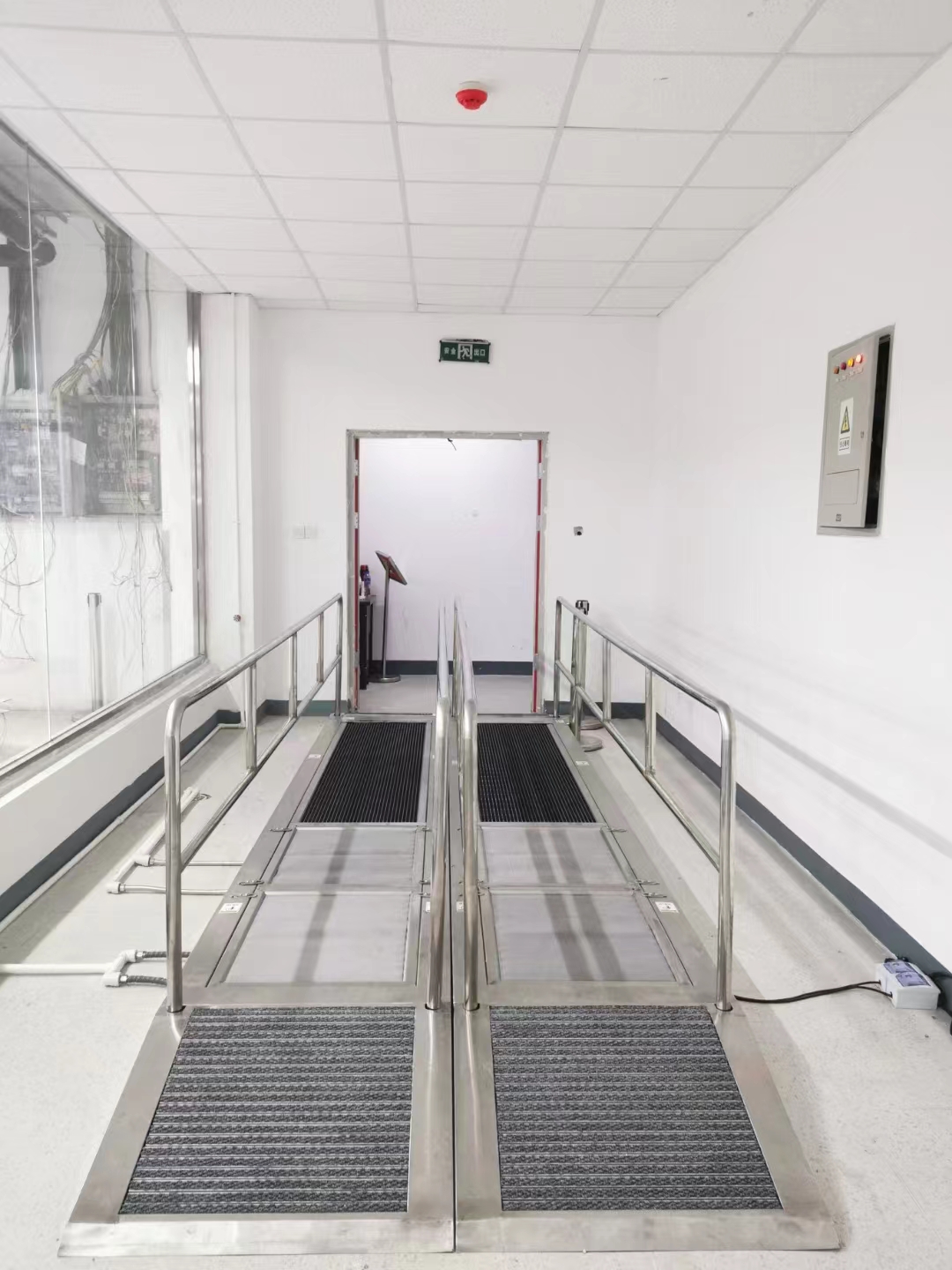
Traditionally, cleanroom envelopes were built using gypsum boards coated with epoxy paint. While still employed for some ISO 7-8 areas, modular panel systems have become the preferred solution for higher-classification spaces. These panels—typically composed of powder-coated steel or aluminum skins with a non-shedding core (e.g., phenolic, honeycomb, or mineral wool)—offer rapid installation, inherent smoothness, and integration for pass-through chambers, air showers, and observation windows. The critical factor is the sealing of all joints with medical-grade silicone or polyurethane compounds that resist microbial growth and chemical degradation.
Flooring in a clean workshop must endure heavy equipment loads, frequent sanitization, and potential chemical spills. Three primary systems dominate the market:
Self-leveling epoxy: Provides a hard, seamless finish with excellent chemical resistance. Suitable for ISO 5-7 environments when applied at thicknesses of 2-3 mm and topped with an anti-slip additive if required.
Polyurethane cement (PUC): Offers superior thermal shock resistance and can tolerate steam cleaning. Often specified in aseptic pharmaceutical suites.
Conductive/static-dissipative vinyl: Essential for electronics and explosives handling areas where electrostatic discharge (ESD) must be controlled. Sheets are heat-welded to create monolithic surfaces.
All floor-to-wall junctions must be coved with a minimum 50 mm radius to eliminate right-angle crevices and facilitate cleaning.
While not a decorative element per se, the placement of HEPA/ULPA filter banks, return air grilles, and diffusers is inseparable from the overall decoration plan. Ceiling grids must support the weight of filter housings and allow for leak-tight sealing. Laminar flow panels require perfectly level ceilings to ensure unidirectional airflow. Pressurization control dampers and monitoring probes must be installed without breaching the cleanroom’s airtight envelope. In high-grade cleanrooms, utilities such as process gases and vacuum lines are concealed within service chases or interstitial spaces, with flush-mounted outlets that are easy to wipe down.
Every material introduced into a cleanroom must be evaluated for particle shedding, chemical compatibility, cleanability, and longevity. Stainless steel (AISI 304 or 316L) is the standard for workstations, sinks, and door hardware due to its corrosion resistance and non-porous nature. For wall cladding, continuous fiberglass reinforced plastic (FRP) panels are sometimes used in wet processing areas. Ceilings often incorporate sealed light fixtures with smooth, recessed lenses to prevent dust accumulation. The choice of sealants and adhesives is equally critical—they must be low-VOC, non-outgassing, and resistant to hydrogen peroxide vapor or other sanitizing agents.
Inexperienced contractors may overlook details such as sharp edges on support brackets, incomplete sealing of conduit penetrations, or the use of materials that support microbial growth. Another frequent error is improper consideration of thermal and humidity expansion—especially in modular panels subjected to varying process conditions. Professional Clean Workshop decoration requires pre-construction risk assessments (e.g., HAZOP) and mock-up installations to verify assembly techniques. Third-party certification of installed systems—including airborne particle counts, pressure decay tests, and smoke pattern visualization—must be scheduled before handover.
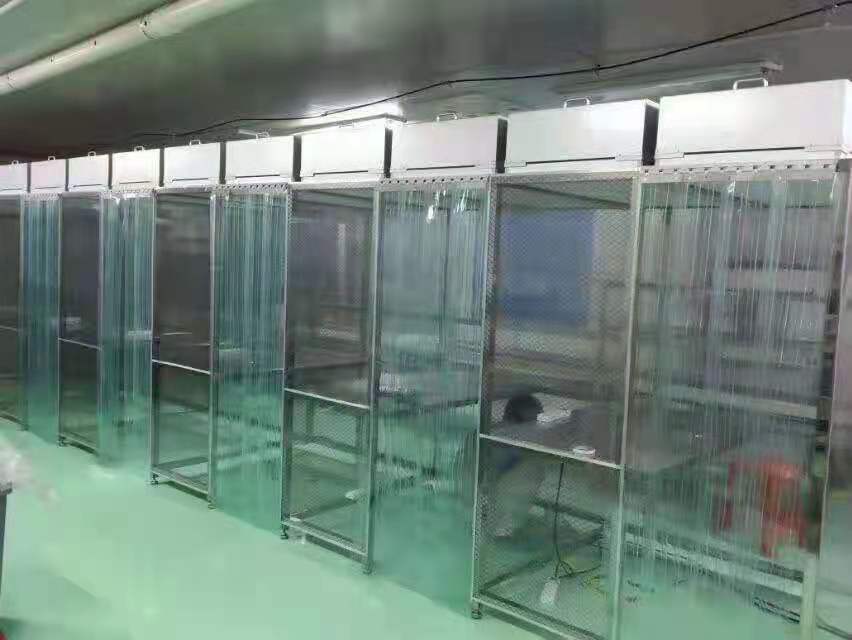
A structured project lifecycle ensures that the finished cleanroom meets both design intent and operational requirements. The process typically follows these stages:
Conceptual design and classification targeting: Defining cleanliness level, airflow regime (turbulent vs. unidirectional), and occupancy state (as-built, at-rest, operational).
Detailed engineering and material procurement: Specifying panel thickness, surface finishes (Ra ≤ 0.8 μm for critical surfaces), and component interfaces. At this stage, TAI JIE ER’s engineering team collaborates with clients to optimize layouts for workflow and contamination control.
Site preparation and clean construction protocols: Implementing staged construction with progressive clean-up; using HEPA-filtered vacuums; restricting access to trained personnel; and monitoring particle levels during installation.
Installation of architectural elements and MEP services: Erecting panels, installing ceilings, and integrating HVAC in a controlled sequence to avoid cross-contamination.
Surface finishing and sealing: Applying floor coatings, covings, and sealants; allowing adequate curing time to prevent outgassing.
Commissioning and validation: Testing airflow volumes, filter integrity, room pressurization, recovery rate, and particle counts. Documentation of all procedures for regulatory submission.
TAI JIE ER follows this rigorous methodology, ensuring that every project meets or exceeds the stipulated ISO/GMP criteria.
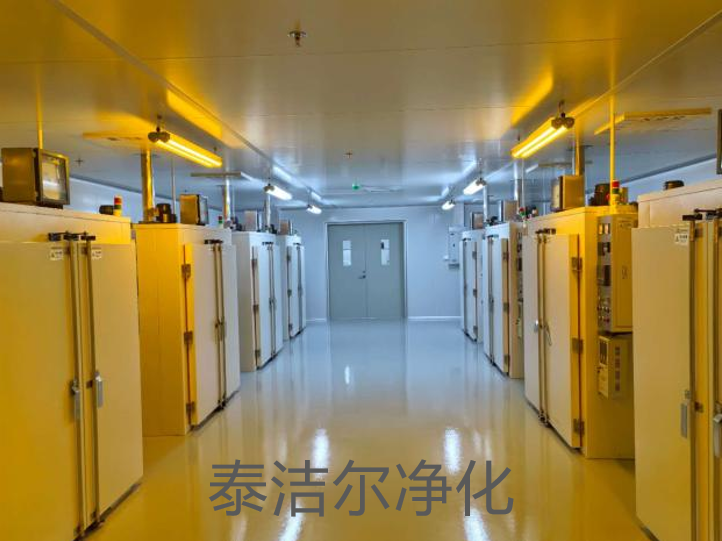
In a recent project for an advanced packaging facility, TAI JIE ER executed a 500 m² ISO 6 cleanroom with strict vibration control (VC-C) and ESD flooring. The Clean Workshop decoration scope included raised access floors with perforated tiles for return air, anti-static vinyl, and cleanroom LED lighting with dimming capabilities. Post-installation testing showed particle counts 30% below the ISO 6 threshold, and pressure differentials stable within ±0.5 Pa. This outcome demonstrates how meticulous attention to decoration details directly impacts operational performance.
While fundamental principles remain constant, each industry imposes unique demands on Clean Workshop decoration:
Biopharmaceuticals: Emphasis on seamless, sanitizable surfaces; resistance to VHP and phenolics; and compliance with aseptic guidelines (e.g., Grade A/B finishes).
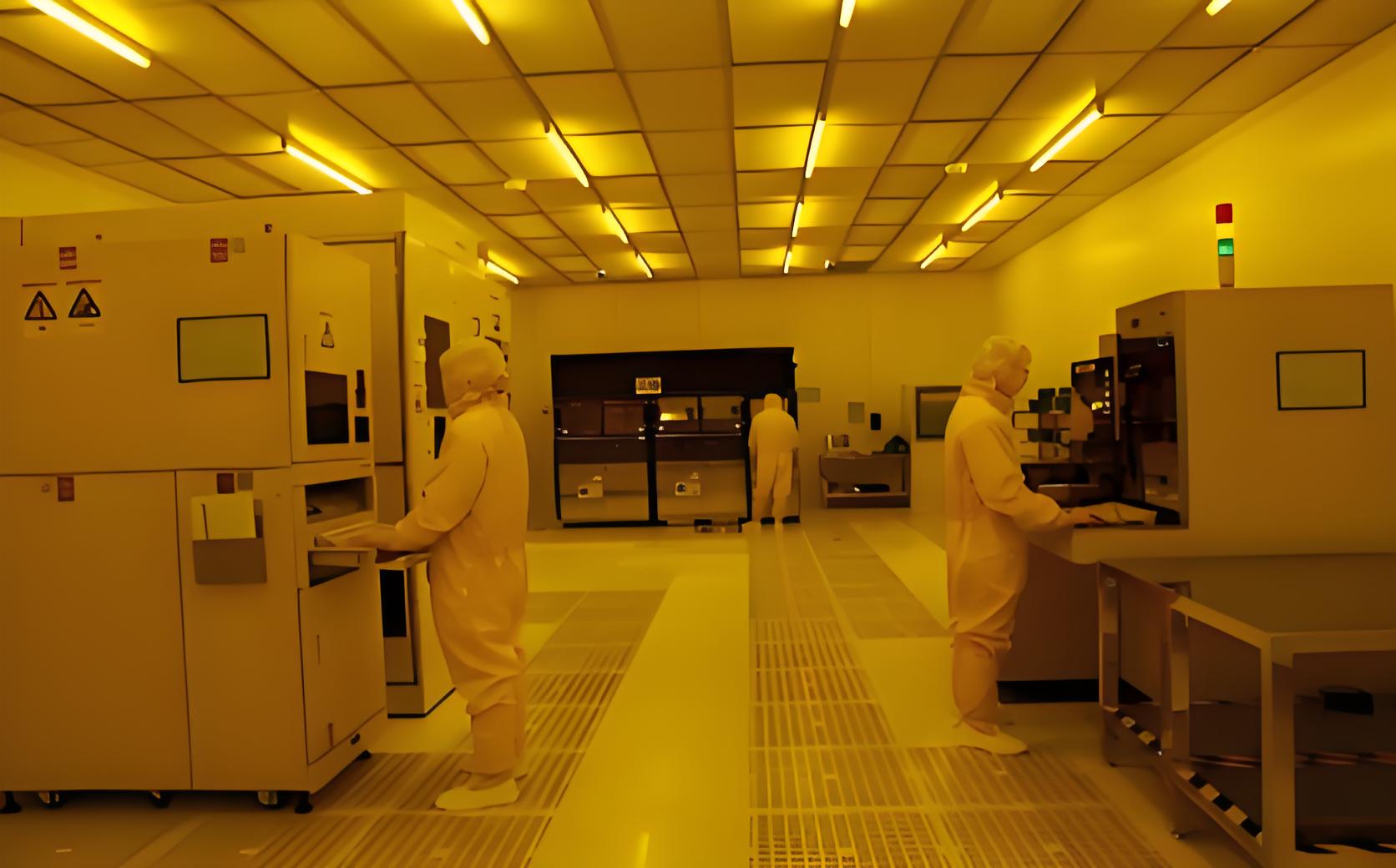
Electronics / Semiconductors: Stringent control of airborne molecular contamination (AMC), ESD flooring, and ultra-low particle generation from construction materials.
Food & Beverage: Hygienic design with drainable floors, sloped surfaces, and materials approved for incidental food contact.
Aerospace / Defense: Cleanrooms for optics or munitions handling often require specific humidity and temperature stability, along with conductive work surfaces.
Adapting the decoration approach to these verticals requires deep domain knowledge. TAI JIE ER brings this cross-sector expertise to every engagement, ensuring that finishes not only look pristine but also function flawlessly under real-world conditions.
Cleanroom construction is a high-stakes investment. Errors in material selection, sealing, or integration can lead to costly remediation, production delays, or regulatory citations. By contrast, a well-executed Clean Workshop decoration yields decades of reliable service, minimal maintenance, and consistent product quality. Engaging a partner with proven credentials, such as TAI JIE ER, mitigates risk and ensures that your facility is audit-ready from day one. Whether you are upgrading an existing line or building a new greenfield plant, prioritize cleanroom finishing as the backbone of contamination control—your process integrity depends on it.
Q1: What is the difference between cleanroom decoration and ordinary interior finishing?
A1: Cleanroom decoration prioritizes particle control, smoothness, chemical resistance, and seamless assembly. Ordinary construction uses standard building materials and techniques that can harbor contaminants and are not designed for rigorous cleaning or pressure differentials.
Q2: Which ISO class is most common for pharmaceutical cleanrooms, and how does decoration affect it?
A2: Most pharmaceutical filling areas operate at ISO 5 (class 100) or ISO 7 (class 10,000). Decoration influences these classifications through surface smoothness (≤0.8 μm), coved corners, and leak-proof seals that prevent particle entrapment and microbial growth.
Q3: How long does a typical Clean Workshop decoration project take?
A3: Duration depends on size, complexity, and required ISO level. A 200 m² ISO 7 modular cleanroom might take 8-12 weeks from design to validation. More complex facilities with extensive MEP integration can take 6 months or longer. TAI JIE ER provides detailed project timelines during the bidding phase.
Q4: Can an existing cleanroom be re-decorated without stopping production?
A4: Partial renovations are possible using containment barriers (soft walls) and phased construction. However, for major upgrades involving ceiling or HVAC changes, a temporary shutdown is often necessary to maintain clean conditions. Risk assessments and strict protocols are mandatory.
Q5: What maintenance does a cleanroom floor require after decoration?
A5: Seamless epoxy or vinyl floors should be cleaned daily with approved detergents and periodically inspected for scratches or delamination. Re-coating may be needed every 5-10 years depending on traffic and chemical exposure. Conductive floors require periodic resistance testing.
Q6: How do I verify that the decoration contractor has the right expertise?
A6: Look for certifications (e.g., ISO 14644 compliance experience), references from similarly regulated industries, and evidence of in-house validation capabilities. TAI JIE ER holds extensive documentation of past projects and provides full validation support, from DQ to PQ.