
In the high-stakes environments of pharmaceutical manufacturing, biotechnology, semiconductor fabrication, and advanced healthcare, contamination is the enemy. A meticulously planned and executed Cleanroom design is not merely a construction project; it is a fundamental risk-mitigation strategy that directly impacts product quality, patient safety, and operational efficiency. This article provides an expert-level overview of the critical components, standards, and methodologies that define a robust Cleanroom design, moving beyond basic definitions to address the technical nuances that separate a compliant facility from a problematic one.
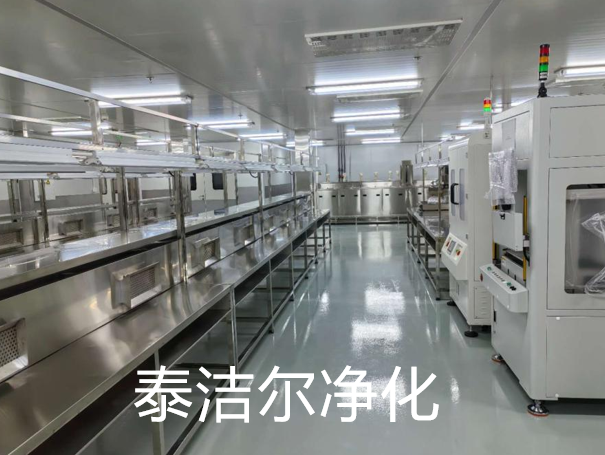
A successful Cleanroom design is built upon a foundation of international standards and a deep understanding of the processes it will house. The primary objective is to control airborne particulate concentration and, in many cases, microbial contamination. This is achieved through a combination of architectural features, specialized HVAC systems, and strict operational protocols.
The cornerstone of any specification is the required level of cleanliness. This is universally defined by the ISO 14644-1 standard, which classifies cleanrooms based on the maximum allowable concentration of airborne particles per cubic meter. For instance, an ISO Class 5 environment, common for aseptic filling, allows no more than 3,520 particles (≥0.5µm) per cubic meter. In contrast, an ISO Class 8 environment, often used for less critical supporting activities, allows up to 3,520,000 particles of the same size.
For pharmaceutical applications, this is overlaid with Good Manufacturing Practice (GMP) grades (A, B, C, D), which add microbiological requirements. A proficient design team must seamlessly integrate these classifications, ensuring that the airflow patterns, pressure differentials, and material flows are all calibrated to meet the most stringent of these requirements for the intended zone.
The Heating, Ventilation, and Air Conditioning (HVAC) system is the heart of any cleanroom. Its design dictates the air cleanliness, temperature, humidity, and pressure. Key engineering decisions include:
Air Change Rates and Airflow Patterns: Unidirectional (laminar) airflow, typically used in ISO Class 5 and cleaner areas, pushes air in a single pass, constant velocity, sweeping particles away from the critical zone. Non-unidirectional (turbulent) airflow relies on dilution, with high air change rates (e.g., 20-60+ per hour for ISO Class 7-8) to mix and filter out contaminants.
HEPA/ULPA Filtration: Terminal HEPA (High-Efficiency Particulate Air) filters, with a minimum efficiency of 99.97% at 0.3 µm, are the final barrier against particulate ingress. For more demanding applications, ULPA (Ultra-Low Penetration Air) filters provide even greater efficiency.
Pressurization and Cascading: A robust Cleanroom design establishes a cascade of positive pressure differentials. The cleanest areas (e.g., the aseptic core) are maintained at the highest pressure relative to adjacent, less clean areas. This ensures that when doors are opened, airflow moves outwards, preventing the ingress of contaminated air. Differential pressures of 10-15 Pa (Pascals) are a common design target.
The physical fabric of the cleanroom is just as important as the mechanical systems. Every surface, joint, and penetration is a potential source or collection point for contaminants. Material selection and architectural detailing are therefore critical.
All materials used in a cleanroom must be non-shedding, non-porous, and resistant to the cleaning agents and disinfectants used. Common choices include:
Walls: Modular panels with smooth, baked-on painted steel, aluminum, or GRP (Glass-Reinforced Plastic) finishes. These are designed to be flush, with minimal ledges or crevices.
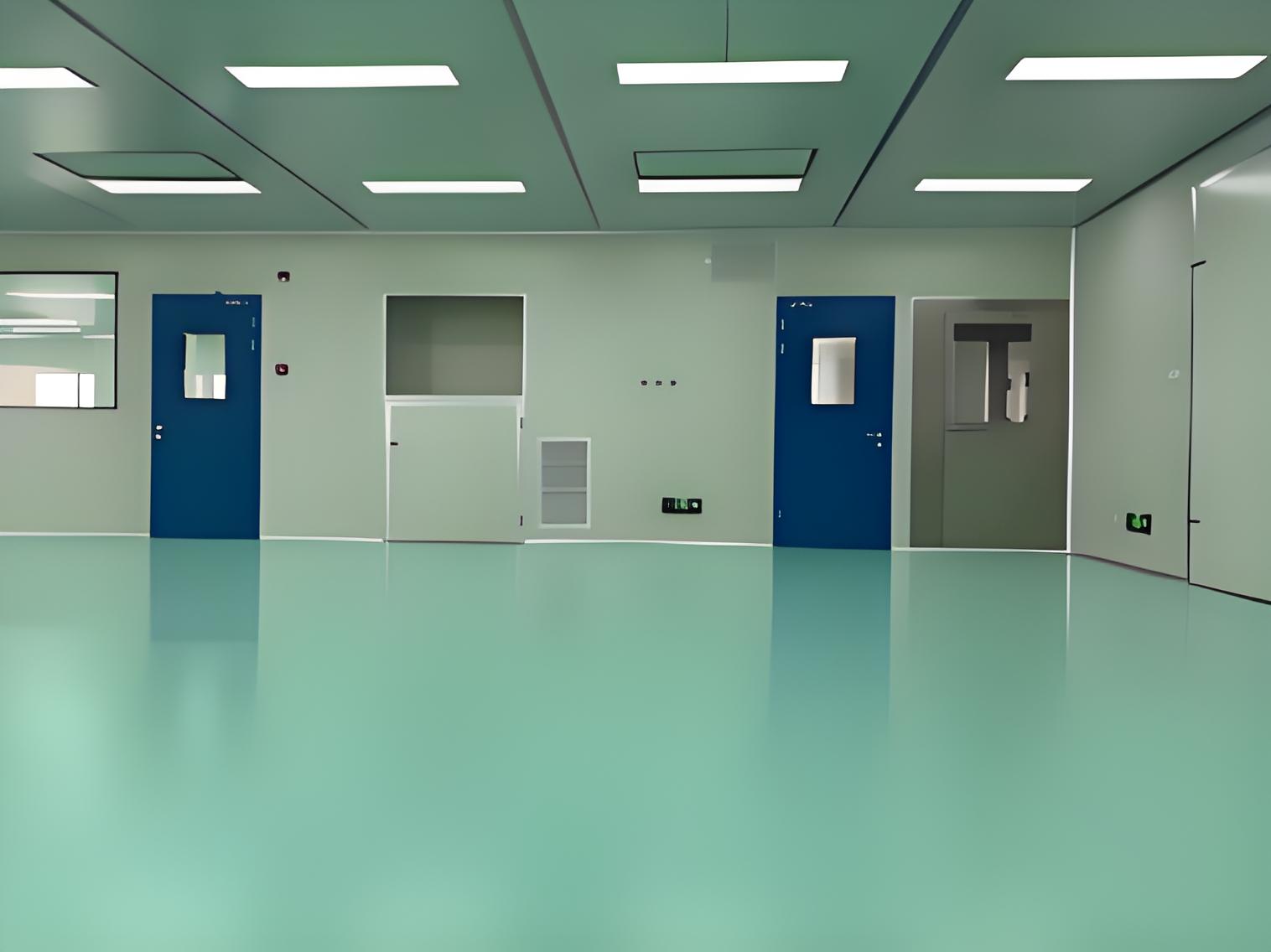
Floors: Seamless, poured epoxy or vinyl sheet flooring with coved bases that curve up the wall to eliminate sharp corners where dirt can accumulate.
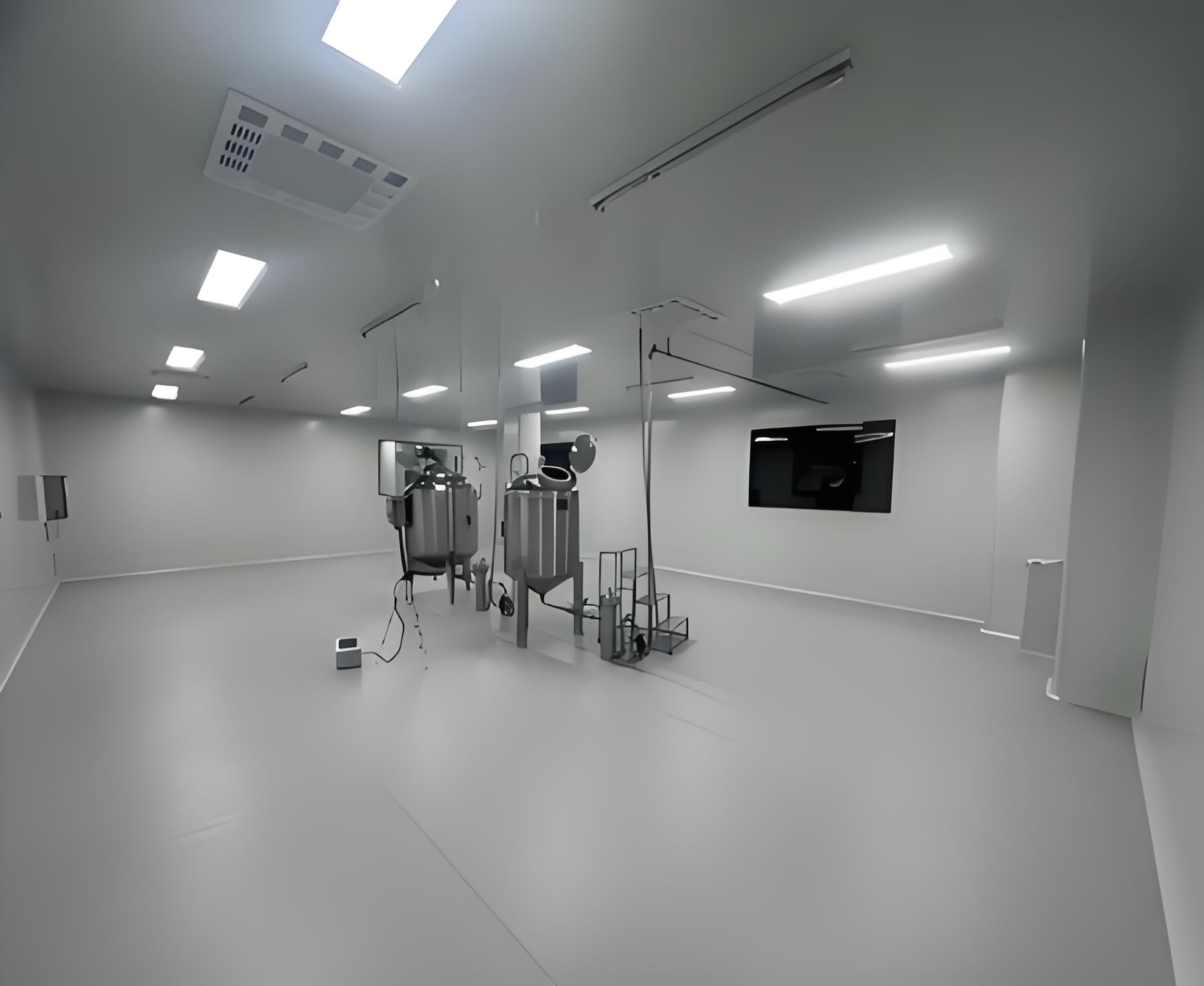
Ceilings: Typically a grid system supporting integrated light fixtures and HEPA filter modules, all designed to seal tightly and prevent particle bypass.
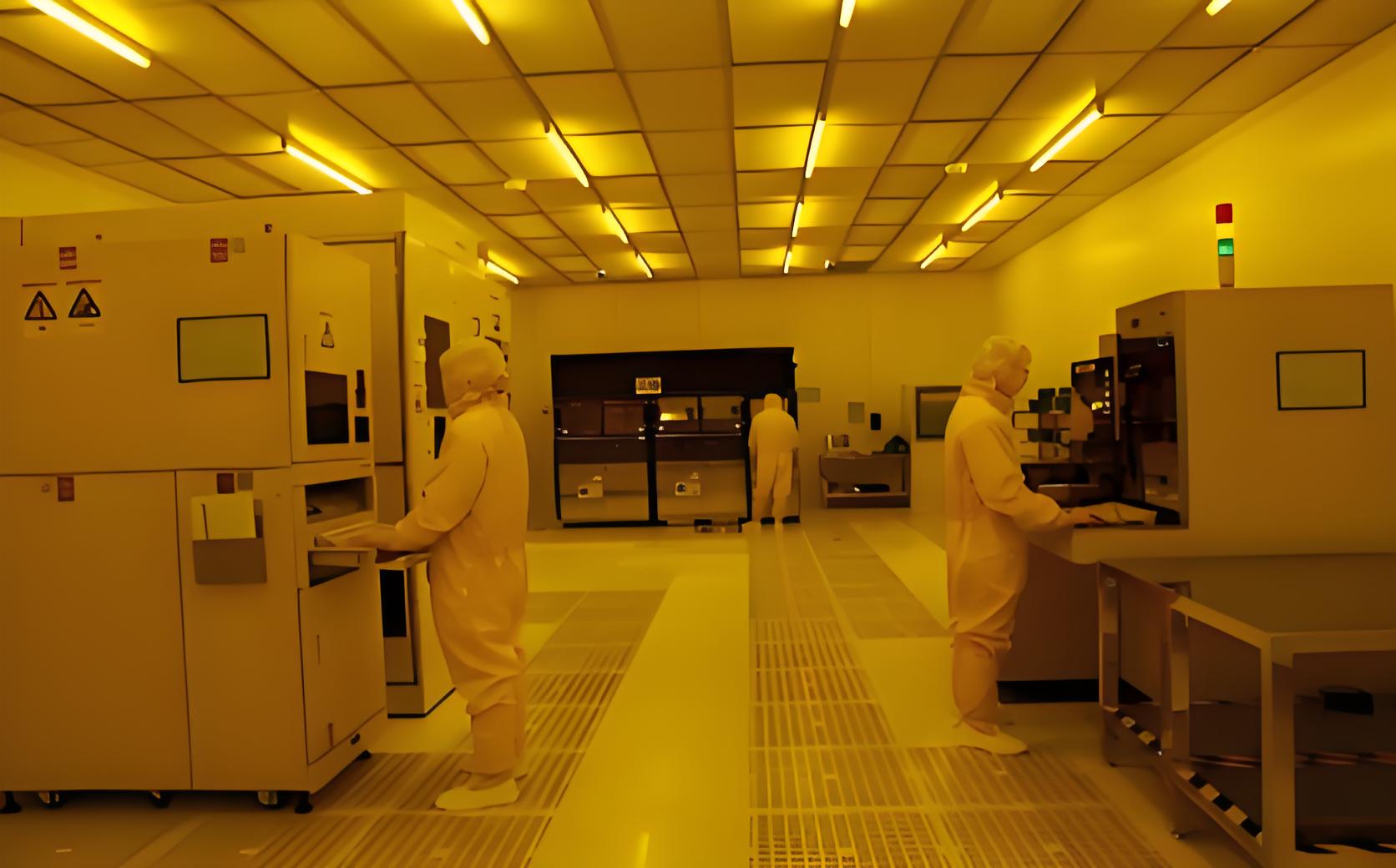
Personnel are consistently identified as the largest source of contamination in a cleanroom. Therefore, an intelligent Cleanroom design addresses human movement and behavior from the outset. This involves designing:
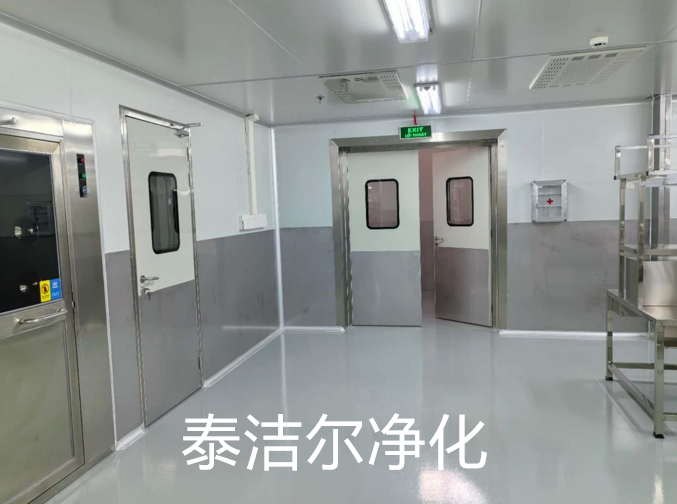
Personnel and Material Air Locks (PALs/MALs): These are transition chambers with interlocking doors, designed to prevent simultaneous opening and to "sweep" contaminants off surfaces and personnel via high airflow before they enter the core.
Unidirectional Workflow: The layout should promote a logical, one-way flow of materials, products, and personnel from lower-grade to higher-grade areas, minimizing cross-traffic and the potential for mix-ups or contamination.
Gowning Rooms: These areas must be designed with meticulous care, providing a staged environment for donning cleanroom garments. The airflow design in a gowning room is critical to prevent particulate from lower-grade gowning areas from being carried into the cleanroom.
The principles of Cleanroom design are adapted to meet the unique demands of various industries. For example, in industrial applications like precision manufacturing, controlling specific particle sizes is paramount. In the life sciences, the focus expands to include viable organisms (bacteria, fungi).
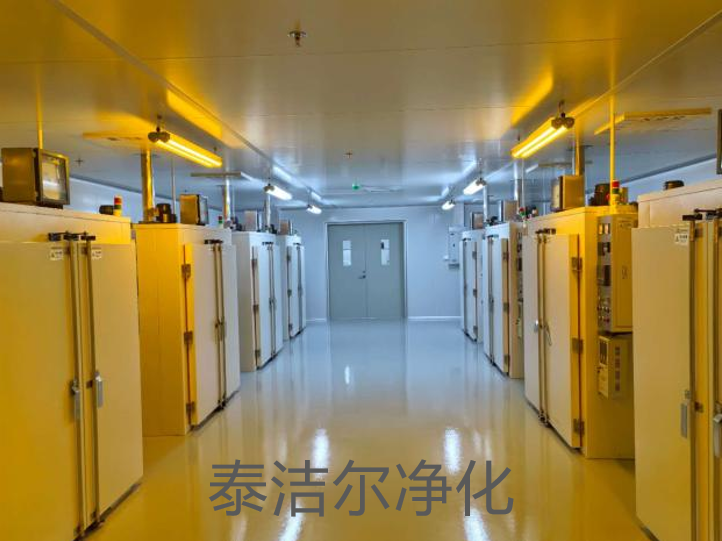
Consider a spray painting workshop for high-quality automotive or aerospace components. Here, the Cleanroom design must not only control dust but also manage solvent fumes and ensure a consistent, draft-free environment for a flawless finish. The clean air treatment system is integrated with the painting booth to provide vertical laminar flow, carrying overspray away from the part and into filtration systems. Companies like TAI JIE ER specialize in providing integrated solutions, demonstrating how robust Cleanroom design principles can be tailored to specific industrial processes like these, ensuring both product quality and operator safety. Their expertise in sterile and dust-free workshops highlights the importance of a holistic approach.
A Cleanroom design is not complete until it has been rigorously tested and proven to perform to its specifications. This follows a structured validation lifecycle, often aligned with the ASTM E2500 standard.
The process begins with a detailed User Requirement Specification (URS), which outlines the functional and performance needs. This feeds into the Design Qualification (DQ) phase, where the engineering drawings, specifications, and system descriptions are formally reviewed against the URS. A key component is a formal risk assessment (e.g., using Failure Mode and Effects Analysis - FMEA) to identify potential contamination risks and ensure the design incorporates appropriate controls.
Installation Qualification (IQ): Verifies that all components (fans, filters, panels, lights) are installed correctly and per the design specifications. This includes checking filter installation leaks and ductwork integrity.
Operational Qualification (OQ): Tests the system's operation under expected conditions. This includes verifying air change rates, pressure differentials, temperature and humidity control, and alarm functionality.
Performance Qualification (PQ): Demonstrates that the cleanroom consistently performs to its required cleanliness standards under "at-rest" and "operational" states. This involves comprehensive airborne particle counting and, for GMP facilities, microbiological air and surface sampling.
The complexity of modern Cleanroom design demands a partner with proven technical expertise and a track record of successful delivery. The chosen engineering team must navigate a maze of regulatory requirements, client-specific processes, and budget constraints. Their role is to translate operational needs into a compliant, functional, and maintainable facility.
When evaluating potential partners, look for demonstrated experience in your specific industry, a deep understanding of the latest ISO and GMP standards, and a commitment to quality throughout the project lifecycle. A partner like TAI JIE ER, for instance, brings a solutions-oriented approach to cleanroom design, integrating architectural, mechanical, and process expertise. Their work in sterile laboratories and dust-free workshops exemplifies how a holistic approach to engineering can deliver a facility that not only meets certification but also supports efficient, high-quality operations for the long term. Investing in a superior design from the outset minimizes future operational risks and ensures that the cleanroom remains a reliable asset.
Q1: What is the single most important factor in cleanroom design?
A1: While every component is critical, the HVAC system and its ability to deliver the required airflow, filtration, and pressurization is arguably the most fundamental. Without it, you cannot achieve or maintain the necessary cleanliness classification. However, a holistic approach that integrates architecture, material flow, and human factors is essential for true contamination control.
Q2: How do I choose the right cleanroom classification for my process?
A2: The classification is dictated by the sensitivity of your process to contamination. For aseptic pharmaceutical manufacturing, regulatory GMP grades (A/B) apply. For semiconductor manufacturing, it depends on the feature size. You should conduct a risk assessment based on the potential impact of particles on your final product. Consulting with industry experts and referencing ISO 14644-1 and relevant regulatory guidelines is the best course of action.
Q3: What is the difference between unidirectional and non-unidirectional airflow?
A3: Unidirectional (or laminar) airflow moves in a single, constant direction (usually downward) at a uniform velocity, effectively pushing particles out of the critical zone. It is used in higher-class areas (ISO 5 and cleaner). Non-unidirectional (or turbulent) airflow uses high air change rates to dilute and mix the air, capturing particles and carrying them to return ducts. It is common in ISO 6 to 8 cleanrooms.
Q4: How is a cleanroom's performance validated after construction?
A4: Validation follows a sequential process of Installation Qualification (IQ), Operational Qualification (OQ), and Performance Qualification (PQ). This involves testing everything from filter integrity and airflow patterns to particle counts, pressure differentials, and recovery times. For pharmaceutical cleanrooms, it also includes microbiological monitoring.
Q5: Can an existing facility be renovated to meet modern cleanroom standards?
A5: Yes, retrofitting is common. However, it often presents greater challenges than new construction, particularly regarding ceiling height for HVAC ductwork, floor loading, and structural vibrations. A thorough feasibility study and a creative engineering approach are required to integrate modern Cleanroom design principles into an existing building envelope.
Q6: What are the ongoing operational costs associated with a cleanroom?
A6: The primary operational cost is energy consumption, mainly from running the HVAC fans 24/7 and conditioning the large volumes of make-up air. Maintenance costs include periodic filter changes, calibration of monitoring instruments, and requalification. A well-optimized Cleanroom design can significantly reduce these long-term expenses through energy-efficient components and smart control strategies.