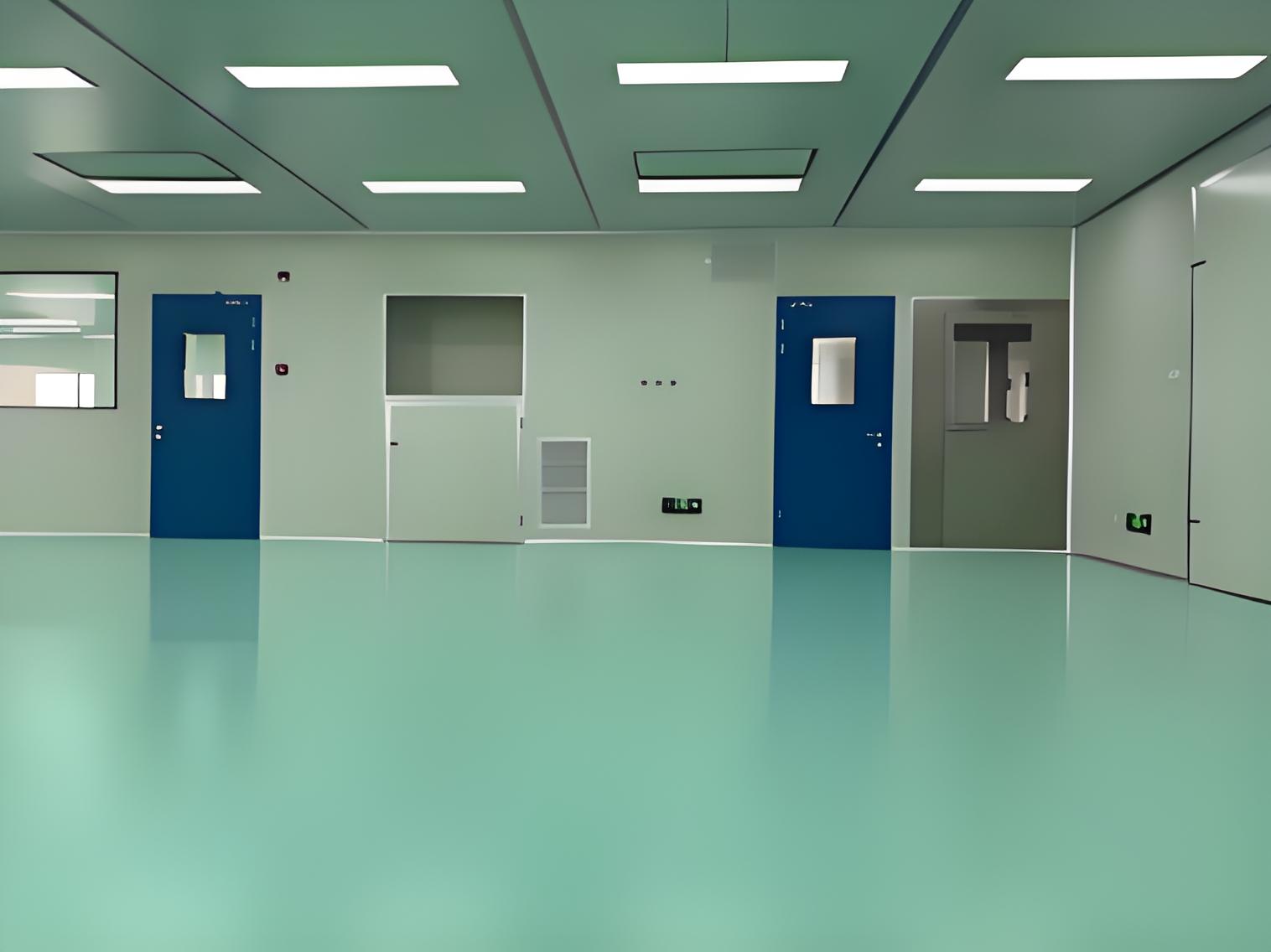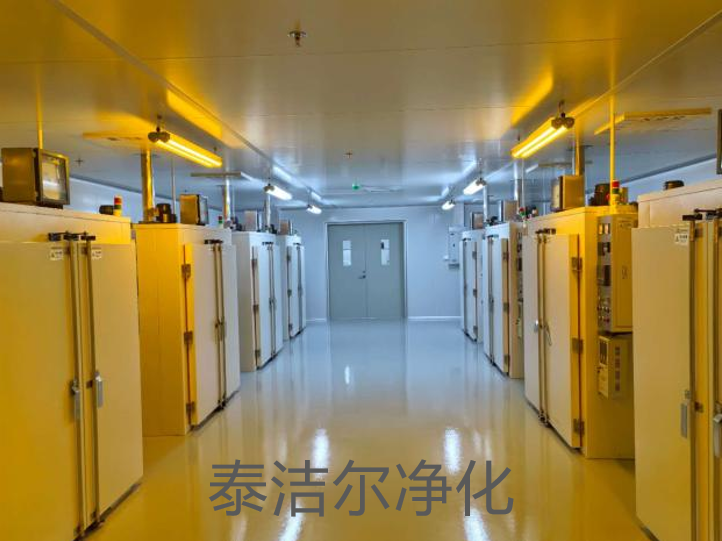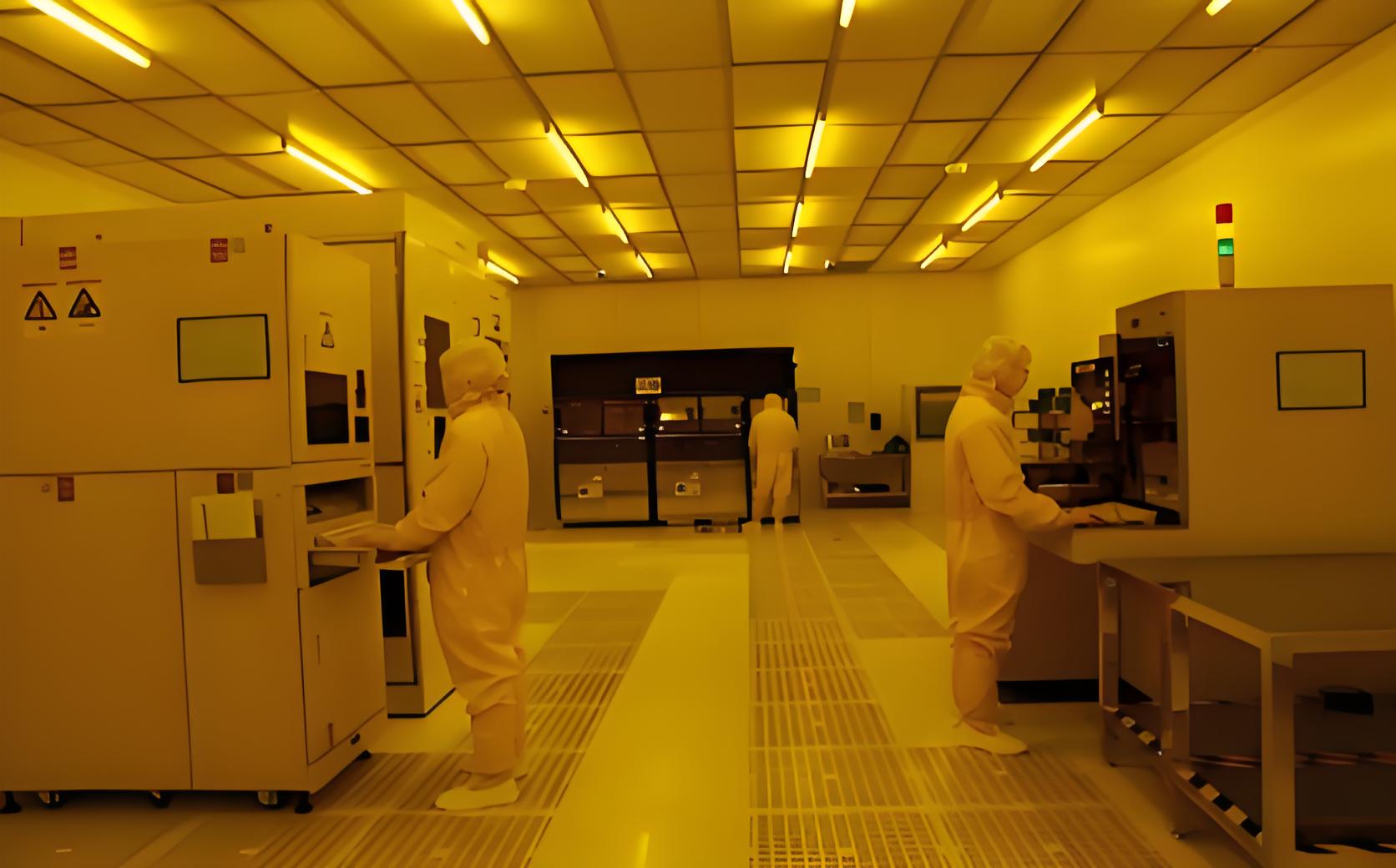

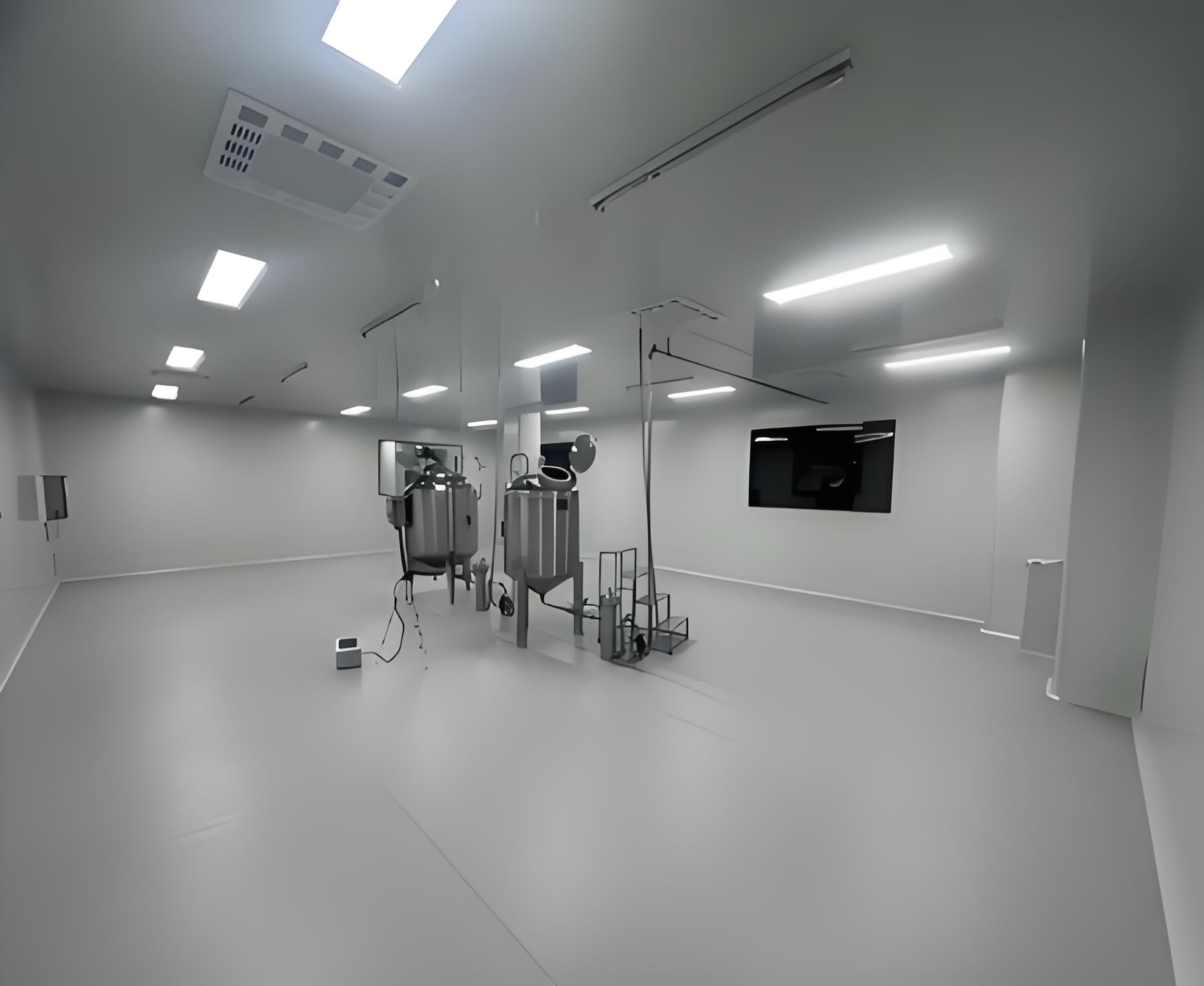
While the HVAC system is often considered the 'heart' of a cleanroom, the architectural finishes and construction detailing—collectively known as Cleanroom Engineering decoration—form its 'skin' and 'skeleton'. This crucial discipline bridges the gap between mechanical design and operational reality. A poorly executed interior finish can undermine even the most sophisticated air-handling system, creating hidden reservoirs for contamination and making effective cleaning impossible. This article provides a technical deep-dive into the principles, materials, and methodologies that define superior Cleanroom Engineering decoration, ensuring that the built environment actively supports, rather than hinders, contamination control.
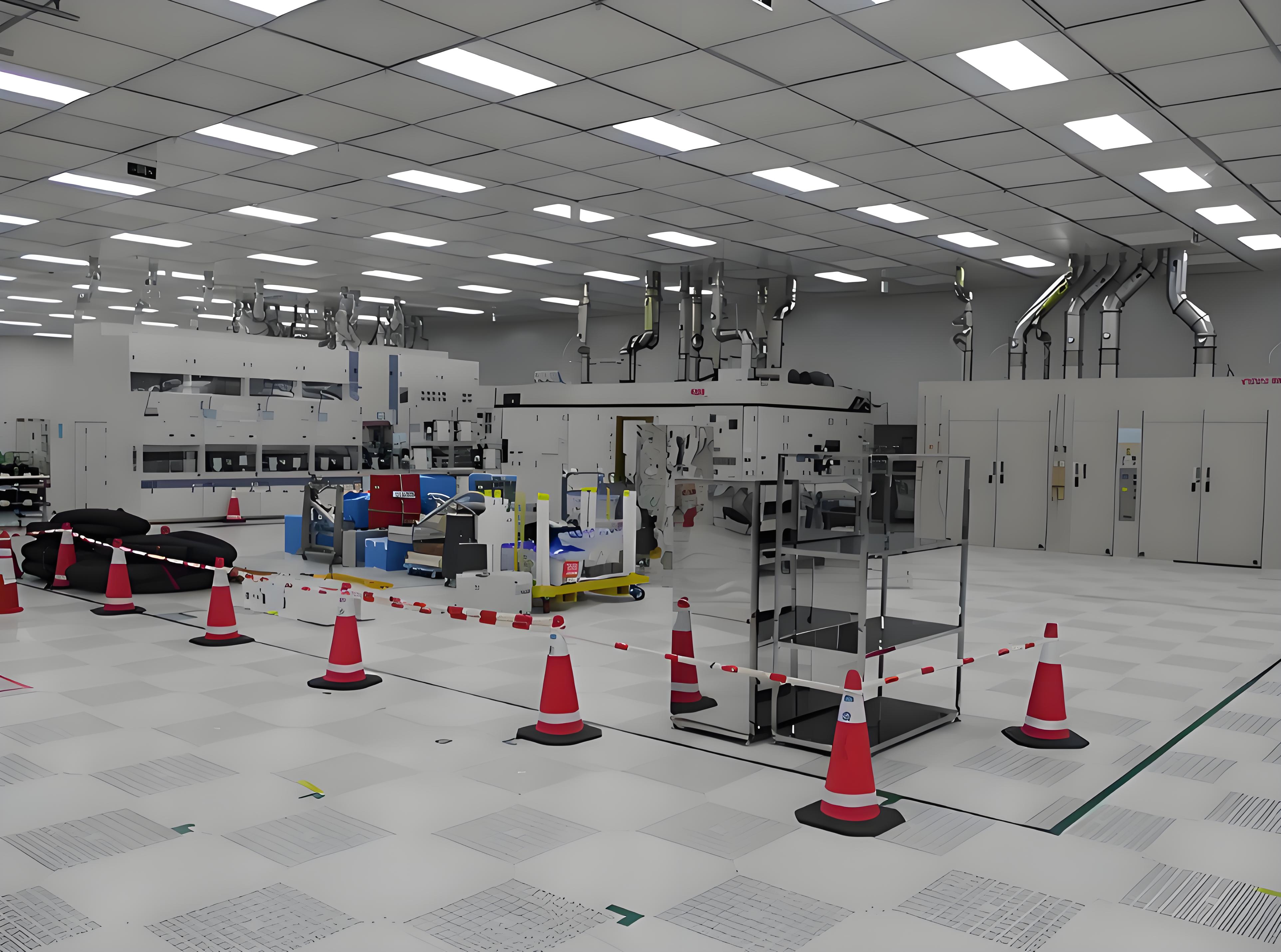
Cleanroom Engineering decoration is not interior design in the conventional sense. It is a performance-based engineering discipline focused on creating a monolithic, non-shedding, and easily cleanable barrier between the classified space and the structural building. Every joint, surface, and penetration must be meticulously detailed to eliminate particle generation and accumulation points. The primary objectives are to create surfaces that are:
Non-Particulating: Materials must not shed fibers, flakes, or particles due to wear, vibration, or impact.
Chemically Resistant: They must withstand repeated exposure to harsh cleaning agents, disinfectants, and, in some cases, process chemicals.
Impervious and Smooth: Surfaces should have no pores, cracks, or crevices where microorganisms or particles can lodge and proliferate.
Easily Sealable: The entire room envelope, from wall-to-floor joints to light fixture penetrations, must be capable of being sealed to contain airflow and prevent bypass.
The selection of materials is the first critical decision in any Cleanroom Engineering decoration project. The choices must align with the cleanroom classification, the specific processes involved, and the cleaning regimen.
The envelope of the cleanroom is typically constructed using one of two primary methods, each with distinct implications for decoration.
Modular Panel Systems: These are prefabricated panels, often with a core material (e.g., honeycomb, phenolic, or mineral wool) sandwiched between facings of painted steel, stainless steel, or aluminum. The key advantage lies in the precision of manufacture. Cam-lock or similar joining systems create tight, flush seams. The engineering decoration challenge here is the sealing of these vertical joints. High-quality systems use specialized gaskets or applied sealants (e.g., medical-grade silicone) that are smooth and resistant to cleaning agents to ensure continuity of the cleanable surface.
Stick-Built (Drywall) Construction: This traditional method involves constructing the room from materials like gypsum board, which is then finished with a smooth coating. The critical steps here are the taping, mudding, and sanding of joints, followed by the application of a specialized, two-pack epoxy or polyurethane coating. This creates a seamless, monolithic surface. The challenge is ensuring the substrate is perfectly smooth and that the coating is applied at the correct thickness (typically 250-300 microns) without pinholes or imperfections. This method offers flexibility but requires highly skilled labor for a compliant finish.
The floor is the most mechanically abused surface in a cleanroom. Cleanroom Engineering decoration for floors must address durability, chemical resistance, and seamless integration with walls.
Seamless Resin Flooring: Epoxy, polyurethane, or methyl methacrylate (MMA) resin systems are the industry standard. They are applied as a liquid and cure to form a jointless, monolithic membrane. Key specifications include:
Conductivity: In areas with electronic or explosive hazards, static-dissipative or conductive resin floors are required, with specific resistance values (e.g., 10⁶ to 10⁹ ohms).
Slip Resistance: While smoothness is paramount for cleanability, some level of aggregate may be added to meet safety slip coefficients without compromising the surface's non-porosity.
Vinyl Sheeting: Homogeneous or heterogeneous vinyl sheet goods, heat-welded at the seams, provide a robust and resilient surface. The heat-welding process creates a sealed, rounded seam that is superior to adhesive-only seams. The coving—where the floor material is turned up the wall to form a curved, seamless base—is a critical detail in Cleanroom Engineering decoration, eliminating the right-angle corner where dirt accumulates.
Perhaps the most defining feature of professional Cleanroom Engineering decoration is the attention paid to transitions and penetrations. The junction between wall and floor is not simply a caulked corner; it is a cove, a curved surface with a radius (typically 50mm or 100mm) that allows for easy cleaning and prevents particle accumulation. Similarly, every penetration for a light fixture, electrical socket, or data port must be sealed with flush-fitting plates and appropriate sealants that are smooth and non-shedding. In modular systems, specialized trim pieces are used to cap edges and create clean transitions. For instance, a company like TAI JIE ER, with its extensive experience in biomedical and electronic cleanrooms, demonstrates how these meticulous sealing details are essential for delivering a facility that meets both ISO classifications and operational hygiene requirements. Their project portfolio showcases the integration of these principles across various industries.
The application of Cleanroom Engineering decoration principles varies significantly across industries. The choice of materials and detailing is driven by the specific contaminants of concern.
In these environments, the primary focus is on microbial control and prevention of cross-contamination. Materials must be resistant to aggressive disinfectants like sporicidal agents (e.g., hydrogen peroxide vapor, peracetic acid). Stainless steel is often preferred for workstations and critical zones. Wall and ceiling finishes must be pinhole-free to prevent microbial harborage. Coving must be perfectly sealed to withstand repeated washing and flooding of floors during sanitation. The entire engineering decoration solution must facilitate a validated cleaning process.
Here, the enemy is sub-micron particles that can destroy circuitry. The focus is on minimizing particle generation from all surfaces. Materials must be non-shedding and often anti-static to prevent electrostatic discharge (ESD) damage. Epoxy floors are typically conductive. Wall panels may have specialized smooth finishes that do not generate particles from friction. Vibration control, integrated into the floor and wall construction, is also a key consideration in the decoration phase.
Cleanrooms in this sector must withstand high-pressure washing, hot water, and specific cleaning chemicals. The Cleanroom Engineering decoration must focus on watertight seals to prevent water ingress behind panels, which could lead to microbial growth (biofilms). Stainless steel is common for lower wall sections (splash zones), and flooring systems must be capable of withstanding thermal shock and have sufficient slip resistance in wet conditions.
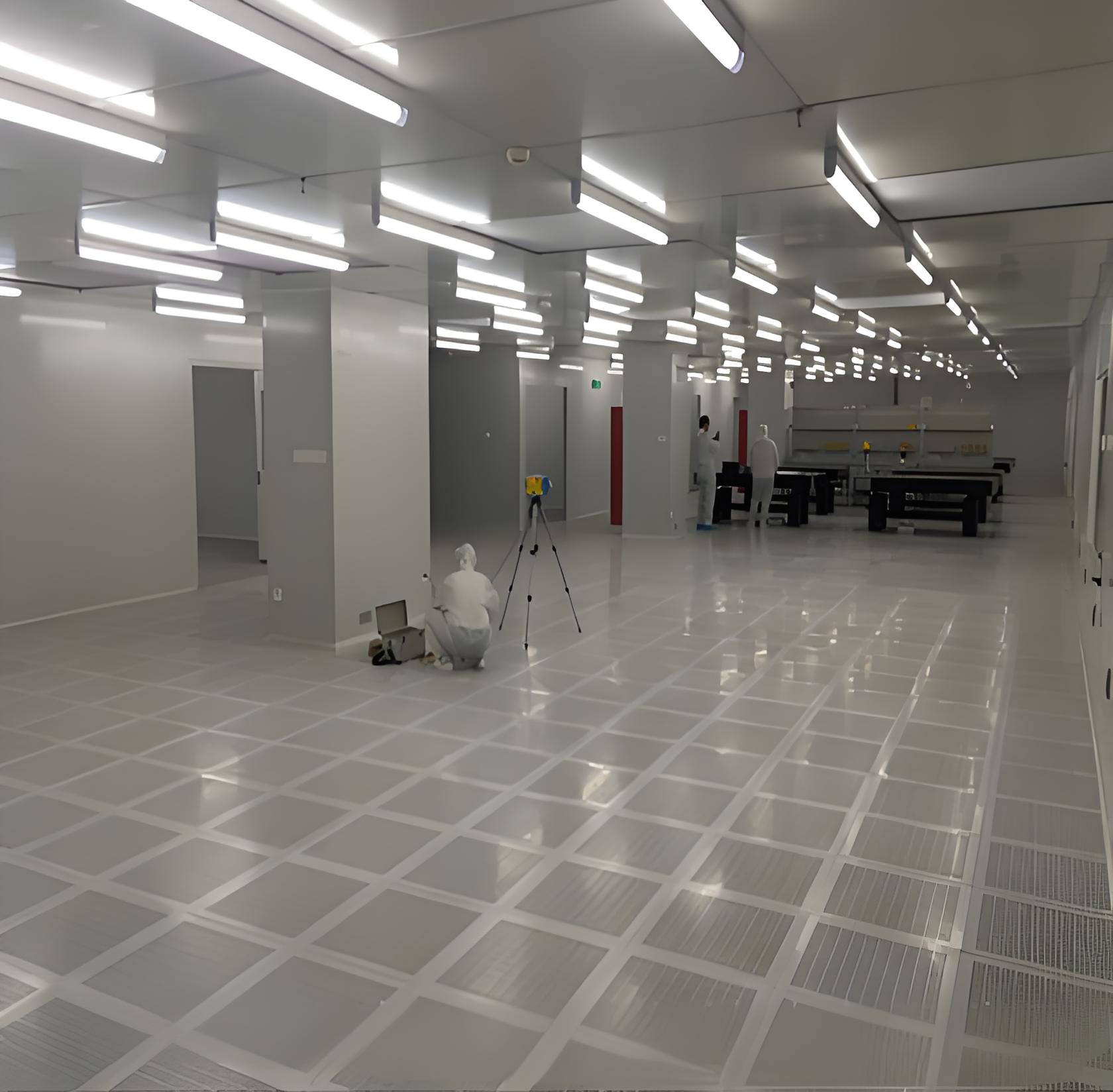
The execution of Cleanroom Engineering decoration requires a strict construction protocol. Work sequencing is critical; for example, the installation of wall panels and ceilings must often precede the final, cleanable floor coating to allow for sealing at the base. The construction process itself must be managed to prevent soiling of the new surfaces. This often involves a phased clean-down of the area as construction progresses.
The final verification of the decoration work falls under Installation Qualification (IQ) and Operational Qualification (OQ) protocols. This includes:
Visual Inspections: Checking for surface imperfections, pinholes in coatings, and completeness of seals.
Light Leak Testing: For modular panels, ensuring joints are light-tight as a proxy for air tightness.
Surface Resistance Testing: Verifying that ESD flooring meets specified conductivity parameters.
Cleanability Studies: In some cases, validating that the surface can be effectively cleaned of a designated contaminant.
Partnering with an experienced engineering firm is paramount. A provider like TAI JIE ER brings integrated knowledge of both mechanical systems and architectural finishes, ensuring that the Cleanroom Engineering decoration is not an afterthought but a core component of a holistic, compliant, and functional cleanroom solution. Their one-stop service model, covering everything from initial design to final validation, helps mitigate the risks associated with poor interface management between different trades, delivering a facility that is truly built for its purpose.
Q1: What is the difference between standard construction and Cleanroom Engineering decoration?
A1: Standard construction focuses on aesthetics and structural integrity. Cleanroom Engineering decoration is performance-driven, focusing on creating a monolithic, non-shedding, and easily cleanable environment. It involves specific material selection (e.g., epoxy coatings, cleanroom panels), meticulous detailing (e.g., coving, sealed penetrations), and strict construction protocols to prevent contamination, all aimed at meeting ISO/GMP certification requirements.
Q2: What is coving and why is it so important?
A2: Coving is a curved, sealed junction where the floor meets the wall, replacing the standard 90-degree corner. Its importance lies in eliminating a dirt trap and a difficult-to-clean area. The smooth, curved radius allows for easy, thorough cleaning with mops or wipes and prevents the accumulation of particles and microbial growth at this critical interface.
Q3: Can I use epoxy paint instead of a full resin flooring system?
A3: For any classified cleanroom (ISO 8 and cleaner), a full, multi-layer resin flooring system (epoxy, polyurethane, or MMA) is required. Epoxy paint is typically too thin (around 50-100 microns) and prone to pinholes, cracking, and peeling under the heavy wear and chemical exposure of a cleanroom environment. A proper resin system is applied at 2-3mm thickness, creating a durable, seamless membrane.
Q4: How are joints between modular wall panels sealed properly?
A4: Proper sealing depends on the panel system design. High-quality systems use cam-lock mechanisms to pull panels tightly together, often with an integrated gasket. The joint line is then typically finished with a smooth, tooled bead of cleanroom-compatible, biocide-free silicone or polyurethane sealant that is flush with the panel surface to prevent ledges. This sealant must be resistant to the facility's cleaning agents.
Q5: What does 'ESD flooring' mean, and when is it necessary?
A5: ESD (Electrostatic Discharge) flooring refers to floor systems (resin or vinyl) with controlled electrical resistance, designed to safely dissipate static charges from personnel and equipment. It is necessary in environments handling sensitive electronic components (to prevent damage) or flammable materials (to prevent ignition). It is typically specified as either static-dissipative (10⁶ to 10⁹ ohms) or conductive (10⁴ to 10⁶ ohms).
Q6: How do I ensure that the chosen decoration materials are compatible with my cleaning agents?
A6: This must be verified during the design phase. You should provide your engineering partner, such as TAI JIE ER, with a list of all chemicals that will contact the surfaces (disinfectants, sporicides, process chemicals). The partner can then source materials with documented chemical resistance data or conduct coupon testing, where samples of the proposed flooring, wall panels, and sealants are exposed to the chemicals to check for any adverse reaction like discoloration, softening, or cracking.