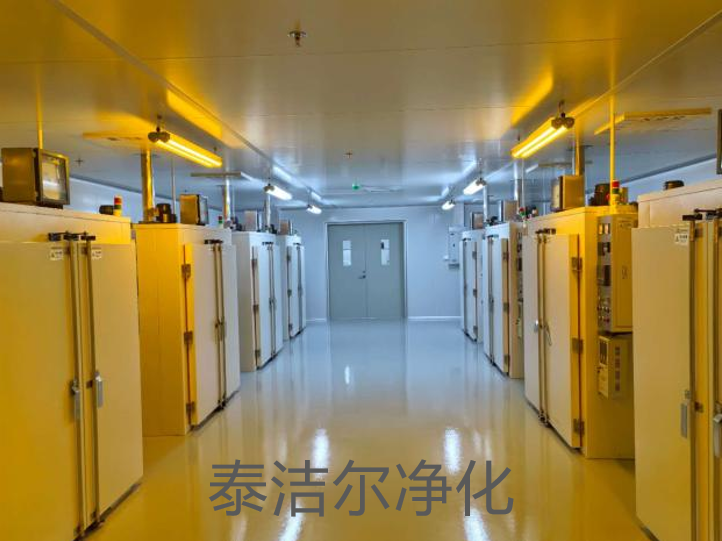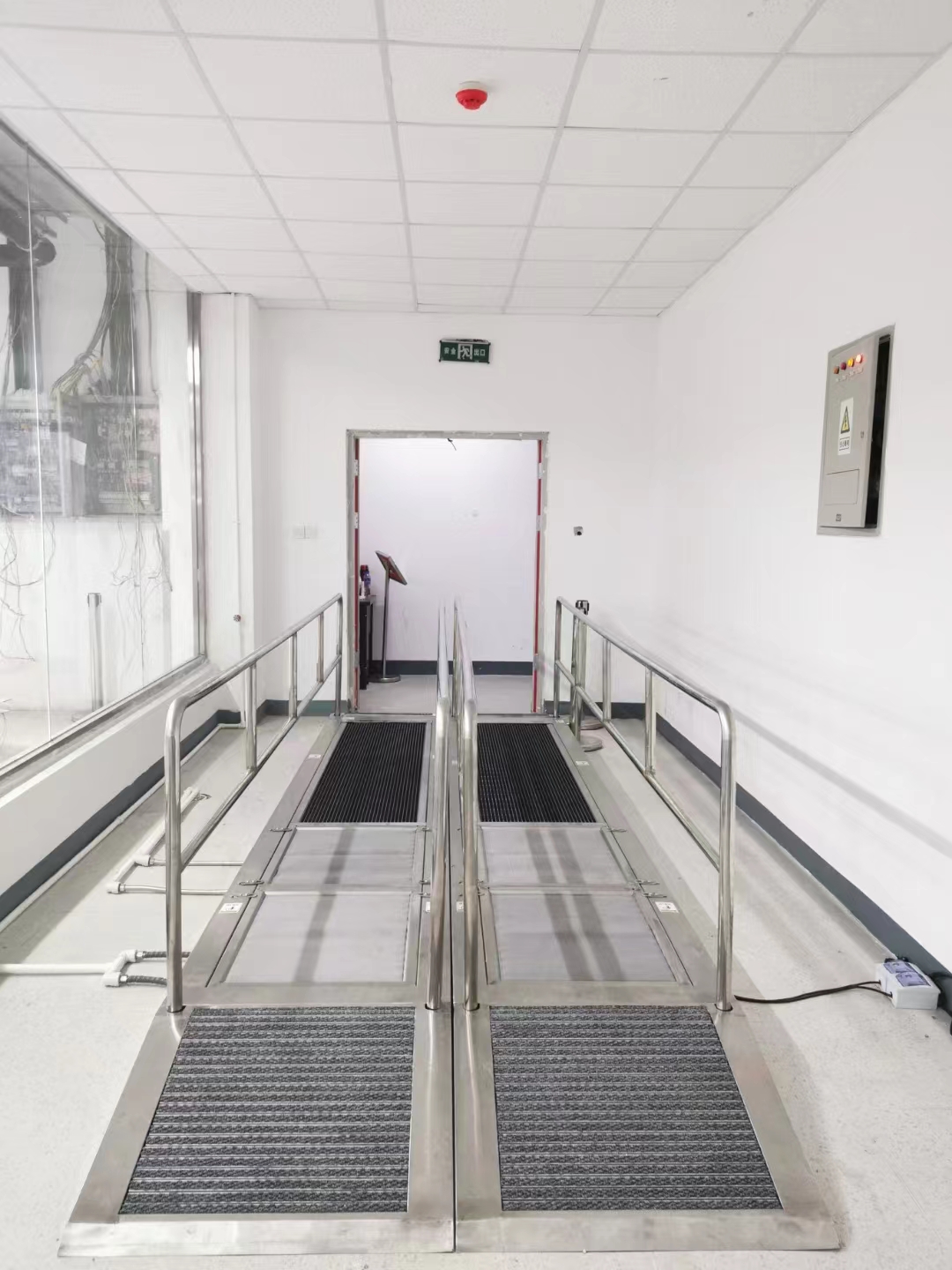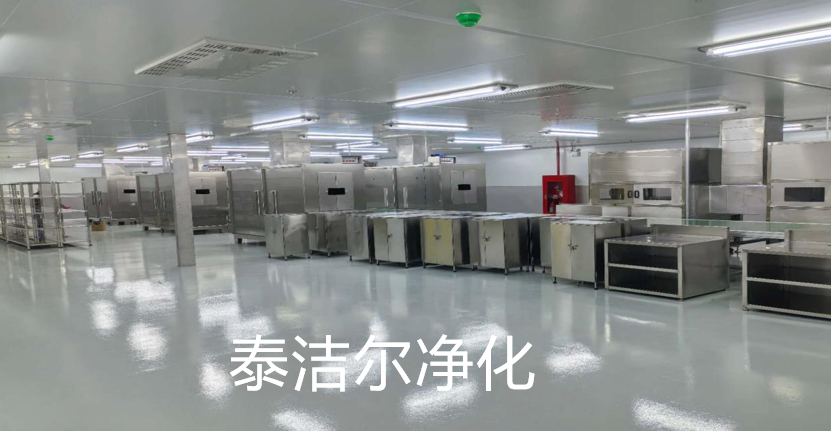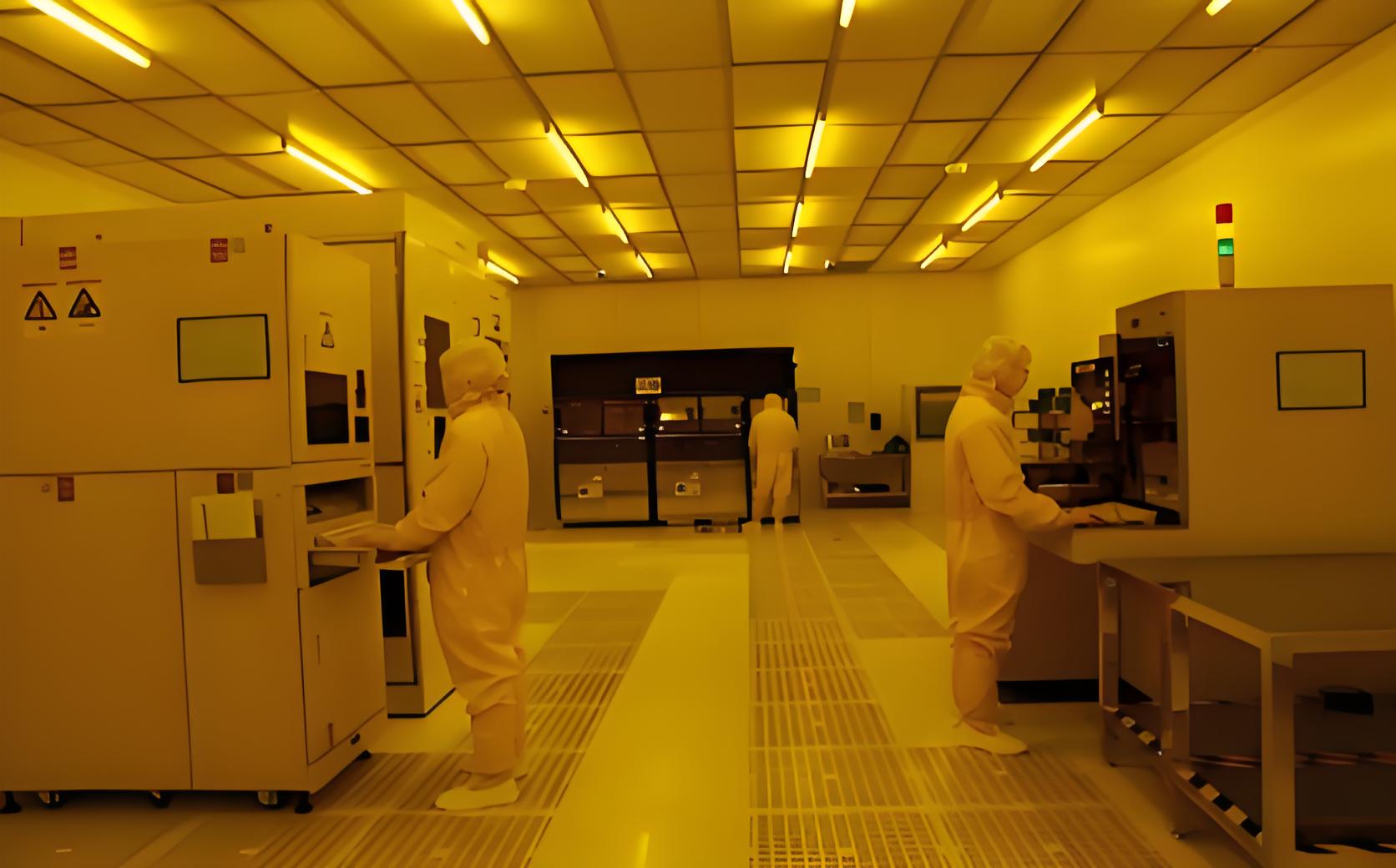
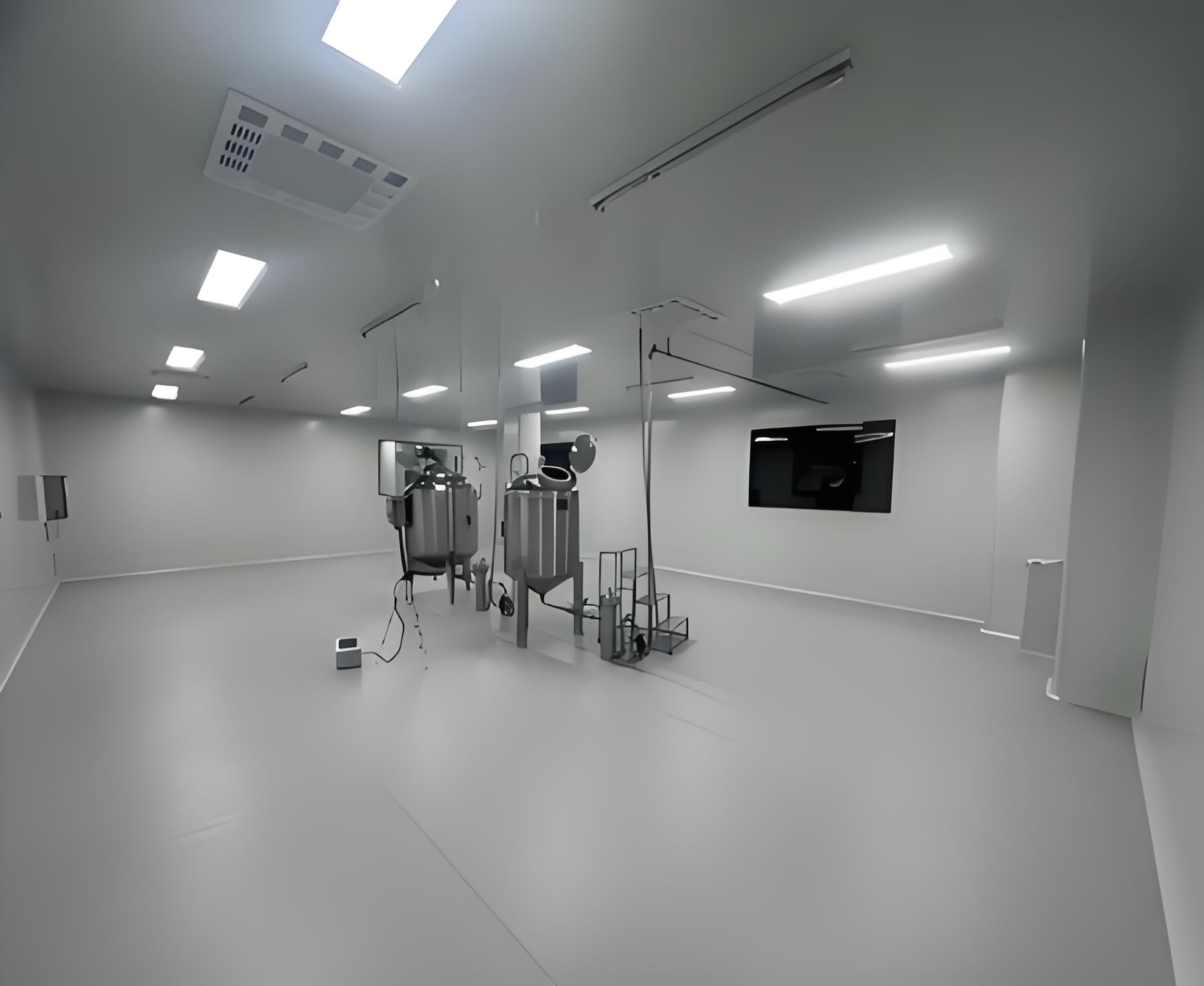
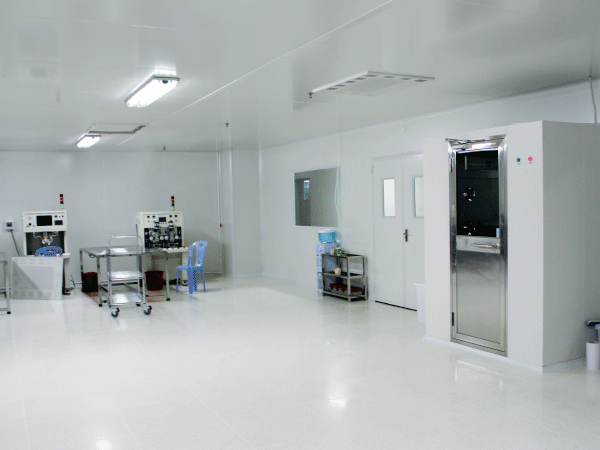

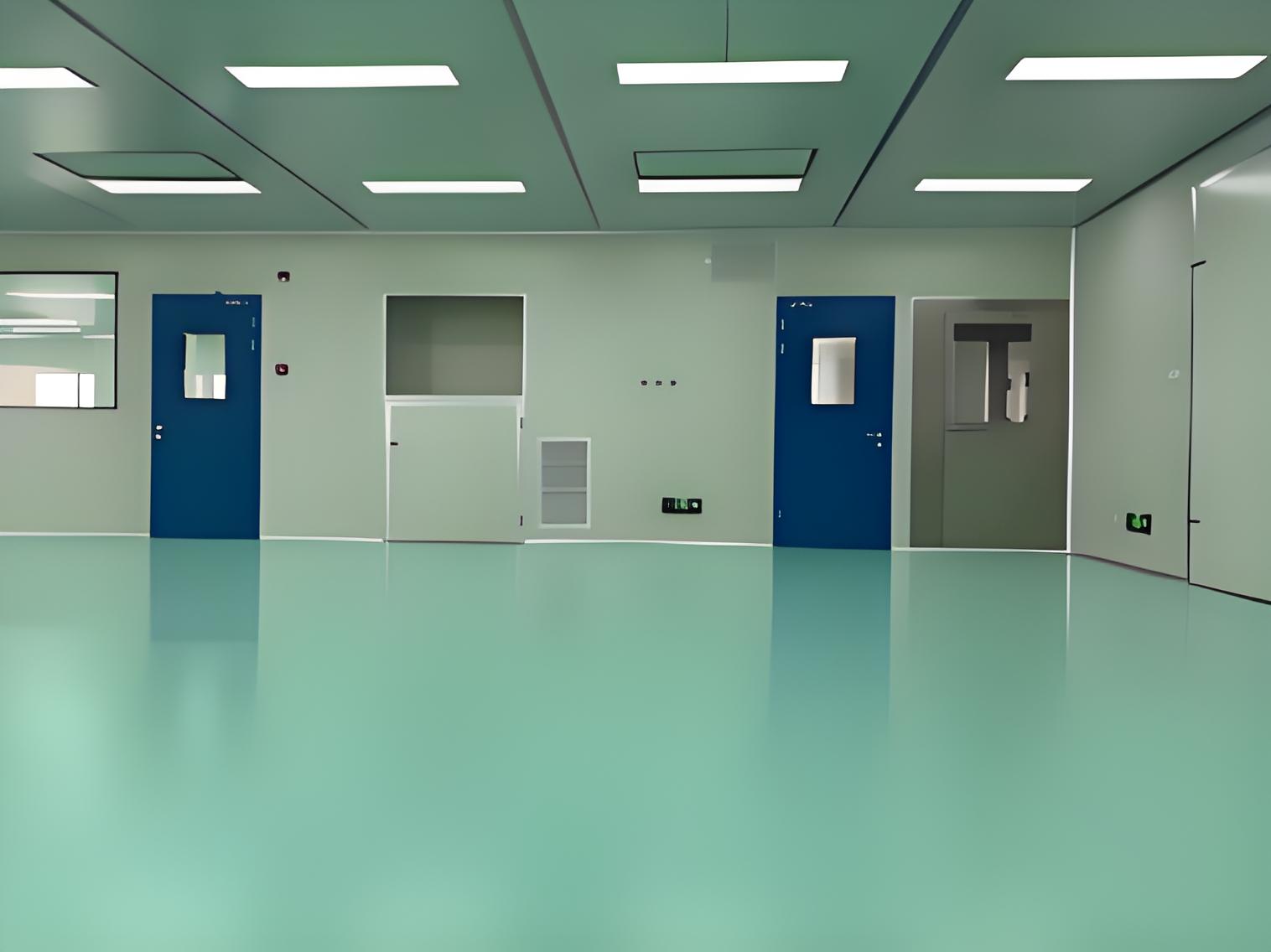
In high-stakes environments—semiconductor fabs, biopharma aseptic filling, or medical device assembly—the difference between batch acceptance and catastrophic recall often traces back to one variable: Cleanroom Engineering decoration. Unlike standard interior construction, this discipline demands holistic control over substrate outgassing, joint leakage, static dissipation, and microbial harborage. Over the past 12 years, TAI JIE ER has executed more than 240 turnkey cleanroom projects, demonstrating that decoration directly influences operational efficiency, validation costs, and long-term particle generation. This guide delivers data-driven specifications, material science insights, and field-tested solutions for engineers, facility managers, and project owners.
Effective Cleanroom Engineering decoration transcends aesthetic finishing. It integrates three non-negotiable pillars: surface non-shedding behavior, chemical resistance to frequent sanitization, and structural integrity under HEPA-filtered air changes. Every panel joint, coving radius, and fastener location becomes a potential contamination source if not engineered for cleanroom classification (ISO 5–ISO 8).
Standard construction materials like unfinished gypsum or uncoated steel release millions of particles >0.5 µm per minute per square meter—unacceptable even for ISO 8. High-performance cleanroom decoration requires low-particle-generating substrates: factory-laminated melamine panels, epoxy-finished aluminum honeycomb, or seamless polyurethane cementitious toppings. Joints must use in-situ gaskets or welded vinyl sheets. Data from controlled chamber tests indicate that a single improperly sealed 2 mm gap can raise particle counts by 300% within a 20 m³ volume over 8 hours.
While biopharma focuses on microbial ingress, microelectronics fears ionic contamination. Both demand coved corners (minimum 50 mm radius), flush-mounted electrical outlets, and recessed light fixtures. Contact us for customized details on radius wall systems. The decoration layer must withstand daily wipe-downs with 70% IPA, VHP, or 6% hydrogen peroxide without delamination. Recent failure analysis of 34 pharma cleanrooms revealed that 41% of surface defects originated from poor edge sealing around pass-through boxes and fire-rated doors.
Selecting compatible, certified materials is the backbone of any successful Cleanroom Engineering decoration project. Below are proven specifications based on ISO 14644-1 and EU GMP Annex 1.
Core options: Non-combustible mineral wool (class A1), aluminum honeycomb (lightweight for modular cleanrooms), or 50 mm PU foam (high thermal resistance).
Surface laminate: ≥0.8 mm reinforced polyester (RFP) or high-pressure laminate (HPL) with anti-static properties (10⁶–10⁹ Ω).
Joint design: Cam-lock interlocking with EPDM gaskets, achieving ≤0.1% leakage under 250 Pa pressure differential.
Flooring represents the highest wear zone. Epoxy self-leveling systems offer hardness (Shore D >80) but can crack under dynamic loads. Polyurethane cement (PUR-C) provides flexibility and thermal cycling resistance (-40°C to +120°C), ideal for aseptic processing. Homogeneous vinyl sheet with welded seams remains popular for electronics cleanrooms (ISO 6–ISO 8) due to quick installation and electrostatic discharge (ESD) control (≤10⁹ Ω). Ensure the flooring cove extends 100 mm up the wall, heat-welded to eliminate crevices.
Modular cleanroom ceilings must support FFU (fan filter unit) weights (typically 35–50 kg per unit) while maintaining airtightness. Powder-coated steel grid systems with epoxy-sealed cross tees are common. For ISO 5 zones, laminar flow ceilings require non-shedding anodized aluminum frames and laser-cut gasket seats. Any penetration (sprinkler heads, sprinkler drops) must use sanitary compression seals, not silicone caulk, which outgasses VOCs and traps moisture.
Even with robust material selection, poor execution leads to chronic operational failures. Below are three frequent pain points with validated countermeasures from TAI JIE ER project archives.
Standard L-shaped aluminum profiles allow particle accumulation and air bypass. Solution: specify monolithic coving with factory-fabricated 90° curved inserts. During installation, apply continuous seamless PU sealant (non-cracking, low outgassing) and verify with smoke tracing under fan pressurization. In one biologics facility, this approach reduced perimeter leakage from 2.5% to 0.08%.
Many painted steel panels fail after 200 cycles of 0.5% peracetic acid. Solution: specify phenolic core panels with chemical-resistant coating (tested to 1,000 wipe cycles). Alternatively, use solid polypropylene sheets (5–8 mm thick) for high-exposure zones like pass-through hatches. Always request third-party test reports (ASTM D1308) for chemical resistance.
In electronics cleanrooms, static discharge destroys microchips. Standard HPL generates 5–10 kV. Solution: install carbon-impregnated vinyl wall coverings or conductive epoxy paint achieving surface resistivity 10⁵–10⁸ Ω. Connect to grounding points every 10 m. Cleanroom Engineering decoration must include full static control verification using a surface resistance meter.
After completion, decoration work must undergo rigorous testing before handover. Core procedures include:
Airborne particle count (ISO 14644-1): static and dynamic tests at 0.5 µm and 5.0 µm.
Room pressurization decay test: seal all openings, pressurize to 50 Pa, measure pressure loss over 20 min (acceptable <5 Pa).
Surface particle adhesion test: use adhesive tape on walls/ceilings (max 10 particles/cm²).
Microbial surface monitoring: contact plates or swabs (≤1 CFU/25 cm² for Grade A zones).
TAI JIE ER includes a 24-month warranty on all decoration seam integrity, backed by post-validation support. Documentation packages contain full material traceability, weld inspection logs, and thermal imaging for hidden delamination.
Initial material costs for Cleanroom Engineering decoration often mislead owners. Premium systems (e.g., welded vinyl coving + phenolic walls) cost 30–40% more upfront but reduce requalification frequency by 60% and extend surface life beyond 15 years. In contrast, budget painted gypsum may require recoating every 3 years, causing production stoppages. Perform a 10-year total cost analysis: include requalification labor, lost output (estimated $2,500–$5,000 per hour in pharma), and cleaning chemical compatibility.
Q1: What is the difference between standard industrial finishing and cleanroom engineering decoration?
A1: Standard finishing prioritizes aesthetics and basic durability, while cleanroom engineering decoration focuses on non-particle shedding, airtight joints, chemical resistance, and cleanability. Every material—from sealant to fastener—must meet ISO 14644-4 guidelines for construction and startup. For example, standard drywall joints crack under pressure cycling, whereas cleanroom panels use interlocking gaskets and sealed splines.
Q2: Which wall material is best for an ISO 7 biopharma cleanroom?
A2: For ISO 7 (Class 10,000), a 50 mm aluminum honeycomb panel with reinforced polyester laminate (RFP) provides excellent strength-to-weight ratio and passes VHP resistance. Alternatively, epoxy-coated steel panels with baked-on finish work if no repeated steam exposure. Avoid raw stainless steel because welding induces surface porosity. Contact our engineering team for material swatch comparisons.
Q3: How often should cleanroom decoration surfaces be inspected for defects?
A3: Perform visual inspection monthly for cracks, peeling, or discoloration. Conduct full particle adhesion tests quarterly in high-risk zones (Grade A/B). Replace any damaged panel or seal within 48 hours; postponing repairs leads to biofilm formation or particle excursion. For semiconductor fabs, implement daily static discharge checks on floor/wall connections.
Q4: Can I use standard silicone caulk for cleanroom joint sealing?
A4: No—standard silicone releases acetic acid (outgassing) during cure, which contaminates surfaces and may corrode sensitive electronics. Use only neutral-cure, low-VOC, USP Class VI silicone or polyurethane hybrid sealants. All sealants must be tested for particle generation (≤1 particle/cm² after 24h). Cleanroom engineering decoration specifications should explicitly forbid conventional construction adhesives.
Q5: What validation documents prove decoration compliance before FDA/EMA audit?
A5: Critical documents include: material certificates (3.1 EN 10204), weld/seam log with operator qualification, air tightness test report (pressure decay or blower door), surface roughness readings (Ra ≤0.8 µm for product-contact areas), and electrostatic dissipation map. TAI JIE ER provides a turnkey validation dossier matching your cleanroom class and regulatory framework (cGMP, ISO, or FED-STD-209E).
Q6: How does modular cleanroom decoration compare to stick-built construction?
A6: Modular systems using pre-engineered panels reduce on-site cutting and dust generation by 80% compared to stick-built. They also allow easier reconfiguration. However, stick-built enables irregular shapes and integrated underfloor air returns. For most projects below ISO 6, modular cleanroom engineering decoration offers faster installation (4–6 weeks vs. 12–16 weeks) and lower validation risk due to factory-assembled joints.
Implementing a robust Cleanroom Engineering decoration strategy demands expertise in material science, contamination control, and regulatory pathways. TAI JIE ER combines over a decade of specialized engineering with turnkey project management—from design verification to final certification. Explore our technical library or request a consultation to discuss your ISO class, cleanroom layout, and budget constraints.