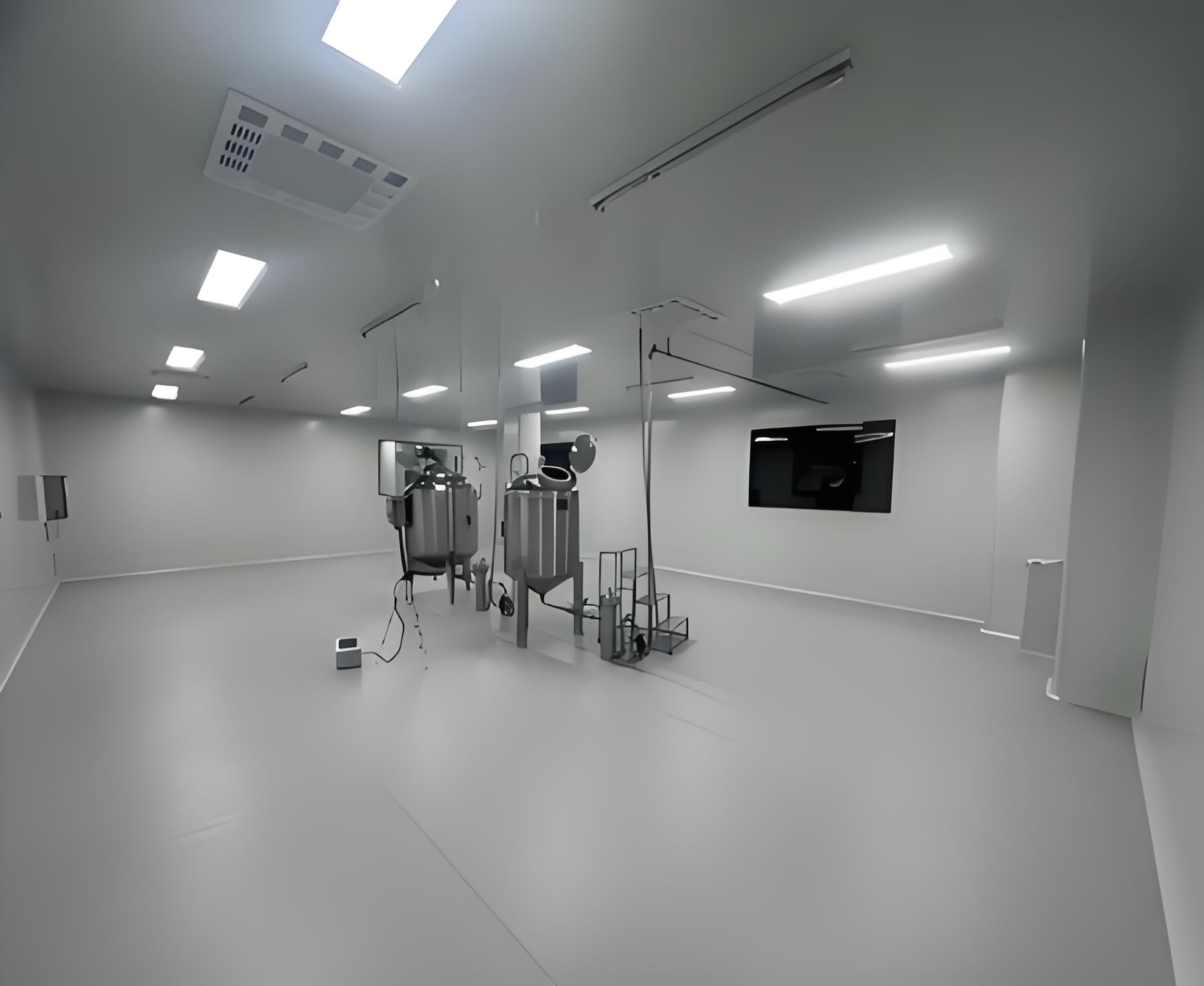
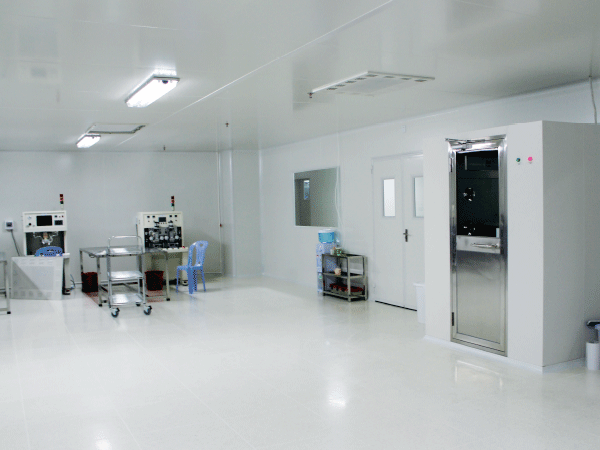

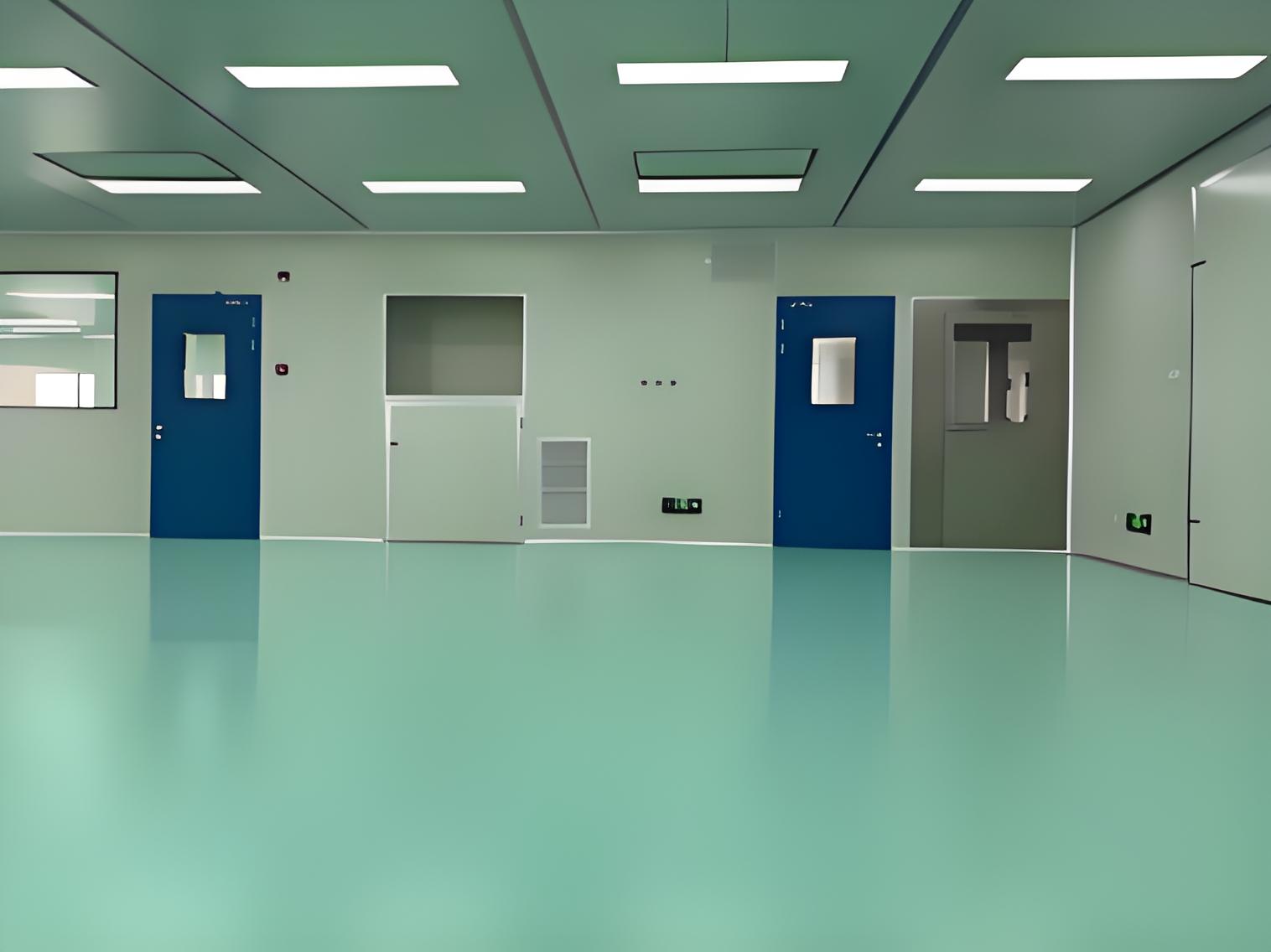
In pharmaceutical, medical device, and high-grade food production, the packaging stage remains a primary vector for contamination—particulates, microbial spores, or chemical residues from converting processes. A structured Packaging purification project addresses not only the immediate cleanliness of primary containers (vials, blisters, pouches) but also the entire material handling environment, from hoppers to sealing stations. Unlike general facility cleaning, packaging purification focuses on removing surface-bound residues, electrostatic attraction of airborne fibers, and biofilm formation on transfer components. This article outlines a component-level methodology, integrating validated decontamination technologies, real-time monitoring, and risk-based validation.
For engineering and operations teams, the difference between a compliant packaging line and a recurring reject event often hinges on the purification protocol’s granularity. TAI JIE ER applies its cleanroom engineering heritage to Packaging purification projects, delivering customized systems that combine ionizing air rinsing, vacuum-assisted particle extraction, and vapor-phase hydrogen peroxide (VPHP) surface conditioning. This guide examines each purification module, material compatibility constraints, and validation parameters required by FDA and EU GMP Annex 1.
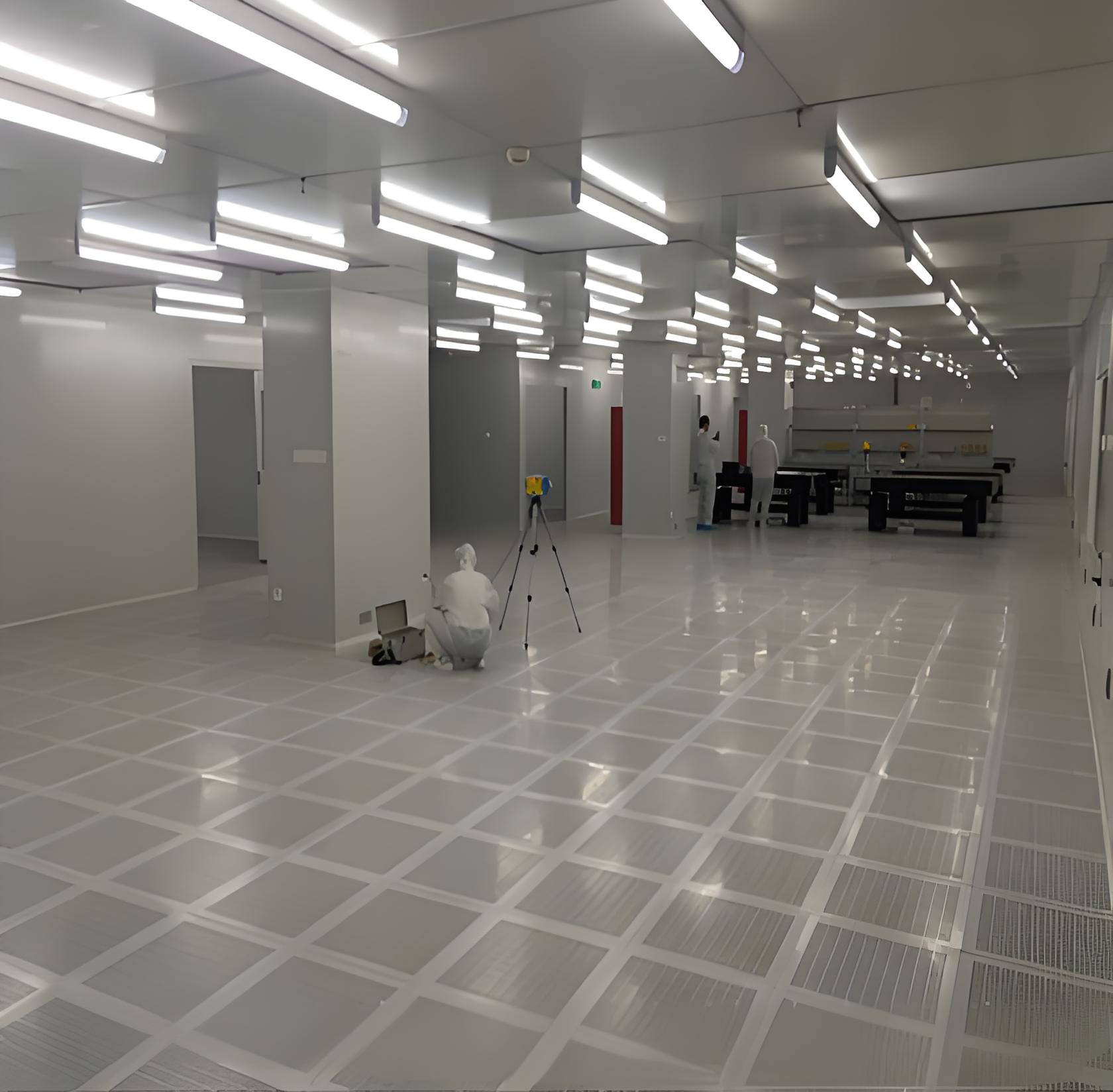
Before designing a Packaging purification project, engineers must map three contamination categories specific to packaging lines:
Particulate shedding: From packaging materials themselves (paper dust, plastic shavings, glass fragments) or from moving parts (conveyor belts, grippers, cam followers).
Residual processing aids: Lubricants, anti-static sprays, or mold-release agents transferred to container surfaces during forming or filling.
Biological load: Spores or vegetative cells on incoming packaging components, especially for aseptic filling of blow-fill-seal containers.
A packaging purification project must quantify these loads using surface recovery swabs (contact plates for smooth surfaces) and airborne particle counters (0.5 µm and 5.0 µm channels). ISO 14698 provides biocontamination control benchmarks, while ISO 14644-8 classifies surface cleanliness by chemical concentration (e.g., µg/dm² for residues). Typical acceptance criteria for primary packaging intended for parenteral drugs: ≤ 1 CFU per container and ≤ 0.5 µg/dm² of unknown extractables.
Each module in a Packaging purification project targets a specific contamination route. Below are the four workhorses, their operating principles, and application windows.
For open containers (bottles, cups, trays), a high-velocity ionized air nozzle neutralizes static charges that attract submicron particles while blowing loose debris into a HEPA-filtered vacuum plenum. Critical parameters: air velocity (30–50 m/s), ion balance (± 30 V), and nozzle angle (15°–25° off-axis to prevent particulate redeposition). A packaging purification project using this method typically achieves 99.7% removal of particles > 2 µm from container interiors. Systems must include antistatic tinsel bars on conveyors upstream to dissipate charge before the rinsing station.
Where spore-forming organisms (Bacillus atrophaeus) are a concern, VPHP offers a residue-free, low-temperature method. The Packaging purification project integrates a VPHP generator that injects 30–35% w/w H₂O₂ vapor into a sealed chamber or tunnel. Process parameters: conditioning (60–80% relative humidity), gassing (300–400 ppm H₂O₂ for 15–30 minutes), and aeration (catalytic decomposition to <1 ppm). Material compatibility must be tested: PET, LDPE, and cyclic olefin polymers withstand >200 cycles; PVC and some adhesives may degrade. For continuous motion packaging lines, a rotary VPHP module with pressurized air seals is available.
Metal trays, silicone stopper bowls, and glass vials returning from filling lines require immersion cleaning. Ultrasonic transducers (40 kHz or 80 kHz) generate cavitation bubbles that dislodge dried protein residues and salt deposits. Followed by cascading rinses with WFI (water for injection) or purified water, then hot air drying (H13 HEPA filtered air at 120°C). A packaging purification project that includes a closed-loop ultrasonic bath requires particle counters in the return line to monitor filter breakthrough (0.45 µm absolute filters).
No purification sequence is complete without verification. Laser triangulation scanners (0.1 µm resolution) map container inner and outer surfaces, detecting residual particles or film defects. Scanners are integrated with a reject gate that ejects non-compliant units into a locked bin. This closed-loop feedback system allows the Packaging purification project to self-adjust – if reject rates exceed 1.5%, the upstream ionized air pressure or VPHP dwell time is automatically increased. Data logs serve as batch release evidence.
Different product categories impose unique demands. Below are three typical scenarios and the corresponding engineering adaptations in a Packaging purification project.
Vials arrive in nested tubs covered with Tyvek®. The purification project must include a de-nester that separates vials without generating glass-to-glass contact particles. Ionized air rinsing is applied to each vial inverted, with vacuum extraction through a stainless steel lance. After rinsing, vials are depyrogenated in a hot air tunnel (300°C, 5 minutes) before filling. TAI JIE ER has engineered low-turbulence transfer zones between rinsing and depyrogenation to prevent recontamination.
Blister web material often carries antistatic dust from slitting. A packaging purification project for blisters deploys a corona treatment roller (10–20 kV) that both removes dust and increases surface energy for better print adhesion. Downstream, a tacky roller (microsphere adhesive) lifts remaining particles. For hygroscopic drugs, the blister sealing station is enclosed in an ISO 7 cleanroom with downward unidirectional airflow – the purification project must coordinate air change rate (20 ACH) with material feed.
Siliconized plungers demand removal of loose silicone oil droplets that may denature proteins. Here, the Packaging purification project uses a two-step process: vacuum plasma treatment (argon/oxygen mix) to crosslink silicone oil, followed by CO₂ snow jet cleaning. The CO₂ micro-pellets sublimate, carrying away detached particles without wet chemistry. Nitrogen purging after each step maintains low oxygen levels (<0.5%) to avoid oxidation of drug-contact surfaces.
Every purification method interacts with packaging substrates. Common failure modes include:
Stress cracking: Polycarbonate or polysulfone exposed to residual H₂O₂ or alcohol-based cleaners. Mitigation: switch to polyetherimide or use a drying step below 40°C.
Surface embrittlement: Ultrasonic cavitation causing micro-cracks on thin-walled glass. Limit power density to <5 W/cm² and use sweep frequency mode.
Adhesive delamination: Paper labels on foil pouches may lift during ionized air blasting. Use solvent-free adhesives or apply a protective over-lacquer.
Before commissioning a packaging purification project, engineers must conduct a 72-hour accelerated exposure test at maximum process parameters (temperature, chemical concentration, ultrasonic intensity), followed by microscopic inspection (100x magnification) and dye penetration test for cracks. This validation step is required by ISO 13485 for medical device packaging.
Additionally, the purification system's own material off-gassing must be evaluated. Silicone hoses or rubber seals in the ionized air path can release volatile siloxanes that deposit on container surfaces. Use fluoropolymer (PTFE or FEP) tubing and Viton™ seals throughout. A residual gas analyzer (RGA) sampling the downstream air at the rinsing nozzle confirms absence of hydrocarbons above 0.01 mg/m³.
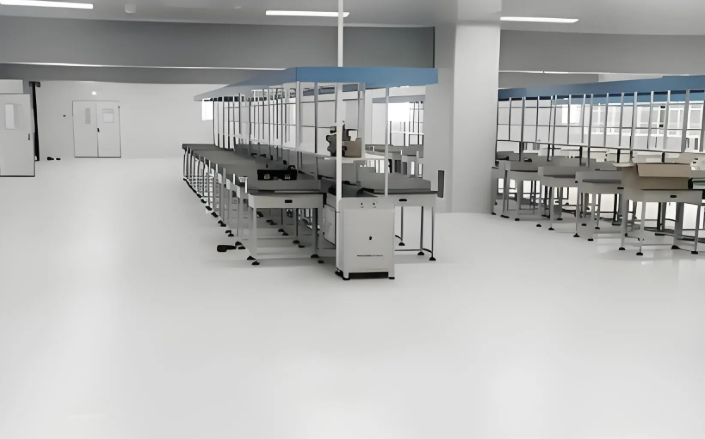
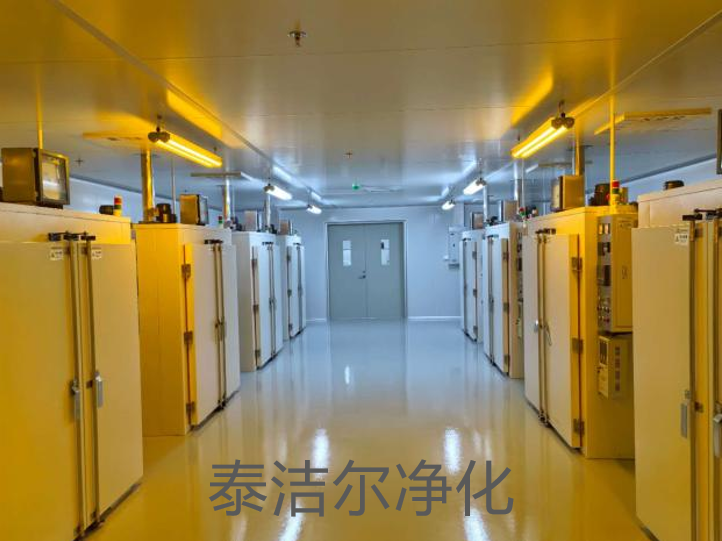
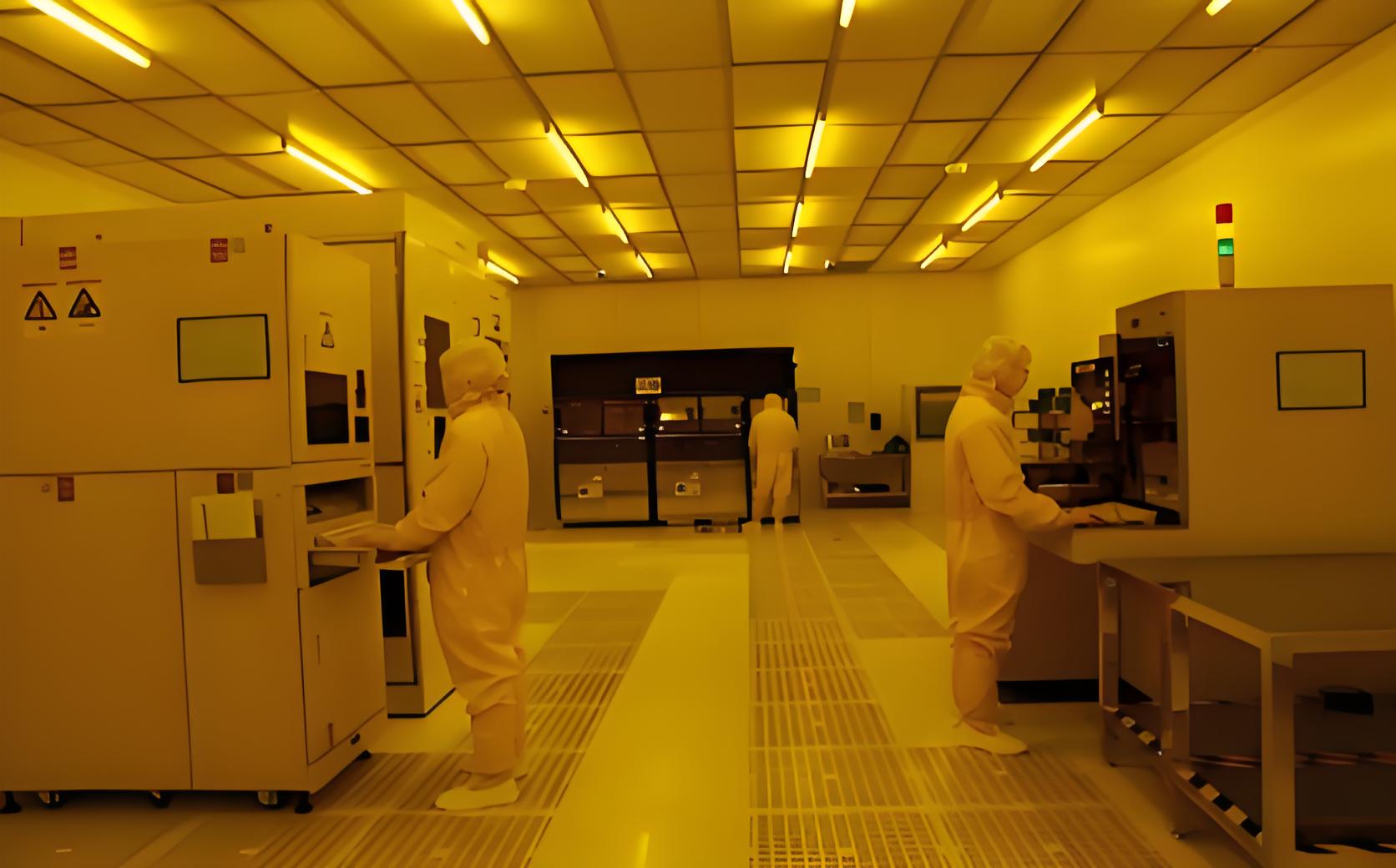
A Packaging purification project does not operate in isolation. The purification modules must be housed within a grade A or grade B cleanroom (ISO 5 or ISO 7) for aseptic applications. Critical integration points:
Airflow pattern: The vacuum extraction from ionized rinsing must not disturb unidirectional flow. Exhaust grilles are placed at floor level, with make-up air from ceiling HEPA filters – CFD modeling ensures no recirculation zones.
Pressure cascades: The purification chamber (e.g., VPHP tunnel) is maintained at negative pressure relative to adjacent cleanroom to prevent chemical leakage. Interlocked doors prevent simultaneous opening.
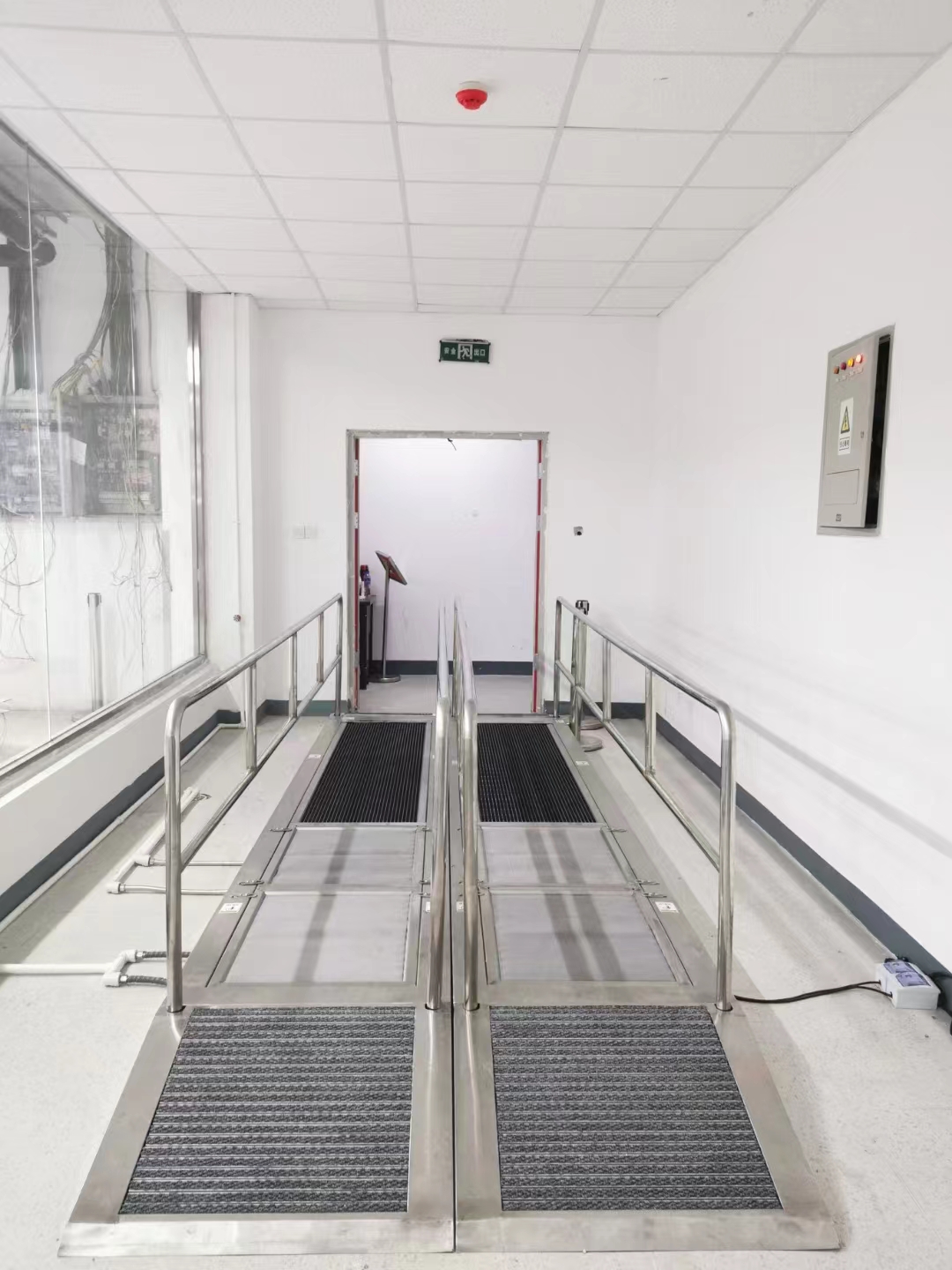
Material transfer: Airlocks with timed HEPA showers allow purified packaging components to exit the purification zone into the filling area. Infrared sensors count component batches to avoid mixing.
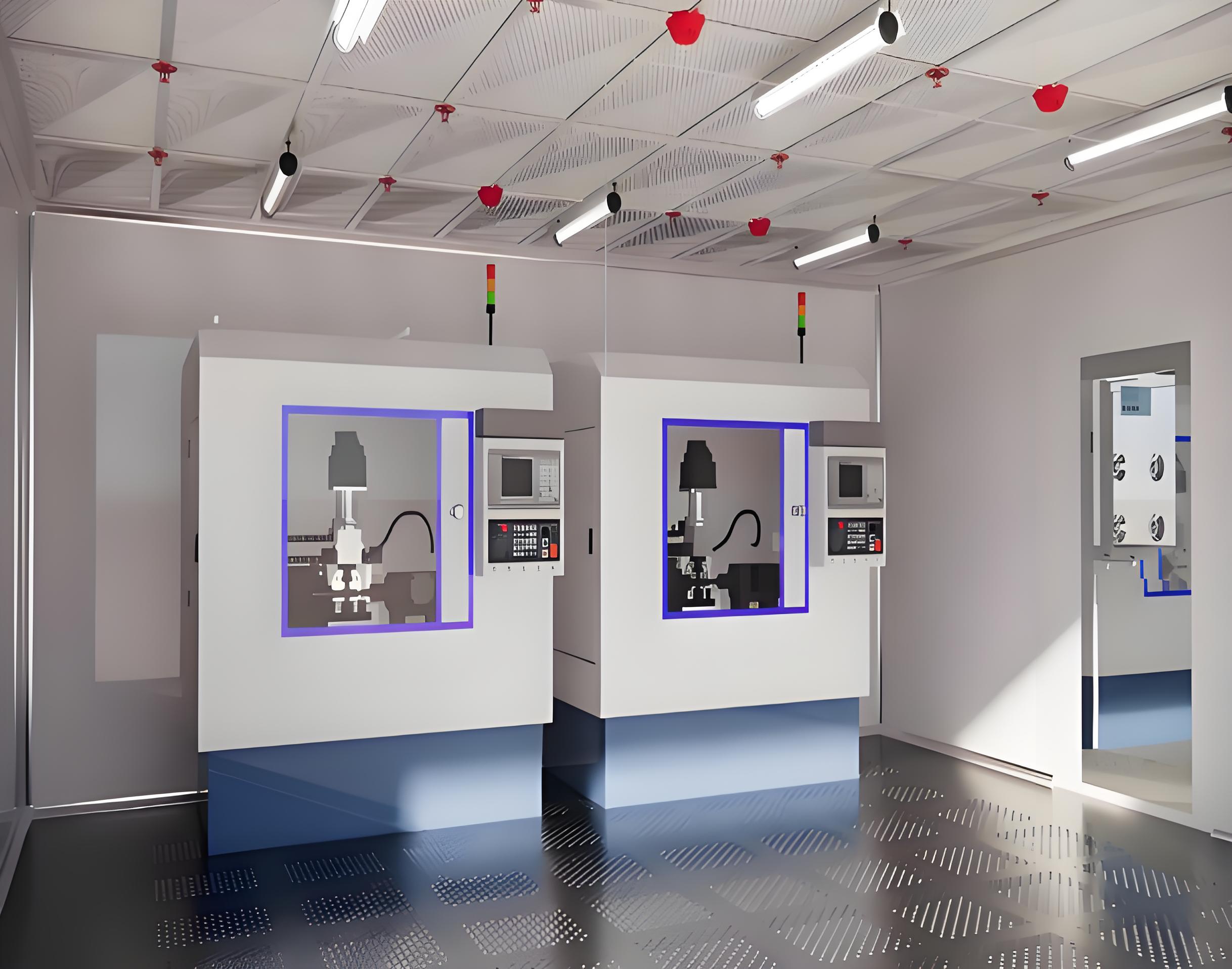
For stand-alone packaging lines in non-classified areas, the purification project may include a mini-environment: a transparent enclosure over the rinsing and scanning stations, fed by fan-filter units (FFUs) providing ISO 8 conditions locally. This reduces overall facility cost while protecting the immediate packaging point.
Real-time monitoring transforms a packaging purification project from a reactive process to a predictive one. Essential sensors and their alert thresholds:
In-line particle counter (light obscuration): Sampling after the ionized air rinser. Action limit: >5 particles ≥5 µm per container.
H₂O₂ concentration sensor (electrochemical or NDIR): Inside VPHP chamber. Alarm if <250 ppm during gassing phase or >5 ppm during aeration.
Static decay meter: On container surface after ionized air. Acceptable ≤2 seconds from ±1000 V to ±100 V.
Humidity and temperature: Before VPHP injection; deviation beyond ±5% RH or ±2°C triggers auto-abort.
All data must be timestamped, signed, and stored in an audit‑trail database per 21 CFR Part 11. TAI JIE ER offers SCADA integration that correlates purification parameters with batch release tags, enabling instant rejection of non‑compliant lots before they reach filling. Monthly trend reports identify wear in nozzles or ultrasonic transducers, allowing replacement during scheduled downtime.
A packaging purification project must undergo three validation stages, following ASTM E3106 or PDA Technical Report 70:
Installation Qualification (IQ): Verify all components (nozzles, transducers, sensors) match certified drawings. Calibrate air velocity meters and hydrogen peroxide detectors against NIST‑traceable standards.
Operational Qualification (OQ): Run worst‑case parameters (lowest air pressure, highest line speed) and measure purification efficiency using artificial soil (corn starch + sodium chloride + fluorescent dye). Pass criteria: ≥99.5% removal of fluorescent residue.
Performance Qualification (PQ): Three consecutive production batches using actual packaging materials. Sample 200 containers per batch: perform contact plates and particle extraction. Acceptance: zero growth on bioburden plates, ≤1 particle ≥10 µm per container.
Re-validation is required every 12 months or after any change to packaging material supplier, line speed increase, or nozzle replacement.
Q1: What is the difference between a Packaging purification project
and standard container washing?
A1: Standard washing focuses on
removing visible soils and employs heated water or detergent. A packaging
purification project, by contrast, targets subvisible particles (≥2 µm),
electrostatic attraction, and chemical residues, often using dry methods
(ionized air, VPHP, plasma) suitable for moisture‑sensitive packaging (e.g., PVA
capsules, hygroscopic powders). Washing may leave drying marks or water spots;
purification avoids any liquid residue.
Q2: Can a Packaging purification project be integrated with an
existing blow‑fill‑seal (BFS) machine?
A2: Yes. The purification
module is placed immediately after the parison trimming station and before the
filling mandrel. A typical BFS adaptation uses a linear array of ionized air
nozzles synchronized with the indexing movement. However, the high humidity
inside a BFS enclosure (from coolant mist) requires stainless steel IP65‑rated
components. Packaging purification
project retrofits for BFS lines have been successfully executed
with cycle times below 2.5 seconds per container.
Q3: What is the recommended validation frequency for H2O2 sensors in
a VPHP‑based purification project?
A3: Electrochemical H₂O₂ sensors
drift over time. Calibration every 6 months using a generator that produces
known concentrations (100, 300, 500 ppm) in a sealed chamber. Zero and span
adjustments must be documented. Additionally, a weekly bias check with a
chemical indicator strip (e.g., 300 ppm colorimetric tube) provides a quick
on‑floor verification.
Q4: How do you prevent recontamination of purified packaging during
transfer to the filling turret?
A4: Use a dynamic transfer corridor
with positive pressure (10–15 Pa relative to the surrounding room) and
HEPA‑filtered laminar flow directed away from the purified containers. The
conveyor belt must be made of antistatic, non‑shedding material (UHMW‑PE or
stainless steel with electropolish). For critical aseptic lines, an active
barrier system (glove port access) eliminates operator contact.
Q5: Does a Packaging purification project work for flexible pouches
with inner sealants?
A5: Yes, but the method changes. Pouch
interiors cannot be mechanically rinsed. Instead, a vacuum‑based extraction with
a vibrating plenum is used: the pouch is opened by suction cups, a vibrating bar
dislodges particles, and a HEPA vacuum nozzle removes them. For chemical
decontamination, low‑pressure VPHP (200 ppm, 35°C) is injected, followed by
aeration. Sealant compatibility (e.g., Surlyn® or LLDPE) must be tested for H₂O₂
permeation – maximum 0.5% weight gain is acceptable.
Q6: What are the typical energy requirements for an ionized air
purification module?
A6: Each ionizing nozzle consumes 5–8 W for
high‑voltage generation (typically 7 kV AC). The compressed air supply at 5–6
bar requires 0.3–0.5 m³/min per nozzle. A 10‑nozzle system therefore needs a 5.5
kW compressor (including drying and filtration). Energy recovery from compressor
waste heat can preheat the cleanroom make‑up air, reducing overall HVAC load.
Power monitoring is included in the purification project’s SCADA to track cost
per thousand units.
Designing or upgrading a Packaging purification project demands expertise in particle dynamics, surface chemistry, and cleanroom integration. Generic solutions often overlook electrostatic re‑attachment, dead zones in transfer tunnels, or material incompatibility with VPHP cycles. TAI JIE ER provides a complete engineering package: from contamination source mapping and technology selection through IQ/OQ/PQ documentation and operator training.
Our team will analyze your line speed (units/minute), packaging format, current reject rates, and cleanroom class to deliver a purification project with measurable KPIs – particle removal efficiency, bioburden reduction, and residual solvent validation. We support both new lines and retrofits with minimal downtime.
Submit your inquiry now: Provide your packaging type,
required throughput, and current contamination challenge. Expect a detailed
conceptual design and performance guarantee within 5 business days.
Contact TAI JIE ER engineering team
→ – or use the inquiry form on our website to schedule a technical
discovery call.