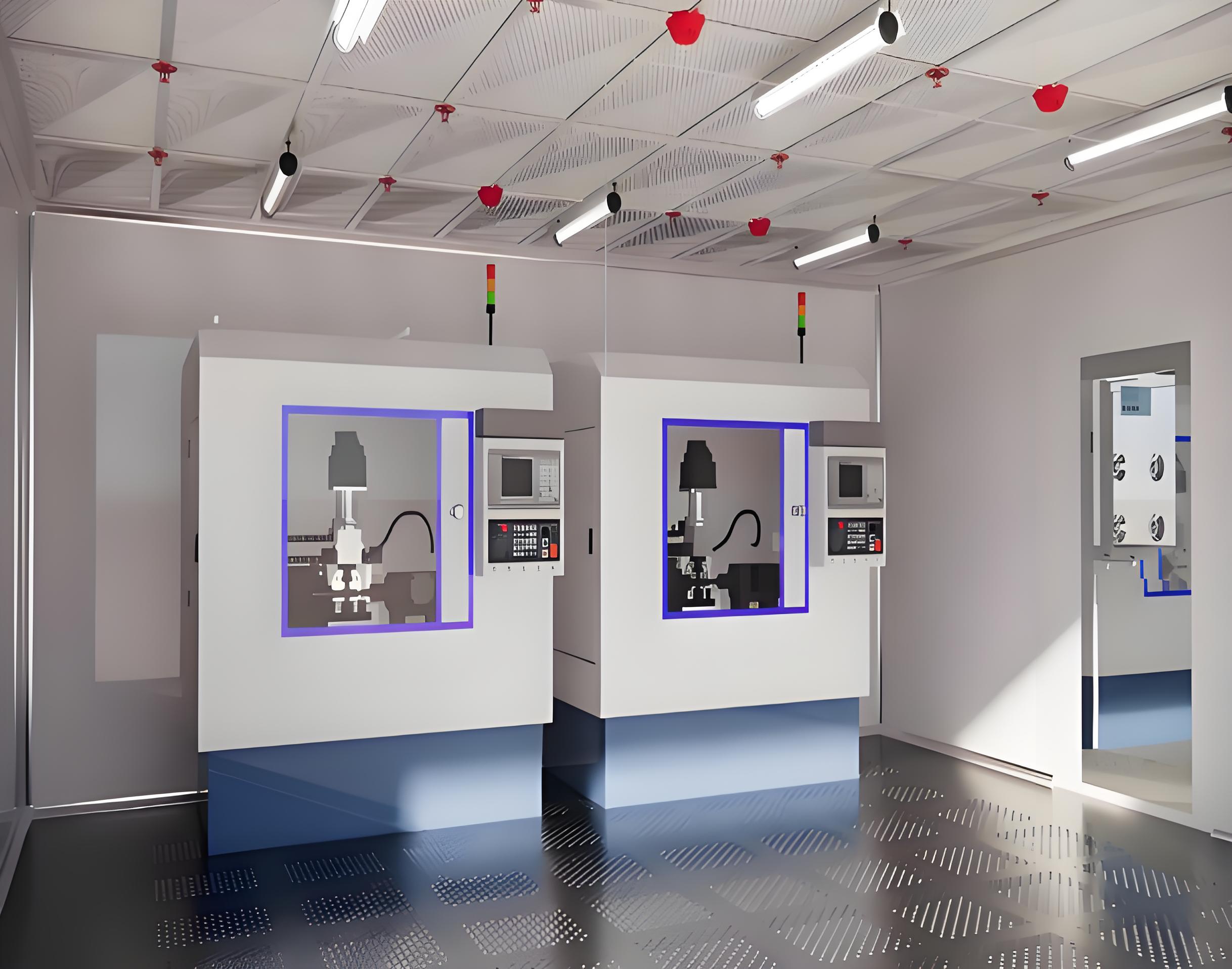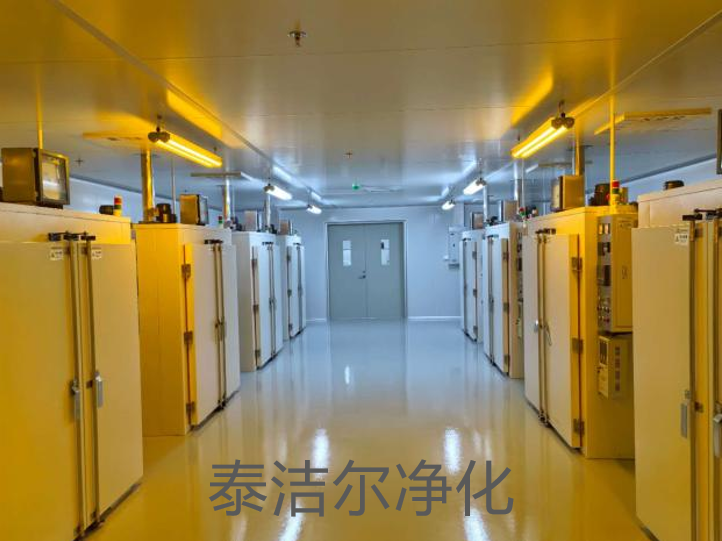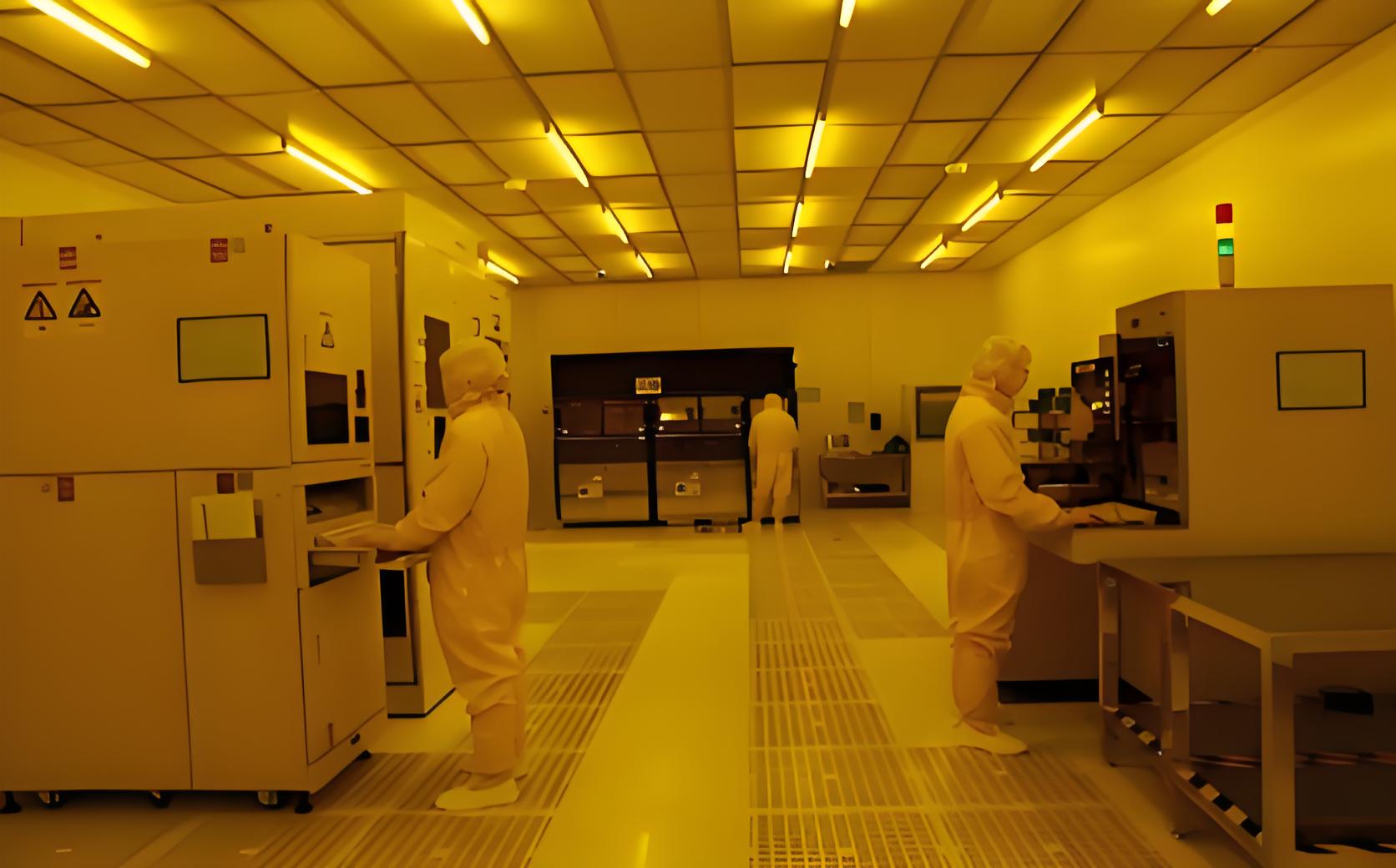
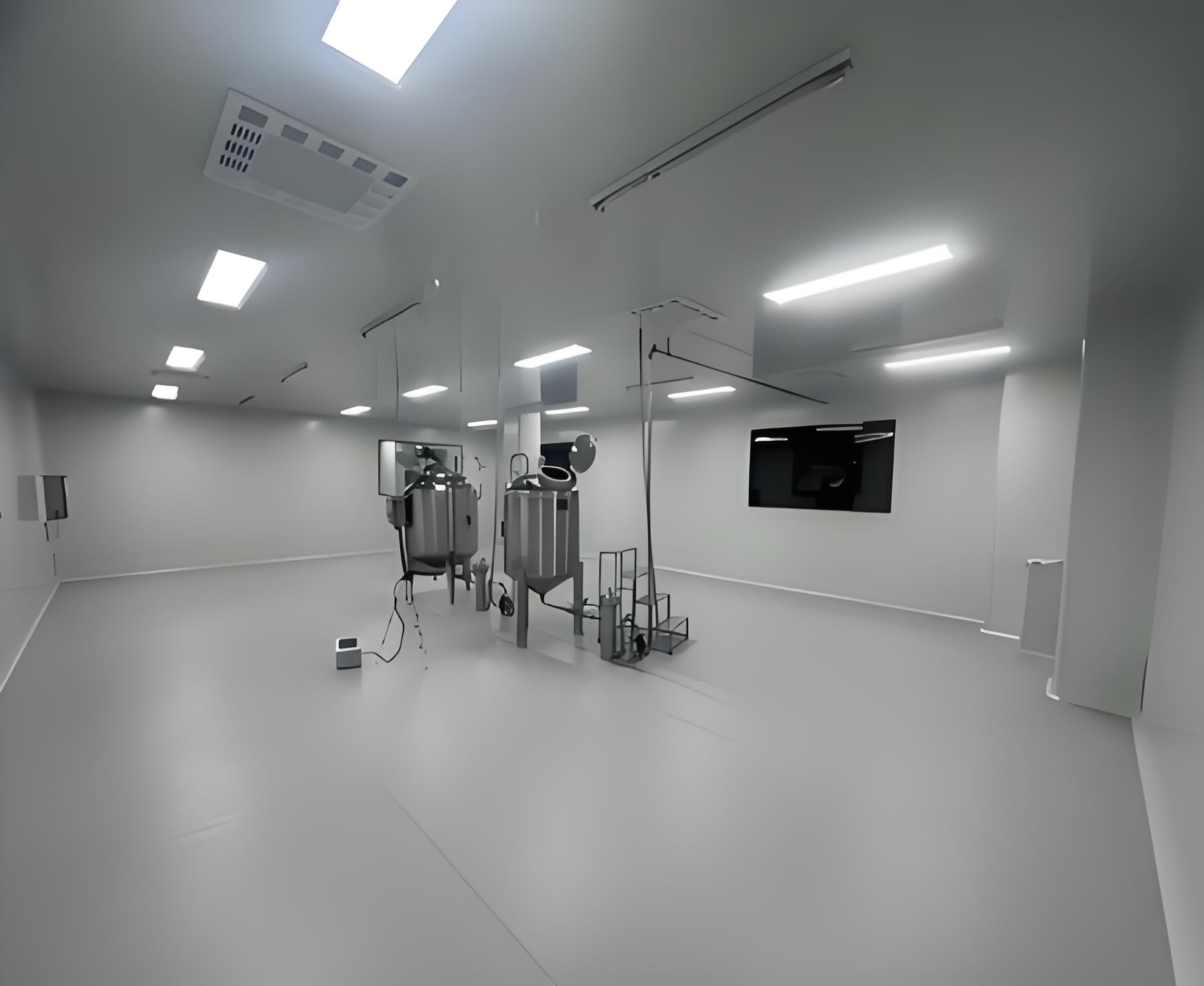
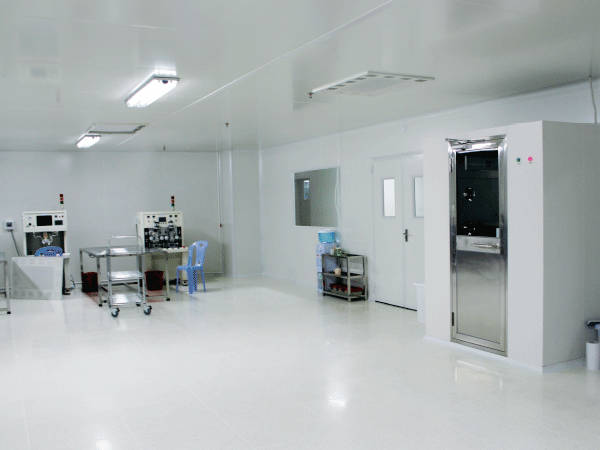

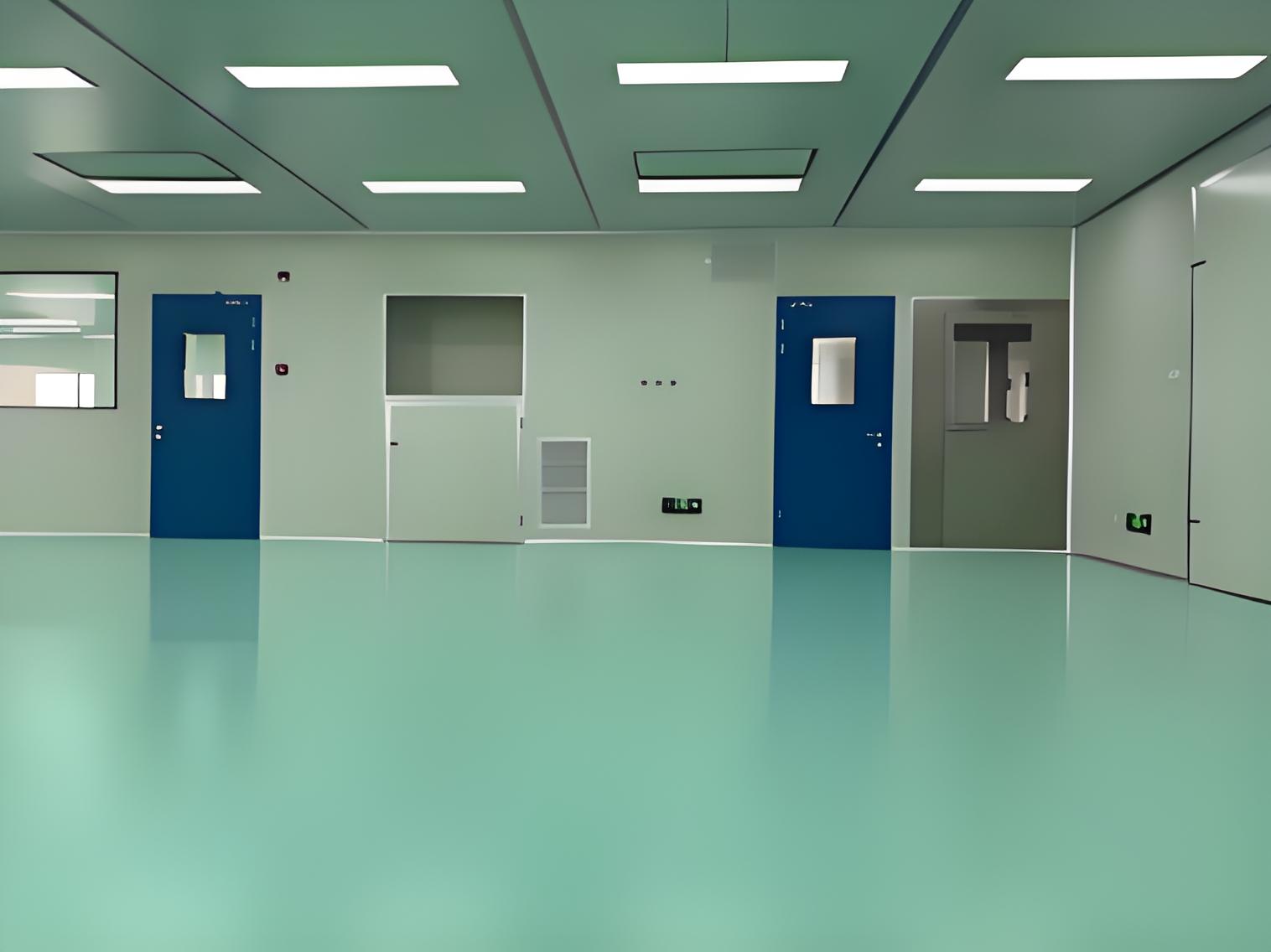
In medical device manufacturing, optical lens molding, and electronic connector production, particulate contamination on molded parts leads to reject rates as high as 15–20%. A properly executed Injection molding purification project integrates cleanroom infrastructure, air filtration, and process discipline to achieve ISO 14644‑1 Class 7 or Class 8 environments. TAI JIE ER provides engineering solutions for such projects, ensuring that every stage – from raw material feeding to part packaging – remains within specified particle limits. This article presents technical requirements, common failure points, and actionable solutions for purification in injection molding.
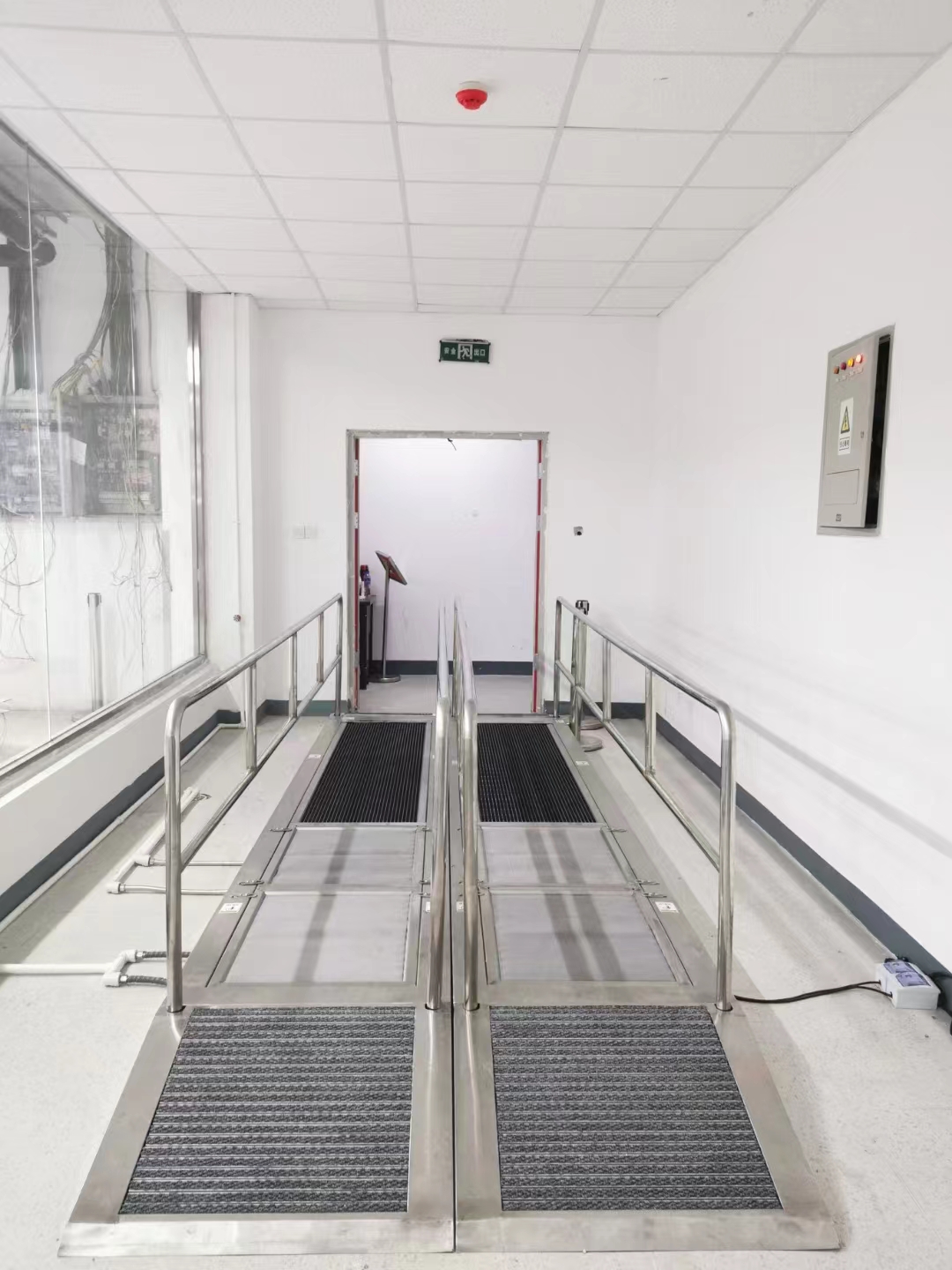
Conventional injection molding shops face airborne dust, residual pellets, mold release agents, and operator‐shedded particles. For components like syringe barrels, catheter hubs, or smartphone camera bezels, a single 50 µm carbonized particle on the cavity surface transfers to every shot, creating visual or functional defects. An Injection molding purification project addresses these issues through controlled zones, HEPA filtration, and validated material transfer protocols.
Every purification project for molding must be designed around three contamination sources: incoming resin, machine‑side particle generation, and human activity. Below are the essential engineering components.
ISO Class 8 (Class 100,000): Minimum 10–20 air changes per hour (ACH). Suitable for general molding of non‑critical automotive or industrial parts where only coarse particles (>5 µm) matter.
ISO Class 7 (Class 10,000): 30–60 ACH with HEPA filtration (99.97% at 0.3 µm). Required for medical devices, drug delivery components, and cleanroom‐grade electronics. Most Injection molding purification project specifications demand ISO 7 for the molding cell and robot area.
Unidirectional airflow zones: For demolding and part inspection stations, laminar flow hoods (ISO 5) prevent airborne particles from settling on hot, sticky surfaces.
Raw plastic pellets often arrive with dust, fines, or electrostatic charges. A purification project must include:
Vacuum loading systems with dust separation: Cyclone pre‑filters remove fines before resin enters the dryer.
Ionizing air rinsers: Clean pellets as they drop into the hopper, neutralizing static charges that attract particles.
Sealed dryer hoppers: Desiccant or compressed air dryers with HEPA inlet filters prevent ambient dust from mixing with dried resin.
Enclosed injection units: Positive pressure cabinets around the screw and barrel prevent pellet dust from escaping into the cleanroom.
Mold surface finishing: Mirror‑polished or coated cavities (e.g., Ni‑PTFE) release parts without mold release sprays, which otherwise deposit silicone residues.
Dedicated purge routines: Automated screw purging with HEPA‑filtered extraction arms removes degraded polymer without contaminating the cell.
Operators are the primary particle source in any injection molding purification project. Mandatory measures:
Two‑stage gowning: Cleanroom coverall, hood, beard cover, latex gloves, and dedicated shoes.
Air showers at entry: 15–20 seconds of high‑velocity HEPA air removes loose fibers from gowns.
Conduct training on clean behavior: No rapid movements, no paper or cardboard inside the cell.
Several sectors now mandate certified cleanroom molding. Understanding these applications helps define project scope.
Medical injection molded components: Syringe plungers, IV connector housings, surgical instrument handles – must meet ISO 13485 and USP <788> particulate limits.
Optics and lighting: LED lens arrays, light guides, and camera modules – any surface particle creates rejects during optical testing.
Semiconductor packaging: Chip tray carriers and JEDEC trays require low outgassing and particle levels below 100 ppm.
Food and beverage closures: Cleanroom molding prevents contamination from factory dust, ensuring safety and shelf life.
When manufacturers attempt to upgrade a conventional shop into a cleanroom, they encounter several problems:
Granulator dust migration: In‑line grinders for runner recycling create fine plastic dust that migrates into the molding area if not enclosed and separately vented.
Overhead crane and rail systems: Mold change hoists shed particles from sliding tracks. A purification project requires encapsulated crane beams or alternative mold carts.
Cooling water leaks and corrosion: Unfiltered tower water leaves mineral deposits that flake off hoses and settle on molds.
High employee turnover in gowning discipline: Without continuous monitoring (particle counters at exits), occasional non‑compliance leads to sporadic contamination incidents.
Based on field experience, TAI JIE ER recommends a phased approach that combines physical barriers, process controls, and real‑time verification.
Instead of converting an entire factory, build modular cleanroom panels (50mm sandwich panels with aluminum profiles) around each injection press. This reduces air volume to treat, lowers initial investment, and isolates contamination. Each cell gets independent HEPA fan filter units (FFUs) and LED lighting. For an Injection molding purification project, a modular approach allows future reconfiguration.
Place granulators and central conveying systems in a separate negative‑pressure annex with dust extraction. Only closed‑loop regrind return lines enter the cleanroom zone. This isolates the highest dust‑generating equipment from the molding cell.
Standard water circulation units pull ambient air for cooling. Replace them with sealed units that intake through a mini‑HEPA capsule, preventing dust from blowing onto mold plates.
Robotic pickers place finished parts directly into sealed antistatic bags or medical blister trays inside a laminar flow hood. No manual handling reduces human particle shedding. Integrated vision inspection rejects contaminated parts before packaging.
Every Injection molding purification project requires a validation plan:
Initial certification: Particle counts (0.5 µm and 5 µm channels) in “at‑rest” and “operational” states according to ISO 14644‑1.
Recovery test: Measures how quickly the cell returns to Class 7 after a door opening.
Daily monitoring: Fixed particle sensors near the injection zone and at the pick‑and‑place station send alerts to BMS when limits exceed alert levels.
TAI JIE ER engineers provide turnkey solutions: from ISO class selection, CFD airflow simulation, to IQ/OQ documentation. Their expertise ensures that your injection molding purification project meets both regulatory and production efficiency goals.
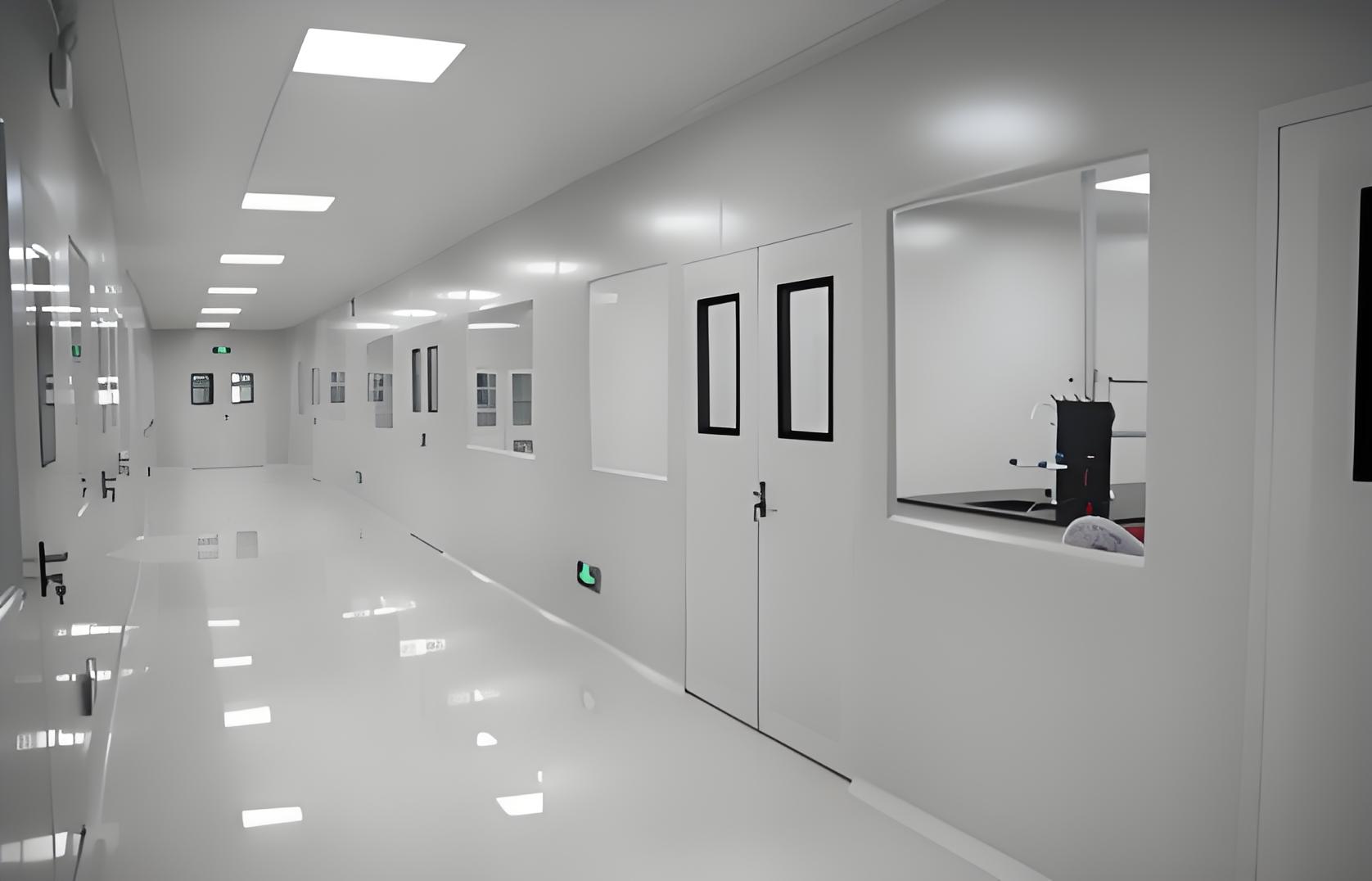
Once the system is commissioned, operational discipline determines long‑term success. Key practices:
Weekly wipe testing for surface particles (using a particle counter or tape lift).
Monthly filter leak scanning for FFUs and ceiling HEPA grids.
Replace pre‑filters (F7 grade) every 3 months; HEPA filters every 2–3 years depending on pressure drop.
Log all cleanroom entries and gowning conformance; conduct random glove particle testing.
Q1: What ISO class is typically specified for an injection molding purification project for medical components?
A1: Most medical injection molding applications (syringes, catheter connectors, surgical housings) require ISO Class 7 (Class 10,000) during production. For sterile drug delivery systems where the molded part contacts the drug, ISO Class 5 laminar flow may be required for demolding and assembly zones. An Injection molding purification project should include a cleanroom classification matrix per product risk.
Q2: How do I prevent plastic dust from the granulator contaminating my molding cell?
A2: Isolate the granulator in a separate negative‑pressure room or a closed cabinet with dedicated dust extraction and a HEPA exhaust. Convey regrind through sealed stainless steel pipes directly back to the drying hopper. Never place an open granulator inside the same cleanroom zone as the injection press.
Q3: Can I use standard industrial injection molding machines inside an ISO 7 cleanroom?
A3: Yes, but with modifications. The machine exterior must be cleaned of grease and loose paint. Hydraulic machines (if used) should have leak‑proof hoses and drip trays. Electric presses generate fewer particles. All moving guides must be covered with dust‑proof bellows. For a successful Injection molding purification project, a machine surface wipe test is required before installation.
Q4: What air change rate is enough for an injection molding cleanroom?
A4: For ISO 7, we recommend 40–60 air changes per hour when using non‑unidirectional (turbulent) flow. However, the specific ACH must be validated by a recovery test: after generating 10x the class limit, the cell should recover to ISO 7 within 15–20 minutes. Higher ceilings or large molding machines with hot surfaces may require more ACH to overcome thermal plumes.
Q5: How do I handle mold maintenance without losing cleanroom integrity?
A5: Install a dedicated mold maintenance bench inside the cleanroom but separated by a soft wall or behind a laminar flow hood. All mold cleaning tools (brushes, wipes, isopropyl alcohol) must be low‑particle and stored in sealed cabinets. Pull the mold out of the press on a rail cart, clean it under the hood, then re‑install. Never take a mold out of the cleanroom for routine cleaning – that requires complete re‑qualification of the mold.
Designing a reliable cleanroom for injection molding demands expertise in both plastics processing and contamination control. Factors like resin dust, mold cooling tower particulates, and operator traffic patterns are often overlooked in standard cleanroom designs. TAI JIE ER offers custom engineering from initial feasibility study through to ISO 14644 certification and operator training.
Send your production parameters (machine size, resin type, required ISO class, and part geometry) to our engineering team. We will provide a detailed layout proposal, air change calculation, and validation protocol for your specific Injection molding purification project.
Submit your inquiry today: https://www.taijieer.com/contact – Get a professional cleanroom design that reduces reject rates and passes regulatory audits.