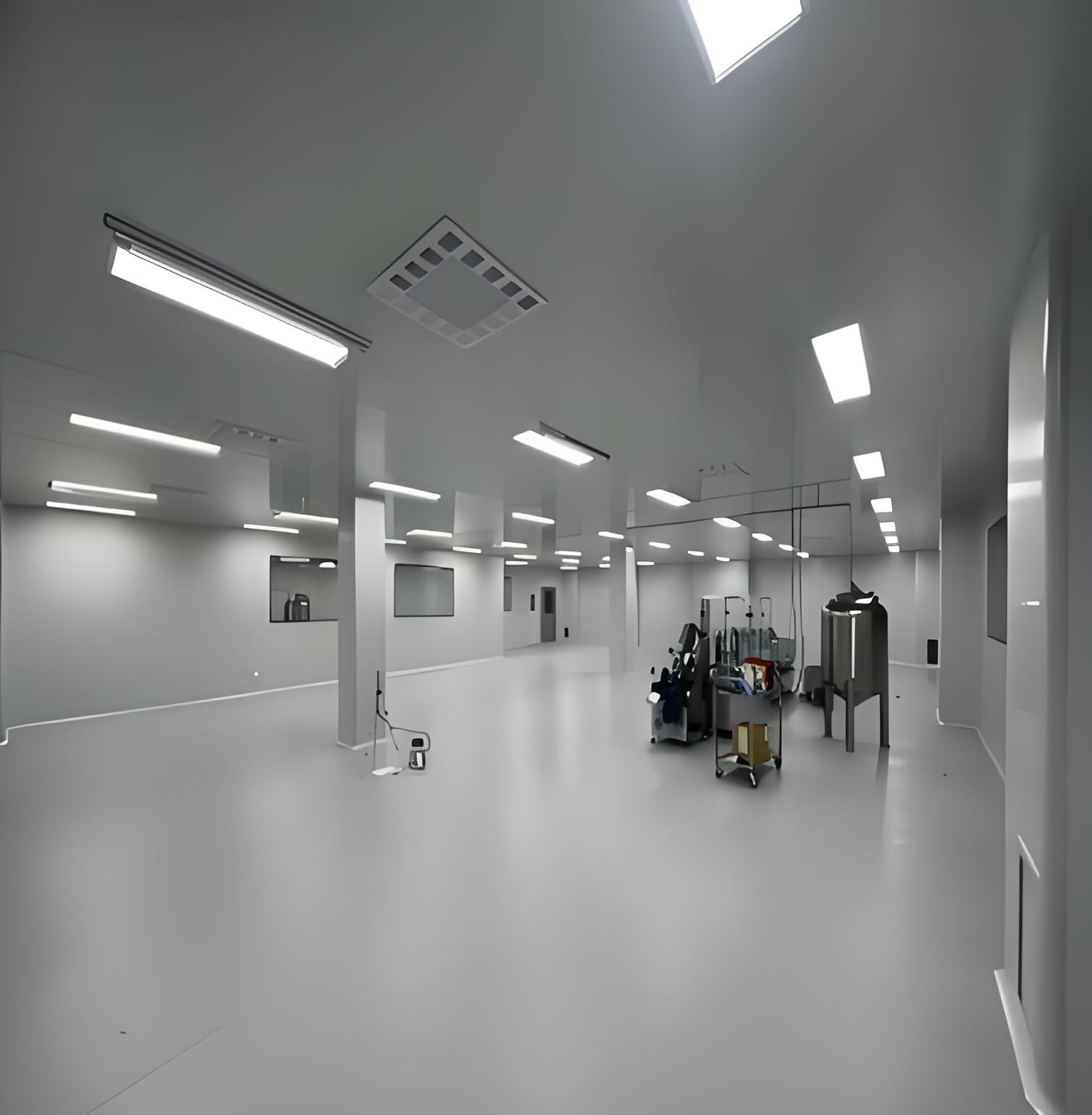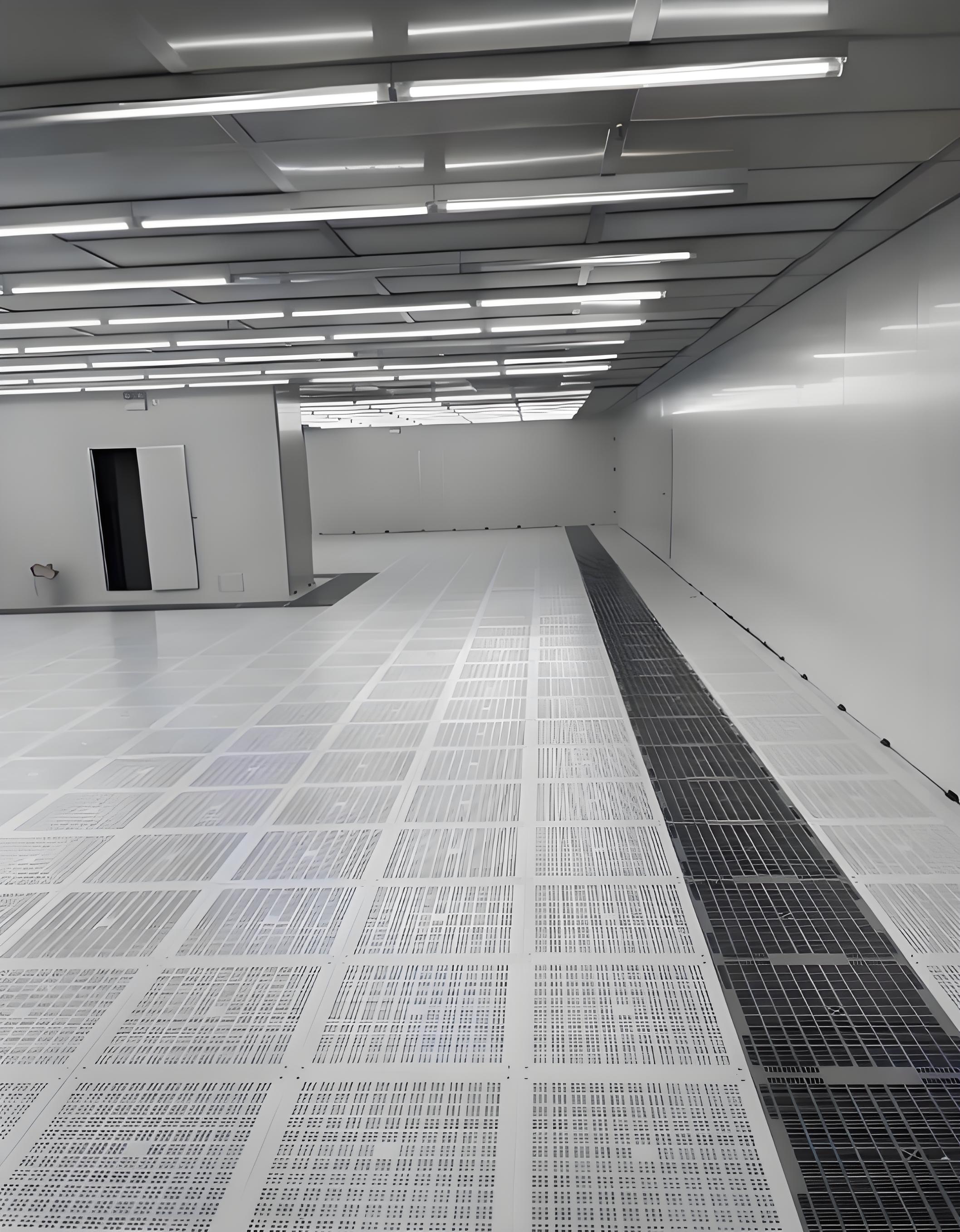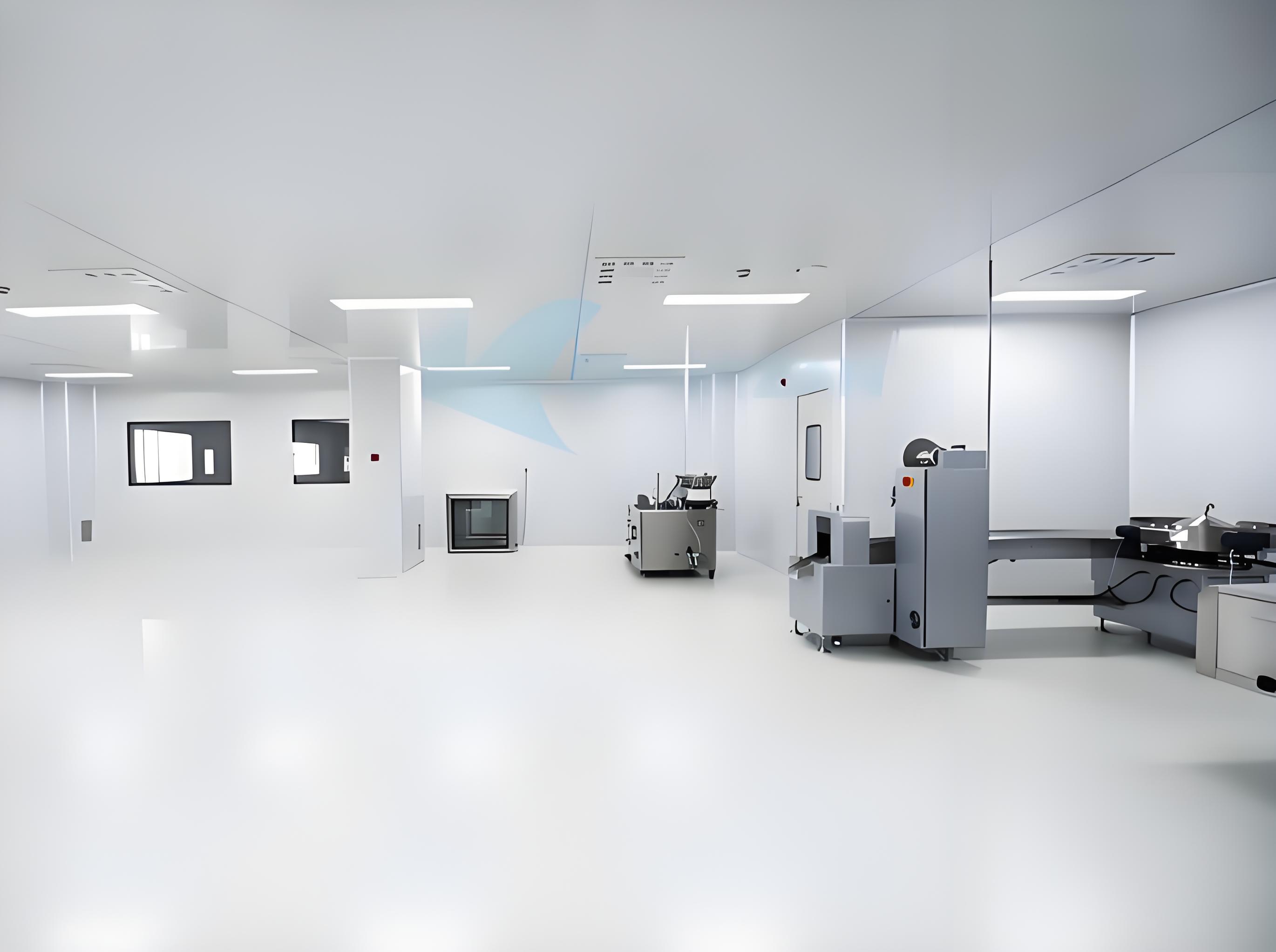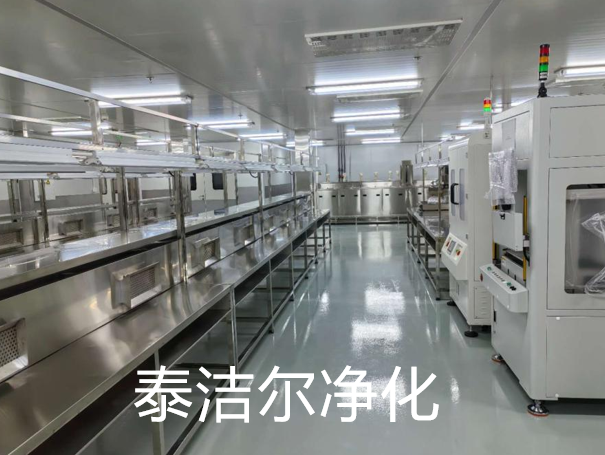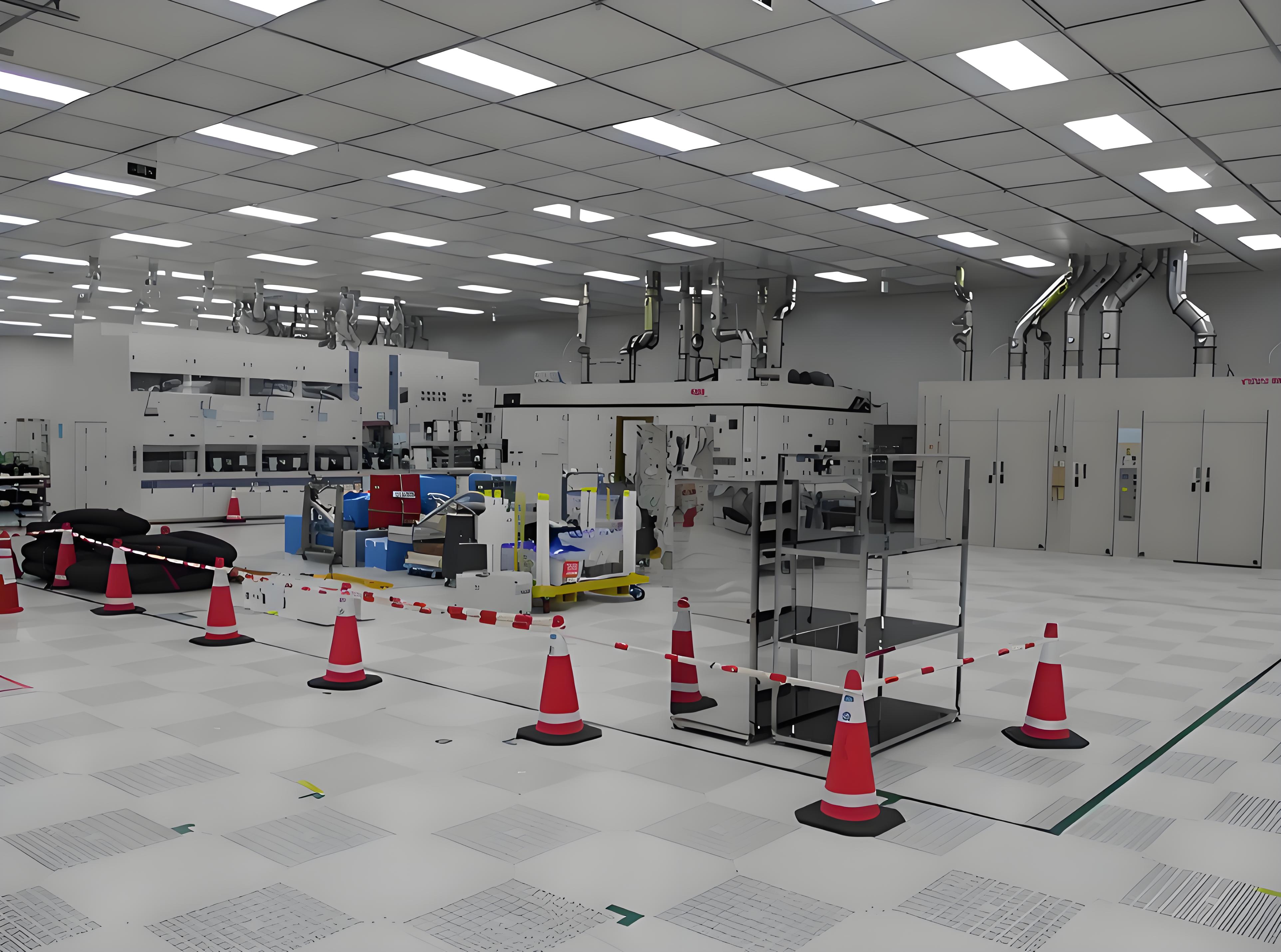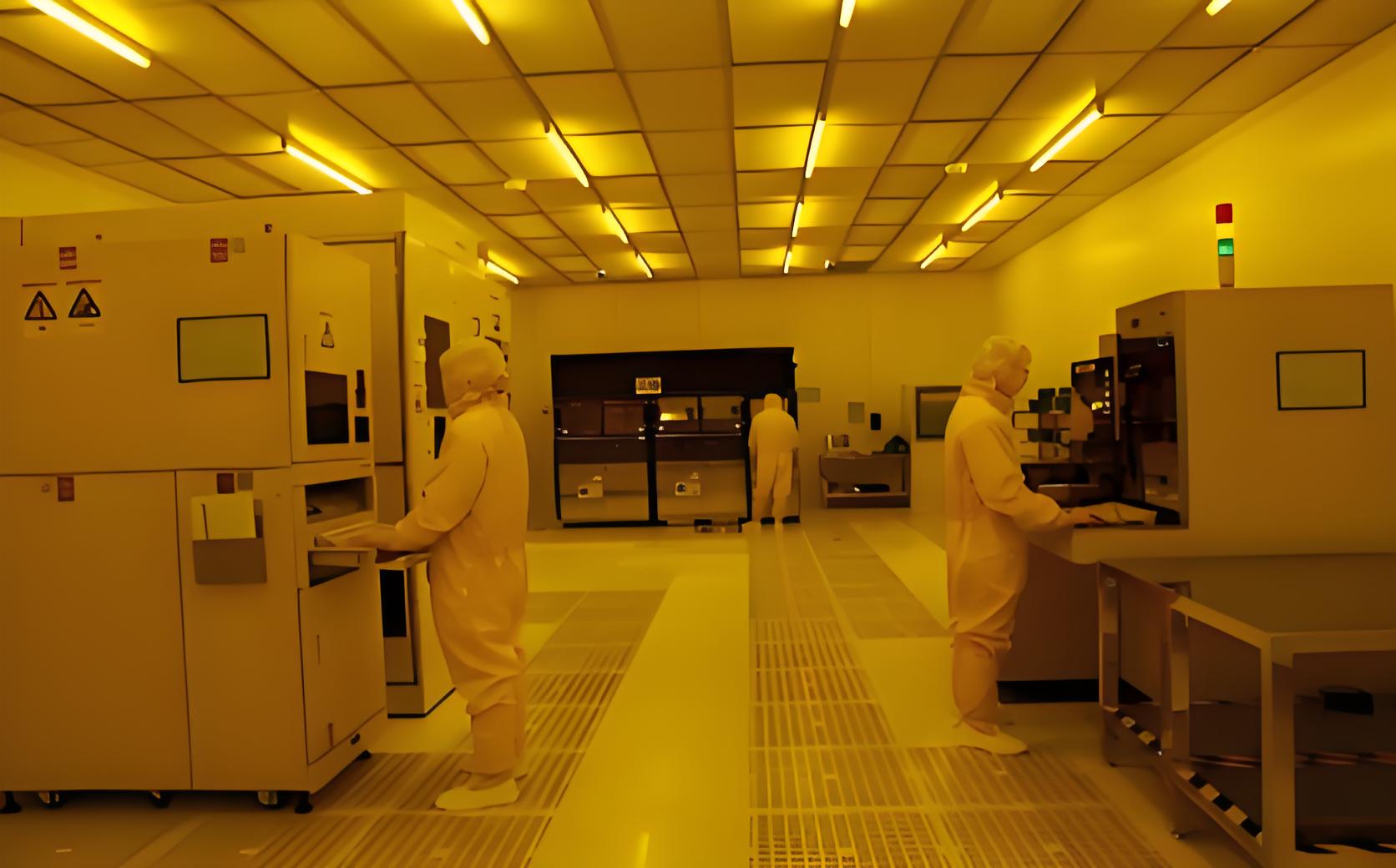
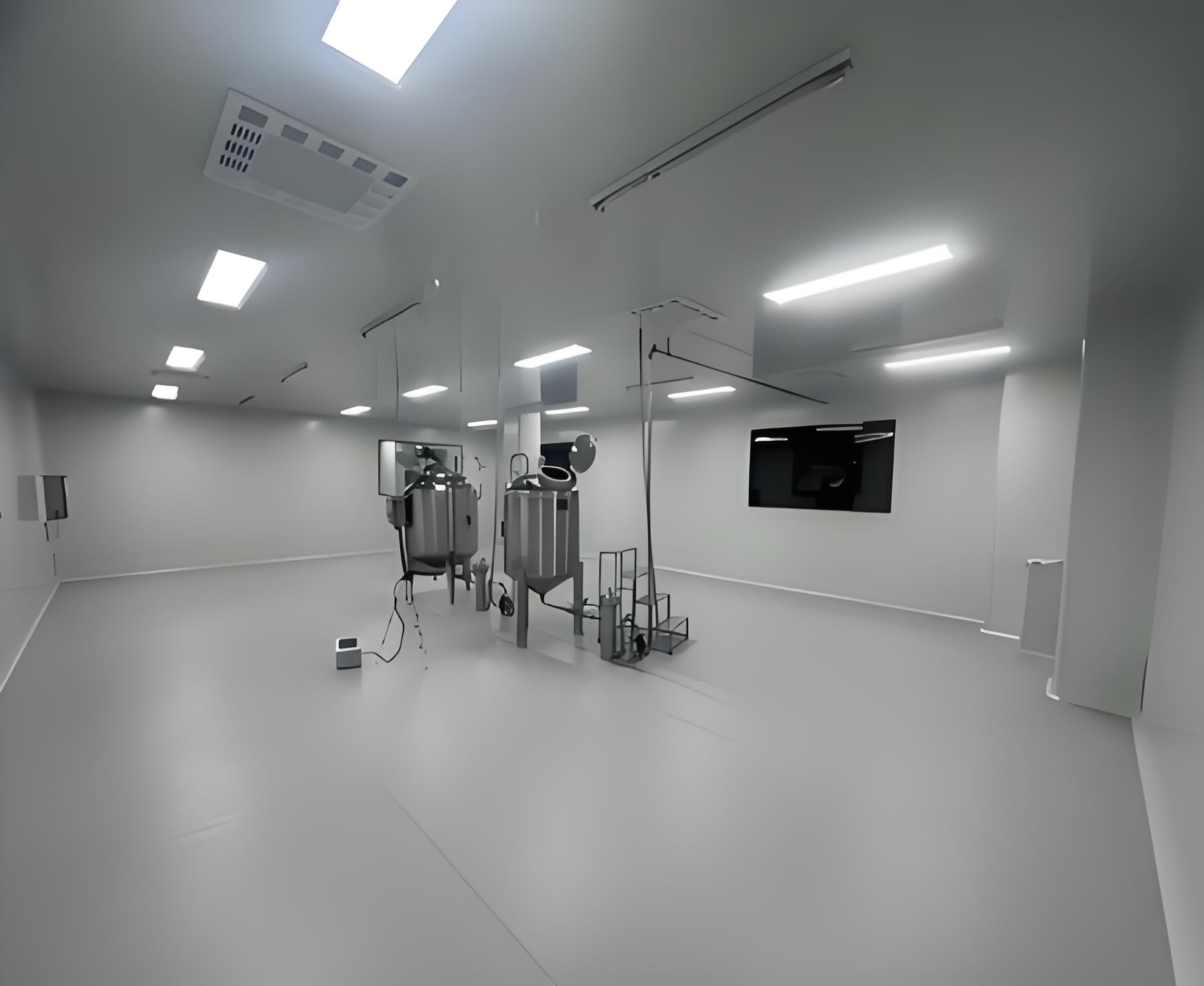
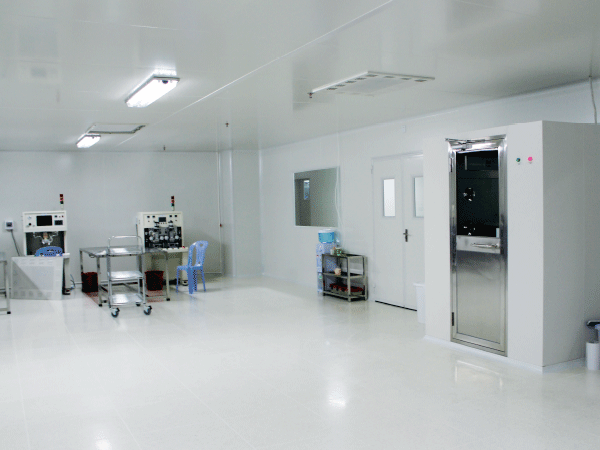

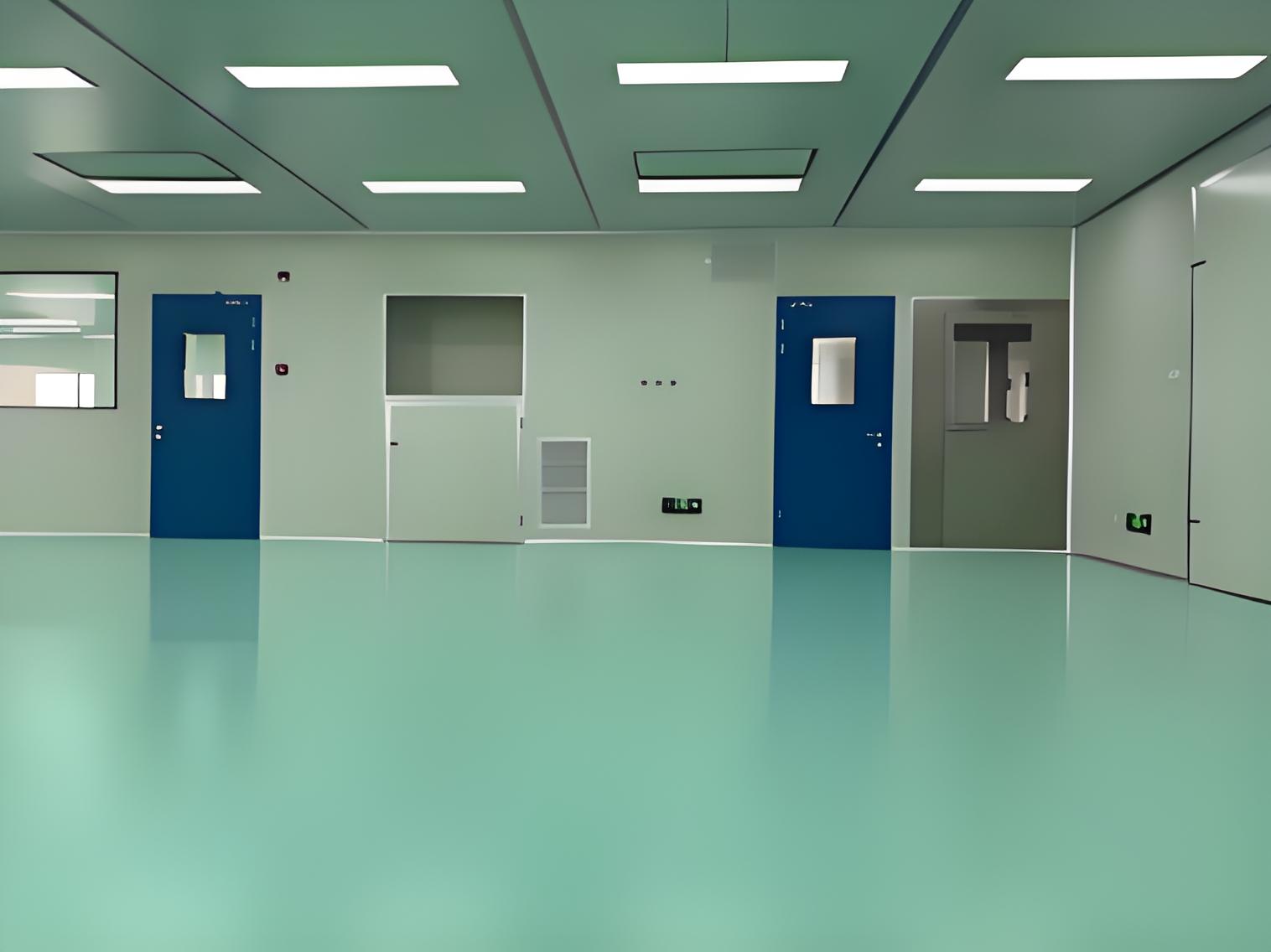
In semiconductor fabs, biopharmaceutical aseptic filling, and precision optics assembly, airborne particles are the primary enemy of yield and product integrity. A properly designed Dust-free workshop goes beyond standard cleanroom concepts – it integrates airflow dynamics, material science, and human behavior protocols to achieve and sustain ISO 14644-1 classification. TAI JIE ER has been providing engineered solutions for critical environments, ensuring that contamination risk is minimized from the design phase through daily operations. This article offers a deep technical overview for facility managers, process engineers, and quality assurance leaders.
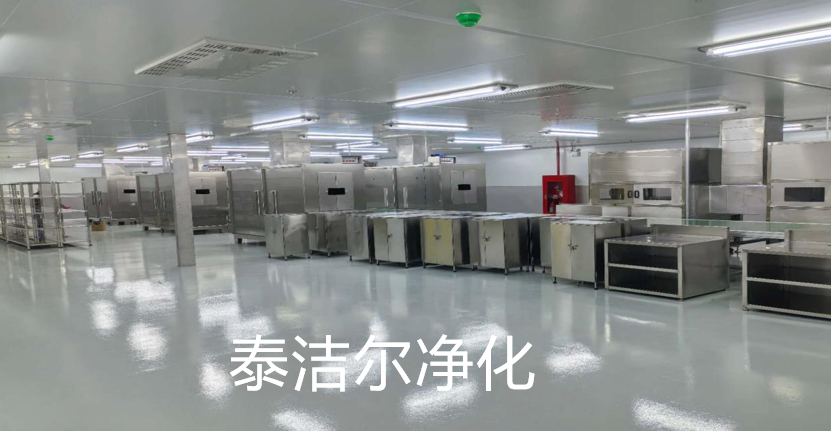
To maintain a controlled environment, every Dust-free workshop relies on four interdependent pillars: filtration & air distribution, pressurization cascades, construction materials, and operational discipline. Understanding each pillar is essential for meeting specific cleanliness classes (ISO 5 to ISO 8).
HEPA/ULPA Filtration: High-efficiency particulate air (HEPA) filters remove 99.97% of particles ≥0.3 µm; ultra-low penetration air (ULPA) filters target 0.12 µm with 99.999% efficiency. Filter coverage and sealing integrity directly impact in-situ particle counts.
Unidirectional vs. Non-unidirectional Flow: ISO 5 and cleaner spaces require unidirectional (laminar) airflow at 0.3–0.5 m/s, sweeping particles away from critical zones. ISO 6–8 often use turbulent dilution ventilation with higher air change rates (20–60 ACH).
Fan Filter Unit (FFU) Systems: Modular FFU grids provide scalability and redundancy, allowing individual control of zones while maintaining static pressure.
Maintaining a positive pressure cascade (5–15 Pa relative to adjacent lower-grade areas) prevents unfiltered infiltration through doors and cracks. For hazardous or potent compounds, negative pressure is applied. Airlocks, pass-through chambers, and interlocked doors are mandatory for preserving the Dust-free workshop integrity during material and personnel transfer.
Wall and ceiling panels: Epoxy-coated gypsum, aluminum sandwich panels, or stainless steel with rounded corners to avoid dust accumulation.
Flooring: Static-dissipative vinyl or seamless epoxy with coving to enable thorough cleaning and resist chemical attack.
Fixtures: Recessed lighting, flush-mounted sprinklers, and non-shedding gaskets.
Contamination-related failures cost millions annually. Below are sectors where a robust Dust-free workshop is non-negotiable.
Semiconductor Manufacturing: Sub-10nm node fabs require ISO 3–4 environments where a single 0.1 µm particle on a photomask can ruin an entire wafer lot. Airborne molecular contamination (AMC) control using chemical filters is also critical.
Biopharmaceutical and Medical Devices: Sterile filling lines operate under ISO 5 laminar flow zones; ISO 7 or 8 supporting areas manage non-viable particles and viable microorganisms (microbial monitoring).
Precision Optics and Aerospace: Lens coating, gyroscope assembly, and laser cavity production – sub-micron scratches or haze from particles degrade performance.
Lithium-Ion Battery Dry Rooms: Moisture and particulate control go hand in hand; dew points below -40°C are achieved with desiccant rotors combined with HEPA filtration.
Even with basic filtration, many facilities struggle with recurrent contamination excursions. Real-world pain points include:
Personnel as Primary Contamination Source: A moving person generates 500,000–1,000,000 particles per minute (≥0.3 µm). Poor gowning discipline, ill-fitting coveralls, or infrequent glove changes cause sudden spikes.
Inadequate Air Change Rates: Older HVAC designs may deliver only 10–15 ACH, insufficient for ISO 7 or tighter classes. Stagnant zones allow particle settling on product surfaces.
Filter Bypass Leakage: Gaps around filter frames or degraded seals bypass unfiltered air directly into critical zones – often undetected without annual scanning.
Process Equipment Off-gassing: Some machinery releases volatile organic compounds (VOCs) or silicone vapors that deposit on substrates, causing hydrophobic spots or electrical failures.
Inefficient Material Transfer: Unvalidated pass-through cycles or missing airlocks let contamination backflow during door openings.
Addressing those pain points requires integrated engineering and strict operating procedures. TAI JIE ER recommends a multi-layered approach combining passive design, active monitoring, and human factors engineering.
Modular cleanroom walls and ceiling grids (e.g., 50mm or 100mm sandwich panels) allow on-site assembly with minimal dust generation. Prefabricated FFU ceilings, integrated lighting, and return air plenums shorten construction schedules by 40% compared to stick-built construction while maintaining structural integrity.
Fixed-point remote particle counters (0.1/0.3/0.5 µm channels) connected to a building management system (BMS) trigger visual/audible alarms when thresholds exceed alert levels. Trend analysis identifies developing filter leakage or maintenance needs before failure.
Three-stage gowning for ISO 5: inner scrubs, bunny suit, hood, boots, mask, goggles, and double gloves.
Air showers at the entrance of the Dust-free workshop remove surface particles from gowns using high-velocity HEPA-filtered jets.
Sticky mats and vacuum pass-throughs for tools and paperwork.
N+1 FFU and chiller configurations ensure continuous operation during maintenance. Demand-controlled ventilation adjusts airflow based on real-time particle concentration, reducing energy consumption by 25–35% without compromising cleanliness.
For turnkey execution, from ISO 8 to ISO 3 environments, TAI JIE ER provides engineering, procurement, and validation documentation aligned with GMP and SEMI standards. Their cleanroom specialists perform computational fluid dynamics (CFD) simulations to optimize air return locations and eliminate dead zones.
ISO 14644-1:2015 defines classification by the maximum allowable concentration of particles ≥0.1 µm, 0.2 µm, 0.3 µm, 0.5 µm, 1 µm, and 5 µm. Routine compliance involves:
Initial Certification: Particle count testing in “as-built” (no equipment), “at-rest” (equipment installed but no personnel), and “operational” (normal activity) states.
Periodic Re-testing: ISO 5-6 every 6 months; ISO 7-8 annually. Filter leak scans (using photometers) and airflow volume verification are mandatory.
Recovery Test: Measures how fast the workshop returns to target class after particle injection – critical for assessing air change effectiveness.
Documentation and Training Logs: All cleaning activities, gowning qualification, and maintenance interventions must be recorded for regulatory audits (e.g., FDA, EMA).
Industry 4.0 is reshaping contamination control. Wireless particle sensors, IoT-enabled FFUs, and machine learning algorithms predict filter clogging cycles and optimize differential pressure setpoints. Digital twins allow ‘what-if’ simulations – for instance, the effect of opening a door on adjacent zone cleanliness – to adjust air curtain timing automatically. Early adopters report 50% reduction in unplanned downtime and longer filter life. Integrating these smart features into a new or existing Dust-free workshop is a strategic differentiator for high-mix manufacturing.
Q1: What is the difference between a cleanroom and a dust-free workshop?
A1: The term Dust-free workshop typically refers to an industrial environment where airborne particulate is controlled to a defined ISO class, often ISO 7 or 8, for general assembly or packaging. Cleanroom is a broader standard including viable (microbial) control, temperature/humidity, and stricter protocols. However, in practice, both follow ISO 14644 guidelines; the key difference lies in the criticality of the product (e.g., sterile drugs vs. precision bearings).
Q2: Which ISO class should I choose for a dust-free workshop for lithium-ion battery electrode production?
A2: For electrode coating and slitting processes where copper/aluminium foils are sensitive to metallic particles, ISO 7 (at-rest) is the industry baseline. For dry rooms (dew point ≤ -40°C), ISO 6 or better is recommended, with additional rotary desiccant dehumidification. Always assess particle size sensitivity: pinhole defects require control of particles >20 µm, so HEPA efficiency ≥99.97% at 0.3 µm is sufficient.
Q3: How often should HEPA filters be replaced in a dust-free workshop?
A3: HEPA filter life depends on pre-filter maintenance and particle loading. Typically, replace every 3–5 years for continuous operation. However, annual scanning (PAO test) determines if localized leaks or increased pressure drop >250 Pa indicate premature failure. Pre-filters (F7/F9) should be changed every 6–12 months to extend HEPA lifetime.
Q4: Can I build a dust-free workshop inside an existing factory without major structural changes?
A4: Yes – modular cleanroom partitions and self-supporting FFU ceilings allow a Dust-free workshop to be erected within an existing shell. The key requirements are a level floor, sufficient ceiling height (≥2.8 m), and access to electrical/HVAC connections. TAI JIE ER provides turnkey modular solutions with minimal disruption to adjacent operations.
Q5: How do I validate cleanliness after equipment installation inside an operational dust-free workshop?
A5: Perform an “at-rest” particle count test after installation, ensuring no personnel and equipment only. Then run a “recovery test” – introduce a controlled particle challenge and measure time to return to baseline class. Use portable particle counters at critical equipment surfaces. Also conduct smoke studies to visualize air disturbances caused by the new equipment and adjust diffusers or barriers accordingly.
Designing or upgrading a Dust-free workshop requires accurate classification, airflow simulation, and validated protocols. Every manufacturing environment is unique – from wafer steppers to aseptic filling lines. TAI JIE ER offers full lifecycle support: feasibility study, cleanroom layout, FFU selection, ISO certification documentation, and ongoing maintenance training. Send your project specifications to our engineering team for a detailed proposal and site-specific layout recommendation.
Submit your inquiry now: https://www.taijieer.com/contact or email directly via our website. Let us help you achieve consistent, auditable contamination control.