
Contamination control is the lifeblood of industries ranging from semiconductor fabrication to biopharmaceutical manufacturing. The foundation of any controlled environment lies in rigorous Cleanroom Engineering design. A poorly designed cleanroom cannot be corrected by operational protocols alone; it leads to chronic contamination events, regulatory non-compliance, and escalating operational costs. This article outlines the seven fundamental engineering principles that define world-class cleanroom facilities, providing a framework for project managers, facility engineers, and quality assurance teams.
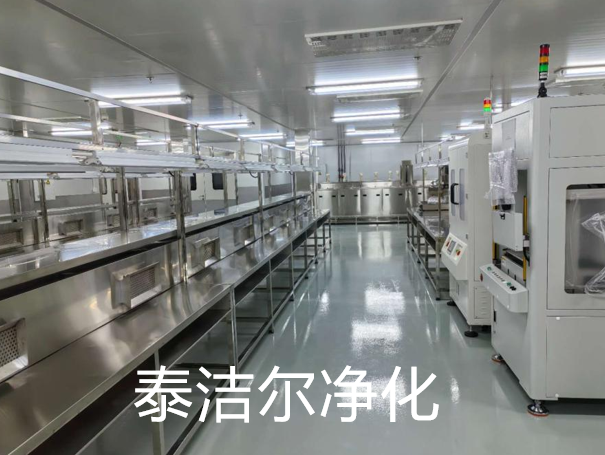
Cleanroom Engineering design begins with a clear definition of the required cleanliness class. ISO 14644-1 remains the global benchmark, specifying maximum allowable particle concentrations for classes from ISO 1 (ultra-clean semiconductor fabs) to ISO 8 (general manufacturing). The design must also consider industry-specific regulations:
Pharmaceuticals: EU GMP Annex 1 and FDA guidance mandate specific airflow patterns (unidirectional vs. turbulent) and pressure differentials for aseptic processing.
Semiconductors: ITRS roadmaps define airborne molecular contamination (AMC) limits for critical nodes.
Medical devices: ISO 13485 requires validated cleanroom environments for implantable device assembly.
Classification drives every subsequent design decision, from HVAC capacity to filter coverage and materials of construction.
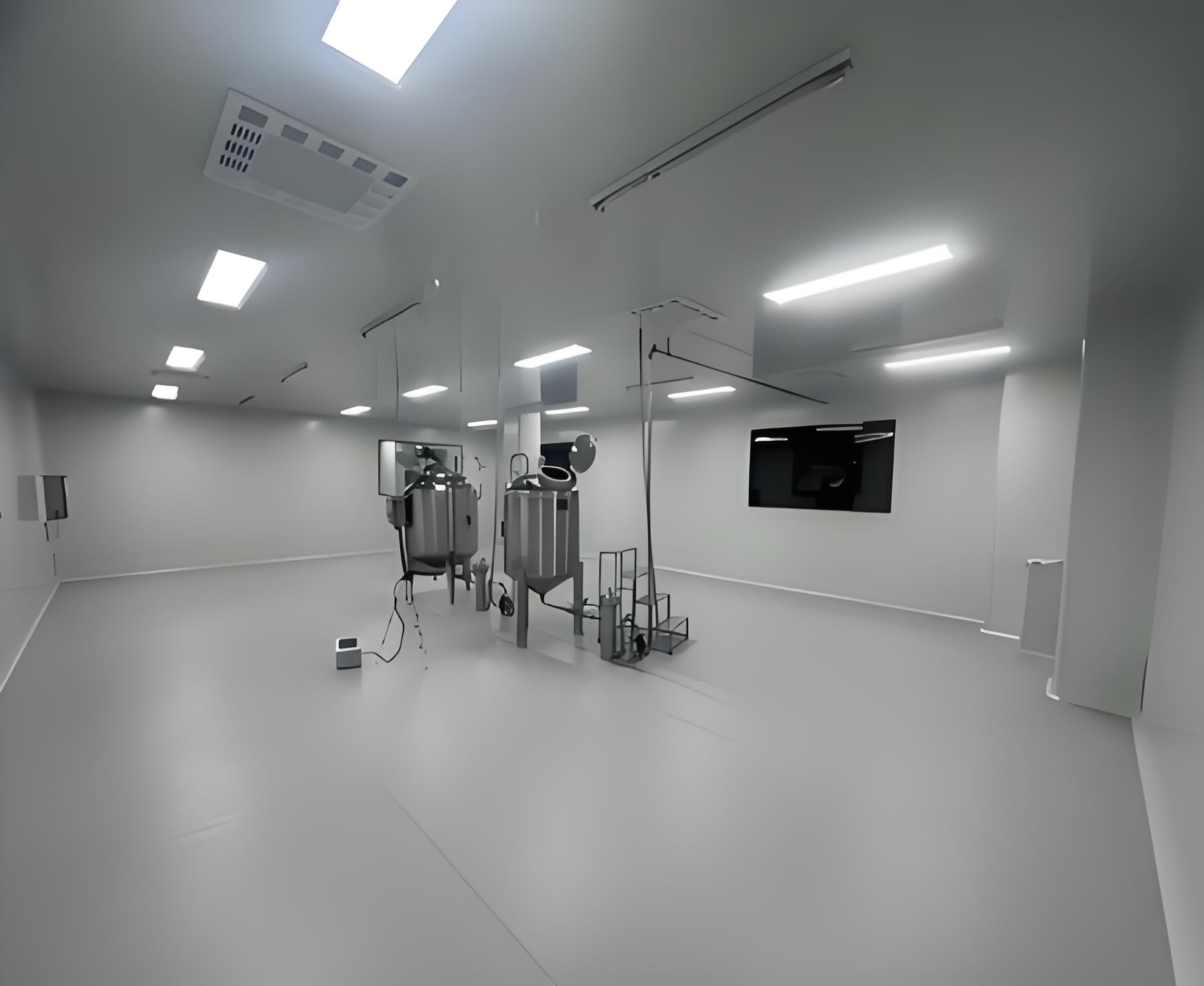
The heating, ventilation, and air conditioning (HVAC) system is the heart of any cleanroom. It must provide precise temperature (±0.1°C for some semiconductor steps) and humidity (±2% RH) control while maintaining required air change rates. Key engineering considerations include:
Air change rates: ISO 5 (Class 100) cleanrooms typically require 240-600 air changes per hour (ACH), while ISO 7 requires 30-60 ACH.
Unidirectional vs. turbulent flow: Critical zones (e.g., fill lines in pharma) demand unidirectional (laminar) flow with velocities of 0.3-0.5 m/s to sweep particles away from the product. Less critical areas can use turbulent dilution.
HEPA/ULPA filtration: HEPA filters (99.99% efficient at 0.3 μm) or ULPA filters (99.9995% at 0.12 μm) must be leak-tested and certified. Final filter placement (ceiling-mounted vs. terminal HEPA modules) impacts maintenance access.
Pressure cascades: Positive pressure differentials (typically 10-15 Pa) between cleaner and less clean areas prevent infiltration. Differential pressure monitoring with alarms is mandatory.
Computational fluid dynamics (CFD) modeling is increasingly used to visualize airflow patterns and optimize return air grille locations before construction begins.
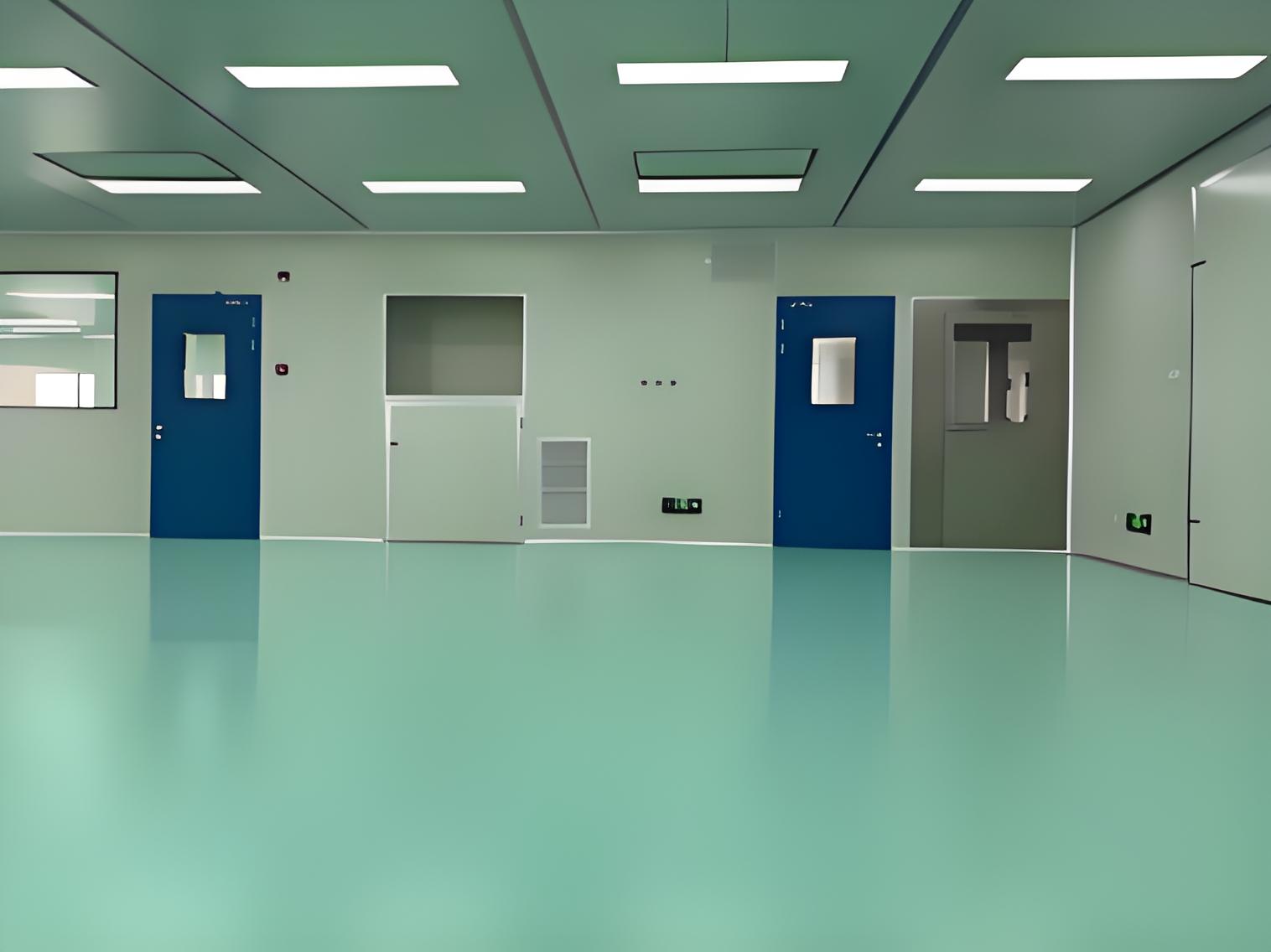
Every surface inside a cleanroom—walls, floors, ceilings, and furniture—must be non-shedding, easy to clean, and resistant to chemicals. Common specifications include:
Wall panels: Powder-coated steel, stainless steel (304 or 316L), or cleanroom-compatible PVC/FRP panels. Joints must be sealed with cleanroom-grade silicone to prevent particle accumulation.
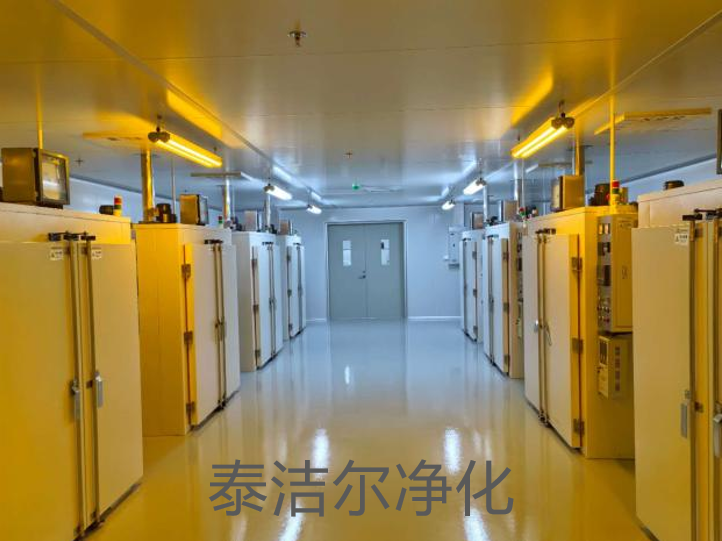
Flooring: Seamless epoxy or polyurethane coatings that are static-dissipative for electronics applications. Coving at wall-floor junctions eliminates horizontal ledges.
Ceilings: Grid systems supporting HEPA filters and light fixtures. Walkable ceilings may be required for filter maintenance above ISO 5 zones.
Work surfaces: Stainless steel with electropolished finishes minimizes particle adhesion and corrosion.
Companies like TAI JIE ER provide integrated cleanroom envelope solutions, ensuring material compatibility and compliance with ISO 14644-4 construction standards.
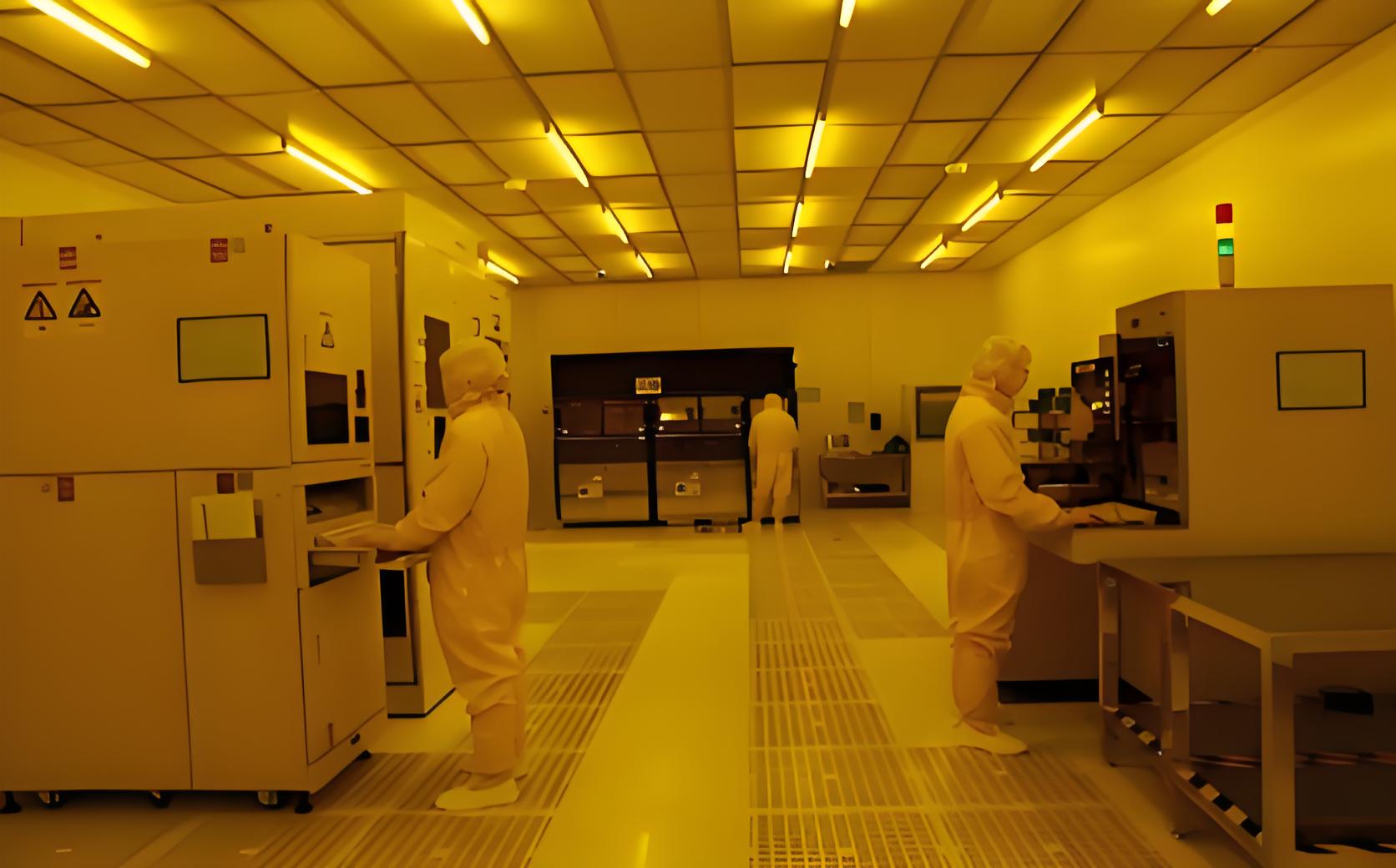
People are the largest source of contamination in any cleanroom. Cleanroom Engineering design must incorporate features that minimize human-shed particles:
Personnel airlocks (PALs): Staged entry with interlocked doors, sticky mats, and gowning areas designed to separate dirty and clean zones.
Material transfer systems: Pass-through boxes, UV tunnels, or rapid transfer ports (RTPs) for sterile applications. VHP-compatible pass-throughs are essential for biodecontamination.
Equipment integration: Process tools should be designed for cleanroom compatibility—smooth exteriors, no particle-generating moving parts exposed, and connections that can be sealed.
Cleanroom garments: The HVAC design must account for heat load from gowned operators, especially in tropical climates.
Modern cleanrooms require complex utility networks: purified water (PW), water for injection (WFI), compressed air, process gases, vacuum, and electrical power. Design best practices include:
Service chases and interstitial spaces: Locating utilities above the ceiling or below the cleanroom floor allows maintenance without entering the clean zone.
Penetration sealing: All utility penetrations through walls or ceilings must be sealed with cleanroom-compatible materials to maintain pressure differentials.
Backflow prevention and redundancy: Critical facilities often install N+1 HVAC units and UPS systems to maintain environment during power outages.
A poorly planned utility layout leads to contamination risks and difficult maintenance—a scenario professional engineering avoids.
Engineering design is incomplete without a robust validation plan. The commissioning process typically follows these stages:
Installation Qualification (IQ): Verifying that materials and equipment are installed per specifications.
Operational Qualification (OQ): Testing airflow volumes, pressure differentials, temperature/humidity control, and alarm functionality.
Performance Qualification (PQ): Particle counting (at rest and in operation) to demonstrate compliance with ISO class.
Documentation is critical for regulatory submissions. TAI JIE ER offers turnkey validation support, ensuring that the as-built cleanroom meets all design intent and regulatory requirements.
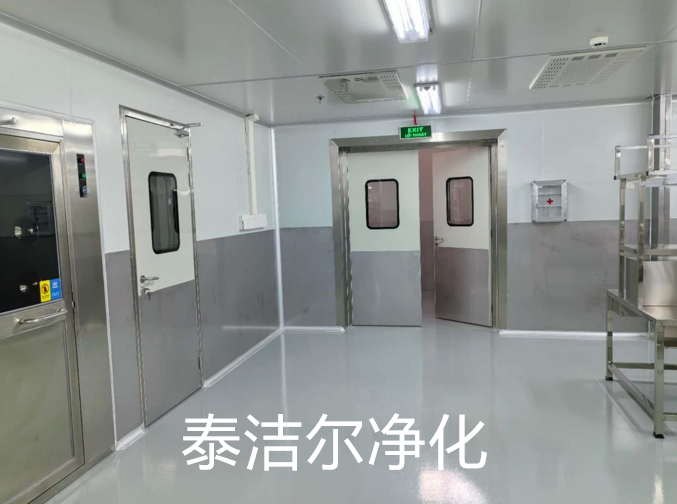
Cleanroom operating costs are dominated by HVAC energy consumption. Sustainable design strategies include:
Energy recovery wheels: Transfer heat and moisture from exhaust air to incoming fresh air, reducing conditioning load.
Variable air volume (VAV) systems: Reduce airflow during non-production hours while maintaining pressure cascades.
Modular cleanroom construction: Prefabricated panels allow reconfiguration as processes change, avoiding full rebuilds.
LED lighting with motion sensors: Reduce heat load and electricity use.
Forward-thinking engineering incorporates these elements without compromising contamination control.
Q1: What is the typical timeline for designing and building an ISO 7 cleanroom?
A1: A typical project timeline ranges from 6 to 12 months, depending on size and complexity. Design and engineering (concept through detailed drawings) takes 2-3 months, construction 4-8 months, and validation 1-2 months. Fast-track projects using modular components can reduce this by 20-30%.
Q2: How much does professional cleanroom engineering design cost?
A2: Engineering fees typically range from 5% to 15% of total construction cost, depending on project complexity. For a US$1M cleanroom, design fees might be US$50,000–150,000. This investment is recovered through optimized layouts, reduced change orders, and lower operational costs.
Q3: Can an existing building be converted into a cleanroom?
A3: Yes, but careful assessment of ceiling height, floor loading capacity, and HVAC space is required. Older buildings may need structural reinforcement. Professional Cleanroom Engineering design evaluates these constraints and proposes cost-effective adaptations, such as raised floors for plenum returns.
Q4: What is the difference between "positive pressure" and "negative pressure" cleanrooms?
A4: Positive pressure (higher pressure inside than outside) is used to keep contaminants out—standard for semiconductor and pharmaceutical manufacturing. Negative pressure (lower inside) is used for containment applications like biosafety labs (BSL-3/4) or handling potent compounds, preventing hazardous materials from escaping.
Q5: How often should a cleanroom be recertified?
A5: ISO 14644-2 recommends recertification at least every 6-12 months for particle counts, depending on classification. Additionally, recertification is required after any major maintenance (HEPA filter changes, HVAC repairs) or facility modifications. Airflow and pressure differentials should be monitored continuously.
Q6: What are common mistakes in cleanroom engineering design?
A6: Frequent errors include: insufficient space for equipment maintenance, poor location of air returns (creating dead zones), inadequate consideration of operator heat load, and specifying materials that cannot withstand regular cleaning chemicals. Engaging experienced engineers early avoids these pitfalls.
Q7: Do I need unidirectional airflow for an ISO 8 cleanroom?
A7: No, ISO 8 and ISO 7 cleanrooms typically use non-unidirectional (turbulent) airflow with sufficient air changes to dilute contamination. Unidirectional flow is reserved for ISO 5 and cleaner zones, or local protection points (e.g., filling needles in aseptic processing).