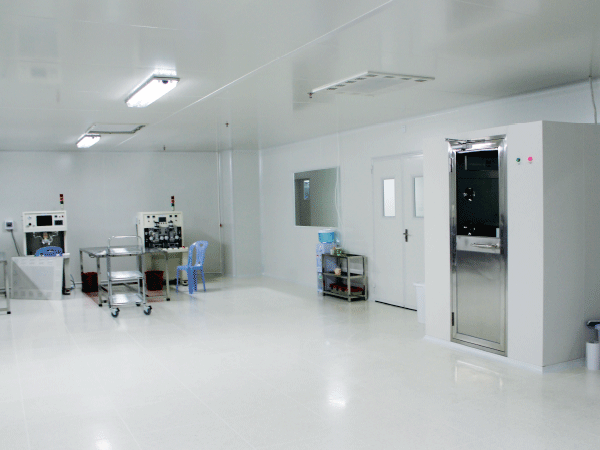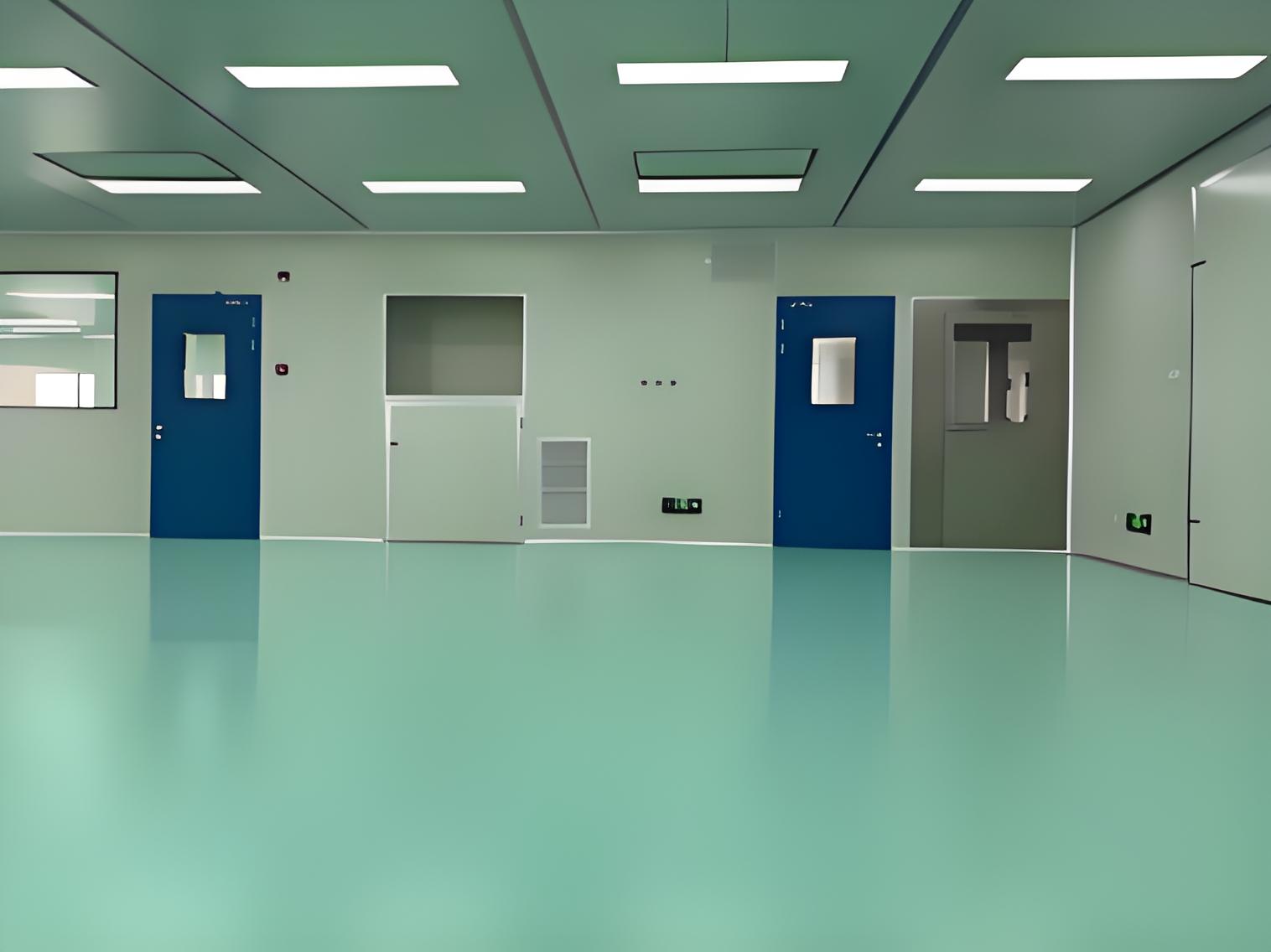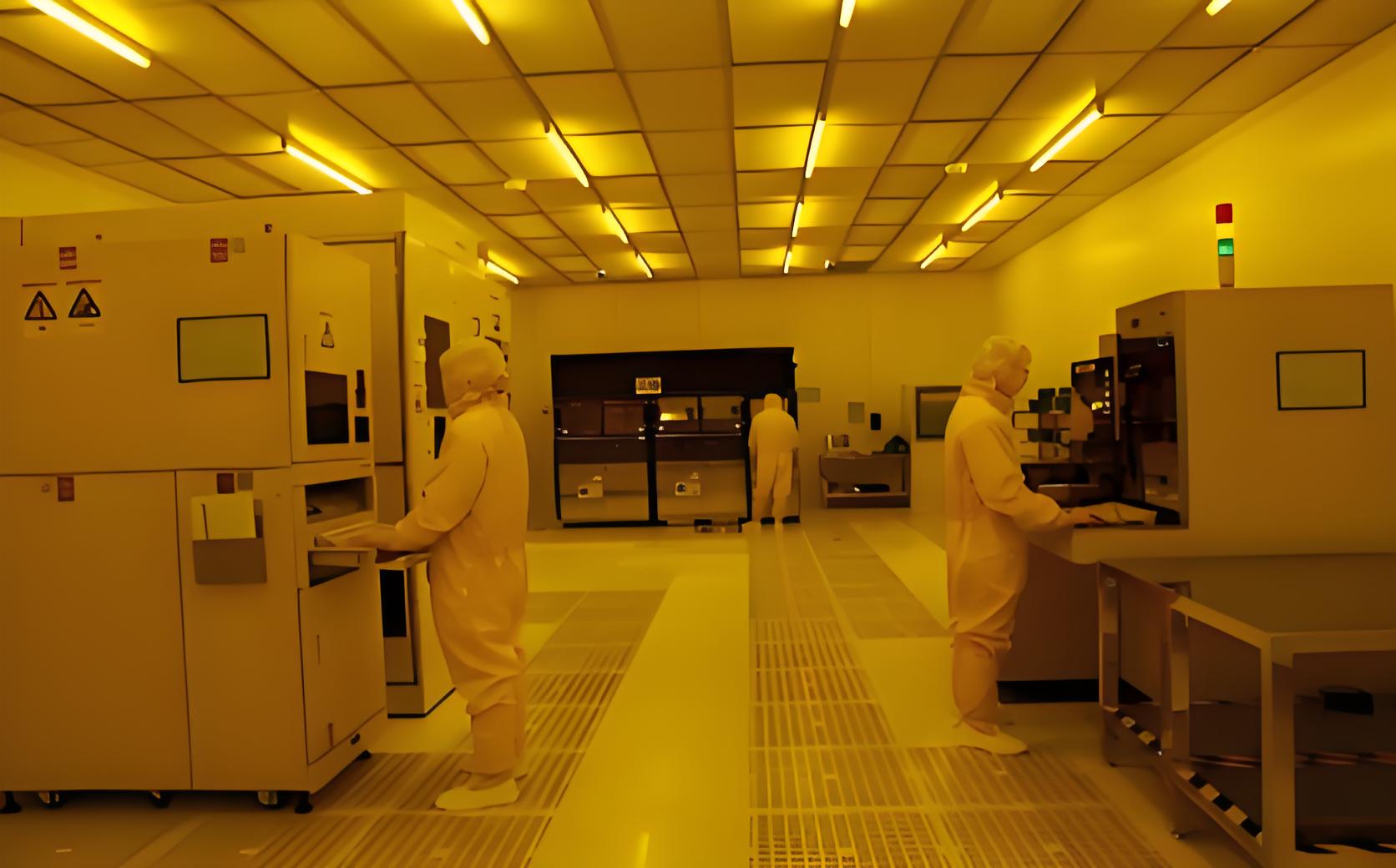

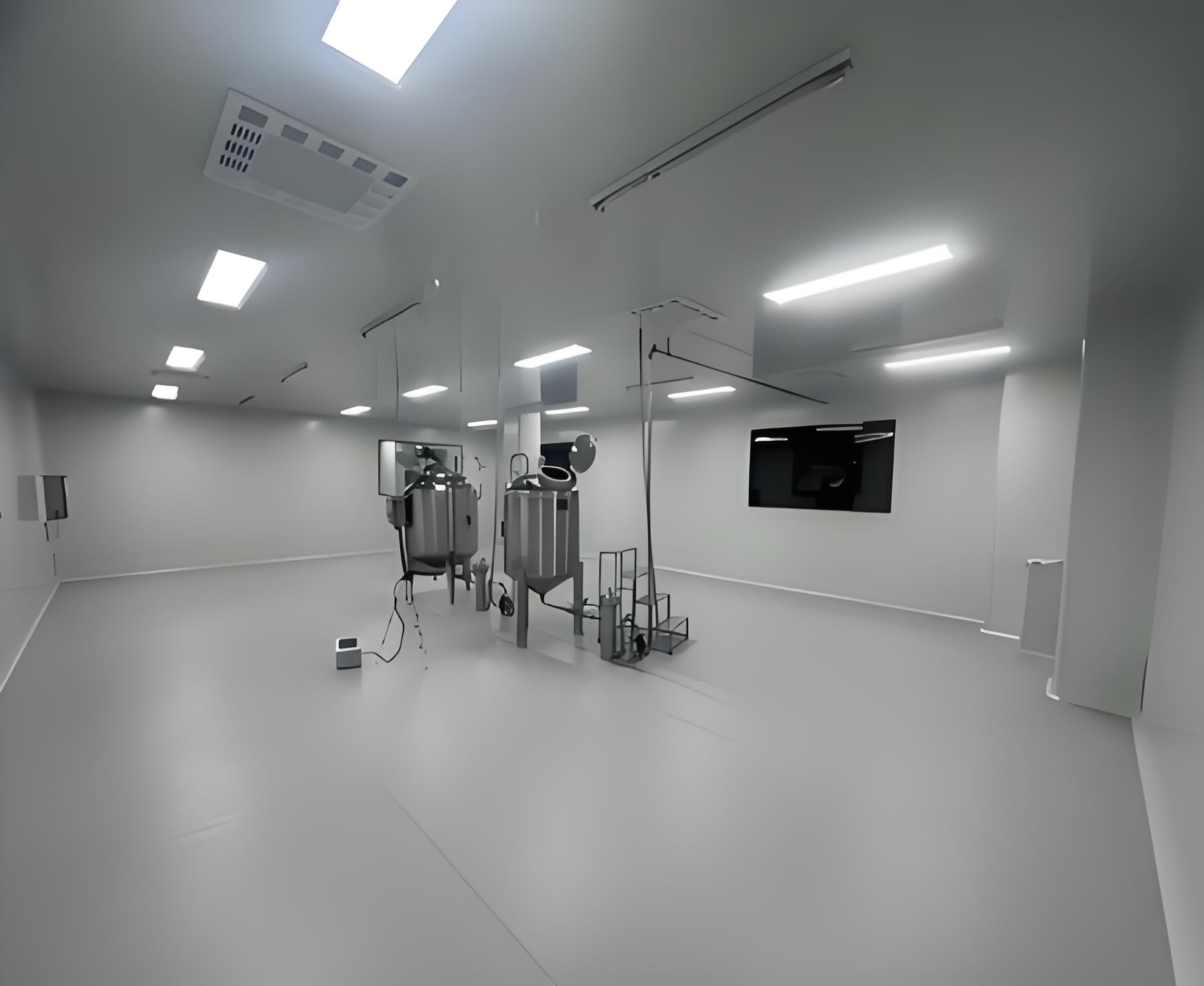
The performance of a cleanroom depends as much on the architectural finishes as on the HVAC system. Purification engineering decoration encompasses the specialized construction practices, material selection, and sealing techniques that create a contamination‑free envelope. Poor decoration leads to particle shedding, microbial growth, pressure leakage, and regulatory non‑compliance. This article presents eight essential aspects of Purification engineering decoration based on ISO 14644‑4 and GMP guidelines, providing a decision framework for facility managers and project engineers.
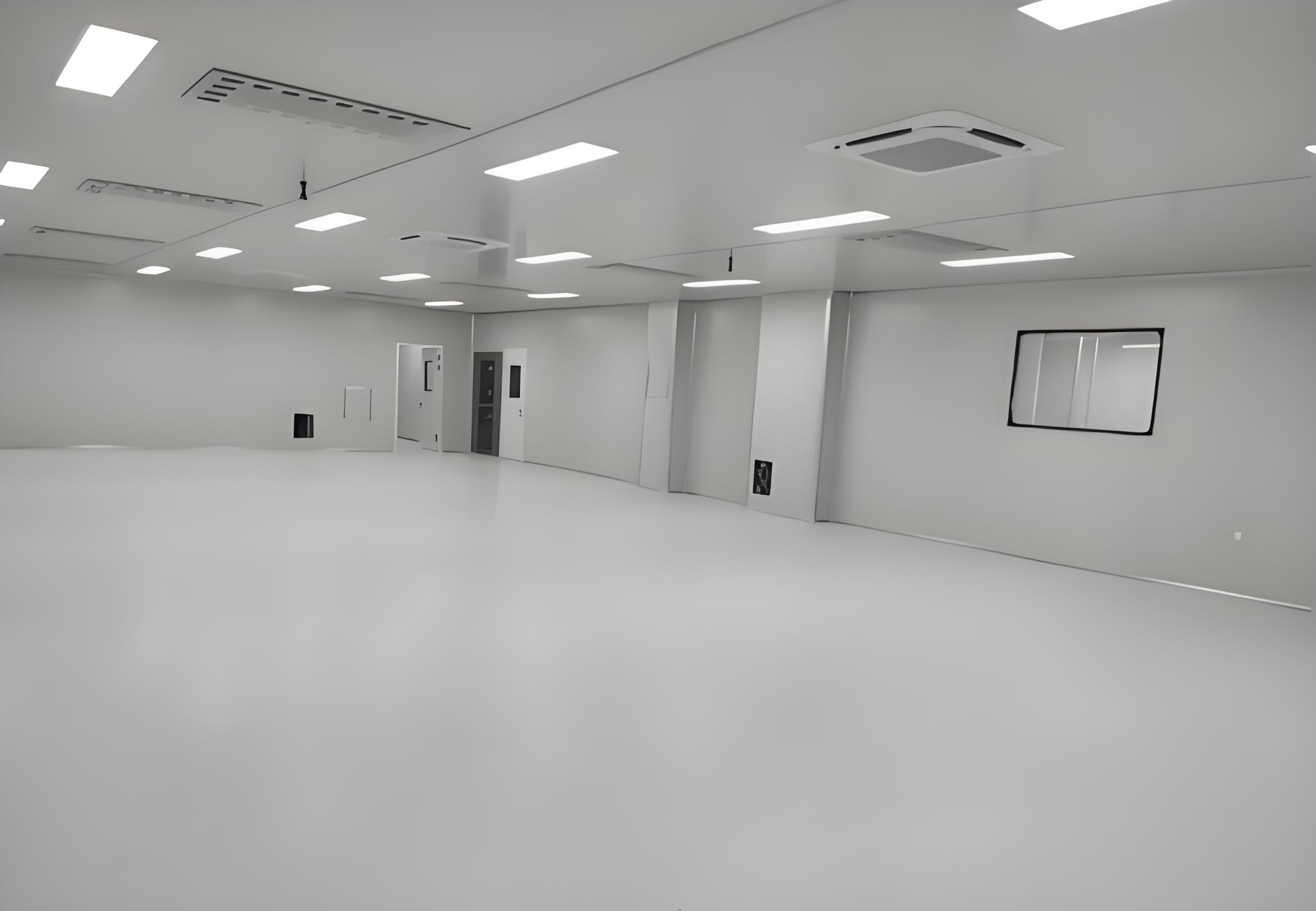
All exposed surfaces must be smooth, non‑porous, resistant to cleaning agents, and capable of withstanding periodic disinfection. Common materials include:
Wall panels: Pre‑coated galvanized steel (color steel), anti‑static PVC, or electropolished stainless steel (316L) for aseptic areas. Surface roughness (Ra) should be below 0.8 μm to prevent particle adhesion.
Flooring: Epoxy self‑leveling (2‑3 mm thickness) for light industrial use, polyurethane cement (5‑6 mm) for heavy chemical exposure, or conductive vinyl for ESD‑sensitive zones. All floors must be seamless and coved at wall junctions.
Ceilings: Modular aluminum honeycomb or steel panels with cleanable gaskets. For ISO 5 and cleaner, walkable ceilings allow HEPA filter maintenance from above.
TAI JIE ER supplies certified cleanroom panel systems that meet Class 100‑100,000 requirements, backed by fire and toxicity test reports.
Air leaks and cracks negate even the best HVAC system. Purification engineering decoration demands meticulous attention to every joint:
Wall‑to‑wall joints: Tongue‑and‑groove panels sealed with neutral silicone containing fungicide.
Coving: 50‑100 mm radius coved skirting between wall and floor eliminates horizontal ledges.
Penetration seals: Utility pipes and cables passing through walls require airtight grommets or sealant beads, tested for pressure decay.
Door frame seals: Magnetic or compression gaskets ensure airtight closure, verified by smoke tests.
Doors and windows are potential leak points and must be designed for cleanability:
Doors: Stainless steel or painted steel with vision panels, equipped with interlocking systems (mechanical or electronic) for airlock sequencing.
Windows: Double‑glazed flush‑mounted windows with sloped sills to prevent dust accumulation.
Pass‑through boxes: Stainless steel with interlocked doors, optionally with UV or HEPA‑filtered air purge to reduce particle transfer.
All openings must be flush with the wall surface, avoiding frames that collect dust.
The construction process itself must not contaminate future clean surfaces. Key practices include:
Sequential installation: Ceilings installed first, then walls, then floors, allowing final cleaning in that order.
Temporary barriers: Plastic sheeting to isolate completed areas from ongoing work.
HEPA‑filtered vacuums: Used during cutting and drilling to capture particles at source.
Personnel discipline: Dedicated clothing, tacky mats, and tool cleaning stations within the construction zone.
Following these protocols prevents embedded dirt that later becomes impossible to remove.
In electronics and some pharmaceutical processes, static accumulation attracts particles and can damage sensitive components. Purification engineering decoration must incorporate:
Conductive flooring: Resistance to ground between 105 and 108 ohms, measured per ANSI/ESD S7.1.
Grounding networks: Copper strips embedded beneath flooring, connected to building earth.
Dissipative wall coatings: Optional for high‑risk zones.
Regular verification of grounding continuity is part of ongoing qualification.
Lighting must provide adequate illumination (typically 300‑800 lux depending on task) while being cleanable:
Recessed LED panels: Flush‑mounted with sealed covers, eliminating ledges.
Waterproof switches and sockets: Stainless steel faceplates with silicone gaskets.
Emergency lighting: Integrated into ceiling grid, with battery backup.
All electrical boxes behind walls must be sealed to prevent airflow through conduit pathways.
The ceiling interface with HEPA/ULPA filters and fan filter units (FFUs) is critical:
Filter frames: Gel‑seal or knife‑edge frames ensure zero leakage between filter and ceiling grid.
Return air grilles: Positioned low on walls to facilitate unidirectional airflow, with cleanable aluminum blades.
Diffusers: Perforated stainless steel plates for laminar flow zones.
Coordination between the mechanical engineer and decoration contractor avoids last‑minute modifications that compromise airtightness.
Completed Purification engineering decoration must be verified through a structured validation protocol:
Installation Qualification (IQ): Verify materials against specifications (certificates of conformity, batch numbers).
Operational Qualification (OQ): Room pressurization tests (smoke patterns, pressure differentials), filter installation leak tests.
Performance Qualification (PQ): Particle counts at rest and in operation, recovery tests.
Documentation should include as‑built drawings, sealant types, and test reports. TAI JIE ER provides comprehensive validation support for turnkey projects, ensuring compliance with FDA, EU GMP, and ISO standards.
Purification engineering decoration is a specialized discipline that bridges construction and contamination control. From material selection and sealing techniques to validation, every step demands precision and expertise. Partnering with experienced contractors like TAI JIE ER ensures that your cleanroom envelope meets both current regulatory requirements and future operational needs.
Q1: What is the difference between regular interior decoration and purification engineering decoration?
A1: Regular decoration focuses on aesthetics and basic functionality, using materials that may shed particles or harbor microbes. Purification engineering decoration uses low‑particle‑shedding materials, sealed joints, and coved corners, with strict attention to airtightness and cleanability. It also integrates with HVAC and validation requirements.
Q2: How long does a typical cleanroom decoration project take?
A2: For a 100‑200 m² ISO 7 cleanroom, construction typically takes 4‑8 weeks, depending on complexity and concurrent HVAC/electrical work. Prefabricated modular panels can shorten this by 2‑3 weeks.
Q3: Which wall panel material is best for a pharmaceutical cleanroom?
A3: For most pharmaceutical applications, electro‑galvanized steel panels with a baked‑on epoxy finish offer good chemical resistance and cleanability. For aseptic processing (ISO 5), stainless steel 304 or 316L is preferred due to its resistance to disinfectants and sanitizing agents.
Q4: How do I ensure the floor is truly seamless?
A4: Seamless floors are achieved by using liquid‑applied resin systems (epoxy or polyurethane) that cure to a monolithic surface. For sheet flooring (vinyl), seams must be heat‑welded and ground smooth. Verification includes visual inspection and, for critical areas, tracer gas tests under the floor.
Q5: What is the cost range for purification engineering decoration per square meter?
A5: Costs vary widely by region, material quality, and cleanroom class. Rough estimates: basic ISO 8 finish (color steel panels, epoxy floor) US$300‑500/m²; ISO 7 with stainless steel and coved floors US$600‑900/m²; ISO 5 with walkable ceilings and full validation US$1,200‑2,000/m².
Q6: Do I need fire‑rated materials in a cleanroom?
A6: Yes. Most building codes require fire‑rated panels (e.g., Class A or B per ASTM E84). In pharmaceutical cleanrooms, low flame spread and smoke development indices are mandatory. Panels should also be non‑toxic if exposed to fire.
Q7: Can existing cleanroom walls be modified without compromising cleanliness?
A7: Modifications are possible but require careful isolation of the work area with temporary barriers, use of HEPA‑filtered negative pressure units, and thorough cleaning and recertification afterward. Professional contractors experienced in renovation work should handle such projects.