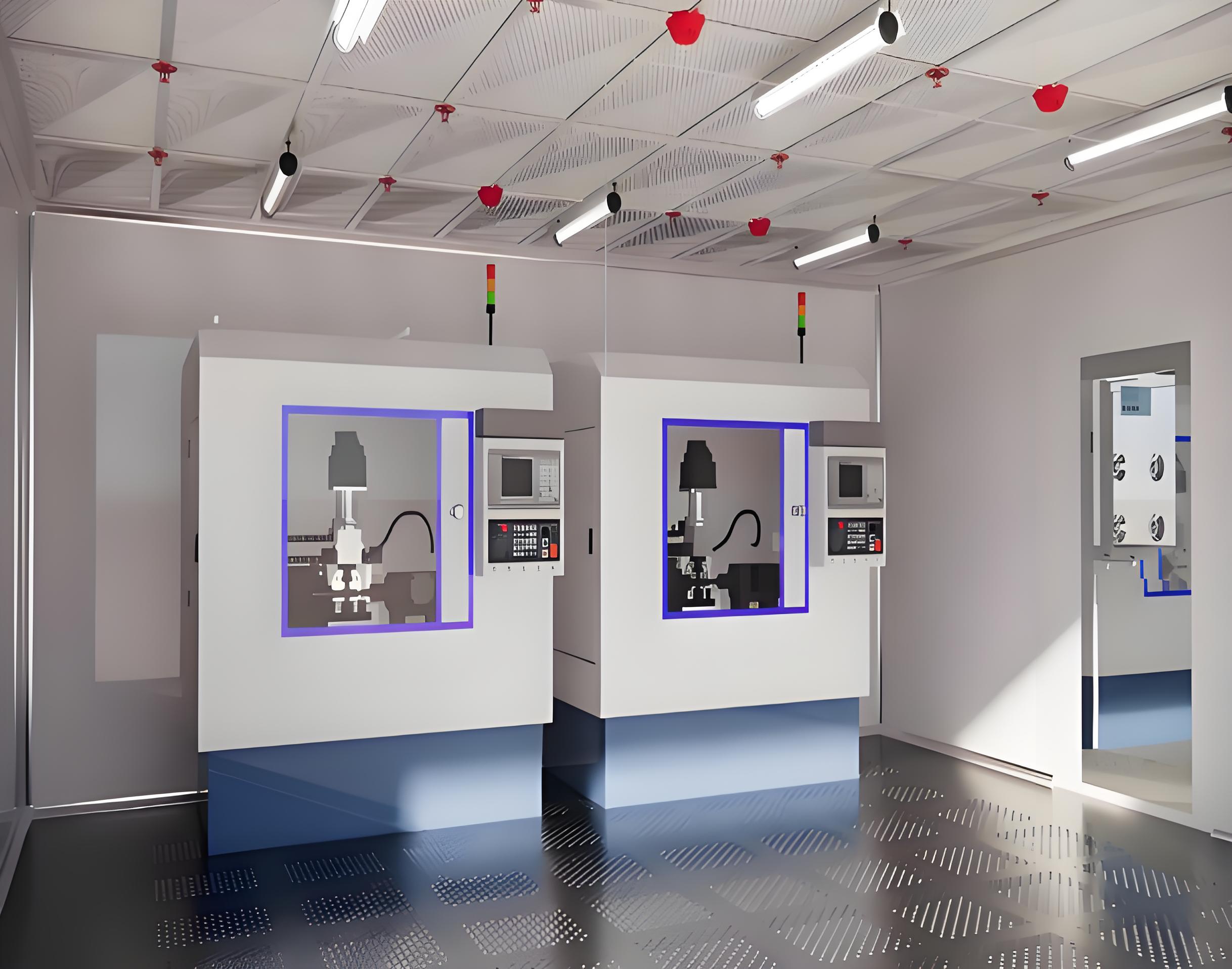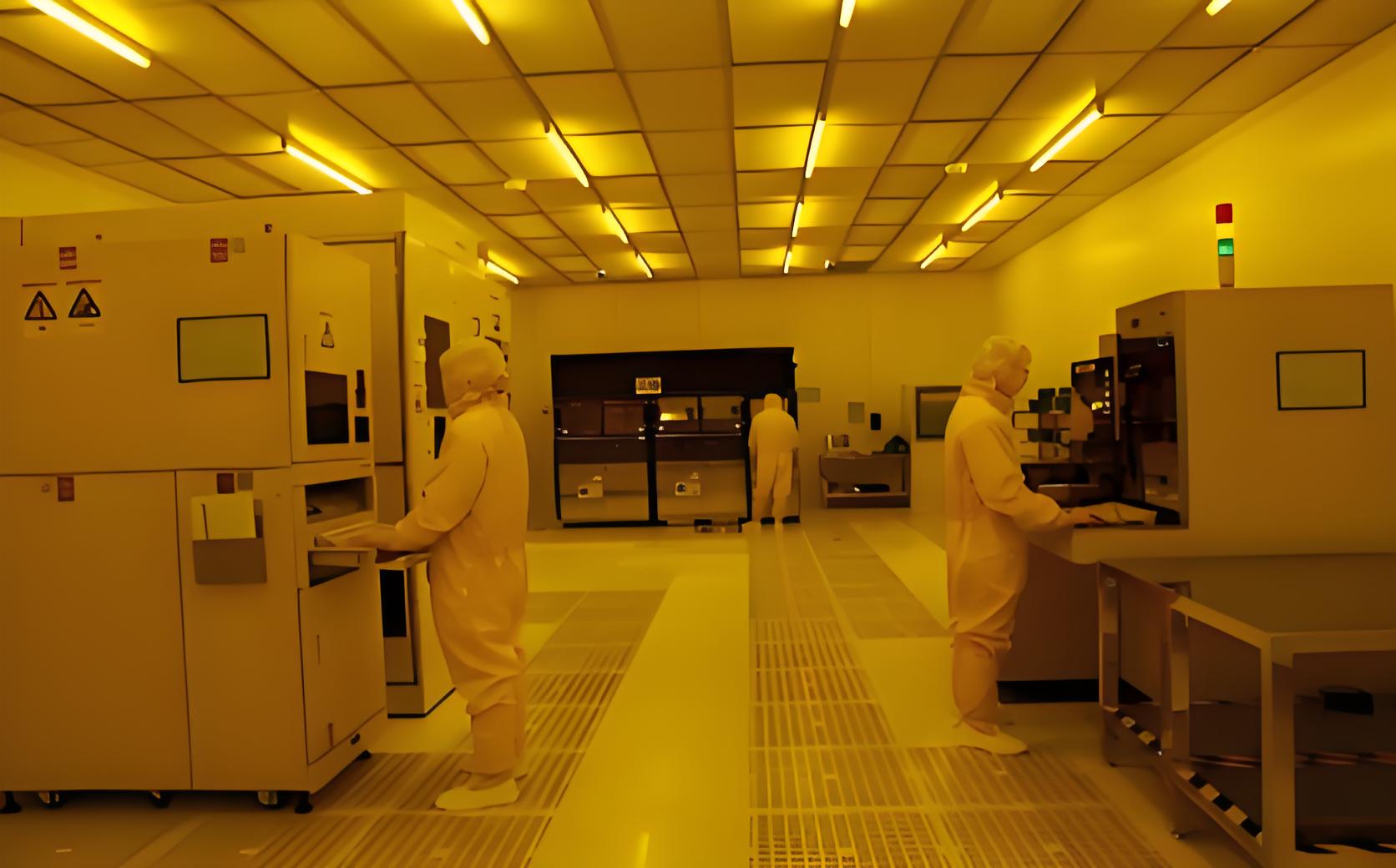
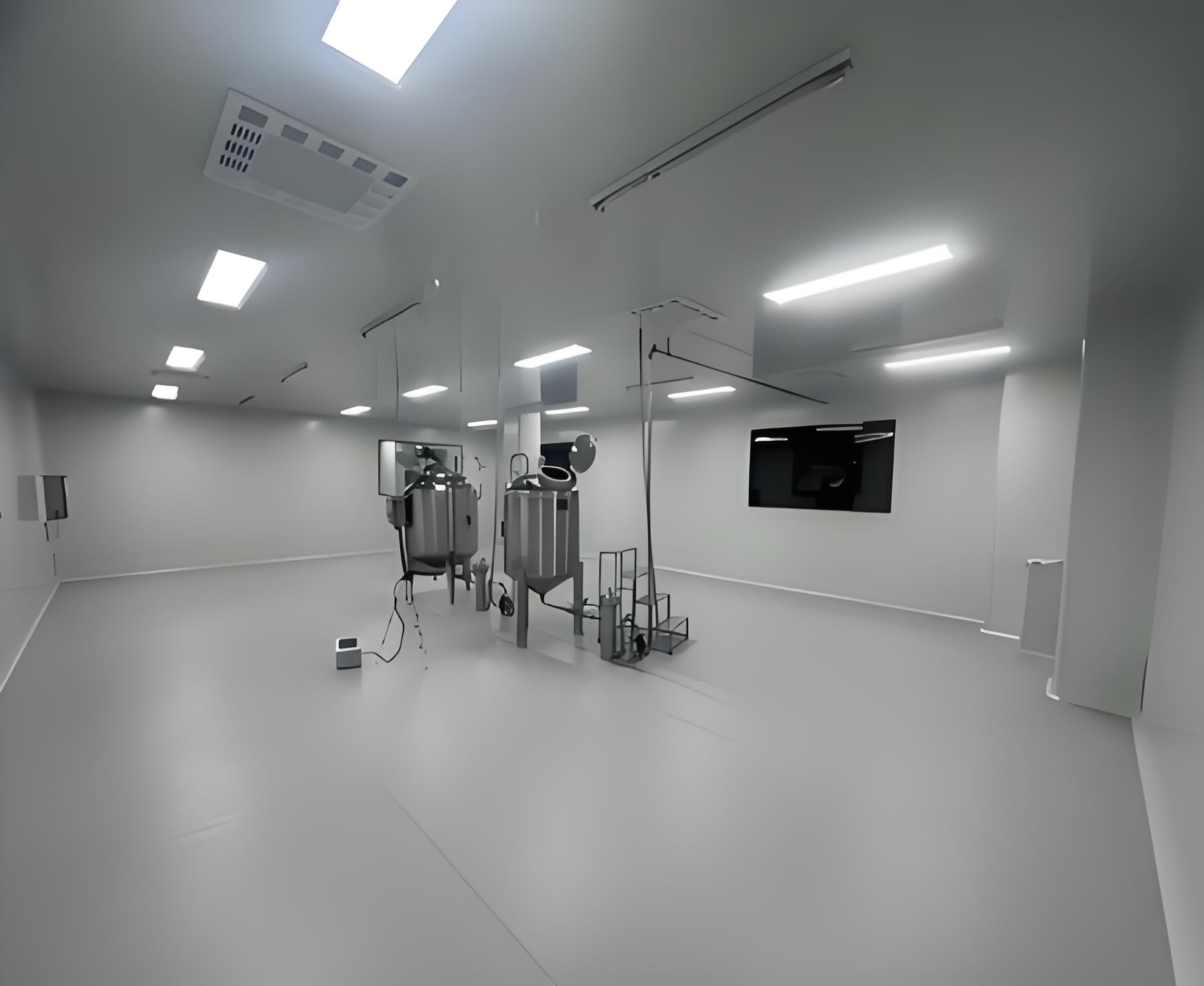
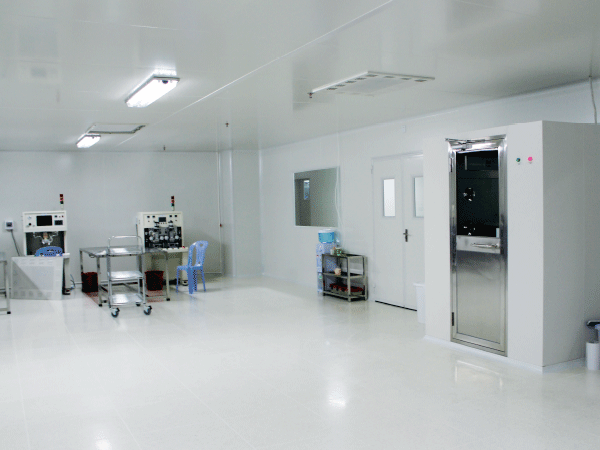

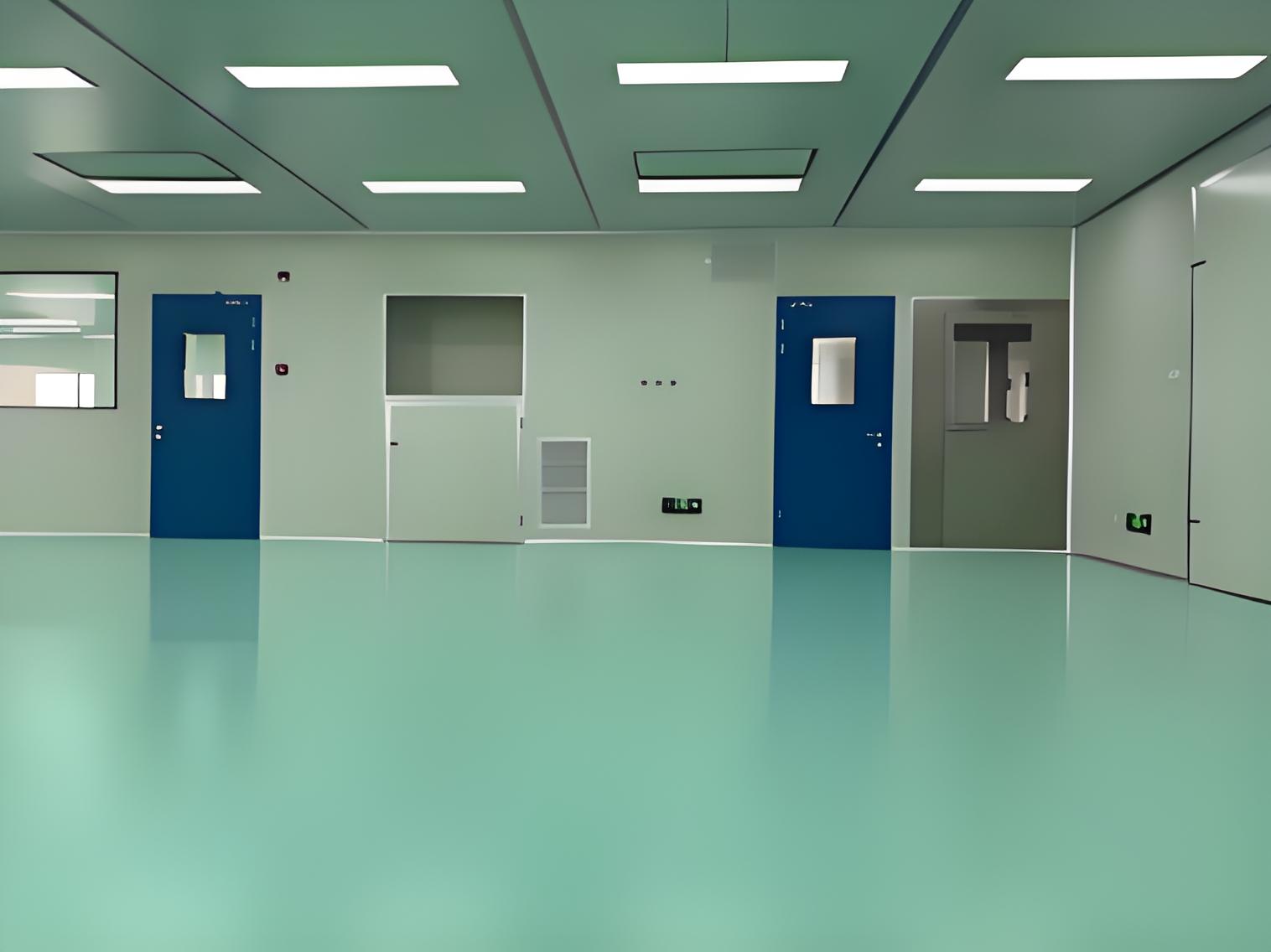
In pharmaceutical manufacturing, semiconductor fabrication, and biotechnology research, contamination control directly determines product yield and patient safety. Purification engineering decoration is not conventional interior finishing—it integrates fluid dynamics, particle behavior science, material outgassing limits, and sequential commissioning protocols. This article provides a data-driven framework for facility managers, project engineers, and validation specialists. Drawing on two decades of cleanroom project execution, TAI JIE ER presents actionable methodologies that reduce airborne particulate counts by up to three orders of magnitude compared to standard construction approaches.
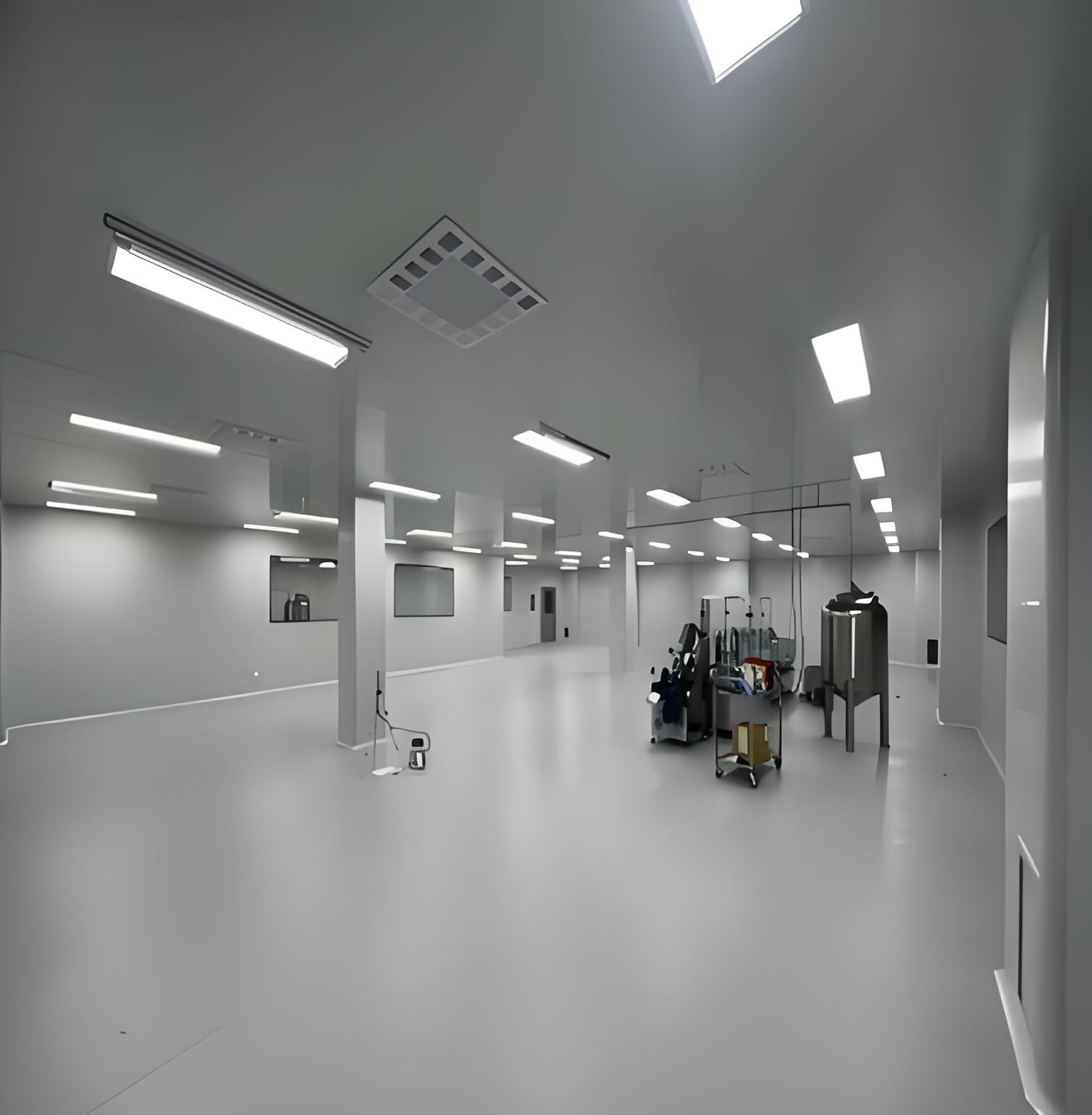
Standard architectural decoration prioritizes aesthetics and durability. Purification engineering decoration prioritizes three measurable outcomes: airborne particle concentration (ISO 14644-1 classes 1 through 9), surface microbial load (CFU/m²), and molecular contamination (AMC levels). Every joint, material edge, and penetration becomes a potential contamination pathway. The discipline combines:
Modular cleanroom panel systems with sealed interlocking mechanisms
Continuous epoxy flooring with static-dissipative properties (10⁵ – 10⁹ Ω)
Welded PVC or polyurea coving eliminating 90° dirt traps
Laminar airflow plenum integration with laser-welded diffuser plates
These elements function as a single contamination barrier. For ISO 5 (Class 100) cleanrooms, even a 0.5 mm gap in wall-ceiling junctions can allow 3,000–5,000 particles ≥0.5 µm per cubic meter to infiltrate, violating operational limits. Therefore, purification engineering decoration mandates a holistic system approach, validated by photometric leak testing at every seam.
Facility owners face recurring losses from four specific gaps in standard building practices:
Standard paints, sealants, and polymer panels release siloxanes, phthalates, and amines. In semiconductor fabs, these vapors cause photoresist poisoning (yield drops of 12–18%). In biopharma, volatile organic compounds adsorb onto product surfaces, risking immunogenicity reactions. Typical construction materials have outgassing rates of 5–15 µg/m²·hr. Low-outgassing alternatives (per ASTM E595) achieve ≤0.1% TML (total mass loss), essential for ISO 4 or higher cleanrooms.
Grinding, welding, and adhesive curing generate submicron particles. Without staged clean protocols, a 500 m² ISO 7 build can accumulate over 10 million particles ≥0.3 µm per ft³ before HEPA filtration starts. Post-construction cleaning alone removes only 60–70% of embedded residues. TAI JIE ER employs progressive clean construction: each zone is sealed, vacuumed with HEPA-filtered tools, and verified by particle counters before moving to adjacent zones.
Doors, pass-through chambers, and utility penetrations often leak 8–12% of design airflow at 20 Pa differential. This results in uncontrolled cross-contamination (e.g., potent compound migration to adjacent zones). A 10% leak rate raises operational costs by 22% due to increased fan energy and filter loading.
Moisture-trapping crevices in ceiling grids or unsealed conduits promote biofilm growth. Studies show 78% of contamination incidents in aseptic suites trace to construction-related crevices rather than HVAC failures.
To meet ISO 14644-1 and EU GMP Annex 1 (2022) requirements, six subsystems require engineering precision:
Airborne particle control: Unidirectional or non-unidirectional airflow with coverage maps ensuring ≤10% velocity variation across filters.
Pressure cascade management: Monitored vestibules, pressure relief dampers, and airtight light fixtures (IP65 minimum).
Surface finish & cleanability: Ra ≤0.4 µm roughness on stainless steel, radiused corners ≥25 mm, and electropolished welds.
Electrostatic discharge (ESD) safety: Conductive vinyl flooring with grounding points every 20 m²; surface resistance 1×10⁴ to 1×10⁶ Ω for electronics cleanrooms.
Moisture & gas integrity: Vapor barriers with 0.02 perms rating and chemical-resistant epoxy coatings (tested against IPA, H₂O₂ vapor).
Monitoring integration: Flush-mounted particle sensors, differential pressure transmitters, and humidity probes with Modbus RTU output.
Each component must undergo factory acceptance testing (FAT) and site acceptance testing (SAT) using calibrated reference instruments. For example, purification engineering decoration projects at TAI JIE ER include a mandatory 24-hour “smoke study” under operational conditions to visualize airflow patterns and verify absence of dead zones.
Selecting incorrect materials is the top reason for requalification failures. Below is an evidence-based comparison:
| Material Type | Particle Generation (≥0.5 µm/m²/min) | Chemical Resistance | Typical Applications |
|---|---|---|---|
| Epoxy self-leveling (with silica) | < 0.2 | Moderate (pH 4–10) | Pharma GMP, ISO 6–8 |
| Polyurethane seamless | 0.4–0.7 | High (solvent resistant) | Paint spray booths, chemical mixing |
| Welded PVC (homogenous) | 0.1–0.3 | Low to moderate | Electronics assembly |
| 304 stainless steel (#4 finish) | 0.05 (after passivation) | Very high (oxidizing agents) | Biopharma processing suites |
Additionally, gasketed modular panels with triple-seal EPDM profiles reduce particle ingress by 92% compared to silicone-beaded joints. TAI JIE ER recommends full-scale mockup testing for any material change, measuring particle fallout via vertical drop tests (VDT) per IEST-RP-CC001.
A properly executed purification engineering decoration project follows a four-phase validation sequence:
Verify materials, as-built drawings, and component certifications. Checks include: panel flatness (≤ 0.1% slope), door seal compression (2–3 mm indentation), and filter frame torque (8–10 N·m). All nonconformities must be corrected before proceeding.
Measure air change rates (ACH) under empty room conditions: ISO 8 requires 20–25 ACH, ISO 7 requires 60–90 ACH, ISO 5 requires 240–600 ACH. Also conduct filter leak test (scanning method, ≤0.01% penetration for HEPA H14).
Run dynamic particle counts with simulated operator activity (15 minutes of gowning movement). Acceptable limits: for ISO 7 at-rest, ≤352,000 particles ≥0.5 µm/m³; operational, ≤3,520,000 particles ≥0.5 µm/m³ per ISO 14644-1.
Install real-time particle monitoring points (one per 10 m² in critical zones) and trend alarms. Data must be recorded to a validated historian system (21 CFR Part 11 compliant for pharma).
Typical project schedules allocate 30% of total construction time to these validation phases—skipping any phase increases contamination risk by a factor of 4–7, as demonstrated in a 2023 semiconductor industry study.
Certain industries demand specialized decoration approaches:
Cell therapy GMP suites: Use coved monolithic ceilings and flush-mounted incubators with smooth cleanroom gel seals to prevent spore accumulation.
Nanotechnology labs: Implement copper-silver ion-infused epoxy walls to reduce surface microbial viability by 99.9% without chemical cleaning residues.
Medical device assembly (ISO 5): Anti-static mat flooring with conductive aluminum oxide particles, grounded through a 1 MΩ resistor network.
TAI JIE ER has delivered over 120 turnkey purification engineering decoration projects across Asia and Europe, including a 3,000 m² ISO 6 battery dry-room with dewpoint control ≤ -40°C. Each project uses a proprietary 200-point cleanliness checklist and post-handover quarterly audits.
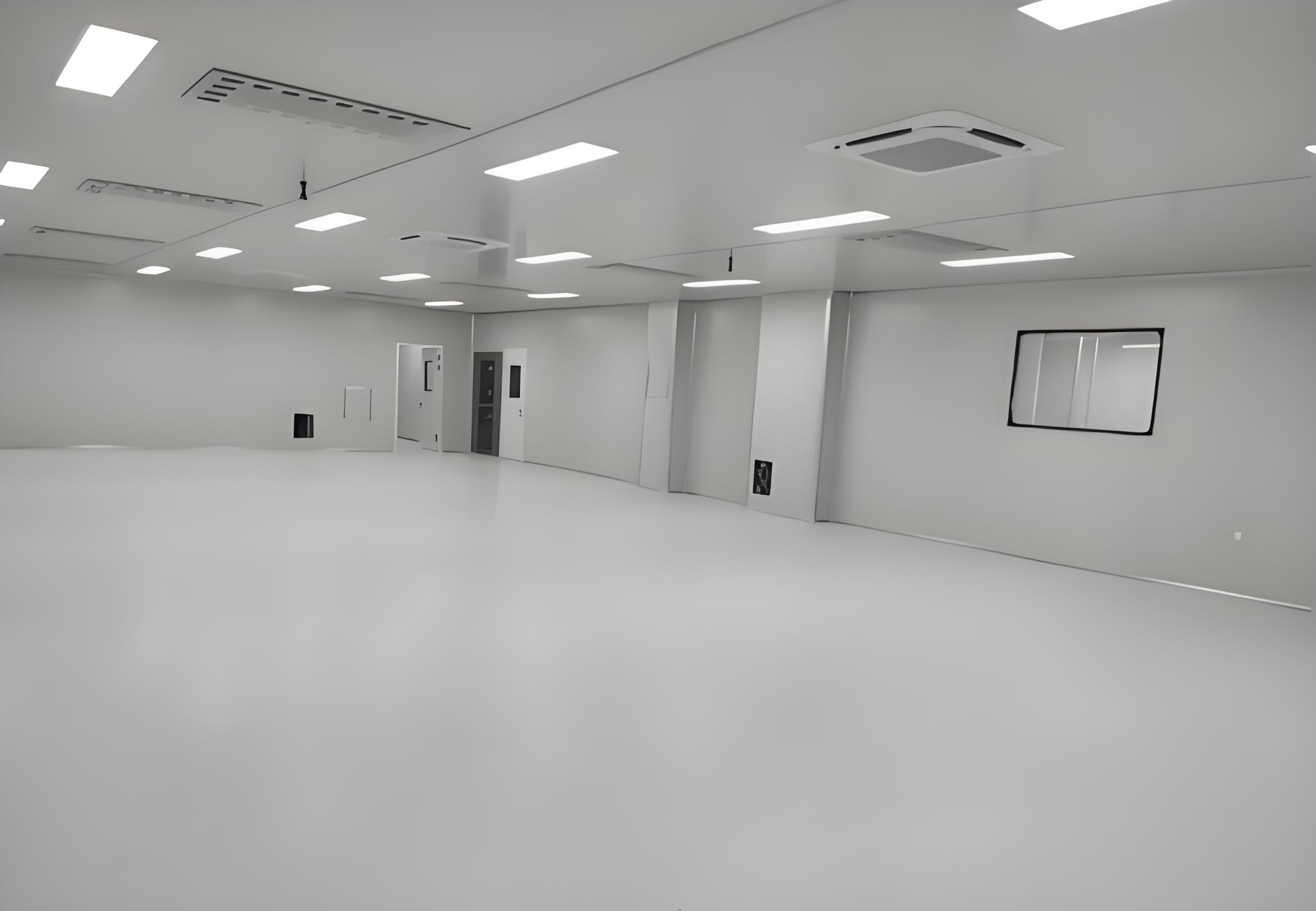
While initial costs for professional purification engineering decoration are 40–70% higher than standard architectural finishes, the total cost of ownership (TCO) over 10 years is 30% lower. Key savings derive from:
Reduced product rejects: A biotech client saw contamination-related batch failures drop from 8.2% to 0.9% after proper decoration implementation.
Lower filter replacement frequency: Proper sealing extends HEPA life by 18–24 months.
Energy efficiency: Air leakage reduction of 15% saves $35,000 annually per 1,000 m² (based on $0.12/kWh).
Regulatory compliance: Avoiding FDA Form 483 observations related to facility design (average remediation cost $450,000).
A1: Standard cleanroom construction focuses on HVAC and filtration. Purification engineering decoration extends to every architectural element—wall coatings, floor seams, ceiling grids, and utility pass-throughs—verifying each component’s particle emission, outgassing, and microbial resistance. It is a systematic approach to eliminate contamination sources at the construction level, not just through air handling.
A2: For ISO 7 (Class 10,000) in wet processing areas, use chemical-resistant epoxy mortar with slip-resistant aggregate (Ra 2–3 µm). For dry handling, seamless welded PVC sheets are sufficient if solvent resistance is not required. Always request third-party test reports for abrasion resistance (Taber test) and cleanability (microbial log reduction after 50 cleaning cycles).
A3: The top five failures are: (1) light fixture seals leaking >0.01% of upstream challenge aerosol, (2) door undercuts exceeding 3 mm gap, (3) wall panel joints showing >0.5 mm misalignment, (4) flooring lifting at coves after temperature cycling, and (5) insufficient caulking of sprinkler heads. Each can be avoided by performing a pre-validation walkdown with a certified contamination control engineer.
A4: TAI JIE ER provides a 10-year material integrity warranty covering delamination, outgassing drift, and seam separation. We also conduct biannual infrared thermography scans to detect hidden moisture ingress or air leakage. Clients receive a digital twin model of all sealed joints, updated after every requalification cycle.
A5: Yes, but with additional engineering. Existing concrete slabs require moisture vapor emission testing (MVER ≤ 3 lbs/1000ft²/24hr). Penetrations for pipes and conduits must be recast with epoxy grout. Modular wall and ceiling systems are ideal for retrofits as they allow independent installation over old substrates. Typically, a 500 m² retrofit takes 8–10 weeks versus 14–16 weeks for new builds.
A6: For ISO 8 facilities, expect $250–$380/m². ISO 7 rises to $400–$650/m². ISO 5 (Class 100) starts at $900/m² due to unidirectional airflow plenums and stainless steel cladding. These figures include IQ/OQ documentation but exclude HVAC and process utilities. Contact TAI JIE ER for a detailed budget analysis tailored to your cleanroom class and production volume.
Whether you are constructing a new aseptic filling line, upgrading a semiconductor fab, or retrofitting a research lab, precision matters. TAI JIE ER offers end-to-end services from cleanroom classification consulting, material selection, and on-site installation to validation documentation. Request a contamination risk assessment or a fixed-price quotation by filling out our inquiry form. Our engineers respond within 24 hours with a preliminary gap analysis.
Send your project specifications to: https://www.taijieer.com/ – Reference “Purification Engineering Decoration” for priority support.