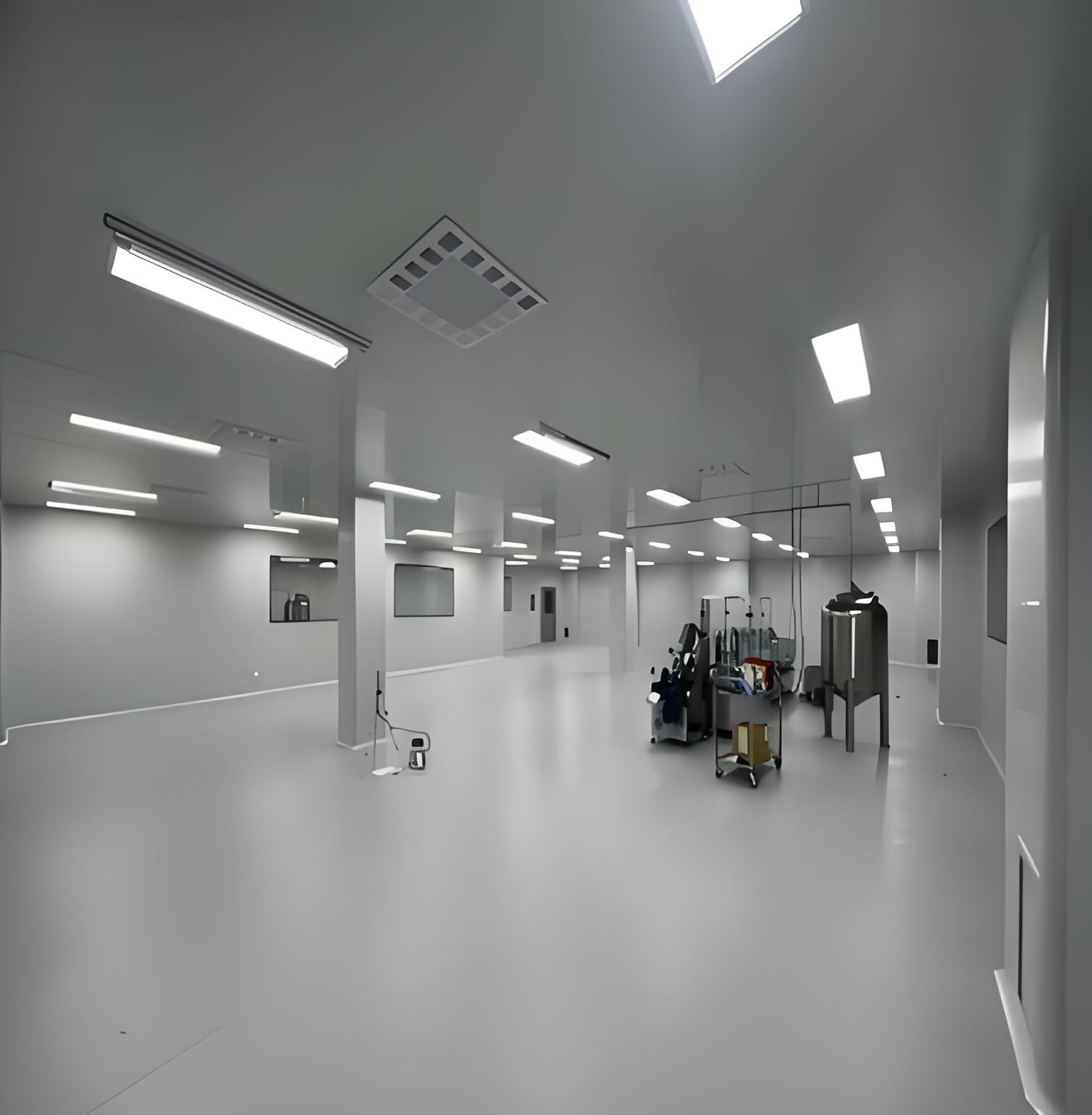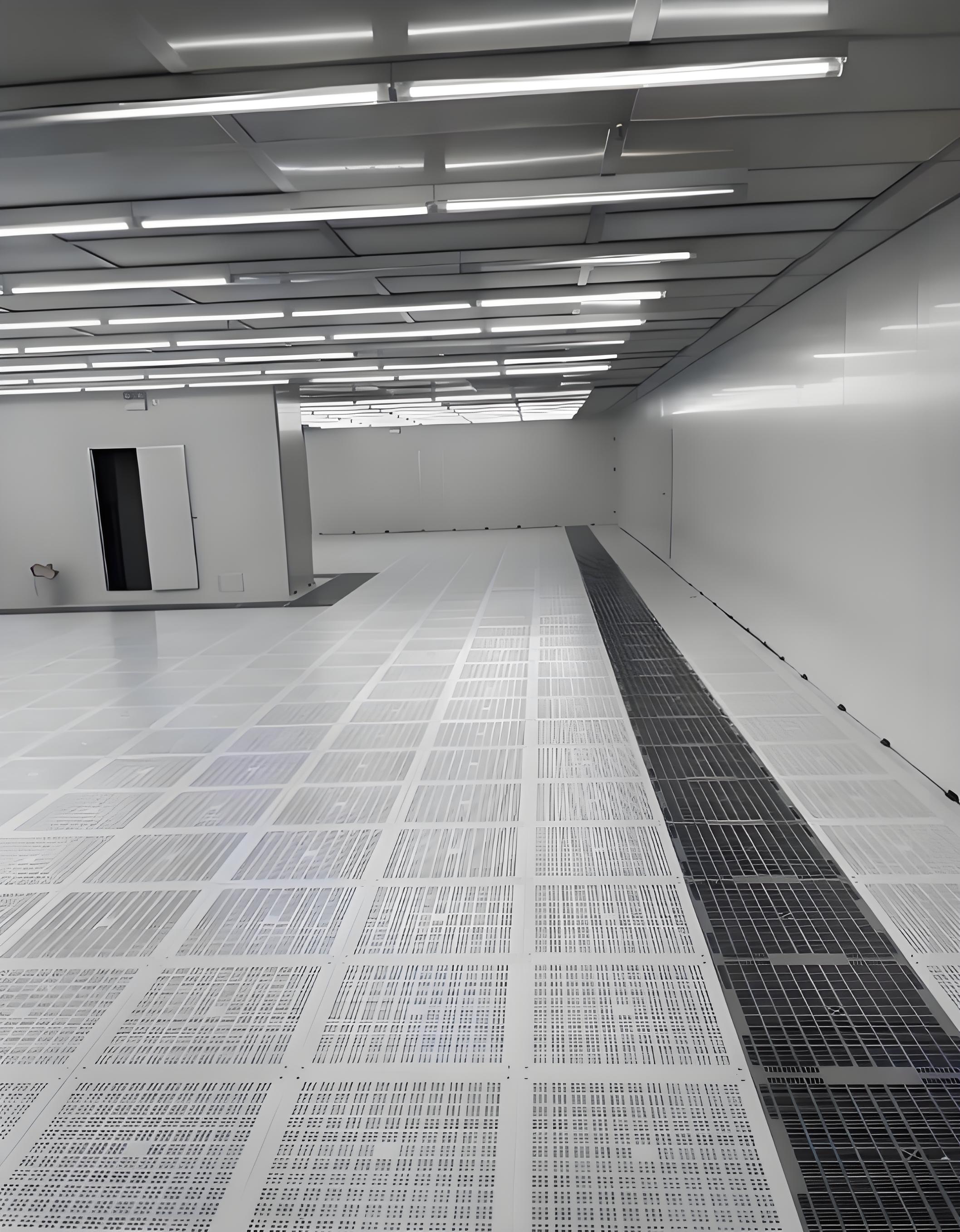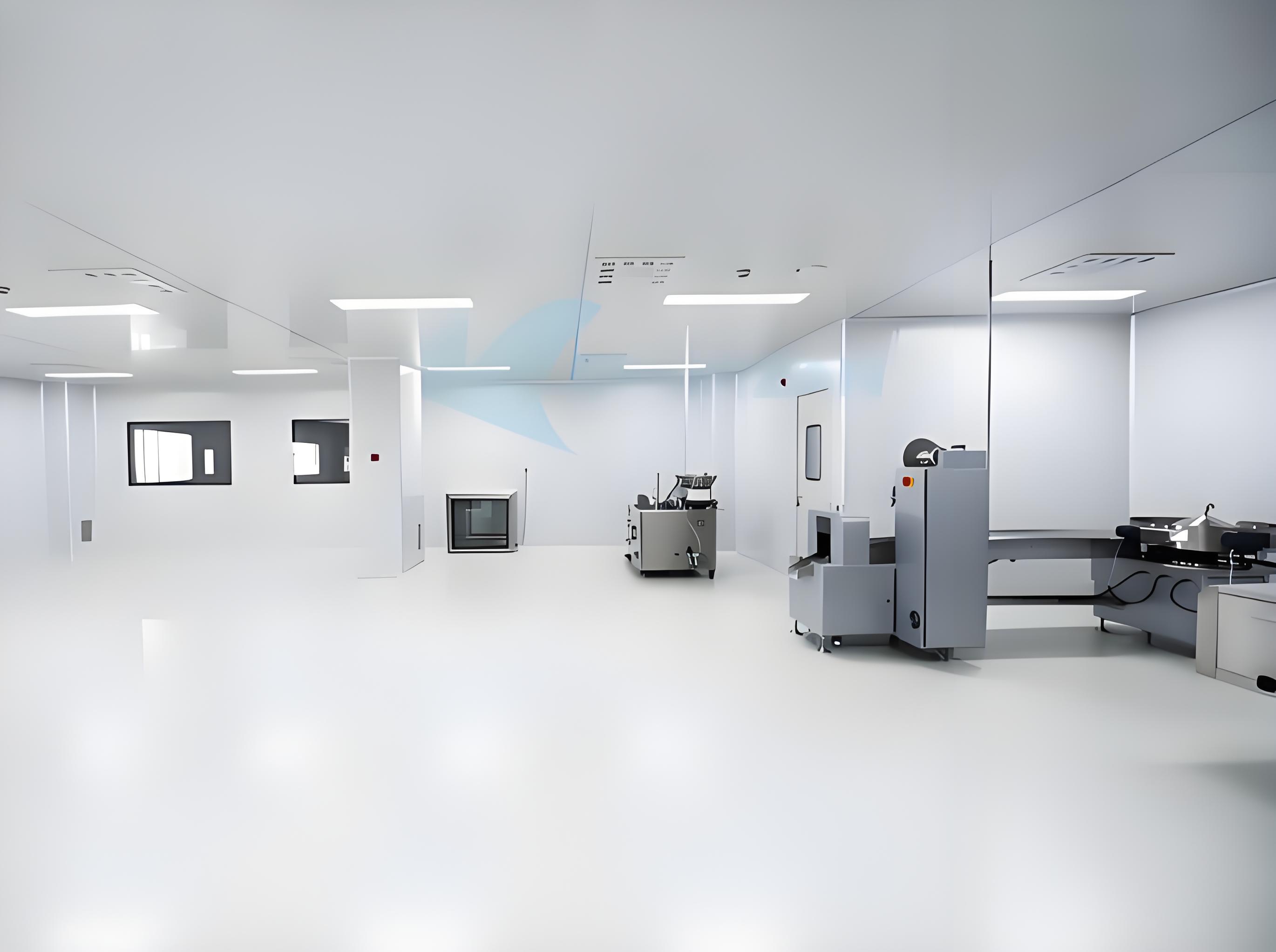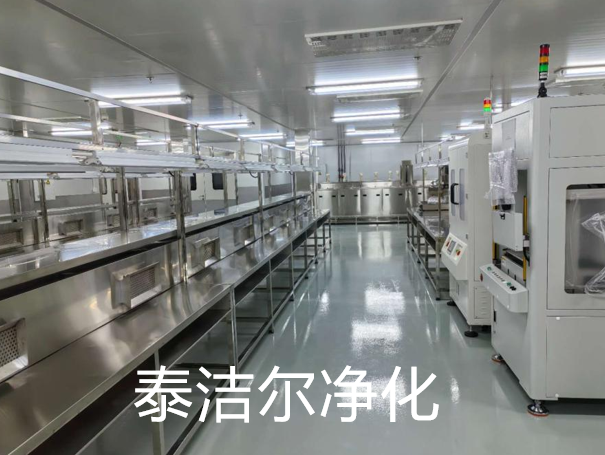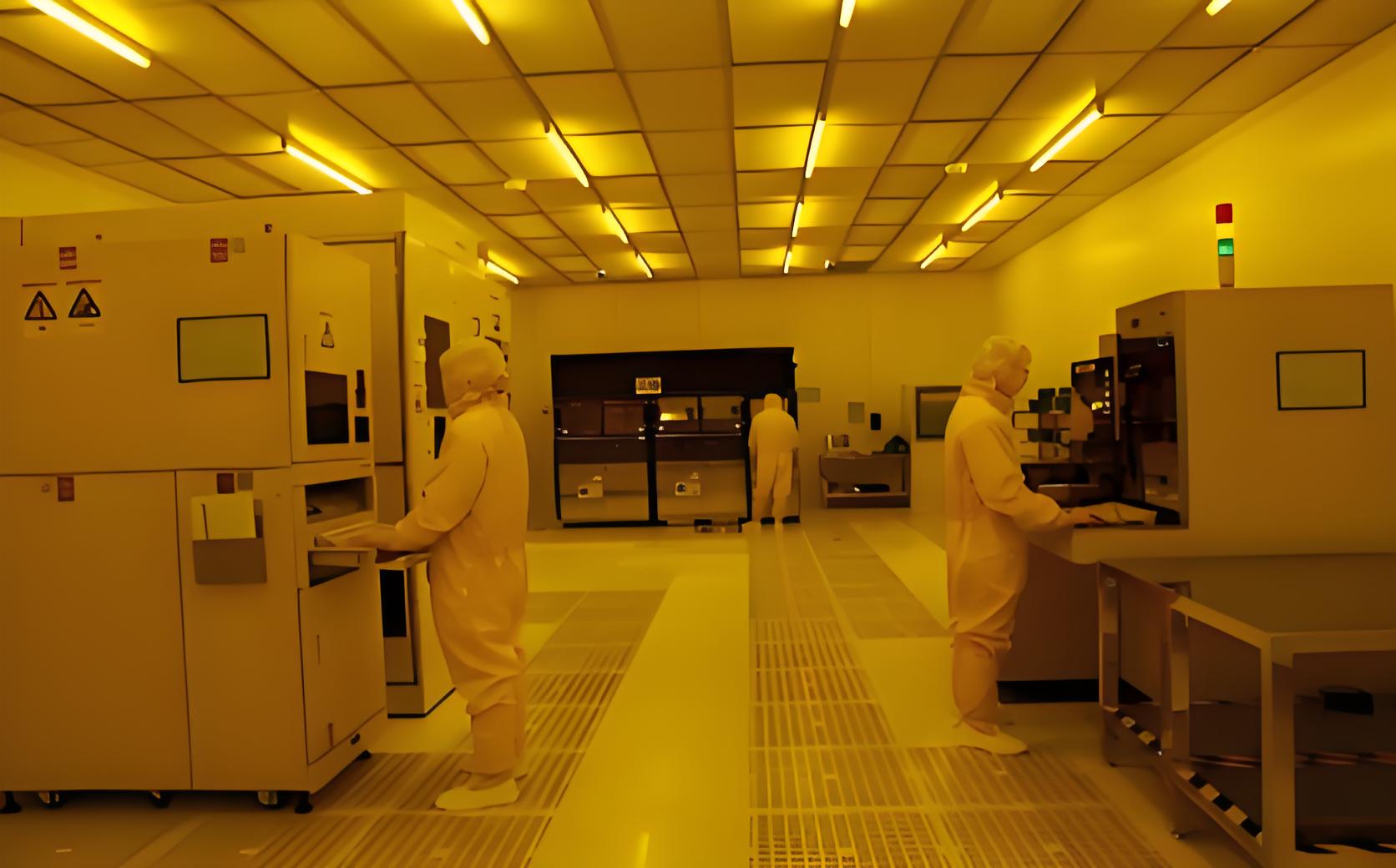
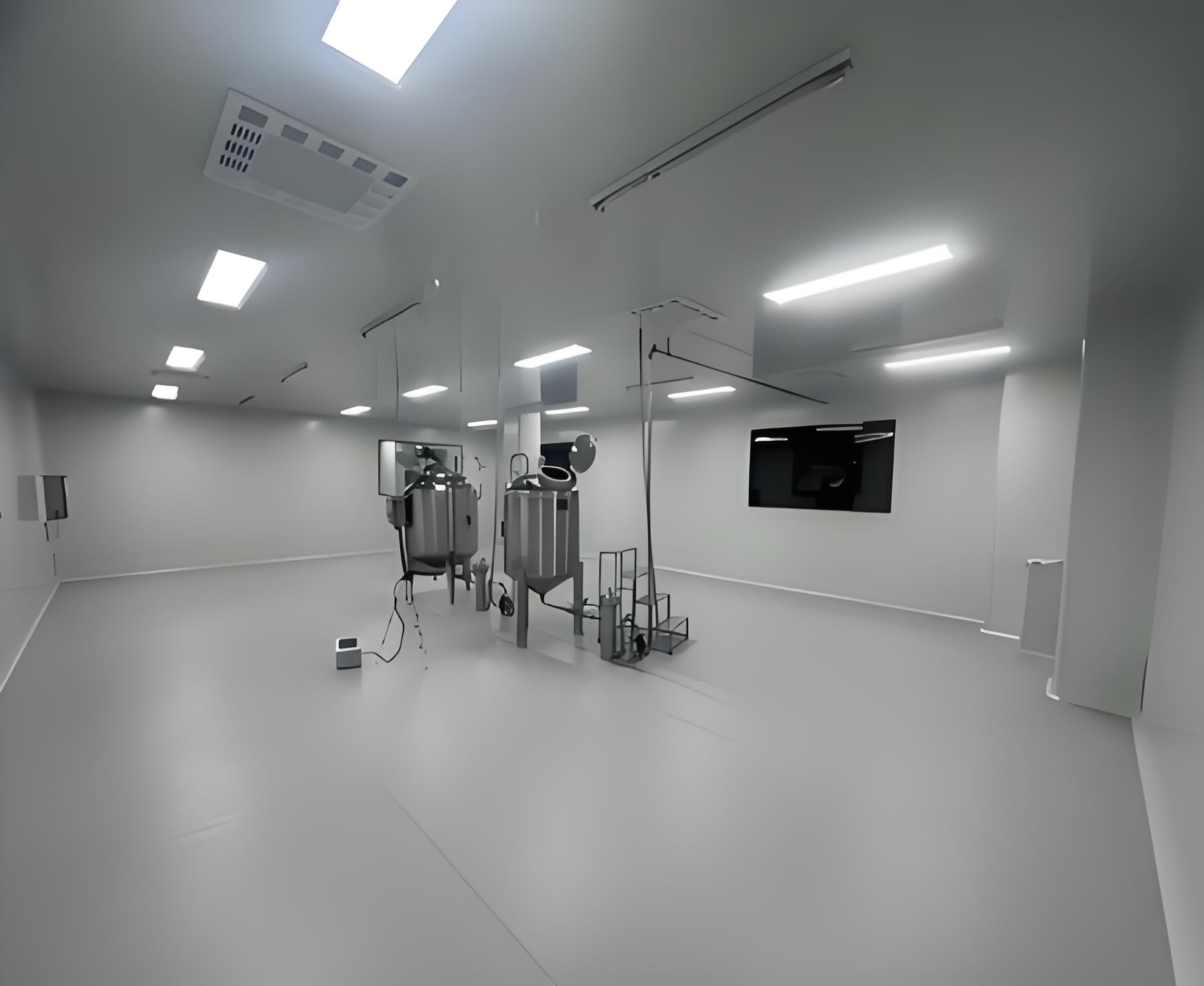
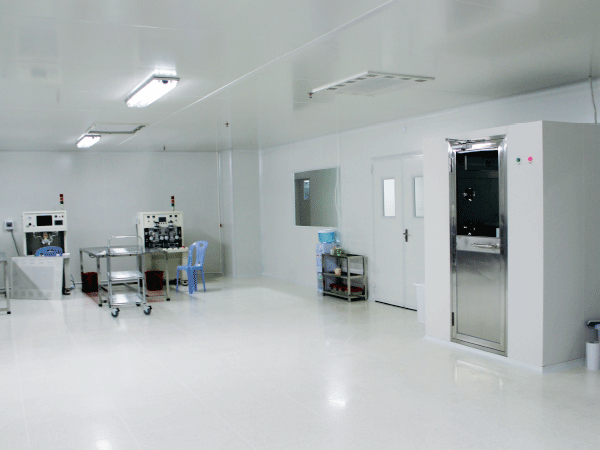
A Dust-free workshop (commonly called a cleanroom) is an engineered space where airborne particles are controlled to specific limits. Industries ranging from semiconductor fabrication to aseptic pharmaceutical filling rely on these environments. Achieving and maintaining a certified Dust-free workshop requires a systematic approach. Below, we outline seven factors that directly influence ISO 14644‑1 certification and long‑term operational integrity.
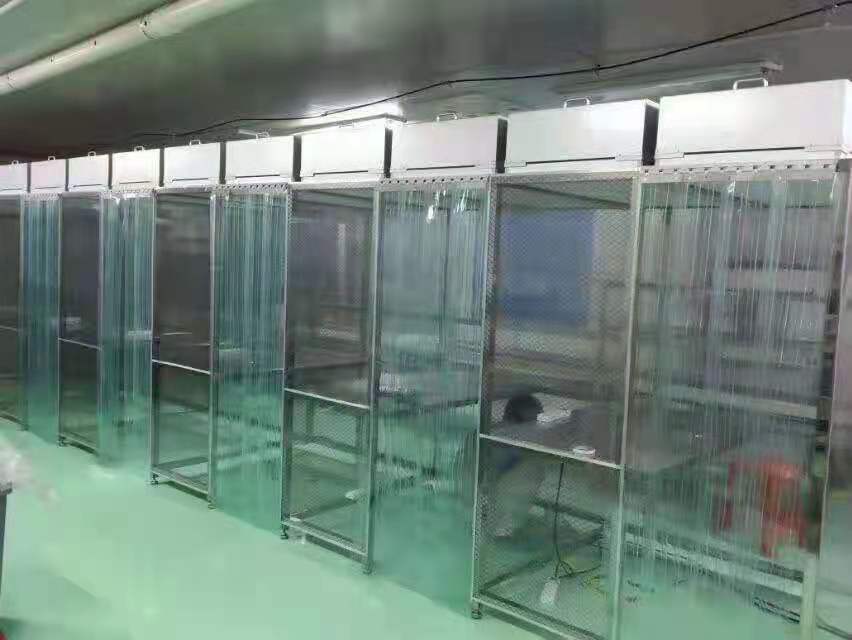
Understanding the core principles of a Dust-free workshop is the first step. The ISO 14644‑1 standard classifies cleanrooms by the maximum allowable concentration of particles per cubic meter.
It is a room with strict control over particulate contamination, temperature, humidity, and air pressure. Key elements include:
High‑efficiency particulate air (HEPA) or ULPA filters.
Positive or negative pressure differentials.
Unidirectional (laminar) or non‑unidirectional airflow.
Low particle‑shedding materials for walls, floors, and ceilings.
Classes range from ISO 1 (the cleanest) to ISO 9. For example, an ISO 5 Dust-free workshop permits ≤ 3,520 particles (≥0.5 µm) per cubic meter. Each class requires specific air changes per hour and filtration efficiency.
Proper design prevents contamination at the source and reduces energy consumption. A well‑planned Dust-free workshop incorporates the following.
The heating, ventilation and air conditioning (HVAC) system is the heart of any Dust-free workshop. Critical aspects:
Recirculation air handlers with HEPA/ULPA final filters.
Achieving required air changes (e.g., 60–600 changes/hour for ISO 5).
Redundant fan systems to ensure continuous operation.
Surfaces must be smooth, non‑porous, and resistant to cleaning chemicals. Epoxy coatings, stainless steel, and cleanroom‑rated panels are standard. All joints are sealed to eliminate particle traps.
Laminar flow (unidirectional) is used in critical zones to sweep particles away. Pressure differentials between adjacent rooms (typically 10–15 Pa) prevent cross‑contamination. A robust Dust-free workshop relies on properly balanced airflow.
Even the best design fails without strict operating procedures. Personnel are the largest contamination source in a Dust-free workshop.
Operators must follow multi‑step gowning procedures using lint‑free garments. Key rules:
Enter through airlocks with sticky mats.
Minimize movement and talking inside the Dust-free workshop.
Use cleanroom‑compatible wipes and solutions.
Regular cleaning with validated agents reduces viable and non‑viable particles. A cleaning schedule should cover walls, floors, ceilings, and equipment. Residue from cleaning agents must be avoided.
Particle counters, differential pressure sensors, and temperature/ humidity probes provide continuous data. Alarms alert staff immediately if conditions drift outside set points, protecting the Dust-free workshop environment.
The need for a Dust-free workshop spans multiple high‑tech sectors. Each has unique requirements.
Aseptic filling, sterility testing, and cell therapy manufacturing demand ISO 5 or ISO 7 conditions. Any particle or microbe can compromise patient safety. GMP regulations enforce strict Dust-free workshop operation.
Microchip features are measured in nanometers. A single dust particle can ruin an entire wafer. Hence, semiconductor fabs use ISO 3 or cleaner Dust-free workshop zones.
Precision optics and satellite components require assembly in controlled environments to prevent scattering or malfunction. A dedicated Dust-free workshop ensures long‑term reliability.
Identifying contamination sources helps maintain the Dust-free workshop within specification.
Skin flakes, hair, and respiratory droplets are major sources. Proper gowning, limited personnel, and strict training reduce this load. Only essential staff should enter the Dust-free workshop.
Motors, robots, and moving parts can generate particles. Use low‑shedding materials and enclose equipment where possible. Regular preventive maintenance is crucial.
Raw materials and components must be decontaminated before entry. Use pass‑through chambers with HEPA purge or wipe‑down stations. Packaging should be cleanroom‑grade.
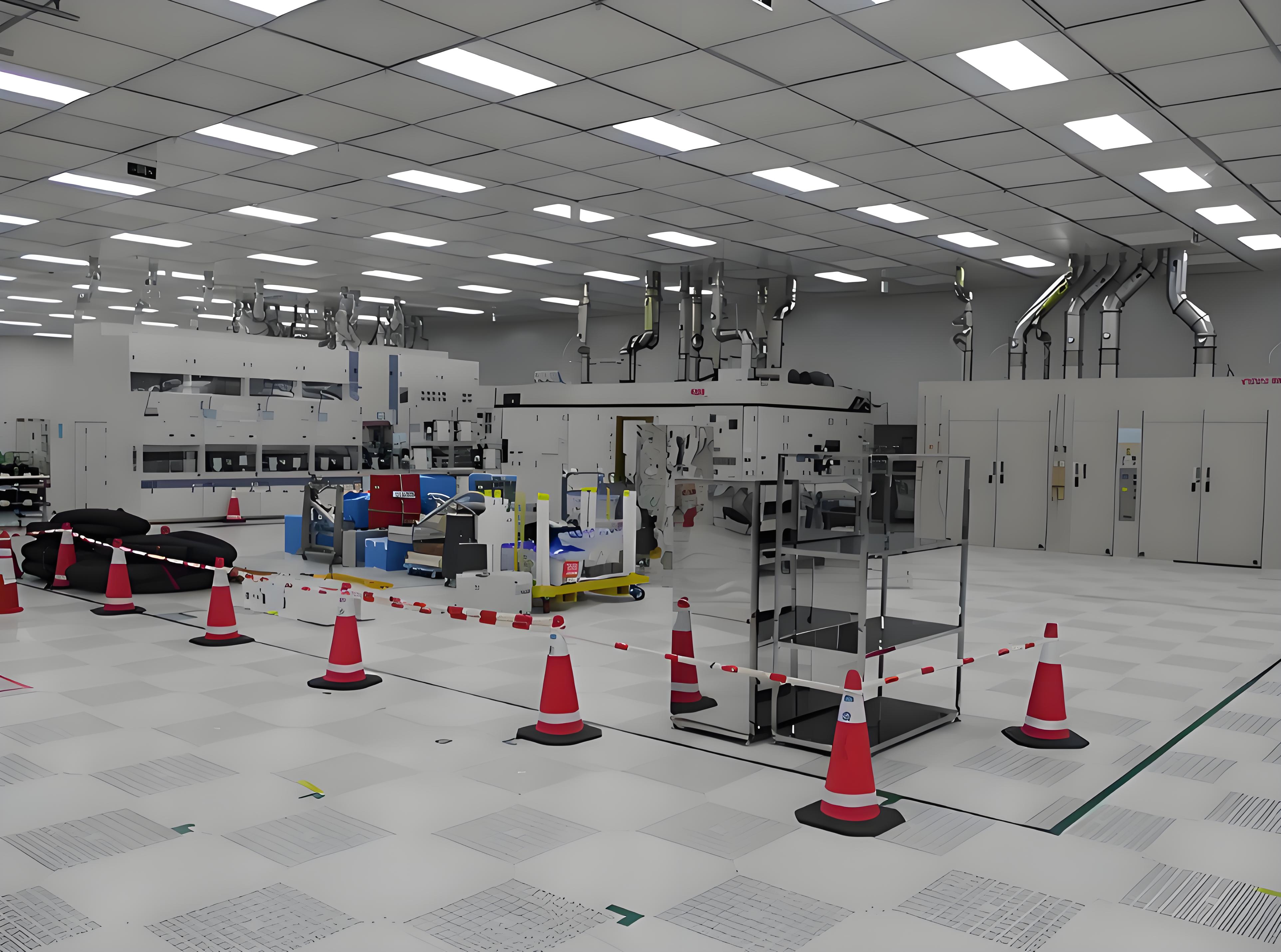
Building a compliant Dust-free workshop requires integrated planning, robust engineering, and disciplined operations. Whether your application is pharmaceutical, electronic, or aerospace, partnering with experienced cleanroom specialists ensures success. TAI JIE ER provides turnkey solutions for Dust-free workshop design, construction, and validation, helping you meet global standards efficiently.
Q1: What is the difference between a cleanroom and a Dust-free workshop?
A1: The terms are often used interchangeably. A Dust-free workshop specifically emphasises the control of airborne dust particles, while a cleanroom may also control microbes, chemicals, and other contaminants. Both follow ISO standards.
Q2: How often should a Dust-free workshop be recertified?
A2: ISO 14644‑2 recommends recertification at least every 12 months. However, high‑use or critical facilities may require more frequent testing (e.g., every 6 months) to ensure continuous compliance.
Q3: Can a Dust-free workshop be built in an existing building?
A3: Yes, retrofitting is common. Modular cleanroom panels allow construction inside conventional spaces. However, careful attention must be paid to HVAC capacity, floor loading, and sealing against existing structures.
Q4: What air changes per hour are needed for an ISO 7 Dust-free workshop?
A4: An ISO 7 cleanroom typically requires 30‑60 air changes per hour (ACPH) with HEPA‑filtered air. The exact value depends on the room size, equipment load, and number of personnel.
Q5: Why is stainless steel preferred inside a Dust-free workshop?
A5: Stainless steel (especially grade 304 or 316L) is non‑porous, corrosion‑resistant, and easy to clean. It does not shed particles and withstands repeated disinfection, making it ideal for workstations and furniture.
Q6: How do I choose the right Dust-free workshop classification for my product?
A6: Refer to industry guidelines: ISO 14644‑1 defines classes based on particle counts. Pharmaceutical companies often follow GMP annexes; electronics follow the ITRS roadmap. A consultant can help you select the appropriate class.
Q7: What is the role of Dust-free workshop in pandemic‑related manufacturing?
A7: During the COVID‑19 outbreak, many vaccine and diagnostic producers expanded Dust-free workshop capacity to ensure sterile filling and safe handling of sensitive biological materials. Such environments are vital for public health.
* This article was prepared with technical input from TAI JIE ER, a specialist in Dust-free workshop engineering and certification.