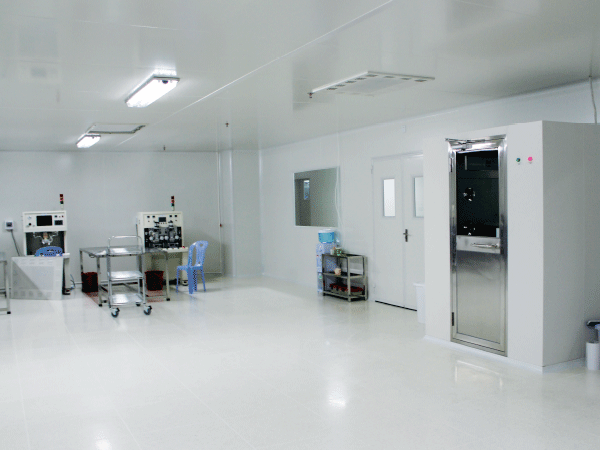
Purification Engineering forms the backbone of controlled environments — from sterile pharmaceutical labs to dust-free semiconductor lines. As global regulations tighten and industries demand zero contamination, mastering these seven pillars ensures compliance, safety, and operational excellence. Below, we break down the discipline through practical, concise insights rooted in international cleanroom practice.
Expert resource: TAI JIE ER delivers turnkey clean equipment engineering for biopharma, electronics, and food sectors worldwide.
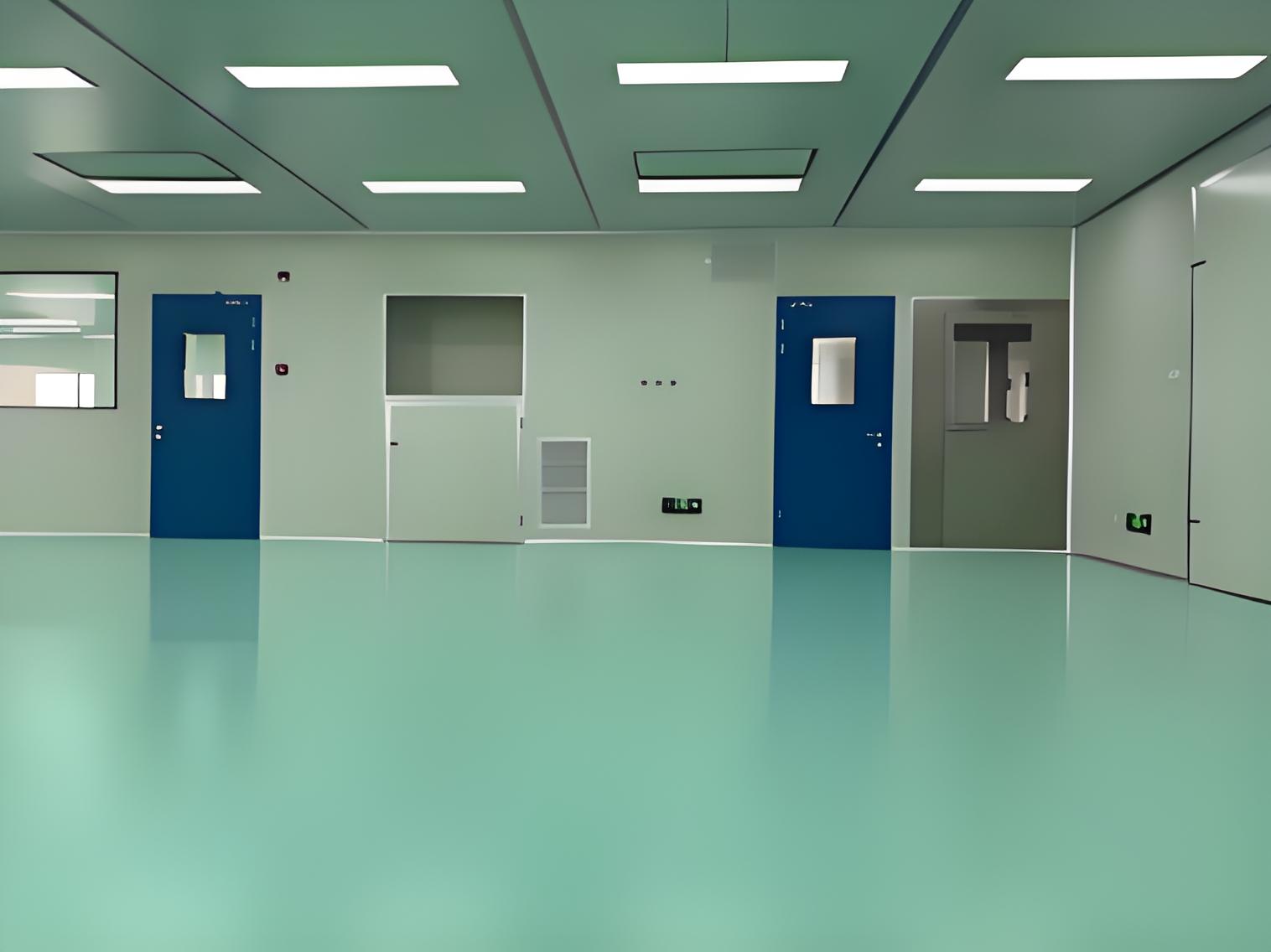
Purification Engineering integrates HVAC design, filtration science, and material selection to create spaces with controlled particulates, microbes, and airflow. It goes beyond simple cleaning — it’s about engineering reliability.
Modern facilities rely on this discipline to meet ISO classes, GMP grades, and strict energy targets. Purification Engineering now also includes real-time monitoring and predictive maintenance.
HEPA/ULPA filtration banks with leak-free housings.
Pressure differential cascades & alarm systems.
Cleanroom-compatible materials (non-shedding, smooth).
Automated disinfection systems (VHP, UV-C).
Selecting the right airflow is a fundamental purification engineering decision. Unidirectional flow (laminar) is essential for ISO 5 and stricter zones, while turbulent dilution suffices for lower grades.
Engineers must calculate air changes per hour (ACH) based on process risk, not just minimum standards. Purification Engineering uses computational fluid dynamics (CFD) to validate patterns.
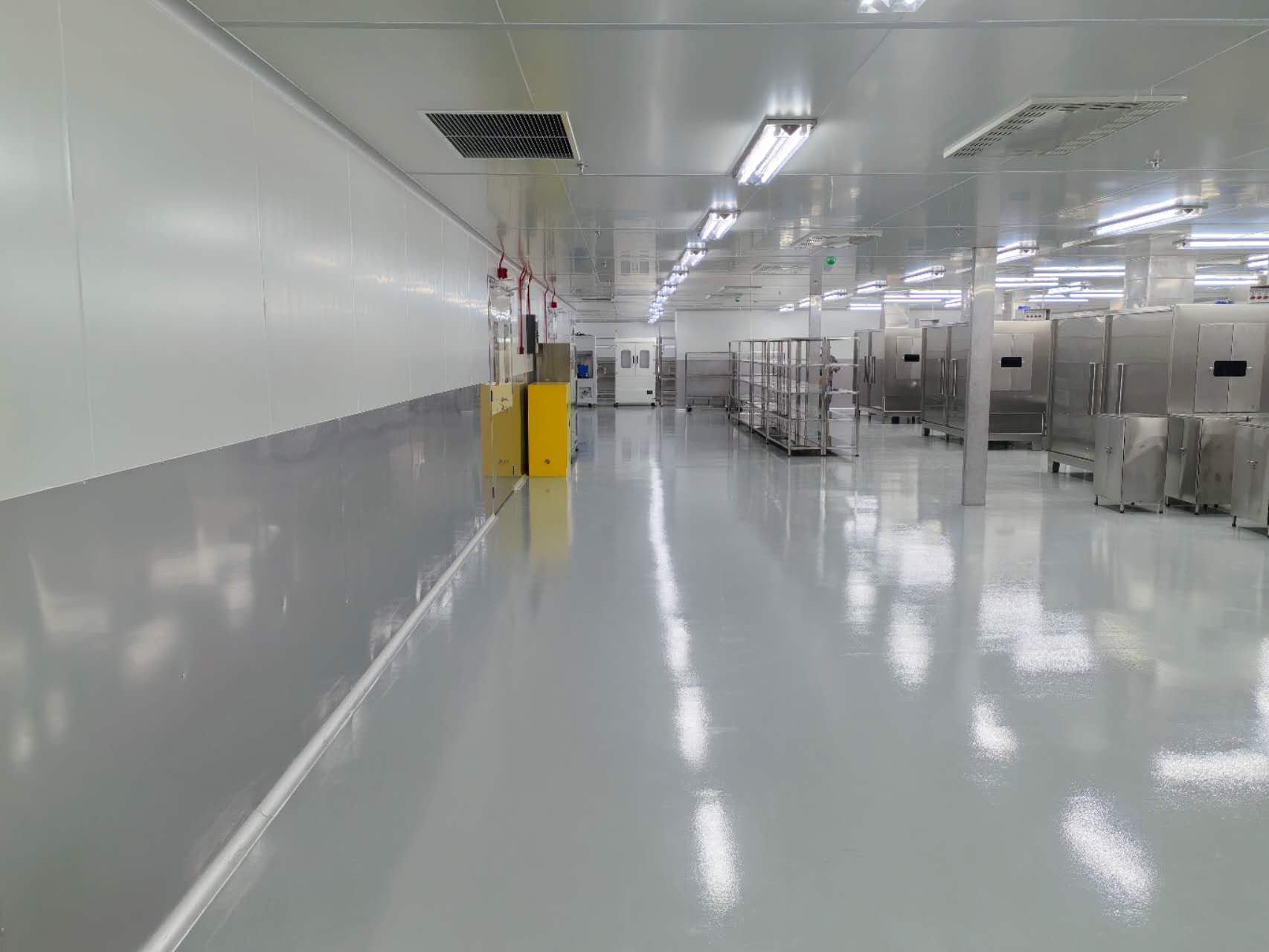
Walls, floors, and ceilings must resist chemicals and prevent particle accumulation. Epoxy coatings, stainless steel, and coved corners are typical specifications driven by purification engineering requirements.
TAI JIE ER projects often utilize modular panels with antimicrobial surfaces, reducing microbial load and simplifying cleaning protocols.
Filters are the workhorses. But efficiency depends on proper sealing, pre-filtration stages, and energy optimization. Modern systems combine EPA, HEPA, and activated carbon for chemical filtration.
ISO 16890 certified pre-filters extend final filter life.
Mini-pleat HEPA filters offer low resistance and high dust-holding capacity.
Scan-testing (MPPS) ensures installed filter integrity.
Every filter stage is a purification engineering decision impacting both cleanliness and operational cost.
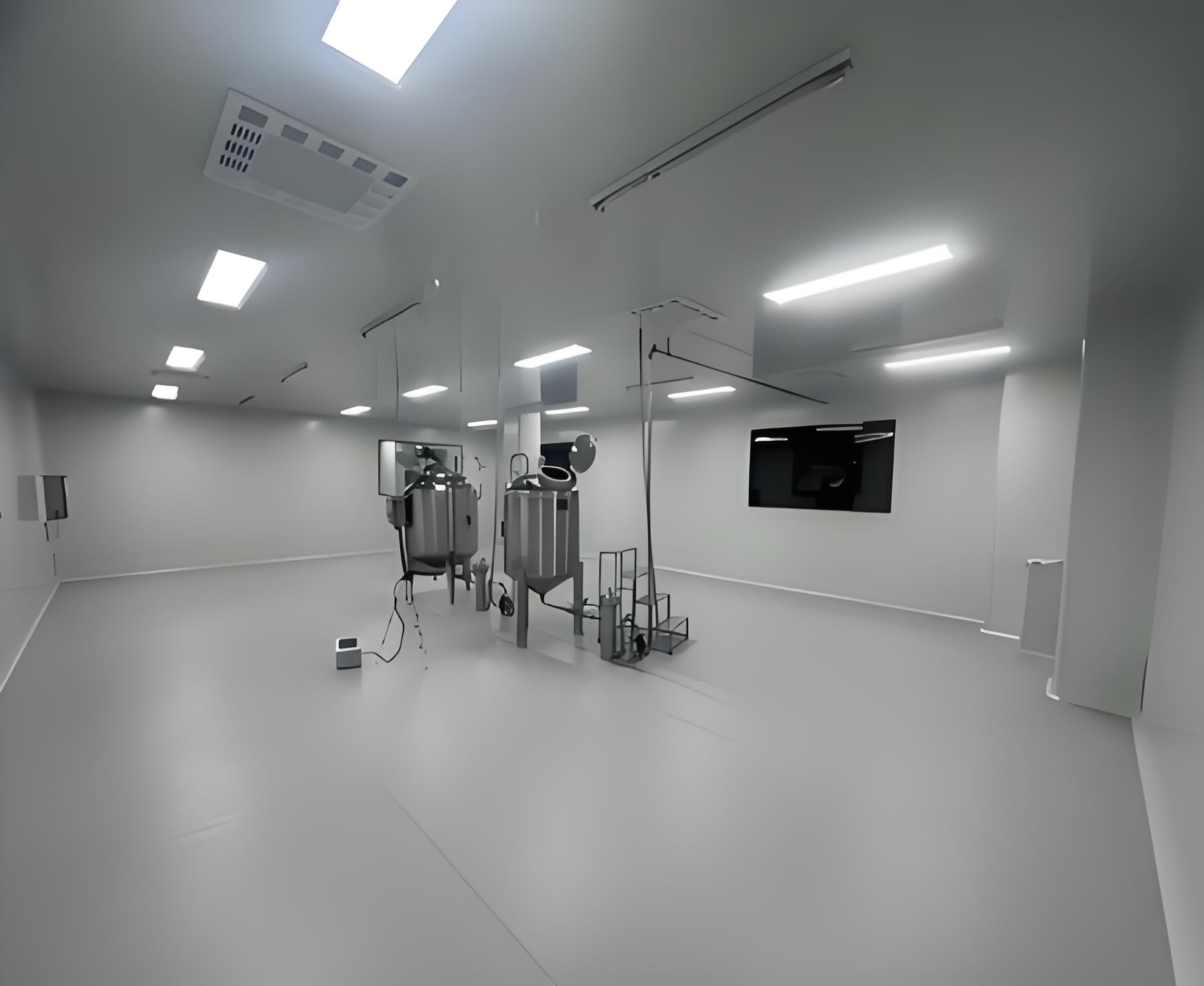
Sterile filling rooms demand the highest rigor. Purification Engineering here includes barrier systems (isolators/RABS), continuous particle monitoring, and compliance with Annex 1 (2023) updates regarding airflow visualization and contamination control strategies (CCS).
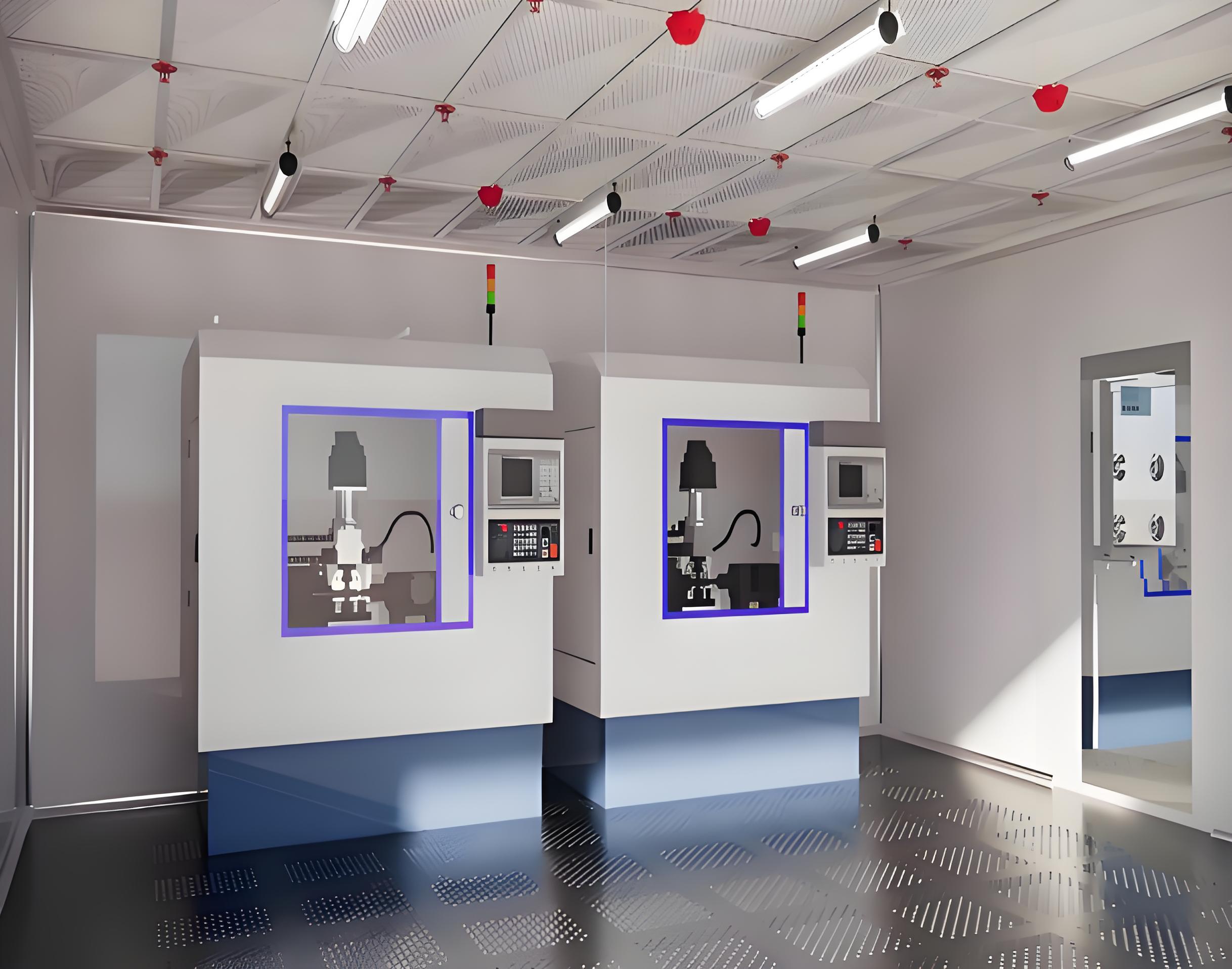
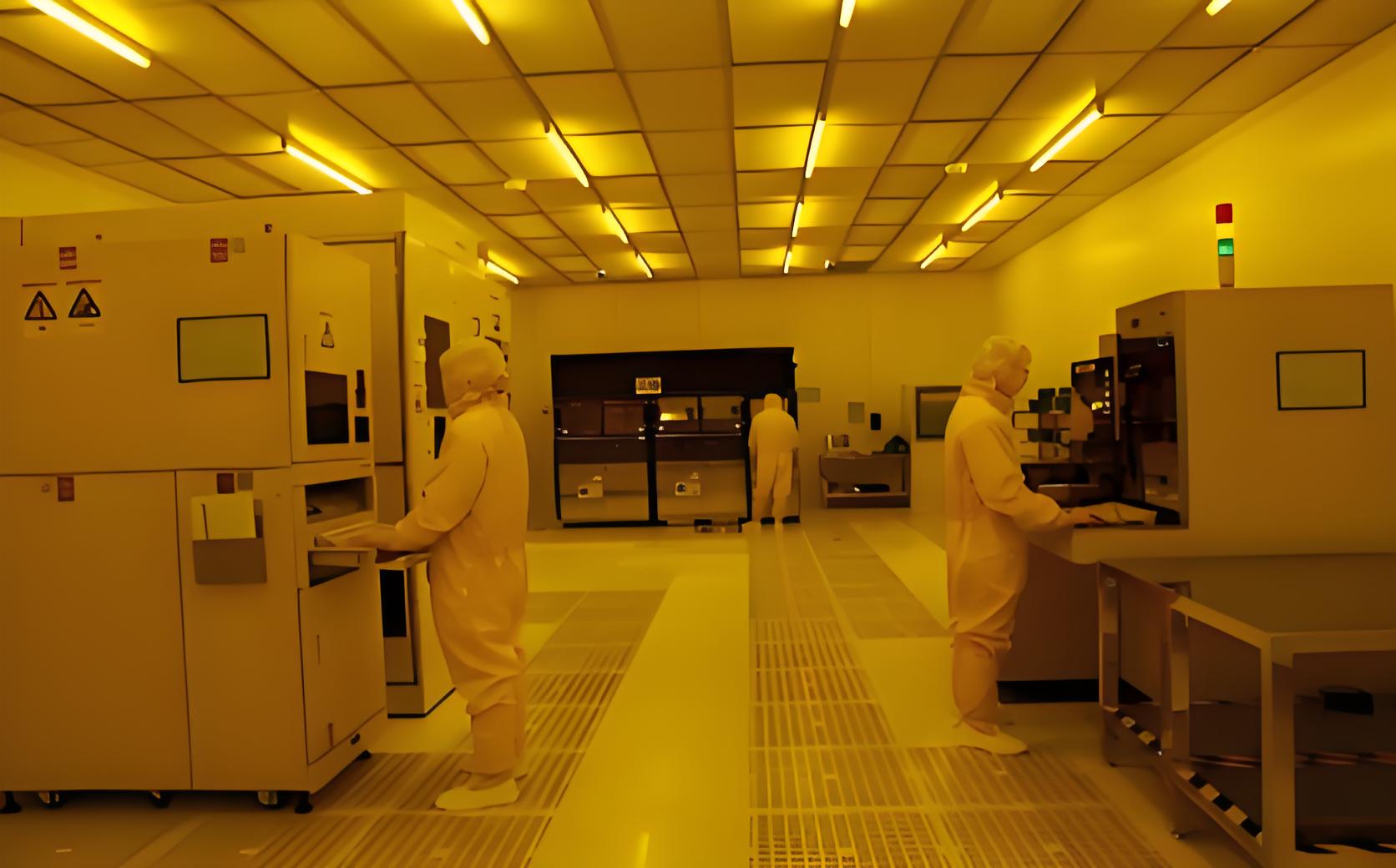
Nanoscale fabrication requires AMC (airborne molecular contamination) control. Purification Engineering addresses outgassing, humidity extremes, and vibration isolation alongside particle removal. Purification Engineering teams collaborate with process tool owners to define minienvironments.
Edible product safety relies on dust control, positive pressure, and hygienic design. TAI JIE ER has delivered multiple food-grade cleanrooms where purification engineering prevents cross-contamination and extends shelf life.
Cleanrooms are energy-intensive. Modern engineering reduces load without compromising cleanliness. Heat recovery wheels, variable speed drives, and demand-based filtration are standard.
Life-cycle cost analysis now drives purification engineering decisions. Using low-GWP refrigerants and optimizing duct layouts also contribute to LEED or BREEAM certifications. Purification Engineering directly impacts carbon footprint.
Validation is not just paperwork — it’s engineered evidence. Protocols for installation (IQ), operation (OQ), and performance (PQ) are designed by purification engineering specialists. They ensure smoke studies, particle counts, and recovery tests meet cGMP and ISO 14644.
Regulators increasingly expect a science-based contamination control strategy (CCS), where purification engineering documentation is central.
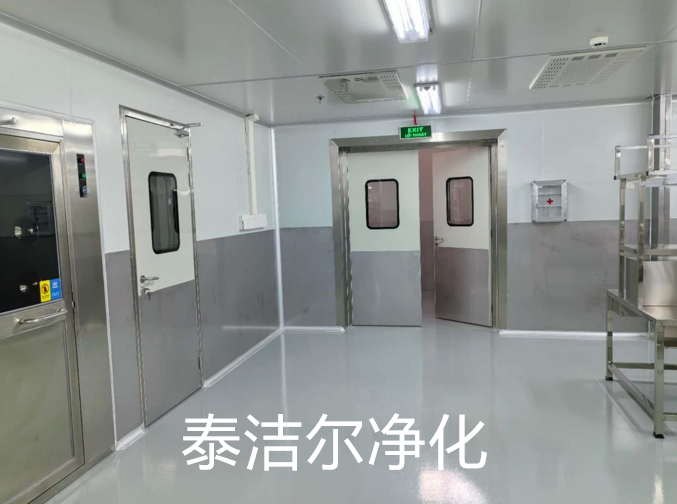
Industry 4.0 introduces IIoT sensors for real-time pressure, temperature, and particle data. Predictive algorithms flag deviations before excursions occur. Purification Engineering integrates these digital twins into facility management.
Prefabricated modular cleanrooms, like those from TAI JIE ER, shorten project timelines and reduce site errors — while maintaining strict engineering rigor.
A5: TAI JIE ER provides one-stop clean equipment engineering — from design to validation. Their portfolio includes biomedical labs, electronic cleanrooms, and food factories, all grounded in sound purification engineering. Experience and reliability define their approach.
In an era where contamination risks carry heavy costs, Purification Engineering remains the silent guardian of product quality and patient safety. Whether you are upgrading an existing facility or building a new sterile hub, partnering with a knowledgeable engineering team like TAI JIE ER ensures your cleanroom performs precisely as intended — today and in the future.