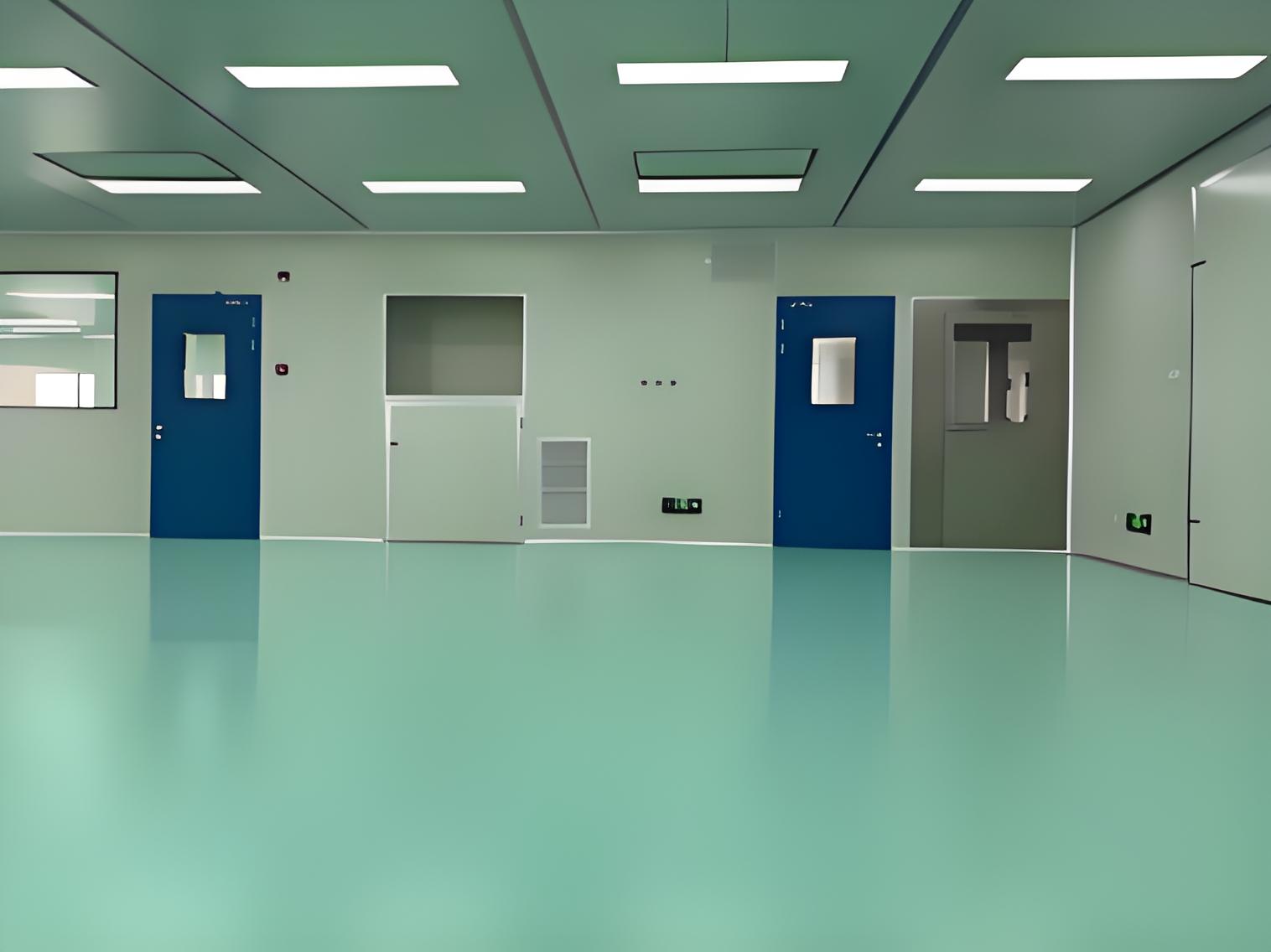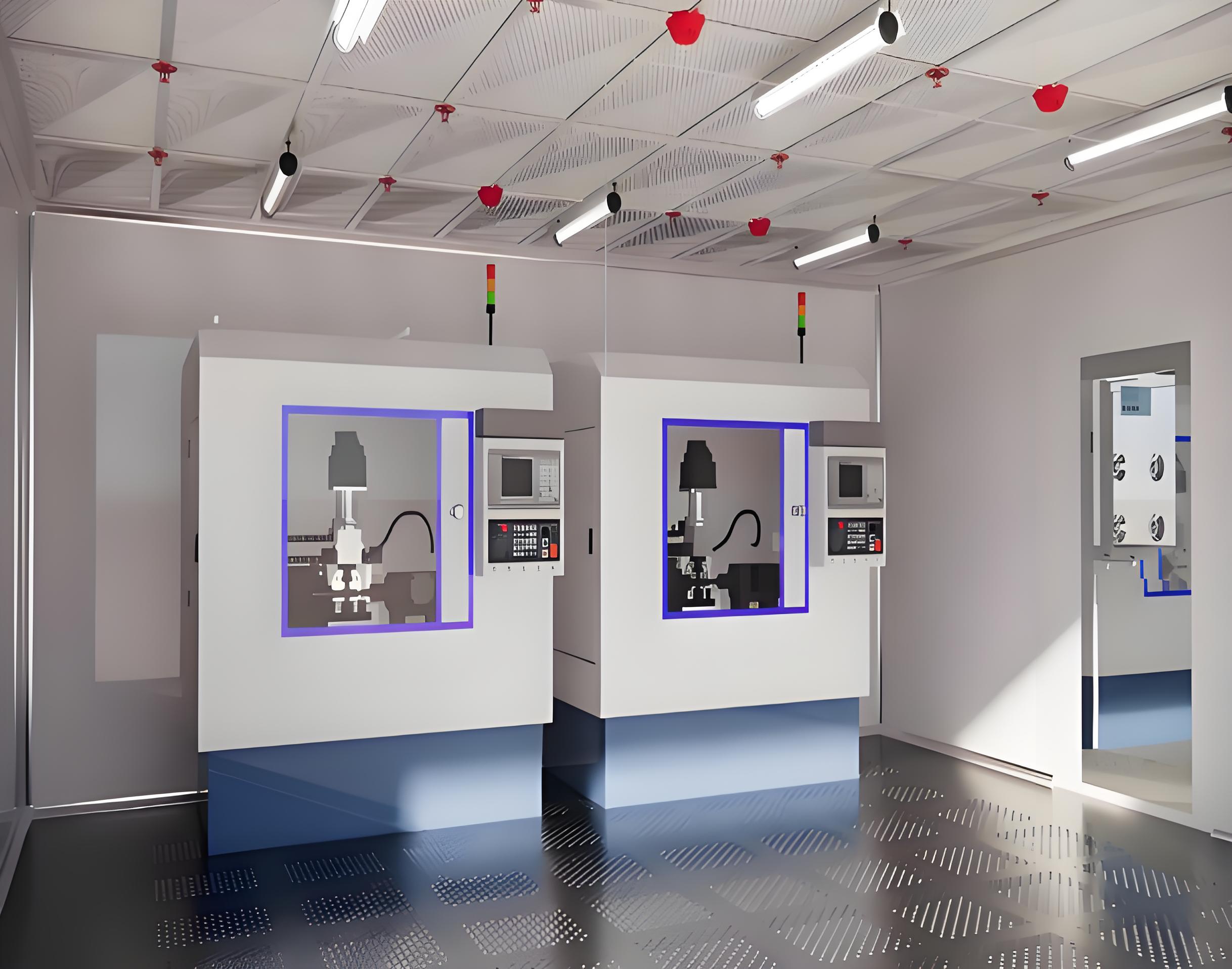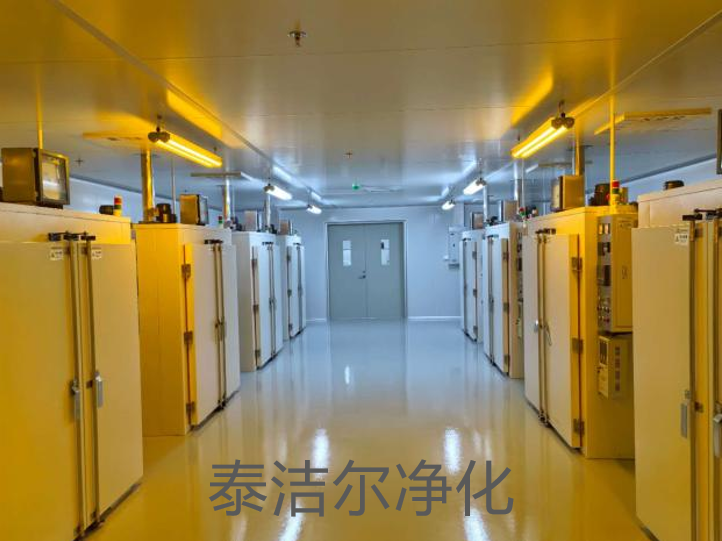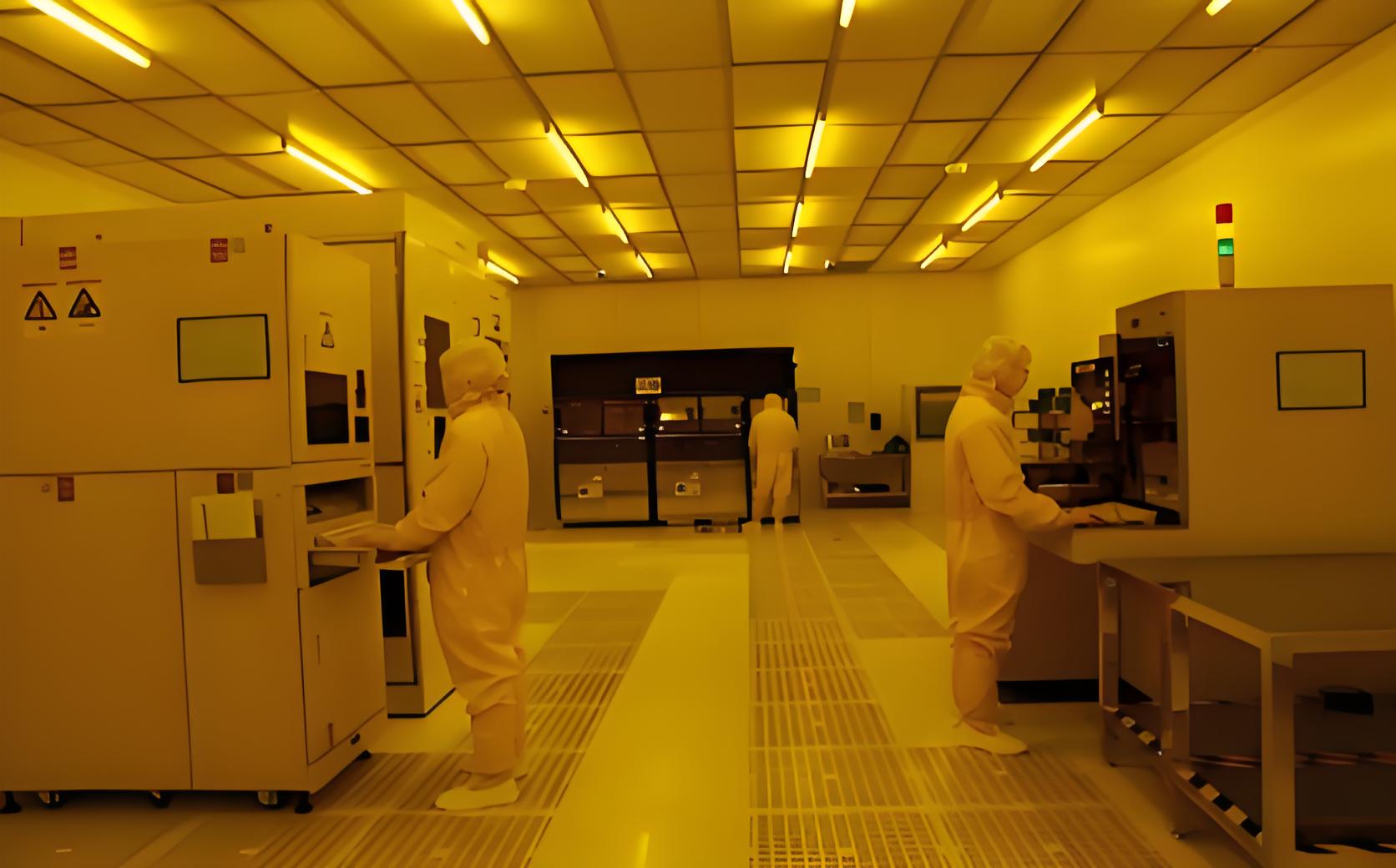
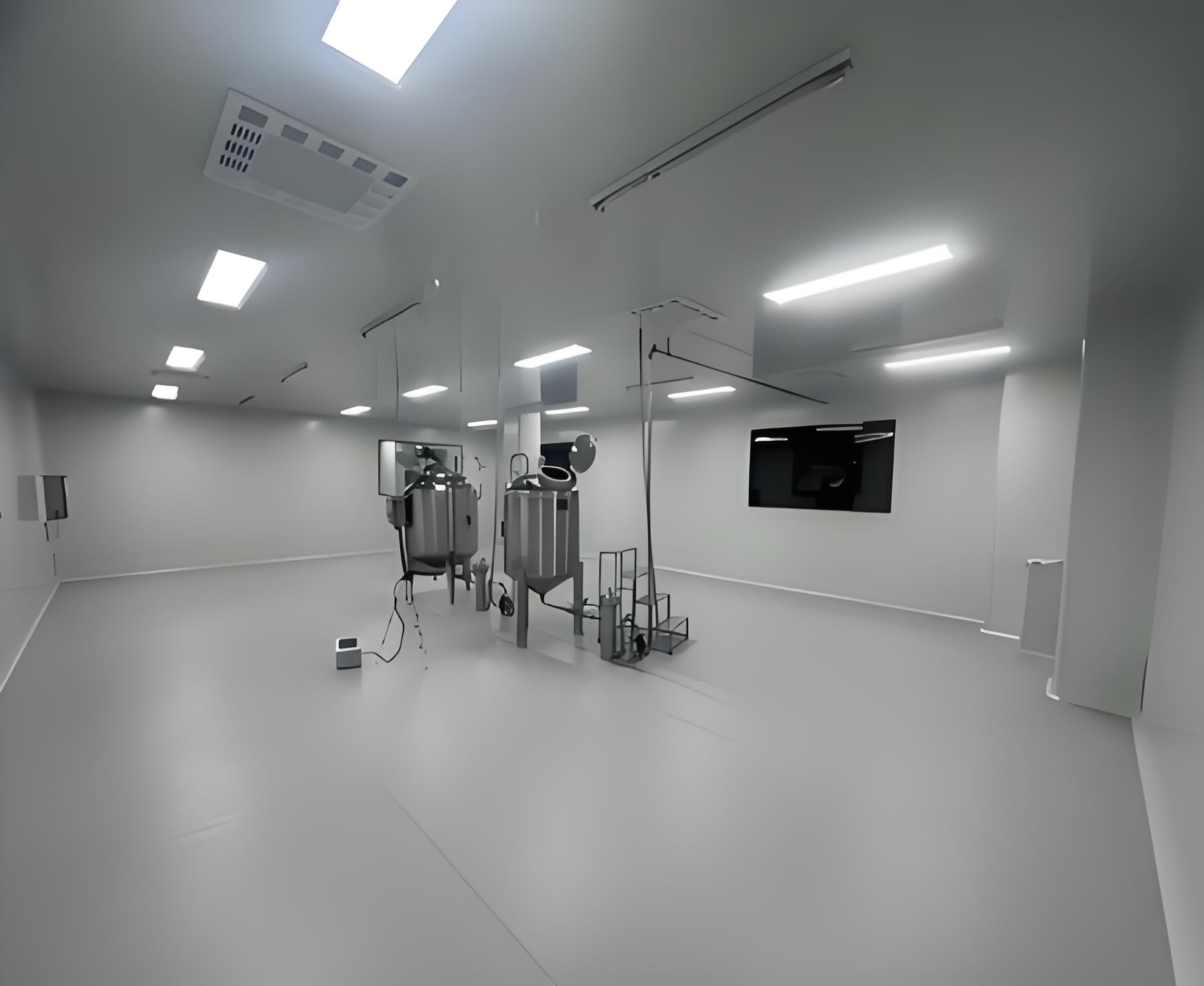
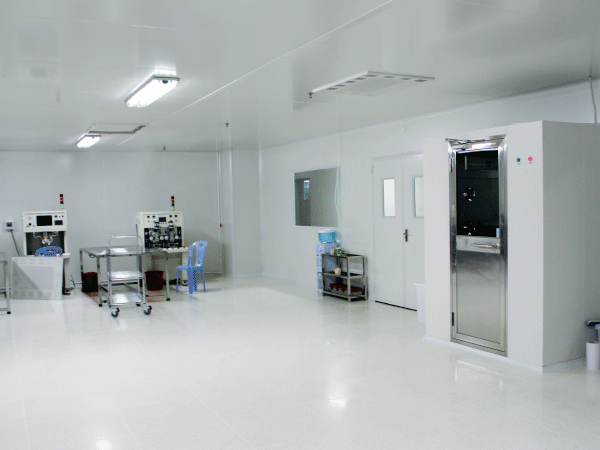
In the high-stakes field of medical device and electronics manufacturing, a specialized Injection molding purification project is no longer optional—it is a regulatory necessity. These projects focus on eliminating airborne particulates, bio-burden, and static charges that can ruin precision components. Without a robust purification system, even the cleanest resin can become contaminated during processing, leading to costly rejects and safety risks. Companies like TAI JIE ER have pioneered modular solutions that integrate seamlessly with existing production lines, ensuring that every molded part meets strict ISO cleanroom standards.
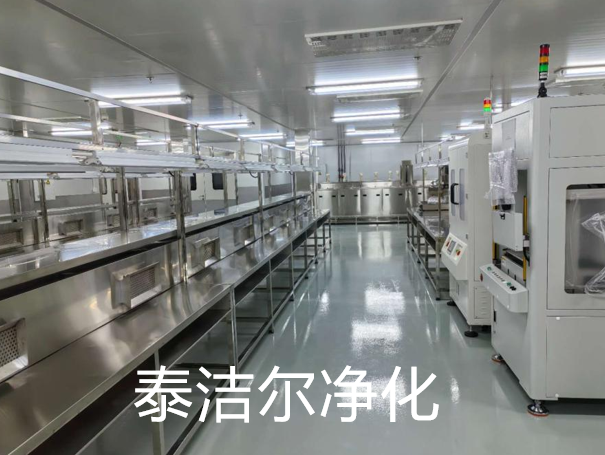
A modern Injection molding purification project encompasses far more than simple air filters. It involves a holistic approach to contamination control, from raw material handling to finished product packaging. The goal is to create a controlled environment where particle counts, humidity, and temperature are constantly monitored. This is especially critical for industries like aerospace and pharmaceuticals, where microscopic defects can have catastrophic consequences. By adopting a turnkey purification strategy, manufacturers can achieve consistent process capability (Cpk) values above 1.33.
HEPA/ULPA filtration systems: Installed in ceilings and air handling units to remove 99.99% of particles ≥0.3 microns.
Positive pressure differentials: Prevent ingress of contaminated air from adjacent zones.
Anti-static flooring and ionizers: Eliminate electrostatic attraction of dust to molded parts.
Automated material conveying: Closed-loop systems that keep resins in a pristine state.
Adhering to globally recognized cleanroom classifications—such as ISO 14644-1 or GMP Grade A/B—is the bedrock of any credible Injection molding purification project. These standards define maximum allowable particle concentrations per cubic meter. For example, an ISO Class 7 cleanroom requires ≤352,000 particles (≥0.5 µm) per m³. Achieving such metrics demands rigorous validation protocols, including airflow visualization (smoke tests) and microbial monitoring. TAI JIE ER offers validation documentation packages that help clients pass FDA and EU audits with confidence.
ISO 5 (Class 100): For implantable medical devices and sterile contact lenses.
ISO 7 (Class 10,000): Suitable for general medical disposables and electronic connectors.
ISO 8 (Class 100,000): Often used for automotive components that require low surface contamination.
Execution is everything. A successful Injection molding purification project follows a phased approach: assessment, design, construction, and qualification. During the assessment phase, experts map out particle generation points—like robot pickers and conveyor belts. Design phase incorporates CFD modeling to ensure unidirectional airflow over molding machines. Construction uses non-shedding materials (e.g., epoxy-coated walls). Finally, qualification includes dynamic operational tests where machines run at full capacity while particle counts are recorded.
Audit current contamination levels – Identify baseline particle counts near molds.
Modular cleanroom construction – Prefabricated wall panels that assemble around existing presses.
HVAC balancing & commissioning – Adjust dampers to achieve correct air changes per hour (typically 60–90 ACH for ISO 7).
Personnel training – Gowning procedures and behavior protocols to maintain cleanliness.
With decades of experience in cleanroom engineering, TAI JIE ER delivers tailored solutions that reduce energy consumption while improving cleanliness. Their approach integrates real-time particle monitoring with IoT-enabled dashboards, allowing managers to spot contamination events immediately. By choosing TAI JIE ER as your partner, your Injection molding purification project benefits from proprietary airflow designs that reduce turbulence and dead zones. The result is a cleanroom that not only meets today’s standards but is also scalable for future production lines.
A leading manufacturer of syringes faced a 12% reject rate due to surface defects caused by airborne fibers. They commissioned a full Injection molding purification project led by TAI JIE ER. The scope included: installing mini-environments around each molding cell, upgrading to ISO 5 curtain systems, and implementing automated clean-in-place protocols. After commissioning, particle counts dropped by 94%, and the reject rate fell below 1.5%. The project paid for itself within 14 months through material savings and increased output.
Particle counts (≥0.5 µm) reduced from 120,000 to 7,200 per m³.
Energy savings of 18% via variable-frequency drives on fans.
Zero contamination-related recalls in the two years following the upgrade.
The future of cleanroom design is moving toward smart, adaptive systems. Upcoming Injection molding purification project concepts include the use of UVC light robots that autonomously decontaminate surfaces, and AI-driven airflow adjustments based on real-time particle data. Another trend is the use of vaporized hydrogen peroxide (VHP) pass-through chambers for materials, eliminating the need for manual wiping. TAI JIE ER is already piloting these technologies in collaboration with research institutes, aiming to set new benchmarks for efficiency.
In an era where product liability and brand reputation are paramount, investing in a robust Injection molding purification project is a strategic decision. It not only ensures compliance with global regulations but also enhances production yields and reduces warranty claims. Whether you are upgrading an existing facility or building a greenfield plant, partnering with an experienced firm like TAI JIE ER guarantees that your purification infrastructure will be reliable, energy-efficient, and future-ready. Take the first step toward contamination-free molding by evaluating your current cleanroom performance today.
Q1: What is the typical duration of an Injection molding purification project?
A1: The timeline varies based on scope and facility size. A small-to-medium project (retrofitting 5–10 presses) usually takes 8–12 weeks from design to validation. Larger greenfield installations can require 6–9 months. Injection molding purification project timelines are often compressed by using modular wall systems, which reduce on-site construction time.
Q2: How much does a professional Injection molding purification project cost?
A2: Costs depend on cleanroom class, floor area, and HVAC complexity. For a 100 m² ISO 7 area, budgets typically range from $150,000 to $400,000. This includes materials, installation, and certification. While the upfront investment is significant, the reduction in scrap and rework often delivers ROI in 18–24 months. TAI JIE ER offers detailed cost-benefit analyses during the proposal stage.
Q3: Can an Injection molding purification project be implemented without stopping production?
A3: Yes, phased implementation is common. By using temporary soft-wall barriers and working during planned shutdowns, contractors can install ceilings and walls while adjacent areas remain operational. Experienced teams like TAI JIE ER specialize in low-disruption methods, ensuring that your manufacturing targets are met throughout the upgrade.
Q4: What validation tests are required after completing an Injection molding purification project?
A4: Standard tests include: HEPA filter integrity (PAO/DOP), airflow velocity and uniformity, room pressure differentials, particle count tests (at rest and in operation), and recovery tests. Documentation is provided in a validation protocol (IQ/OQ) that satisfies regulatory auditors. Always ensure your Injection molding purification project includes a comprehensive testing plan.
Q5: How often should a cleanroom be recertified after the Injection molding purification project is finished?
A5: Most standards recommend recertification every 6 to 12 months. However, facilities producing high-risk products (e.g., implantables) may opt for quarterly monitoring. Continuous particle counters with alarm systems provide real-time assurance between formal recertifications. TAI JIE ER provides service contracts that include scheduled recertification and emergency support.
Q6: Does an Injection molding purification project require special training for operators?
A6: Absolutely. Personnel are the primary contamination source in cleanrooms. Training must cover proper gowning, behavior (slow movements, no talking over parts), and response to alarms. Many Injection molding purification project providers, including TAI JIE ER, offer on-site training sessions and visual standard work instructions to embed a contamination-control culture.