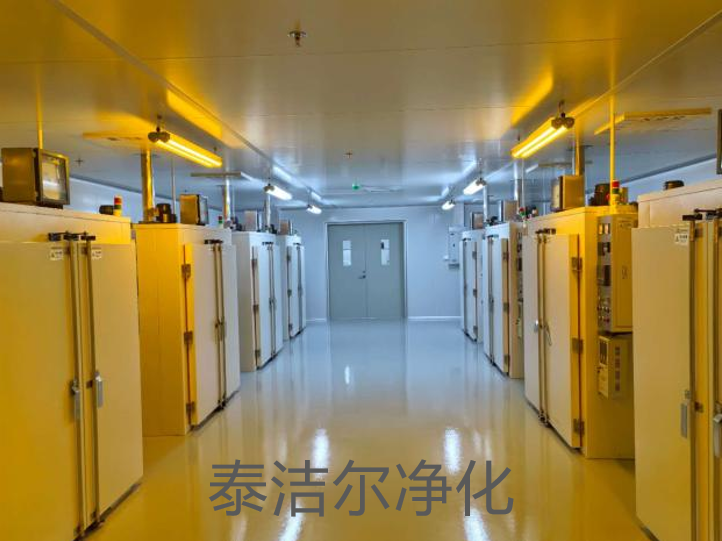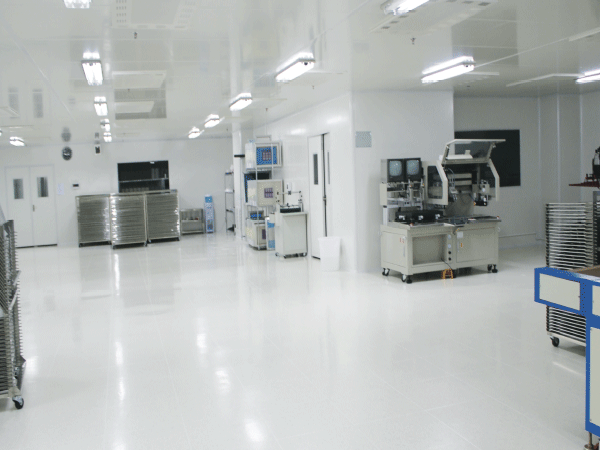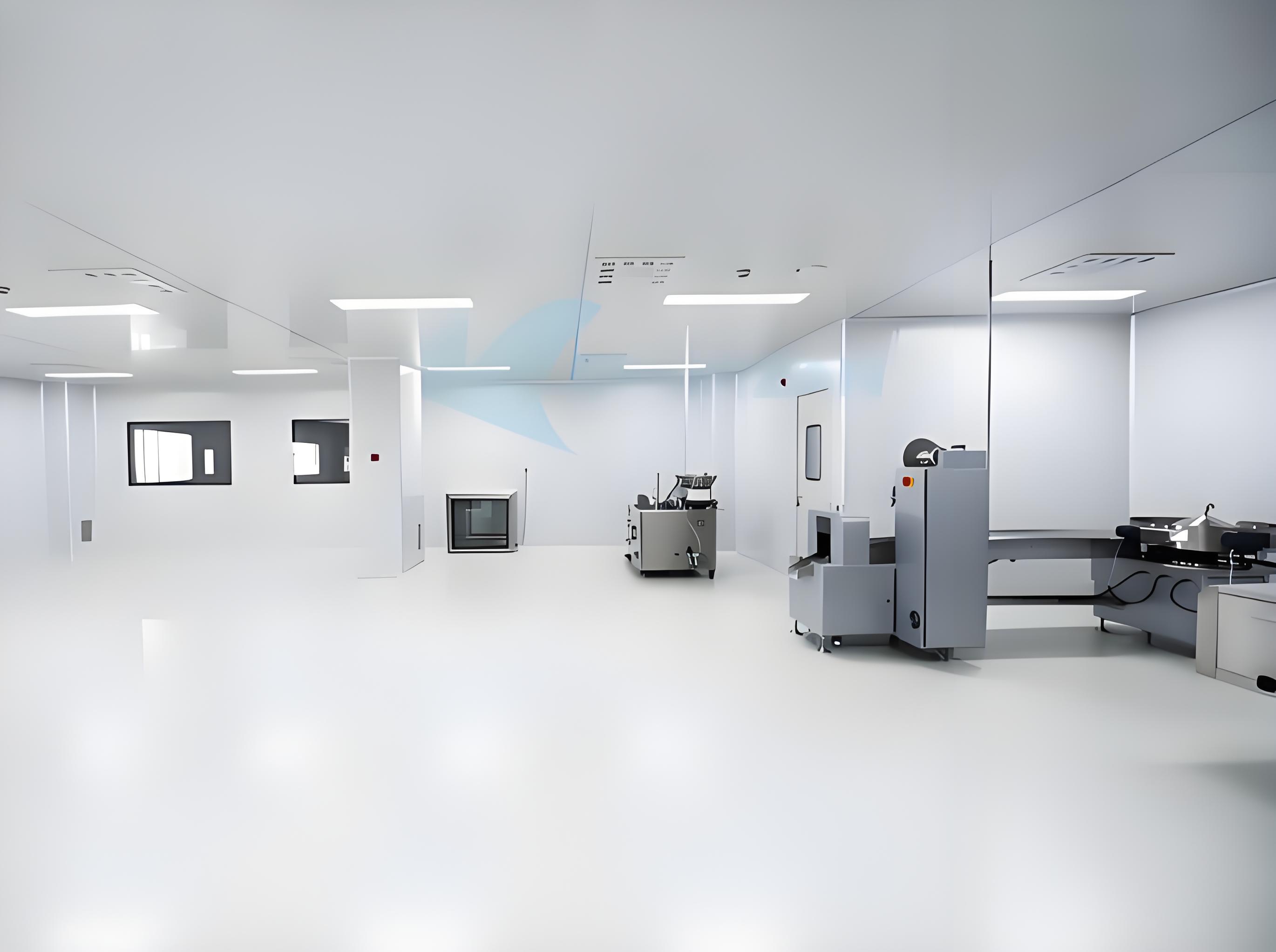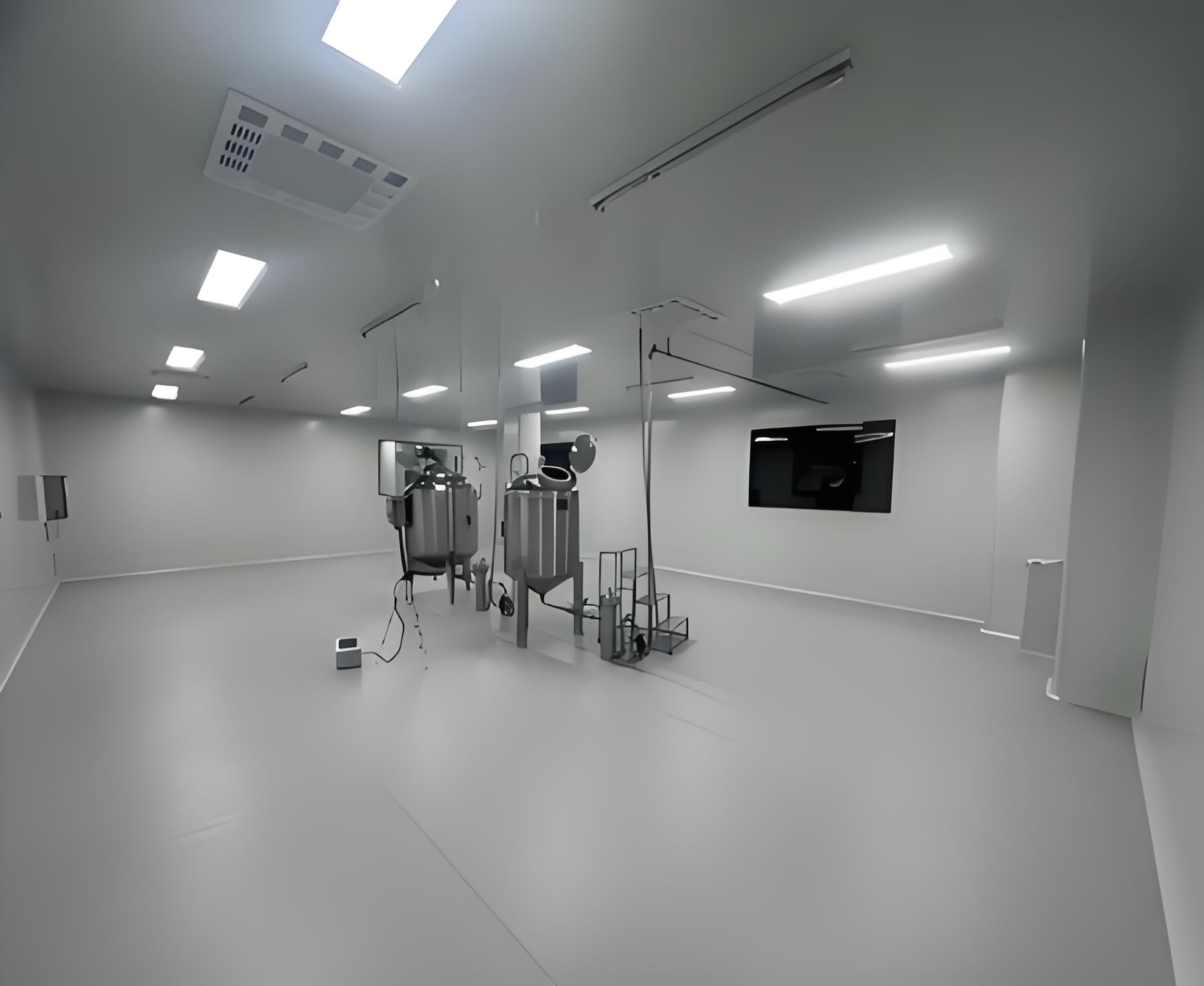
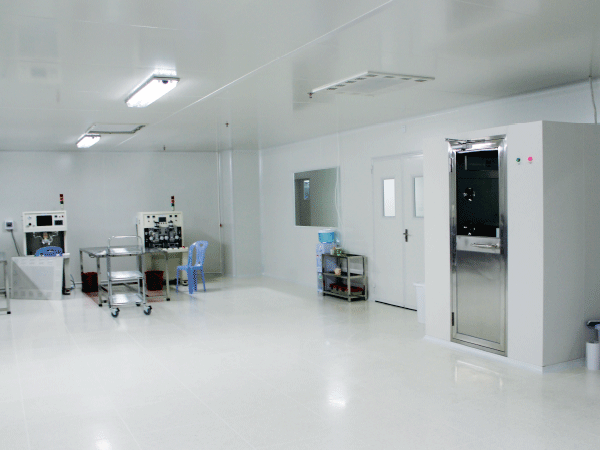

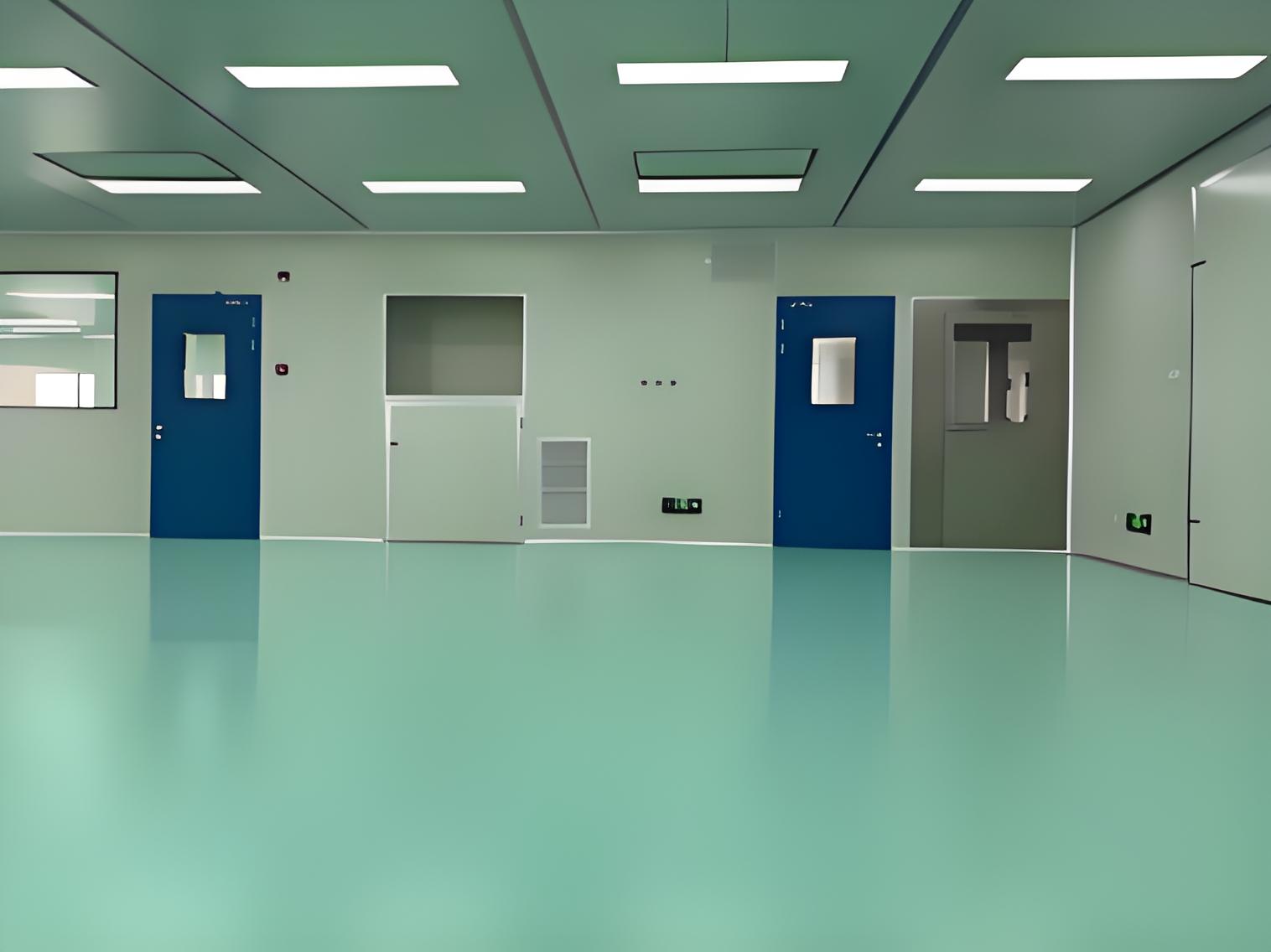
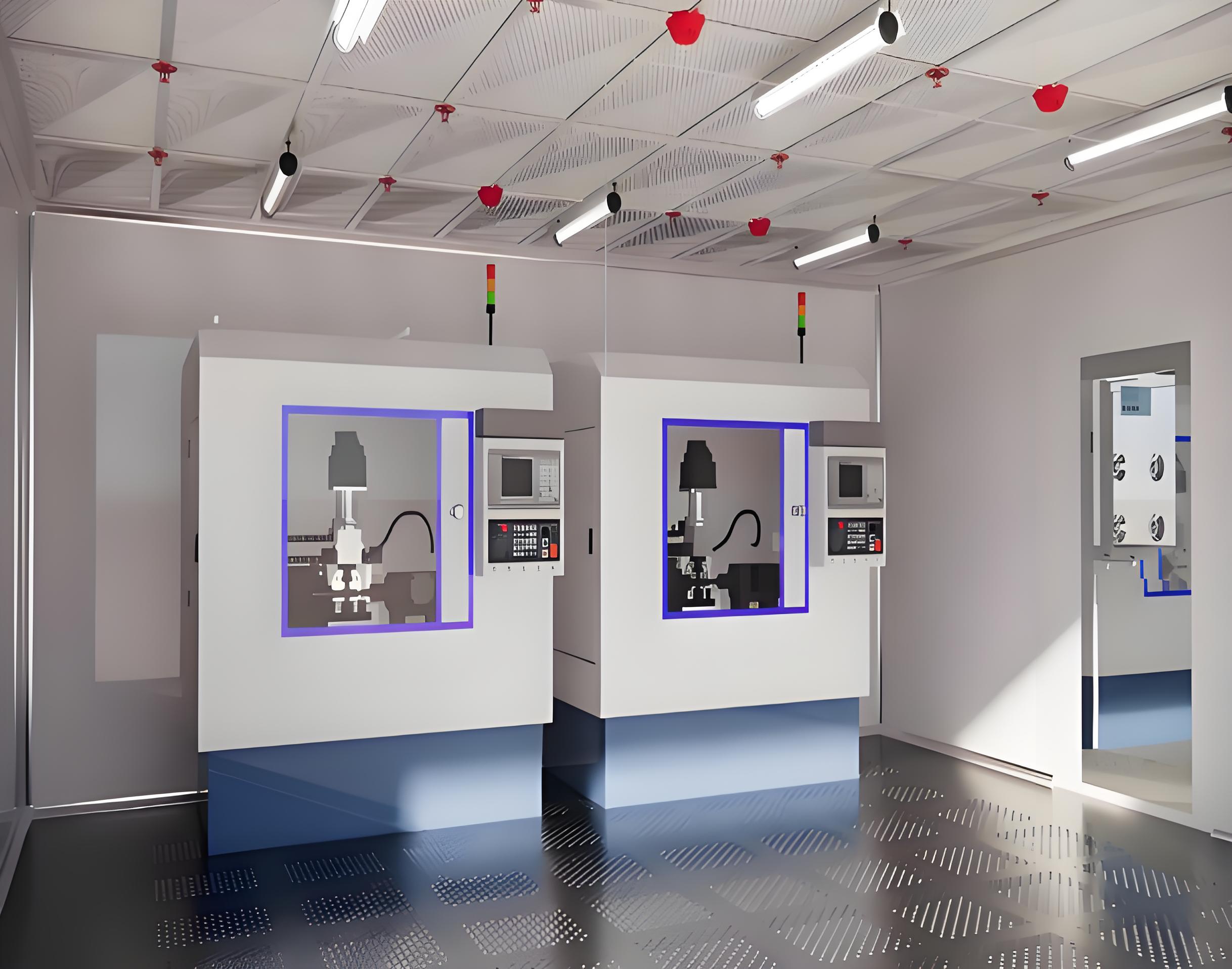
For manufacturers of implantable devices, surgical instruments, and diagnostic components, the medical device purification project represents the single most critical infrastructure investment. Unlike standard industrial cleanrooms, purification facilities must simultaneously satisfy ISO 14644-1 particulate classifications, ISO 13485 quality management systems, and FDA 21 CFR Part 820 requirements for process validation. The engineering challenge lies in creating a controlled environment where airborne particles, viable microorganisms, and cross-contamination risks are systematically eliminated during cleaning, sterilization, and final packaging stages. This article examines the technical specifications, validation protocols, and operational strategies that define successful purification facilities, drawing on implementation data from TAI JIE ER projects across orthopedic, cardiovascular, and combination product manufacturing sectors.
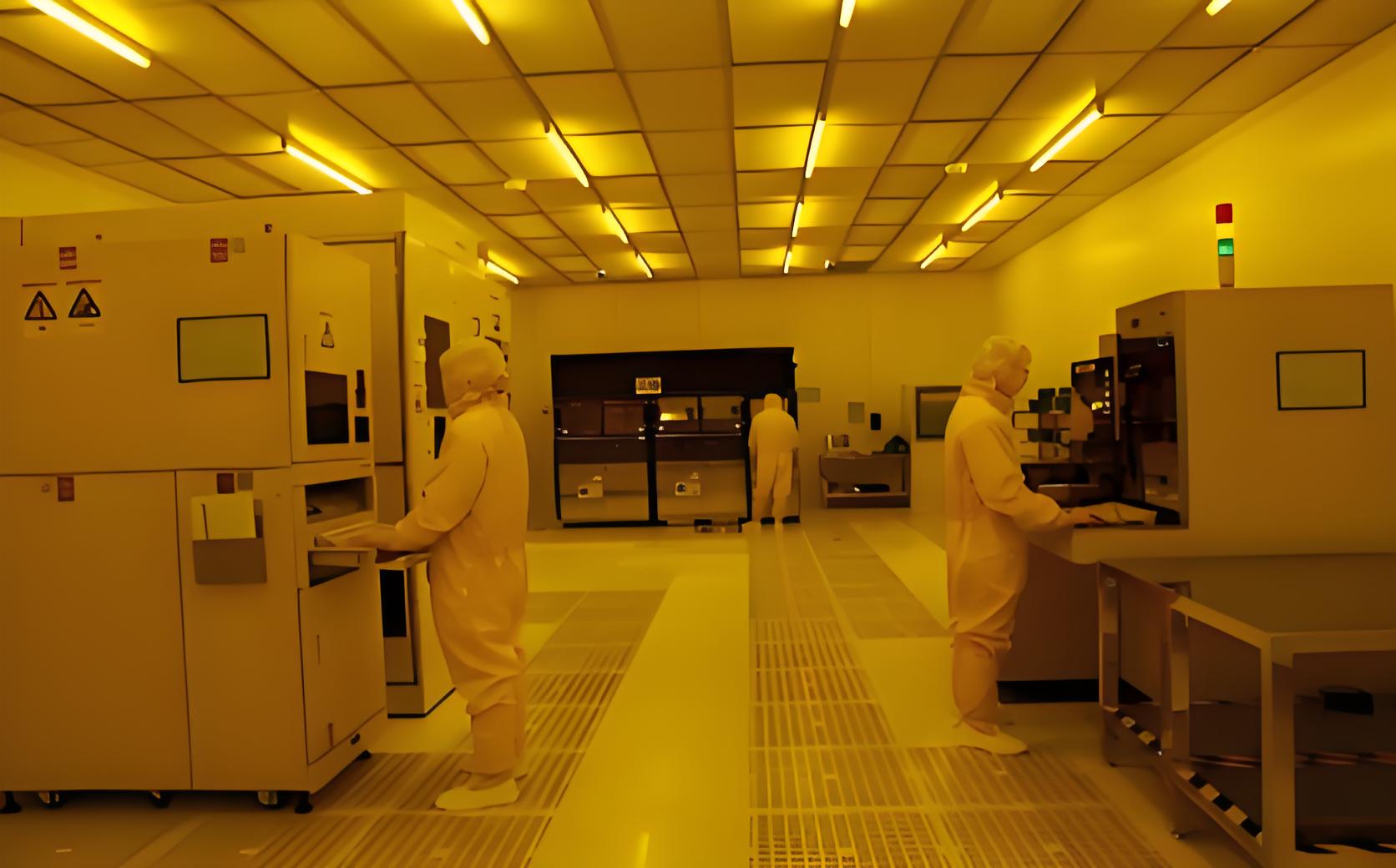
The foundation of any purification facility is alignment with recognized cleanliness standards. For medical devices, classification typically follows ISO 14644-1, with operational areas designated according to the risk profile of the product.
Purification workflows—including ultrasonic cleaning, rinsing, drying, and sterile barrier packaging—demand specific environmental controls:
ISO Class 7 (Class 10,000): Required for final assembly areas where non-sterile devices are prepared for sterilization. Particulate limits: 352,000 particles/m³ ≥0.5 µm.
ISO Class 6 (Class 1,000): Used for aseptic processing zones where terminally sterilized devices are handled before packaging. Air changes: 90–150 per hour.
ISO Class 5 (Class 100): Critical zones for open sterile device manipulation, such as loading lyophilizers or filling combination products. Unidirectional airflow with HEPA filtration (≥99.97% at 0.3 µm).
Selecting the appropriate classification for a medical device purification project requires a risk-based approach. Over-specifying increases capital and operating costs by 30–40%, while under-specifying risks non-conformances during regulatory audits.
The heating, ventilation, and air conditioning (HVAC) system is the mechanical heart of any purification facility. Its design must achieve and maintain the required particle counts while managing pressure cascades to prevent cross-contamination between dirty and clean zones.
Purification facilities are engineered with progressively increasing positive pressure from less critical to more critical zones. Typical specifications:
Unclassified receiving area: neutral or negative relative to external.
ISO Class 8 preparation: +5 Pa relative to unclassified.
ISO Class 7 clean zone: +10–15 Pa relative to preparation.
ISO Class 5 critical zone: +15–20 Pa relative to adjacent areas.
Pressure differentials are monitored continuously with certified transducers; alarms trigger if thresholds deviate by ±2 Pa. In TAI JIE ER-designed facilities, redundant fan arrays with variable frequency drives (VFDs) maintain pressure stability even during filter loading or maintenance activities.
Air cleanliness is achieved through terminal HEPA filters (99.97% efficient at 0.3 µm) for ISO 7 and above. For ISO 5 zones, ULPA filters (99.9995% at 0.12 µm) are standard. Air change rates correlate directly with cleanliness maintenance:
ISO Class 8: 20–40 air changes per hour (ACH)
ISO Class 7: 40–60 ACH
ISO Class 6: 60–90 ACH
ISO Class 5: 240–600 ACH (unidirectional flow)
These rates are validated during initial commissioning and re-validated annually using particle counters positioned at critical workstations.
Purification environments require surfaces that resist microbial colonization, withstand aggressive cleaning agents, and minimize particle generation.
Typical material standards for purification projects include:
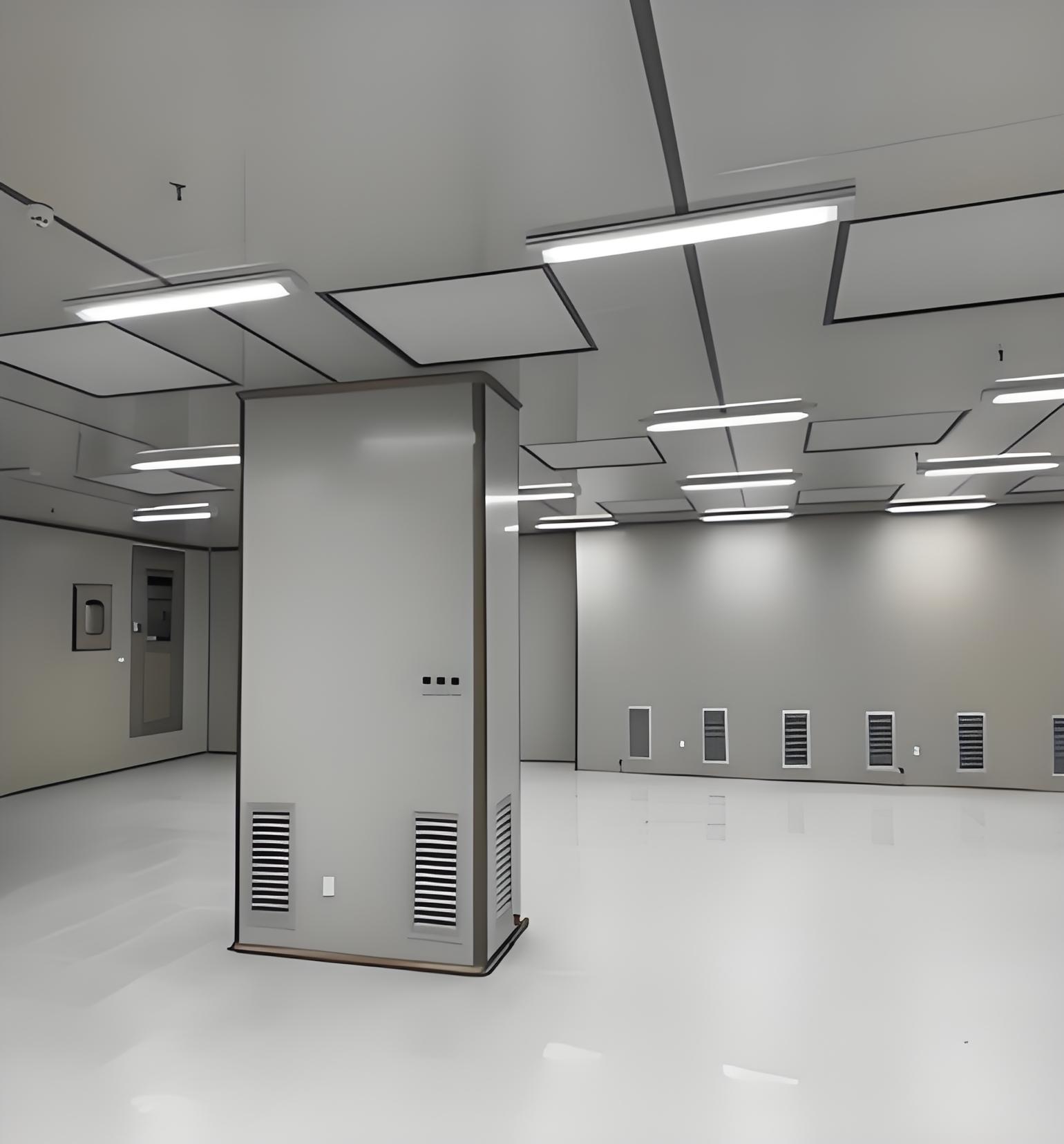
Walls and ceilings: Modular panels with antimicrobial powder-coated steel, 50–75 mm thickness, non-porous joints sealed with silicone conforming to ISO 11600.
Floors: Seamless epoxy or polyurethane resin systems with cove bases to eliminate crevices. Slip-resistant finish with static-dissipative properties (10⁶–10⁹ ohms) for electronics or sensitive devices.
Fixtures: 316L stainless steel for sinks, tables, and shelving—electropolished to Ra ≤0.4 µm to prevent biofilm formation.
Material validation includes testing for cleanability with common disinfectants (70% IPA, peracetic acid, quaternary ammonium compounds) and resistance to sterilization processes such as VHP (vaporized hydrogen peroxide) cycles.
A holistic medical device purification project must accommodate the specific unit operations of device processing, with facility design enabling logical material flow and segregation.
These areas generate aerosols and require local exhaust ventilation (LEV) with dedicated HEPA-filtered returns. Water systems—critical for final rinses—must meet USP <1231> specifications for purified water (PW) or water for injection (WFI). Design features include:
Stainless steel tanks with heated, filtered DI water.
Automated drain cycles to prevent microbial growth.
Separate wet zones with sloped floors and floor drains sized for rapid evacuation.
Whether using ethylene oxide (EtO), steam autoclaves, or VHP chambers,
sterilization equipment requires dedicated rooms with appropriate ventilation
and interlocks. For EtO facilities, explosive gas safety standards (NFPA 86)
apply, necessitating gas detection systems and explosion-proof electrical
components. Steam autoclaves demand reinforced floors and dedicated boiler
systems with condensate management. Packaging operations—often the final step before sterilization—require ISO
Class 7 or better environments. Key design considerations include: Seal integrity testers integrated into the workflow. Seamless transfer from packaging to sterilization loading via pass-through
chambers. Serialization stations for UDI (Unique Device Identification)
compliance. Regulatory bodies require documented evidence that the purification facility
consistently performs as intended. Validation follows a three-phase
approach: Verifies that all equipment and systems are installed according to
specifications. Documentation includes: HEPA filter certification (scan testing per IEST-RP-CC034). Pressure differential maps across all zones. Material certifications for cleanroom components. Utility schematics (HVAC, purified water, compressed air). Demonstrates that systems operate within defined parameters under simulated
conditions. Tests include: Air change rate measurement (using airflow hoods or tracer gas). Temperature and humidity uniformity (mapping with calibrated
dataloggers). Particle count recovery tests (spiking challenge). HEPA filter integrity (DOP/PAO testing). Confirms that the facility maintains controlled conditions during actual
production over a defined period (typically 3–5 consecutive shifts). PQ
includes: Dynamic particle monitoring at critical locations. Microbial environmental monitoring (settle plates, active air samplers,
contact plates). Garment and personnel qualification for gowning procedures. Successful purification projects incorporate proactive controls for the most
frequent sources of contamination in medical device processing. Personnel are the primary source of particulate and microbial contamination.
Facility design must enforce strict gowning sequences: Change rooms with bench-type separation between street clothing and
cleanroom attire. Air showers for ISO Class 6 and above zones. Visual or electronic gowning verification systems. Data from TAI JIE ER installations show that facilities with
pass-through gowning rooms and segregated material airlocks reduce viable
particle counts by 60–70% compared to single-door entry designs. Unprocessed materials, clean devices, and sterile finished goods must never
share pathways. Design strategies include: Dedicated receiving and staging areas for incoming components. Pass-through autoclaves or VHP chambers for material transfer between
cleanliness zones. Color-coded carts and dedicated equipment for each zone. Compressed air, process gases, and water systems can introduce contaminants
if not properly filtered. Specifications require: Point-of-use 0.01 µm filters for compressed air contacting devices. Sanitary design for purified water loops with continuous recirculation and
UV sterilization. Regular endotoxin and bioburden testing per USP <85> and
<61>. Cleanrooms are among the most energy-intensive industrial environments, with
HVAC accounting for 60–80% of total energy use. Modern purification projects
incorporate sustainable engineering without compromising compliance: Heat recovery wheels: Transfer energy from exhaust air to
incoming fresh air, reducing HVAC load by 25–35%. VFD-controlled fans: Adjust airflow based on real-time
particle counts and occupancy, reducing fan energy by 30–50% during low-demand
periods. LED lighting with motion sensors: Reduces lighting energy
by 40–60% compared to fluorescent fixtures. Fan filter unit (FFU) arrays: Allow zoned operation instead
of centralized air handlers, enabling selective shutdown during non-production
hours. A1: A cleanroom focuses on maintaining defined particulate
levels during manufacturing. A medical device purification
project encompasses the entire infrastructure required for cleaning,
sterilization, and sterile packaging—including controlled environments,
validated equipment, utility systems, and documented process flows. Purification
facilities integrate cleanroom zones with specific process equipment (ultrasonic
cleaners, EtO chambers, sealers) and must support regulatory requirements for
validated processes, not just environmental control. A2: Classification is determined by risk assessment per ISO
14698 and GMP guidelines. Factors include: device classification (Class I, II,
III), sterility requirement (sterile vs. non-sterile), and the stage of
processing. For final packaging of sterile devices, ISO Class 7 is typically
required. For aseptic handling of non-terminally sterilized devices, ISO Class 5
is mandated. A formal risk analysis (FMEA) should be conducted to justify the
selected classification, with input from quality assurance and regulatory
affairs teams. A3: Essential documents include: (1) Validation Master Plan
(VMP) outlining all qualification activities, (2) User Requirement Specification
(URS), (3) Functional Design Specification (FDS), (4) IQ/OQ/PQ protocols with
acceptance criteria, (5) HEPA filter certification reports, (6) pressure
differential and airflow visualization (smoke studies) records, (7)
environmental monitoring trend reports (particles, viable counts), and (8)
preventive maintenance schedules. These documents must be maintained for the
life of the facility and be available for regulatory inspection. A4: Facility design must accommodate the specific
requirements of the chosen sterilization method. For EtO: explosion-proof
electrical systems, gas detection, and aeration rooms with dedicated HVAC that
vents to atmosphere through catalytic converters. For steam autoclaves:
reinforced floors, high-capacity steam generation, and condensate cooling
systems. For gamma/electron beam: radiation shielding and strict material flow
segregation. The purification facility layout must include material staging
areas that match sterilization cycle times and provide quarantine zones for
post-sterilization testing. A5: Project timelines vary based on scope and complexity. A
typical schedule: conceptual design and URS development (2–4 months), detailed
engineering and permitting (3–6 months), construction and equipment installation
(6–12 months), commissioning and validation (3–6 months). Total duration ranges
from 14 to 28 months for greenfield facilities. Retrofit projects typically
require 8–14 months. TAI JIE ER employs phased commissioning
approaches to minimize production disruption during upgrades, often completing
critical sections while maintaining existing operations. Executing a successful medical device
purification project demands integration of regulatory knowledge,
process engineering, and contamination control expertise. From ISO
classification selection to validation documentation, each element must be
meticulously aligned with device-specific requirements. TAI JIE
ER brings over two decades of experience in delivering turnkey
purification facilities that meet rigorous global standards, ensuring that
manufacturers achieve both compliance and operational efficiency.5. Validation and Commissioning: IQ, OQ, PQ Protocols
5.1 Installation Qualification (IQ)
5.2 Operational Qualification (OQ)
5.3 Performance Qualification (PQ)
6. Risk Management: Addressing Common Contamination Vectors
6.1 Personnel Flow and Gowning Protocols
6.2 Material Flow and Segregation
6.3 Utility Contamination Risks
7. Energy Efficiency and Sustainability in Purification Facilities
Frequently Asked Questions (FAQ)
Q1: What is the difference between a medical device cleanroom and a
purification project?
Q2: How do I determine the required ISO class for my device purification
project?
Q3: What are the critical validation documents required for a purification
facility?
Q4: How does a medical device purification project address sterilization
method compatibility?
Q5: What are the typical timelines for completing a medical device
purification project?