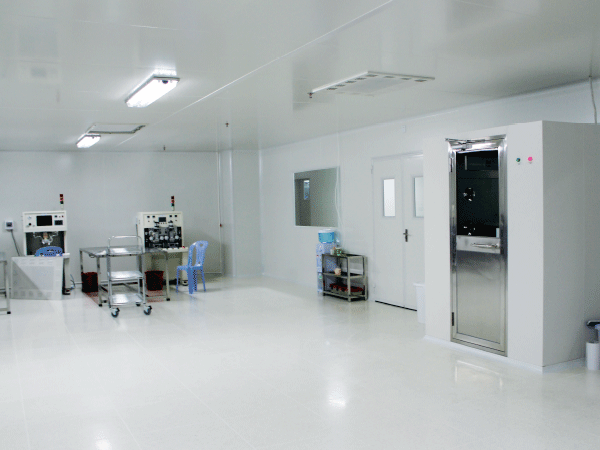

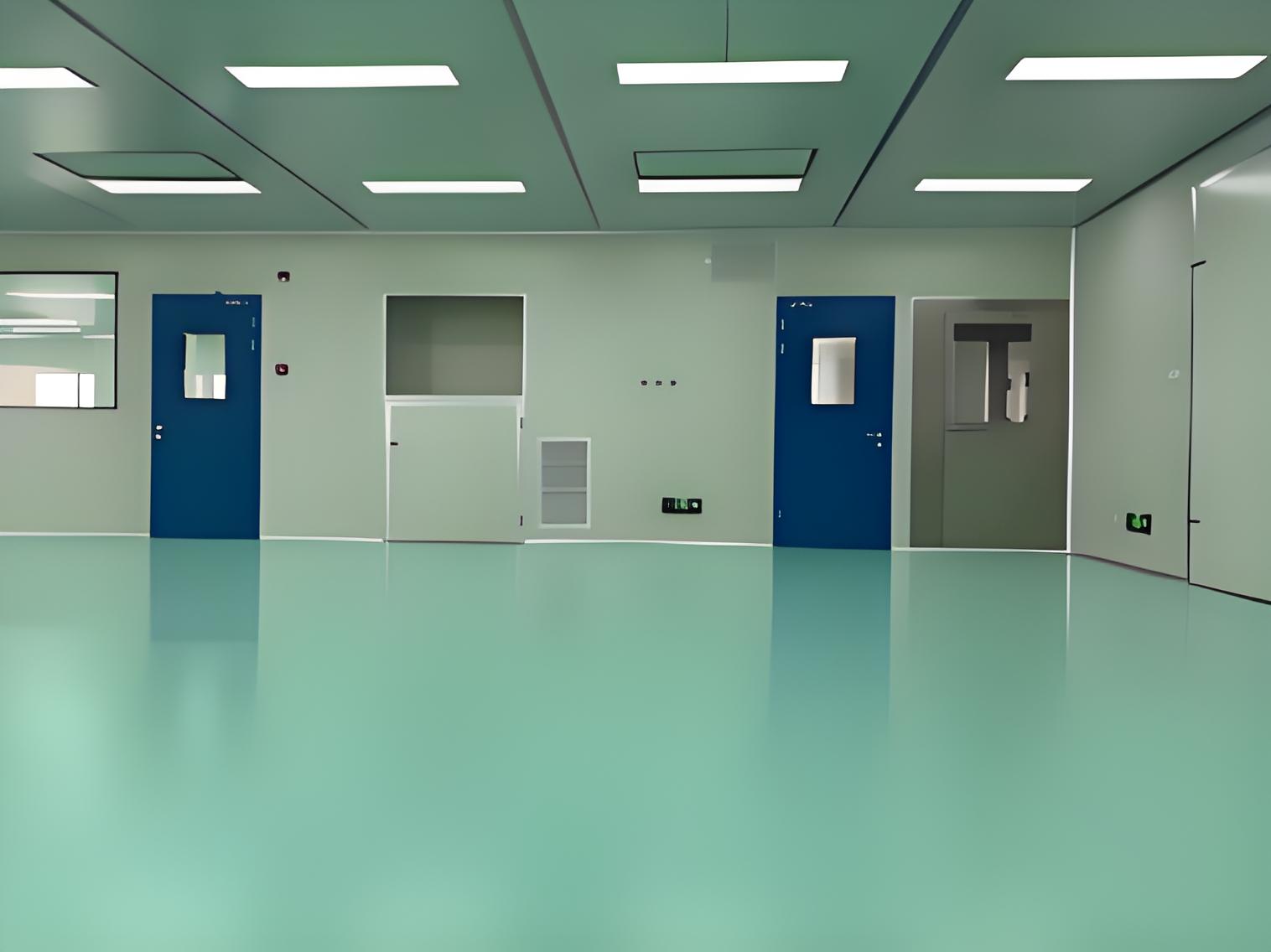
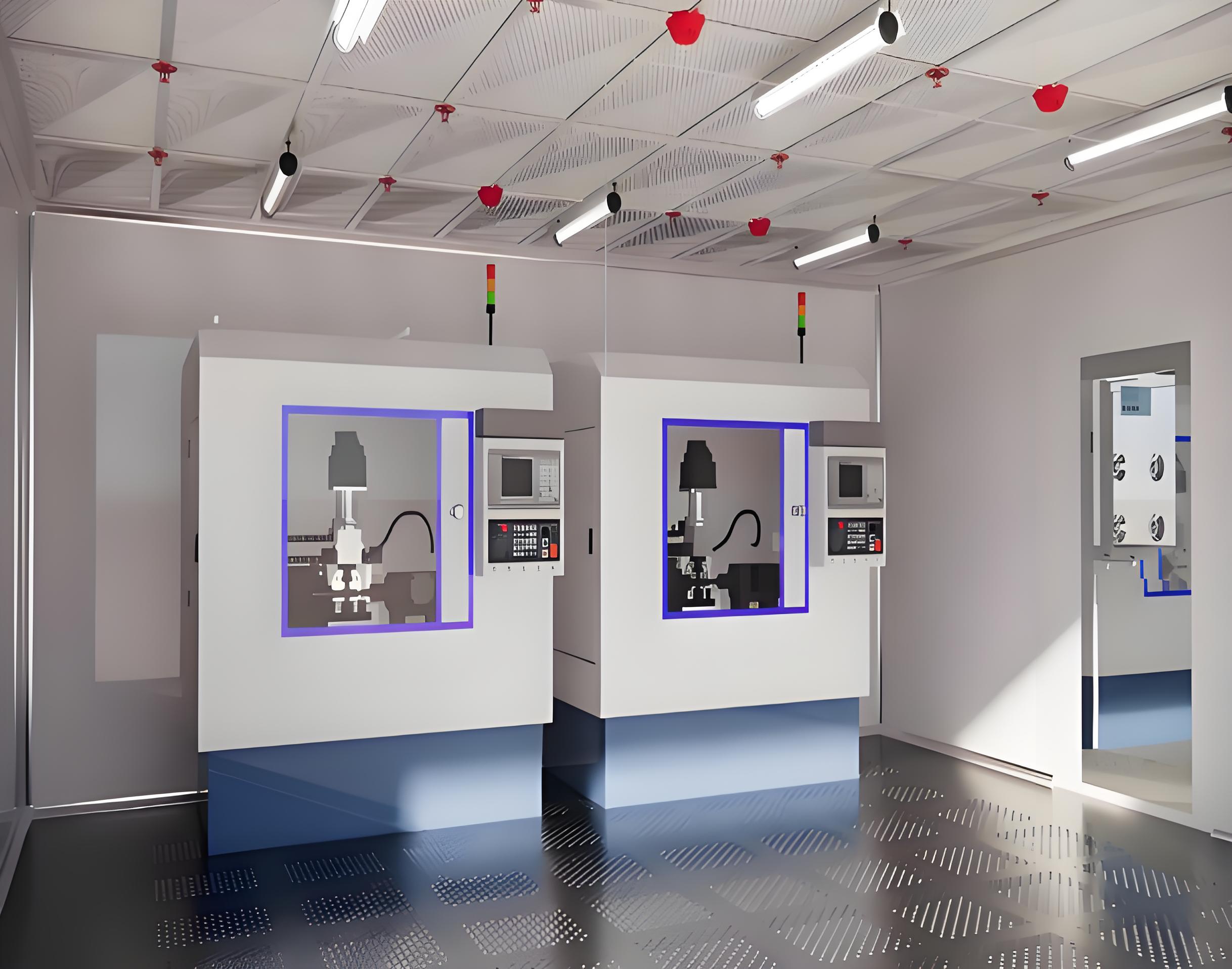
The global food industry faces escalating pressure to eliminate biological hazards, extend shelf life, and meet strict export regulations. A Food purification project is no longer a simple cleanroom installation—it is an integrated engineering discipline combining hygienic zoning, airborne particle control, surface sanitation validation, and environmental monitoring. Unlike pharmaceutical cleanrooms, food purification must accommodate high humidity, fat aerosols, and continuous wash-down cycles while preventing cross-contamination from raw materials to finished goods. This article examines eight critical parameters that define a robust Food purification project, supported by engineering data, regulatory references, and practical solutions from industry leaders like TAI JIE ER.
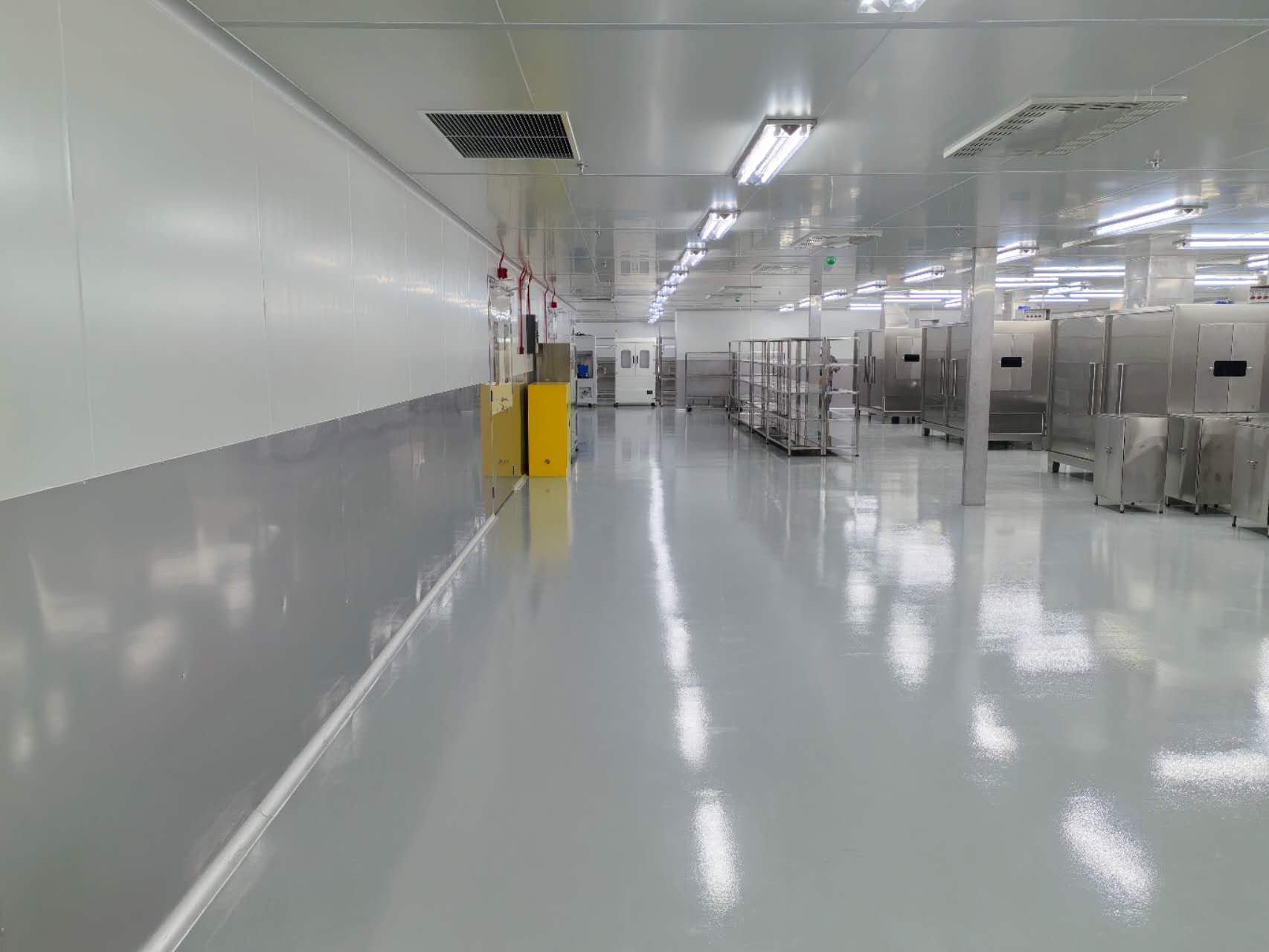
Foundation of any Food purification project begins with establishing hygienic zones according to ISO 14644-3 and GFSI-benchmarked standards. The following classification hierarchy is typical:
High-risk zone (HRZ): Post-lethality treatment areas (e.g., RTE meat slicing, cooked product packaging) requiring ISO Class 7 or better with positive pressure differential ≥10 Pa relative to adjacent zones.
Medium-risk zone: Ingredient handling, mixing, and pre-cooking areas with controlled access and air filtration to MERV 13 or HEPA.
Low-risk zone: Raw material storage, non-food contact areas with basic sanitation controls.
Data from BRCGS audits indicate that facilities implementing clear physical barriers between HRZ and other zones reduce pathogen detection rates (Listeria monocytogenes, Salmonella) by up to 65% compared to facilities relying solely on procedural controls.
Food production facilities pose unique challenges for HVAC: steam, cooking oils, and frequent wash-downs require specialized air handling units. Critical engineering considerations include:
Stainless steel AHU casings: Withstand corrosive sanitizing agents and humidity up to 95% RH without microbial growth.
Demand-controlled ventilation: Variable air volume (VAV) systems with fast-response sensors to maintain pressure cascades during door openings and exhaust hood operation.
HEPA filter placement: Terminal HEPA filters in HRZ ceilings with washable pre-filters to extend service life in greasy environments.
A recent Food purification project for a dairy processing plant demonstrated that installing stainless steel AHUs with UV-C sterilization on cooling coils reduced mold colony counts by 89% over 18 months of operation.
Purification extends beyond air to all contact surfaces. EHEDG (European Hygienic Engineering & Design Group) guidelines dictate material and fabrication standards:
Wall and ceiling panels: Mineral-filled polypropylene or stainless steel 304L with radiused corners, free from crevices.
Flooring: Epoxy resin with antimicrobial additives, sloped to drains to prevent standing water; minimum 2% slope.
Equipment integration: All process machinery must have sanitary welds (Ra ≤0.8 µm) and CIP/SIP compatibility.
Failure to adhere to these principles leads to biofilm harborage. A root cause analysis from a cooked meat recall showed that cracked epoxy flooring in a processing corridor was responsible for persistent Listeria contamination that had evaded cleaning protocols for 14 months.
While HEPA filtration captures particulates, viable organisms can still proliferate in condensate or stagnant zones. Advanced Food purification project designs incorporate:
Photocatalytic oxidation (PCO): UV-C lamps with titanium dioxide coating installed in air handlers to degrade airborne mold spores and volatile organic compounds.
Active humidity control: Maintaining RH <60% in non-wash zones to suppress bacterial growth; desiccant dehumidifiers for high-humidity tropical climates.
Biosecurity airlocks: Personnel and material airlocks with timed interlocking doors and forced air showers to minimize ingress of external contaminants.
Independent validation from a seafood processing facility showed that combining HEPA filtration with PCO reduced total viable airborne counts from 850 CFU/m³ to 42 CFU/m³, achieving Japanese SQF Level 3 certification.
Engineering controls must be complemented by robust validation of sanitation effectiveness. A well-designed Food purification project includes:
Adenosine triphosphate (ATP) bioluminescence testing: Routine swabbing of critical surfaces post-CIP with acceptance criteria <50 RLU for food-contact surfaces.
Allergen validation: ELISA testing for gluten, dairy, or nut residues after changeover to prevent cross-contact.
Biofilm challenge studies: Using Pseudomonas aeruginosa biofilms on stainless steel coupons to validate CIP chemical concentrations and contact times.
Data from the USDA FSIS indicates that 42% of food safety-related recalls are linked to inadequate sanitation validation. Engineering systems that enable automated CIP sequencing with conductivity and pH monitoring reduce human error in sanitation processes by 70%.
Operators remain the primary vector for contamination. Purification engineering must address:
Color-coded zoning: Distinct gowning requirements (e.g., blue frocks for HRZ, white for medium-risk) with visual monitoring at gowning rooms.
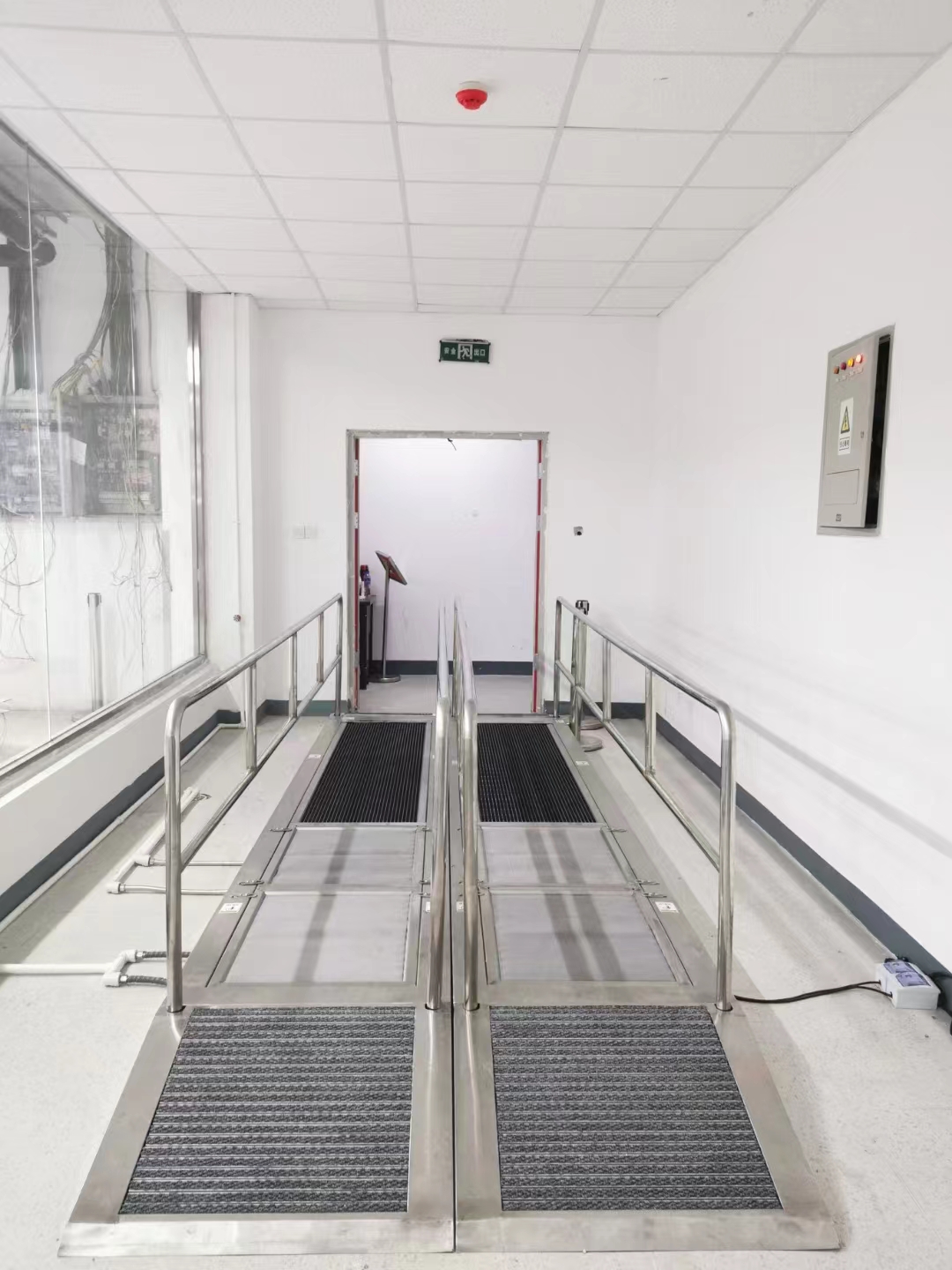
Hygienic changing areas: Separate entry/exit paths; boot washers with automated sanitizer application.
Hand hygiene stations: Touch-free fixtures with water temperature control and integrated digital logging of usage frequency for compliance documentation.
A multinational bakery implemented a zone-specific gowning system as part of their Food purification project and recorded a 58% reduction in environmental swab positives for Enterobacteriaceae within six months.
Many food purification projects involve interfaces between chilled/frozen zones and ambient processing. Critical engineering points include:
Refrigerated airlocks: Maintaining -2°C to 4°C with forced air curtains to prevent condensation on packaging materials.
Anti-condensation panels: Heated ceilings or walls in cold storage-to-processing transitions to eliminate dripping.
Continuous temperature monitoring: Wireless probes with IoT connectivity, providing real-time alerts for deviations exceeding ±0.5°C.
Condensation control is often overlooked. In a frozen vegetable facility, installation of heated ceiling panels in the thawing room reduced total aerobic counts on product contact surfaces by 94%, eliminating recurring mold issues that had caused three previous customer rejections.
Existing food plants often struggle to achieve purification standards without production stoppages. Common challenges and retrofit engineering solutions include:
Outdated HVAC with inadequate pressurization: Install modular HEPA fan filter units (FFUs) over critical zones, creating localized clean air islands without overhauling entire AHUs.
Inaccessible ceiling plenums: Use flexible cleanroom curtains and portable enclosures to create temporary segregated areas during construction.
Poorly designed drains: Replace with floor gullies featuring removable strainers and air traps to prevent backflow of contaminated water.
TAI JIE ER specializes in phased retrofit programs, minimizing downtime while upgrading purification infrastructure. One meat processing client achieved BRC Grade AA certification within eight months through a targeted Food purification project that combined FFU installation with hygienic panel cladding.
Compliance with global food safety standards is a primary driver for purification investments. The following certifications directly reference environmental control requirements:
BRCGS Food Standard Issue 9: Clause 4.6 mandates zoning, air filtration, and environmental monitoring programs.
IFS Food 7: Requires validated cleaning schedules and documented airborne contamination control.
FSSC 22000: Incorporates ISO 22002-1 prerequisites, including ventilation and air quality specifications.
Chinese GB 14881: National food safety standard specifying clean area classifications and positive pressure requirements.
Engineering documentation for a Food purification project must include qualification protocols (IQ/OQ/PQ) aligned with these standards. Failure to maintain proper documentation was cited in 28% of third-party audit non-conformances during 2023, according to a GFSI benchmarking report.
Q1: What is the difference between a food purification project and a
standard cleanroom project?
A1: A food purification project is
tailored to high-moisture, high-grease environments with frequent sanitation
cycles. It incorporates hygienic design principles (EHEDG), corrosion-resistant
materials, and zoning strategies that accommodate raw-to-cooked segregation.
Standard cleanrooms focus primarily on particulate control for electronics or
pharmaceuticals, whereas food purification emphasizes microbiological control,
allergen management, and wash-down resilience.
Q2: Which ISO class is typically required for ready-to-eat (RTE) food
processing areas?
A2: For high-risk RTE zones (post-lethality
handling, slicing, and packaging), ISO 14644-1 Class 7 (formerly Class 10,000)
is the industry benchmark, often with unidirectional airflow at critical
exposure points. Supporting zones like ingredient prep may operate at ISO Class
8. These classifications must be maintained during dynamic conditions, including
active production and cleaning cycles.
Q3: How often should HEPA filters be tested in a food purification
facility?
A3: HEPA filters in high-risk zones should undergo
integrity testing (PAO or DOP challenge) at least annually or after any filter
change. In wet processing environments, pre-filters may require monthly
replacement, and final HEPA filters should be inspected quarterly for signs of
corrosion or moisture damage. Continuous differential pressure monitoring
provides early warning of filter loading or failure.
Q4: Can a food purification project eliminate all risk of Listeria
monocytogenes?
A4: While no engineering solution can guarantee 100%
pathogen elimination, a well-executed food purification project combined with
robust sanitation and environmental monitoring reduces Listeria prevalence to
near-undetectable levels. Key elements include separate drainage systems for raw
and cooked areas, positive air pressure in RTE zones, and strict zoning with
physical barriers. A comprehensive environmental monitoring program (EMP) with
200+ swab sites per 10,000 sq. ft. is recommended for early detection.
Q5: What are the main cost drivers for a food purification project
retrofit?
A5: Major cost drivers include: (1) HVAC
modifications—upgrading AHUs to stainless steel and adding HEPA filtration can
account for 35–50% of budget; (2) structural modifications—walls, ceilings, and
floors requiring hygienic materials; (3) downtime coordination—phased
construction to maintain production; (4) validation and testing—third-party
IQ/OQ/PQ and microbial verification studies. Engaging experienced engineering
partners like TAI JIE
ER helps optimize scope and control lifecycle costs.
Q6: How does a food purification project address allergen
cross-contact?
A6: Engineering controls for allergen management
include: dedicated HVAC zones for major allergens (e.g., peanuts, dairy) with
separate air handlers to prevent airborne cross-contact; color-coded utensils
and equipment; and segregated tool storage. Cleaning validation must include
allergen-specific swabbing (ELISA) after changeovers. Some facilities utilize
closed transfer systems and negative-pressure rooms for high-allergen handling
areas.
Q7: What is the typical timeline from concept to commissioning for a
food purification project?
A7: For a medium-scale facility
(5,000–15,000 sq. ft.), the timeline averages 12–18 months: 2–3 months for
conceptual design and risk assessment; 4–6 months for detailed engineering and
equipment procurement; 5–8 months for construction, installation, and
commissioning; 1–2 months for validation and regulatory approval. Fast-track
modular projects can reduce this to 8–10 months using prefabricated cleanroom
panels and off-site HVAC skids.
Q8: Are portable purification solutions suitable for small food
businesses?
A8: Yes, modular cleanroom booths, mobile HEPA
filtration units, and flexible curtain systems offer scalable solutions for
startups or seasonal production. However, any purification measure must still
comply with applicable food safety standards; third-party validation of
environmental monitoring is essential. TAI JIE ER provides modular purification systems that can be expanded as production volumes
increase, ensuring regulatory alignment from the outset.
This comprehensive guide underscores that a successful Food purification project demands a systems engineering approach—integrating hygienic architecture, specialized HVAC, validated sanitation protocols, and continuous risk assessment. With global regulatory scrutiny intensifying, investing in robust purification infrastructure is not merely a compliance exercise but a competitive advantage that safeguards brand reputation and consumer health. For expert consultation on purification strategies, visit TAI JIE ER to explore tailored engineering solutions.