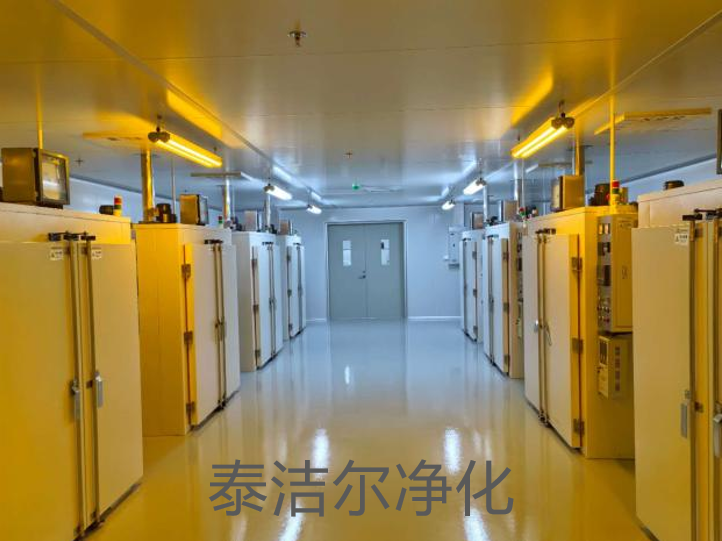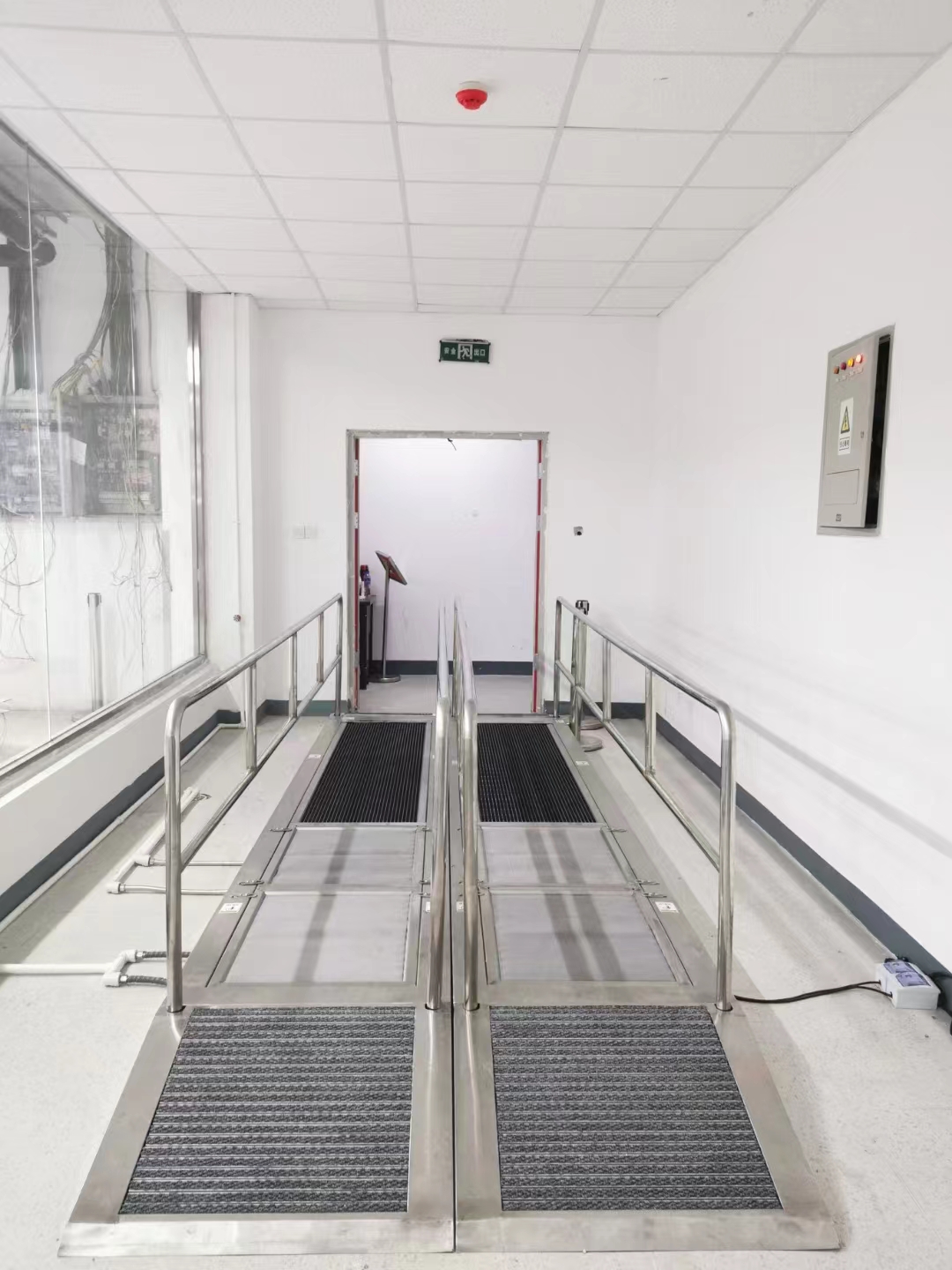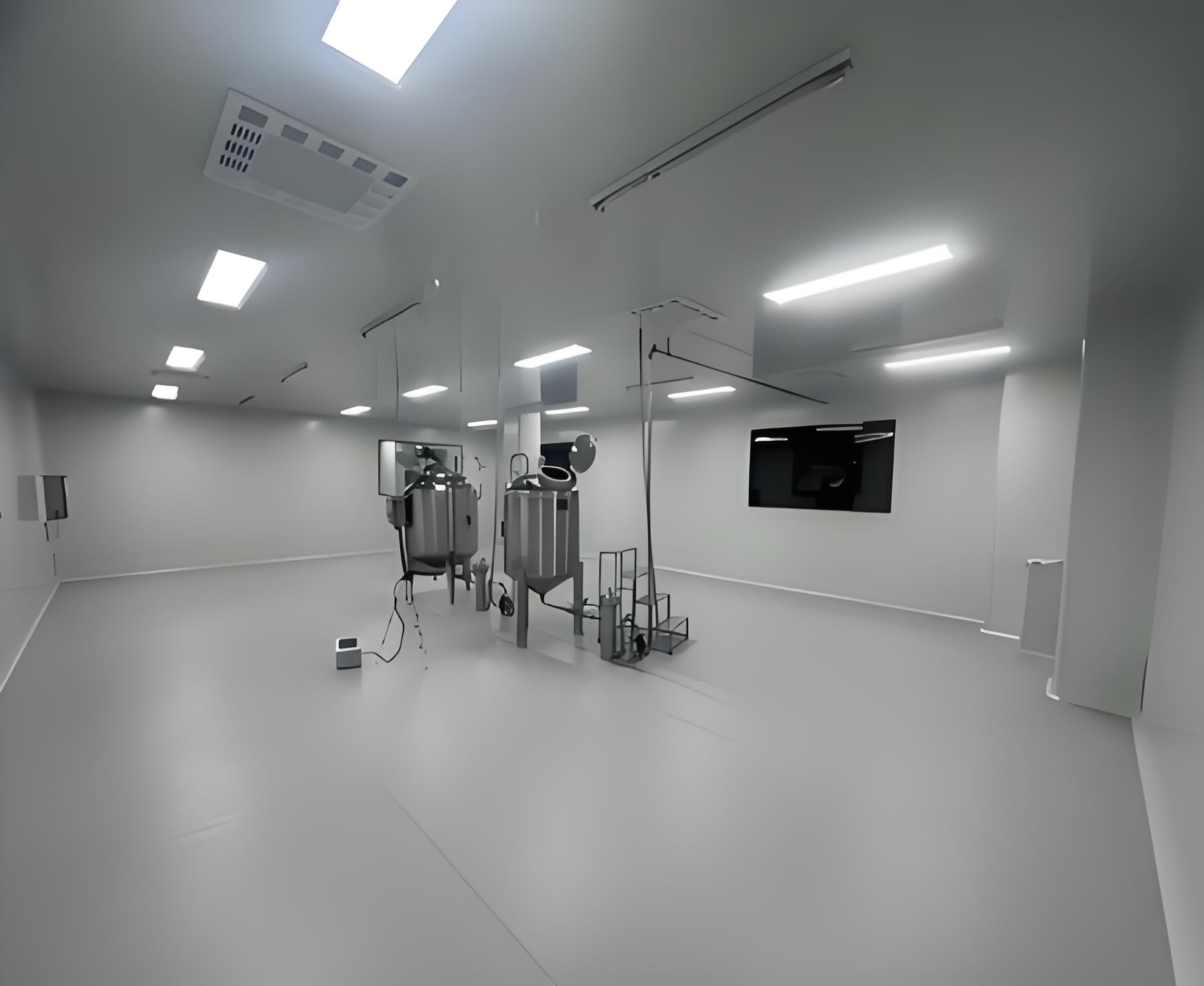
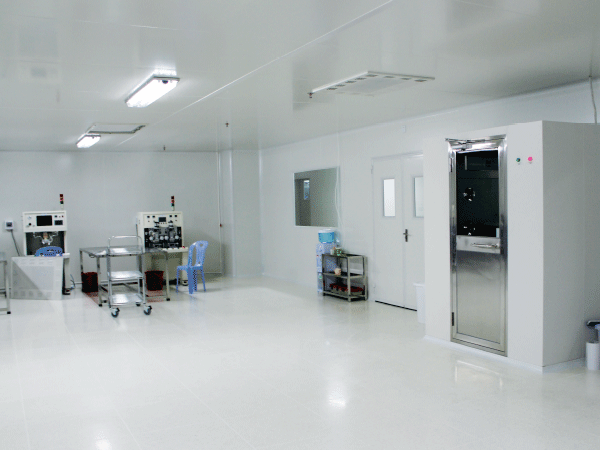

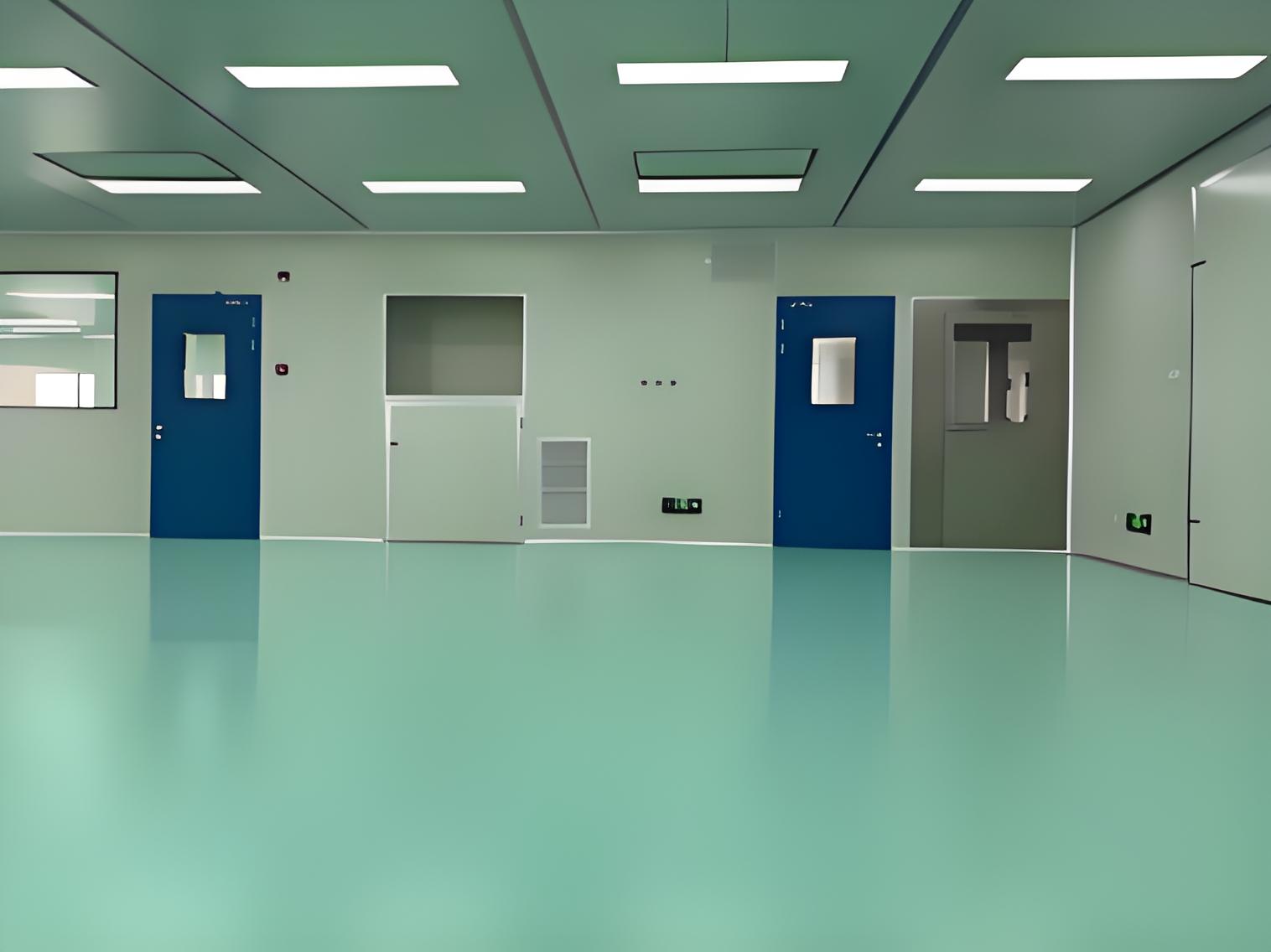
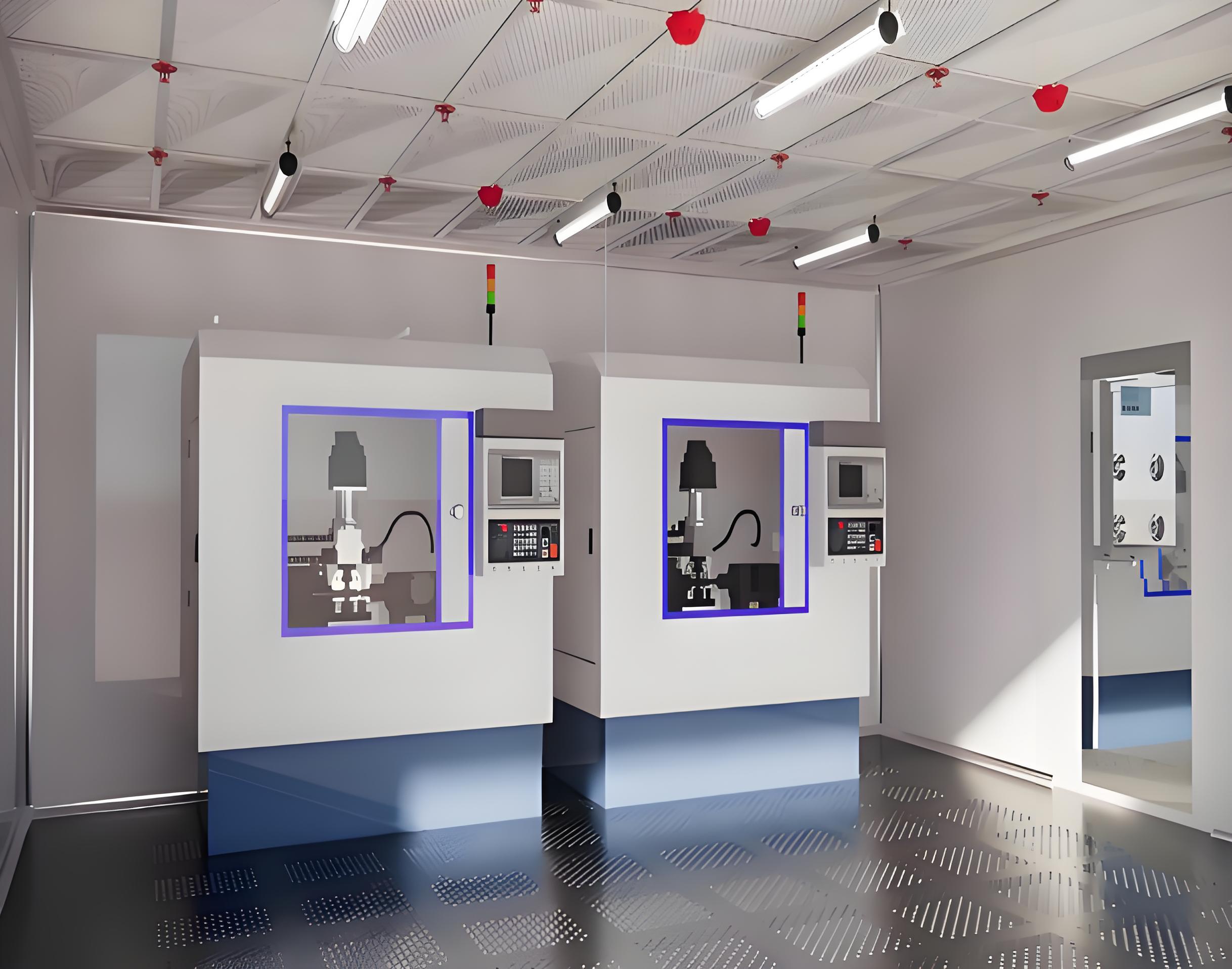
The global biopharmaceutical industry faces unprecedented challenges in maintaining sterility assurance levels (SAL) while accelerating the production of cell and gene therapies, monoclonal antibodies, and vaccines. At the heart of these efforts lies Biological purification engineering—a multidisciplinary domain that integrates HVAC architecture, microbiological control, barrier isolation, and validated decontamination cycles. Unlike conventional cleanroom construction, this discipline demands a holistic approach to eliminate viable and non-viable particulates, ensuring product integrity and patient safety. This article dissects six foundational pillars of Biological purification engineering, supported by regulatory insights, technical benchmarks, and real-world solutions from industry leaders like TAI JIE ER.
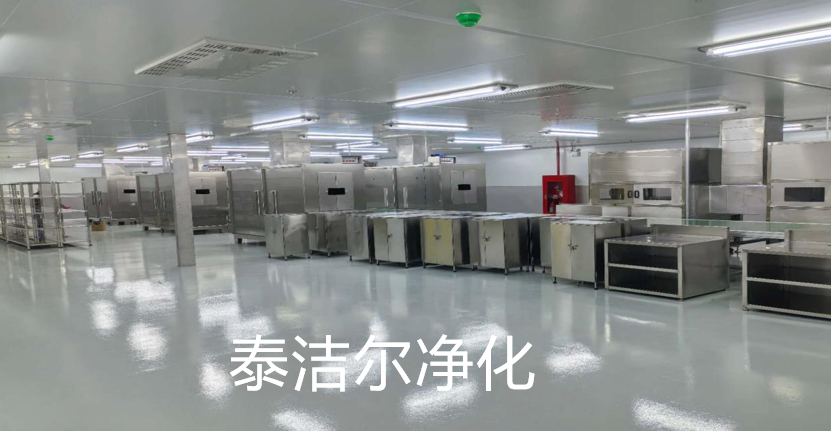
Modern Biological purification engineering relies on a tightly integrated ecosystem of hardware, software, and procedural controls. The following subsections detail the critical technical components that define a robust contamination control strategy.
HVAC systems in sterile manufacturing facilities must maintain ISO 14644-1 Class 5 to Class 8 environments, with unidirectional airflow in critical zones. Key parameters include:
Air change rates: For Grade A zones, unidirectional velocity between 0.36–0.54 m/s; supporting Grade B areas typically require 40–60 ACPH (air changes per hour) to dilute airborne contaminants.
HEPA/ULPA filtration: H14 HEPA filters (≥99.995% efficiency at MPPS) are mandatory for terminal filtration, with in-situ integrity testing using PAO or PSL aerosols.
Differential pressure cascades: A minimum 10–15 Pa pressure differential between adjacent cleanrooms prevents cross-contamination, monitored via continuous BMS (building management systems).
Advanced facilities now incorporate energy recovery wheels and demand-controlled ventilation without compromising pressure cascades—an area where TAI JIE ER delivers custom-engineered HVAC solutions that balance sustainability with GMP compliance.
Open Restricted Access Barrier Systems (RABS) and closed isolators represent the frontline of physical separation between operators and product. Key differentiators:
Closed isolators: Achieve <1 CFU (colony forming units) during aseptic processing via glove ports and integrated bio-decontamination cycles using vaporized hydrogen peroxide (VHP).
RABS with active airflow: Provide Grade A conditions with restricted interventions; however, they require rigorous aseptic techniques and frequent environmental monitoring.
Data from recent FDA inspections highlight that facilities using isolators reduced false-positive sterility test failures by 37% compared to conventional cleanrooms, underscoring the value of containment-focused Biological purification engineering.
Real-time viable monitoring systems (e.g., active air samplers with rapid microbial methods) provide early warning of contamination events. Modern systems integrate:
Laser-induced fluorescence technology for instantaneous detection of biological particles.
Data integrity compliance (ALCOA+) with audit trails and electronic signatures per 21 CFR Part 11.
Risk-based sampling locations determined through computational fluid dynamics (CFD) modeling.
Global regulatory bodies have intensified scrutiny on contamination control strategies. The revised EU GMP Annex 1 (2022) mandates a formal Contamination Control Strategy (CCS), encompassing all aspects of Biological purification engineering. Key compliance drivers include:
Quality Risk Management (QRM): ICH Q9 principles applied to identify critical control points such as HVAC failure modes, material transfer protocols, and personnel gowning.
Validation lifecycle approach: Commissioning and Qualification (C&Q) using ASTM E2500 standard, emphasizing continuous monitoring over periodic re-qualification.
Disinfection efficacy studies: Require demonstration of sporicidal activity against Bacillus stearothermophilus and Aspergillus brasiliensis on representative surfaces.
Non-compliance consequences are severe: between 2019 and 2023, the FDA issued 14 warning letters citing inadequate environmental monitoring and deficient HVAC systems in sterile drug facilities, leading to production shutdowns and import alerts. Proactive engineering controls are therefore non-negotiable.
Despite technological advances, pharmaceutical and biotech companies continue to encounter persistent challenges. Below we dissect four major pain points and present solutions grounded in Biological purification engineering best practices.
Biofilms in stainless steel piping or stagnant zones can survive standard CIP/SIP cycles, leading to recurrent microbial excursions. Solution: Implementation of high-velocity turbulent flow in CIP systems combined with ozone or peracetic acid sanitization. Additionally, single-use technologies (SUT) eliminate biofilm risks by replacing hard-piped systems. TAI JIE ER specializes in modular single-use skid integration, reducing cross-contamination potential by over 90%.
Traditional VHP cycles for isolators or rooms require 4–6 hours, impacting production throughput. Solution: Use of advanced VHP generators with catalytic aeration and humidity control, cutting cycle time to 2–2.5 hours while maintaining 6-log spore reduction. Closed-loop feedback controls based on real-time hydrogen peroxide concentration sensors ensure repeatability.
Human operators remain the largest source of contamination (70–80% of incidents). Solution: Transition to robotic aseptic filling and automated material transfer systems. A recent study showed that facilities employing robotic arms in Grade A zones reduced intervention-related viable particles by 82% compared to manual operations.
Many existing plants lack documentation for contamination control risk assessments. Solution: Retrofit engineering using modular cleanroom panels and portable barrier systems. Comprehensive gap analysis by experts like TAI JIE ER enables cost-effective upgrades without full facility shutdown.
CGT manufacturing imposes unique demands on Biological purification engineering due to the living nature of the product, patient-specific batches, and open handling steps. Key considerations include:
Segregated processing suites: Dedicated HVAC zones for each patient lot to prevent cross-contamination; often BSL-2 containment is required.
Cryogenic material transfer: Liquid nitrogen storage areas require oxygen depletion sensors and HEPA-filtered exhaust.
Rapid microbial testing: Adoption of qPCR and ATP bioluminescence for faster release of autologous therapies.
Data from the ISPE CGT Community of Practice indicate that facilities designed with single-pass air systems and separate gowning flows reduce contamination incidents by 55% compared to recirculating designs. Engineering controls must also accommodate flexible cleanroom layouts, as CGT production scales from clinical to commercial phases.
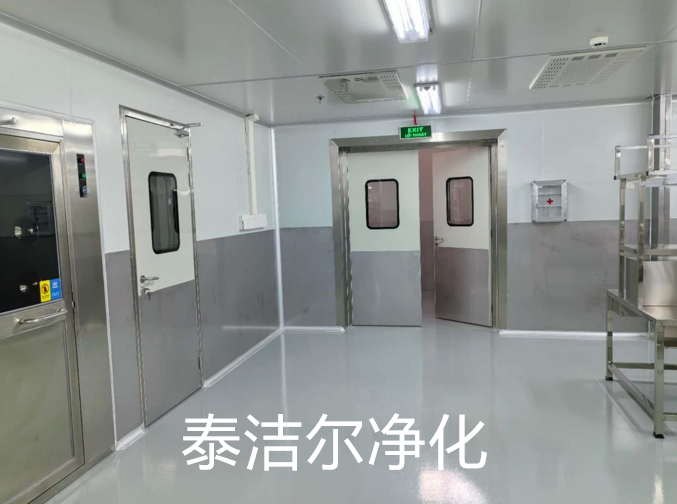
The next frontier of Biological purification engineering is driven by Industry 4.0 technologies and intensified manufacturing models.
Digital twins: CFD and dynamic simulation models predict airflow patterns and contamination dispersion under equipment failure scenarios, enabling predictive maintenance and regulatory submission support.
Continuous manufacturing: End-to-end bioprocessing with integrated purification steps reduces hold times and open vessel exposure. Closed continuous systems inherently lower bioburden risks.
AI-driven environmental monitoring: Machine learning algorithms analyze historical viable/non-viable data to forecast excursion risks and optimize sampling frequencies, slashing monitoring costs by up to 30%.
These innovations require engineering partners with expertise in both process automation and contamination control—an area where firms like TAI JIE ER are pioneering integrated digital platforms for cleanroom management.
Q1: What is the difference between biological purification
engineering and traditional cleanroom engineering?
A1: Traditional
cleanroom engineering focuses primarily on particulate control and HVAC
parameters. Biological purification engineering extends this to active
microbiological elimination, incorporating validated decontamination
technologies (e.g., VHP, chlorine dioxide gassing), barrier systems, and
risk-based CCS. It addresses the entire contamination control lifecycle,
including sporicidal efficacy and continuous microbial monitoring, ensuring
sterility assurance levels for aseptic processing.
Q2: How often should VHP bio-decontamination cycles be validated in a
GMP facility?
A2: Per EU GMP Annex 1 and PDA TR 70, VHP cycles must
be re-validated at least annually or after any significant equipment
modification, change in load configuration, or following a positive
environmental excursion. Intermediate performance verification via biological
indicators (BIs) should occur quarterly for isolators and semi-annually for room
decontamination. All validation must include mapping of worst-case locations
using chemical indicators and resistant BIs (Bacillus stearothermophilus).
Q3: Can modular cleanrooms meet the same regulatory standards as
conventionally built facilities?
A3: Yes, modular cleanrooms
constructed with pre-fabricated panels and integrated HVAC systems can fully
comply with ISO 14644 and GMP standards. The key is rigorous factory acceptance
testing (FAT) and site acceptance testing (SAT) with documented IQ/OQ/PQ. Many
regulatory agencies now accept modular designs for aseptic manufacturing,
especially for small-batch cell therapy facilities where flexibility is
paramount. TAI JIE
ER offers turnkey modular solutions with pre-validated
biocontainment features.
Q4: What are the critical parameters to monitor for a Grade A zone
under continuous operation?
A4: For Grade A (ISO 5) zones, real-time
monitoring must include non-viable particle counts (≥0.5 µm and ≥5.0 µm), air
velocity (unidirectional), differential pressure relative to adjacent Grade B,
and temperature/humidity. Viable monitoring should be performed with continuous
active air samplers or settle plates during interventions. Data should be
trended using statistical process control; any alert-level excursion triggers
immediate investigation.
Q5: How does single-use technology impact biological purification
engineering requirements?
A5: Single-use systems (SUS) like
bioreactor bags and disposable transfer assemblies reduce cleaning validation
burdens and eliminate cross-contamination from hard-piped equipment. However,
they introduce new risks: integrity of sterile connections,
leachables/extractables, and proper disposal. Biological purification
engineering for SUS requires robust aseptic connector validation, gamma
irradiation documentation, and bag integrity testing via pressure decay.
Engineering controls must also ensure that the surrounding cleanroom environment
maintains Grade A conditions during connection operations.
Q6: What is the recommended approach for upgrading an aging facility
to meet current Annex 1 CCS expectations?
A6: A phased approach is
most efficient: first, conduct a CCS gap analysis covering HVAC, process
equipment, personnel flow, and environmental monitoring. Next, implement
“quick-win” measures such as upgrading airlocks with time-based interlocking,
installing additional HEPA filter housings, and deploying rapid microbial
detection systems. For structural upgrades, use modular wall systems to create
segregated zones without disrupting ongoing production. All changes must follow
a formal change control and requalification protocol. Consulting engineering
firms with specific expertise in legacy facility upgrades—like TAI JIE
ER—ensures minimal downtime and compliant outcomes.
Q7: How does biological purification engineering address endotoxin
control in parenteral manufacturing?
A7: Endotoxins (pyrogens) from
Gram-negative bacteria are not removed by standard sterilization. Purification
engineering strategies include: (1) Designing WFI (water for injection) loops
with turbulent flow and constant circulation at ≥70°C; (2) Using hydrophobic
filters for air venting to prevent biofilm; (3) Implementing depyrogenation
tunnels or ovens for glassware (≥250°C for 30 min). Environmental controls such
as positive pressure cascades prevent ingress of contaminated air. Routine
endotoxin testing of surfaces and WFI is mandatory under USP <85> and Ph.
Eur. 2.6.14.
This technical overview underscores that Biological purification engineering is not a static discipline but a dynamic, data-driven field essential for next-generation pharmaceutical manufacturing. By integrating validated engineering controls, continuous monitoring, and proactive risk management, companies can achieve regulatory excellence and deliver safe therapies to patients worldwide. For specialized engineering support, visit TAI JIE ER to explore customized contamination control solutions.