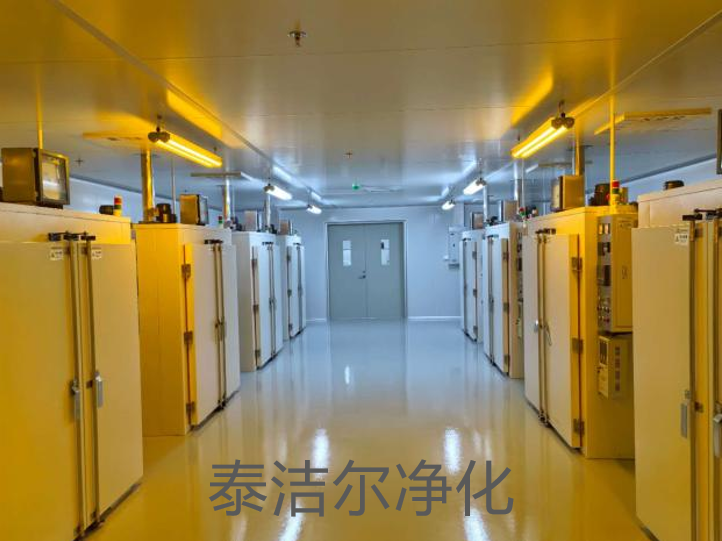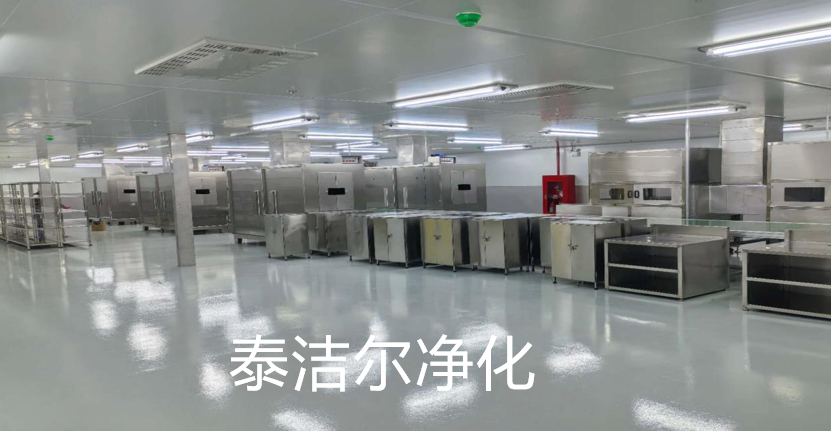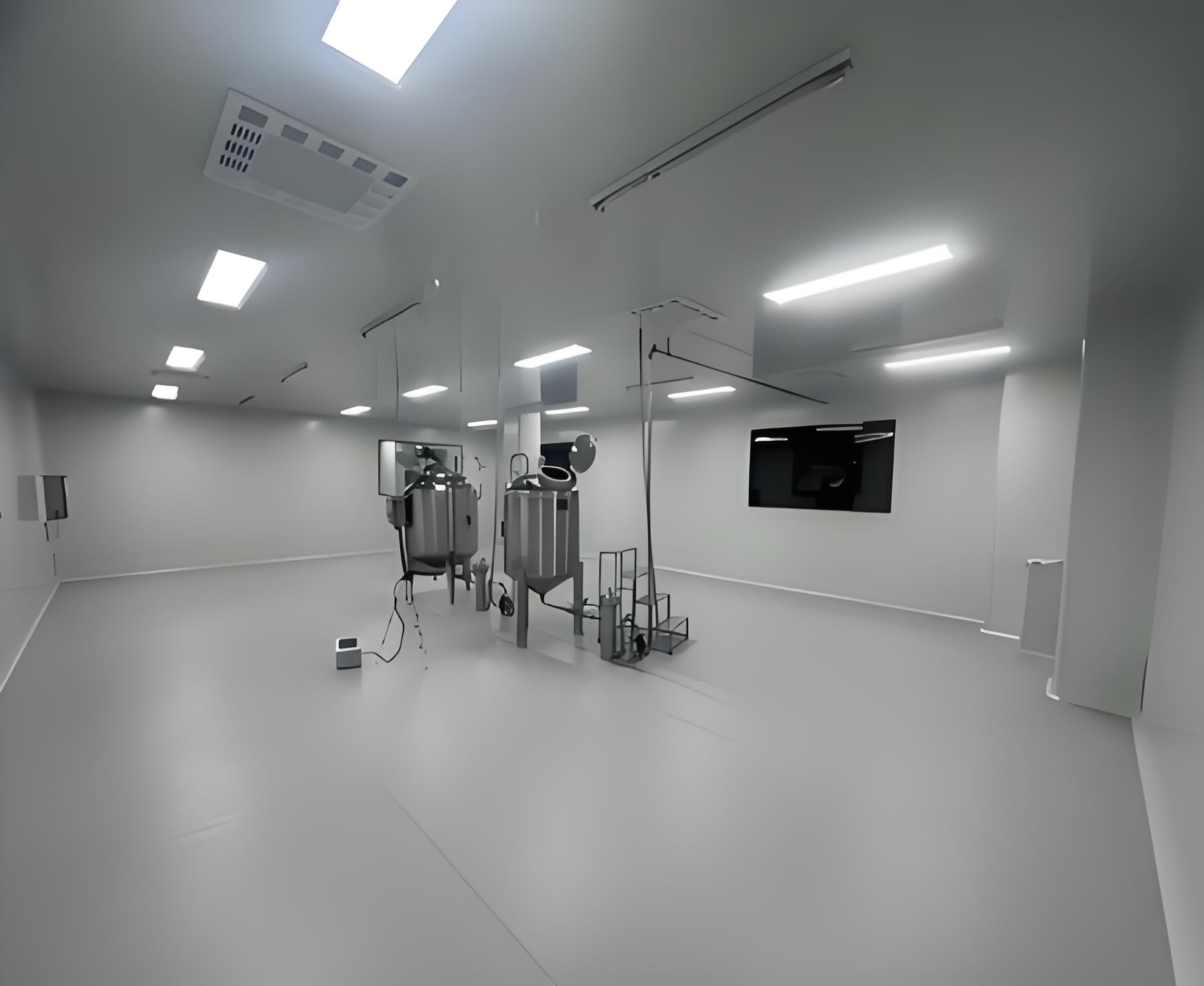
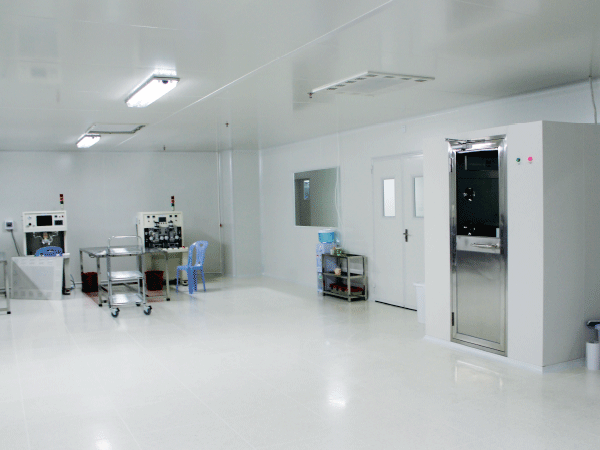

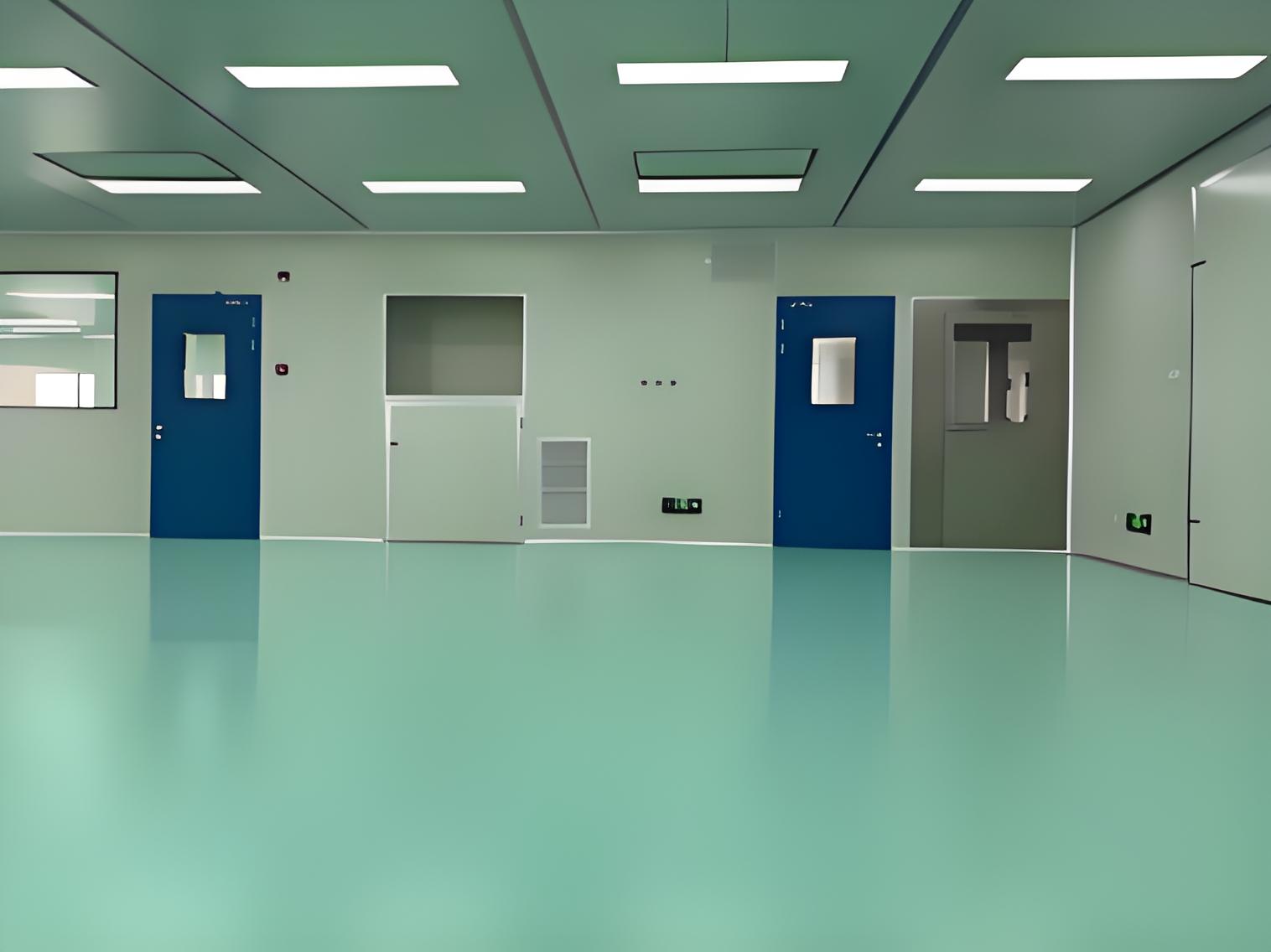
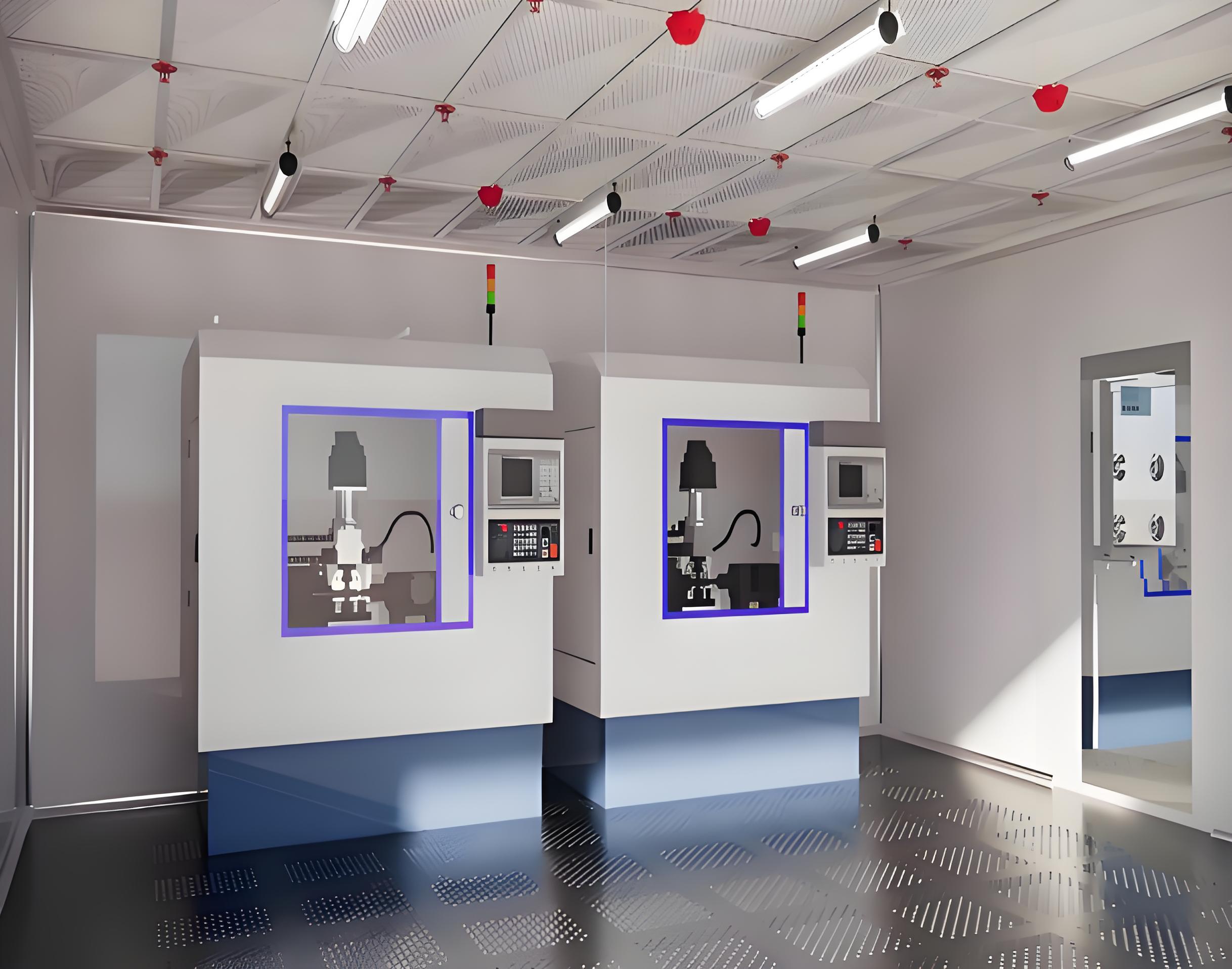
The global cosmetics industry faces increasing regulatory scrutiny, with authorities like the FDA (under MoCRA) and the EU Cosmetics Regulation demanding stringent quality systems. For manufacturers of products ranging from preservative-free emulsions to powdered formulations, the facility's environmental control is the first line of defense against contamination. Cosmetic GMP cleanroom engineering goes beyond simple dust control—it integrates airflow management, material selection, personnel hygiene protocols, and validated cleaning procedures to ensure product safety and batch-to-batch consistency. This article provides a technical deep dive into the principles, design strategies, and operational realities of cleanrooms tailored for cosmetic GMP compliance.
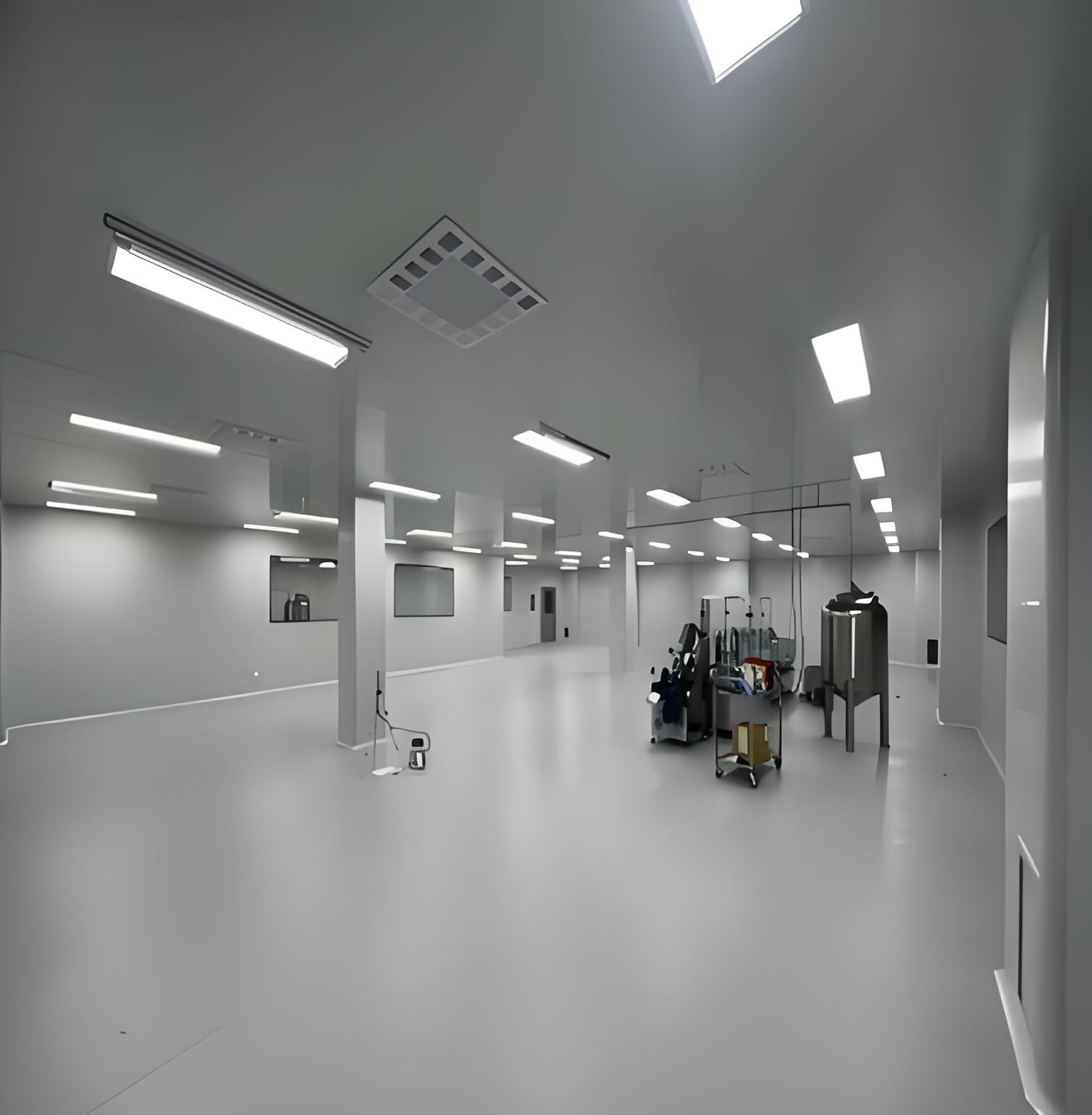
While historically less regulated than pharmaceuticals, the cosmetic sector has adopted GMP principles to mitigate risks associated with microbial contamination, cross-contamination, and foreign particulate matter. ISO 22716:2007 (Cosmetics — Good Manufacturing Practices) provides a harmonized framework, emphasizing:
Personnel hygiene and training to minimize shedding.
Premises and equipment design that facilitates cleaning and prevents accumulation of residues.
Production area zoning to segregate raw material handling, manufacturing, filling, and packaging.
Environmental monitoring for viable and non-viable particles.
Failure to meet these standards can result in product recalls, market access restrictions, and significant brand damage. Consequently, cosmetic GMP cleanroom engineering has evolved into a specialized discipline that bridges industrial hygiene, mechanical engineering, and quality assurance.
Unlike sterile pharmaceutical manufacturing, cosmetic cleanrooms do not universally require ISO Class 5 (Class 100) environments. However, zoning based on risk assessment is mandatory. Typical cosmetic cleanroom designs incorporate:
Raw material receipt, weighing, and equipment washing areas. These spaces operate under positive pressure relative to the external environment but may use filtered air (non-HEPA) and maintain basic hygiene standards.
Filling, compounding, and packaging of products with higher microbial risk (e.g., water-based emulsions, products without preservatives) are typically conducted in ISO Class 7 or 8 environments with HEPA-filtered supply air, 20–30 air changes per hour, and strict temperature/humidity control (e.g., 20–22°C, 45–55% RH).
For aseptic processing of products claiming "preservative-free" or those used near mucous membranes, ISO Class 5 (Class 100) zones with laminar airflow (LAF) and stringent gowning are implemented. These zones are often isolated by pass-through chambers and interlocked doors.
Effective cosmetic GMP cleanroom engineering relies on four interdependent systems that must be validated and continuously monitored.
HEPA/ULPA Filtration: Terminal HEPA filters (99.97% efficiency at 0.3 µm) in ISO Class 7/8 zones; ULPA filters (99.9995% at 0.12 µm) for higher-grade areas.
Pressure Differentials: Positive pressure cascades (e.g., +15 Pa for core zones relative to corridors, +5 Pa corridors to external) to prevent ingress of contaminants. Differential pressure sensors linked to BMS (Building Management System) with alarms.
Air Change Rates: Minimum 20 ACPH for ISO Class 8; up to 60 ACPH for ISO Class 5 LAF zones, calculated based on heat load, particle generation, and occupancy.
Unidirectional vs. Non-Unidirectional Flow: Critical filling stations use vertical laminar flow hoods; general processing areas employ turbulent (non-unidirectional) flow with proper supply and return grill placement to avoid dead zones.
All surfaces within the cleanroom must be non-shedding, resistant to cleaning agents, and easy to sanitize. Specifications include:
Walls and Ceilings: Modular panels with powder-coated steel, PVC, or fiberglass-reinforced plastic (FRP) with sealed joints. Co-extruded aluminum profiles with radius corners to eliminate sharp edges.
Flooring: Seamless epoxy or polyurethane resin floors, static-dissipative where electronic equipment is used, with coved bases to allow for wet cleaning.
Work Surfaces and Equipment: 316L stainless steel (electropolished) for tables and filling machines; all welds ground smooth to prevent harborage of microbes.
Contamination originating from personnel is the dominant risk. Engineering controls to mitigate this include:
Airlocks and Gowning Rooms: Designated zones with step-over benches to separate "black" (non-clean) from "white" (clean) footwear. Sequential gowning areas for outer garments, masks, gloves.
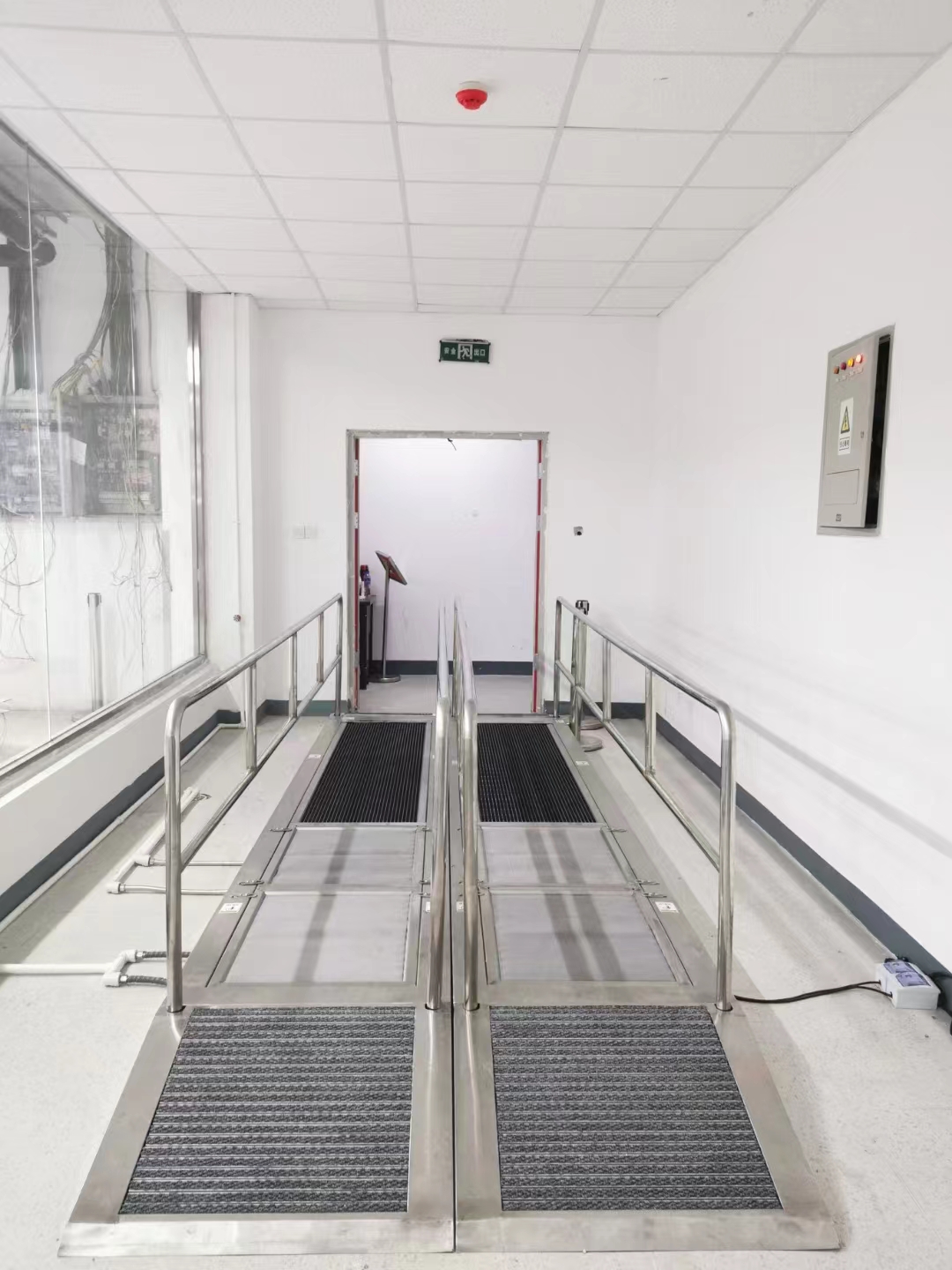
Pass-Through Chambers: Interlocked pass-throughs (with or without HEPA filtered air showers) for raw materials and finished products to avoid cross-flow.
Automated Hand Sanitizers and Air Showers: Air showers (with HEPA-filtered high-velocity air) at personnel entry points remove surface particles from outer garments.
Purified water (PW) or deionized (DI) water is commonly used in cosmetic formulations. Water systems must be designed to prevent biofilm formation:
Loop distribution with 316L stainless steel piping, sloped for drainability, and continuous circulation at elevated temperatures (65–80°C) or with ozone/UV sanitization.
Compressed air and nitrogen systems used for equipment actuation or product transfer must be oil-free and sterile-filtered (0.2 µm) to avoid introducing particles or microbes into the cleanroom environment.
Even with a solid design, cosmetic cleanroom projects often encounter operational hurdles that require engineering expertise.
Challenge: Cross-contamination between different product
families (e.g., color cosmetics vs. skin care) due to shared HVAC
zones.
Solution: Implement dedicated air handling units
(AHUs) for high-risk areas; utilize pressure cascades and segregated return air
paths. For high potency pigments, consider separate production suites.
Challenge: Condensation and microbial growth on chilled
surfaces during high-humidity seasons.
Solution: Precisely
control dew point through desiccant dehumidifiers or chilled water coils with
reheat. Maintain relative humidity strictly within 45–55% to discourage mold
proliferation.
Challenge: Particulate generation from powdered raw
materials (talc, mica, pigments) during weighing and
blending.
Solution: Isolate powder handling in dedicated
negative-pressure booths with local exhaust ventilation (LEV) and HEPA-filtered
recirculation; use containment isolators for highly dispersible powders.
Challenge: Validation and ongoing monitoring compliance
with evolving GMP guidelines.
Solution: Integrate real-time
particle counters and microbial air samplers into the BMS. Establish a
risk-based environmental monitoring plan (EMP) that includes active air
sampling, surface swabbing, and personnel monitoring.
Designing and constructing a GMP-compliant cosmetic facility requires a partner with deep understanding of both regulatory requirements and process engineering. TAI JIE ER provides end-to-end solutions, from conceptual design through to validation, for cosmetic cleanrooms. Their methodology emphasizes:
Risk-based design: Utilizing HACCP (Hazard Analysis Critical Control Point) principles to identify critical control points in the manufacturing flow.
Modular construction: Prefabricated cleanroom panels and utility skids reduce on-site installation time and ensure consistent quality.
Full documentation packages: Including DQ, IQ, OQ, and PQ protocols, as well as comprehensive operation and maintenance manuals, ensuring a smooth regulatory audit process.
Energy efficiency: Implementing VFD-controlled AHUs, EC fans, and heat recovery systems to maintain GMP conditions while minimizing operational costs.
With reference projects across skincare, oral care, and color cosmetics manufacturing, TAI JIE ER has demonstrated that properly engineered cleanrooms reduce microbiological excursion rates by more than 60% compared to retrofitted conventional spaces, directly contributing to lower batch rejection rates.
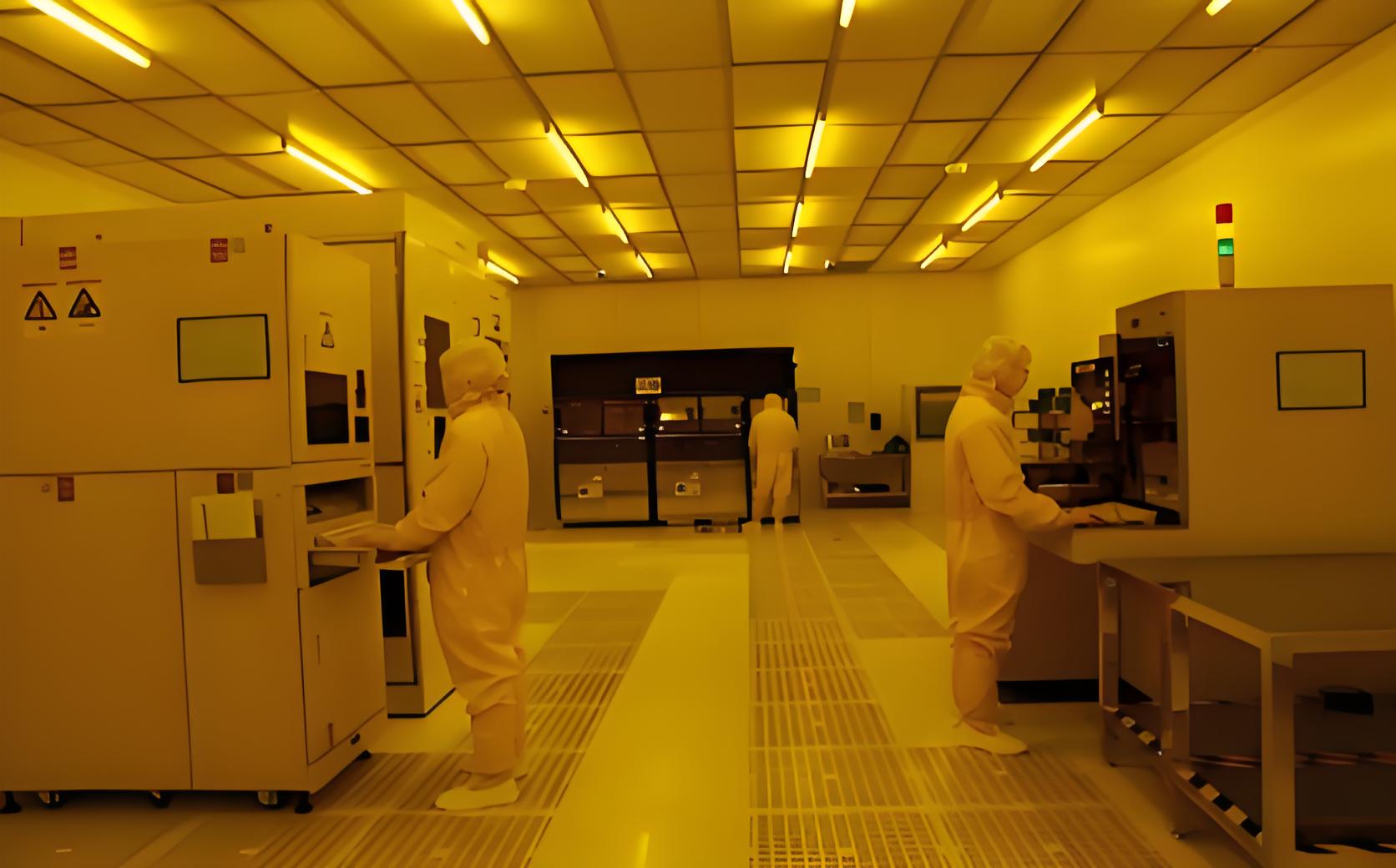
As consumer demand for "clean beauty" and preservative-free formulations increases, the engineering standards behind cosmetic manufacturing must advance accordingly. Cosmetic GMP cleanroom engineering is not a static compliance exercise but a strategic investment in product quality, brand integrity, and market competitiveness. By adopting a holistic approach—integrating HVAC purity, surface cleanability, controlled material flow, and validated monitoring—manufacturers can confidently meet ISO 22716 and emerging global standards. Partnering with experienced specialists like TAI JIE ER ensures that the facility is designed not only for current production needs but also for future scalability and regulatory evolution.
Q1: What is the difference between a cosmetic cleanroom and a
pharmaceutical cleanroom?
A1: Pharmaceutical
cleanrooms often require sterile conditions (ISO Class 5 or higher) and strict
aseptic processing, whereas cosmetic GMP cleanrooms typically operate at ISO
Class 7 or 8, focusing on preventing contamination from pathogens and foreign
particles rather than achieving sterility. However, the principles of zoning,
validated cleaning, and environmental monitoring are similar, with the level of
control based on product risk (e.g., preservative-free emulsions may require
near-pharmaceutical standards).
Q2: Is ISO 22716 certification mandatory for cosmetic
manufacturers?
A2: While ISO 22716 is not a
statutory regulation in all countries, it is widely recognized as the GMP
standard for cosmetics. In the EU, compliance with GMP (based on ISO 22716) is
mandatory under Regulation (EC) No 1223/2009. In the US, the Modernization of
Cosmetics Regulation Act (MoCRA) requires facilities to register and adhere to
GMP standards, effectively making ISO 22716 the benchmark. Therefore, adopting
cosmetic GMP cleanroom engineering is essential for global market access.
Q3: What are the typical cleanroom classification requirements for a
water-based serum filling line?
A3: Water-based
serums (preserved) commonly require an ISO Class 7 (Class 10,000) background
environment with an ISO Class 5 (Class 100) laminar airflow hood at the filling
point. The background area should maintain ≥ 20 air changes per hour, positive
pressure, and HEPA filtration. If the product is preservative-free, ISO Class 5
(or Class 100) throughout the filling suite, with segregated air handling and
fully sterile gowning, becomes necessary.
Q4: How often should HEPA filters be tested in a cosmetic GMP
cleanroom?
A4: According to ISO 14644-2, HEPA
filters should be integrity tested at least annually (or more frequently based
on risk). For cosmetic manufacturing, it is common to perform in-situ leak
testing (scanning) and particle count verification every 6 to 12 months.
Additionally, differential pressure across filters is monitored continuously via
BMS; a significant drop or rise triggers immediate investigation.
Q5: Can we convert an existing warehouse into a GMP cosmetic
cleanroom?
A5: Yes, but it requires significant
engineering modifications. Key challenges include raising ceiling heights for
HEPA filter installation, adding dedicated HVAC systems with adequate air change
capacity, installing smooth impervious surfaces (walls, floors, ceilings), and
creating proper material/personnel airlocks. A feasibility study is essential to
evaluate structural constraints, utility capacity, and cost. Specialists like
TAI JIE ER often
perform retrofits using modular cleanroom panels that minimize construction time
while ensuring GMP compliance.
Q6: What environmental monitoring parameters are critical for
cosmetic GMP cleanrooms?
A6: The core parameters
include: (a) Non-viable particle counts (≥0.5 µm and ≥5.0 µm) per ISO 14644-1;
(b) Viable monitoring: active air samples (CFU/m³), settle plates (CFU/4h), and
surface swabs (CFU/25 cm²) for bacteria and yeast/mold; (c) Differential
pressures between zones; (d) Temperature and relative humidity. Limits are set
based on the cleanroom classification and product risk. Monitoring frequencies
are defined in the EMP, typically ranging from daily (for critical zones) to
quarterly.
For comprehensive engineering support in designing, constructing, or upgrading a GMP-compliant cosmetic facility, consult the technical experts at TAI JIE ER. Explore their portfolio and detailed engineering services at Cosmetic GMP cleanroom engineering solutions.