
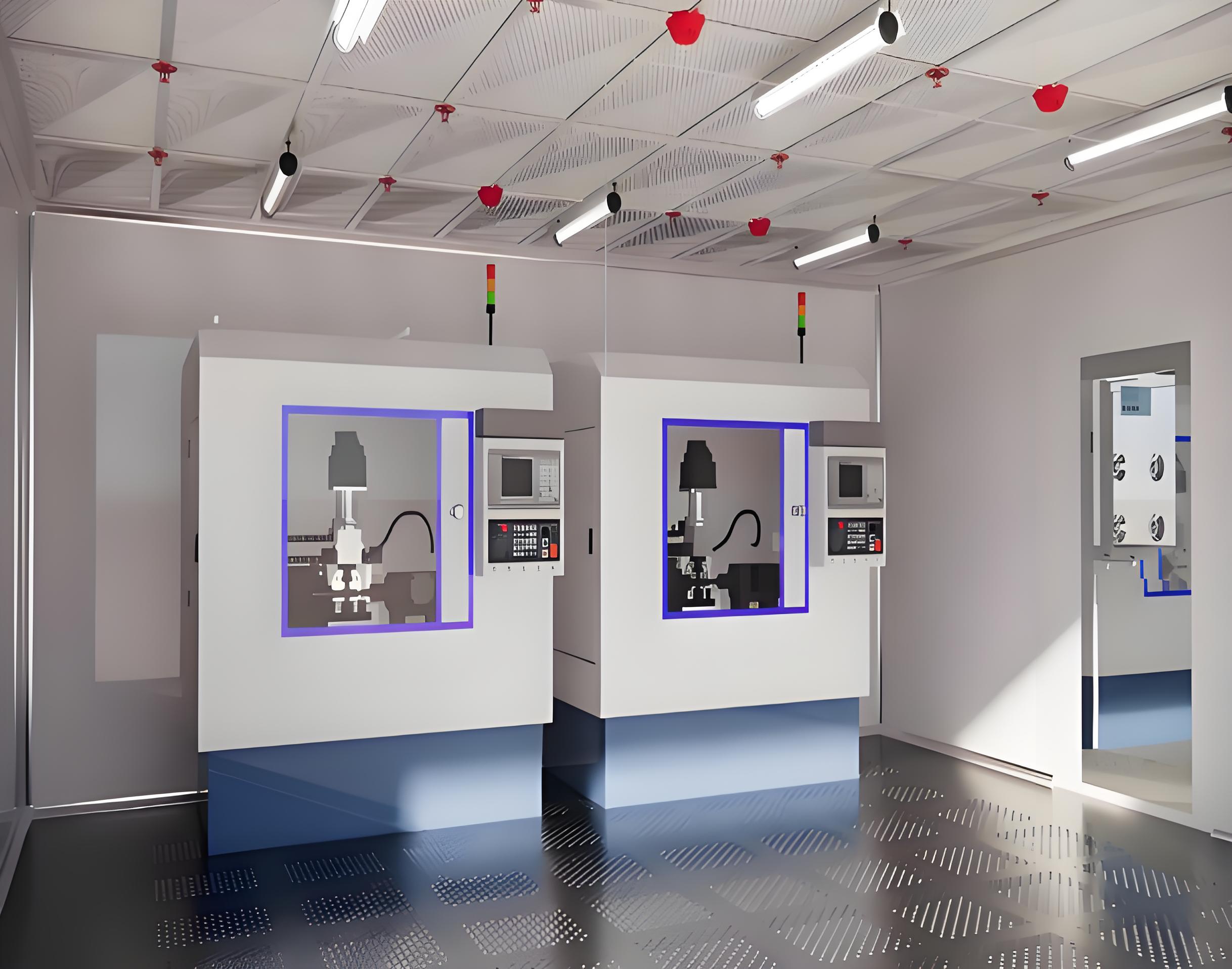
In modern high-purity water systems—whether for semiconductor fabrication, parenteral pharmaceutical manufacturing, or specialty chemical production—the interface between compressed gas and process water is often the most underestimated risk point. Trace contaminants from gas streams can rapidly degrade water quality, compromise critical cleaning steps, and lead to costly batch rejections. Compressed gas process pure water engineering addresses this cross-contamination nexus through rigorous material selection, validated gas filtration, and integrated system design. This article examines the technical underpinnings, industry standards, and engineering methodologies required to maintain water purity from the gas-supply source to the point of use.
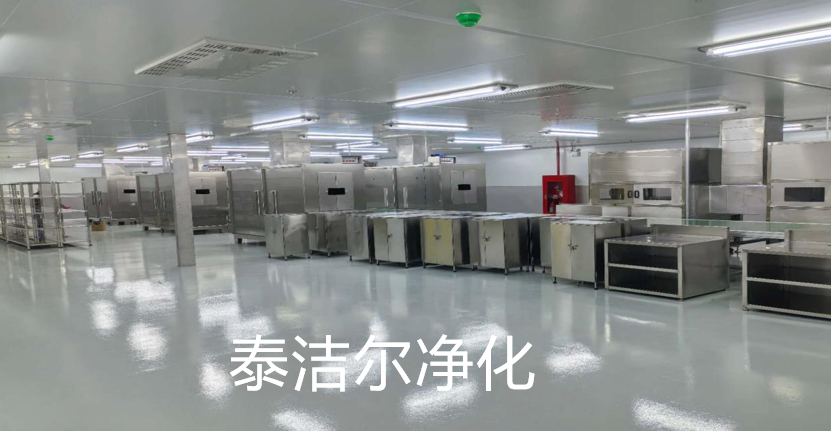
Pure water—especially ultrapure water (UPW) for microelectronics and Water for Injection (WFI) for biopharma—is exceptionally aggressive and readily absorbs gases, particles, and volatile organics. Compressed gases (clean dry air, nitrogen, oxygen, or carbon dioxide) serve essential roles: actuating aseptic valves, providing inert headspace blanketing, enabling membrane degasification, and driving spray-ball cleaning. However, if the gas stream carries hydrocarbons, viable microbes, moisture, or sub-micron particles, those contaminants transfer directly into the water loop, creating a persistent source of non-compliance.
Compressor lubricants and degraded seals: Oil-lubricated compressors can release hydrocarbon aerosols (down to 0.01 mg/m³) that coat distribution piping and elevate TOC (Total Organic Carbon) in UPW.
Microbial ingress: Ambient air drawn into compressors carries bacteria and endotoxins; without sterile-grade filtration and routine thermal sanitization, biofilms establish in gas piping.
Carbon dioxide absorption: CO₂ from atmospheric air or incomplete combustion dissolves in water, forming carbonic acid that lowers resistivity—critical for semiconductor rinsing steps requiring 18.2 MΩ·cm.
Particle shedding: Improperly passivated stainless steel or non-metallic tubing can release iron oxides, fibers, or polymeric debris into the water path.
Industry-specific benchmarks set the boundaries for allowable contamination. For semiconductor applications, SEMI F57 defines polymer material requirements and extractables limits. In pharmaceuticals, USP <643> (Total Organic Carbon) and USP <645> (Water Conductivity) indirectly mandate gas purity when gas contacts WFI or purified water. For the compressed gas itself, ISO 8573-1 provides purity classes for particles, water, and oil; Class 0 or Class 1 is typically required for high-purity water applications.
Robust compressed gas process pure water engineering employs a layered approach: source gas treatment, distribution integrity, and real-time monitoring. The following strategies form the backbone of compliant systems.
Sterile-grade hydrophobic filters: 0.2 µm or 0.1 µm rated filters (PTFE or Poreflon®) installed at each gas entry point to pure water tanks and transfer panels ensure microbial retention.
Activated carbon adsorbers and catalytic converters: Remove oil vapor, volatile organic compounds, and CO₂ where inert gas blanketing is critical.
Heated gas lines: Prevent condensation that could carry bacteria into water systems; dew point maintained below -40°C for dry gas applications.
Gas-wetted components in contact with high-purity water must match the water-side specification. Electropolished (EP) 316L stainless steel with Ra ≤ 0.38 µm is standard for pharmaceutical and semiconductor gas headers. For ultra-high purity, orbital welding with inert gas backing prevents oxidation. Non-metallic alternatives such as PVDF or PTFE liners are used in aggressive chemical environments but must be validated for minimal extractables.
Dissolved oxygen (DO) and total dissolved gases (TDG) directly affect oxidation-sensitive processes. Membrane contactors using nitrogen sweep gas or vacuum degasification are deployed in UPW polish loops. The engineering challenge lies in ensuring the sweep gas itself is contaminant-free—a classic example where compressed gas process pure water engineering closes the loop by purifying the purge gas to sub-ppb levels.
Steam-in-place (SIP): For pharmaceutical WFI storage, gas filters and associated piping must withstand repeated SIP cycles without integrity loss.
Hot water and chemical sanitization: Compressed gas lines should be designed with drain points and access for periodic cleaning; dead legs eliminated to avoid microbial niches.
Different sectors impose distinct requirements on gas-water integration, yet all demand rigorous engineering discipline.
Semiconductor (Front-End & Back-End): UPW systems require dissolved oxygen below 5 ppb and TOC < 1 ppb for 5 nm node processes. Nitrogen blanketing of UPW storage tanks and chemical delivery systems prevents CO₂ ingress and particle generation. Compressed gas process pure water engineering here includes fully automated gas panels with continuous particle counting and dew-point monitoring.
Biopharmaceutical Manufacturing: WFI and purified water loops are stored at elevated temperatures (65–85°C) to suppress microbial growth. Compressed gases—typically nitrogen or clean steam—are used for tank blanketing and transfer. Every gas filter must be integrity tested post-sterilization. USP <1231> recommends that any gas contacting WFI be of "appropriate purity," a requirement best met with dedicated oil-free compressors, validated carbon beds, and redundant 0.2 µm hydrophobic filters.
Critical Power (Hydrogen/ Fuel Cells): In high-pressure electrolysis systems, process water purity directly impacts membrane lifespan. Compressed gas process pure water engineering ensures that hydrogen off-gas does not back-migrate into the water circuit and that feed gases used for pH control are free from chlorides and particulates.
Even well-designed systems can encounter operational pitfalls. Below are frequent pain points and evidence-based solutions.
Challenge: CO₂ absorption causing resistivity drops in UPW
makeup.
Solution: Install a forced-degassing membrane skid
with nitrogen sweep or vacuum; monitor inlet CO₂ with inline sensors and adjust
sweep flow dynamically.
Challenge: Biofilm proliferation in compressed air headers
leading to endotoxin contamination.
Solution: Use oil-free
scroll or centrifugal compressors, maintain air dryers at -40°C pressure dew
point, and perform quarterly hydrogen peroxide vapor sanitization of gas
piping.
Challenge: Particle shedding from actuated valve stems in
aseptic filling zones.
Solution: Specify diaphragm valves
with PTFE seals and cleanable gas blocks; implement leak detection and particle
counters on exhaust lines.
Challenge: Condensate backflow into pure water tanks during
compressor failure.
Solution: Install dual check valves,
high-point break tanks, and pressure-monitored shutoffs in gas supply lines—a
core principle in robust compressed gas process pure
water engineering design.
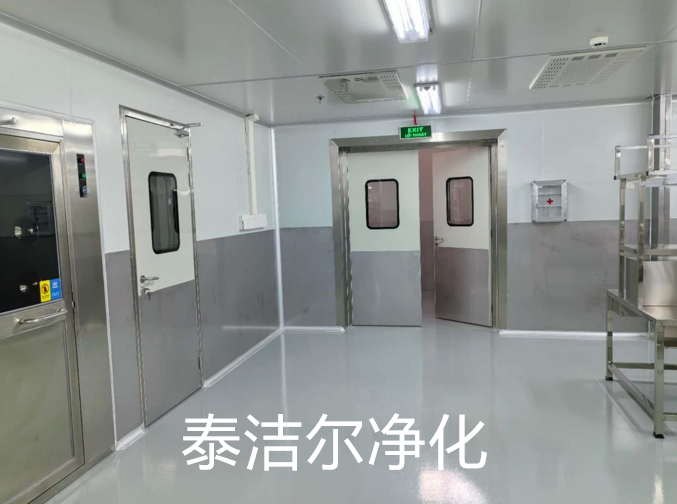
Achieving and maintaining gas-water system reliability requires deep domain expertise. TAI JIE ER specializes in turnkey high-purity utility systems, integrating compressed gas preparation, distribution, and pure water loops under a single validated framework. Their engineering methodology includes:
Front-end feasibility studies with CFD modeling for gas distribution uniformity.
Design for cleanability: all gas contact surfaces meet ASME BPE or SEMI standards.
Factory acceptance testing (FAT) and site acceptance testing (SAT) with full documentation (IQ/OQ/PQ) for regulated industries.
24/7 remote monitoring of gas purity parameters (oil vapor, particle count, moisture, oxygen residual) integrated with water system SCADA.
With reference installations across APAC and Europe, TAI JIE ER has demonstrated that integrated gas-water engineering reduces contamination-related deviations by over 40% in semiconductor fabs and ensures 100% USP <645> compliance in pharma projects.
As device geometries shrink and bioprocessing intensifies, the interdependence between compressed gas quality and water purity will only grow. Compressed gas process pure water engineering is no longer a peripheral discipline but a core pillar of facility reliability. By applying rigorous material selection, validated filtration, and risk-based monitoring, engineering teams can deliver systems that consistently meet the most demanding purity specifications. Partnering with specialists like TAI JIE ER ensures that both gas and water systems are designed, commissioned, and maintained as a single, contamination-free ecosystem.
Q1: What is compressed gas process pure water
engineering?
A1: It is a specialized engineering
discipline that addresses the design, integration, and validation of compressed
gas systems (such as nitrogen, clean dry air, and CO₂) that come into contact
with high-purity or ultrapure water. It encompasses gas purification, material
compatibility, filtration, and monitoring to prevent contamination of the water
system and ensure compliance with industry standards like SEMI, USP, and ISO.
Q2: How does carbon dioxide in compressed air affect water
resistivity in UPW systems?
A2: CO₂ dissolves in
water to form carbonic acid, which dissociates into H⁺ and HCO₃⁻ ions,
significantly lowering resistivity. For semiconductor UPW requiring 18.2 MΩ·cm,
even 1 ppm of CO₂ can drop resistivity below 1 MΩ·cm. To prevent this,
compressed gas process pure water engineering employs nitrogen blanketing,
vacuum degasification, or CO₂ scrubbers on all gas entries to water storage and
distribution loops.
Q3: What are the critical design considerations for gas-touch
surfaces in pure water systems?
A3: Key factors
include: (a) material selection—316L stainless steel with electropolished finish
(Ra ≤ 0.38 µm) or high-purity PVDF/PTFE; (b) dead-leg elimination in gas piping
to prevent microbial harborage; (c) welded or sanitary clamped connections with
documented surface finish; (d) compatibility with sanitization methods (steam,
hot water, or chemicals). All gas-contact components must be validated for
extractables and particle shedding.
Q4: Can standard compressed air be used for pharmaceutical pure
water tank blanketing?
A4: No. Standard plant
compressed air often contains oil mist, moisture, and viable particles that
would violate USP <1231> guidelines. For pharmaceutical WFI or purified
water storage, blanketing gas must be oil-free, sterile-filtered (0.2 µm
hydrophobic), and monitored for purity. Typically, pharmaceutical facilities use
instrument-grade nitrogen or compressed air that meets ISO 8573-1 Class 0 for
oil and particulates, with a validated sterile filter at the point of entry.
Q5: How often should gas filters in pure water systems be replaced
or integrity tested?
A5: For critical applications
(e.g., WFI tank vent filters), integrity testing (bubble-point or diffusion) is
performed after each SIP cycle or at least quarterly. Replacement frequency
depends on usage and validation data; typical intervals range from 6 to 12
months. Non-sterile gas filters in UPW loops are often replaced annually or when
differential pressure indicates clogging. A robust compressed gas process pure
water engineering program includes documented filter traceability
and scheduled change-outs based on risk assessment.
Q6: What validation documents are typically required for compressed
gas systems supporting water for injection
(WFI)?
A6: Regulators expect a complete validation
package including: Design Qualification (DQ) confirming material specifications
and GMP alignment; Installation Qualification (IQ) verifying piping isometry,
weld logs, and filter certifications; Operational Qualification (OQ)
demonstrating gas purity (particle count, dew point, oil vapor, microbial
limits) under all operating conditions; and Performance Qualification (PQ)
showing consistent performance over a defined period. Additionally, filter
integrity test records and sanitization logs are mandatory.
For tailored engineering solutions and expert consultation on integrating compressed gas systems with high-purity water loops, visit TAI JIE ER or explore detailed technical resources at compressed gas process pure water engineering services.