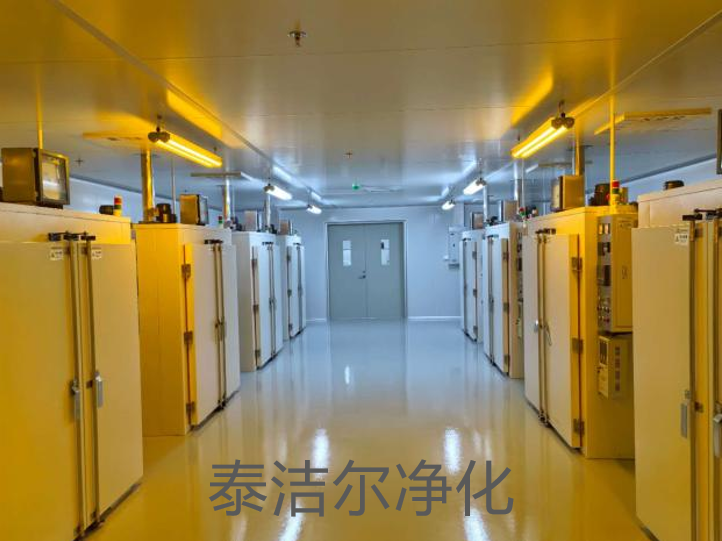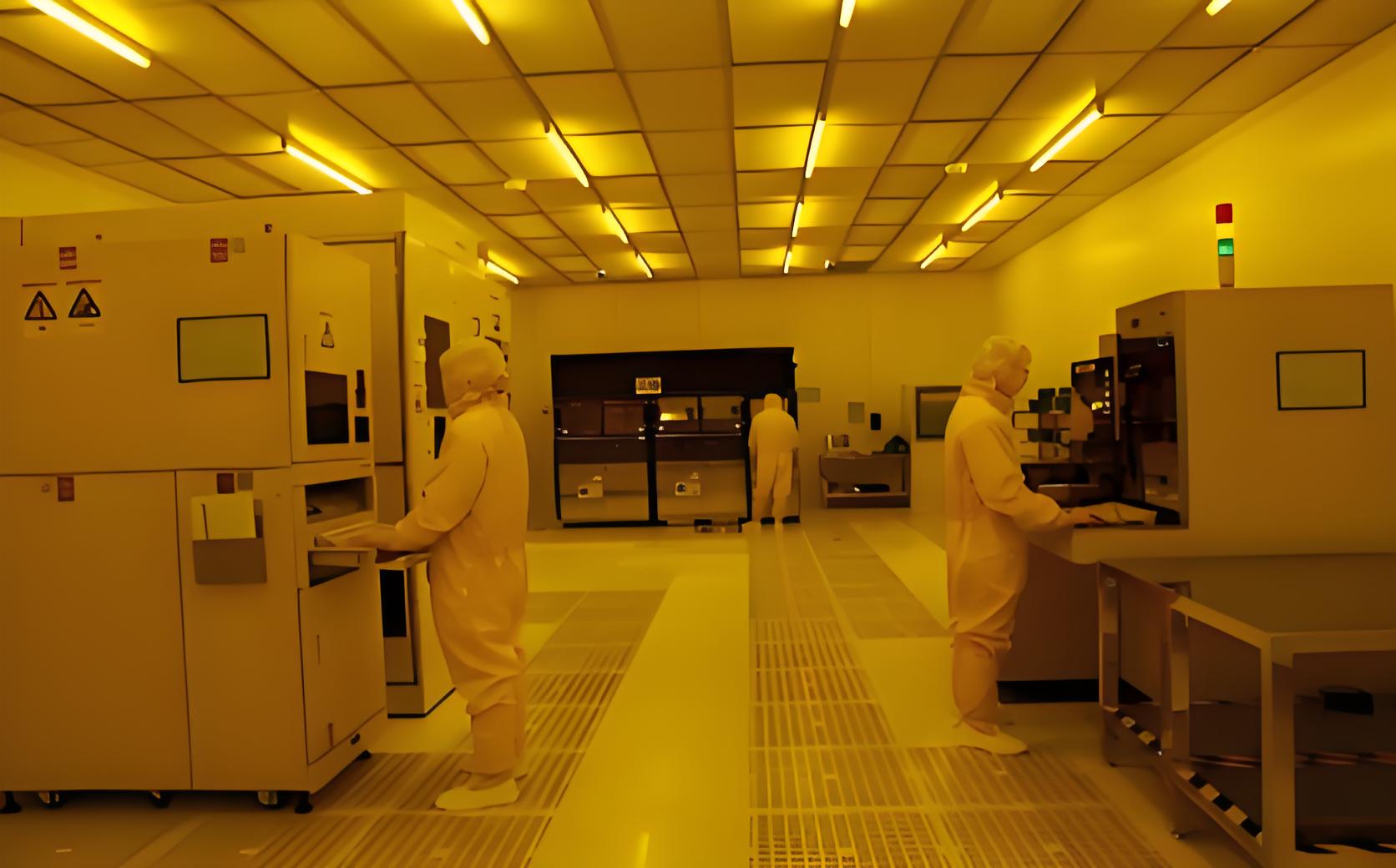

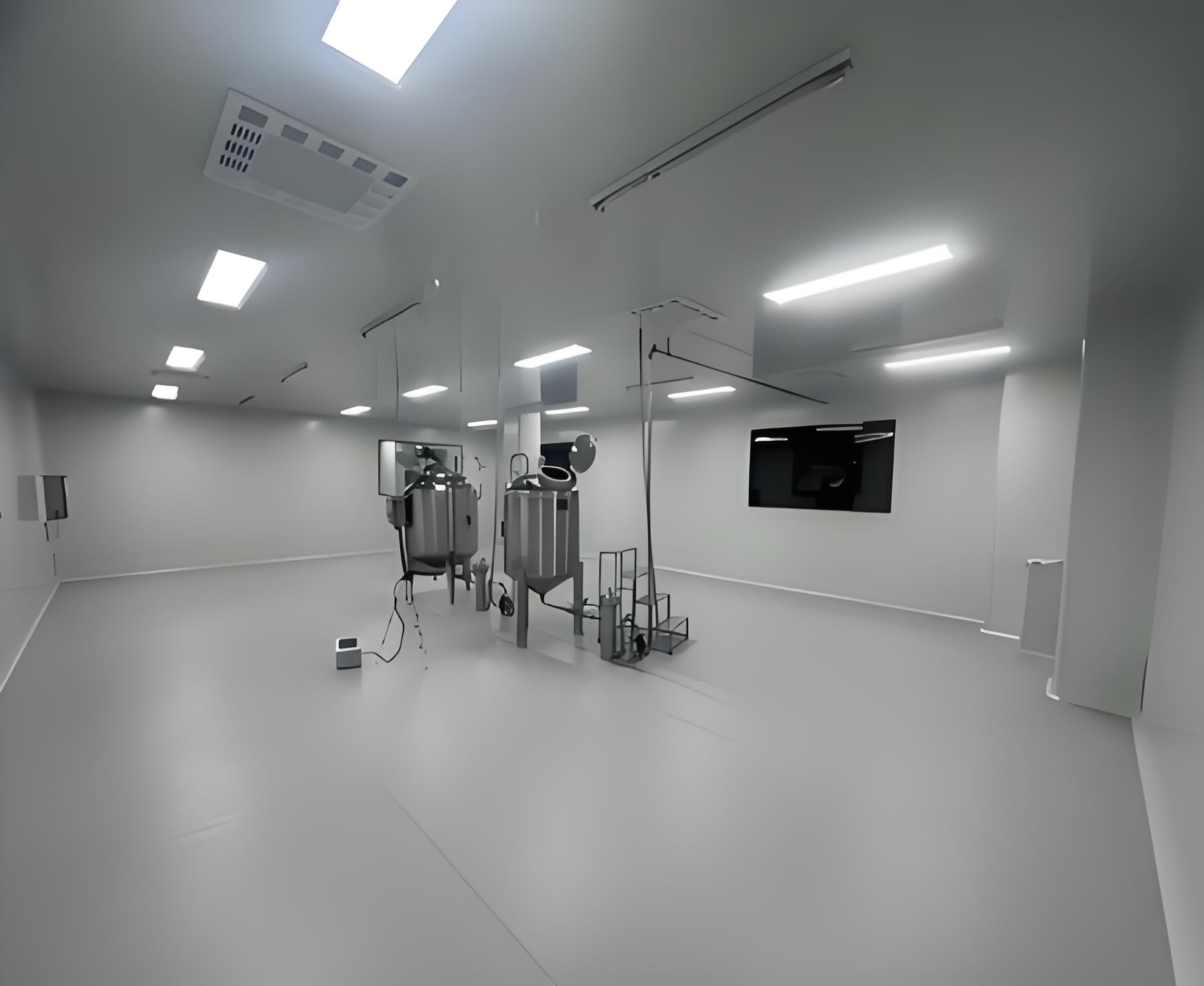
The term cleanroom decoration extends far beyond visual finishing — it encompasses the selection of non-shedding substrates, seamless flooring, coved corners, and HVAC interfaces that maintain ISO class integrity. A properly executed cleanroom decoration project reduces particle generation by 85–95% compared to conventional construction, directly impacting yield in semiconductor, pharmaceutical, and medical device manufacturing. This article provides engineering specifications, material performance data, and installation protocols for achieving and sustaining cleanroom classification from ISO 8 to ISO 5. Drawing on verified field results, we examine wall-to-ceiling transitions, filter housing integration, and validation documentation — all essential for regulatory approval (FDA, EU GMP).
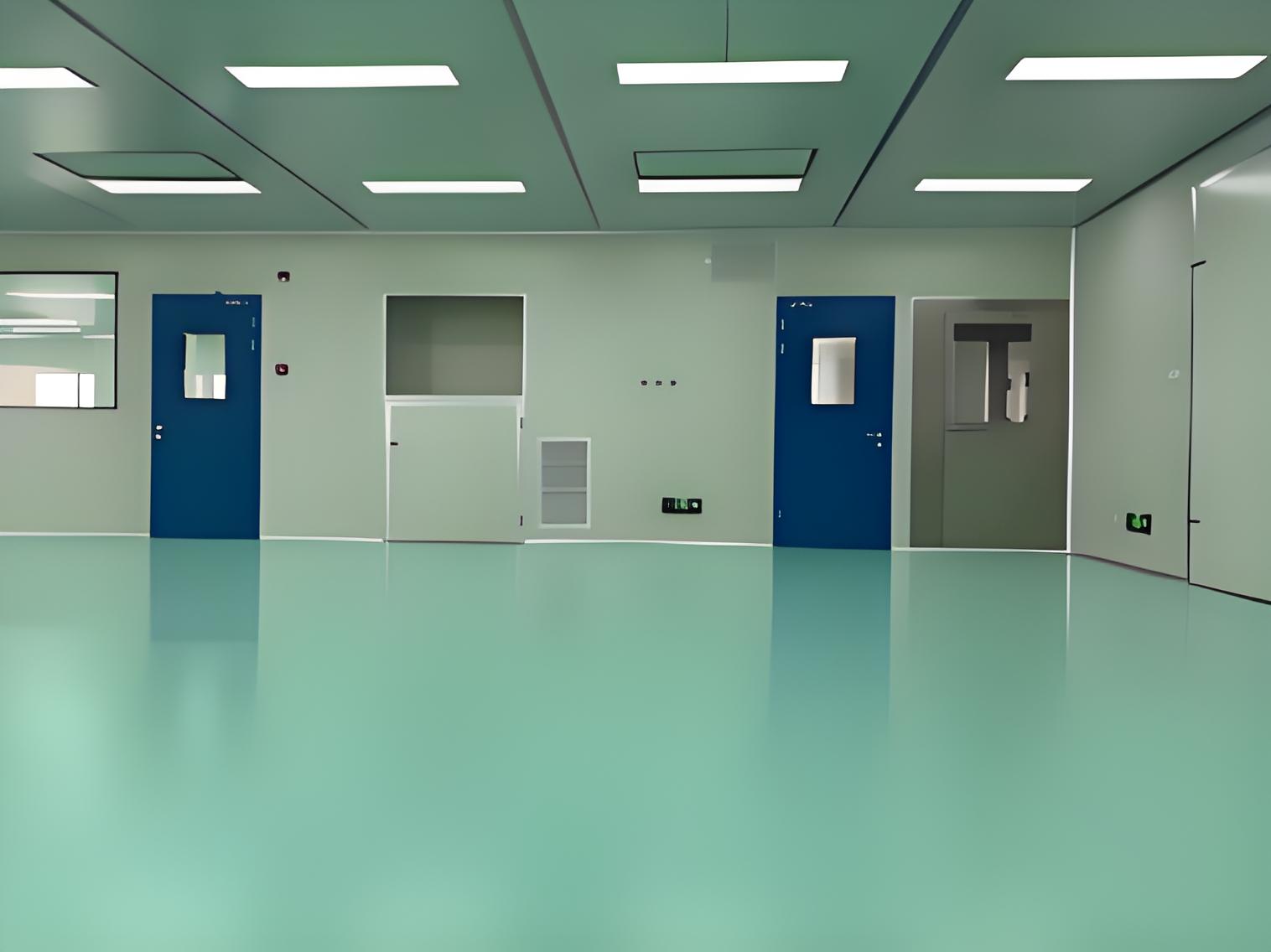
Every cleanroom decoration decision must address three contamination vectors: particle generation (from surfaces or personnel), particle accumulation (in crevices or rough textures), and particle resuspension (due to airflow turbulence). The goal is to create a monolithic, low-outgassing envelope that facilitates laminar or unidirectional airflow. Key performance metrics include:
Surface particle emission rate: Measured according to IEST-RP-CC018.3, acceptable surfaces release <10 particles/m²·min (≥0.5 µm).
Seam integrity: All joints (wall-wall, wall-floor, wall-ceiling) must be sealed with epoxy or polyurethane to prevent particle traps. Cove base radius: 25–50 mm for cleanability.
Airflow compatibility: Surfaces must not create dead zones where particles settle. Maximum surface roughness (Ra) for walls: 0.8 µm (for ISO 5 and above).
Poorly specified cleanroom decoration leads to recurrent contamination events. A 2023 study of 15 pharmaceutical cleanrooms found that facilities with seamless epoxy flooring and coved corners experienced 73% fewer viable particle excursions than those with vinyl tile and square corners. TAI JIE ER applies these principles across all projects, using finite element analysis to predict airflow interaction with architectural features.
Surface materials form the physical foundation of any cleanroom decoration specification. Below are performance grades for typical applications:
Modular sandwich panels (aluminum-faced with polyurethane or mineral wool core): Fire rating class A (ASTM E84). Surface hardness: HB (pencil test). Suitable for ISO 5–8. Installation speed: 15–20 m² per person-day. Joints sealed with silicone or epoxy.
Stainless steel sheets (304 or 316L): For wet processes or acid washing (pharma). Requires backing for rigidity. Surface finish: #4 (brushed) or electro-polished (Ra ≤0.4 µm). High cost but zero outgassing.
Painted gypsum board with epoxy coating: Lower cost but higher risk of pinholes. Acceptable only for ISO 7/8 non-aseptic areas. Coating thickness must be ≥150 µm dry film.
HEPA/ULPA filter-ready grid ceilings: Extruded aluminum T-grid with gel-seal or compression-gasket filter housings. Load rating: minimum 200 kg/m² for access/maintenance.
Solid metal panels with filter cutouts: For ISO 5 laminar flow zones. Panels must be removable for plenum cleaning.
Epoxy self-leveling (ESL): Thickness 2–4 mm, static-dissipative version available (resistivity 10^6–10^9 ohms). Cure time: 48 hours at 23°C. Resistance to chemicals: good (acids, alcohols).
Polyurethane cement (PUC): For high-temperature wash-down (80°C) or wet areas. Thickness 4–6 mm. Slip-resistant finish required.
Vinyl sheet with heat-welded seams: Only for ISO 7/8 and non-abrasive traffic. Seam peel strength must exceed 25 N/cm.
Material choices directly affect long-term cleanability. For a multi-product pharmaceutical facility, TAI JIE ER specifies ESL flooring with 50 mm coved monolithic upstands, eliminating floor-wall gaps. This detail reduces disinfectant pooling and microbial harborage.
Cleanroom decoration must accommodate HVAC components without creating turbulence or unsealed penetrations. Engineering requirements include:
Ceiling diffuser interface: Laminar flow diffusers (HEPA/ULVA) require gel-seal or knife-edge frames. The decorative ceiling panel must compress the gel uniformly — compression force measured per diffuser: 20–30 N per linear cm.
Low-wall returns: Placed 150–300 mm above finished floor to pull particles downward. Return grilles must be flush-mount with hinged, gasketed access doors.
Pressure differential monitoring: Wall-mounted magnehelic gauges or electronic sensors require through-wall ports with stainless steel tubes, sealed with epoxy at both ends.
Penetration sealing: Every pipe, conduit, or wire pass-through must use a compression-seal fitting (e.g., Roxtec) or pre-formed silicone grommet. Post-installation, each penetration is leak-tested with smoke or tracer gas.
Inadequate integration of these elements is a frequent cause of classification failure. During one aseptic fill line project, correcting unsealed ceiling penetrations reduced 0.5 µm particle counts by 94%, moving the room from ISO 6 to ISO 5. TAI JIE ER uses thermal imaging and smoke studies to validate airflow patterns before final certification.
Each classification imposes specific cleanroom decoration requirements. The table below summarizes critical parameters:
| ISO Class | Air changes per hour (ACH) | Wall/ceiling finish | Flooring | Seam sealing |
|---|---|---|---|---|
| ISO 5 (Class 100) | 240–360 (unidirectional flow) | Epoxy-coated steel, stainless steel, or aluminum sandwich panels with smooth finish (Ra ≤0.4 µm) | Seamless epoxy or PUC, coved at walls | Continuous welded or compression-sealed |
| ISO 6 (Class 1,000) | 90–180 | Epoxy-coated gypsum or sandwich panels (Ra ≤0.8 µm) | ESL with coved base | Epoxy-filled joints |
| ISO 7 (Class 10,000) | 30–60 | Epoxy-painted drywall or modular panels (Ra ≤1.2 µm) | Epoxy or vinyl sheet with heat-welded seams | Sealed with silicone or acrylic |
| ISO 8 (Class 100,000) | 15–25 | Painted gypsum board (two coats epoxy) | Vinyl tile or ESL | Caulked joints acceptable |
Note: ACH values are for non-unidirectional airflow rooms. ISO 5 typically uses unidirectional flow with velocities 0.36–0.54 m/s instead of ACH. Cleanroom decoration for ISO 5 must include gel-seal filter housings and solid epoxy flooring with welded coved corners.
A systematic process ensures cleanroom decoration meets design intent. The typical sequence includes:
Substrate preparation: Concrete floor shot-blasted to CSP 3-4 (concrete surface profile), walls framed to plumb within 2 mm per 3 m.
Utility rough-in: Electrical, data, and process piping installed with sleeves or pre-sealed penetrations.
Wall panel installation: Starting from a certified reference line; joints filled with epoxy or polyurethane; gaskets for modular systems compressed to 50% of original thickness.
Ceiling grid and filter housing: Leveled to ±1.5 mm over 10 m. Gel seals inspected for continuity.
Flooring application: ESL poured and self-leveled; thickness verified with micrometer. Cove base formed with trowel.
Final sealing and finishing: All joints between dissimilar materials (e.g., wall-to-floor) receive a final bead of low-outgassing silicone.
Validation testing: Includes particle count (ISO 14644-1), filter leak test (PAO scan), airflow velocity, pressure differential, and recovery test.
Each validation step must be documented with calibrated instruments. A complete cleanroom decoration project generates over 200 pages of protocols and reports. TAI JIE ER provides turnkey documentation packages accepted by FDA and EMA inspectors.
Even with good specifications, cleanroom decoration frequently encounters these problems:
Pinholes in epoxy coating: Caused by outgassing from concrete or improper mixing. Remedy: grind affected area, apply a pinhole-filling epoxy skim coat (max thickness 500 µm per pass).
Gel seal gaps at filter interface: Leads to bypass leakage. Detection: aerosol test with photometer. Remedy: re-torque filter housing bolts to spec (15–20 N·m) or replace gel channel.
Cracking at floor-wall cove junction: Result of thermal expansion or insufficient substrate adhesion. Repair: rout out crack to 10 mm depth, clean with vacuum, fill with flexible polyurethane sealant, and re-coat with ESL to match.
High particle counts near returns: Usually due to unsealed wall penetrations behind return grilles. Remedy: remove grille, seal all gaps with silicone, re-test with particle counter.
Data from 50 retrofits show that 80% of post-construction failures trace to three causes: improper gel-seal compression, unsealed utility penetrations, and flooring pinholes. Addressing these during the initial cleanroom decoration phase costs 1/10th of retroactive repair.
A properly executed cleanroom decoration reduces maintenance frequency. Recommended schedules:
Daily: Wipe walls and ceilings with 70% IPA or approved disinfectant using non-shedding wipers (polyester or microfiber).
Monthly: Inspect all seals (silicone, epoxy) for cracking or peeling. Repair any gap >0.5 mm.
Quarterly: Measure surface roughness (Ra) on high-touch areas (door frames, pass-throughs). Re-coat if Ra exceeds 0.8 µm for ISO 5/6.
Annually: Perform particle emission test (IEST-RP-CC018.3) on flooring and walls. Acceptable emission: <10 particles (≥0.5 µm)/m²·min.
Facilities that follow this schedule maintain ISO classification for 10–12 years before major refurbishment. TAI JIE ER offers annual recertification contracts that include smoke studies and particle mapping.
Q1: What is the difference between "cleanroom decoration" and
standard industrial construction?
A1: Standard
construction prioritizes cost and aesthetics, often using porous materials
(drywall, wood, carpet) and square corners that trap particles. Cleanroom
decoration mandates non-shedding, smooth surfaces (Ra ≤0.8 µm),
coved floor-wall junctions, and fully sealed penetrations. It also requires
validation of particle counts and airflow patterns. For example, a standard
painted wall may have 100–500 particles/m²·min emission, whereas a cleanroom
epoxy panel emits <10 particles/m²·min.
Q2: Can I use modular cleanroom panels for an ISO 5 (Class 100)
pharmaceutical filling suite?
A2: Yes, but only
with specific features: (a) aluminum-faced sandwich panels with polyurethane
core (fire-rated), (b) gel-seal or compression-gasket interfaces between panels,
(c) radius corners (≥25 mm) at all junctions, (d) flush-mounted HEPA filters
with leak-tested housings. Modular cleanroom
decoration is faster than stick-built but requires careful
attention to panel-to-panel sealing. TAI JIE ER supplies modular ISO 5 systems pre-tested
for particle emission.
Q3: How do I select between epoxy self-leveling (ESL) and
polyurethane cement (PUC) flooring?
A3: Choose ESL
for dry processes (electronics assembly, medical device packaging) where
chemical resistance to alcohols and mild acids is sufficient. ESL cost is $12–18
per square foot installed. Choose PUC for wet areas (pharma wash-down, biotech
labs) with exposure to hot water (80°C), strong acids, or bases. PUC costs
$20–28 per square foot but withstands thermal shock and has higher slip
resistance. Both require coved base integration during cleanroom
decoration to eliminate floor-wall gaps.
Q4: What is the acceptable leak rate for gel-sealed HEPA filters in a
cleanroom ceiling?
A4: According to ISO 14644-3, a
filter scan test using a photometer (0.3–0.5 µm aerosol challenge) must show
penetration ≤0.01% of upstream concentration for HEPA filters (≥99.97%
efficient). For ULPA (≥99.999% efficient), penetration ≤0.001%. Any localized
penetration above these limits indicates a defective gel seal or damaged filter
media. During cleanroom decoration, every filter housing is
leak-tested and repaired before certification.
Q5: How often should a cleanroom's decorative surfaces be recertified
for particle emission?
A5: IEST-RP-CC018.4
recommends recertification every 12 months for ISO 5 and 6 rooms, and every 24
months for ISO 7 and 8. The test uses a particle counter inside a specialized
emission cell placed on the surface. Surfaces that exceed 10 particles (≥0.5
µm)/m²·min must be re-coated or replaced. Many facilities combine this with
annual HVAC recertification. TAI JIE ER provides a combined protocol that reduces
disruption by integrating both tests.