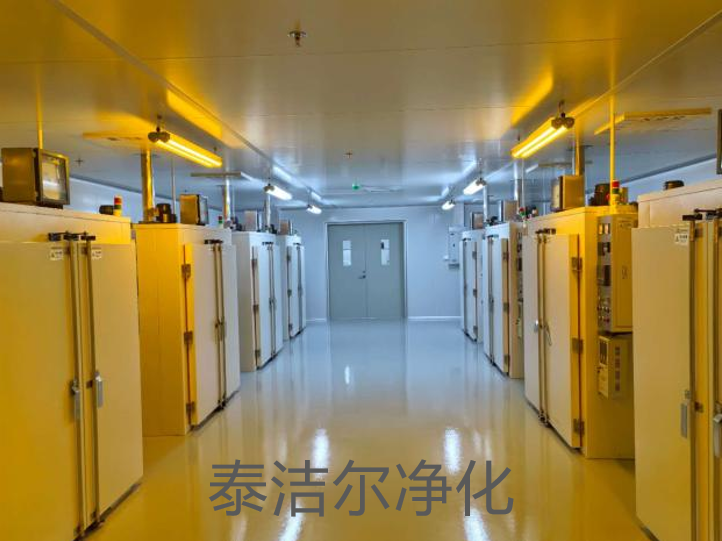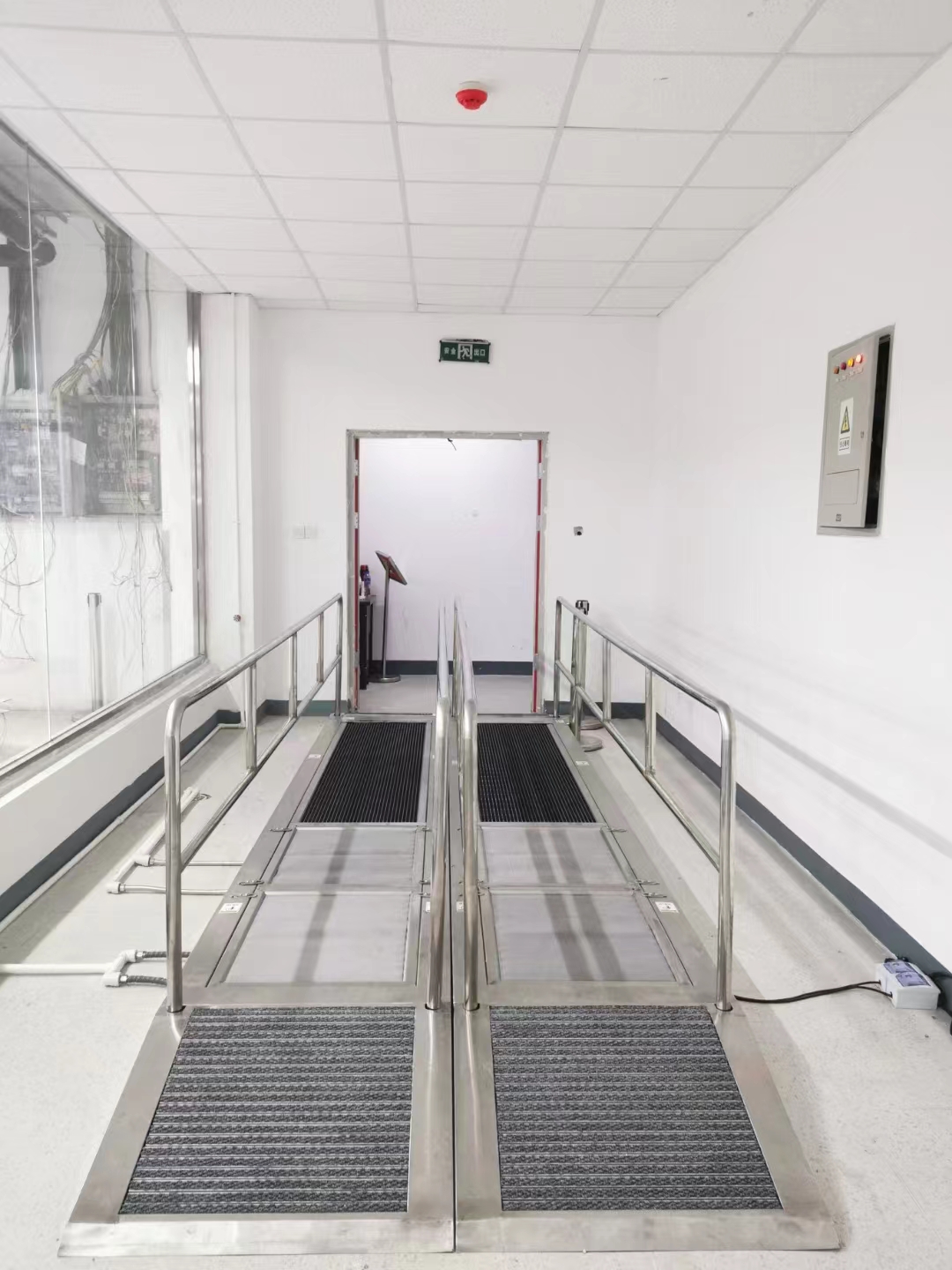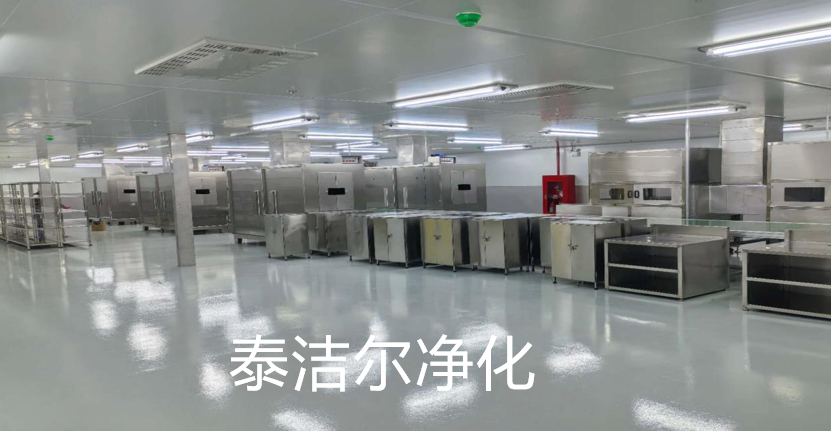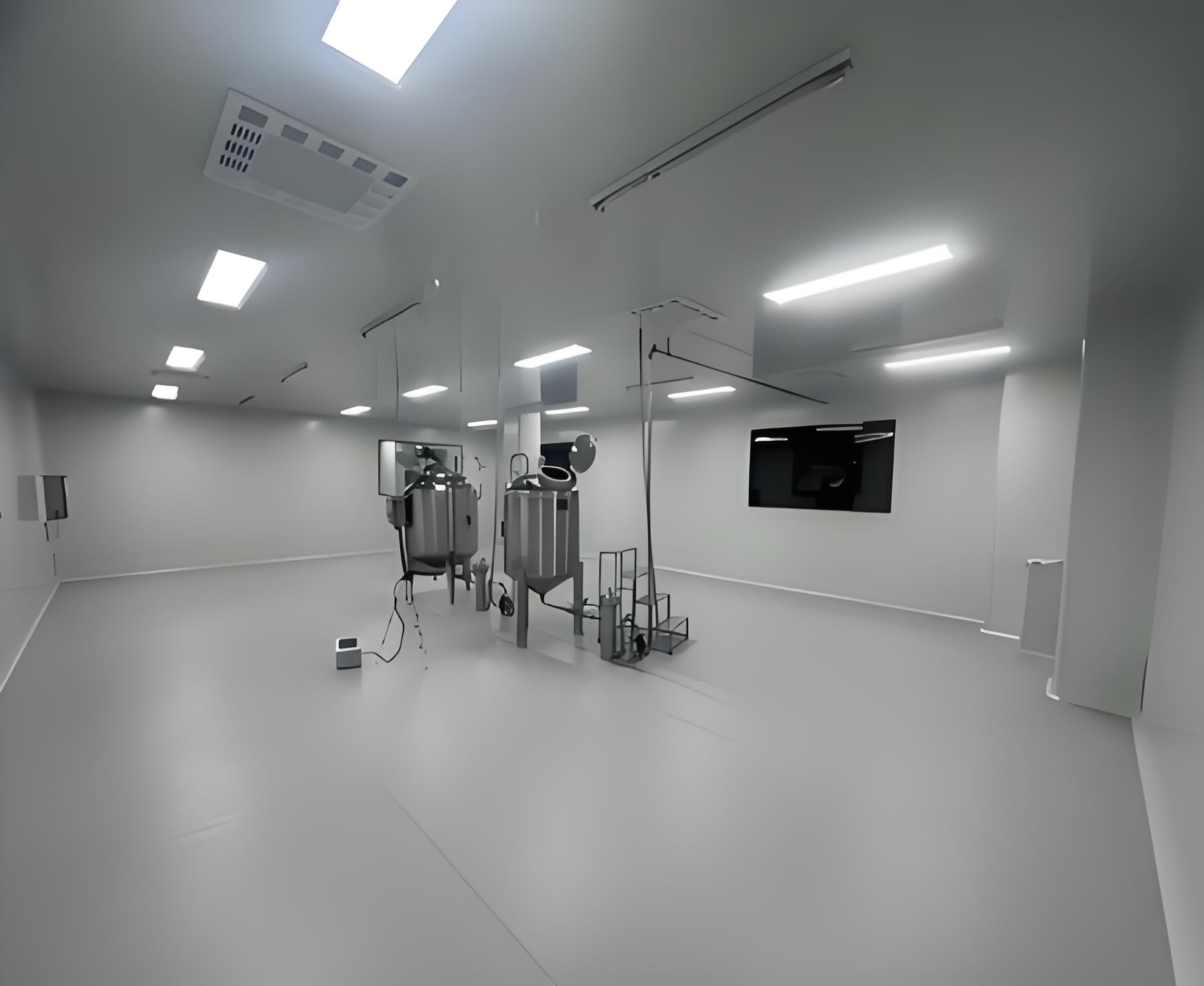
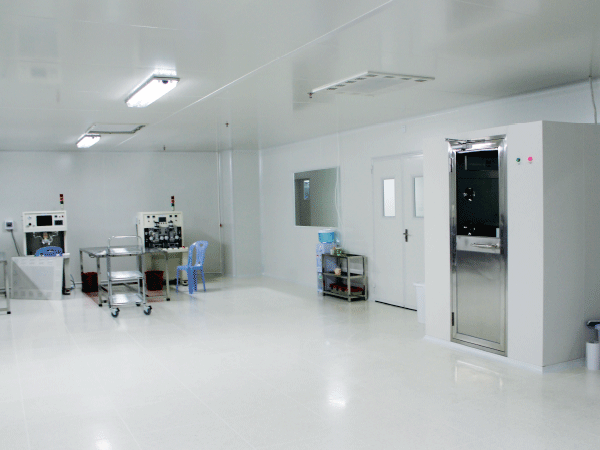

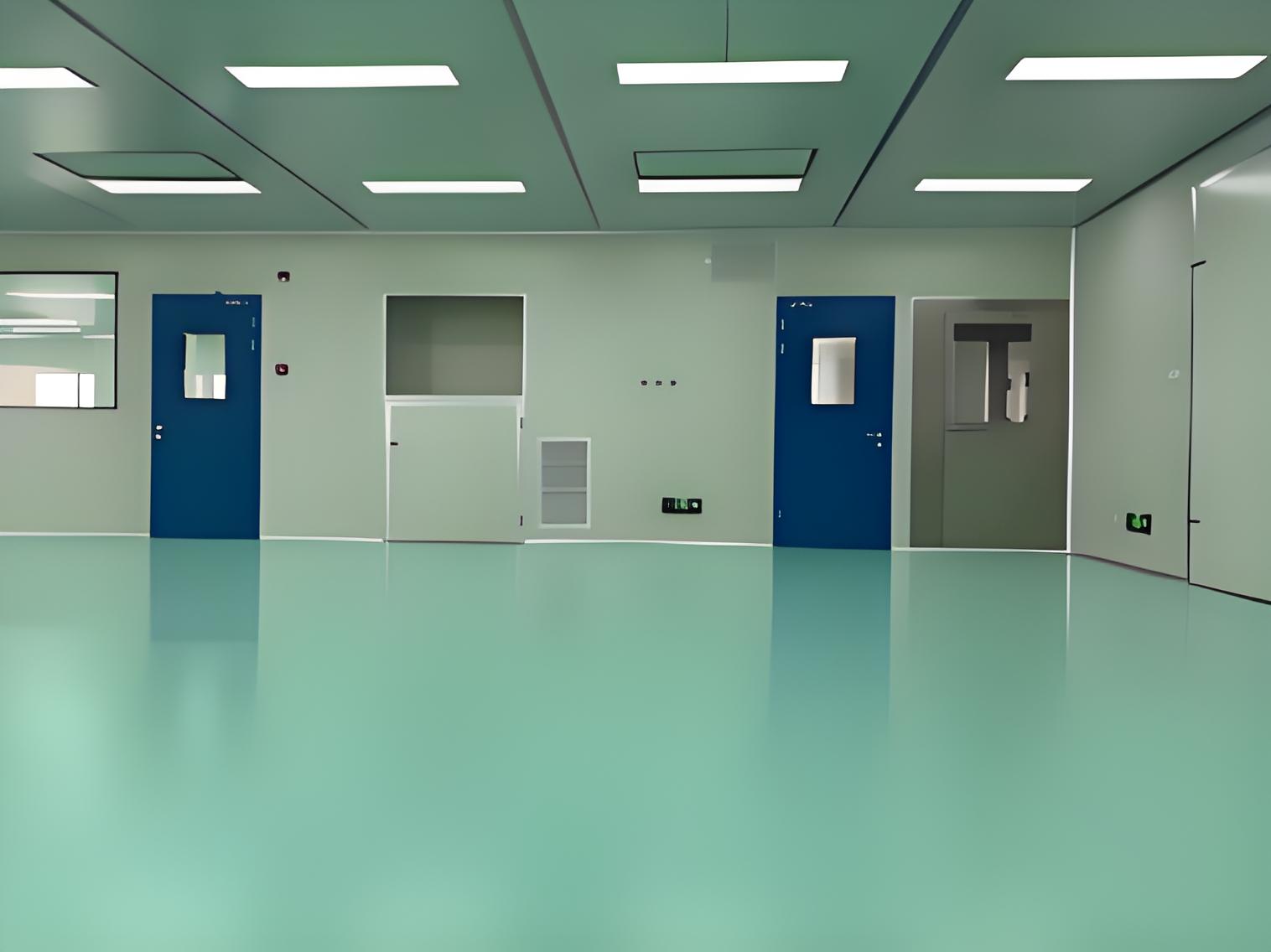
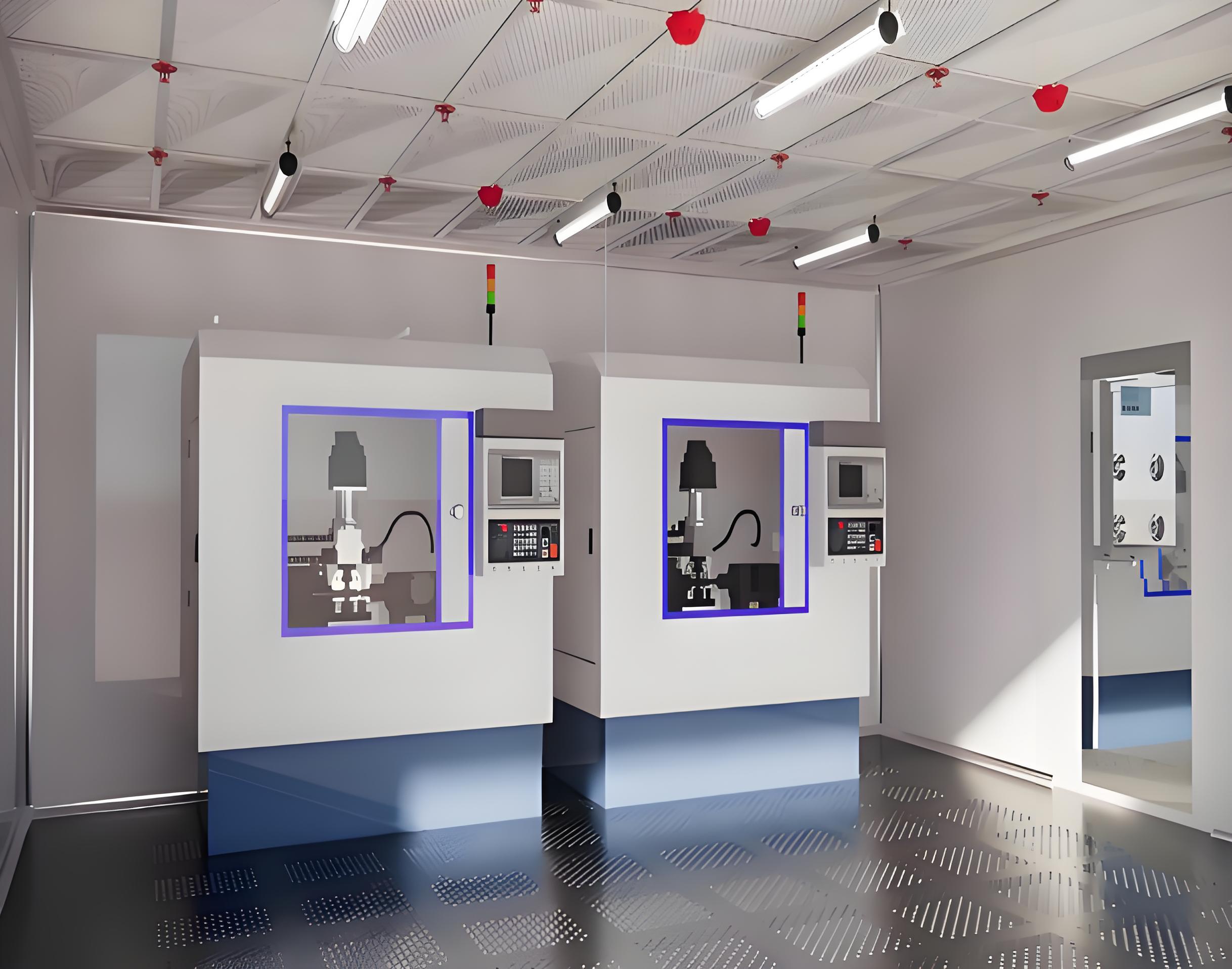
Food safety is no longer just about meeting basic hygiene standards. In today’s market, a single contamination event can destroy a brand's reputation overnight. Manufacturers are increasingly turning to controlled environments to ensure product longevity and safety. This is where a professional Food purification project becomes the cornerstone of your production strategy.
For factory owners and investors, the decision to install a cleanroom system is often driven by stricter regulations like HACCP, FDA guidelines, or GMP standards. However, beyond compliance, these projects offer tangible business benefits. They extend shelf life, reduce preservative use, and open doors to premium markets.
At TAI JIE ER, we have seen firsthand how a well-executed facility upgrade transforms a business. Whether you are processing dairy, meat, or beverages, understanding the technical and financial scope of these engineering feats is crucial. This article breaks down the essentials of planning, costing, and executing a high-standard purification facility without the fluff.
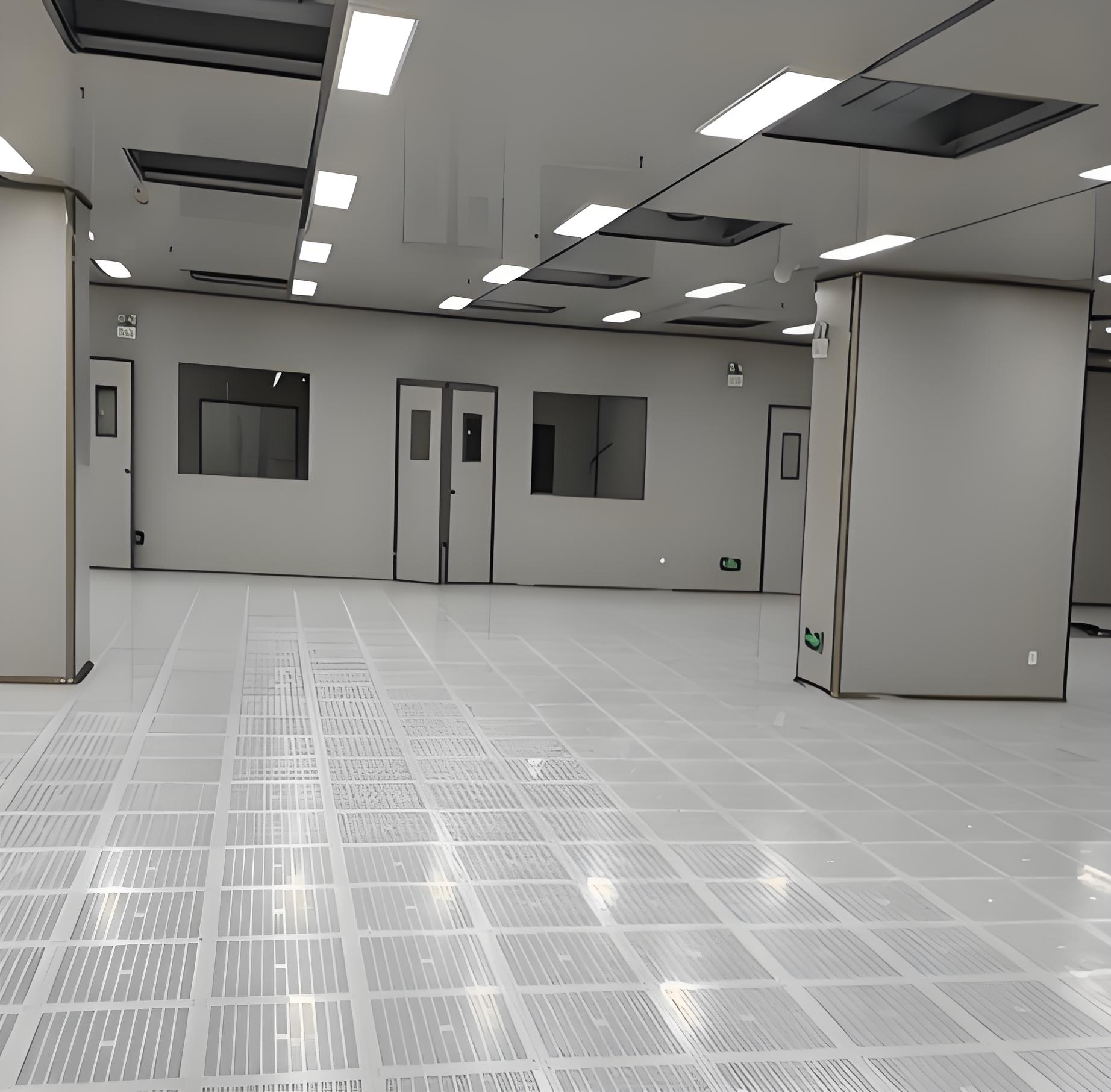
Investing in a clean environment is an investment in profitability. Many manufacturers view these engineering works as a sunk cost, but the data suggests otherwise. A proper Food purification project directly impacts your bottom line by minimizing product recalls.
Recalls are expensive. They involve legal fees, lost stock, and crisis management. By controlling airborne particulates and microorganisms, you mitigate these risks significantly. Furthermore, a clean processing environment allows for "clean label" products. Consumers want fewer additives. If your air is clean, your chemical preservatives don't have to work as hard.
Finally, operational efficiency improves. Modern purification designs focus on workflow optimization. When you design a facility to minimize contamination risks, you also tend to streamline the movement of people and materials. This leads to higher throughput and less downtime for cleaning.
The heart of any cleanroom is the HVAC system. It is not just about temperature control; it is about particle management. In a Food purification project, the air handling unit (AHU) must supply a specific volume of filtered air to dilute and remove contaminants.
You need to understand Air Change Rates (ACH). Standard comfort air conditioning might change the air 2 to 4 times an hour. A food-grade cleanroom might require 20 to 60 air changes per hour depending on the ISO class. This constant flushing is what keeps the environment sterile.
Filtration stages are critical. Typically, we use a three-stage approach. First, G4 pre-filters catch large dust and insects. Second, F8 or F9 medium filters capture pollen and finer dust. Finally, HEPA filters remove 99.97% of particles down to 0.3 microns. TAI JIE ER engineers often recommend terminal HEPA modules for the most critical filling zones to ensure the air hitting the product is pristine.
The materials used in your facility must withstand rigorous cleaning. Standard drywall or wood has no place here. A robust Food purification project utilizes sandwich panels. These are typically made of rock wool or polyurethane specifically designed for insulation and fire resistance.
The surface of these panels is usually pre-painted steel or 304 stainless steel. They must be smooth, non-porous, and resistant to corrosion from harsh sanitizing chemicals like chlorine or hydrogen peroxide. The connection points between walls and floors are equally important.
We always install radius coving at these junctions. Sharp 90-degree corners trap dirt and moisture, becoming breeding grounds for mold and bacteria. Coving eliminates this risk. For flooring, epoxy or polyurethane self-leveling floors are the industry standard. They are seamless, durable, and can be applied with anti-slip textures for worker safety.
Not all food production areas require the same level of cleanliness. Over-designing your facility will kill your budget, while under-designing puts you at risk. A successful Food purification project segments the factory into different hygiene zones.
High Hygiene Zones (ISO Class 5 - 7):This is where the food is exposed to the air. Examples include filling lines for aseptic beverages, slicing areas for ready-to-eat meats, or cooling tunnels for baked goods. Here, the particle count must be strictly controlled, and positive pressure is mandatory to keep contaminants out.
Medium Hygiene Zones (ISO Class 8):These areas often surround the high hygiene zones. They act as a buffer. Packing areas where the product is already sealed, or raw material preparation areas, often fall into this category. The air is filtered, but the requirements are less distinct than the critical zones.
General Zones (Unclassified but Controlled):Warehousing and outer packaging areas. While not "cleanrooms," they still need pest control and good ventilation. TAI JIE ER helps clients map these zones effectively to optimize CapEx (Capital Expenditure).
Budgeting is often the most difficult part of the planning phase. The cost of a Food purification project varies wildly based on specifications, but understanding the drivers helps you estimate.
Cleanliness Level:Moving from an ISO 8 design to an ISO 7 design can increase HVAC costs by 30-50% due to the increased air change rates and filtration requirements.
Size and Height:It is not just square footage; it is cubic footage. Higher ceilings mean more air volume to treat. If your equipment allows, keeping the ceiling height lower (e.g., 2.6 to 3 meters) saves significant energy and construction costs.
Automation Level:Integration of automatic sliding doors, pass-through boxes with air showers, and smart control systems adds to the upfront cost. However, these features reduce human error, which is the number one source of contamination.
Regional Logistics:The location of your plant affects labor and material transport costs. Working with an experienced supplier like TAI JIE ER can help mitigate these costs through efficient supply chain management and modular installation techniques.
Building the facility is one thing; running it is another. Cleanrooms are energy hogs. They run 24/7. Therefore, energy efficiency must be a priority in your Food purification project.
Variable Frequency Drives (VFDs) on fan motors are non-negotiable. They allow the system to ramp down when full power isn't needed, such as during non-production shifts. This can save up to 40% on fan energy.
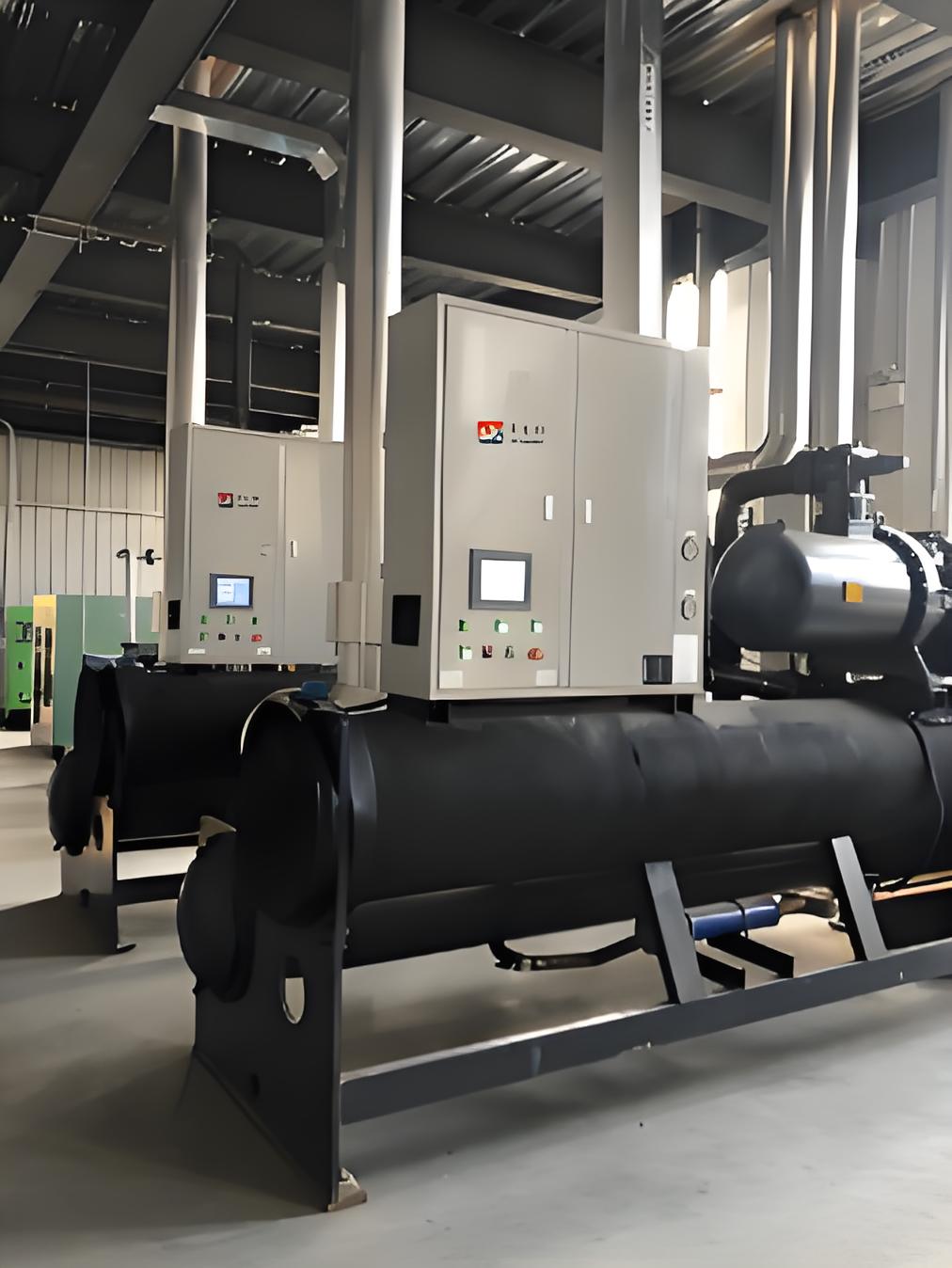
Heat recovery systems are also vital. Since you are exhausting a lot of conditioned air, using a heat wheel or run-around coil to pre-treat incoming fresh air can drastically reduce the load on your chiller and boiler. TAI JIE ER designs emphasize low-energy consumption without compromising hygiene standards.
You cannot simply build a cleanroom and assume it works. You must prove it. Validation is a formal process required by auditors.
Installation Qualification (IQ):This verifies that equipment is installed correctly according to the manufacturer's specifications and design drawings. Did we use the right filters? is the ductwork sealed?
Operational Qualification (OQ):This tests the system under "at rest" conditions. We check air velocities, pressure differentials between rooms, and temperature/humidity controls. We ensure the alarms work if pressure drops.
Performance Qualification (PQ):This is the real test. We measure particle counts and microbial levels while the facility is running with people and machinery in operation. A Food purification project is only deemed complete once PQ is passed and documented.
Selecting a vendor is arguably the most critical decision you will make. You need a partner, not just a contractor. Many general construction firms claim they can build cleanrooms, but they lack the nuance of food safety regulations.
TAI JIE ER specializes in this niche. We understand the difference between a pharmaceutical cleanroom and a food processing cleanroom. Food projects often deal with high humidity (washdowns) and organic waste, challenges that electronics cleanrooms do not face.
We offer a turnkey solution. From the initial CAD design and 3D modeling to the manufacturing of sandwich panels and final validation support. Our team ensures that your project meets international standards like ISO 14644 and GMP. We prioritize after-sales service, ensuring your filters and systems remain efficient for years.
To give you a clearer picture, here is what the timeline typically looks like.
Phase 1: Consultation and DesignWe analyze your product flow. We identify critical control points (CCPs). We produce a layout that prevents cross-contamination between raw and cooked materials.
Phase 2: Fabrication and ProcurementOnce the design is locked, we manufacture the modular wall and ceiling systems. Long-lead items like chillers and AHUs are ordered immediately.
Phase 3: InstallationThe site is prepared. Flooring is often done last to prevent damage, or first depending on the type. Ductwork goes in. Walls are erected. This needs to be a clean build process—you cannot have dirty construction practices in a future clean zone.
Phase 4: CommissioningThe system is turned on. We balance the air. We check for leaks.
Phase 5: TrainingYour staff needs to know how to use the room. Gowning protocols, material transfer procedures, and cleaning schedules are established.
The industry is moving toward "Smart Cleanrooms." IoT sensors are being integrated into the walls and HVAC units. These sensors monitor particle counts and pressure in real-time.
If a door is left open too long, the system alerts the manager on their phone. If a filter is clogging, the system predicts exactly when it needs changing, rather than relying on a fixed schedule. This predictive maintenance lowers the total cost of ownership for a Food purification project.
Another trend is the use of active sanitation systems, such as bipolar ionization or UV-C lights inside the ductwork, to actively kill pathogens in the airstream before they reach the production floor.
A Food purification project is a complex undertaking that requires expertise in engineering, microbiology, and construction. It is the shield that protects your brand from recall disasters and the engine that drives product quality.
Whether you are retrofitting an old bakery or building a new dairy plant from the ground up, the principles remain the same: control the air, control the surface, and control the flow.
Don't leave your food safety to chance. Partner with experts who understand the intricate balance of cost and performance. TAI JIE ER is ready to help you navigate this process, ensuring your facility is world-class and future-proof.
Q1: How long does a typical Food purification project take to complete?
A1: The timeline varies by size, but a standard project usually takes 3 to 6 months. Design and engineering take about 4-6 weeks, fabrication takes 4-8 weeks, and on-site installation and validation typically require 8-12 weeks.
Q2: Can we retrofit an existing factory, or do we need to build new?
A2: You can absolutely retrofit. However, retrofitting presents challenges with existing columns, low ceiling heights, and limited space for ductwork. TAI JIE ER specializes in custom solutions to fit cleanroom structures into existing shells effectively.
Q3: What is the maintenance cost for a food cleanroom?
A3: Maintenance costs generally run about 5-10% of the initial capital cost annually. The primary expenses are energy (electricity for HVAC) and consumables (replacing pre-filters every 3 months and HEPA filters every 1-2 years).
Q4: Do I really need a cleanroom for packaging dry goods?
A4: While dry goods are less susceptible to bacterial growth than wet goods, humidity control is vital to prevent clumping and mold. An ISO 8 cleanroom or a controlled environment with dehumidification is highly recommended to extend shelf life and maintain texture.
Q5: How does TAI JIE ER ensure the project meets local government standards?
A5: We design strictly according to GMP, FDA, and ISO standards. Before construction begins, we review all blueprints with your local compliance officers or quality assurance team to ensure the layout and material specs meet all regional regulatory codes.