
The rapid evolution of biotechnology, pharmaceuticals, and precision medicine has placed a spotlight on the environments where these innovations occur. Creating a space that is free from microbial contamination is no longer just an advantage—it is a legal and safety requirement. At the center of this necessity is biological purification engineering, a specialized field dedicated to controlling airborne particles, microbes, and environmental variables.
For many facility managers and business owners, understanding how to integrate these complex systems into a functional workspace is a significant challenge. Whether you are building a new laboratory or upgrading an existing manufacturing plant, the quality of your purification infrastructure determines your operational success. TAI JIE ER has spent years refining these processes, ensuring that high-tech facilities meet international standards while maintaining cost-efficiency.
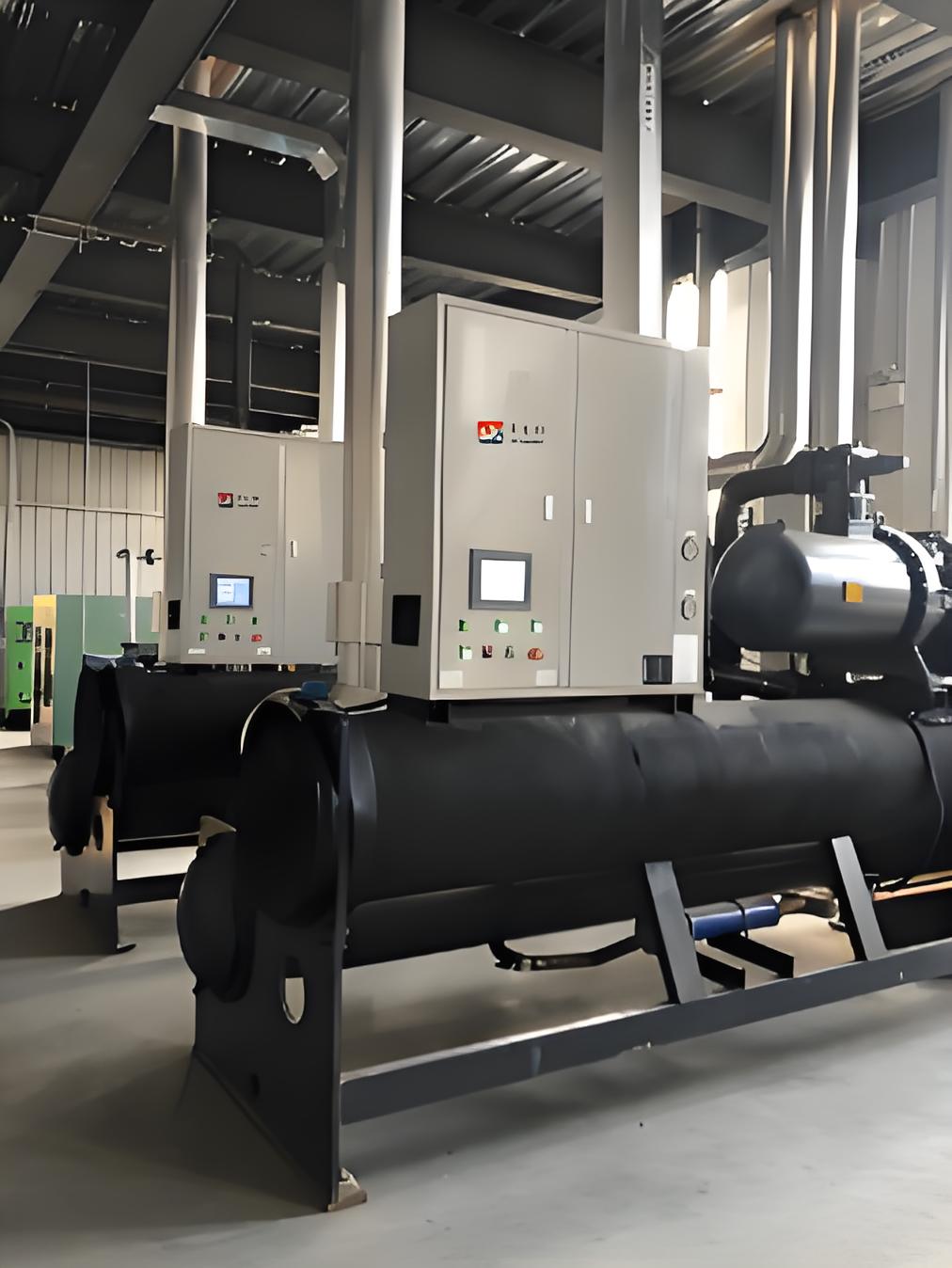
When we discuss biological purification engineering, we are looking at a multidisciplinary approach. It involves mechanical engineering, microbiology, and architectural design. The primary goal is to establish a "clean" environment where the concentration of viable and non-viable particles is kept within strictly defined limits.
Unlike standard air conditioning systems, these engineering solutions focus on filtration, airflow direction, and pressure gradients. In a biological context, the stakes are higher because living organisms—such as bacteria, viruses, and fungi—can replicate and spread if the system fails. TAI JIE ER focuses on the specific containment requirements of each project, ensuring that the biological integrity of the work remains uncompromised.
The foundation of this field relies on the High-Efficiency Particulate Air (HEPA) filter. These filters are capable of removing 99.97% of particles as small as 0.3 microns. However, the engineering aspect goes beyond just the filter; it includes the housing, the sealing, and the distribution of air to prevent "dead zones" where contaminants might settle.
A successful project requires more than just high-end equipment. It requires a strategic layout. In the world of biological purification engineering, the "box-within-a-box" design is often used to create successive layers of protection.
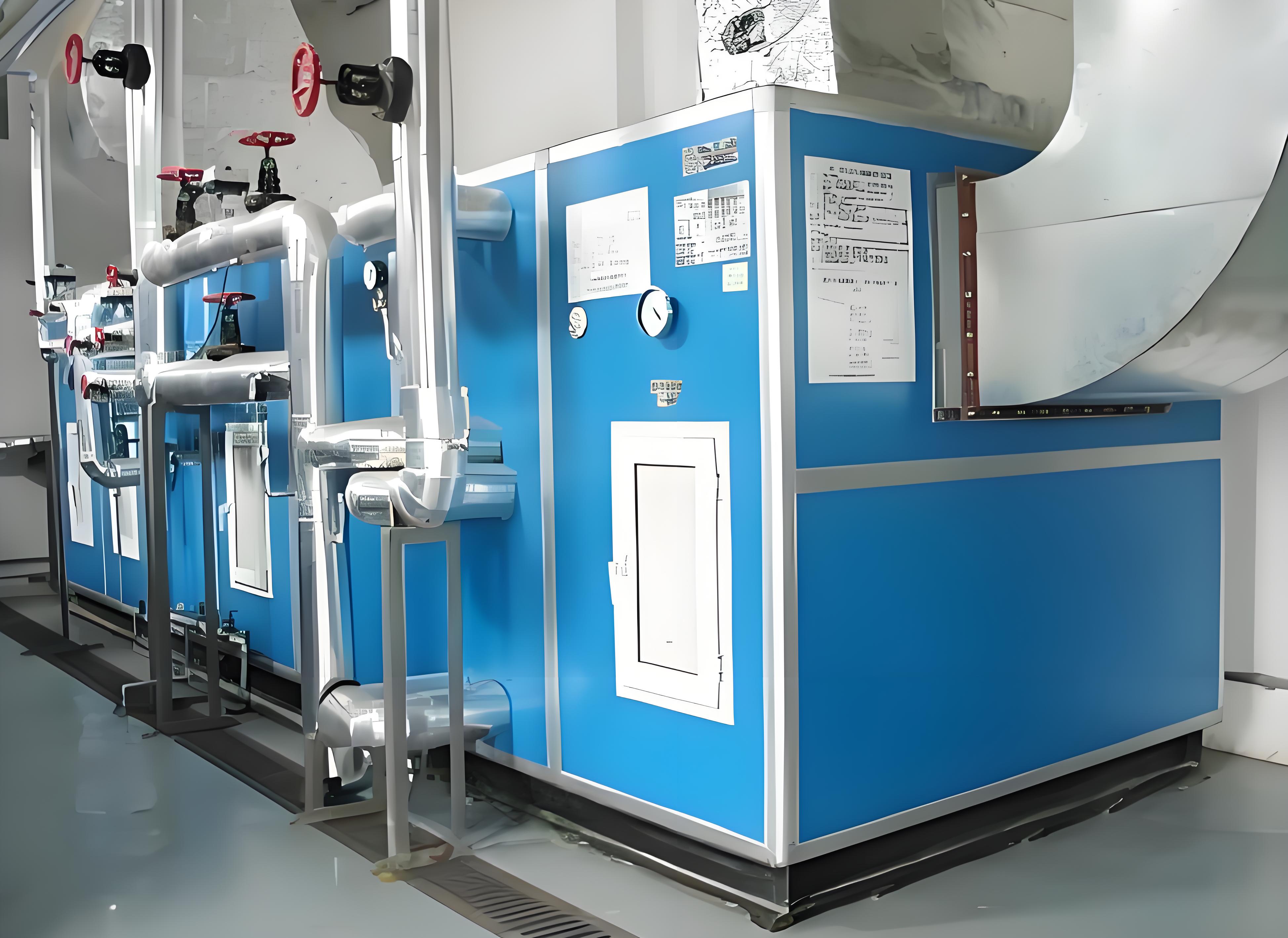
The AHU is the heart of the system. In biological settings, these units must be designed for easy cleaning and disinfection. TAI JIE ER utilizes specialized AHUs that feature internal surfaces made of stainless steel or coated aluminum to prevent corrosion from cleaning agents.
Maintaining the correct pressure is vital. For example, in a cleanroom designed for sterile filling, the room must be at a positive pressure relative to the surrounding areas to keep contaminants out. Conversely, in a biosafety lab handling dangerous pathogens, the room must be at a negative pressure to prevent leaks to the outside world.
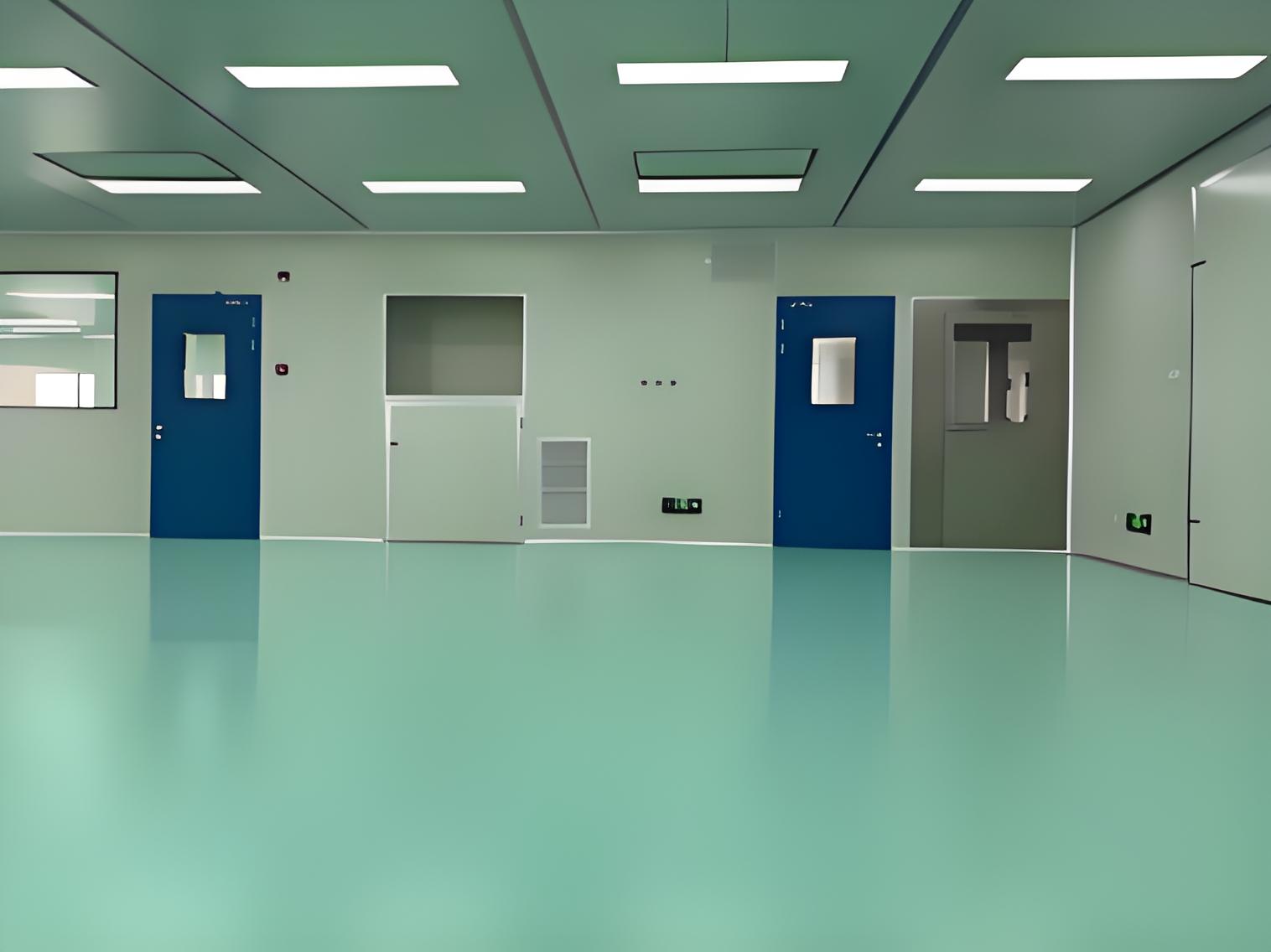
The choice of materials for walls, floors, and ceilings is a major part of the engineering process. Surfaces must be non-porous, resistant to chemicals, and have coved corners to prevent dust accumulation. Epoxy flooring and sandwich panels are industry standards that provide the durability needed for heavy-use environments.
It is important to distinguish between general industrial cleanrooms and those focused on biology. While both require dust control, biological purification engineering prioritizes sterilization and the prevention of cross-contamination.
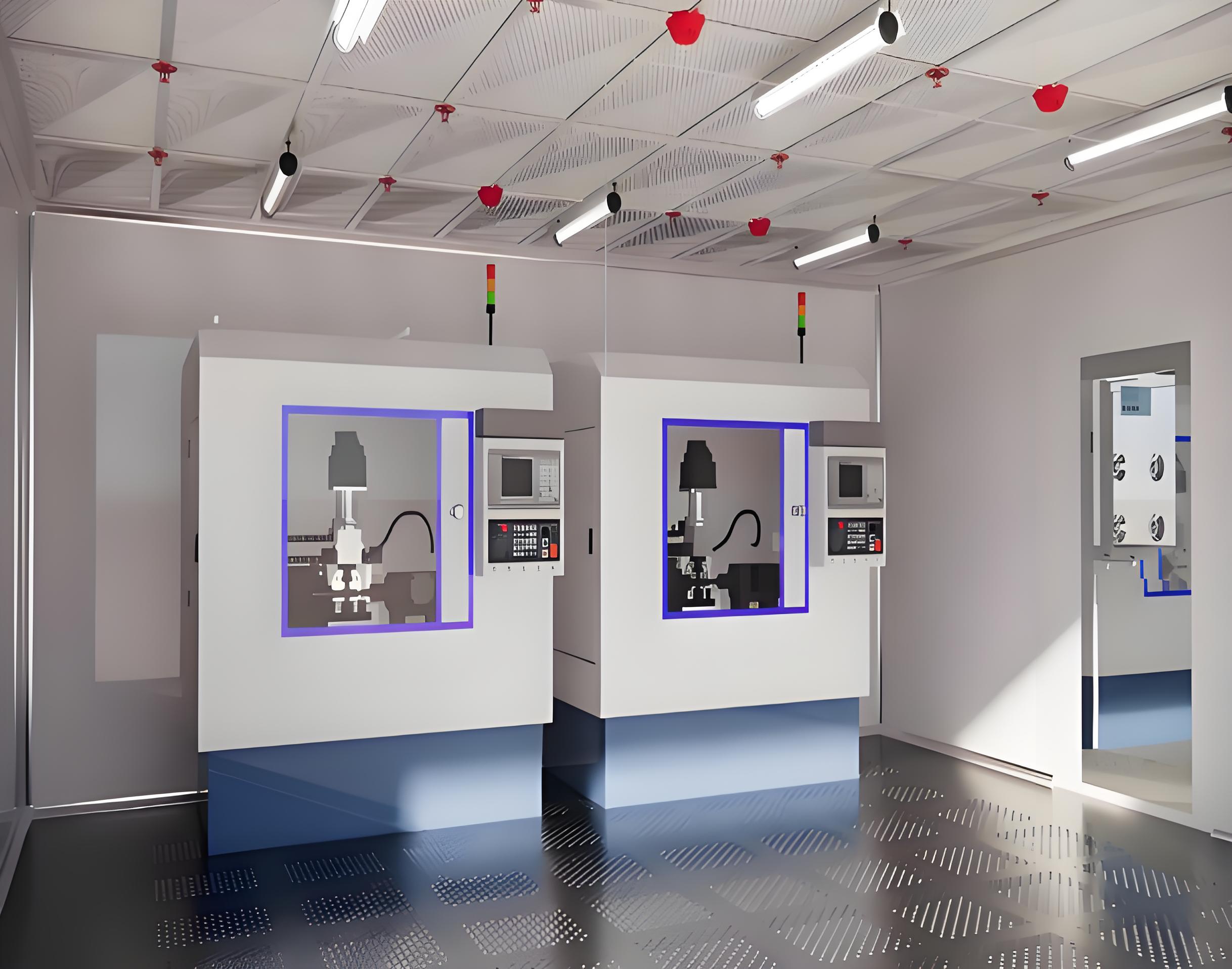
In an electronic cleanroom, a single speck of dust can ruin a semiconductor. In a biological lab, a single microscopic spore can contaminate a batch of vaccines worth millions of dollars. Therefore, biological systems often incorporate Ultraviolet (UV) germicidal lamps and Vaporized Hydrogen Peroxide (VHP) decontamination ports.
TAI JIE ER recognizes that biological facilities require more frequent sanitization cycles. As a result, the engineering must account for high humidity and the corrosive effects of disinfectants, which are less of a concern in electronics manufacturing.
The demand for high-level purification is growing across various sectors. Each industry has unique requirements that dictate how the engineering is executed.
Pharmaceutical plants must adhere to Good Manufacturing Practice (GMP) standards. Here, the engineering ensures that drugs are produced in an environment that prevents any risk of microbial or particulate contamination. This is especially critical for injectable drugs and biologics.
Biosafety Levels (BSL-1 to BSL-4) define the engineering requirements for research labs. As the level increases, the complexity of the biological purification engineering grows, incorporating double-door autoclaves, specialized exhaust filtration, and airtight seals.
While not as strict as a BSL-3 lab, food production facilities use purification engineering to extend shelf life and ensure product safety. By controlling the air quality during the packaging process, companies can reduce the need for chemical preservatives.
Selecting a vendor for your purification project is a long-term commitment. You aren't just buying a system; you are buying the assurance that your facility will pass inspections and operate safely.
When looking for a provider, you should prioritize those who offer an EPC (Engineering, Procurement, and Construction) model. This ensures that the design team, the equipment suppliers, and the installation crew are all on the same page. TAI JIE ER provides this integrated approach, which significantly reduces the risk of communication errors that often lead to project delays or compliance failures.
Furthermore, a good partner should provide comprehensive validation services. This includes Installation Qualification (IQ), Operational Qualification (OQ), and Performance Qualification (PQ). Without these documents, a cleanroom is simply a room with expensive fans.
One of the most frequent questions clients ask involves the cost. The truth is that biological purification engineering is an investment in risk mitigation. Several factors influence the final price tag:
Cleanliness Class: An ISO 5 room is significantly more expensive than an ISO 8 room due to the increased air change rates and filtration requirements.Energy Efficiency: High-performance systems can have higher upfront costs but lower operational costs. TAI JIE ER implements Variable Frequency Drives (VFDs) and heat recovery systems to help clients save on electricity in the long run.Space Constraints: Retrofitting an existing building with heavy HVAC equipment often requires structural reinforcements, adding to the budget.Automation Levels: Integrated Building Management Systems (BMS) that monitor pressure, humidity, and temperature in real-time add to the initial cost but are essential for modern compliance.
For a facility to be internationally recognized, it must comply with global standards such as ISO 14644 and the US Federal Standard 209E (though the latter is technically retired, it is still referenced). In Europe, the EU GMP Annex 1 is the gold standard for sterile medicinal products.
Expert biological purification engineering ensures that every duct, filter, and sensor is placed in a way that meets these criteria. TAI JIE ER stays ahead of regulatory changes, ensuring that our clients' facilities are future-proofed against tightening safety laws.
The design phase must also consider "recovery time"—how long it takes the system to return to its specified cleanliness level after a contamination event. This is a key metric during the validation process and a hallmark of a well-engineered system.
The industry is moving toward smarter, more sustainable solutions. We are seeing an increase in the use of Modular Cleanrooms, which allow for faster installation and the ability to scale up or down as business needs change.
Additionally, AI-driven monitoring systems are becoming standard. These systems can predict when a filter is about to fail or when a pressure imbalance is developing before it affects the production environment. TAI JIE ER is at the forefront of integrating these "smart" features into our engineering designs, providing clients with unprecedented control over their environments.
In the high-stakes world of biotech and healthcare, the environment is the product. Without robust biological purification engineering, research fails, products become unsafe, and companies face massive liabilities.
By focusing on high-quality materials, precise airflow management, and rigorous validation, TAI JIE ER helps organizations build facilities that are not only compliant but also highly efficient. As we look to the future, the integration of technology and engineering will continue to be the primary driver of safety and innovation in the cleanroom sector.
Choosing the right path in facility design today ensures that you are prepared for the regulatory and scientific challenges of tomorrow.
Q1: What is the primary difference between a biological cleanroom and a standard industrial cleanroom?
A1: While both control dust and particles, biological purification engineering focuses specifically on eliminating living contaminants like bacteria and viruses. This requires specialized sterilization tools like UV lighting, VHP systems, and airtight containment structures that are not typically required in industrial or electronic cleanrooms.
Q2: How often should the filters in a biological purification system be replaced?
A2: The lifespan of a HEPA filter depends on the environment and the pre-filtration system. Generally, pre-filters are replaced every 3-6 months, while the main HEPA filters can last 2 to 5 years. TAI JIE ER recommends regular pressure drop monitoring to determine the exact time for replacement to maintain system integrity.
Q3: Can an existing office or warehouse space be converted using biological purification engineering?
A3: Yes, it is possible, but it requires a thorough structural and HVAC assessment. The building must be able to support the weight of industrial air handlers and have enough ceiling height for the ductwork and filter housings. TAI JIE ER specializes in retrofitting older structures to meet modern ISO and GMP standards.
Q4: What are the common ISO classes for biological laboratories?
A4: Most biological research occurs in ISO 7 (Class 10,000) or ISO 8 (Class 100,000) environments. However, high-sensitivity areas like sterile filling suites or BSL-4 labs may require ISO 5 (Class 100) or higher to ensure absolute safety.
Q5: Why is TAI JIE ER considered a leader in this engineering field?
A5: TAI JIE ER offers a comprehensive EPC approach, meaning we handle everything from the initial design and material procurement to construction and final validation. This end-to-end service ensures that there are no gaps in the biological containment chain, providing a turnkey solution for complex projects.