
Contamination control is the cornerstone of safety in pharmaceutical manufacturing and biological research. In these environments, invisible threats—bacteria, viruses, and fungi—can compromise life-saving drugs or endanger researchers. This is where Biological purification engineering becomes critical. It goes beyond simple air conditioning; it creates a fortress of sterility.
Designing these facilities requires a deep understanding of microbiology, fluid dynamics, and regulatory compliance. It is about creating a space where the air itself acts as a tool for safety. Industry specialists, including brands like TAI JIE ER, recognize that the difference between a functional lab and a failed inspection often lies in the engineering details.
This article examines the core principles, design strategies, and operational necessities that define successful bio-cleanroom construction.
Biological purification engineering is a specialized discipline focused on controlling viable particles (living microorganisms) within a confined space. While industrial cleanrooms focus on dust, biological cleanrooms focus on life.
The primary goal is twofold: preventing external contaminants from entering the clean zone and, in some cases, preventing dangerous pathogens from escaping. This dual requirement makes the engineering challenges unique.
Key focuses include:
Sterility Assurance: Ensuring no bacteria grow on surfaces.Containment: keeping biohazards isolated.Cleanability: Using materials that withstand harsh chemical disinfection.
One of the most critical aspects of Biological purification engineering is the management of air pressure. Air acts like water; it flows from high pressure to low pressure. Engineers manipulate this physics to control contamination.
In pharmaceutical production, such as filling sterile vials, the product must be protected. We use positive pressure here. The room pressure is higher than the surrounding corridors.
If a door opens, clean air rushes out. This prevents dirty air from the hallway from entering the critical zone.
Application: Vaccine manufacturing, food processing, sterile packaging.Goal: Protect the product from the environment.
For biosafety laboratories (BSL-3 or BSL-4) handling infectious diseases, the strategy reverses. Biological purification engineering dictates a negative pressure design.
The room pressure is lower than the corridor. Air flows inward, ensuring that no airborne viruses escape into the outside world. This protects the community and the facility staff.
Application: Tuberculosis research, virus isolation, quarantine wards.Goal: Protect the environment from the product.
You cannot achieve a sterile environment without advanced filtration. In Biological purification engineering, standard HVAC filters are insufficient. We rely on HEPA and ULPA filtration to strip the air of microscopic life.
A HEPA (High-Efficiency Particulate Air) filter traps 99.97% of particles that are 0.3 microns in diameter. Most bacteria are larger than 0.3 microns and are easily captured.
For even stricter requirements, ULPA filters capture 99.999% of smaller particles. These filters are typically installed in the ceiling. They direct air downward in a unidirectional stream (laminar flow), washing over the workspace and sweeping contaminants into floor-level return vents.
Companies like TAI JIE ER often recommend integrating these filters with gel seals to ensure zero leakage. A single gap in a filter frame can compromise the entire Biological purification engineering system.
A biological cleanroom is subject to intense cleaning regimens. Workers scrub floors and walls with strong chemicals like chlorine, phenolic compounds, or vaporized hydrogen peroxide (VHP).
Therefore, the materials selected during the Biological purification engineering phase must be chemically resistant. Standard drywall or wood is never used as they absorb moisture and harbor mold.
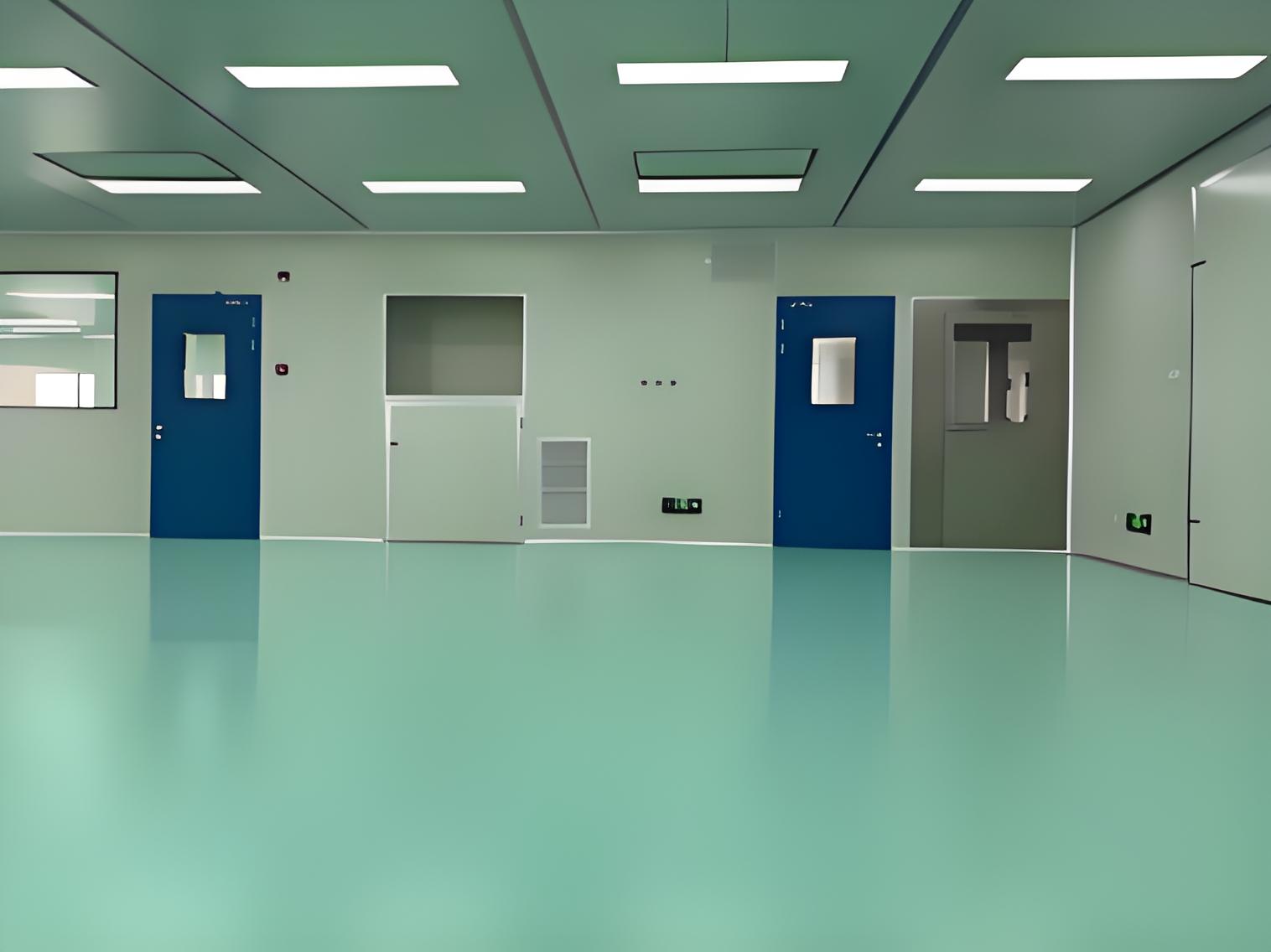
Seamless Flooring: Epoxy or PVC flooring is heat-welded to eliminate cracks where bacteria could hide.Coved Corners: The junction between the wall and floor is curved (coved). This eliminates sharp 90-degree corners that are difficult to clean.Non-porous Walls: Modular metal panels or phenolic resin boards are standard. They shed water and resist chemical corrosion.
Compliance is not optional. Every facility must adhere to strict international standards. The most prominent is Good Manufacturing Practice (GMP) and ISO 14644.
GMP divides cleanrooms into Grades A, B, C, and D.
Grade A: High-risk operations like filling operations (equivalent to ISO 5).Grade B: Background environment for Grade A (ISO 5/7).Grade C and D: Less critical steps (ISO 7/8).
Biological purification engineering must design the HVAC system to meet the specific "recovery time" required by these standards. Recovery time is how quickly the room returns to a clean state after a contamination event (usually 15-20 minutes).
Bacteria thrive in warm, moist environments. Therefore, controlling the climate is a biological safety measure, not just a comfort measure.
High humidity promotes fungal and bacterial growth. Low humidity can cause static electricity, which attracts particles. Biological purification engineering systems usually maintain Relative Humidity (RH) between 30% and 60%.
In specific fermentation processes, humidity might need to be higher, requiring specialized stainless steel ductwork to prevent rust.
Workers in bio-cleanrooms wear heavy, non-breathable suits. To prevent sweating—which releases particles—the room temperature is kept lower than in a standard office, typically around 18°C to 21°C.
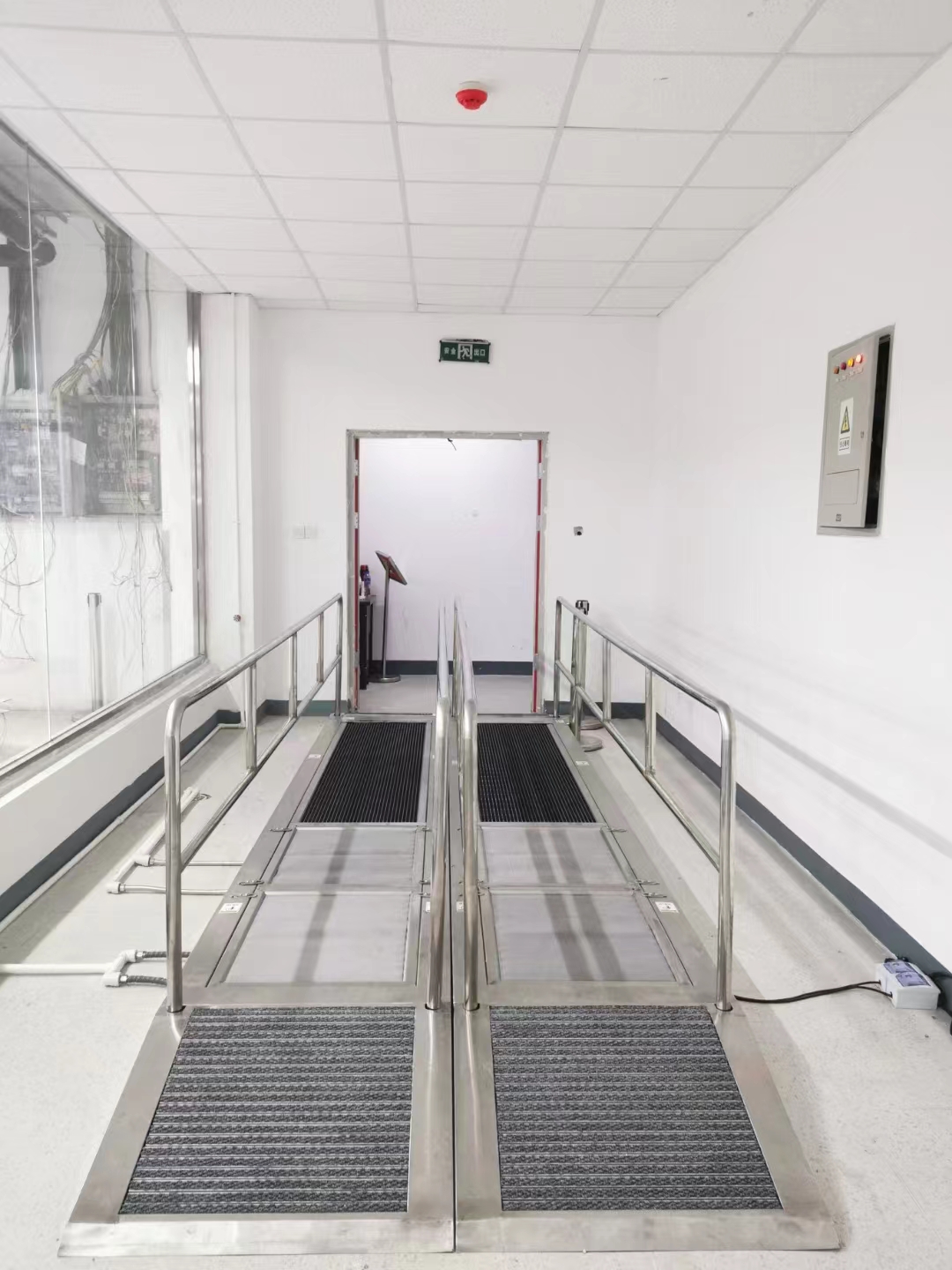
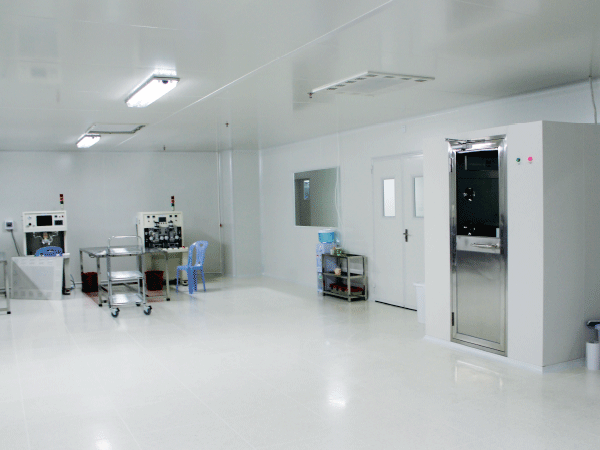
Movement is the enemy of cleanliness. Every time a person or object enters a cleanroom, they bring contaminants. Biological purification engineering solves this with airlocks and pass boxes.
Before entering, staff pass through a series of rooms.
Gowning Room: Removal of street clothes.Suiting Up: Donning sterile suits.Air Shower: High-velocity air jets blow off loose particles.
Materials should not be carried through the main door. Pass boxes are small chambers built into the wall.
Static Pass Box: Simple interlocked doors.Dynamic Pass Box: Equipped with its own HEPA filter and air jet.VHP Pass Box: Sterilizes items with gas before they enter.
TAI JIE ER emphasizes the use of interlocked systems where both doors cannot open simultaneously, maintaining the pressure integrity of the critical zone.
Water is a common vector for contamination. Pharmaceutical grade water (Water for Injection or WFI) requires its own purification engineering loop.
Piping must be sanitary stainless steel (316L) with orbital welds to ensure smoothness. Dead legs—sections of pipe where water sits stagnant—must be minimized. Stagnant water allows biofilm to form, which is incredibly difficult to remove.
Biological purification engineering integrates these piping systems into the facility design, ensuring pumps and valves are accessible for maintenance without entering the sterile core.
Building the room is only half the battle. You must prove it works. Validation occurs in three stages:
Installation Qualification (IQ): Is the equipment installed correctly?Operational Qualification (OQ): Does the air flow at the right speed?Performance Qualification (PQ): Does the room stay clean during actual manufacturing?
Routine testing involves using settle plates (petri dishes exposed to air) and particle counters. If the Biological purification engineering is sound, these tests will consistently show zero or near-zero growth.
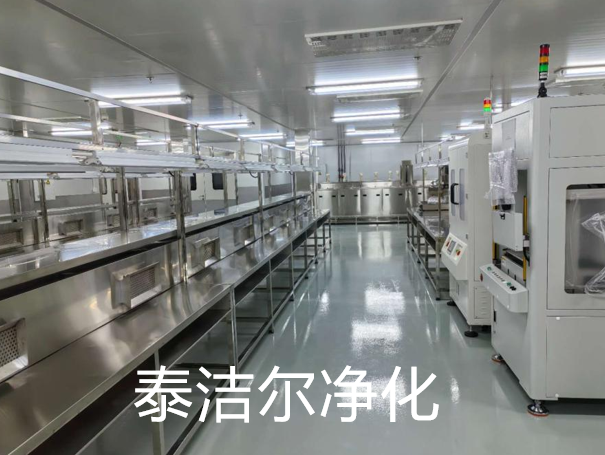
The industry is moving toward automation and isolation. The human body is the dirtiest thing in a cleanroom. By removing people, we increase safety.
Instead of a whole cleanroom, manufacturers use glove boxes or isolators. These are mini-clean environments. Biological purification engineering is shifting focus from conditioning vast ballrooms of air to conditioning these micro-environments.
This saves energy and reduces risk.
Biological facilities consume massive amounts of power. New designs incorporate heat recovery wheels and variable frequency drives (VFDs) on fans. When the lab is not in use, the airflow reduces to a standby level, saving electricity while maintaining positive pressure.
The stakes in bio-pharmaceuticals and healthcare are incredibly high. A failure in the HVAC system or a crack in the flooring can lead to product recalls or dangerous outbreaks. Biological purification engineering provides the technical framework to prevent these disasters.
It combines strict mechanical standards with microbiological knowledge. From the seamless floors to the HEPA filters in the ceiling, every element serves a purpose.
As technology advances, companies like TAI JIE ER continue to refine these systems, making them safer and more energy-efficient. Whether for vaccine production or genetic research, robust engineering remains the invisible guardian of biological safety.
Q1: What is the main difference between a biological cleanroom and a standard cleanroom?
A1: The main difference is the target of the filtration. Standard cleanrooms focus on inert dust and particles to protect electronics or mechanics. Biological purification engineering focuses on "viable" particles—living bacteria, viruses, and molds. This requires materials that can withstand harsh chemical sterilization and often involves negative pressure to contain pathogens, which is rare in standard industrial cleanrooms.
Q2: Why do biological cleanrooms use "coved" corners?
A2: Sharp 90-degree corners are difficult to clean effectively. Dirt and bacteria can accumulate in the crevice. In Biological purification engineering, we use coved (curved) transitions between walls and floors to ensure that cleaning tools can reach every millimeter of the surface, preventing biofilm buildup.
Q3: How often does the air need to be changed in a biological cleanroom?
A3: It depends on the classification. For a GMP Grade B or ISO Class 5 room, the air might change 40 to 60 times per hour. For highly critical Grade A zones, it involves unidirectional flow with constant velocity. Lower grades like ISO Class 8 might only require 15 to 25 air changes per hour. The specific rate is calculated during the Biological purification engineering design phase.
Q4: Can you use a biological cleanroom for electronic manufacturing?
A4: Technically yes, but it is not cost-effective or optimized. Biological rooms are designed for chemical resistance and sterility, often lacking the rigorous Electrostatic Discharge (ESD) flooring and grounding systems required for electronics. Furthermore, the humidity levels in biological rooms might be too high for sensitive microchips.
Q5: What is the "Recovery Time" test in biological purification engineering?
A5: Recovery time measures how long it takes for the cleanroom to return to its target cleanliness level after a contamination event. For example, if we introduce smoke or particles, we measure how many minutes it takes for the HVAC system to filter it all out. A well-designed Biological purification engineering system should typically achieve this recovery in 15 to 20 minutes, proving the airflow is robust.