
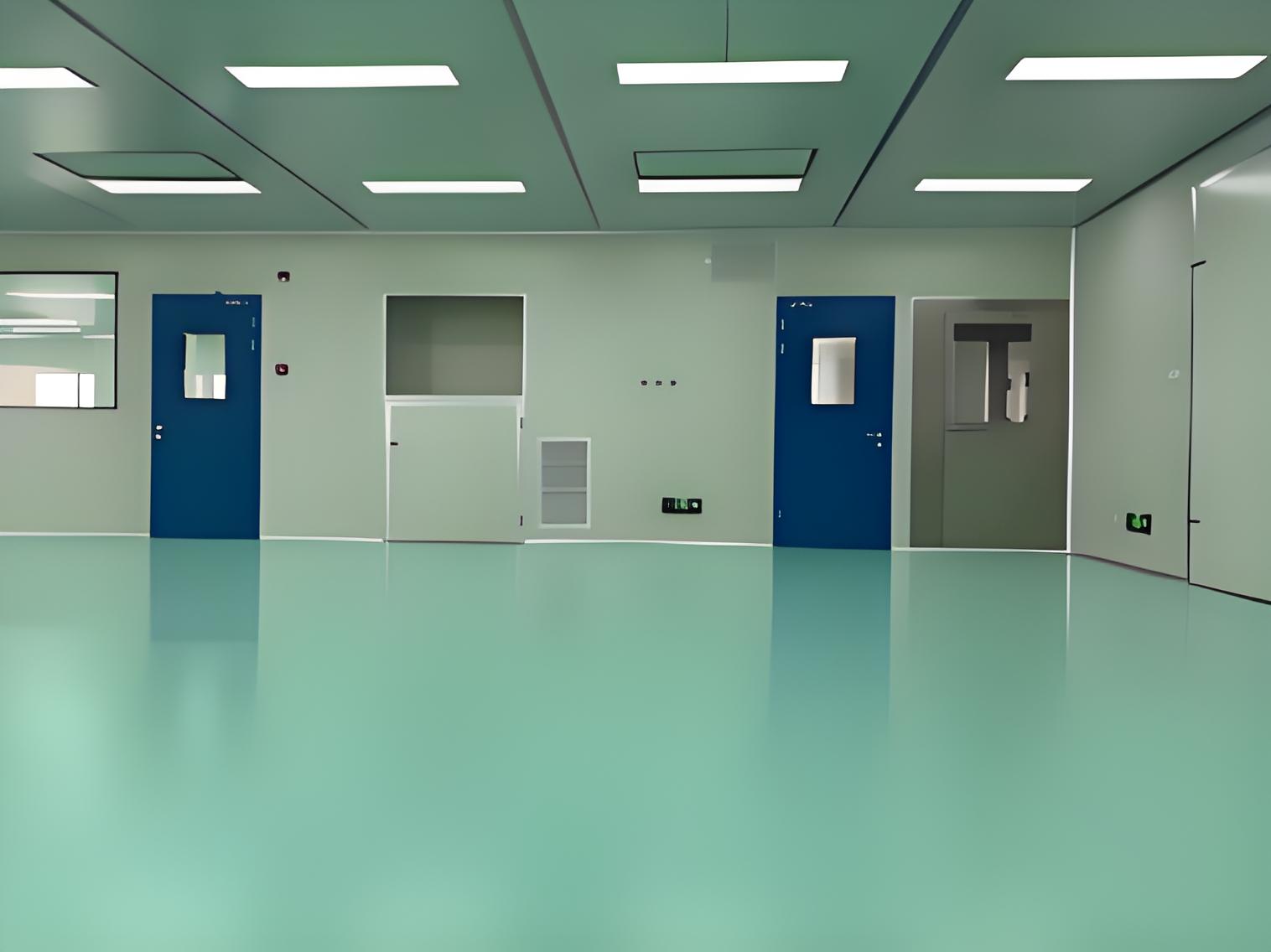
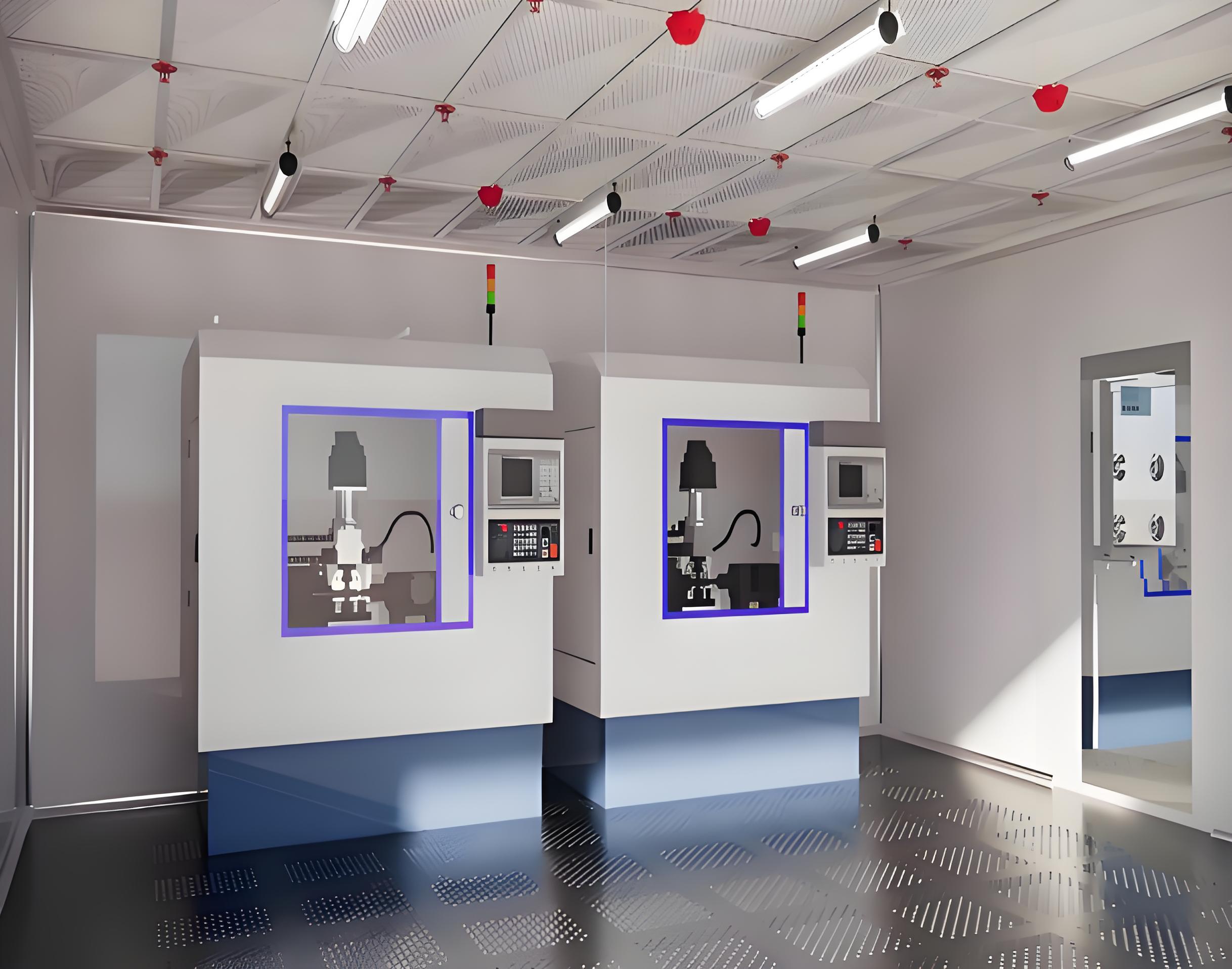
In the high-stakes world of semiconductor and microelectronics manufacturing, invisible particles cause massive financial losses. A single speck of dust can ruin a microchip or degrade the performance of a printed circuit board (PCB). This is where Electronic purification engineering becomes the backbone of modern technology. It defines the infrastructure required to control contamination, temperature, humidity, and static electricity.
Manufacturers rely on precise engineering to create environments where innovation can thrive without interference. Companies like TAI JIE ER understand that building these spaces requires more than just installing filters. It demands a holistic approach to architectural design, airflow dynamics, and material selection.
This article explores the technical standards, design methodologies, and operational strategies essential for successful cleanroom construction in the electronics sector.
Electronic purification engineering is a specialized branch of construction and HVAC design focused on creating controlled environments for electronic production. Unlike pharmaceutical cleanrooms, which prioritize microbial control, electronic cleanrooms focus heavily on particulate matter and electrostatic discharge (ESD).
The primary goal is improving yield rates. When you reduce airborne contaminants, you directly increase the number of usable products coming off the production line.
Engineers must calculate airflow patterns to ensure particles are constantly swept away from sensitive product zones. This requires integrating complex mechanical systems into the building’s architecture seamlessly.
To achieve a functional cleanroom, the engineering team focuses on four main pillars:
Particulate Control: Removing dust, skin cells, and fibers from the air.Temperature Stability: Preventing thermal expansion or contraction of microscopic components.Humidity Regulation: Preventing corrosion (too wet) or static buildup (too dry).Static Control: Eliminating ESD that can fry sensitive circuits instantly.
A robust system relies on several critical components working in harmony. If one part fails, the entire cleanroom classification can be compromised.
The heart of Electronic purification engineering lies in its filtration capability. Engineers typically employ HEPA (High-Efficiency Particulate Air) or ULPA (Ultra-Low Penetration Air) filters.
HEPA Filters: Capture 99.97% of particles aged 0.3 microns.ULPA Filters: Capture 99.999% of particles aged 0.12 microns.
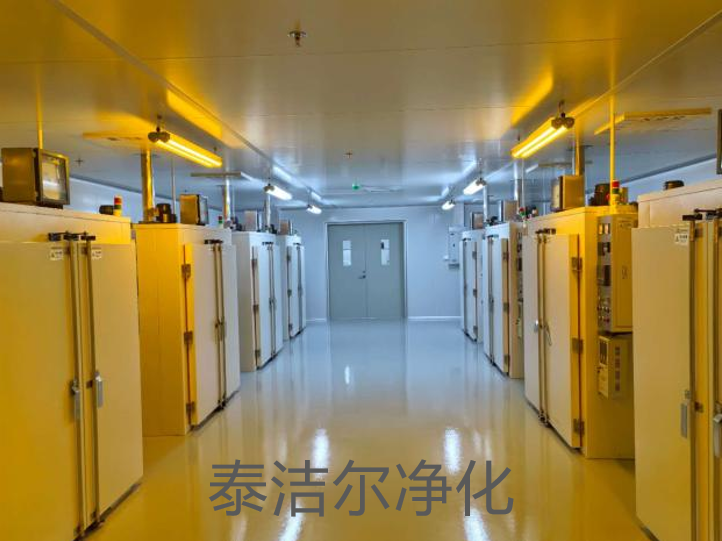
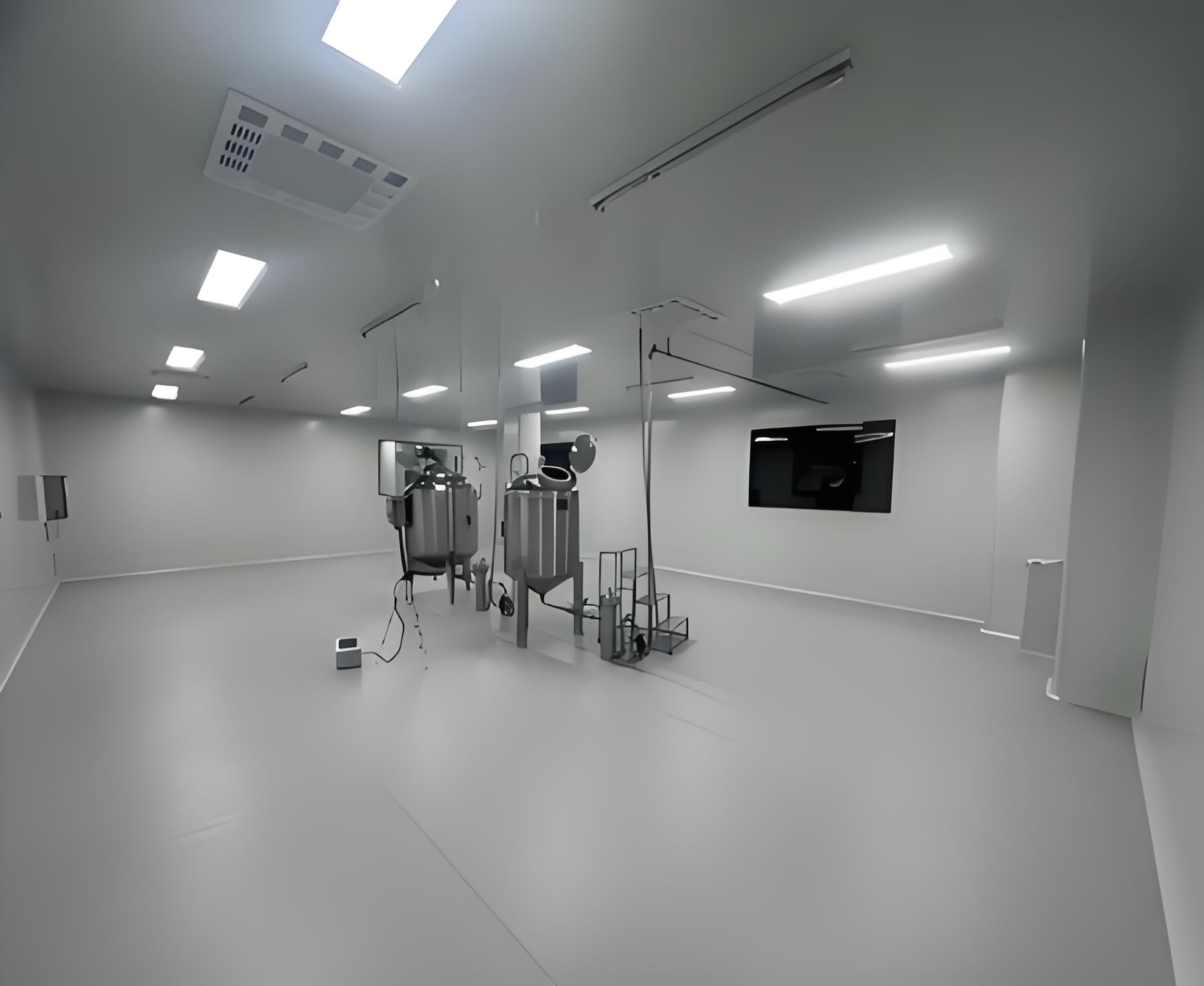
These filters are often housed in Fan Filter Units (FFUs) located in the ceiling. They push clean air downward in a laminar flow pattern, forcing contaminants toward floor-level return vents.
Static electricity is a silent killer in electronics manufacturing. Standard flooring materials generate static when people walk on them.
In Electronic purification engineering, we use conductive or dissipative flooring. This channels static electricity safely into the ground rather than letting it discharge onto a wafer or chip. Wall panels must also be anti-static and non-shedding. They should not release particles when cleaned or bumped.
TAI JIE ER often emphasizes the importance of seamless wall panel integration to prevent dust accumulation in joints, ensuring the physical structure supports the purification goals.
You cannot discuss this field without referencing ISO 14644 standards. These global benchmarks dictate how clean a room must be to qualify for specific manufacturing processes.
Different electronic components require different levels of cleanliness. Over-designing a room wastes energy, while under-designing leads to product failure.
ISO Class 1-3: Required for advanced semiconductor wafer fabrication. The air here is cleaner than almost anywhere else on Earth.ISO Class 4-5: Common for lithography and micro-component assembly.ISO Class 6-8: Used for PCB assembly, SMT (Surface Mount Technology), and final packaging.
Electronic purification engineering projects must begin with a clear definition of the target ISO class. This decision dictates the air change rates (ACR). For an ISO Class 5 room, the air might need to change 240 to 480 times per hour. For Class 8, 10 to 25 times might suffice.
Creating a barrier against the outside world involves physics. Engineers use positive pressure to keep contaminants out.
The cleanroom maintains a higher air pressure than the surrounding corridors. When a door opens, air blows out, preventing dirty air from rushing in.
The flow of air determines how effectively particles are removed.
Unidirectional (Laminar) Flow: Air moves in straight lines from ceiling to floor. This is expensive but necessary for ISO Class 1-5. It prevents cross-contamination between workstations.Non-Unidirectional (Turbulent) Flow: Clean air mixes with room air to dilute contamination. This is cost-effective and standard for ISO Class 6-8 environments.
Expertise in Electronic purification engineering ensures that dead zones—areas where air creates stagnant pockets—are eliminated. Stagnant air allows dust to settle on products.
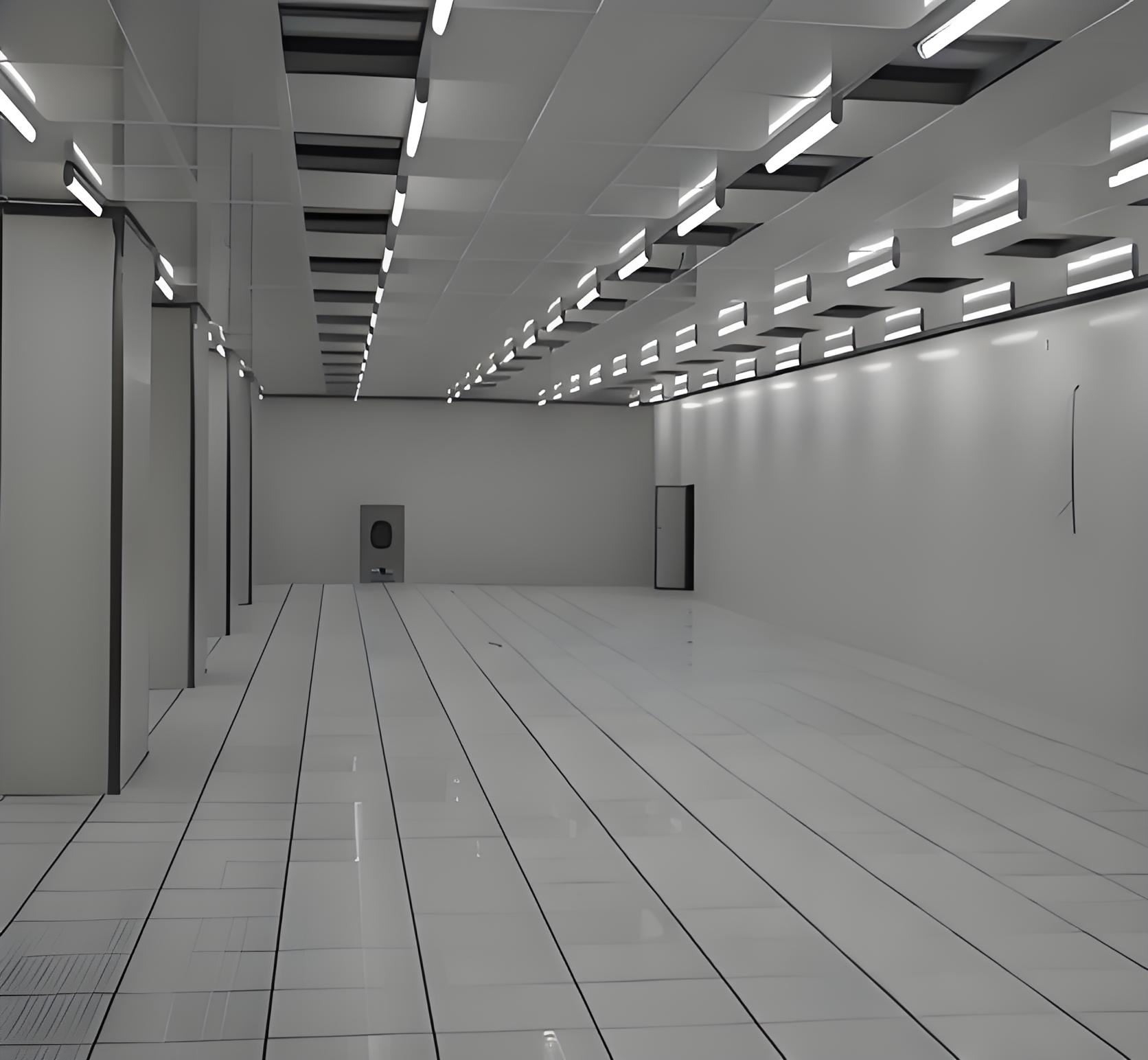
Building a cleanroom differs vastly from standard commercial construction. The sequence of installation matters immensely.
Construction begins with sealing the building envelope. Once the area is sealed, workers must follow strict cleanliness protocols even before the filtration system turns on. This "clean build" protocol prevents dust from getting trapped behind walls or inside ducts.
Ductwork requires rigorous cleaning before installation. Any oil or debris left inside the ducts will eventually blow into the cleanroom, ruining the certification process. Brands like TAI JIE ER prioritize project management during this phase to ensure that the transition from dirty construction to clean operation is smooth.
Every material inside the room must be scrutinized.
Ceiling Grids: Must support heavy FFUs and lighting without bending.Doors: High-speed roll-up doors or interlocked doors prevent pressure loss.Sealants: Must be low-outgassing. Standard silicones release chemicals that fog lenses or corrode copper.
Cleanrooms are energy-intensive. They run 24/7, moving massive volumes of air and conditioning it to precise temperatures. Reducing the carbon footprint is now a major priority.
Modern designs incorporate VFDs on fan motors. Instead of running at 100% speed constantly, the system adjusts based on real-time particle sensors. If the room is clean and no workers are present, the fans slow down.
This creates massive savings. Electronic purification engineering is not just about making air clean; it is about making cleanliness affordable.
Because cleanrooms exhaust large amounts of conditioned air to remove fumes, they lose heat (or cool air). Heat recovery coils capture this energy and transfer it to the incoming fresh air. This reduces the load on chillers and heaters.
A perfectly engineered room will fail without proper usage. Human behavior is the largest source of contamination in any clean environment.
Operators must wear "bunny suits" designed to trap skin and hair. The gowning process follows a strict order:
Shoe covers.Hairnets.Hoods.Coveralls.Gloves.
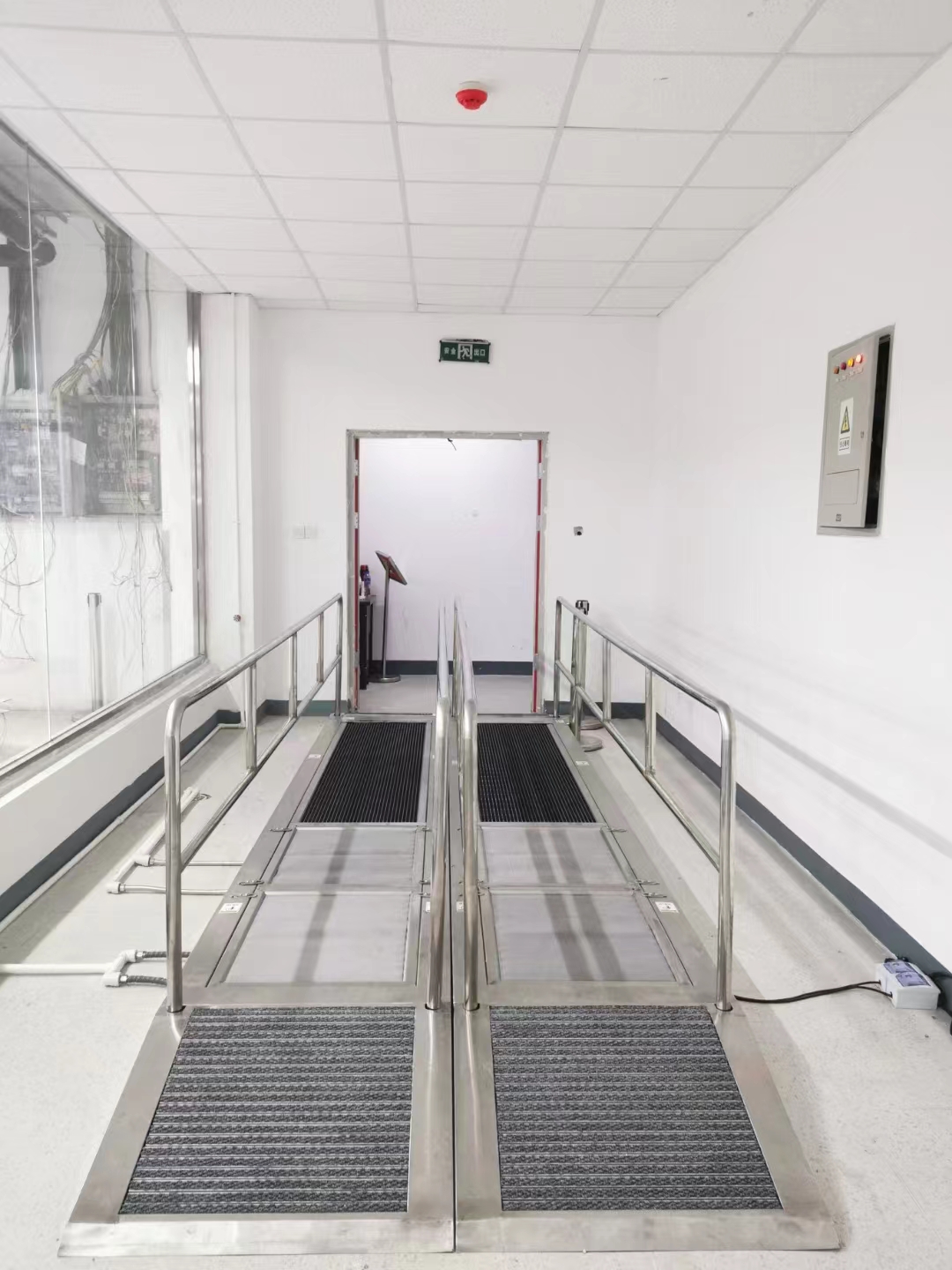
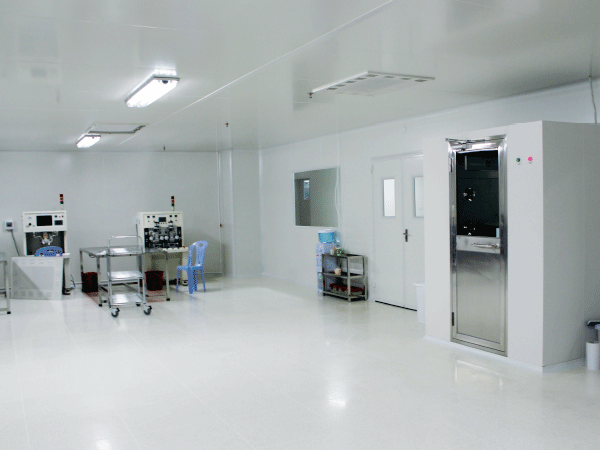
Electronic purification engineering includes the design of the gowning room (anteroom). These rooms act as airlocks. They use air showers—high-velocity jets of air—to blow loose particles off workers before they enter the main production floor.
Sensors monitor pressure, humidity, and particle counts continuously. However, third-party certification is required annually or semi-annually.
Testing involves:
Particle count tests: Verifying ISO classification.Air pressure cascade tests: Ensuring air flows from clean to less clean areas.Filter integrity tests: Checking for leaks in HEPA media.
The electronics industry shrinks components every year. As transistors get smaller, the definition of "clean" becomes stricter.
Electronic purification engineering is adapting by using molecular filtration. Traditional HEPA filters catch solids, but they miss gases. Volatile Organic Compounds (VOCs) can damage sensitive wafers. Chemical filters are now standard in high-end semiconductor fabs to remove these airborne molecular contaminants (AMC).
Automation is another shift. Robots generate fewer particles than humans. Cleanroom designs now accommodate automated material handling systems (AMHS) on the ceiling, requiring stronger grids and different airflow calculations.
Additionally, modular cleanrooms are gaining popularity. These prefabricated units allow manufacturers to expand quickly. TAI JIE ER and similar industry leaders are likely to see increased demand for these flexible, rapid-deployment solutions.
The reliability of the smartphone in your pocket or the computer on your desk depends directly on the quality of the environment in which it was built. Electronic purification engineering provides the shield that protects technology from the chaos of the natural world.
From strict ISO standards to advanced airflow dynamics and energy-saving strategies, this engineering discipline combines physics, architecture, and mechanical design. It is a precise science where there is no room for error.
For manufacturers, choosing the right partner to execute this vision is vital. Whether working with specialized firms like TAI JIE ER or internal teams, the focus must remain on precision, compliance, and efficiency. As electronics continue to evolve, the engineering behind their production environments will remain the unsung hero of the digital age.
Q1: What is the biggest difference between an electronic cleanroom and a pharmaceutical cleanroom?
A1: The primary difference lies in the target contaminant. Electronic purification engineering targets non-living particulate matter (dust) and electrostatic discharge (ESD) to prevent product defects. Pharmaceutical cleanrooms focus on killing living microorganisms (bacteria, viruses) to prevent biological contamination, often requiring chemical sterilization that electronic rooms do not need.
Q2: How often should HEPA filters be replaced in an electronics manufacturing facility?
A2: HEPA filters typically last between 3 to 5 years, depending on the air quality of the intake air and the effectiveness of the pre-filters. In Electronic purification engineering, we use pressure gauges to monitor filter load. When the pressure drop across the filter exceeds a certain limit, it is time to replace it to maintain energy efficiency and airflow.
Q3: Can we upgrade an existing standard room into a cleanroom?
A3: Yes, but it is challenging. You must seal all windows, replace ceiling tiles with non-shedding materials, and install a dedicated HVAC system with HEPA filtration. Often, the existing ductwork is insufficient for the high air change rates required. Building a "room within a room" (modular cleanroom) is often a more cost-effective solution for existing buildings.
Q4: Why is humidity control so critical in electronic purification engineering?
A4: Humidity control serves two purposes. High humidity causes corrosion on metal parts and can cause circuits to short. Low humidity increases the risk of Static Electricity (ESD), which can destroy microchips. Engineers aim for a "sweet spot," typically between 40% and 50% relative humidity, to balance these risks.
Q5: How does the "air change rate" affect the cost of the project?
A5: The air change rate (ACR) drives the size of the fans, chillers, and filters. A higher ACR (e.g., for ISO Class 5) requires more equipment and consumes significantly more electricity. Electronic purification engineering seeks to optimize this rate—providing enough air to meet cleanliness standards without over-sizing the system, which unnecessarily drives up initial construction costs and long-term operational bills.