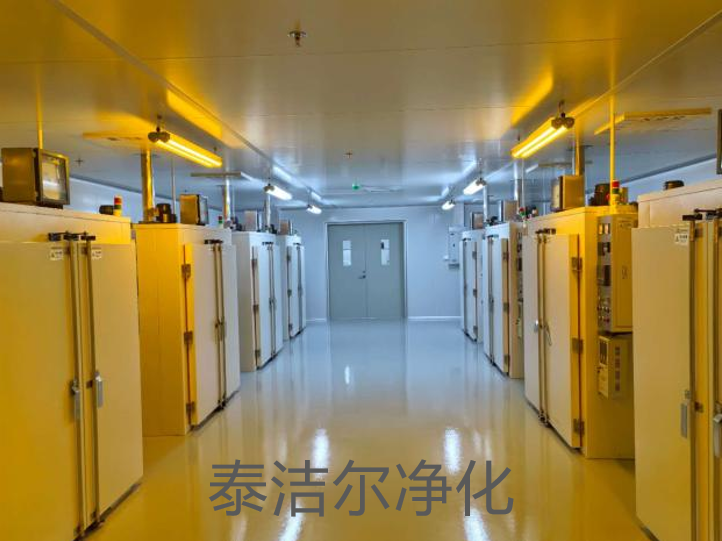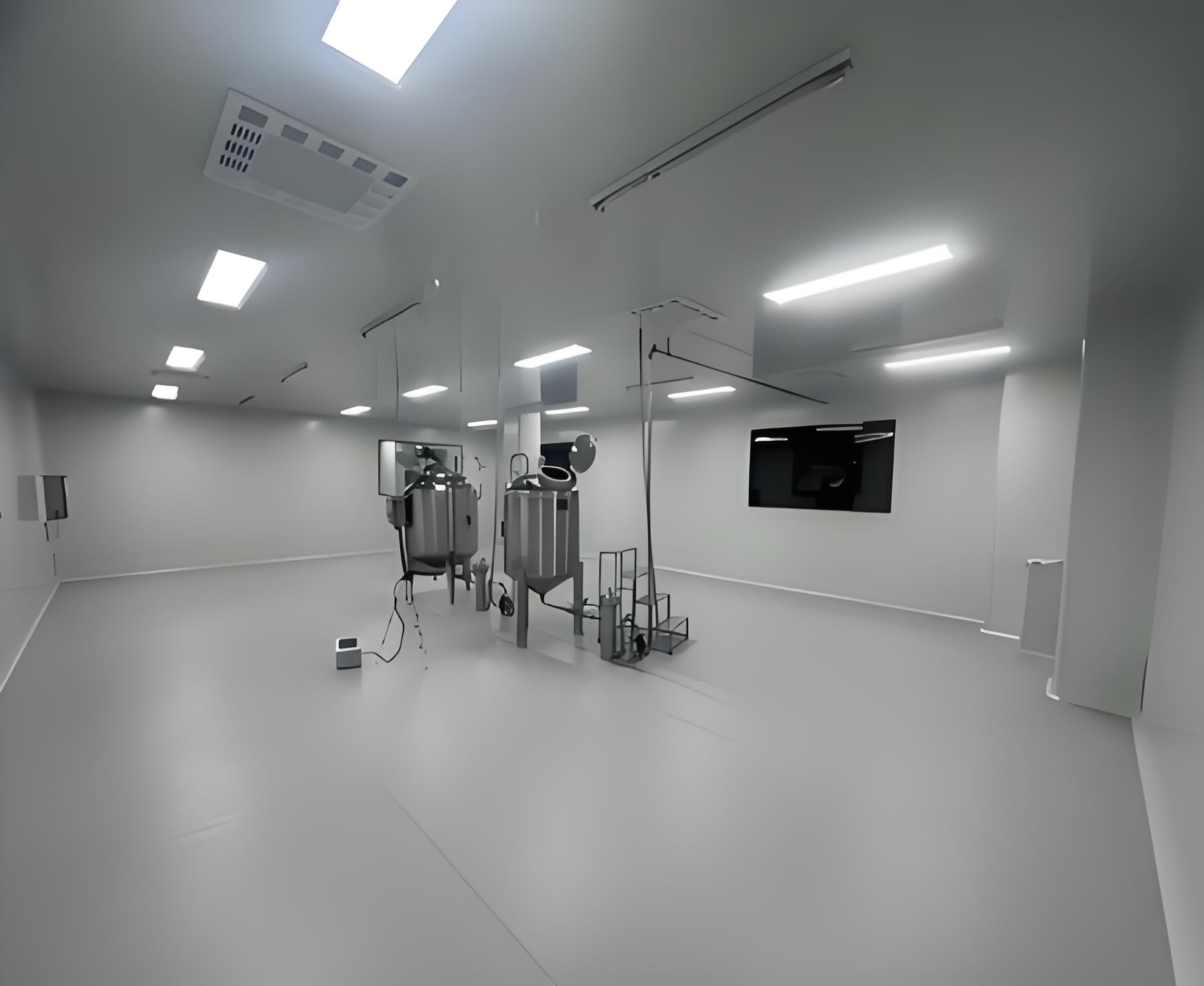

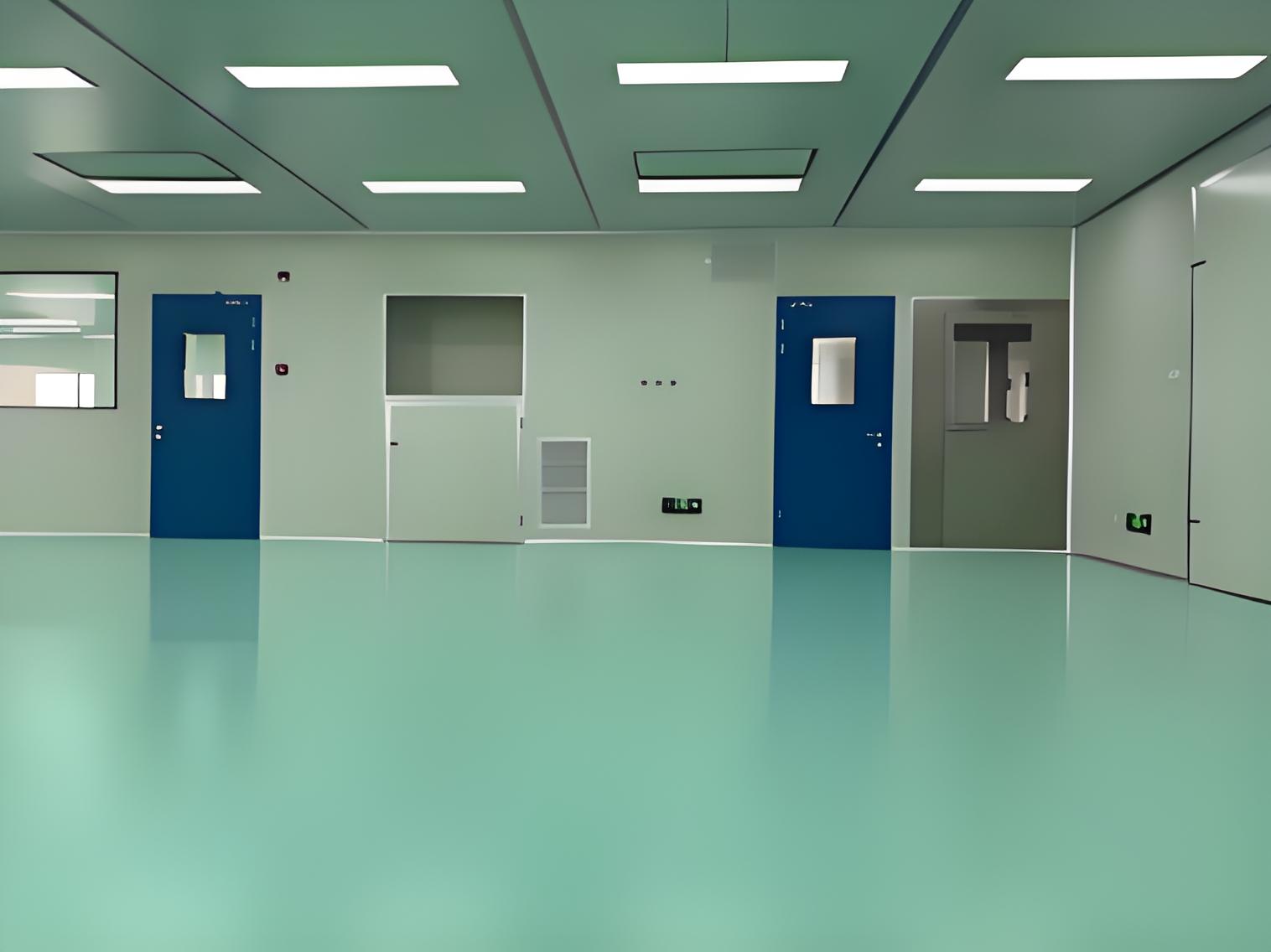
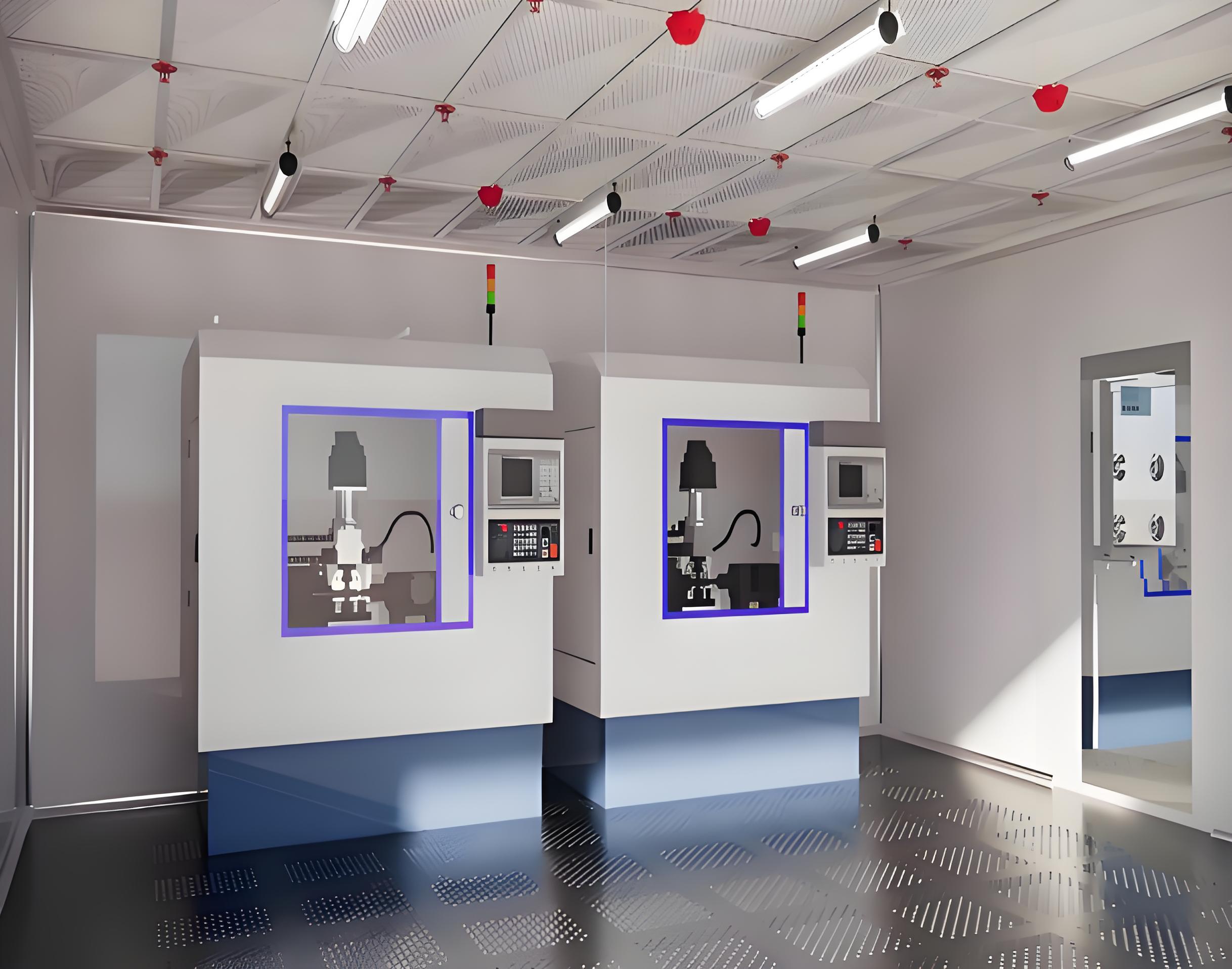
In the high-stakes world of semiconductor and microelectronics manufacturing, invisible particles are the biggest threat to profitability. A single speck of dust can destroy a microchip, leading to massive yield losses. This is where Electronic purification engineering becomes the backbone of modern production. It is not just about keeping a room clean; it is about controlling the entire environment—temperature, humidity, electrostatic discharge (ESD), and airborne molecular contamination.
For companies aiming to compete globally, understanding the nuances of Electronic purification engineering is mandatory. Whether you are upgrading an existing facility or building a new wafer fabrication plant, the engineering precision applied to your cleanroom directly correlates to your product quality. At TAI JIE ER, we have observed that facilities neglecting rigorous Electronic purification engineering standards often face 15% to 20% lower yield rates compared to those that prioritize them.
This article breaks down the technical, financial, and operational aspects of Electronic purification engineering, providing a roadmap for facility managers and technical directors.
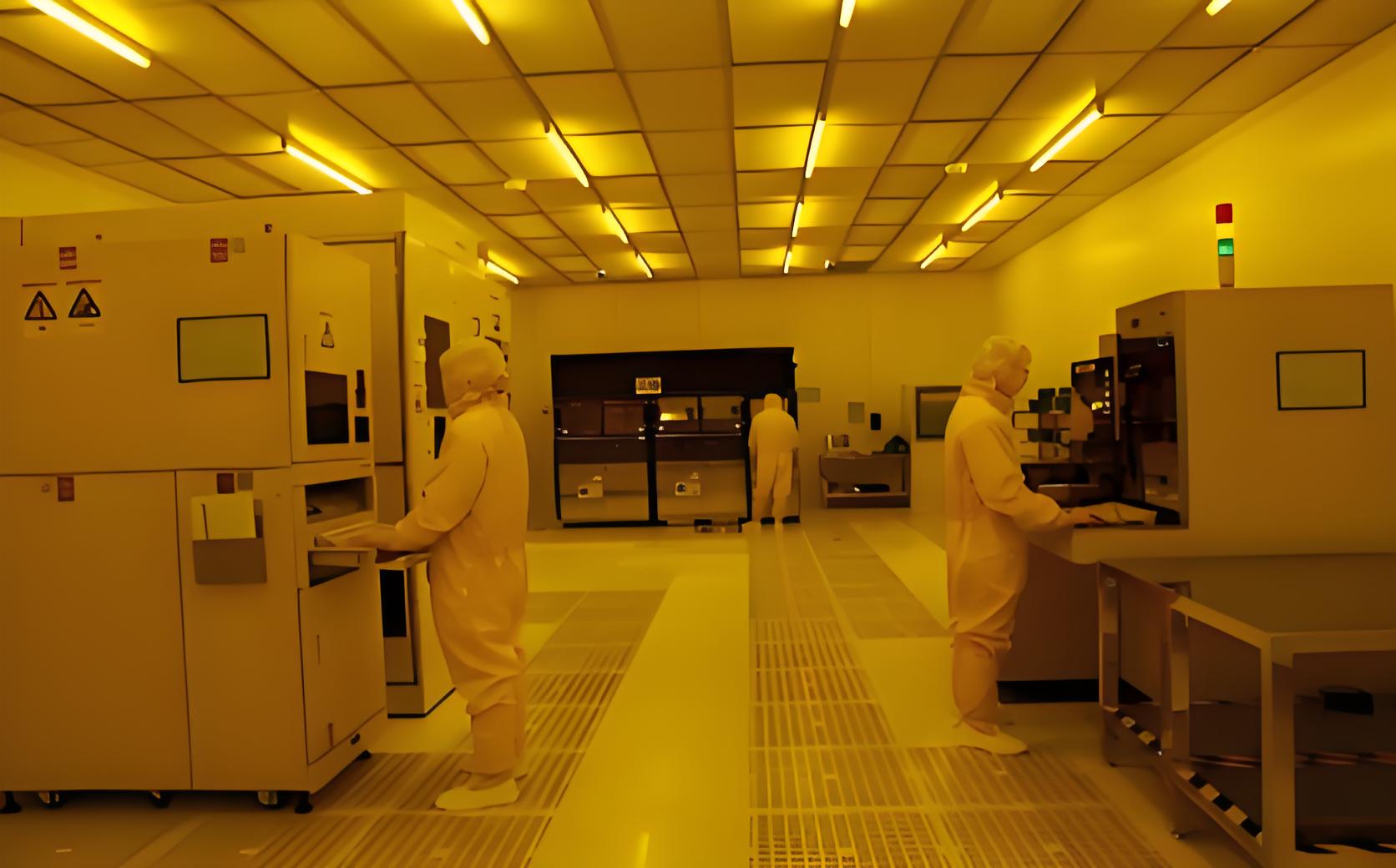
The primary goal of Electronic purification engineering is yield enhancement. In electronics, specifically in photolithography and wafer etching, particle size matters. As nodes shrink to 5nm and 3nm, the definition of "clean" changes. Electronic purification engineering must now address particles smaller than 0.1 microns.
Standard HVAC systems cannot handle this. Electronic purification engineering utilizes specialized filtration logic. It creates a pressure differential that forces air out of the clean zone, preventing untreated air from entering. If your Electronic purification engineering design fails to maintain positive pressure, external contaminants will infiltrate the process instantly.
Furthermore, Electronic purification engineering manages airflow patterns. Laminar flow is essential. Turbulence causes particles to linger rather than being swept into return air ducts. A successful Electronic purification engineering project ensures that air moves in a uniform direction and velocity, washing away contaminants effectively.
A robust system relies on hardware integration. Electronic purification engineering is a composite of several critical technologies working in unison.
The heart of Electronic purification engineering is the Fan Filter Unit (FFU). These units typically use ULPA (Ultra-Low Penetration Air) filters rather than standard HEPA filters. In Electronic purification engineering, we specify filtration efficiency of 99.9995% at 0.12 microns for ISO Class 3 and 4 environments.
Static electricity attracts dust. This is a unique challenge in Electronic purification engineering compared to pharmaceutical cleanrooms. Conductive flooring, ionization bars, and grounded wall systems are non-negotiable. Electronic purification engineering designs must incorporate a continuous ground path to dissipate static charges before they damage sensitive components.
Advanced Electronic purification engineering now accounts for chemical vapors. Acids, bases, and organics can corrode wafers. Therefore, Electronic purification engineering involves chemical filtration stages, often using activated carbon or chemically impregnated media to neutralize molecular threats.
Many facility managers confuse general cleanroom standards with Electronic purification engineering. The distinction is vital for cost and performance.
Biological cleanrooms focus on living organisms—bacteria and viruses. They require heavy sterilization capabilities. In contrast, Electronic purification engineering focuses on non-living particulates and static. You do not need daily chemical washdowns in an electronics plant, but you do need aggressive humidity control.
In Electronic purification engineering, humidity is kept precise (often ±2% RH) to prevent static (if too dry) or metal corrosion (if too wet). Biological cleanrooms rarely demand this level of tight tolerance. Understanding this helps in budget allocation. You should not pay for pharmaceutical-grade sterilization features when investing in Electronic purification engineering; instead, spend that budget on better airflow control and ESD materials.
Implementing Electronic purification engineering requires a strict adherence to ISO 14644-1 standards. The process begins with the structural shell. Electronic purification engineering dictates that walls and ceilings must be non-outgassing. Standard drywall is prohibited because it generates dust.
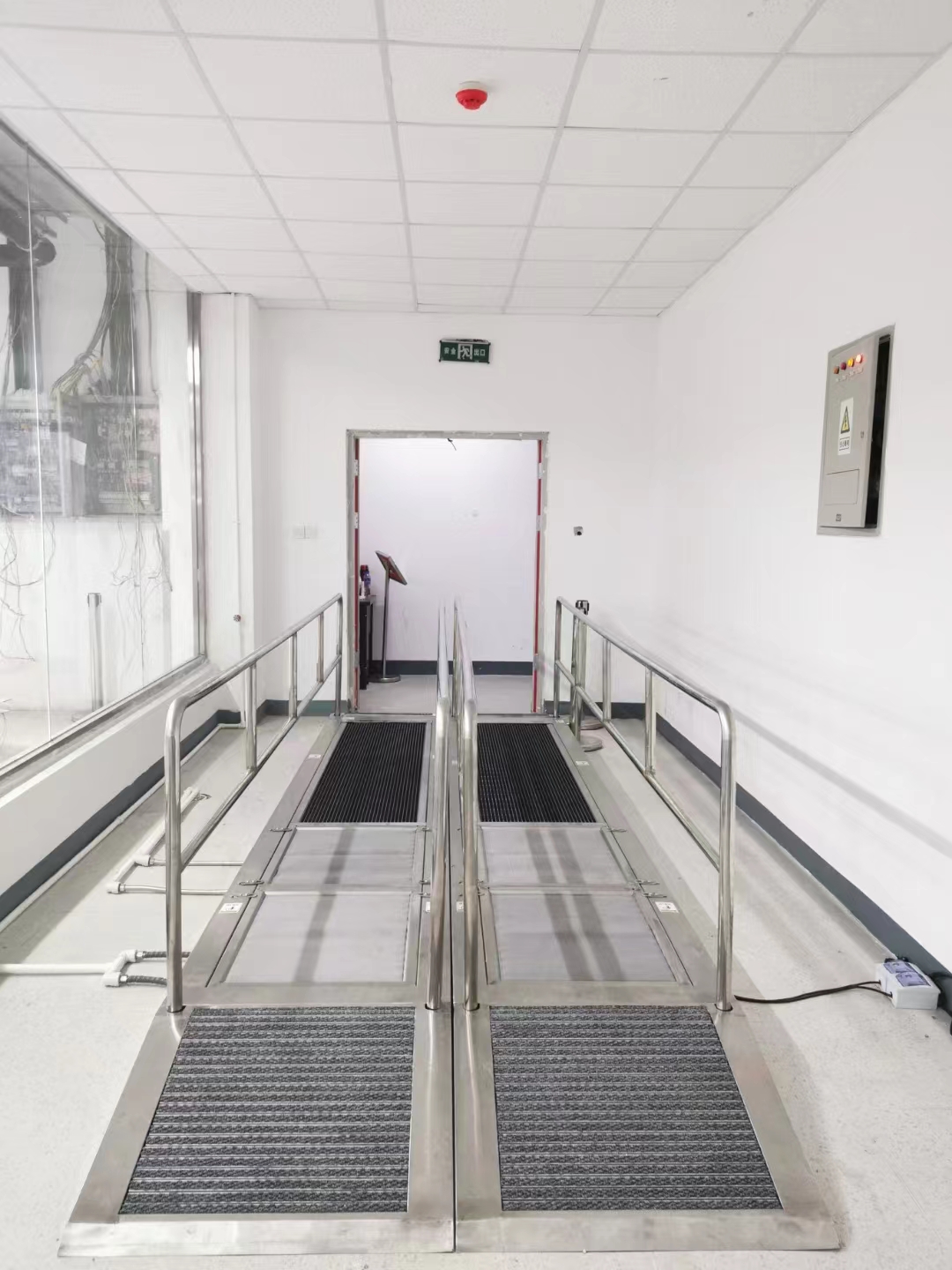
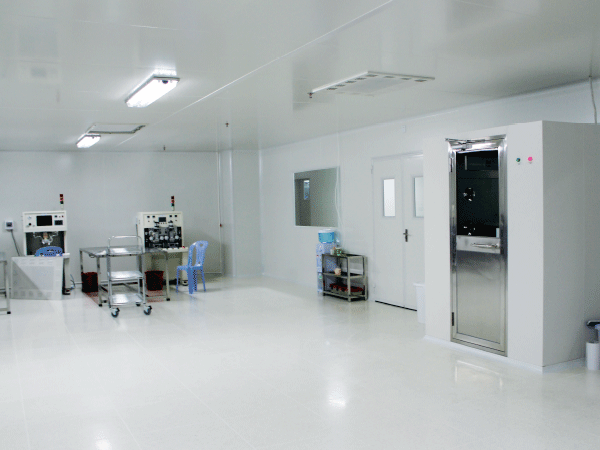
The workflow of Electronic purification engineering also covers personnel. Humans are the dirtiest element in a cleanroom. Electronic purification engineering designs include air shower systems and gowning rooms that act as airlocks. These transition zones are critical. If the Electronic purification engineering layout does not force proper protocol (e.g., interlocked doors), the cleanroom integrity is compromised.
TAI JIE ER emphasizes that Electronic purification engineering is dynamic. It requires real-time monitoring. Particle counters installed at critical process points feed data back to the central control system. If a spike is detected, the Electronic purification engineering system should automatically ramp up FFU speed to flush the area.
Cost is always a friction point. Electronic purification engineering is capital intensive. However, separating CapEx (Capital Expenditure) from OpEx (Operational Expenditure) reveals long-term value.
High-end Electronic purification engineering can cost between $500 to $2,000 per square foot, depending on the ISO class. The bulk of this goes into the air handling units and specialized flooring. Cutting corners here, such as buying cheap filters, undermines the entire Electronic purification engineering concept.
This is where smart Electronic purification engineering saves money. Cleanrooms consume massive amounts of electricity. Modern Electronic purification engineering utilizes variable frequency drives (VFDs) on fans. Instead of running at 100% constant volume, the system adjusts based on active particle counts. This demand-controlled Electronic purification engineering approach can reduce energy bills by 30%.
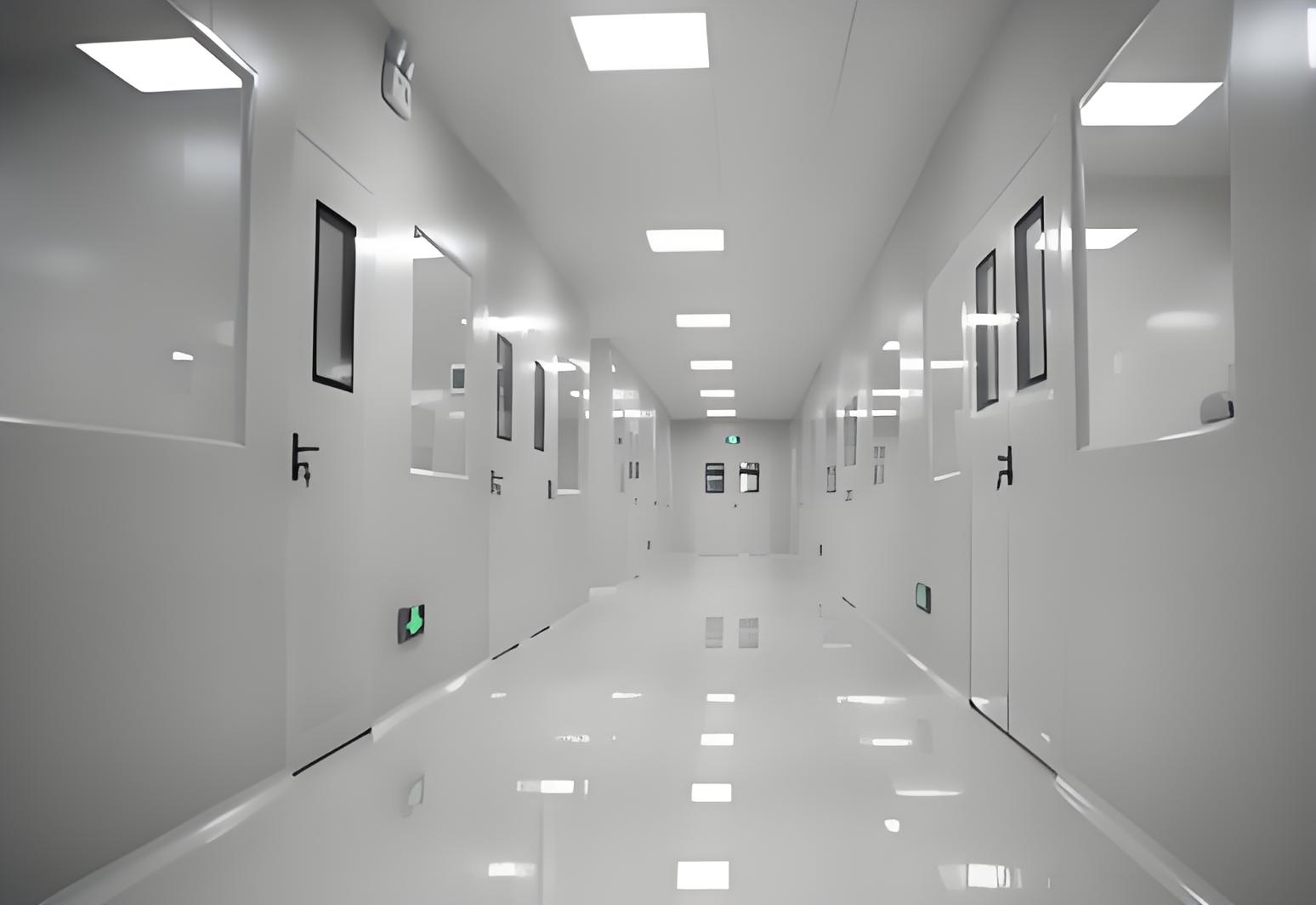
Finding a vendor for Electronic purification engineering is difficult because the market is flooded with general HVAC contractors. You need a specialist.
When evaluating a partner for Electronic purification engineering, ask about their experience with ESD flooring and AMC filtration. If they only talk about cooling and heating, they do not understand Electronic purification engineering.
TAI JIE ER positions itself as a partner that understands the intersection of construction and production physics. A supplier must offer more than installation; they must offer validation. Can they certify the room to ISO 14644 standards? Electronic purification engineering is incomplete without third-party testing and balancing (TAB).
Your supplier should also provide a maintenance schedule. Electronic purification engineering systems degrade. Filters load up, and seals dry out. A proactive maintenance plan is part of the Electronic purification engineering package.
The future of Electronic purification engineering is automation. As factories move toward "lights-out" manufacturing (no humans inside), the cleanroom requirements change. Electronic purification engineering will focus less on gowning rooms and more on micro-environments—sealing the machinery itself rather than the whole room.
Additionally, energy regulations are tightening. Electronic purification engineering must become greener. Heat recovery systems and lower-pressure-drop filters are becoming standard. TAI JIE ER is currently researching next-generation airflow designs to keep Electronic purification engineering sustainable without sacrificing cleanliness.
Electronic purification engineering is a discipline of precision. It is the barrier between a functional microchip and a piece of scrap silicon. For manufacturers, the investment in high-quality Electronic purification engineering is an investment in yield and reputation.
From controlling static electricity to filtering out molecular contaminants, every layer of Electronic purification engineering serves a specific purpose. Ignoring these details leads to production failures. By partnering with experienced providers like TAI JIE ER, manufacturers can ensure their facilities meet the rigorous demands of modern technology.
Effective Electronic purification engineering is not just about building a clean room; it is about engineering a profitable environment.
Q1: What is the main difference between HVAC and Electronic purification engineering?
A1: Standard HVAC focuses on human comfort (temperature and oxygen), whereas Electronic purification engineering focuses on process integrity. It prioritizes particle count, pressure differentials, precise humidity control, and airflow direction to protect sensitive electronics, which standard HVAC cannot do.
Q2: How does Electronic purification engineering handle Electrostatic Discharge (ESD)?
A2: Electronic purification engineering integrates ESD control into the physical structure. This includes installing conductive or dissipative flooring, grounding wall panels, and using ionization systems in the airflow to neutralize static charges on insulated surfaces that cannot be grounded.
Q3: What ISO classes are most common in Electronic purification engineering?
A3: For general electronics assembly, ISO Class 7 or 8 is common. However, for semiconductor wafer fabrication, Electronic purification engineering must achieve ISO Class 3, 4, or 5. The lower the number, the cleaner the room and the more complex the engineering.
Q4: How often should filters be replaced in an Electronic purification engineering system?
A4: Pre-filters usually need changing every 1 to 3 months. HEPA or ULPA filters used in Electronic purification engineering can last 3 to 5 years if the pre-filtration is maintained correctly. However, pressure drops should be monitored constantly to determine the exact replacement time.
Q5: Can TAI JIE ER upgrade an existing facility to meet Electronic purification engineering standards?
A5: Yes. Retrofitting is a common part of Electronic purification engineering. We can install FFUs, upgrade flooring, and seal existing leaks to improve the ISO classification of an existing space, though a full assessment is required to determine if the existing HVAC capacity supports the upgrade.