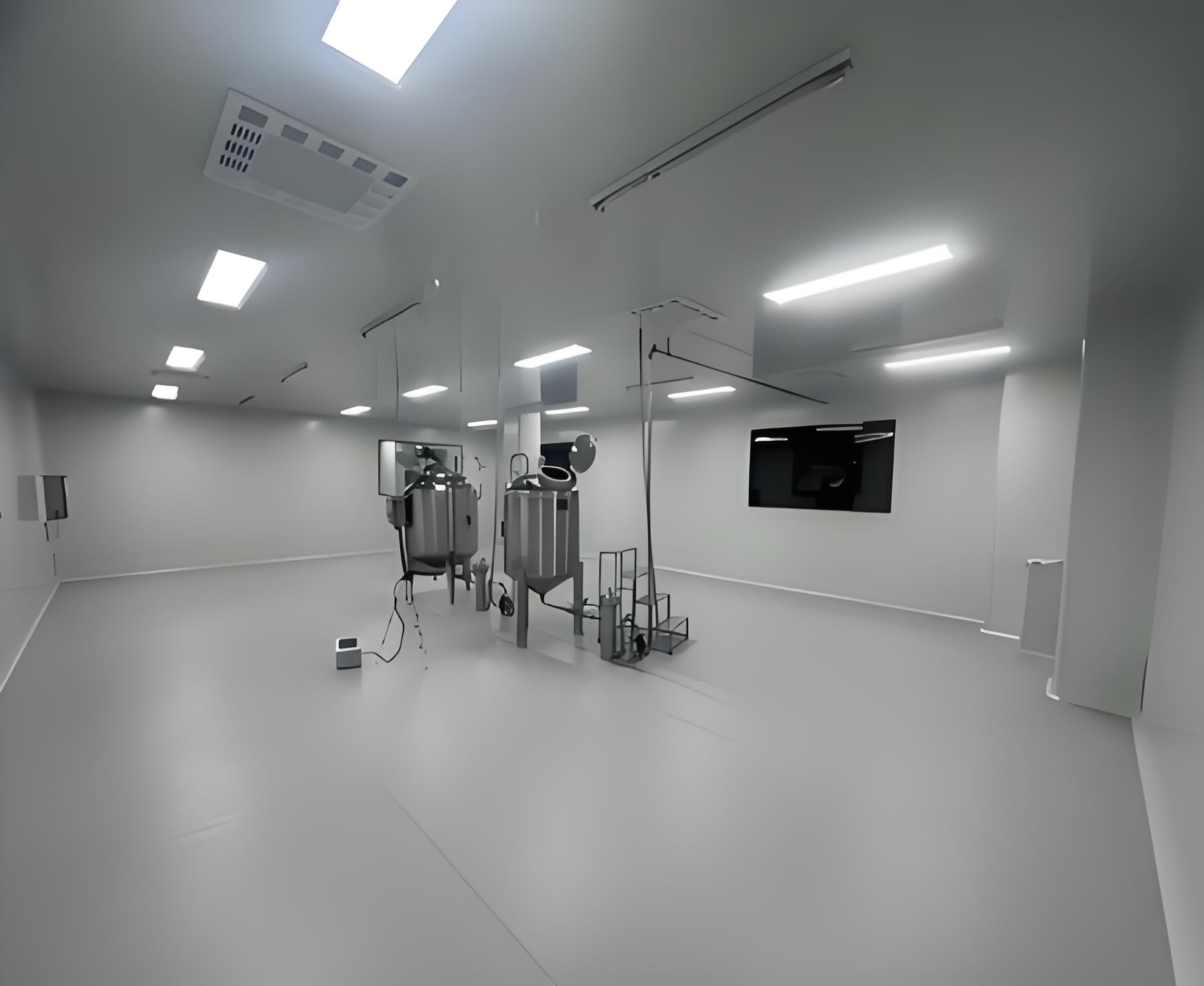
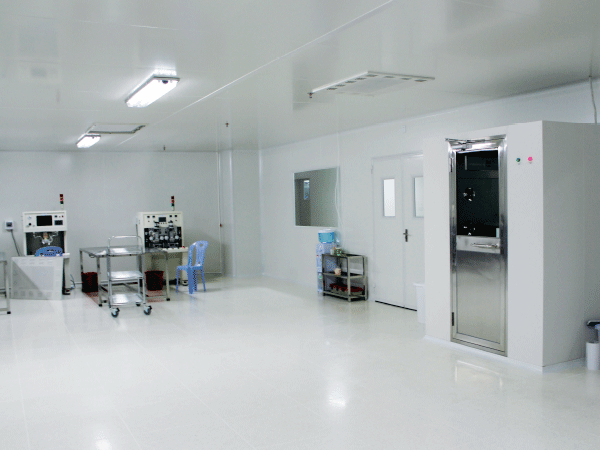

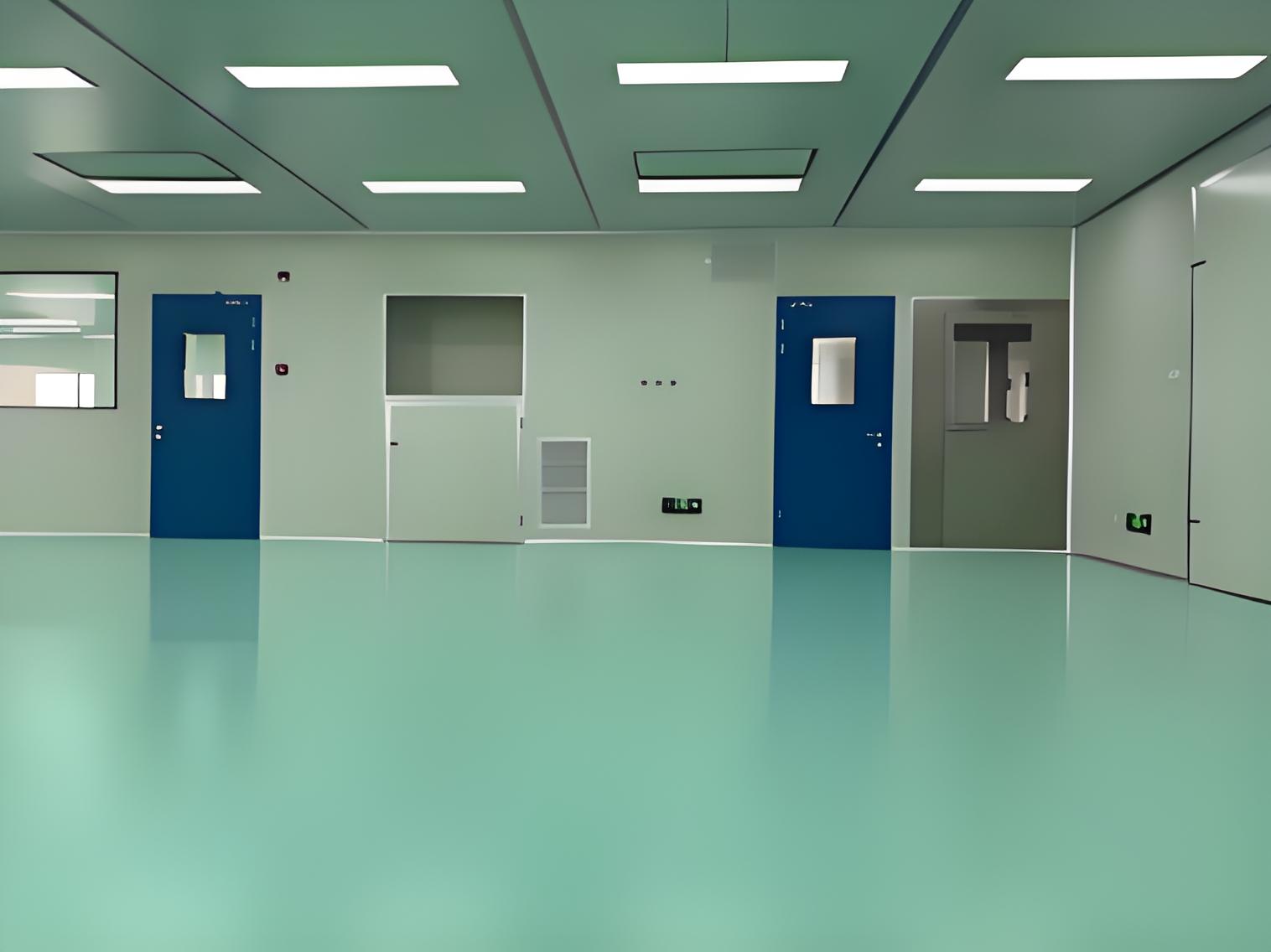
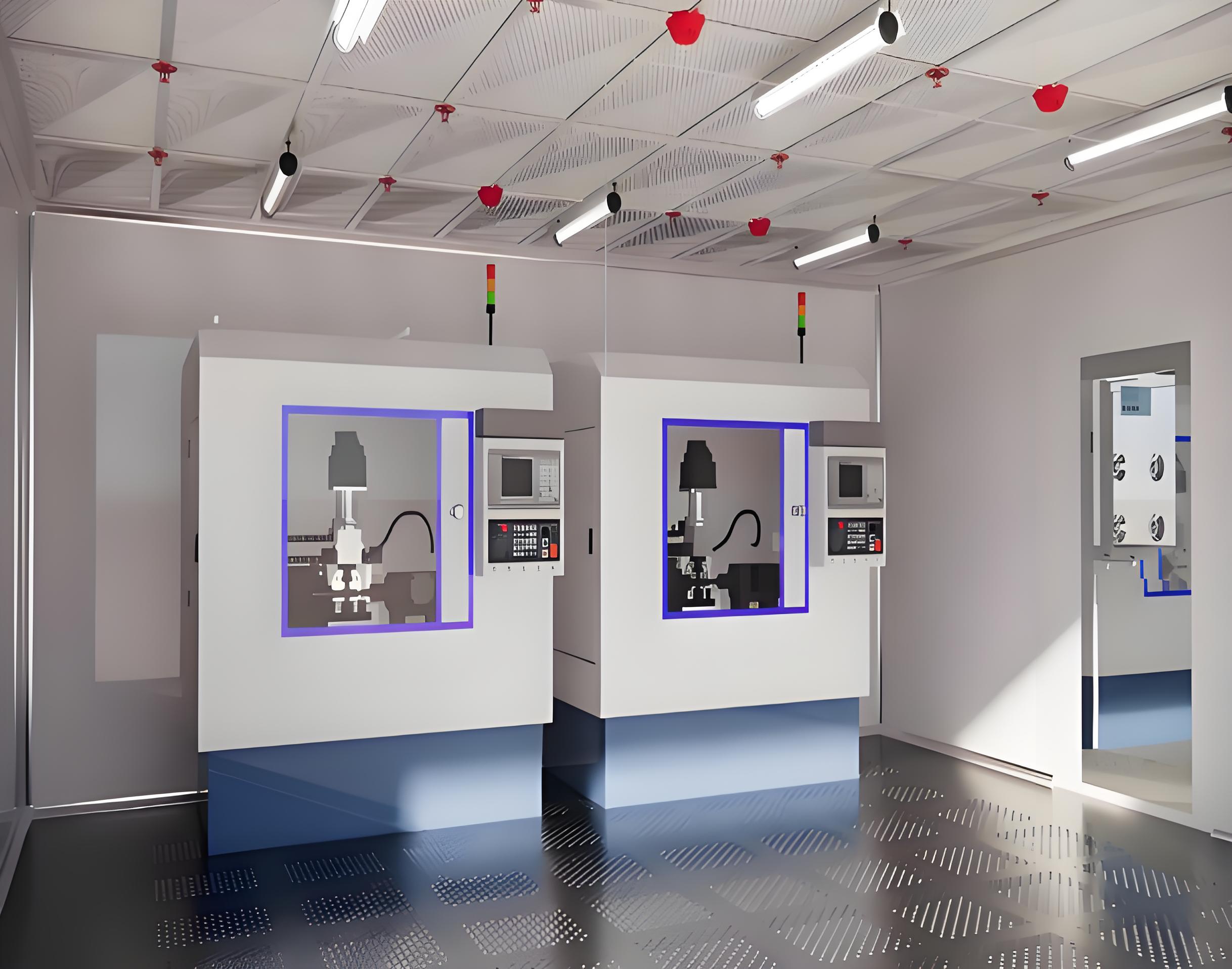
In the precision electronics industry, yield rate is everything. As Printed Circuit Boards (PCBs) become smaller and more complex, the tolerance for contamination drops to near zero. A single particle of dust can cause a short circuit, ruining a batch of high-value components. This is why investing in a professional Circuit board purification project is no longer optional; it is a fundamental requirement for manufacturing success.
Whether you are setting up a Surface Mount Technology (SMT) line or a photolithography exposure room, the environment controls the quality. A Circuit board purification project manages airborne particulates, temperature, relative humidity, and electrostatic discharge (ESD).
In this article, we will examine the standards, costs, and equipment necessary for a high-performance facility. We will also look at how industry veterans like TAI JIE ER are helping manufacturers navigate these complex engineering challenges.
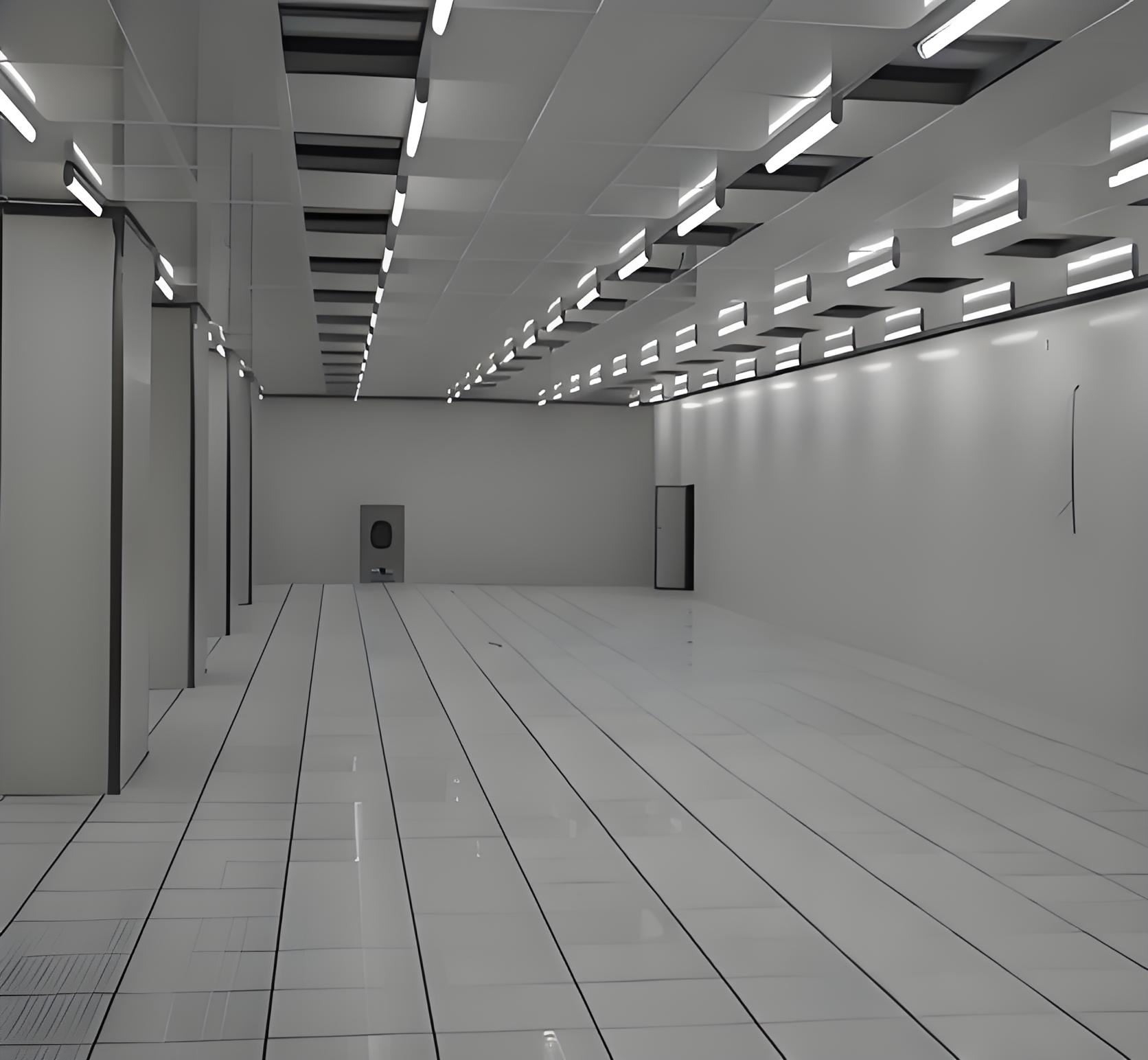
The first step in any Circuit board purification project is determining the specific needs of your production line. Not all areas of a PCB factory require the same level of cleanliness. Over-designing leads to waste, while under-designing leads to product failure.
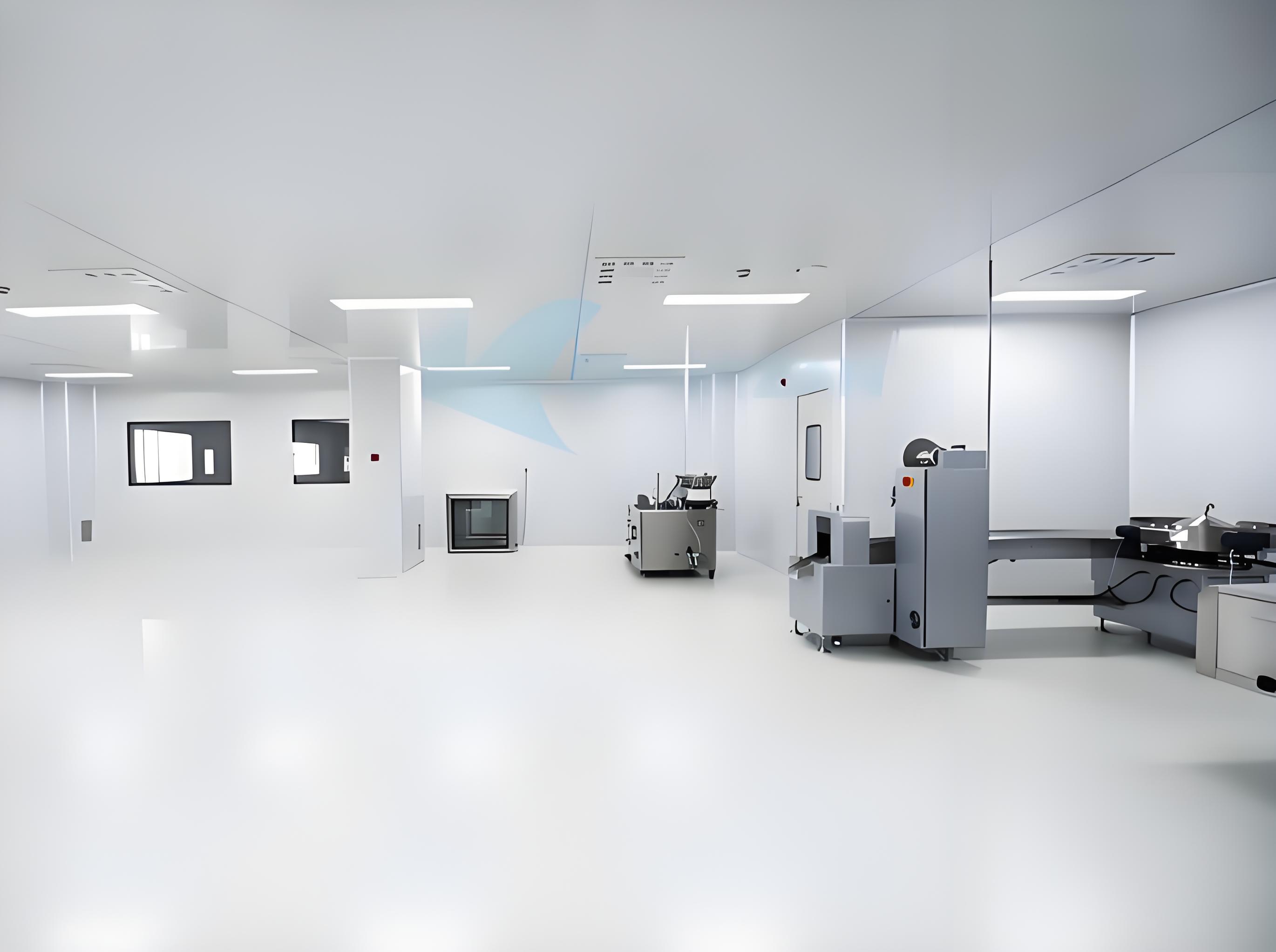
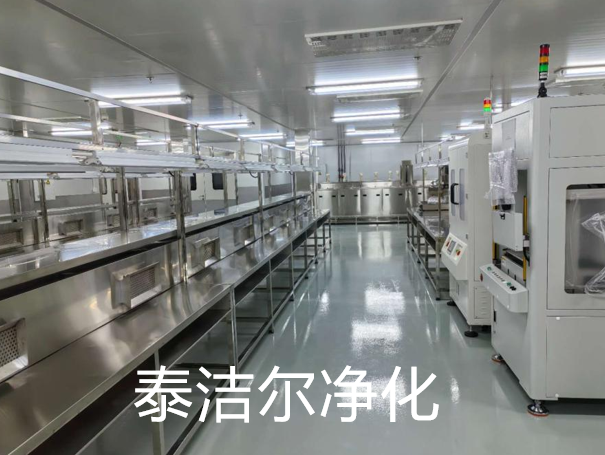
A standard Circuit board purification project is usually divided into zones. The exposure area (where circuits are printed) requires the strictest control, often ISO Class 6 (Class 1,000). The SMT and assembly lines typically fall under ISO Class 7 (Class 10,000) or ISO Class 8 (Class 100,000).
Defining these zones early in the Circuit board purification project saves money. It allows engineers to design a cascaded pressure system where air flows from the cleanest rooms to the less critical areas, preventing cross-contamination efficiently.
Unlike food or pharmaceutical cleanrooms, a Circuit board purification project has a unique enemy: Electrostatic Discharge (ESD). Static electricity can fry sensitive microchips before they are even soldered. Therefore, ESD control is a pillar of the design.
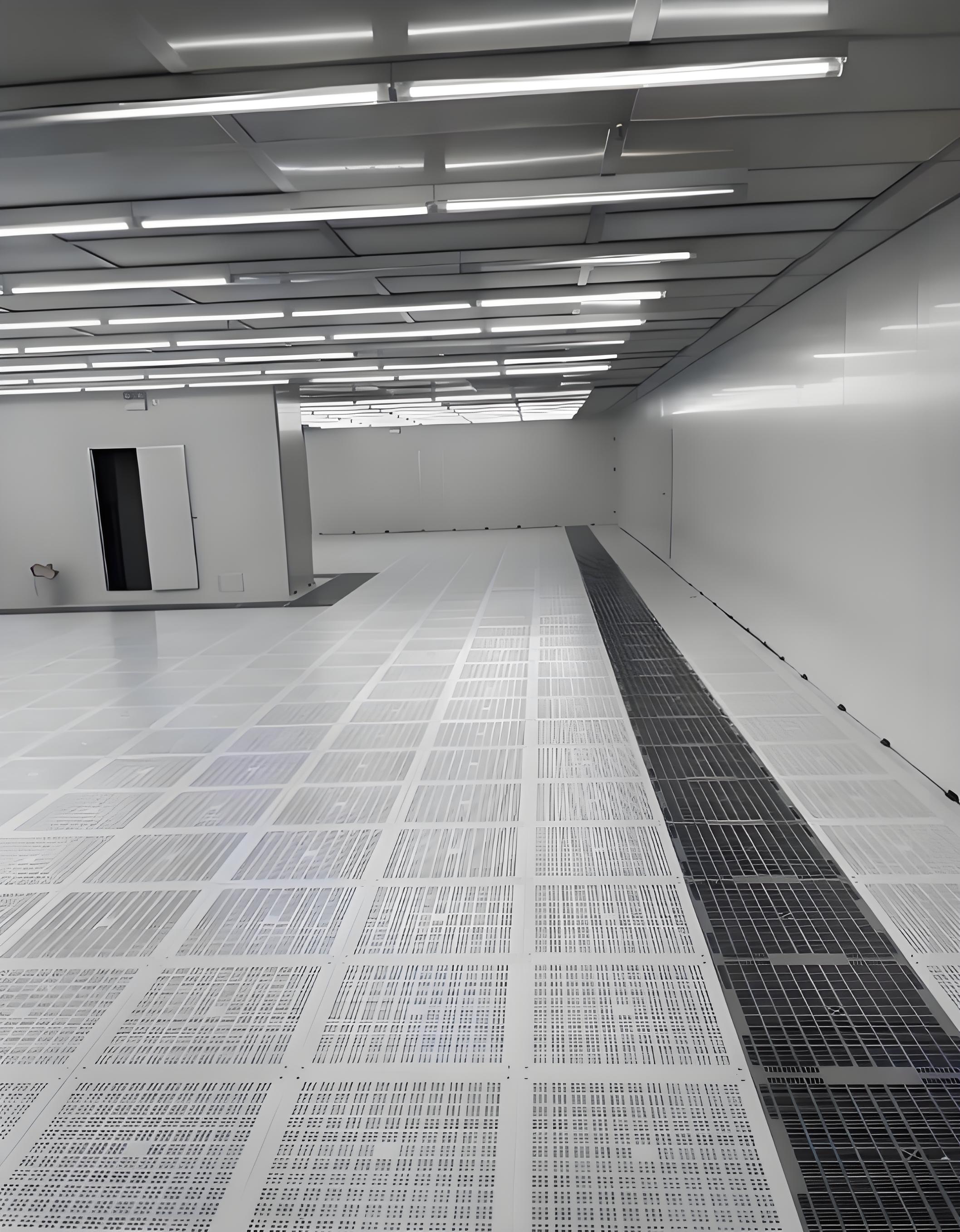
When TAI JIE ER executes a Circuit board purification project, they prioritize anti-static materials. The flooring is typically conductive PVC or anti-static epoxy self-leveling cement. These materials ground static charges generated by walking or equipment movement.
Furthermore, the wall panels in a Circuit board purification project must be anti-static. Standard cleanroom panels might hold a charge, attracting dust. Specialized ESD panels repel dust, keeping the surfaces cleaner for longer periods.
Temperature and humidity play a dual role in a Circuit board purification project. High humidity prevents static buildup but can cause oxidation on copper contacts. Low humidity reduces oxidation risks but increases static danger.
A balanced Circuit board purification project typically maintains a Relative Humidity (RH) of 45% to 60%, with a strict tolerance of ±5%. The temperature is usually kept between 22°C and 24°C for worker comfort and material stability.
Achieving this precision requires a robust HVAC system. The air handling units in your Circuit board purification project must be equipped with humidifiers and dehumidifiers that react instantly to changes in the environment.
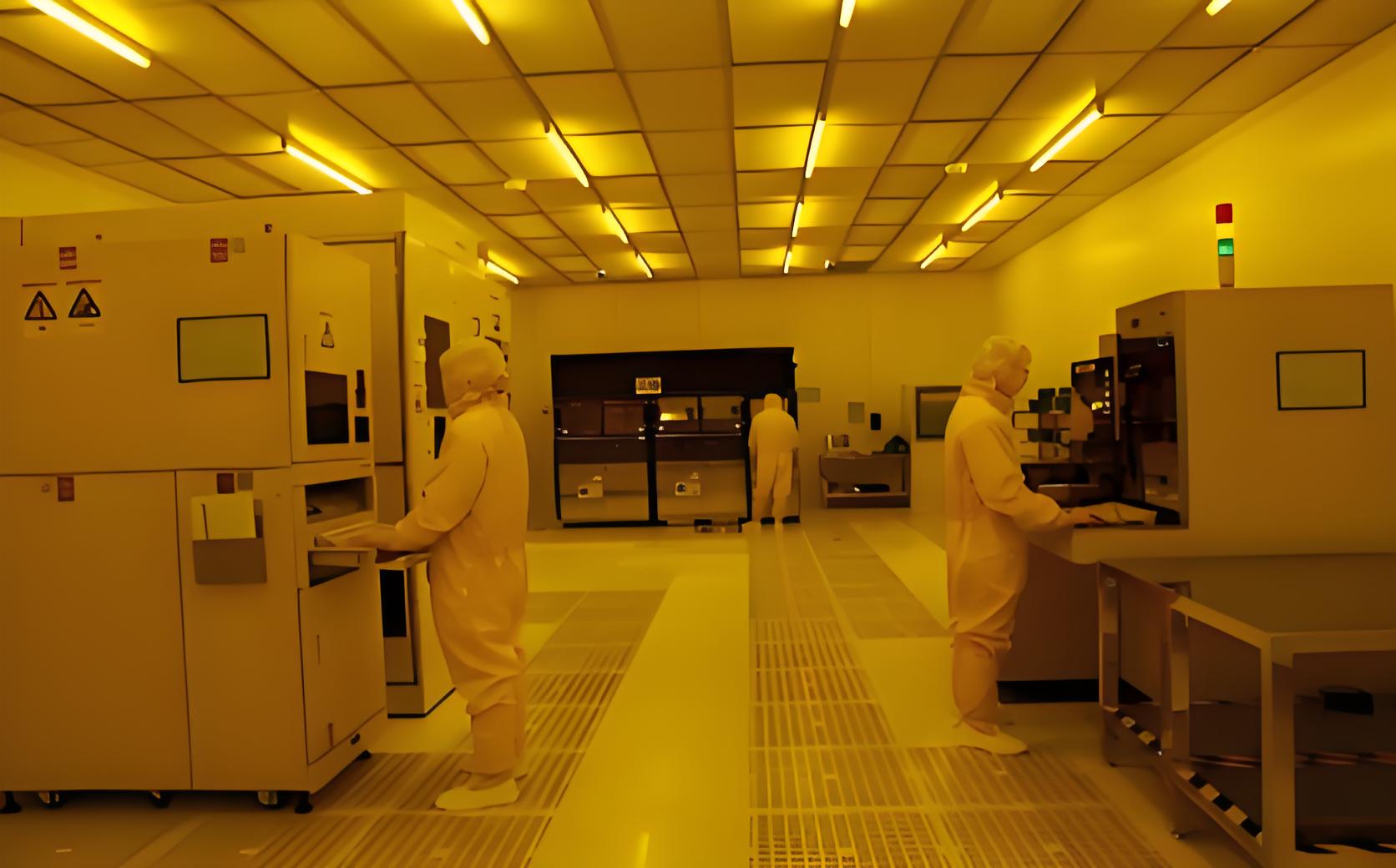
For PCB manufacturers, the photolithography process is the most sensitive stage. This requires a specialized zone within the Circuit board purification project known as the "Yellow Light Room."
UV light can damage photoresist materials. Therefore, this section of the Circuit board purification project uses special yellow LED lighting that filters out UV wavelengths.
Cleanliness here is paramount. TAI JIE ER often designs this specific area to meet ISO Class 6 standards. The Circuit board purification project design will increase the air change rate here to 50-60 changes per hour to ensure that any particles introduced by the lithography equipment are immediately flushed away.
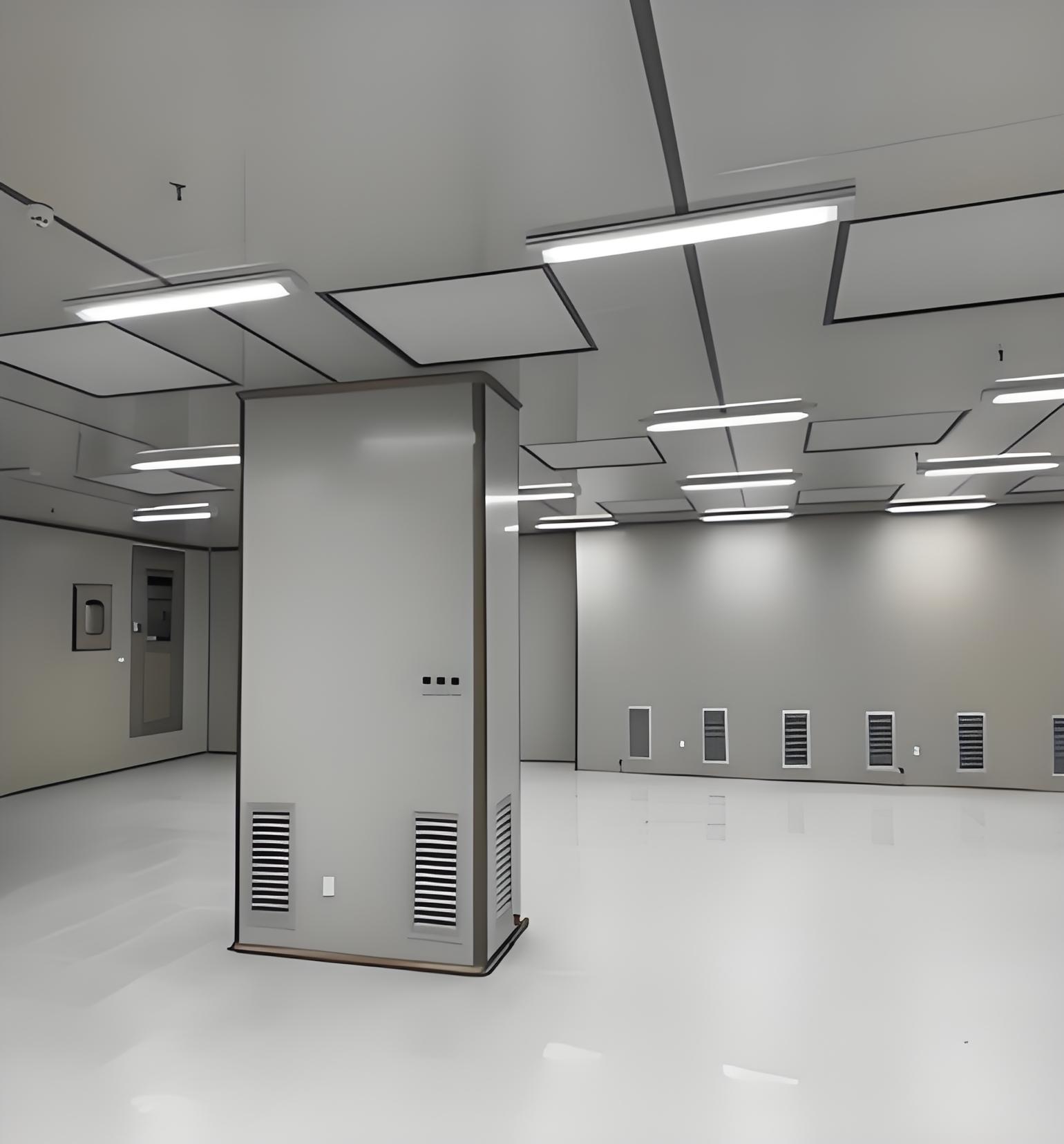
The success of a Circuit board purification project relies heavily on the hardware installed. It is not just about the walls; it is about the active filtration systems.
FFUs are the heart of the airflow system. In a Circuit board purification project, FFUs are installed in the ceiling grid. They pull air in, pass it through a HEPA filter, and push clean air down. TAI JIE ER manufactures high-efficiency FFUs that are energy-saving and low-noise, which is critical for 24/7 operations.
Before personnel enter the high-cleanliness zones of a Circuit board purification project, they must pass through an air shower. This cubicle blasts high-velocity air (20-25 m/s) to remove dust from clothing.
To minimize foot traffic, a Circuit board purification project utilizes pass boxes to transfer raw materials and finished boards between zones. This prevents the pressure loss associated with opening large doors.
Budgeting is a major concern for facility managers. The cost of a Circuit board purification project varies based on the cleanliness class and the floor area.
Generally, an ISO 7 Circuit board purification project costs 20% to 30% more than an ISO 8 project. This price difference comes from the higher density of HEPA filters and the larger HVAC capacity required to move more air.
Operating costs (OPEX) are also significant. A Circuit board purification project runs 24/7. Energy efficiency is vital. Modern designs incorporate Variable Frequency Drives (VFDs) on motors and smart control systems that lower fan speeds when the room is unoccupied.
When requesting a quote from TAI JIE ER, it is helpful to provide the exact heat load of your manufacturing equipment. This ensures the cooling capacity of the Circuit board purification project is sized correctly, avoiding expensive retrofits later.
The materials used in a Circuit board purification project must be non-shedding and easy to clean. Standard drywall is never used.
The industry standard for a Circuit board purification project is the rock wool or honeycomb sandwich panel. These offer fire resistance and thermal insulation. They are coated with anti-static paint for electronics applications.
The ceiling system in a Circuit board purification project must be strong enough to support the weight of the FFUs and lighting. It must also form an airtight seal. TAI JIE ER uses a heavy-duty aluminum alloy grid system specifically designed for cleanroom loads.
Visibility is important for management. A Circuit board purification project typically features double-glazed flush windows. These windows do not have ledges where dust can settle. Doors are steel or aluminum with drop-seals to maintain positive pressure.
Airflow physics determines the effectiveness of your Circuit board purification project. There are two main types of airflow: unidirectional (laminar) and non-unidirectional (turbulent).
For the most critical areas of a Circuit board purification project, such as the wafer exposure stage, laminar flow is used. This means air moves in straight lines from ceiling to floor, pushing particles down.
For general assembly areas in a Circuit board purification project, turbulent flow is sufficient. This mixes clean air with room air to dilute contamination levels. TAI JIE ER engineers use Computational Fluid Dynamics (CFD) to model these airflows before construction begins, ensuring no "dead zones" exist where dust can accumulate.
Building the room is only half the battle. A Circuit board purification project must be validated to prove it meets the standards.
The validation process involves:
Particle Counting: Verifying the ISO class.Air Velocity Testing: Ensuring filters are pushing enough air.Pressure Differential Testing: Confirming air flows from clean to dirty areas.Temperature/Humidity Mapping: Checking for stability.
TAI JIE ER provides comprehensive validation services. They ensure your Circuit board purification project passes all local and international inspections, providing the necessary documentation for your ISO certification audits.
Choosing a contractor for a Circuit board purification project is a strategic decision. You need a partner who understands both construction and the specific needs of electronics manufacturing.
TAI JIE ER stands out because they are an integrated manufacturer. They produce the purification equipment (air showers, clean benches, FFUs) and manage the engineering installation. This vertical integration reduces the risk of compatibility issues in your Circuit board purification project.
With over 20 years of experience, TAI JIE ER understands the strict timelines of the electronics industry. They know that a delayed Circuit board purification project means lost production revenue. Their project management teams are trained to execute installations rapidly without compromising quality.
Once the Circuit board purification project is handed over, maintenance becomes the priority. A neglected cleanroom will lose its certification within months.
The pre-filters in the HVAC system and FFUs should be cleaned or replaced monthly. The main HEPA filters in a Circuit board purification project typically last 2 to 3 years, depending on the outside air quality and pre-filter maintenance.
Regular particle count testing should be part of the standard operating procedure (SOP) for any Circuit board purification project. This early warning system helps detect seal failures or filter leaks before they impact product yield.
A Circuit board purification project is a complex engineering feat that serves as the foundation of modern electronics manufacturing. It protects delicate components from the invisible enemies of dust, static, and humidity.
By understanding the requirements for ISO classification, selecting the right anti-static materials, and partnering with experienced providers like TAI JIE ER, manufacturers can ensure high yield rates and product reliability.
Investing in a high-quality Circuit board purification project is an investment in your company's future competitiveness. Do not cut corners on the environment that builds your product.
A1: For general SMT and PCB assembly, an ISO Class 8 (Class 100,000) environment is usually sufficient. However, for fine-pitch components or high-density interconnect (HDI) boards, an ISO Class 7 (Class 10,000) Circuit board purification project is recommended to reduce defect rates.
A2: A Circuit board purification project manages static through three methods: maintaining humidity between 45-60%, installing anti-static (ESD) flooring and wall panels, and grounding all equipment and workstations to a common earth point.
A3: Yes, TAI JIE ER specializes in retrofitting existing spaces. An existing warehouse can be converted into a functional Circuit board purification project by installing modular wall panels, sealing the floor, and adding a dedicated purification HVAC system or FFU ceiling grid.
A4: A project of this size typically takes 60 to 90 days. This includes the design phase, material fabrication, on-site installation, and final testing. The timeline of a Circuit board purification project can vary based on the complexity of the HVAC ductwork and existing site conditions.
A5: Positive pressure ensures that air leaks out of the cleanroom rather than in. If the room has lower pressure than the outside corridor, dirty air will rush in every time a door is opened. A Circuit board purification project is designed to maintain a pressure gradient, with the cleanest rooms having the highest pressure.