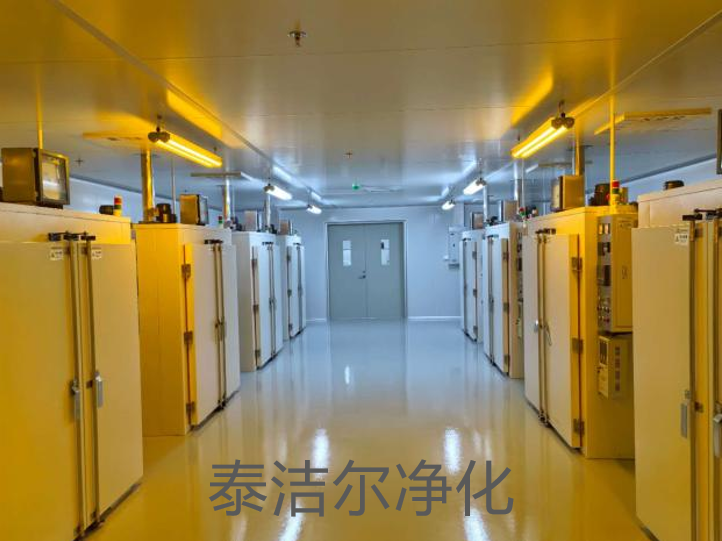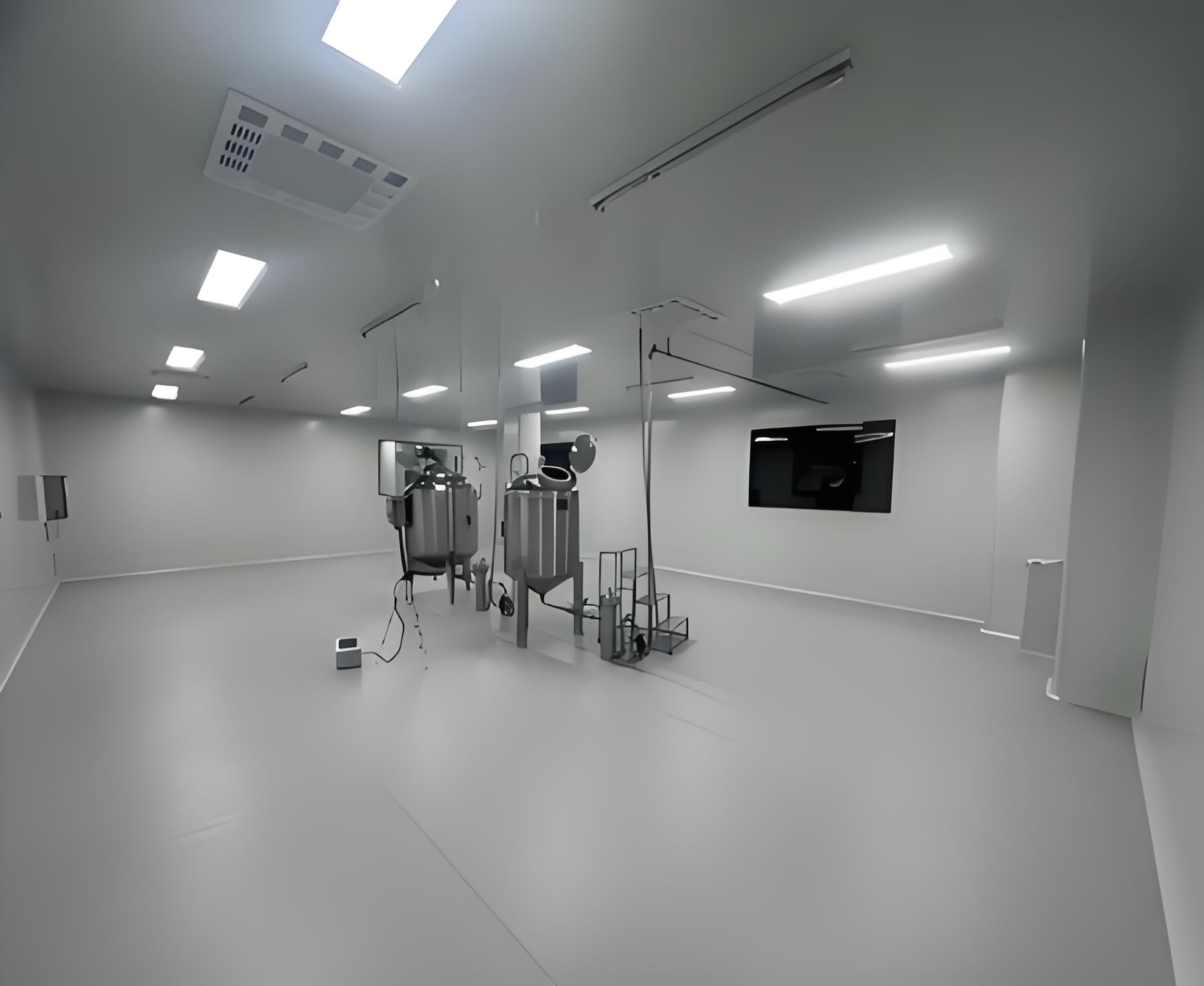

Ensuring product safety during the final stage of manufacturing is the single most critical step in production. Whether you are handling pharmaceuticals, sensitive electronics, or food products, the environment where you seal your goods determines their shelf life and quality. This is why a packaging purification project is not just construction; it is a strategic investment in your brand’s reputation.
Many facility managers underestimate the complexity of creating a compliant cleanroom. A packaging purification project involves intricate airflow calculations, strict material selection, and adherence to international standards like ISO 14644 and GMP. If you get the design wrong, you face product recalls. If you get the build wrong, you face skyrocketing energy bills.
In this article, we break down the engineering, costs, and selection process for a successful cleanroom build. We will also discuss how industry leaders like TAI JIE ER are helping enterprises execute high-performance projects efficiently.
Before breaking ground, you must define the "cleanliness class" your product requires. Not every packaging purification project needs to be an aseptic operating room. Over-specifying your needs drives up costs, while under-specifying leads to contamination.
Most food and general electronics packaging lines fall under ISO Class 8 (formerly Class 100,000). However, if your packaging purification project involves aseptic filling of beverages or medical devices, you will likely need an ISO Class 7 or even ISO Class 5 environment.
Defining this scope early is vital. It dictates the Air Change Rate (ACH), which determines the size of the HVAC units. A standard packaging purification project might require 15 to 25 air changes per hour. Higher demands can push this to over 60 changes per hour, significantly impacting your initial budget.
Compliance is the backbone of any packaging purification project. If the room does not pass certification, it is useless. The most common standard applied globally is ISO 14644-1.
When TAI JIE ER approaches a new design, they focus on three main technical pillars:
Particle Count: Minimizing dust and microbes.Positive Pressure: Ensuring air flows out of the room, preventing dirty air from entering.Temperature and Humidity: Keeping these stable to prevent bacteria growth or static electricity.
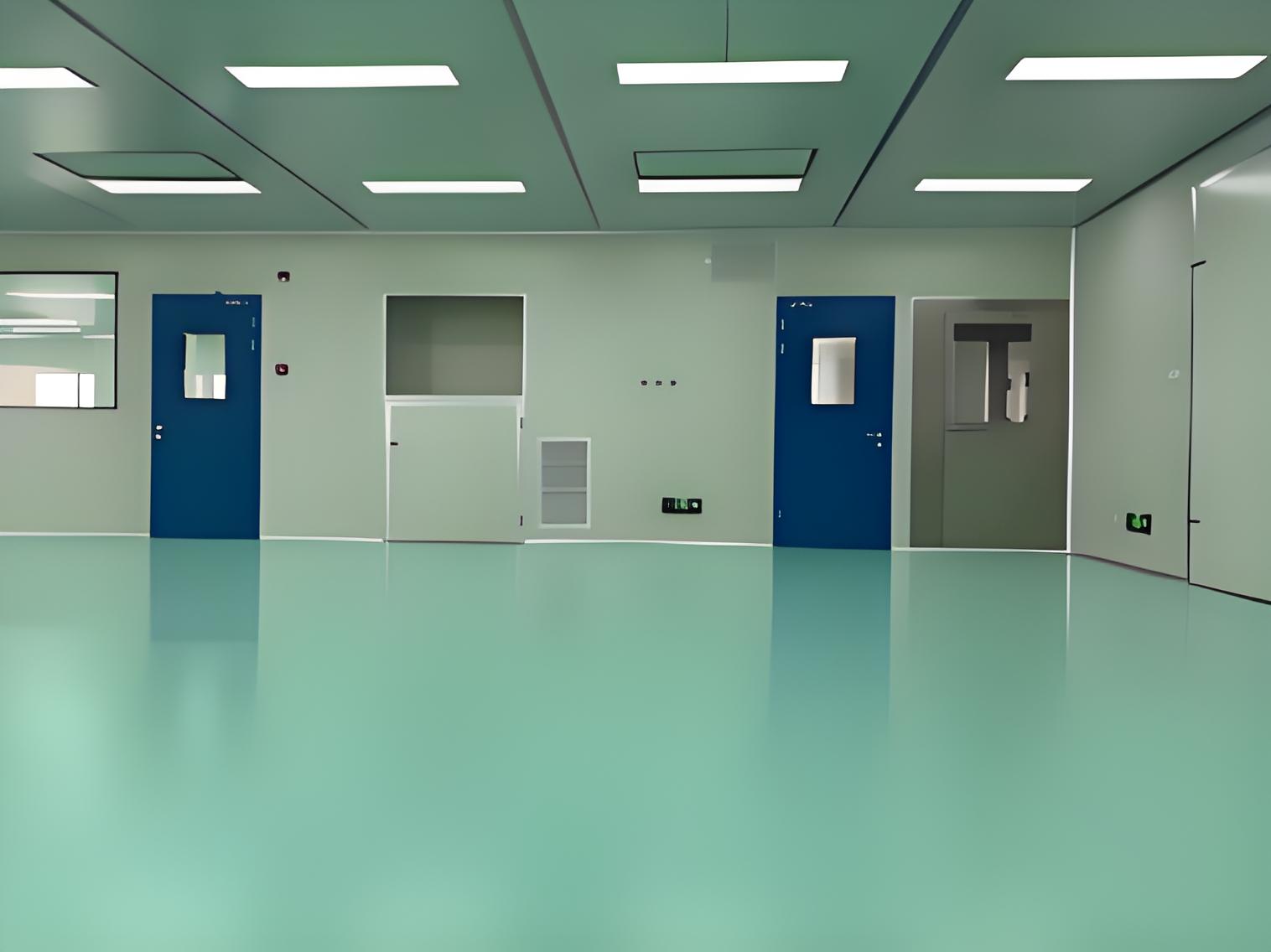
A successful packaging purification project uses a "room-within-a-room" structure. The walls must be flush, with no 90-degree corners where dust can settle. Covings (rounded corners) are mandatory. If your current vendor ignores these small architectural details, your packaging purification project will likely fail its first audit.
The engine of your cleanroom is the HVAC system. In a packaging purification project, the air handling unit (AHU) does more than just cool the air; it filters it through multiple stages.
Typical configurations include:
G4 Primary Filters: Catch large dust.F8 Medium Filters: Protect the terminal filters.H13/H14 HEPA Filters: Located in the ceiling, these trap 99.99% of particles.
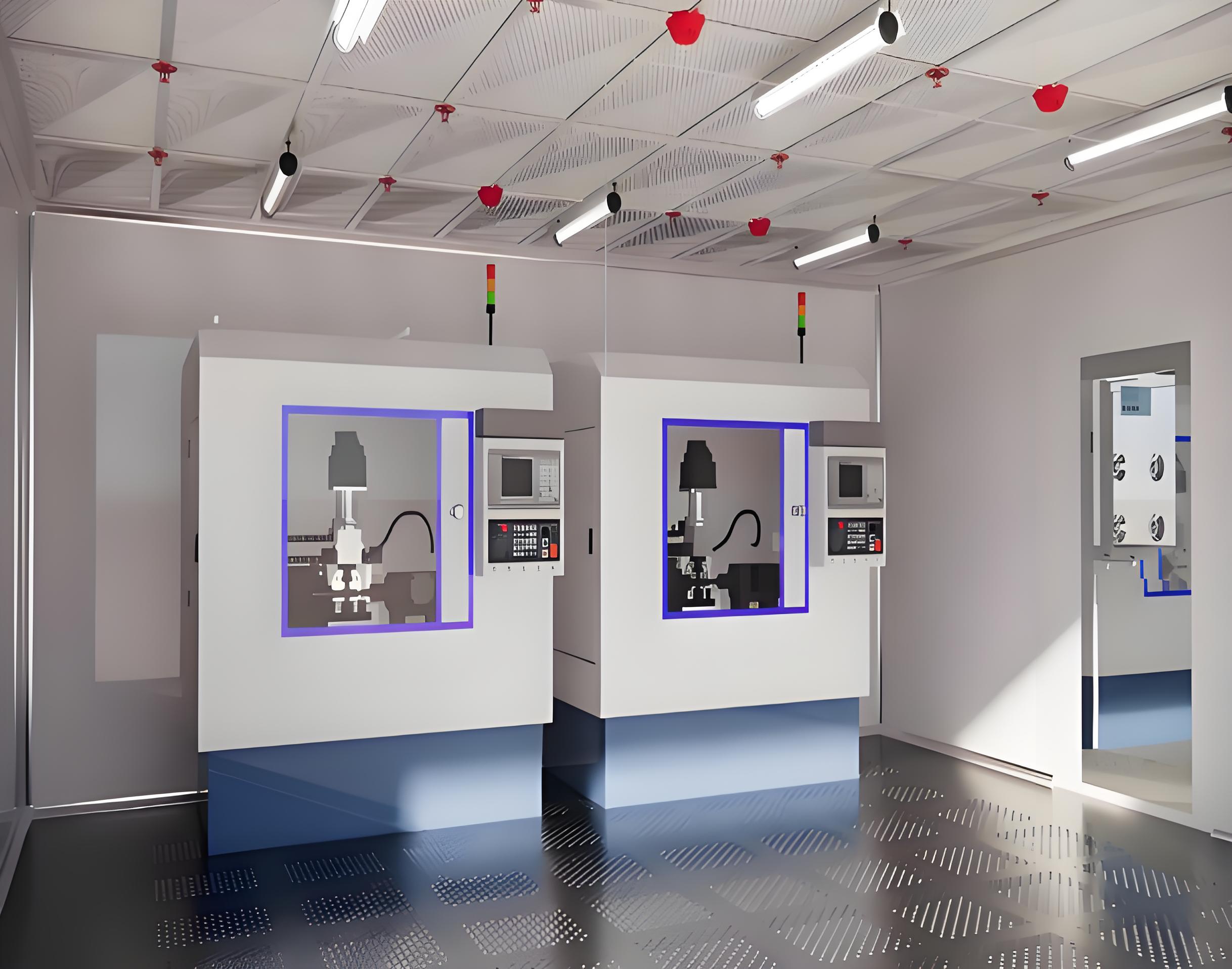
For a specialized packaging purification project, TAI JIE ER often recommends Fan Filter Units (FFUs). These are motorized filters installed directly in the ceiling grid. They offer better control over specific zones. If one packaging line requires stricter cleanliness than another, FFUs allow you to adjust airflow locally without redesigning the entire central system.
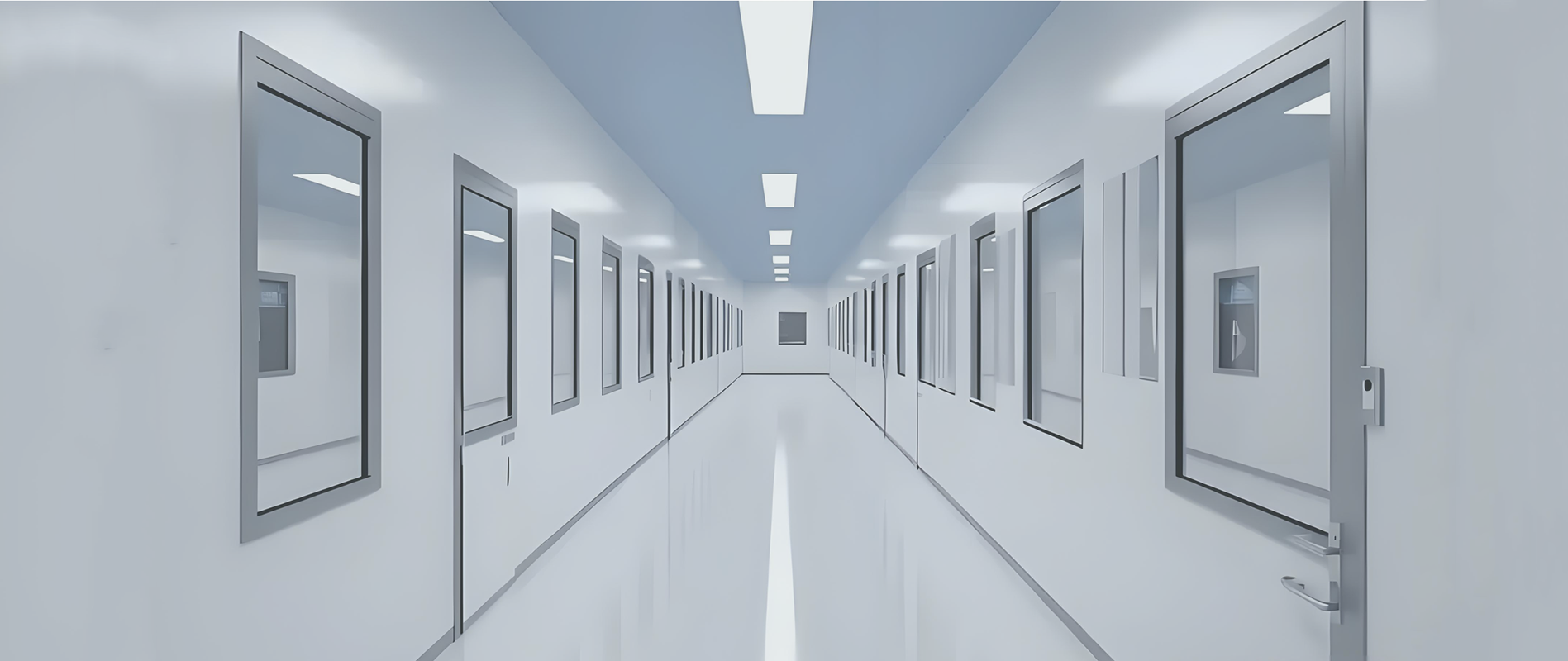
You cannot use standard drywall or wood in a cleanroom. These materials shed particles. A durable packaging purification project utilizes modular sandwich panels.
Rock wool or magnesium oxide sandwich panels are the industry standard. They are fire-resistant, provide insulation, and are easy to clean. During the construction of a packaging purification project, these panels are sealed with cleanroom-grade silicone to ensure an airtight seal.
Flooring depends on the traffic. For heavy forklift traffic, an epoxy resin mortar floor is necessary. For lighter foot traffic, a self-leveling epoxy or PVC floor works well. A major failure point in a packaging purification project is often the floor bubbling or peeling. TAI JIE ER emphasizes proper moisture testing of the concrete slab before laying any epoxy to prevent this common issue.
Budgeting is often the hardest part. The cost of a packaging purification project is driven by three factors: size, cleanliness class, and location conditions.
Class 100,000 (ISO 8): generally costs less per square meter.Class 10,000 (ISO 7): can cost 30-50% more due to higher HEPA filter coverage and larger AC units.
Operating costs (OPEX) are also part of the equation. Energy consumption for fans and chillers runs 24/7. An efficiently designed packaging purification project uses Variable Frequency Drives (VFDs) on motors to ramp down power when the room is not in use.
When you request a quote from TAI JIE ER, they provide a transparent breakdown of CAPEX (build cost) vs. OPEX. This helps you calculate the Return on Investment (ROI) of your packaging purification project over five years, not just the upfront price.
The market is flooded with general contractors claiming they can build cleanrooms. However, a general builder lacks the specific knowledge required for a packaging purification project.
The best providers manufacture their own equipment. TAI JIE ER stands out because they produce key components like air showers, pass boxes, and clean benches in-house. This vertical integration means that when you order a packaging purification project, you aren't waiting on third-party suppliers for critical hardware. It guarantees compatibility and speeds up installation.
Ask for case studies specific to your industry. A vendor expert in semiconductor labs might not understand the FDA hygiene requirements for a food packaging purification project. You need a partner who understands cross-contamination risks and wash-down procedures.
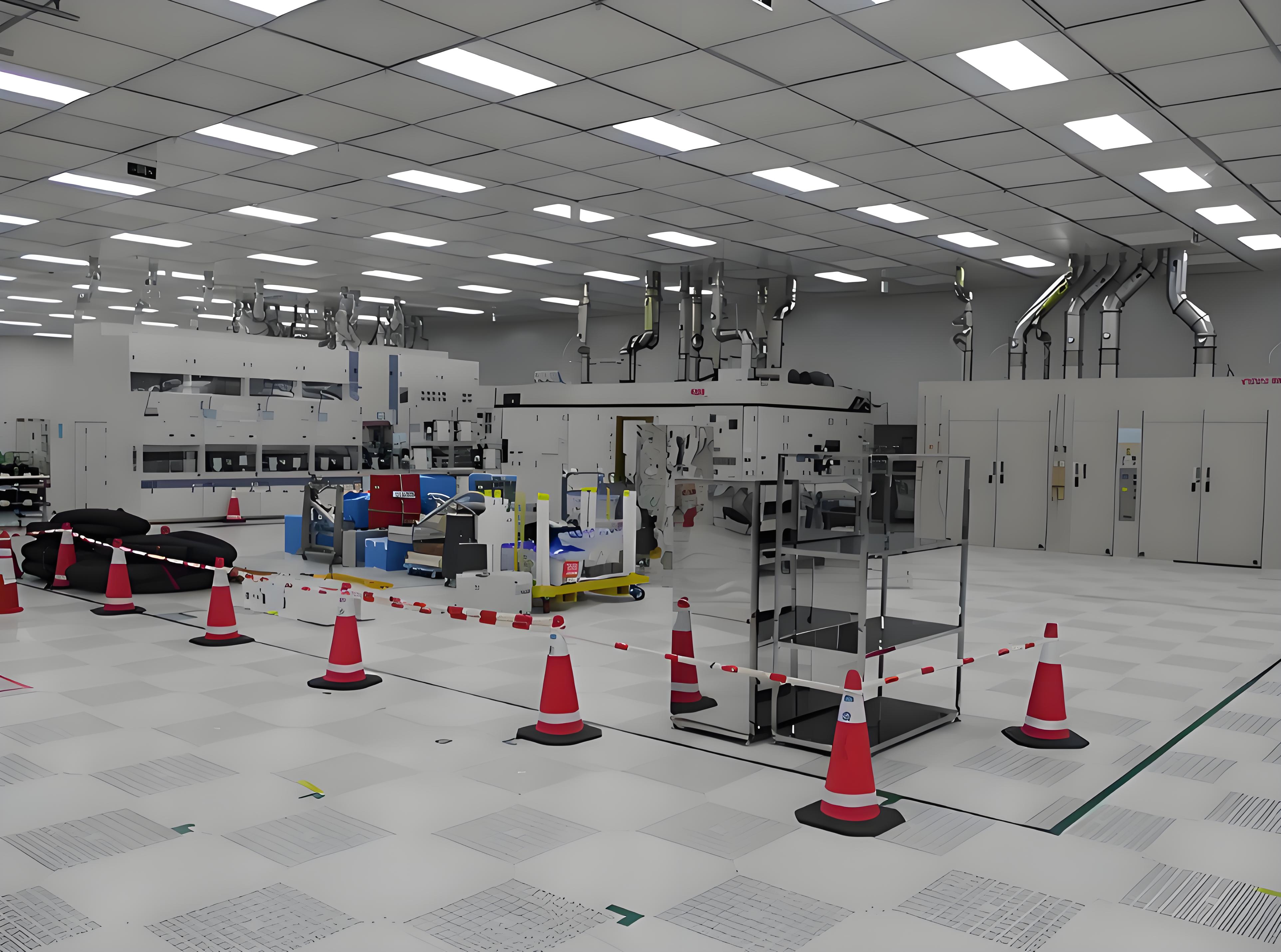
The final stage of the packaging purification project is arguably the most important: validation. Just because the equipment is installed doesn't mean the room is "clean."
The process typically follows these steps:
IQ (Installation Qualification): Verifying everything is installed according to the design.OQ (Operational Qualification): Turning it on to see if pressures and airflows meet targets.PQ (Performance Qualification): Running the packaging purification project under load to ensure it holds up during actual production.
Only after passing these tests is the project handed over. A professional firm will provide a thick binder of certification documents. This documentation is your shield during regulatory audits.
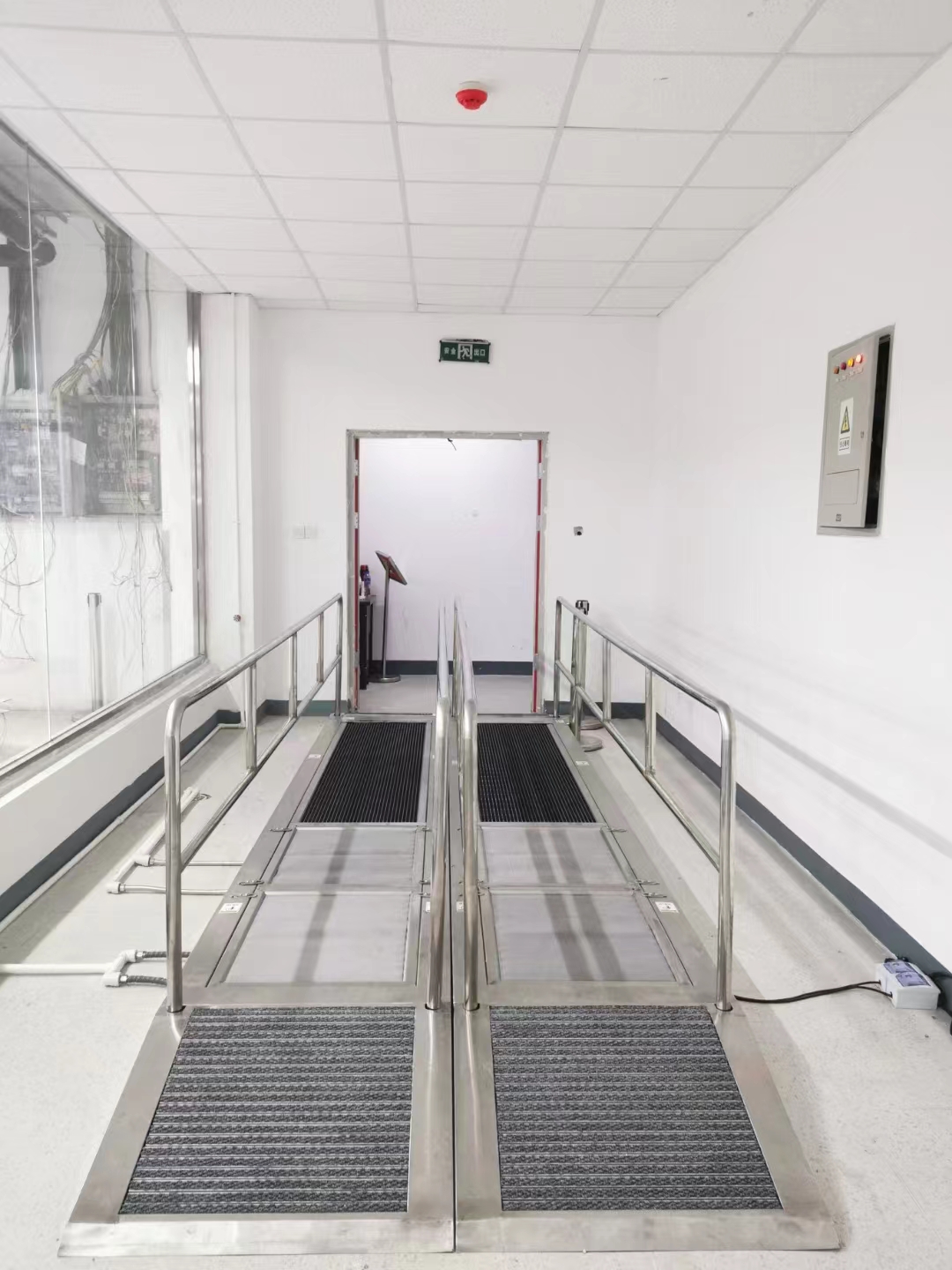
A packaging purification project is more than just walls and filters. It requires strict personnel flow control.
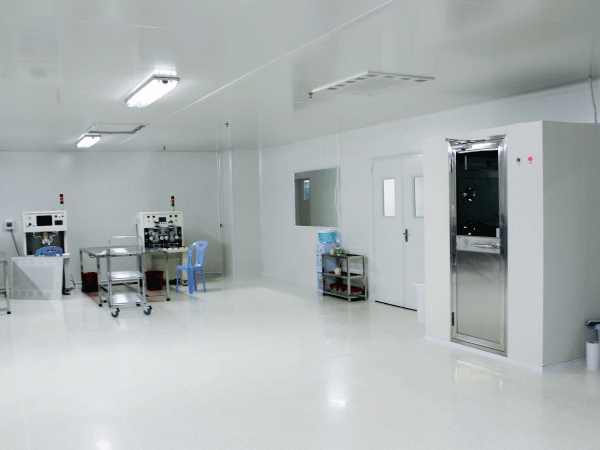
Air Showers:Before workers enter the clean zone, they must pass through an air shower. This device blasts high-velocity air to remove loose dust from garments. TAI JIE ER designs air showers with voice prompts and interlocking doors, ensuring protocols are followed every time someone enters the packaging purification project.
Pass Boxes:To move materials in and out without opening the main doors (which drops room pressure), you use pass boxes. These small chambers interlock so both doors cannot open at once. In a high-end packaging purification project, these pass boxes may even have their own UV sterilization or air curtains.
Once your packaging purification project is complete, neglect is the enemy. Filters clog, belts loosen, and seals dry out.
A standard maintenance schedule includes:
Pre-filters: Wash or replace every month.HEPA filters: Replace every 12 to 24 months, depending on pressure drop readings.Particle Testing: Conduct annually or bi-annually.
If you ignore maintenance, the room pressure will drop. Once positive pressure is lost, contaminants from the outside warehouse drift in, rendering the entire packaging purification project ineffective.
In the crowded field of cleanroom engineering, TAI JIE ER has carved out a reputation for reliability. They don't just sell parts; they offer a turnkey solution. From the initial CAD drawing to the final particle counter test, they manage the entire lifecycle of the packaging purification project.
Their ability to customize air handling units and purify equipment allows them to fit systems into tight existing factory spaces. This flexibility is crucial for companies upgrading old facilities rather than building new ones. When you choose TAI JIE ER, you are ensuring your packaging purification project meets both current needs and future regulatory expansions.
Executing a packaging purification project is a complex task that demands precision engineering and deep industry knowledge. It is the barrier that protects your product from the microscopic world. By understanding the ISO standards, selecting the right materials, and partnering with an integrated manufacturer like TAI JIE ER, you can build a facility that ensures safety and efficiency.
Don't let cost be the only deciding factor. A cheap room that fails an audit costs much more in the long run. Invest in a quality packaging purification project to secure your market position and protect your consumers.
A1: The timeline depends on the size and complexity. A standard 500-square-meter packaging purification project usually takes about 45 to 60 days from the finalization of the design to the completion of installation. Custom equipment fabrication or complex HVAC ducting can extend this timeframe.
A2: The main difference is the allowable particle count and the air change rate. ISO 7 is cleaner, allowing fewer particles per cubic meter, and requires 30-60 air changes per hour. An ISO 8 packaging purification project is less stringent, requiring only 15-25 air changes per hour, making it cheaper to build and operate.
A3: Yes, TAI JIE ER provides full service, starting from the layout design. Their engineers will visit the site (or work from floor plans), calculate the necessary airflow, design the personnel flow, and provide a 3D model of the proposed packaging purification project before manufacturing begins.
A4: In a well-maintained packaging purification project, HEPA filters typically last between 18 months and 3 years. This lifespan depends heavily on how often you change the cheaper pre-filters. If pre-filters are changed monthly, the expensive HEPA filters are protected from large dust loads.
A5: Absolutely. The sandwich panels used for walls and ceilings must be fire-retardant (often Rock wool or Honeycomb core). Additionally, the packaging purification project layout must include clear emergency exits and integration with the factory’s sprinkler and alarm systems to ensure worker safety.