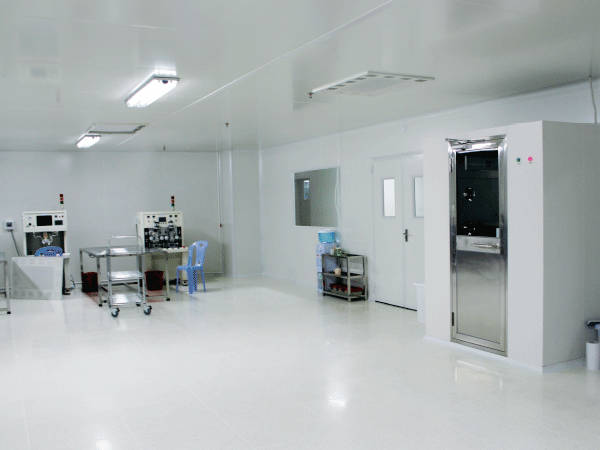

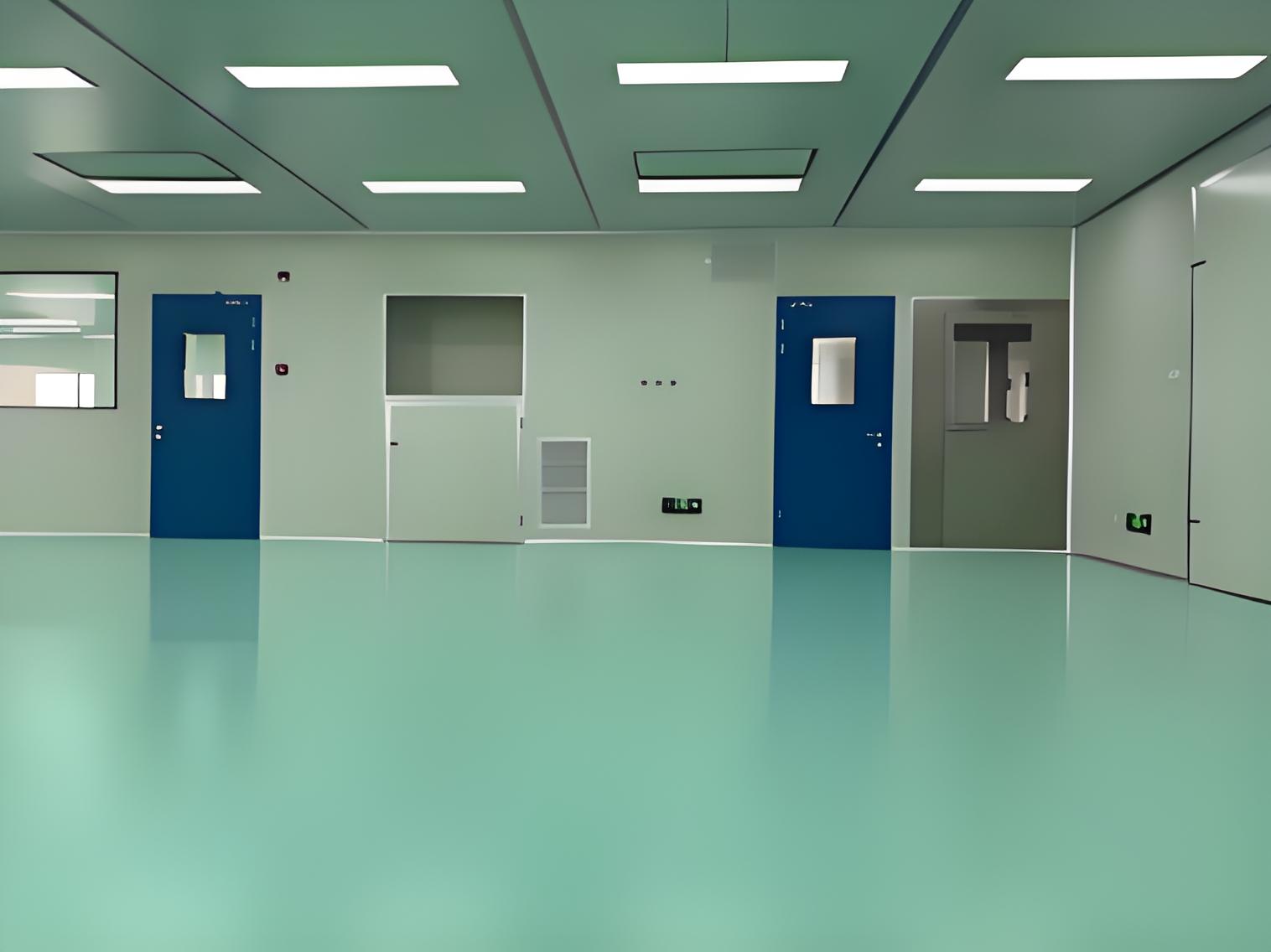
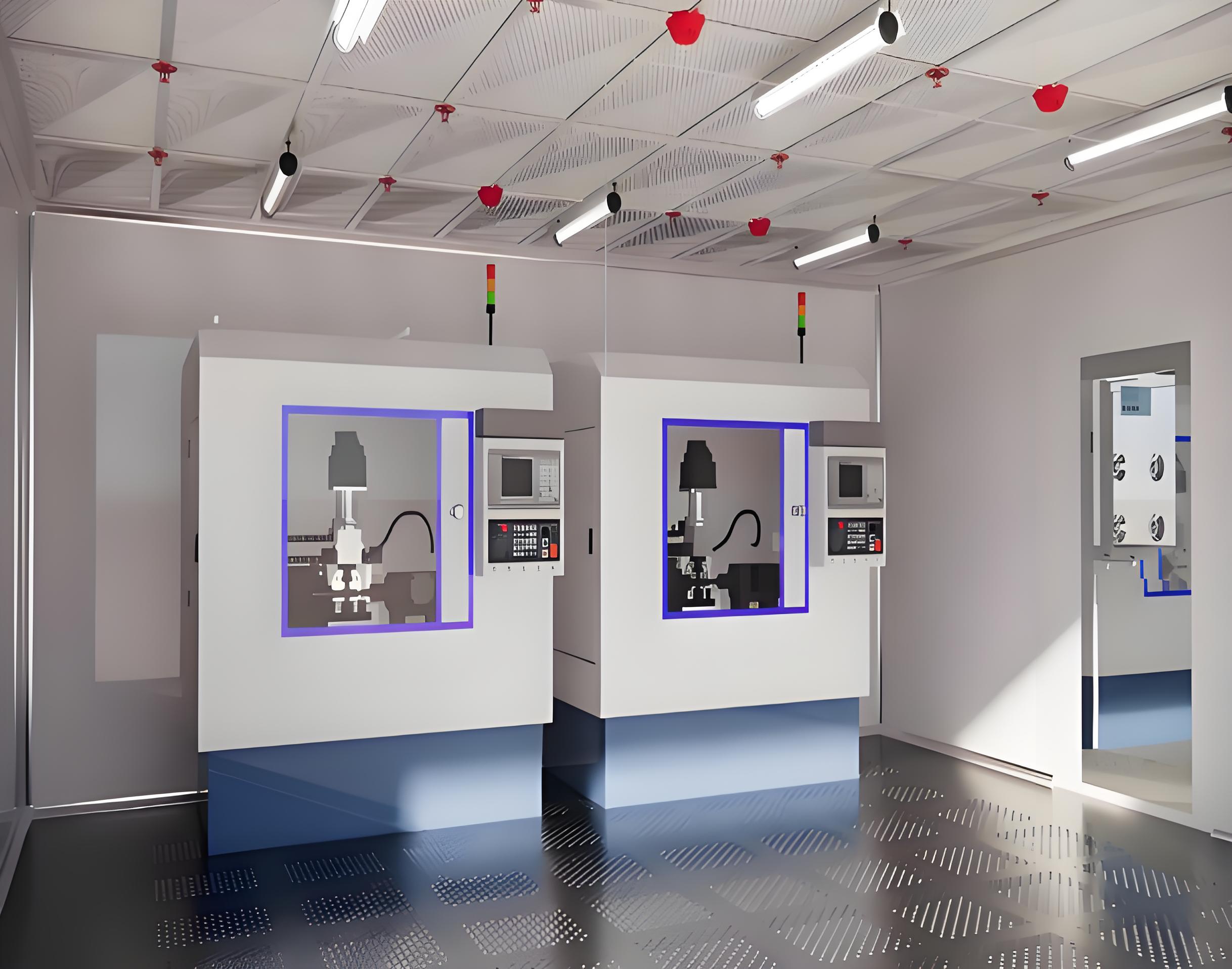
In the world of industrial manufacturing, the quality of a surface finish often dictates the value of the final product. Whether it is automotive parts, high-end electronics, or luxury furniture, a single speck of dust can result in a rejected unit. To achieve consistent, high-gloss results, manufacturers must invest in a professional spray purification project. This engineering solution transforms a standard painting area into a highly controlled environment.
At TAI JIE ER, we have seen firsthand how uncontrolled environments lead to rework and financial loss. A simple exhaust fan is no longer sufficient for modern quality standards. A comprehensive spray purification project addresses airflow, filtration, temperature, and humidity simultaneously. It ensures that the paint adheres perfectly while protecting operators from hazardous fumes.
This article outlines the critical components of designing and implementing a successful spraying facility. We will discuss the engineering logic TAI JIE ER applies to ensure your production line meets international cleanliness and safety standards.
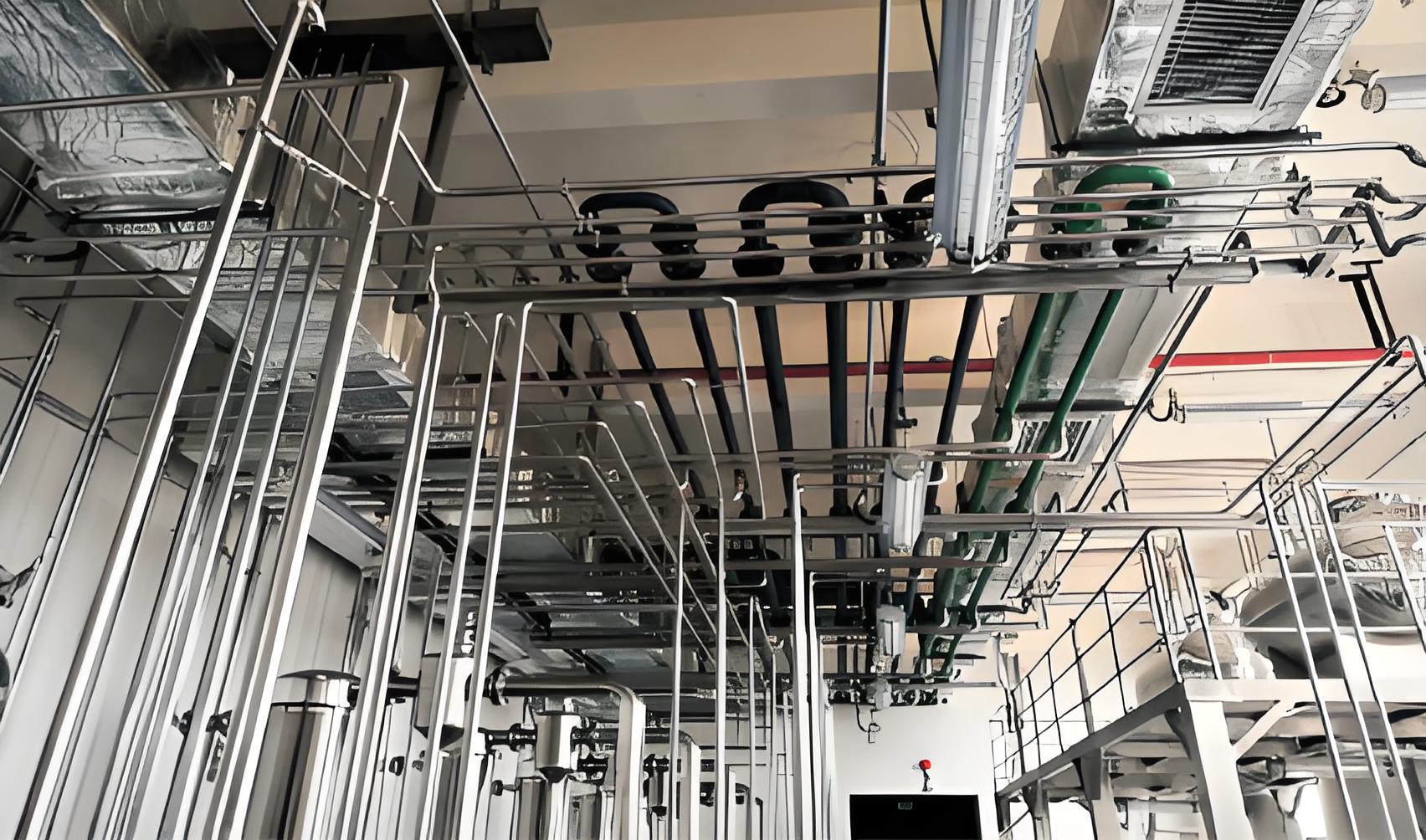
The primary goal of any spray purification project is defect reduction. In an open factory floor, airborne particles ranging from textile fibers to metal dust are constant threats. When wet paint is applied, it acts like a magnet for these contaminants.
By enclosing the process, we create a barrier. However, isolation is just the first step. The air inside must be constantly scrubbed. A well-designed system ensures that clean air enters the booth and contaminated air is safely removed.
TAI JIE ER focuses on the "First Pass Yield" (FPY). A higher FPY means fewer parts need sanding and repainting. This efficiency is the direct return on investment from a properly executed spray purification project. It lowers material costs and speeds up delivery times.
Airflow is the invisible engine of the spray booth. If the air moves incorrectly, overspray—the paint that misses the part—will settle back onto the workpiece, causing a rough finish known as "orange peel" or dry spray.
In a spray purification project, we typically utilize a vertical laminar airflow design. Clean air is pushed from a full ceiling plenum downwards. It travels over the product and operator, capturing overspray, and exits through floor filters or a water curtain.
Pressure balance is equally critical. TAI JIE ER engineers usually design the spray room with slightly positive pressure relative to the outside factory. This prevents dirty air from entering when doors open. Inside the booth itself, the pressure might be slightly negative to ensure fumes do not escape into the clean corridor. Balancing these zones is a key challenge in a spray purification project.
Paint chemistry is sensitive. If the air is too hot, the solvent flashes off too quickly, leading to poor adhesion. If it is too humid, you may encounter "blushing" or cloudiness in the finish.
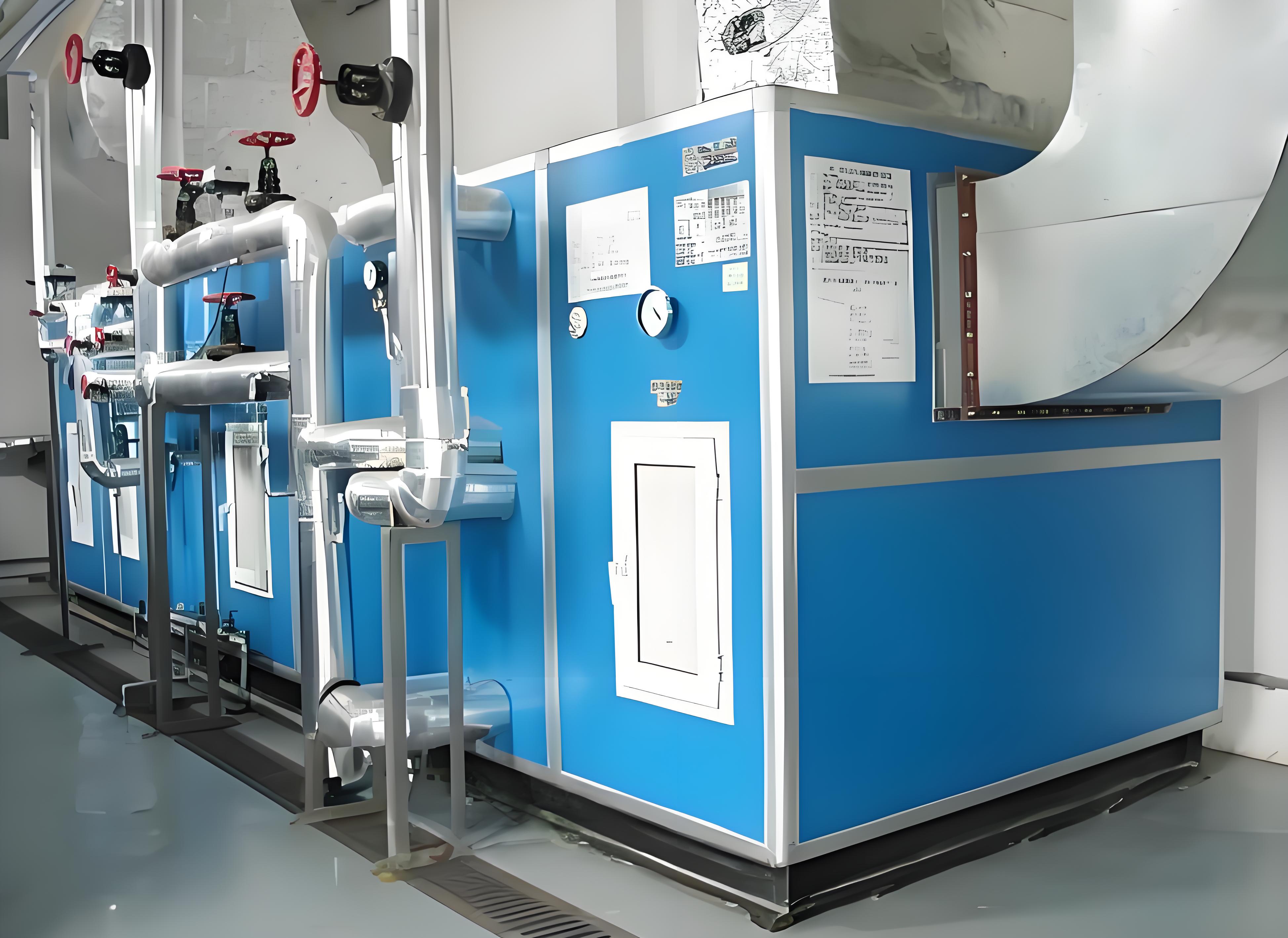
Therefore, a robust spray purification project must include an industrial HVAC system capable of tight environmental control. We do not just pump air in; we condition it.
TAI JIE ER uses heating and cooling units paired with humidifiers or dehumidifiers. This ensures that regardless of the weather outside, the conditions inside the booth remain constant. This stability allows for repeatable painting results day after day.
The air entering the booth must be cleaner than the air in an operating room. A multi-stage filtration approach is standard in every spray purification project.
First, pre-filters capture large dust particles from the outside intake. Next, bag filters trap medium-sized contaminants. Finally, ceiling diffusion media (often F5 or F6 class) ensures that the air descending onto the paint job is free of micron-sized dust.
For the exhaust, the focus shifts to environmental protection. The spray purification project must scrub paint mist and Volatile Organic Compounds (VOCs) before releasing air to the atmosphere. TAI JIE ER selects filtration based on the type of paint used—water-based or solvent-based.
Capturing the waste paint is a messy but necessary job. There are two main methods used in a spray purification project.
The dry filter method uses layers of cardboard or fiberglass mats in the floor or wall. It is cost-effective and easy to maintain. It is ideal for facilities with lower paint volumes.
For high-volume production, a water curtain or water scrubber system is often preferred. The airflow pushes overspray into a flowing wall of water, which traps the paint sludge. TAI JIE ER engineers will assess your production volume to recommend the right system for your specific spray purification project.
Painting involves flammable solvents. A spark in a spray booth can be catastrophic. Therefore, safety is a non-negotiable aspect of the design.
All electrical components inside the spray purification project area must be explosion-proof. This includes lighting fixtures, motors, and switches. They must be rated for hazardous locations (often Class I, Division 1 or ATEX zones).
TAI JIE ER also integrates fire suppression systems. Interlocks are installed so that if the ventilation fans fail, the compressed air supply to the spray guns is cut off immediately. This safety logic is embedded into the control panel of the spray purification project.
Modern regulations are strict regarding emissions. You cannot simply vent solvent fumes outside.
A complete spray purification project includes exhaust gas treatment equipment. Activated carbon towers are commonly used to adsorb VOCs. For larger lines, catalytic combustion or UV photolysis might be employed.
TAI JIE ER helps clients navigate local environmental laws. We ensure that the discharge from your facility meets all legal requirements, protecting your company from fines and shutdowns.
You cannot fix what you cannot see. Lighting in a spray booth needs to be bright and color-correct.
We aim for high lux levels, typically between 800 to 1000 lux. The light fixtures must be positioned to reduce shadows. In a spray purification project, we use cool white LEDs with a high Color Rendering Index (CRI).
This allows painters to see the "wet edge" of the paint clearly. It also helps inspectors spot color mismatches or surface imperfections immediately, rather than waiting until the part is dry and moved to a different room.
Designing these facilities requires coordinating multiple disciplines: civil works, HVAC, electrical, and chemical engineering. TAI JIE ER acts as the central coordinator.
We start with a site survey to understand your product dimensions and workflow. We then create 3D models of the spray purification project to visualize material movement.
Our team handles the fabrication of the plenum boxes, the installation of the sandwich panels, and the commissioning of the air handling units. We take full responsibility for the performance of the system.
Moving massive amounts of air is energy-intensive. Operating costs can skyrocket if the system is inefficient.
TAI JIE ER implements Variable Frequency Drives (VFDs) on all major fans. When the operator stops spraying to reload parts, the system can ramp down airflow to a standby mode.
Heat recovery is another strategy. In a spray purification project, we can use heat exchangers to transfer energy from the warm exhaust air to the cold incoming air. This significantly reduces the load on the burner or chiller, lowering your monthly utility bills.
A spray booth performs only as well as it is maintained. Filters clog, and water curtains get dirty.
We design the spray purification project for easy maintenance. Filter banks are accessible. Pressure gauges indicate exactly when filters need changing.
TAI JIE ER provides training for your maintenance staff. We teach them how to balance the booth and how to clean the sensors. A well-maintained system will provide consistent quality for decades.
The difference between a mediocre paint job and a world-class finish often lies in the quality of the air surrounding the process. A professional spray purification project is an investment in your brand's reputation. It secures your ability to deliver flawless products consistently.
From controlling humidity to managing explosive risks, the engineering challenges are complex. TAI JIE ER brings the expertise needed to navigate these challenges. We deliver turnkey solutions that integrate seamlessly into your manufacturing line.
If you are looking to upgrade your finishing capabilities, contact TAI JIE ER. Let us help you design a spray purification project that meets your production goals and exceeds your quality expectations.
Q1: What is the main difference between a simple spray booth and a spray purification project?
A1: A simple booth mainly focuses on exhausting fumes. A spray purification project is a holistic system that controls temperature, humidity, and cleanliness (dust removal) while also treating the exhaust air for environmental compliance. It is designed for high-end finishing where quality is critical.
Q2: How often do the filters need to be changed in these systems?
A2: It depends on production volume. Pre-filters usually need changing every month. Ceiling filters can last 6 to 12 months. Floor filters (paint stop) fill up quickly and may need changing weekly. TAI JIE ER installs differential pressure gauges to tell you exactly when a change is needed.
Q3: Can TAI JIE ER retrofit an existing painting line?
A3: Yes. We often upgrade existing facilities. This might involve installing a new air make-up unit (AMU) to pressurize the room or adding a VOC treatment system to the exhaust. We assess your current setup to see how a spray purification project can be implemented with minimal disruption.
Q4: Which is better, a water curtain or dry filtration?
A4: Neither is strictly "better"; it depends on the application. Dry filtration is cheaper to install and easier to manage for lower volumes. Water curtains are superior for high-volume, continuous spraying as they can handle heavy paint loads without clogging, but they require water treatment and sludge removal.
Q5: How does the system handle VOCs (Volatile Organic Compounds)?
A5: The spray purification project includes specific exhaust treatment equipment. For low concentrations, we use activated carbon filters. For high concentrations, we might use Regenerative Thermal Oxidizers (RTO) or catalytic combustion to destroy the VOCs before the air is released outside.