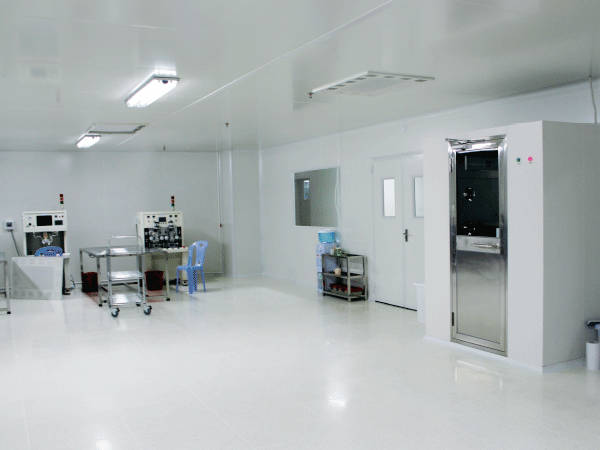

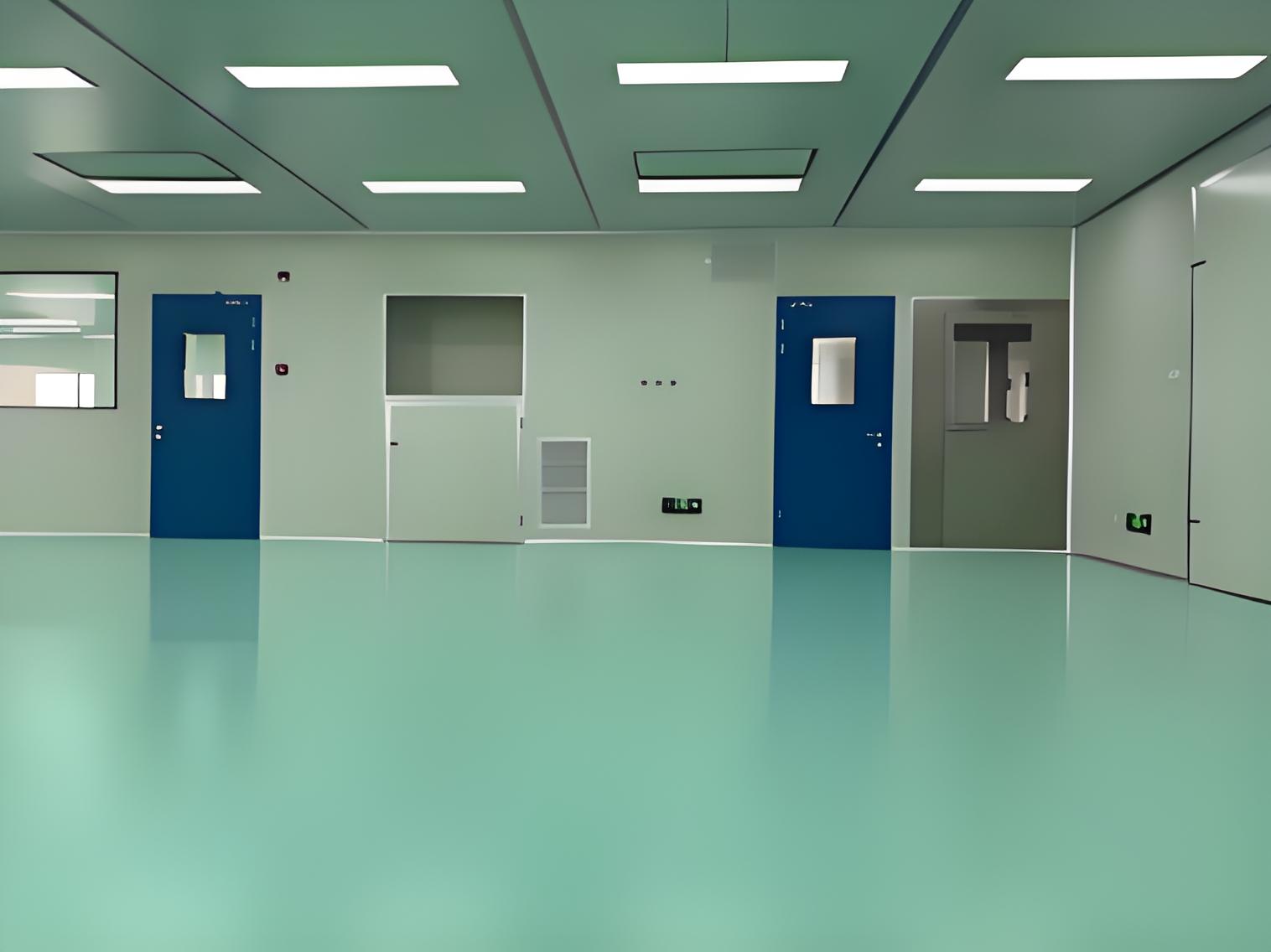
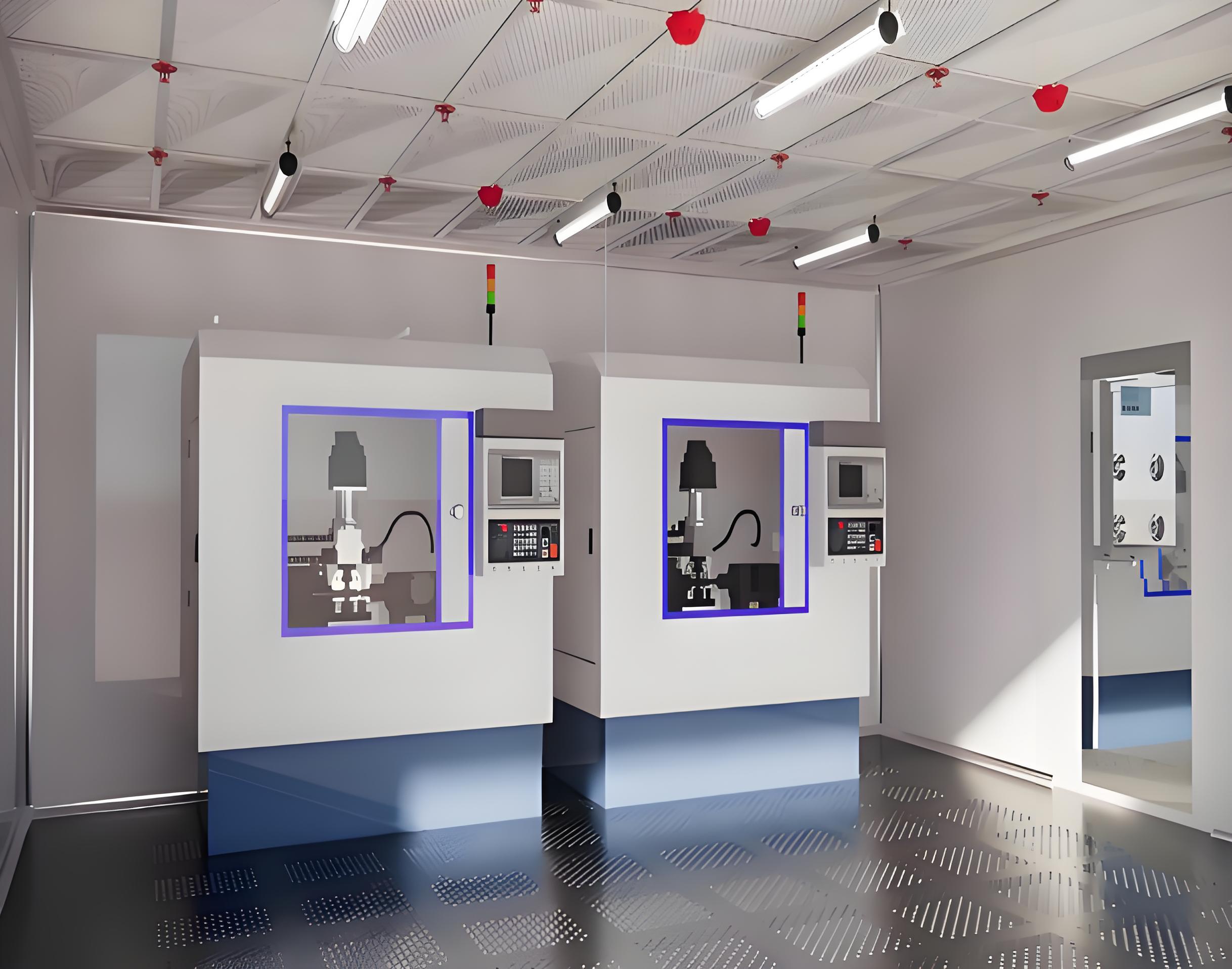
Managing air quality is a constant challenge in many industrial settings. From controlling dust in pharmaceutical production to neutralizing chemical mists in semiconductor manufacturing, unwanted airborne particles and gases can disrupt processes and compromise safety. A well-designed spray purification project offers a powerful and often efficient method to tackle these contaminants. This approach uses precisely engineered spray systems to capture, neutralize, or suppress pollutants directly at their source or within the airstream. For companies like TAI JIE ER, implementing these systems is a core part of creating controlled environments that meet stringent international cleanroom and environmental health standards.
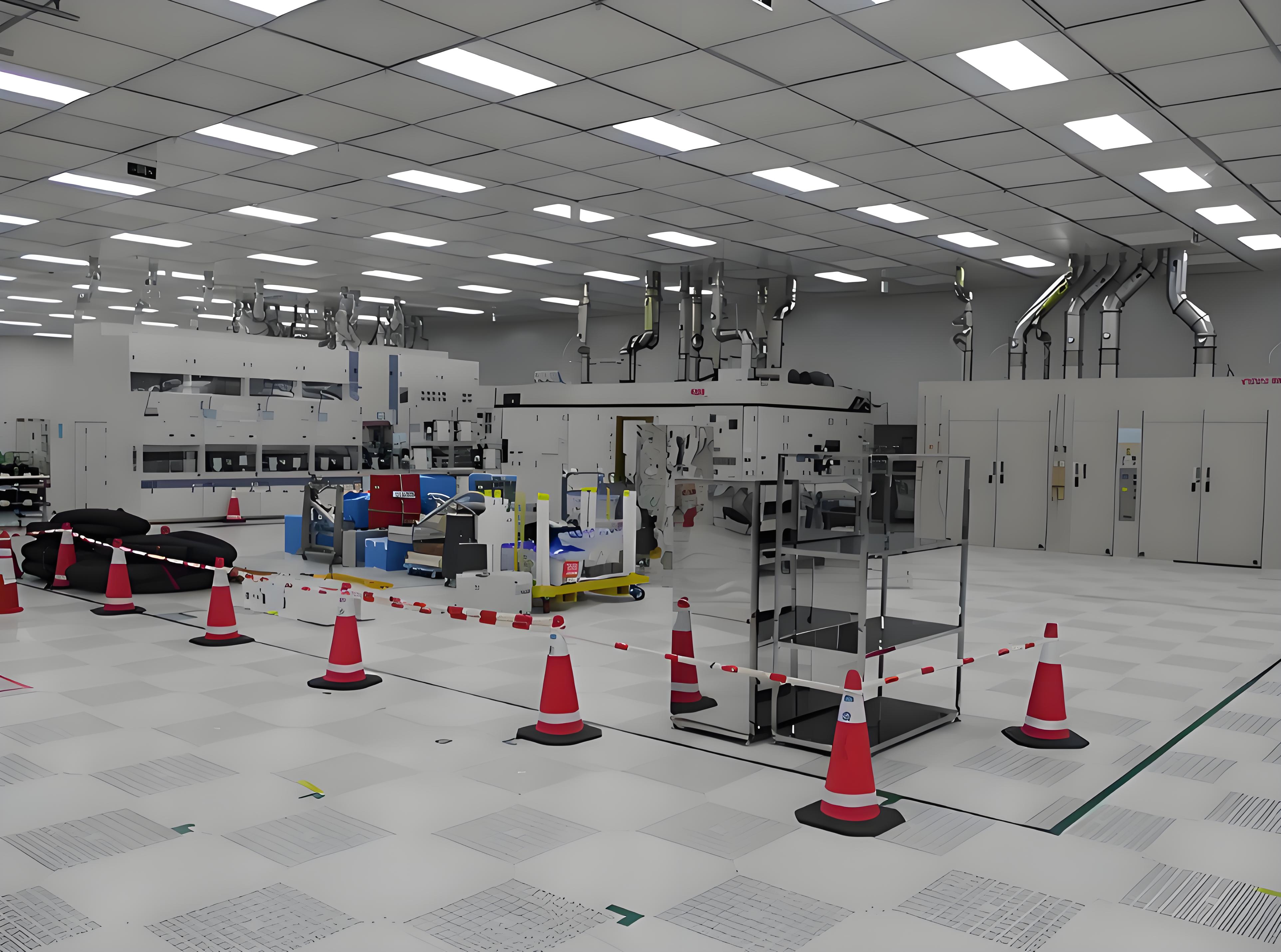
Unlike passive filtration, a spray purification project is an active intervention. It involves the design and installation of nozzle arrays that disperse a fine mist or spray of a specific medium into the air. The choice of medium—often water, chemical reagents, or specialized solutions—depends entirely on the contaminant being targeted.
The core mechanism is capture through impaction, absorption, or chemical reaction. For particulate matter like dust or fumes, water droplets collide with and encapsulate the particles, causing them to fall out of the air or be carried into a collection drain. For gaseous pollutants, the spray might contain a reagent that chemically neutralizes the harmful compound upon contact.
The efficiency of such a project hinges on precise engineering. Nozzle type, droplet size, spray pressure, and placement are all critical variables. TAI JIE ER engineers focus on optimizing these parameters to ensure maximum contaminant removal with minimal waste or secondary issues, such as over-wetting.
The versatility of spray-based purification leads to its use across diverse sectors. Each application has unique drivers and requirements.
In pharmaceutical and biotechnology facilities, these systems help control powder spread during ingredient handling and tablet coating operations. They are integral to maintaining ISO-classified air by preventing cross-contamination.
For semiconductor and electronics manufacturing, spray purification project designs often target acid or solvent mists generated during etching and cleaning processes. This protects both sensitive equipment and workers from corrosive vapors.
Food processing plants use them for dust suppression in areas like grain handling or powder mixing, improving hygiene and reducing explosion risks. They also serve in odor control applications in waste treatment or chemical production areas.
Within general industry, they are deployed for welding fume extraction, coolant mist control in machining, and general air scrubbing in warehouses.
A successful installation is never a one-size-fits-all solution. Several factors must be analyzed during the design phase.
First is contaminant characterization. What is the physical and chemical nature of the pollutant? Particle size distribution, solubility, and reactivity will dictate the spray medium and droplet size needed.
Airflow dynamics are equally important. Engineers from TAI JIE ER will map the facility’s airflow patterns to position spray zones where they will be most effective, often at the point of generation or within ductwork.
Material compatibility is a non-negotiable check. The spray medium and any by-products must not damage machinery, electrical systems, or the building structure. Corrosion-resistant materials for nozzles and piping are commonly specified.
Water quality and management are practical hurdles. Using purified water may be necessary to avoid introducing new contaminants. Systems must also include effective water recovery, drainage, or recirculation loops to conserve resources.
A spray purification project rarely operates in isolation. Its performance is closely tied to the facility’s broader Heating, Ventilation, and Air Conditioning (HVAC) and filtration infrastructure.
The system can act as a pre-conditioning stage. By agglomerating fine particles into larger, wet masses, it makes them easier for downstream filters, like baghouses or HEPA filters, to capture. This can extend filter life and reduce maintenance costs.
However, it adds moisture load to the airstream. This must be accounted for by the HVAC system’s dehumidification capacity to prevent unwanted humidity spikes that could promote microbial growth or affect production processes.
TAI JIE ER specializes in this systems-integration approach. Their designs ensure that the spray system complements rather than conflicts with existing environmental controls, creating a cohesive and efficient air management strategy.
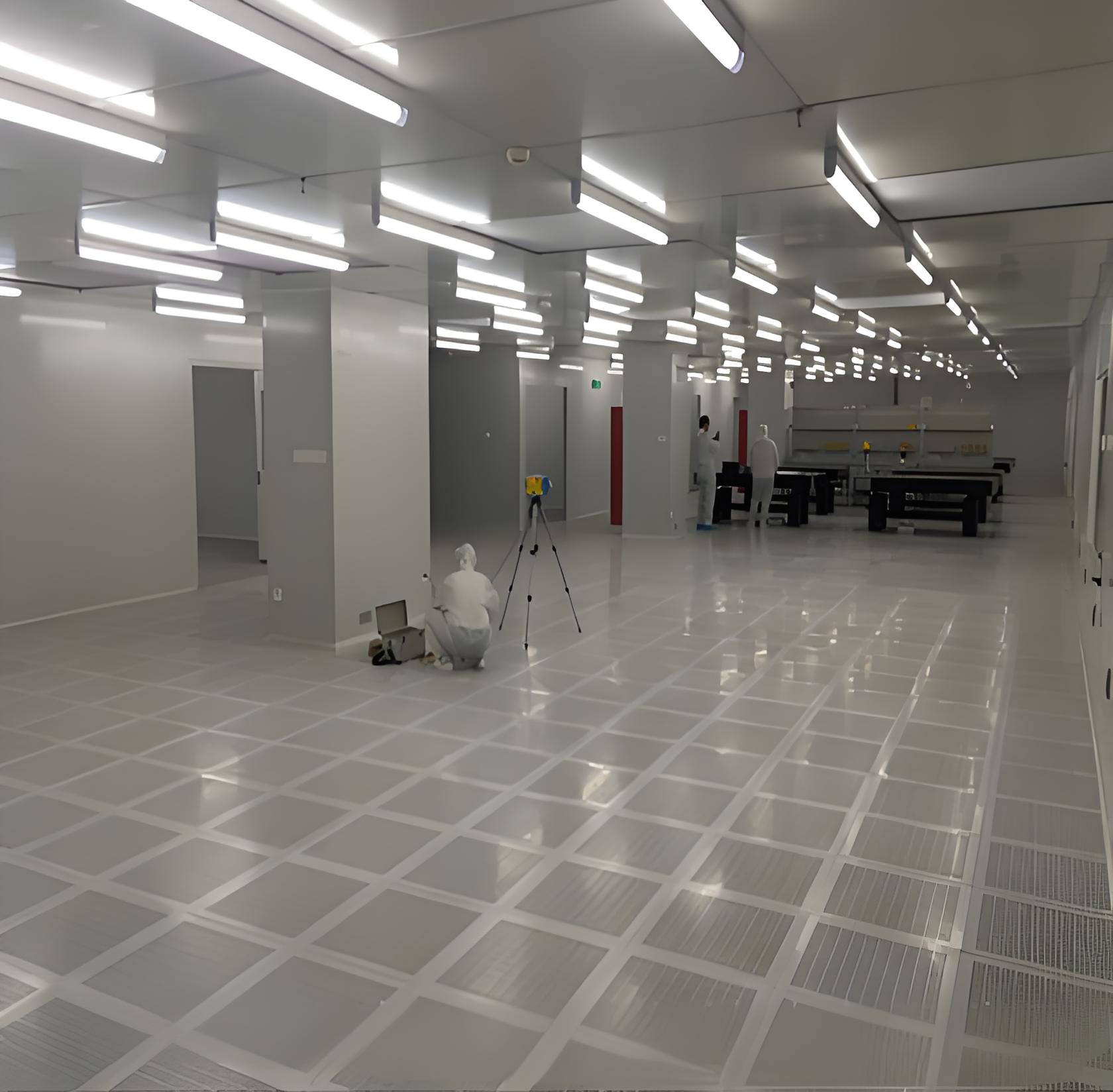
Like any critical system, ongoing performance depends on disciplined maintenance. Nozzles can clog, pumps can wear, and sensor calibration can drift.
A robust maintenance schedule includes regular nozzle inspection and cleaning, pump performance checks, and monitoring of water quality in recirculating systems. TAI JIE ER provides clear protocols and training for client teams to handle these routine tasks.
Modern projects often incorporate monitoring sensors for parameters like flow rate, pressure, and even particle counts downstream. This data allows for predictive maintenance, addressing issues before they impact purification efficiency.
Operational efficiency also involves resource management. Optimizing water and chemical usage not only controls costs but also minimizes wastewater generation, supporting sustainability goals.
While effective, spray purification systems come with potential challenges that must be proactively managed.
Over-wetting or condensation is a primary concern. Poor design can lead to water accumulation on floors or equipment, creating slip hazards or causing damage. Precise control of droplet size and spray cycles is key to avoiding this.
Microbial control in water tanks is another risk. Stagnant water in recirculating systems can become a breeding ground for bacteria. Incorporating UV sterilization, biocides, and proper tank design mitigates this health risk.
For chemical scrubbing applications, safe handling and storage of reagents are paramount. Designs must include containment and neutralization measures for the spent scrubbing solution.
TAI JIE ER’s experience allows them to foresee these issues during the design phase, embedding solutions that ensure safe, reliable, and trouble-free operation over the long term.
Designing and executing a reliable spray purification project requires deep technical knowledge and practical field experience. TAI JIE ER brings both to the table.
Their process begins with a thorough onsite audit. They assess the contaminant source, airflow, spatial constraints, and client objectives. This data informs a customized design rather than an off-the-shelf proposal.
They focus on lifecycle value. This means selecting durable components, designing for easy access for maintenance, and ensuring the system is energy and resource-efficient to operate.
From fabrication to installation and commissioning, their team manages the entire project. They also provide comprehensive documentation and training, empowering clients to operate the system confidently and maintain its performance.
In conclusion, a strategically planned spray purification project is a highly effective engineering solution for a wide range of air quality challenges. It provides active, targeted control of pollutants that are difficult to manage with filtration alone. When designed with precision and integrated thoughtfully into a facility’s existing systems, it enhances product quality, ensures regulatory compliance, and protects both personnel and capital equipment. Partnering with an experienced firm like TAI JIE ER is crucial to navigating the technical complexities and achieving a successful, sustainable outcome.
Q1: What is the main difference between a spray purification system and standard air filters?
A1: Standard filters passively capture pollutants as air passes through them. A spray purification system actively introduces a fine mist to interact with and capture contaminants through impaction or chemical reaction, often being more effective for certain mists, fumes, or sticky particulates.
Q2: Can a spray purification project be retrofitted into an existing facility without major shutdowns?
A2: Yes, with careful planning. Experienced firms like TAI JIE ER can often phase the installation, isolating specific areas or scheduling work during planned downtime to minimize disruption to ongoing operations.
Q3: Does the system increase humidity levels in the cleanroom or production area?
A3: It can, which is a key design consideration. Proper engineering involves calculating the added moisture load and ensuring the facility’s HVAC or dedicated dehumidification systems can handle it to maintain required environmental conditions.
Q4: What types of chemicals can be neutralized with a chemical spray scrubber?
A4: Common targets include acidic gases (e.g., HCl, SOx) and alkaline gases (e.g., NH3). The scrubbing liquid is chosen based on the specific pollutant—for example, using a caustic soda solution to neutralize acid mists.
Q5: How does TAI JIE ER ensure the long-term reliability of their spray purification installations?
A5: TAI JIE ER ensures reliability through robust design using quality components, creating detailed maintenance manuals, providing operator training, and often offering ongoing service contracts for periodic inspection and system optimization.