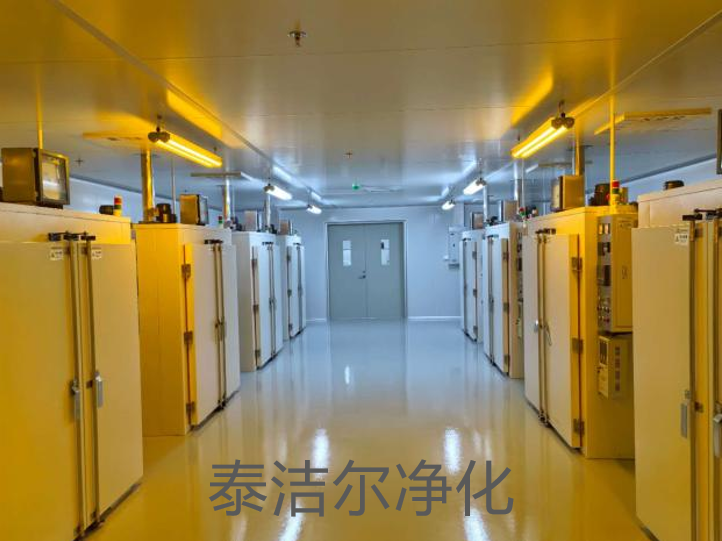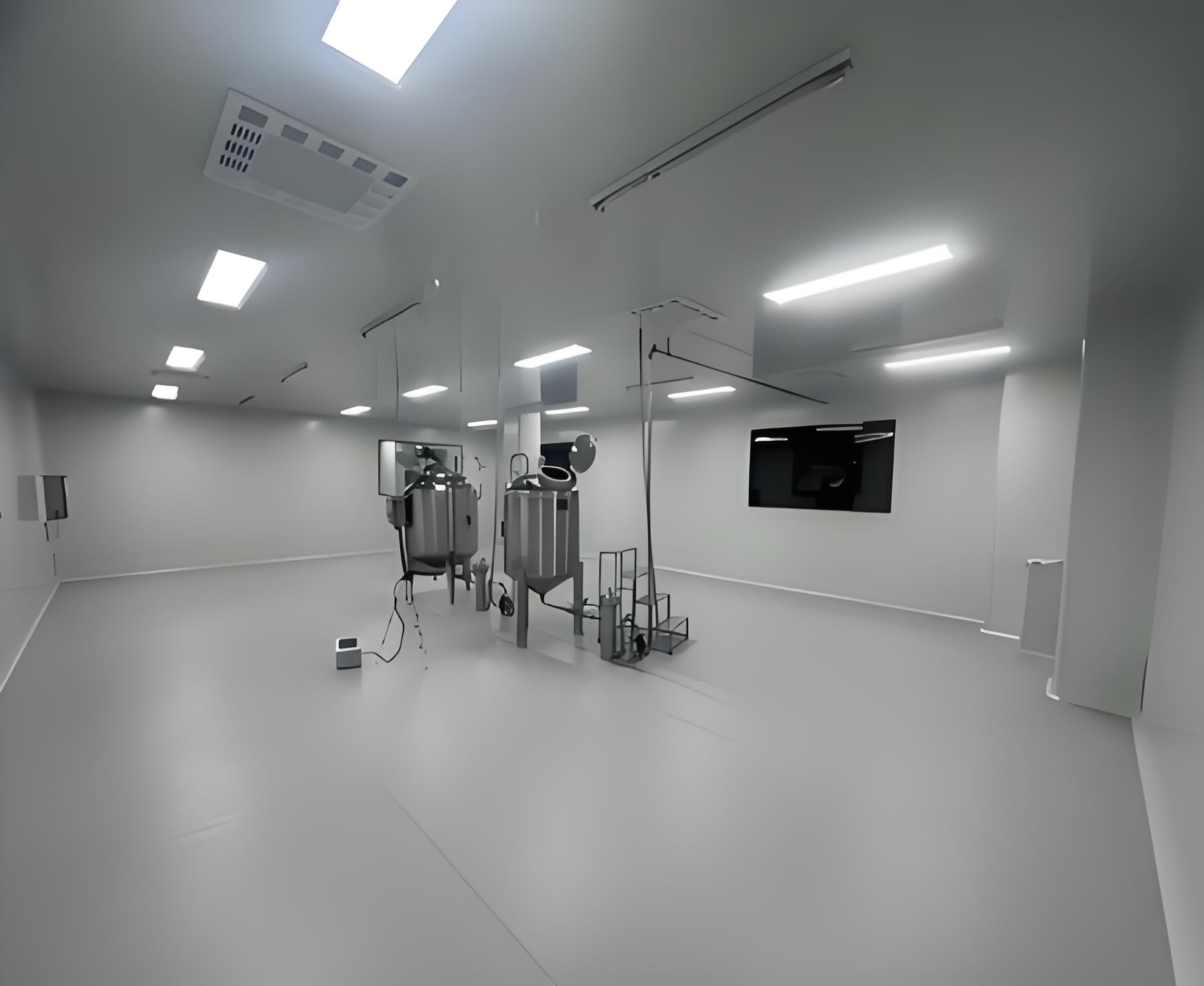

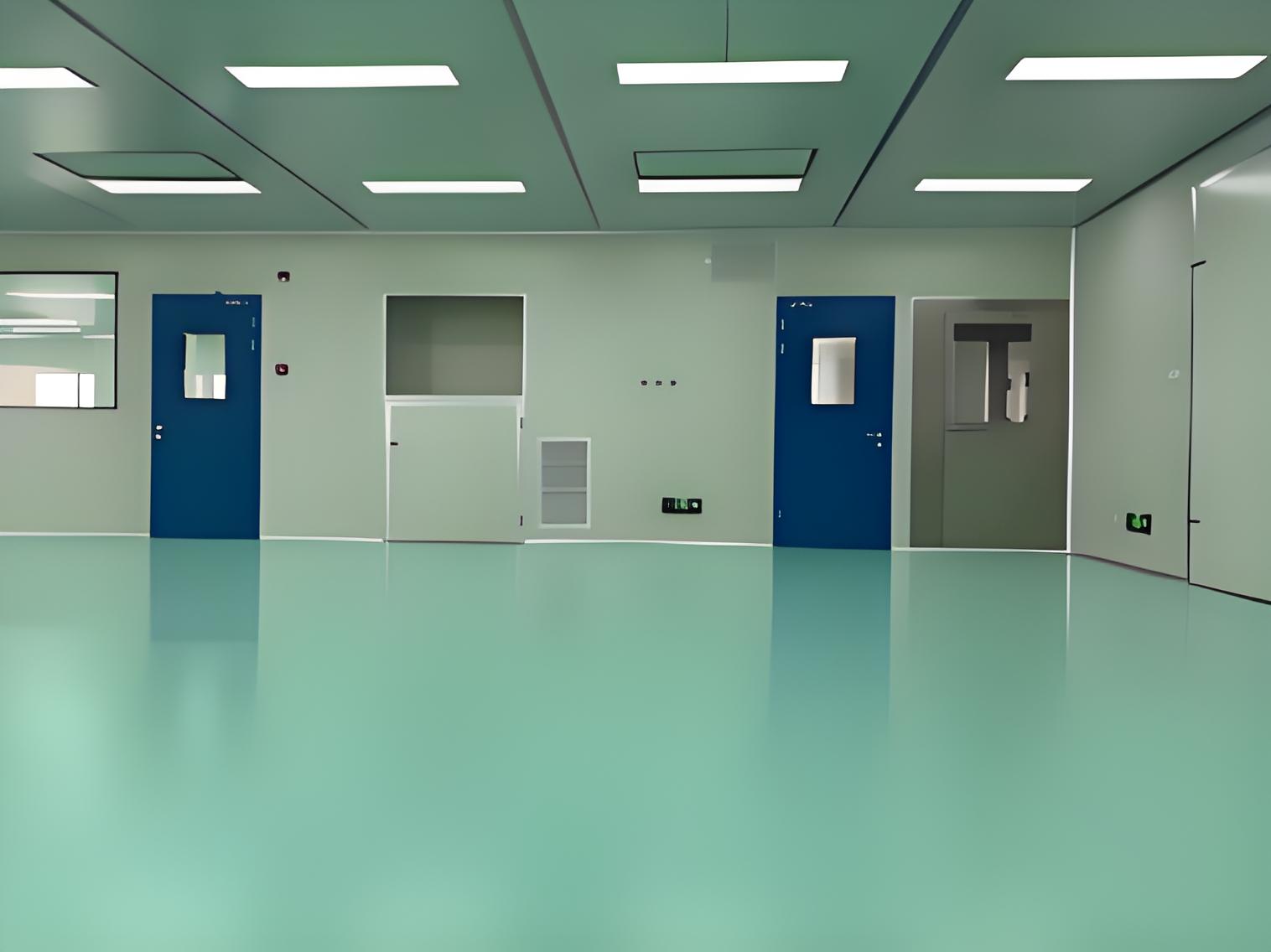
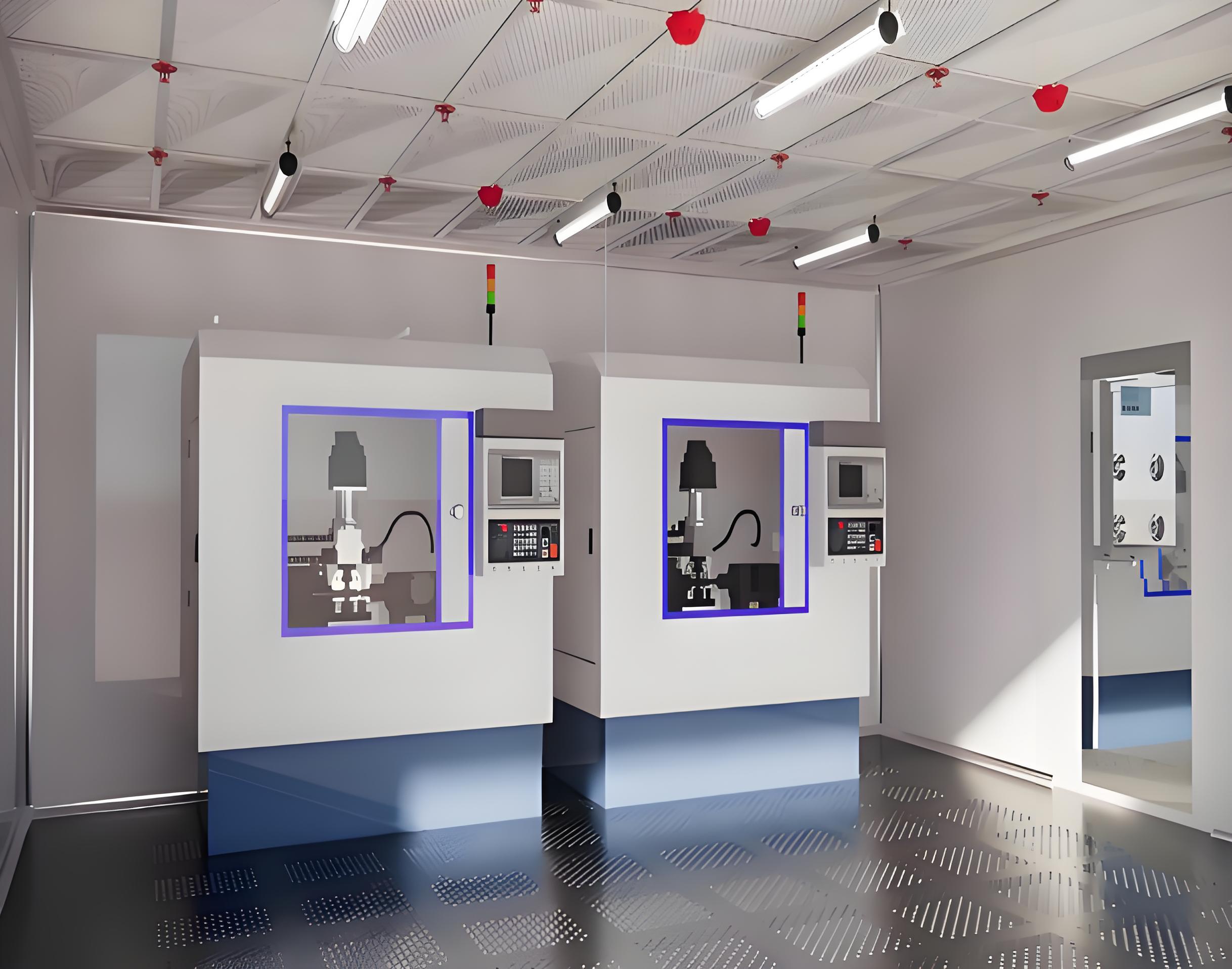
Quality control begins long before a product reaches the consumer. In industries like pharmaceuticals, food processing, and medical devices, the packaging environment directly determines product safety. A professionally engineered packaging purification project eliminates airborne particles, controls humidity, and prevents contamination during the final sealing process.
Strict international cleanroom standards govern these environments. Companies face severe financial penalties and product recalls if their packaging zones fail regulatory inspections. Experienced engineering firms like TAI JIE ER build these facilities to meet compliance on day one. By investing in the right infrastructure, businesses protect their brand reputation and ensure consumer safety. This guide covers the engineering strategies, costs, and validation steps required to successfully complete this complex infrastructure.
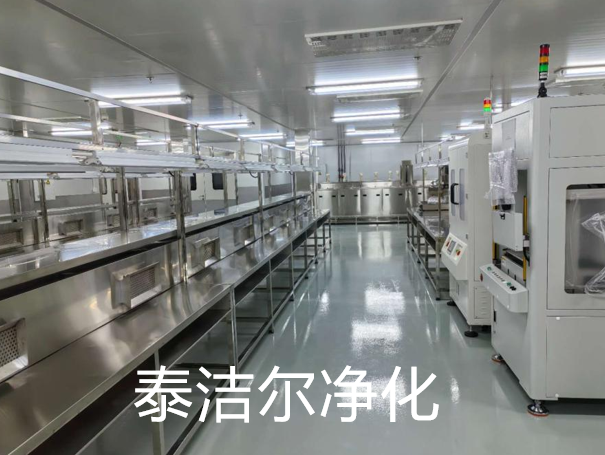
A packaging purification project is a specialized engineering initiative designed to create a controlled environment for the product packaging process. It involves the construction of cleanrooms where air quality, temperature, and pressure remain strictly regulated. Engineers do not just install filters; they design comprehensive airflow ecosystems.
These projects serve multiple high-stakes industries. Contamination at the packaging stage can ruin batches of perfectly manufactured goods. Therefore, clean packaging zones act as the final defense against microscopic threats.
Key industries that require these projects include:
Pharmaceutical Manufacturing: Blister packaging and vial filling demand sterile environments.Food and Beverage: Aseptic packaging extends shelf life and prevents bacterial growth.Medical Devices: Catheters and implants require particulate-free sealing.Semiconductor and Electronics: Microchips need protection from static and dust during final assembly.
Before breaking ground, project managers must define the target cleanliness standards. A successful packaging purification project relies on accurate classification requirements based on the specific product being packaged.
Cleanroom standards vary globally, but ISO 14644-1 and Good Manufacturing Practice (GMP) guidelines remain the industry benchmarks. ISO classifications dictate the maximum allowable particles per cubic meter of air.
ISO Class 5 (GMP Grade A/B): Used for highly sensitive aseptic packaging.ISO Class 7 (GMP Grade C): Standard for non-sterile pharmaceutical and food packaging.ISO Class 8 (GMP Grade D): Applied to secondary packaging zones.
Engineers must select the appropriate class early in the design phase. Over-specifying the room increases energy costs, while under-specifying leads to regulatory failure.
Airborne particles are not the only threat. A robust packaging purification project also manages thermal and moisture conditions. High humidity can degrade packaging materials, while static electricity from low humidity attracts dust.
Designers aim for a temperature range of 20°C to 24°C and a relative humidity between 45% and 60%. Positive air pressure ensures that clean air pushes outward, preventing contaminated air from entering when doors open.
Executing a packaging purification project requires a structured, multi-phase approach. Rushing any step often leads to failed validations and expensive retrofits.
Design begins with understanding the human and material flow. Workers and materials are the largest sources of contamination in any cleanroom.
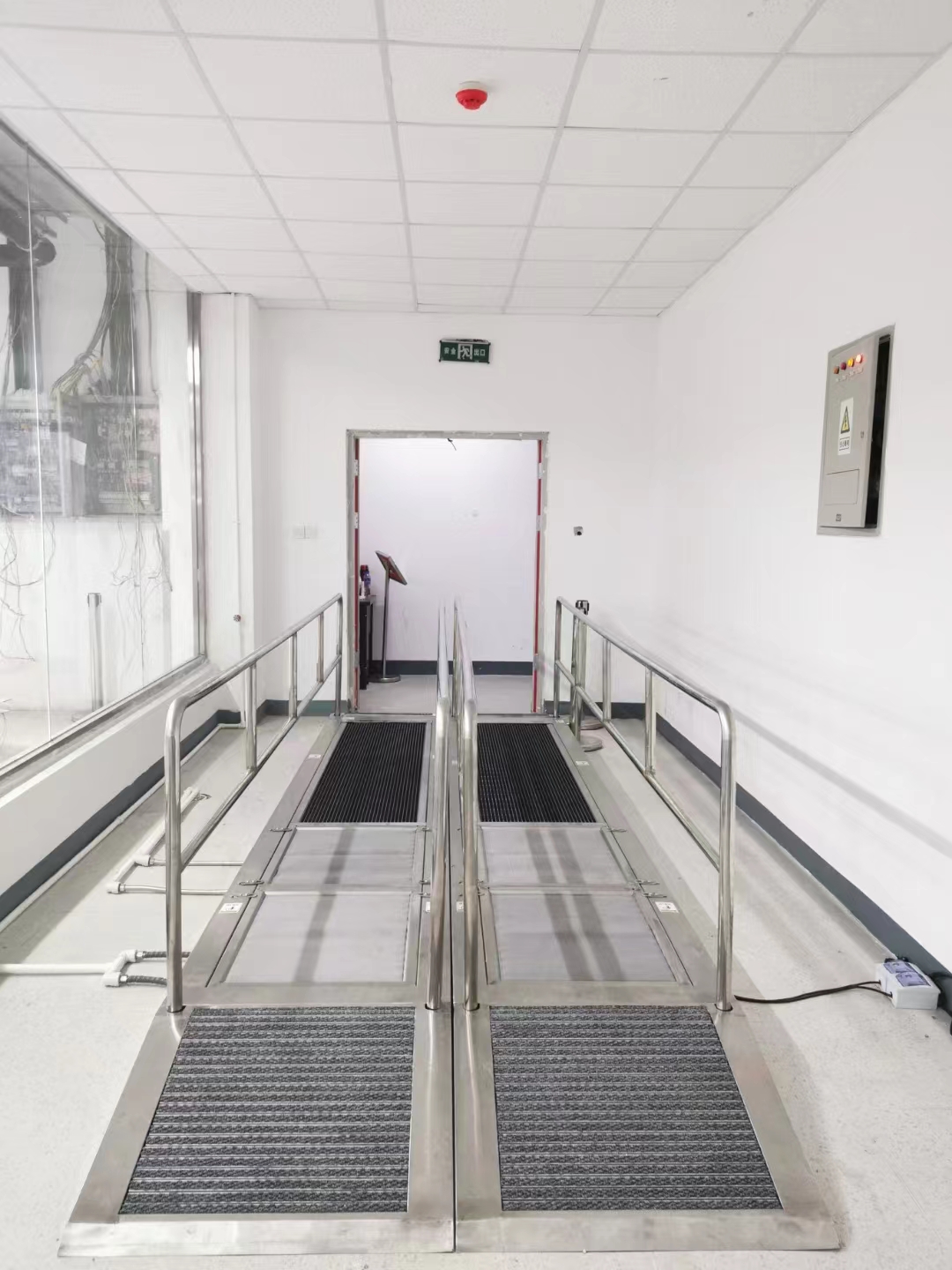
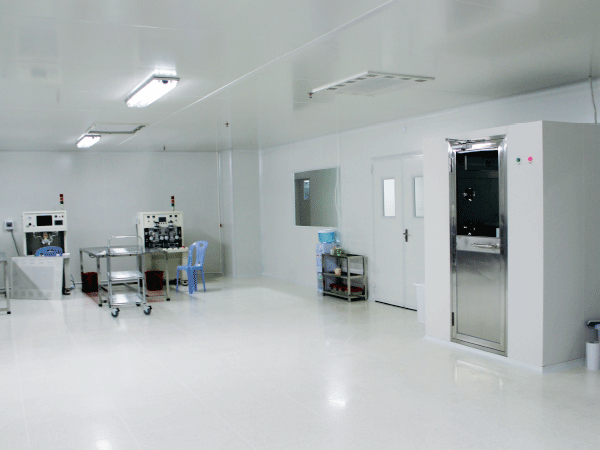
Engineers map out separate entry paths. Personnel must pass through gowning rooms and air showers. Materials move through dynamic pass boxes. This prevents cross-contamination between the dirty exterior and the clean packaging zone.
The Heating, Ventilation, and Air Conditioning (HVAC) system functions as the heart of the facility. It circulates, filters, and conditions the air. High-Efficiency Particulate Air (HEPA) filters trap 99.97% of particles as small as 0.3 microns.
Effective systems use laminar (unidirectional) airflow for Class 5 zones, pushing particles straight down to exhaust vents. For Class 7 and 8 zones, turbulent airflow dilutes the particulate concentration before exhausting the air.
Material selection is crucial. Walls and ceilings must be smooth, non-porous, and easy to sanitize. Standard drywall cannot withstand the strong chemical agents used for daily cleaning.
Modular cleanroom panels offer a popular solution. These prefabricated panels fit together tightly, reducing construction time. Floors typically use epoxy or PVC to create a seamless, chemical-resistant surface. At this stage, industry leaders like TAI JIE ER utilize advanced modular panel technologies to ensure zero-gap installations, significantly boosting the airtightness of the room.
Budget constraints often dictate the engineering approach. A packaging purification project carries high upfront costs, but cutting corners compromises the facility's long-term performance.
Several factors influence the total project cost:
Cleanliness Level: An ISO Class 5 room costs significantly more per square meter than an ISO Class 8 room due to increased air change rates.Room Size: Larger facilities require more powerful air handling units (AHUs) and ductwork.Energy Efficiency Systems: Variable frequency drives (VFDs) and smart sensors add to the initial cost but save money on long-term electricity bills.Validation Costs: Third-party testing and certification require dedicated budget allocations.
Project managers should budget for at least a 10% contingency to cover unforeseen structural or regulatory modifications.
Completion of construction does not mean the room is ready for production. Every packaging purification project must undergo rigorous validation before regulatory agencies grant approval.
The qualification process follows four distinct stages:
Design Qualification (DQ): Verifies that the proposed design meets user requirements and GMP standards.Installation Qualification (IQ): Confirms that all equipment, from HEPA filters to air ducts, is installed correctly.Operational Qualification (OQ): Tests the empty room to ensure airflow velocities and pressure differentials meet design specifications.Performance Qualification (PQ): Tests the room under normal operational conditions, with workers and machinery present.
Only after successful PQ documentation can the facility begin actual packaging operations.
Modern cleanrooms rely heavily on digital monitoring. Traditional manual logging leaves room for human error and data falsification.
Current projects integrate real-time Environmental Monitoring Systems (EMS). These systems track airborne particulates, differential pressure, temperature, and humidity every second. If a parameter drifts out of the acceptable range, the system triggers an alarm, allowing operators to halt production before products become contaminated.
Smart ventilation systems also use sensors to adjust fan speeds automatically. When the room is unoccupied, the system lowers the air change rate, conserving massive amounts of energy.
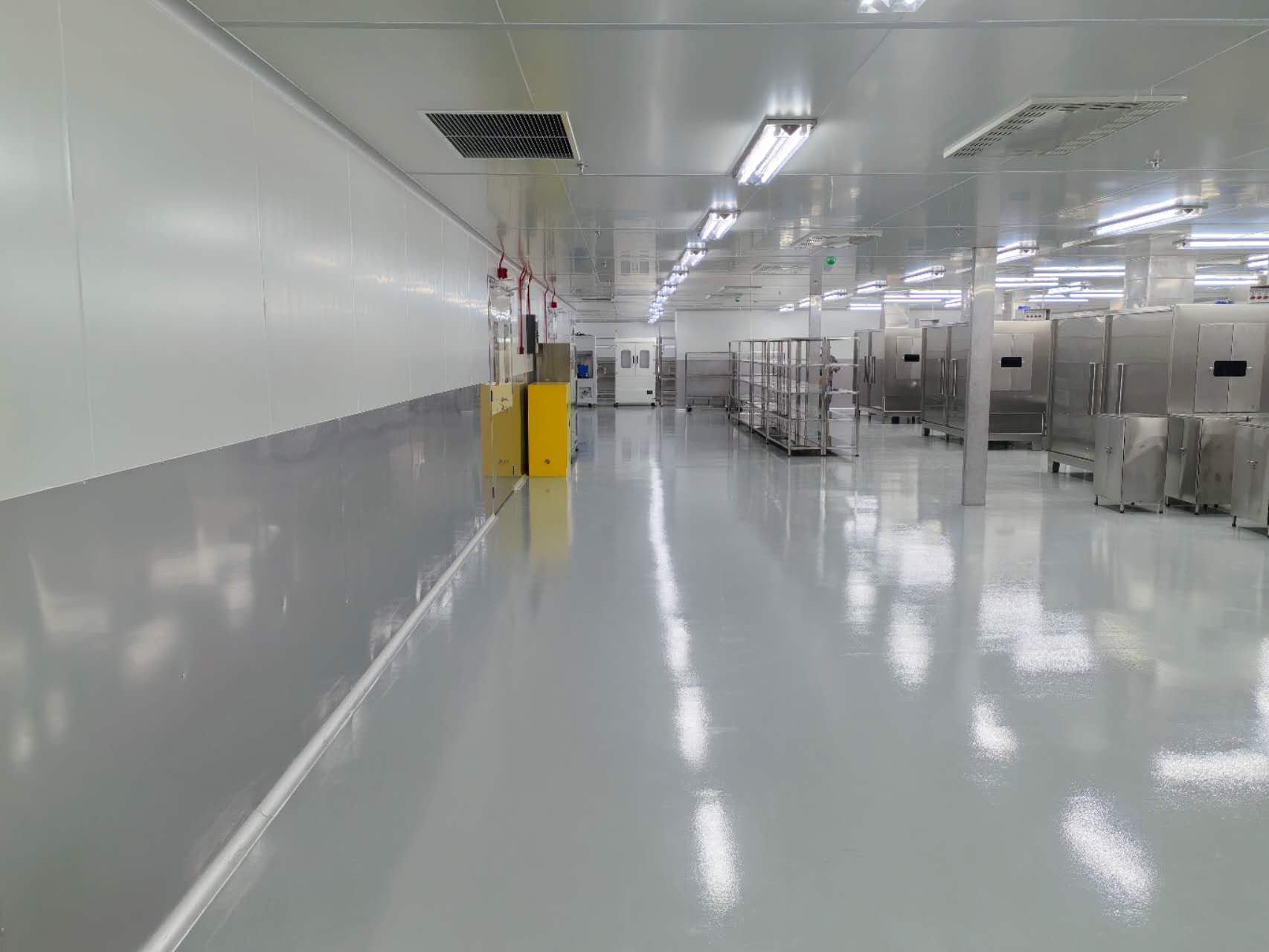
Many facility upgrades face delays and cost overruns. The most common cause of failure in a packaging purification project is poor communication between the production team and the cleanroom engineers.
Production managers often underestimate the heat generated by packaging machinery. Sealing machines and shrink-wrappers produce significant thermal loads. If the HVAC engineer does not account for this extra heat, the room will overheat, violating GMP temperature requirements.
Another common challenge is improper maintenance access. Planners must design walk-on ceilings or interstitial spaces so technicians can change HEPA filters without entering the clean space.
Successfully completing a packaging purification project is a massive milestone for any manufacturing facility. It directly protects your products, ensures regulatory compliance, and safeguards consumer health. Companies must approach these projects with a clear understanding of ISO standards, a realistic budget, and a focus on long-term operational efficiency.
Working with dedicated experts like TAI JIE ER ensures that every phase, from initial design to final validation, proceeds smoothly. By prioritizing proper engineering, advanced monitoring, and correct material selection, your packaging purification project will deliver a secure and sterile environment for years to come.
Q1: How long does a standard packaging purification project take to complete?
A1: The timeline depends heavily on the size and complexity of the facility. A small to medium-sized ISO Class 7 or 8 cleanroom typically takes 3 to 6 months from initial design to final validation. Larger, more complex projects can take up to a year. Using modular construction can significantly reduce this timeframe.
Q2: What is the most critical factor when designing a packaging purification project?
A2: The HVAC (Heating, Ventilation, and Air Conditioning) system is the most critical factor. It controls the air change rates, filtration efficiency, temperature, and pressure differentials. A poorly designed HVAC system will fail to maintain the required particulate limits, leading to failed regulatory inspections.
Q3: Can an existing warehouse space be converted into a clean packaging zone?
A3: Yes, existing spaces can be converted. Engineers build a "box-within-a-box" using modular cleanroom panels inside the existing structure. However, the existing space must have sufficient ceiling height to accommodate the heavy ductwork and air handling units required for cleanroom operations.
Q4: How often should the HEPA filters be replaced in a packaging purification project?
A4: HEPA filters typically last between 3 to 5 years, depending on the air quality of the surrounding environment and the amount of production activity. Facilities should conduct regular leak tests and monitor pressure drops across the filters to determine exactly when replacement is necessary.
Q5: Why is positive air pressure so important in these projects?
A5: Positive air pressure ensures that the air pressure inside the cleanroom is higher than in the surrounding areas. When a door opens, the clean air rushes out, preventing dirty, unfiltered air from entering the packaging zone. This acts as an invisible barrier against external contamination.