
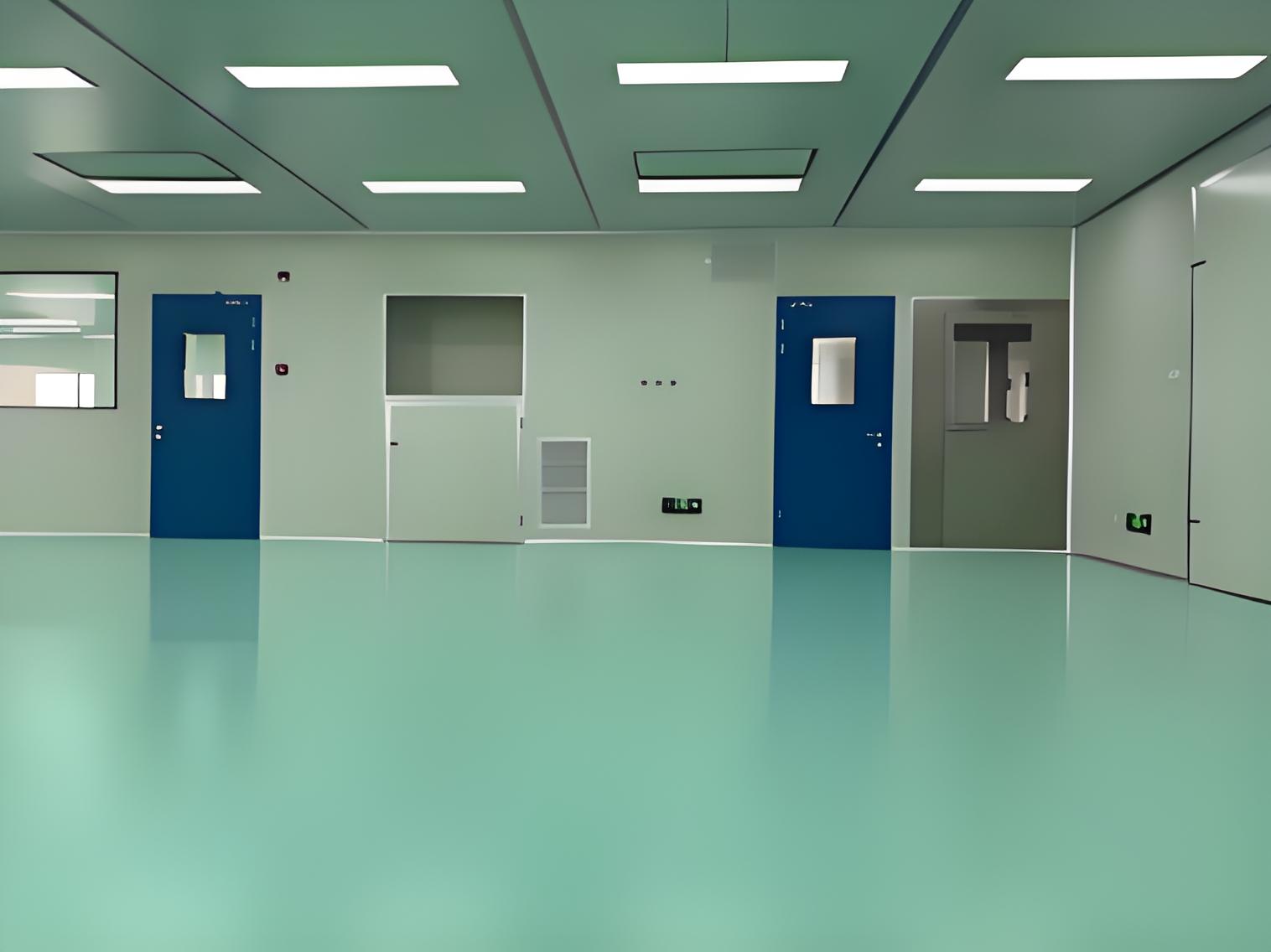
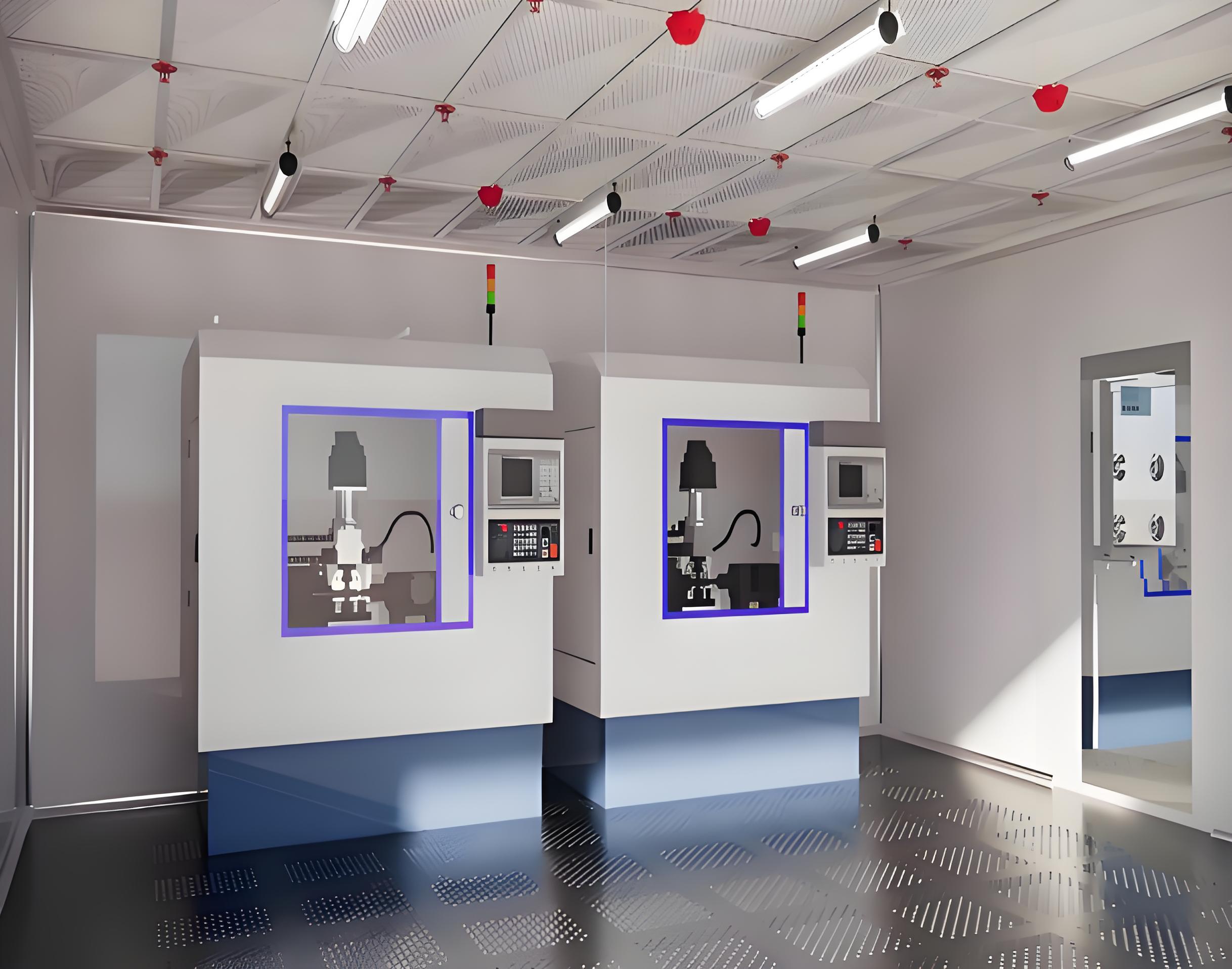
In the precision-driven world of manufacturing, maintaining impeccable cleanroom standards is non-negotiable, especially for industries like medical devices, electronics, and automotive parts. An injection molding purification project is essential to ensure that production environments meet stringent cleanliness requirements, minimizing contaminants that can compromise product quality. Companies like TAI JIE ER specialize in designing and implementing these critical systems, helping manufacturers achieve compliance and efficiency. This article delves into the multifaceted aspects of such projects, offering insights into best practices and practical considerations.
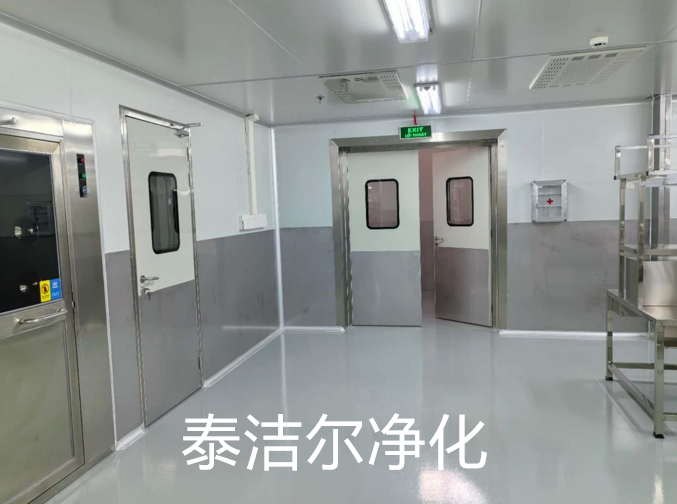
An injection molding purification project involves the integration of specialized systems to control airborne particles, temperature, humidity, and other contaminants within injection molding facilities. These projects are tailored to support cleanroom classifications, often adhering to international standards like ISO 14644. The goal is to create a controlled environment where plastic injection molding processes yield high-purity products, free from defects caused by dust, microbes, or static.
For many manufacturers, embarking on an injection molding purification project means investing in long-term reliability. It starts with a thorough assessment of current conditions and future needs. TAI JIE ER, with its expertise in clean engineering, often guides clients through this phase, ensuring that every component aligns with operational goals.
Cleanroom compliance is not just a regulatory hurdle; it directly impacts product performance and safety. In injection molding, even minor contaminants can lead to part failures, increased waste, and costly recalls. A well-executed purification project mitigates these risks by enforcing strict environmental controls.
Standards such as ISO 14644-1 define cleanroom classes based on particle concentration. For injection molding, classes like ISO 7 or ISO 8 are common, depending on the application. Without proper purification, molds can attract particles, leading to surface imperfections. TAI JIE ER emphasizes that compliance also enhances brand reputation, as customers trust manufacturers who prioritize quality.
A robust injection molding purification project relies on several key components. Each element must work harmoniously to maintain cleanliness.
Air filtration systems are the backbone. High-efficiency particulate air (HEPA) or ultra-low penetration air (ULPA) filters capture particles down to micron sizes. These filters are installed in HVAC units to ensure continuous clean airflow.
Humidity and temperature control are equally vital. Fluctuations can cause material variations in plastics, affecting molding consistency. Dedicated dehumidifiers and cooling systems stabilize the environment.
Static control measures prevent dust attraction. Ionizers and grounded equipment neutralize static charges, common in plastic handling. TAI JIE ER integrates these technologies seamlessly, tailored to each facility's layout.
Monitoring and validation tools round out the system. Sensors track particle counts, temperature, and humidity in real-time, providing data for audits and adjustments.
Designing such a project requires a methodical approach. It begins with a site survey to assess existing infrastructure and contamination sources. Engineers from TAI JIE ER often collaborate with clients to map out airflow patterns and identify risk areas.
Next, defining cleanroom zones is crucial. Critical areas around molds may need higher classification, while surrounding spaces require controlled access. This zoning optimizes costs without sacrificing purity.
Selecting equipment comes after. Filters, fans, and control systems must match the facility's scale and throughput. Energy efficiency is also considered to reduce operational expenses.
Finally, a detailed implementation plan is drafted, outlining timelines, testing protocols, and staff training. This step ensures minimal disruption to production during installation.
Once designed, the injection molding purification project moves to implementation. Installation phases are staggered to maintain ongoing operations. TAI JIE ER's teams coordinate closely with plant managers to schedule downtime effectively.
After installation, validation is critical. This involves testing air quality, filter efficiency, and environmental stability. Certifications from third-party auditors may be required to meet industry standards.
Regular maintenance schedules are established to sustain performance. Filter replacements, system checks, and recalibrations are part of routine upkeep, preventing unexpected failures.
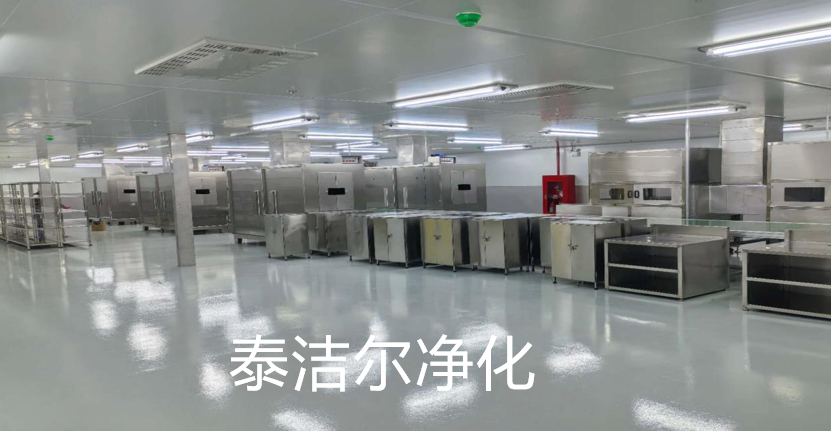
Challenges often arise during these projects. Budget constraints can limit scope, but TAI JIE ER advises phased implementations to spread costs. Starting with high-impact zones, like molding cells, allows for gradual expansion.
Space limitations in older facilities may complicate installations. Custom-designed compact systems can address this, utilizing vertical space or modular units.
Personnel training is another hurdle. Workers must adapt to cleanroom protocols, such as gowning and material handling. TAI JIE ER provides training programs to ease this transition, ensuring compliance is ingrained in daily operations.
TAI JIE ER has built a reputation for delivering tailored cleanroom solutions. Their approach combines engineering prowess with practical insights from years in the field. For an injection molding purification project, they offer end-to-end services, from initial consulting to post-installation support.
Case studies highlight their success in reducing defect rates for clients. By leveraging advanced technologies and adhering to international standards, TAI JIE ER helps manufacturers achieve faster ROI through improved yield and fewer rejections.
Their team stays updated on regulatory changes, ensuring projects remain compliant over time. This proactive stance makes them a trusted partner in the clean engineering space.
As industries evolve, so do purification needs. Trends like smart manufacturing and IoT integration are shaping future projects. Sensors with AI capabilities could predict maintenance needs, optimizing system performance.
Sustainability is also gaining focus. Energy-efficient purification systems reduce carbon footprints, aligning with global environmental goals. TAI JIE ER is exploring greener technologies, such as recyclable filters and low-energy HVAC designs.
Ultimately, the injection molding purification project will continue to be a cornerstone of quality manufacturing. Embracing innovation while upholding stringent standards will drive success in competitive markets.
In summary, an effective injection molding purification project is vital for achieving high-quality, contaminant-free production. By focusing on design, implementation, and ongoing support, manufacturers can safeguard their processes. TAI JIE ER exemplifies how expert partnership can turn these projects into sustainable advantages. As cleanroom demands grow, investing in robust purification systems remains a smart strategy for long-term resilience.
Q1: What is the primary goal of an injection molding purification project?
A1: The main goal is to control environmental factors like airborne particles, humidity, and temperature in injection molding facilities to meet cleanroom standards, ensuring product purity and reducing defects.
Q2: How long does it typically take to complete such a project?
A2: The timeline varies based on facility size and complexity, but it often ranges from a few weeks to several months. Phased approaches can help minimize production disruptions.
Q3: Can existing injection molding facilities be upgraded with purification systems?
A3: Yes, retrofitting is common. Companies like TAI JIE ER assess current setups and design custom solutions to integrate purification without major overhauls.
Q4: What are the key standards for cleanroom compliance in injection molding?
A4: International standards like ISO 14644 are widely used. Specific classes depend on the industry; for example, medical device molding may require ISO 7 or higher.
Q5: How does TAI JIE ER ensure the success of a purification project?
A5: TAI JIE ER uses a comprehensive approach, including site surveys, tailored designs, quality equipment installation, validation testing, and ongoing support to ensure projects meet client needs and standards.