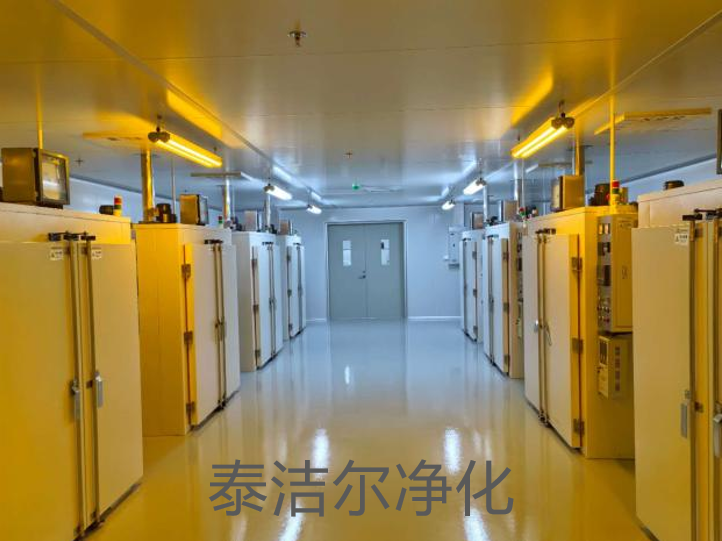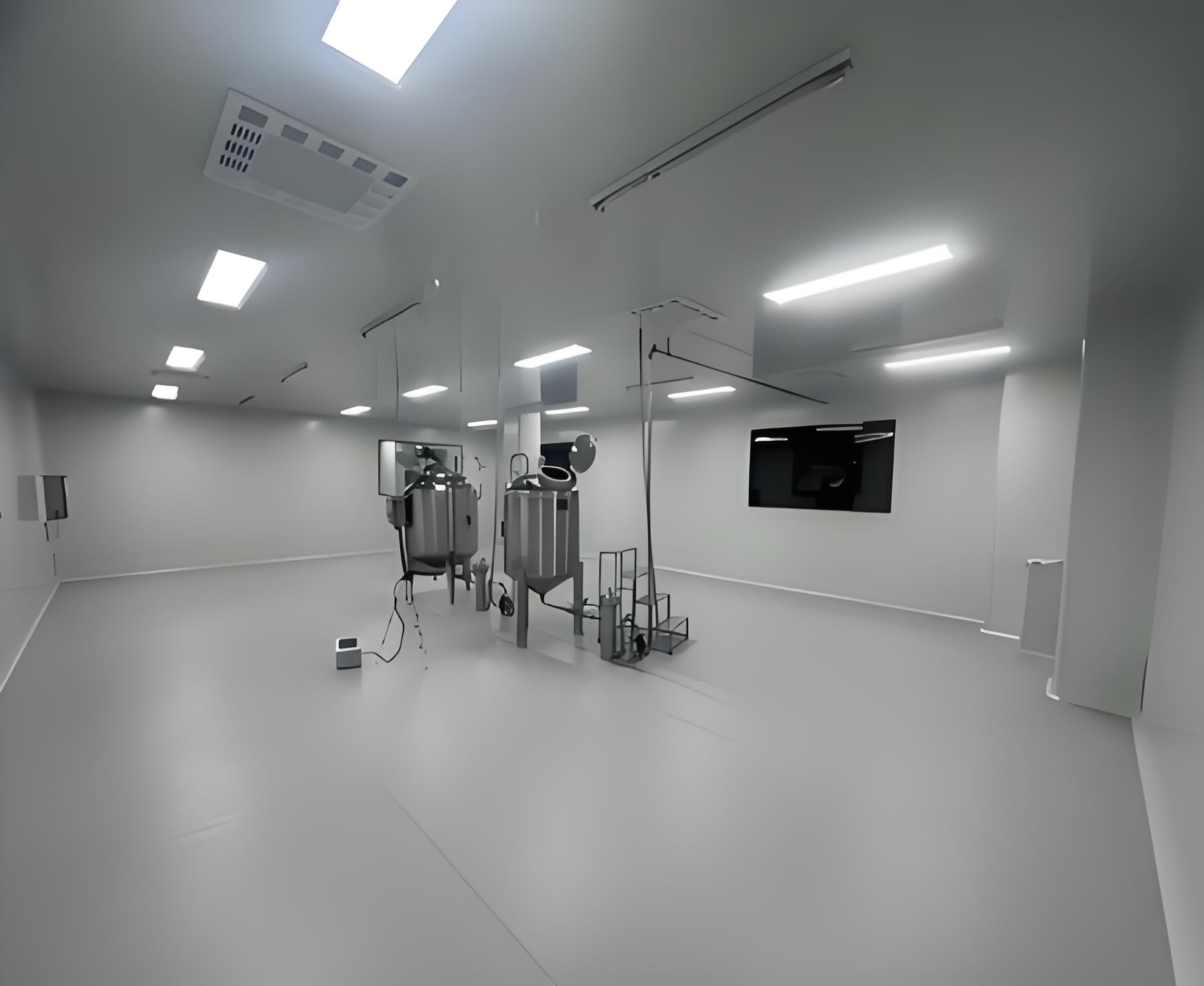
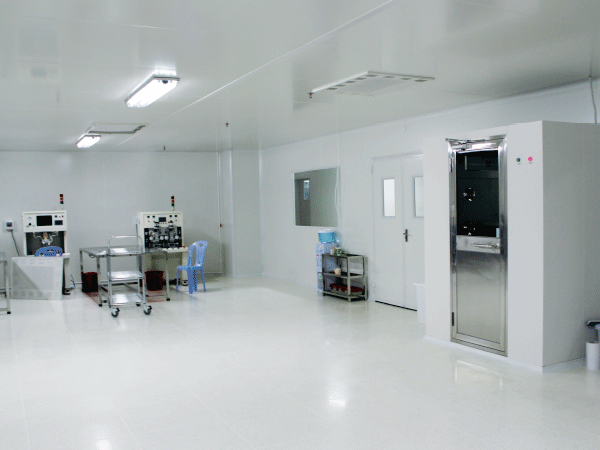

In high-precision manufacturing, the smallest particle of dust can ruin a batch of plastic components. For industries like medical devices, optics, and automotive electronics, maintaining a pristine environment is mandatory. This is where a specialized injection molding purification project becomes the backbone of your production quality. It ensures that contaminants are controlled, and environmental parameters remain stable.
At TAI JIE ER, we understand that building a cleanroom for injection molding differs significantly from standard assembly cleanrooms. There is high heat generation, oil vapors, and specific material handling needs. A well-executed injection molding purification project addresses these unique challenges directly. It turns a standard factory floor into a controlled asset that boosts yield rates and client confidence.
This article details the engineering standards, design logic, and operational benefits of investing in a clean manufacturing environment. We will look at how TAI JIE ER approaches the planning and execution of a successful injection molding purification project.
The demand for high-quality plastic parts is increasing. Clients now require certificates of cleanliness for parts used in medical tubing or electronic housings. If your facility relies on open-air molding, you risk contamination from ambient dust, cardboard fibers, and operator debris. An injection molding purification project solves this by isolating the production area.
Implementing an injection molding purification project drastically reduces the "reject rate" caused by foreign inclusions (black dots) in clear or white plastic parts. When you control the air, you control the quality.
Furthermore, an injection molding purification project improves the lifespan of your molds. Cleaner air means less abrasive dust settling on expensive mold surfaces and hydraulic equipment. This engineering investment pays for itself through reduced maintenance and higher product acceptance rates.
Designing these spaces requires adhering to international standards, typically ISO 14644. Most injection molding applications require ISO Class 7 or Class 8 environments. A TAI JIE ER injection molding purification project begins by defining the target cleanliness class based on your specific product requirements.
Airflow design is critical. An injection molding purification project must account for the physical size of the molding machines. These machines obstruct airflow. Therefore, the placement of HEPA filters and return air vents is calculated to ensure "sweeping" airflow that removes particles effectively.
Positive pressure is another non-negotiable standard. Your injection molding purification project ensures the cleanroom has higher air pressure than the surrounding warehouse. This prevents dirty air from entering when doors are opened. We install magnehelic gauges to monitor this pressure constantly.
Injection molding machines generate massive amounts of heat. A standard HVAC system will fail under these conditions. A successful injection molding purification project must calculate the British Thermal Unit (BTU) output of every machine, dryer, and robot in the room.
If the heat is not managed, the cleanroom becomes a sauna. This affects resin viscosity and operator safety. Therefore, the HVAC component of an injection molding purification project focuses heavily on cooling capacity and air change rates (ACH).
TAI JIE ER engineers often design local exhaust systems for the mold area. This removes heat and fumes directly at the source before they disperse into the cleanroom. This is a hallmark of a smart injection molding purification project. It saves energy by reducing the load on the main cooling system.
How you move resin in and parts out is vital. An injection molding purification project is not just about walls; it is about logistics. Bringing cardboard boxes into a cleanroom is a major violation.
We design the injection molding purification project with airlocks and pass-through boxes. Raw materials should ideally be fed through a piping system from a centralized drying station outside the cleanroom. This keeps dust from resin bags out of the critical zone.
For the finished parts, conveyor belts are often enclosed. Your injection molding purification project should include a designated packing area that is cleaner than the molding area, or at least equally controlled. TAI JIE ER helps layout these zones to prevent cross-contamination during material transfer.
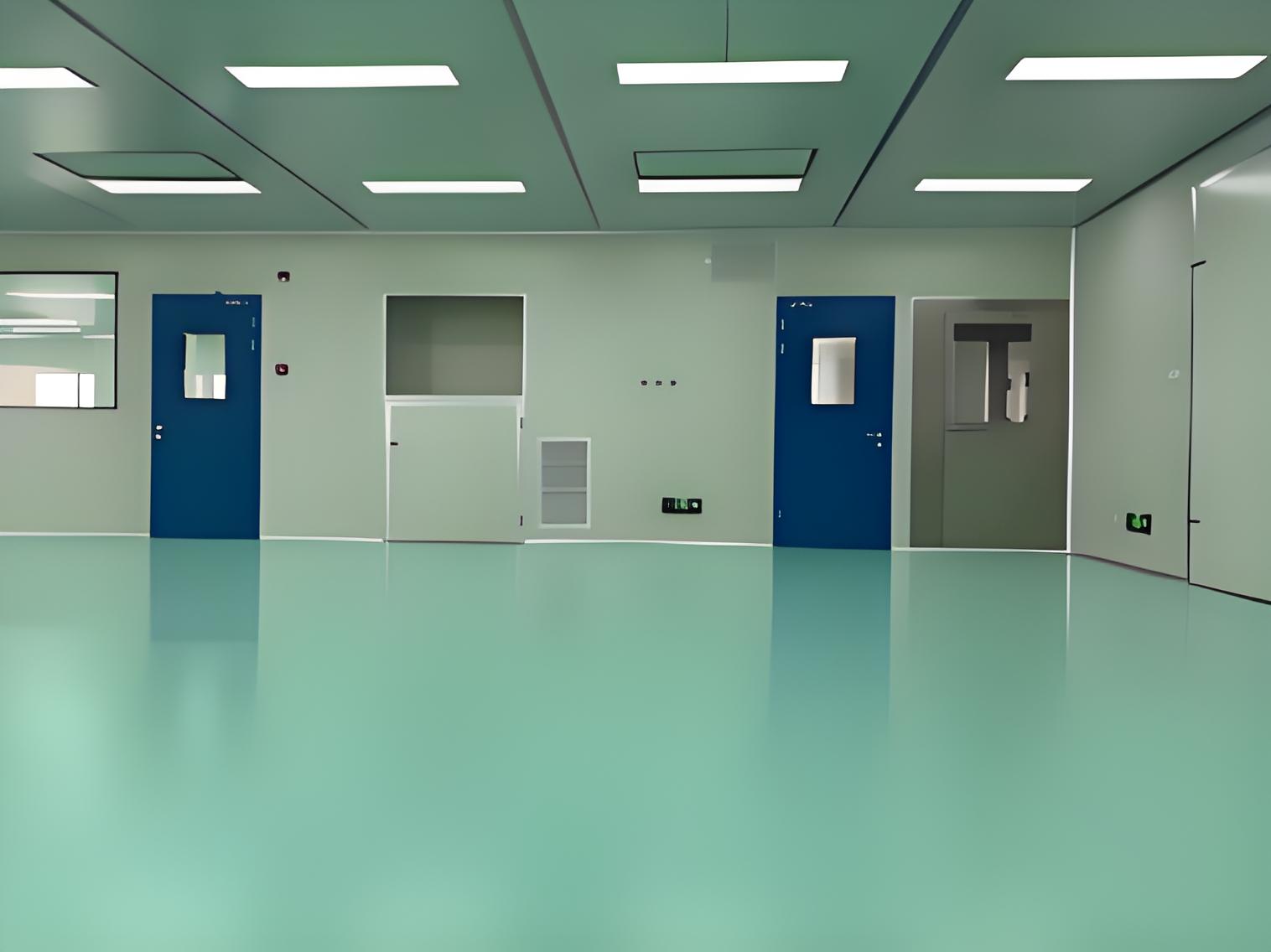
The materials used in construction matter. In an injection molding purification project, the floor must withstand the weight of heavy machinery and the traffic of forklifts or mold carts.
Epoxy self-leveling floors are the standard. They are seamless, easy to clean, and do not generate dust. TAI JIE ER recommends a thick epoxy build for any injection molding purification project to prevent cracking under heavy loads.
For walls, we use modular cleanroom panels. These are anti-static and easy to wipe down. A key feature of a modern injection molding purification project is the use of flush windows and doors. Ledges collect dust, so flush surfaces are required to meet GMP and ISO standards.
Running a cleanroom is energy-intensive. Fans and chillers run 24/7. However, a modern injection molding purification project can be optimized for lower operational costs.
We utilize Variable Frequency Drives (VFDs) on air handlers. When the particle count is low, or during non-production hours, the injection molding purification project system automatically lowers fan speeds.
Heat recovery is another strategy. The heat generated by the chillers can sometimes be reused for other plant processes. TAI JIE ER focuses on the Total Cost of Ownership (TCO) when designing an injection molding purification project, ensuring that your electricity bills remain manageable while maintaining ISO compliance.
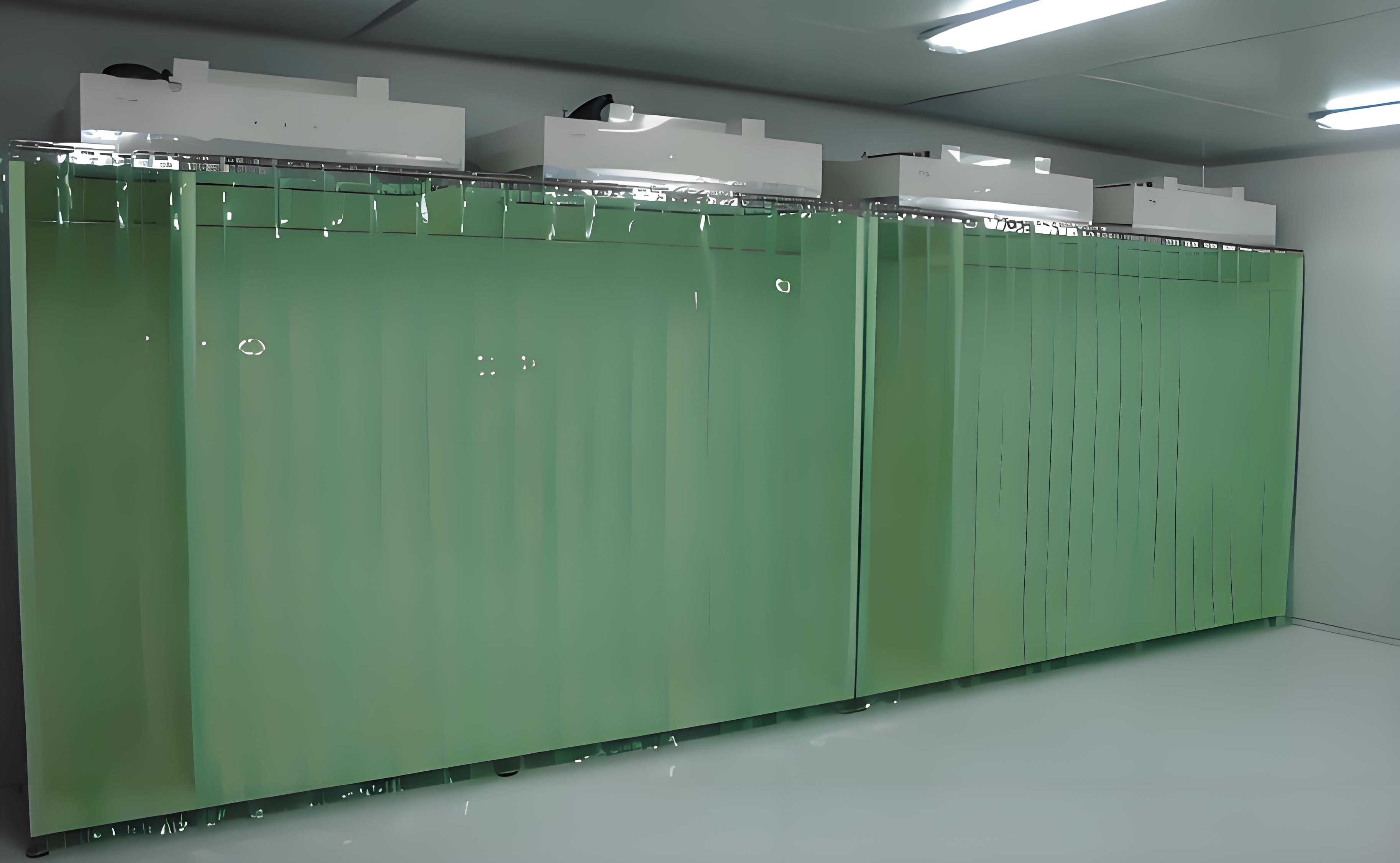
The heart of the system is filtration. In an ISO 8 injection molding purification project, we typically aim for 15 to 25 air changes per hour. For ISO 7, this increases to 30 to 60 changes.
HEPA filters remove 99.97% of particles sized 0.3 microns. Your injection molding purification project will feature a ceiling grid populated with Fan Filter Units (FFUs) or ducted terminal filters.
The location of return air vents is equally important. In an injection molding purification project, return vents are placed low on the walls. This pulls particles down and away from the work surface. If vents are poorly placed, the injection molding purification project will fail to pass certification due to "dead zones" where air stagnates.
Changing molds is a dirty process. It often requires heavy overhead cranes. Integrating a crane into a cleanroom is a specific challenge of an injection molding purification project.
The crane rail must be easy to clean. Often, TAI JIE ER designs the injection molding purification project so the crane zone is slightly segregated, or we use specific "cleanroom ready" hoists that do not shed grease or particles.
If the crane design is ignored, the injection molding purification project will be compromised every time a mold change occurs. We establish protocols for cleaning the mold before it enters the clean environment, ensuring the integrity of the injection molding purification project.
Visual inspection is part of the injection molding process. Therefore, the injection molding purification project requires high lux levels, usually between 300 to 500 lux.
We use LED teardrop lighting or flush-mounted LED panels. These lights do not disturb the airflow pattern. In a TAI JIE ER injection molding purification project, we ensure the lighting color rendering index (CRI) is high so operators can easily spot color variance or defects in the plastic parts.
Proper lighting reduces eye strain and improves quality control, which is the ultimate goal of the injection molding purification project.
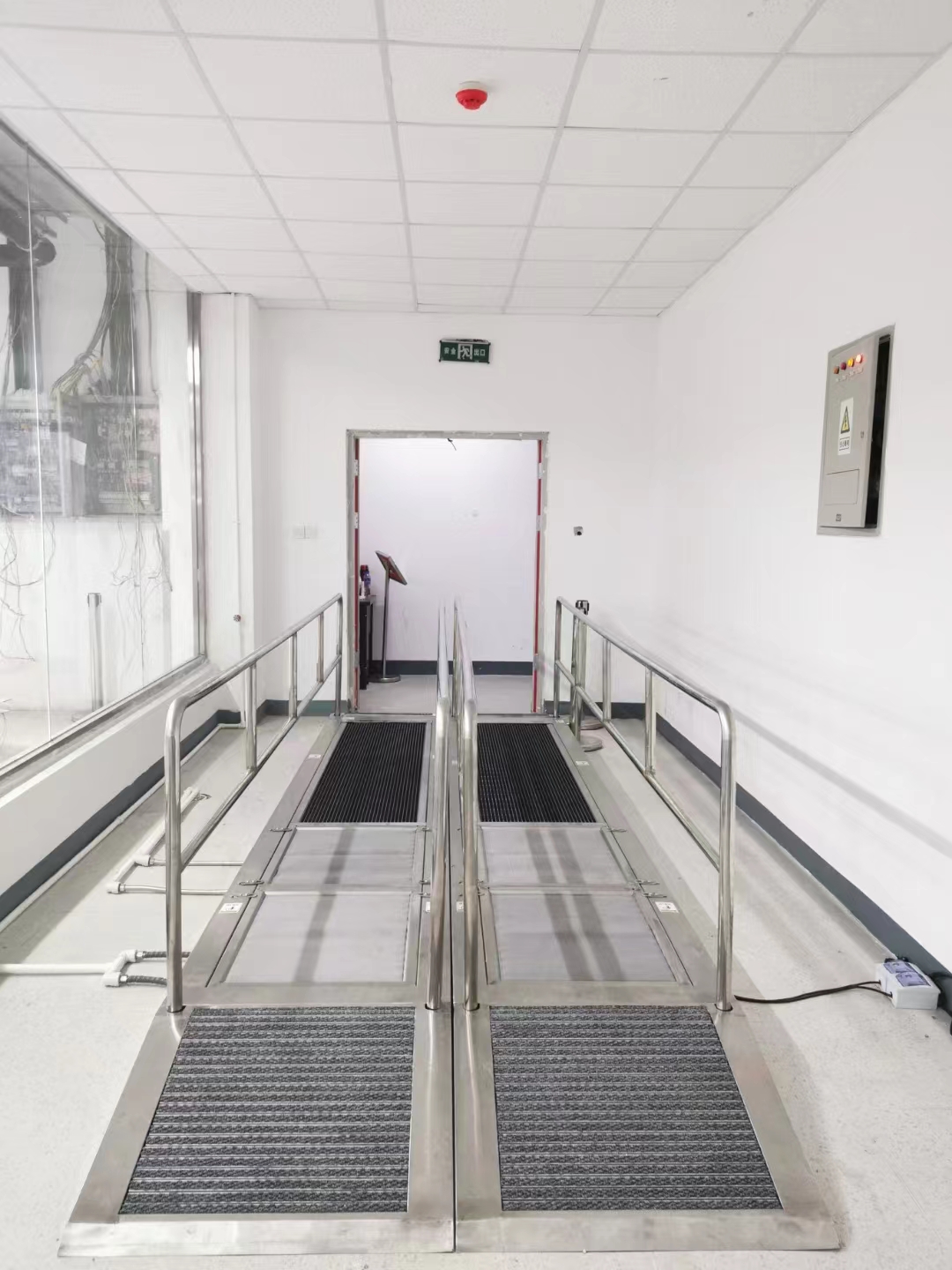
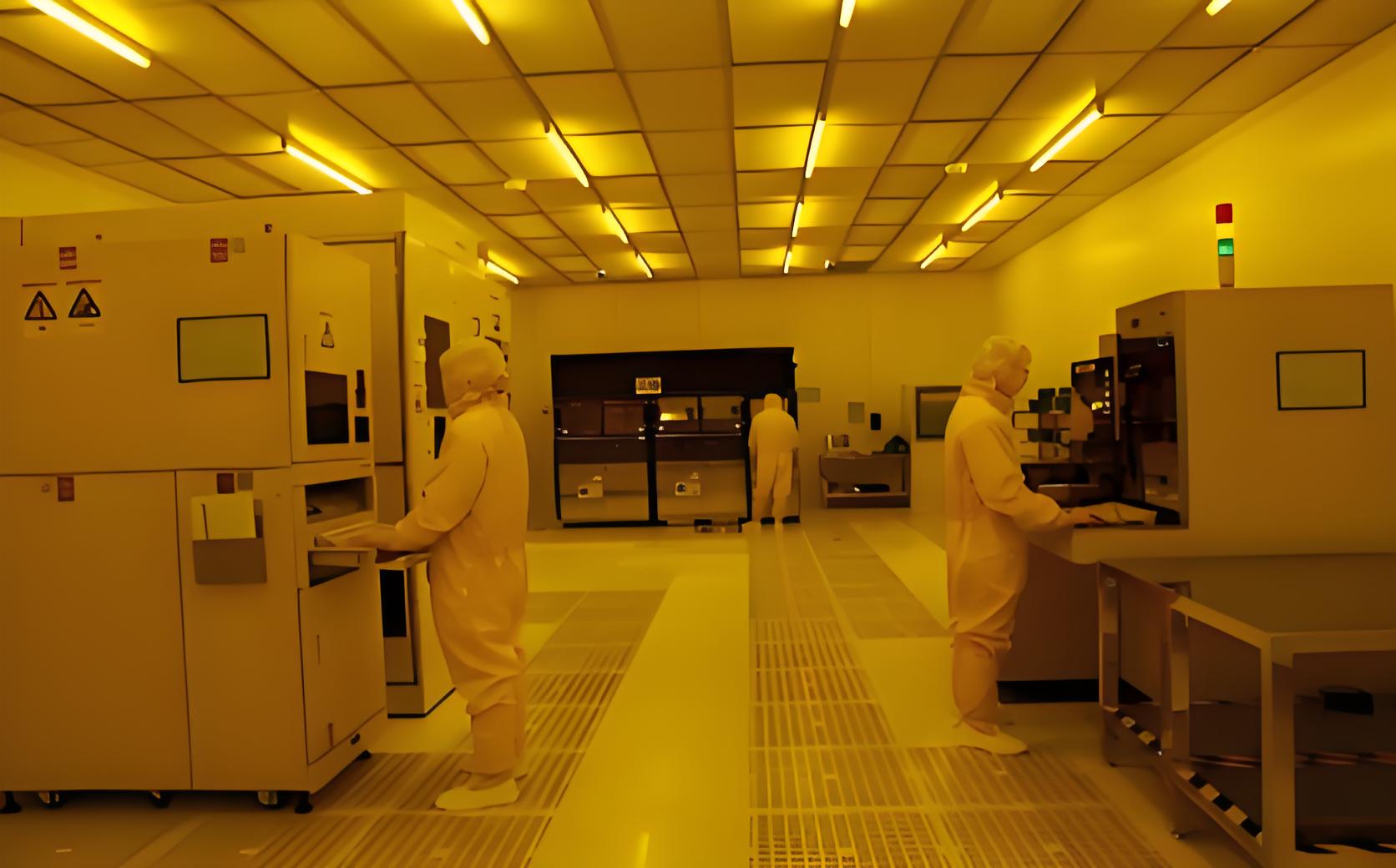
You can build the perfect facility, but humans are the biggest source of contamination. An injection molding purification project includes the design of a Gowning Room (PAL - Personnel Airlock).
Here, operators change into cleanroom suits, hairnets, and shoe covers. TAI JIE ER advises that the injection molding purification project design includes a step-over bench to separate the "dirty" side from the "clean" side.
Training is also part of the package. Operators must understand how their movements affect airflow. A successful injection molding purification project relies on disciplined staff who follow protocols strictly.
Automation reduces human presence, which lowers contamination. Many modern facilities integrate robotics into their injection molding purification project.
Robots pick parts from the mold and place them on conveyors. This ensures consistent cycle times and cleaner parts. When planning your injection molding purification project, TAI JIE ER considers the space and safety guarding required for these 3-axis or 6-axis robots.
Automation stabilizes the process. It allows the injection molding purification project to function at peak efficiency with minimal human interference, keeping the particle count consistently low.
Once construction is done, the work is not finished. The injection molding purification project must be validated. This involves particle counting, air pressure testing, and temperature mapping.
Third-party testing ensures the room meets ISO 14644 standards. TAI JIE ER supports clients through this IQ, OQ, and PQ (Installation, Operational, and Performance Qualification) process. Your injection molding purification project is only valid once it possesses this certification.
Regular re-certification is needed, usually annually. This ensures filters are not clogged and seals remain tight. A well-maintained injection molding purification project will last for decades.
Understanding what we are fighting helps explain the need for an injection molding purification project. Common contaminants include hydraulic oil mist, polymer dust, cardboard fibers, and skin cells.
Oil mist is particularly troublesome. It coats surfaces and attracts dust. A TAI JIE ER injection molding purification project often includes oil mist collectors in the return air system to prevent HEPA filters from clogging prematurely.
By identifying these specific threats, we tailor the injection molding purification project to neutralize them effectively, ensuring your product remains sterile and defect-free.
Cleanrooms use sandwich panels that must be fire-retardant. An injection molding purification project must comply with local fire codes.
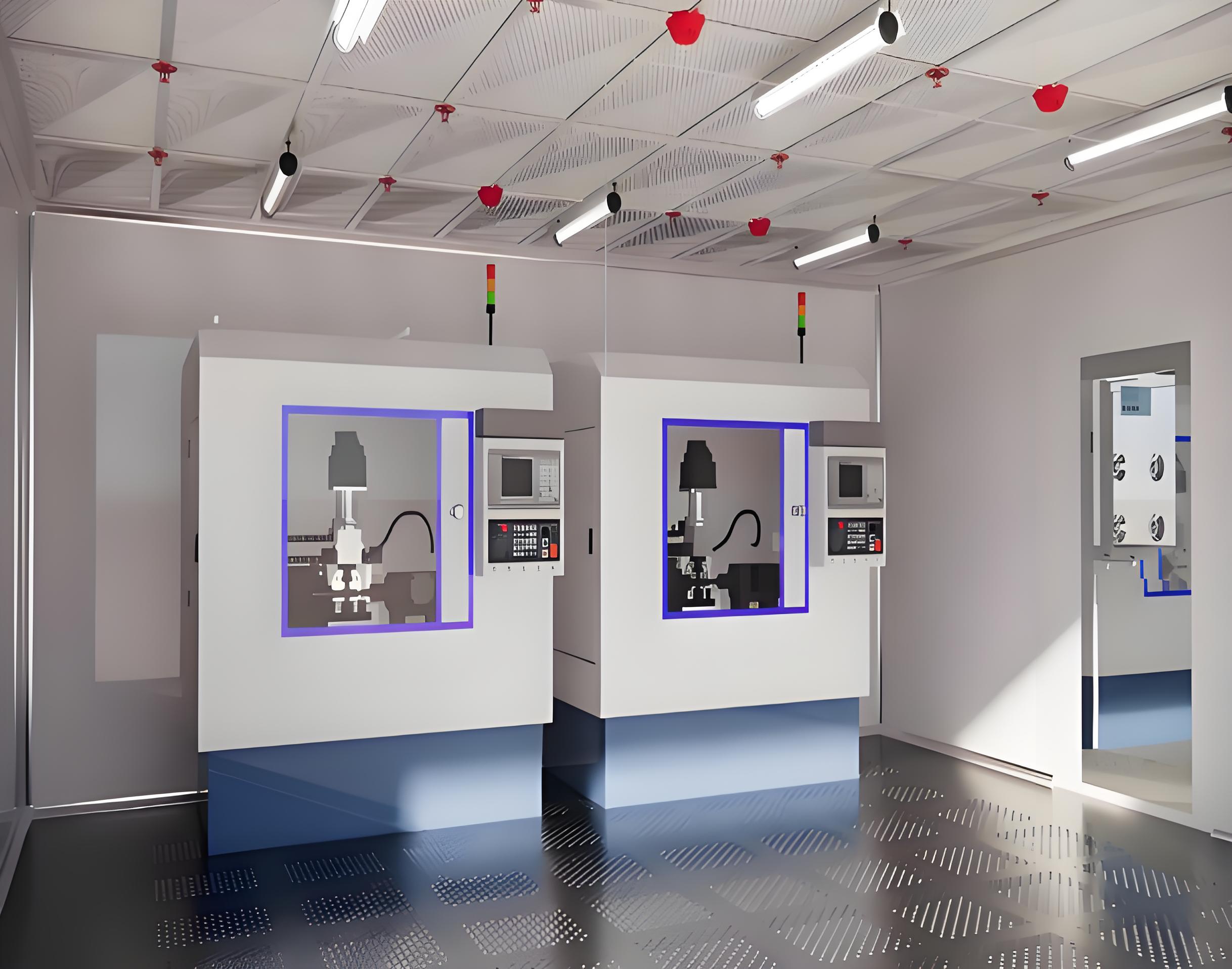
Sprinkler systems must be integrated into the ceiling grid without compromising the air seal. TAI JIE ER ensures that the materials used in your injection molding purification project (like Rockwool or honeycomb panels) are non-combustible.
Safety cannot be traded for cleanliness. Our engineering teams ensure that your injection molding purification project includes clear emergency exits and proper alarm systems visible and audible over the noise of molding machines.
We specialize in the unique intersection of heavy machinery and clean environments. An injection molding purification project handled by TAI JIE ER is built on years of field experience.
We do not just install walls; we calculate thermal loads, optimize material flow, and ensure energy efficiency. We treat your injection molding purification project as a holistic engineering challenge.
From the initial CAD design to the final air balancing, TAI JIE ER is your partner. We ensure your injection molding purification project delivers the ROI you expect, positioning your company as a leader in high-quality manufacturing.
Investing in an injection molding purification project is a strategic move for any plastics manufacturer aiming for the medical, automotive, or high-end electronics markets. It controls contamination, improves mold life, and secures client trust.
The complexity of heat loads, crane access, and material logistics makes this distinct from standard office HVAC. It requires professional engineering. TAI JIE ER is ready to lead your injection molding purification project from concept to completion.
By adhering to strict ISO standards and focusing on operational efficiency, a TAI JIE ER injection molding purification project transforms your production capabilities. Contact us today to discuss how we can upgrade your facility.
Q1: How much does an injection molding purification project cost per square meter?
A1: The cost varies significantly based on the ISO class (Class 7 or 8) and the existing infrastructure. An injection molding purification project typically ranges from $300 to $800 per square meter. Factors like ceiling height, required HVAC tonnage for heat load management, and flooring specifications (epoxy vs. raised floor) will drive the final price. TAI JIE ER provides custom quotes after a site survey.
Q2: Can we retrofit an existing factory into an injection molding purification project?
A2: Yes, retrofitting is common. However, an injection molding purification project in an existing space requires careful planning regarding headspace for ductwork and reinforcing floors for heavy machines. We often build a "room within a room" structure. The main challenge is usually sealing the area and upgrading the power supply for the new HVAC systems.
Q3: What ISO class is standard for a medical injection molding purification project?
A3: For most medical device components, ISO Class 8 (Class 100,000) is the baseline standard. However, for invasive devices or implants, an ISO Class 7 (Class 10,000) environment is often required. Your injection molding purification project must be designed to meet the specific regulatory requirements of the markets you intend to serve (FDA, CE, etc.).
Q4: How do you handle mold changes in an injection molding purification project without letting dirt in?
A4: We design a specific protocol for this. The injection molding purification project should include a material transfer area or a dedicated "cleaning zone" where molds are wiped down before entering the cleanroom. Additionally, using electric overhead cranes with enclosed hoists helps prevent grease and particles from falling from the ceiling during changes.
Q5: How long does it take to complete an injection molding purification project?
A5: A typical injection molding purification project takes between 2 to 4 months. This includes the design phase (2-4 weeks), fabrication of panels and HVAC units (4-6 weeks), and on-site installation and validation (4-6 weeks). TAI JIE ER works to a strict timeline to minimize downtime for your production lines.