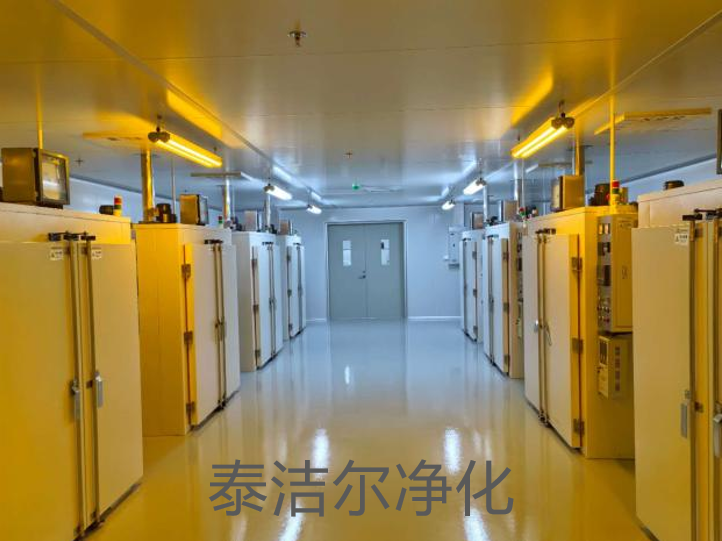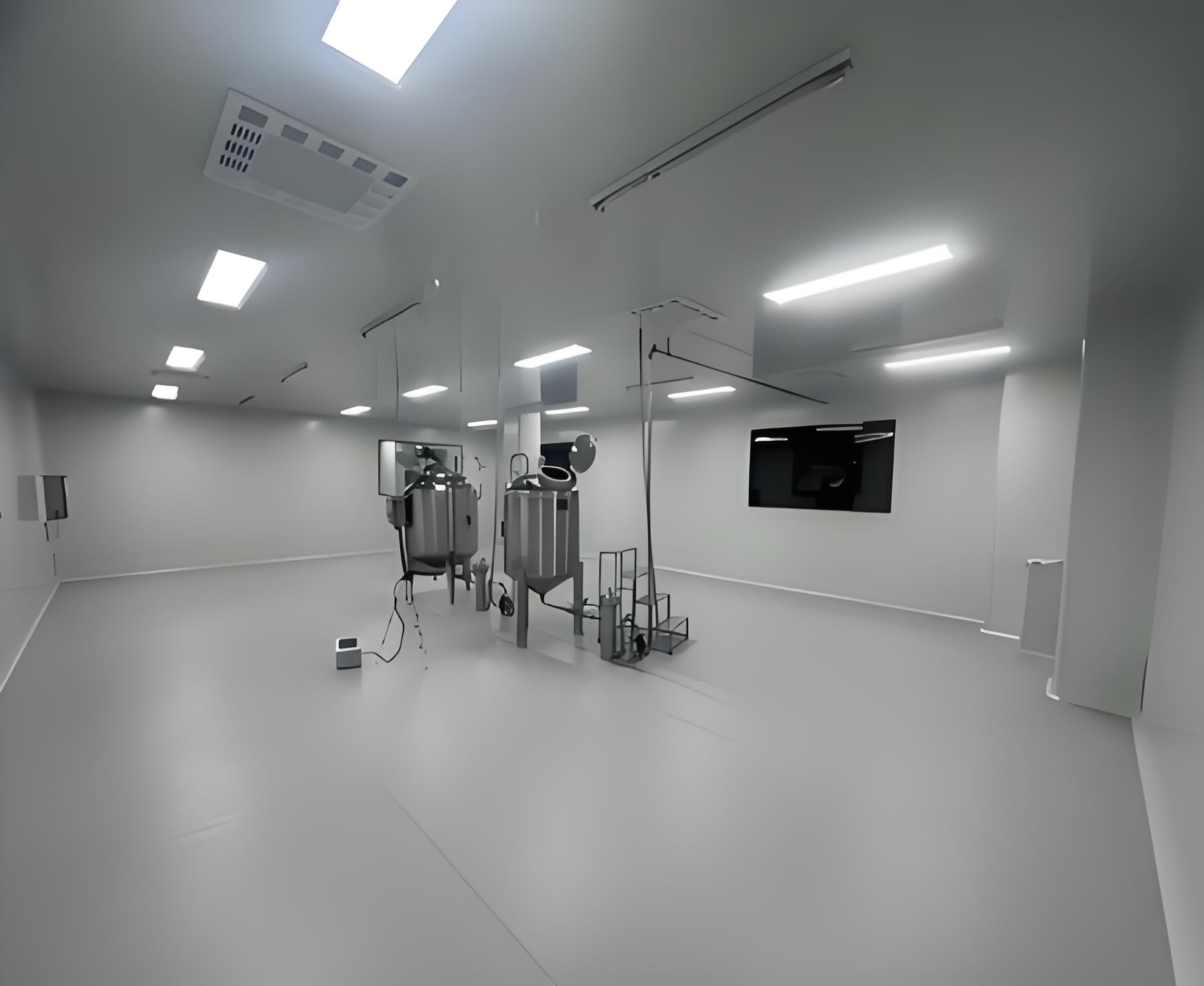

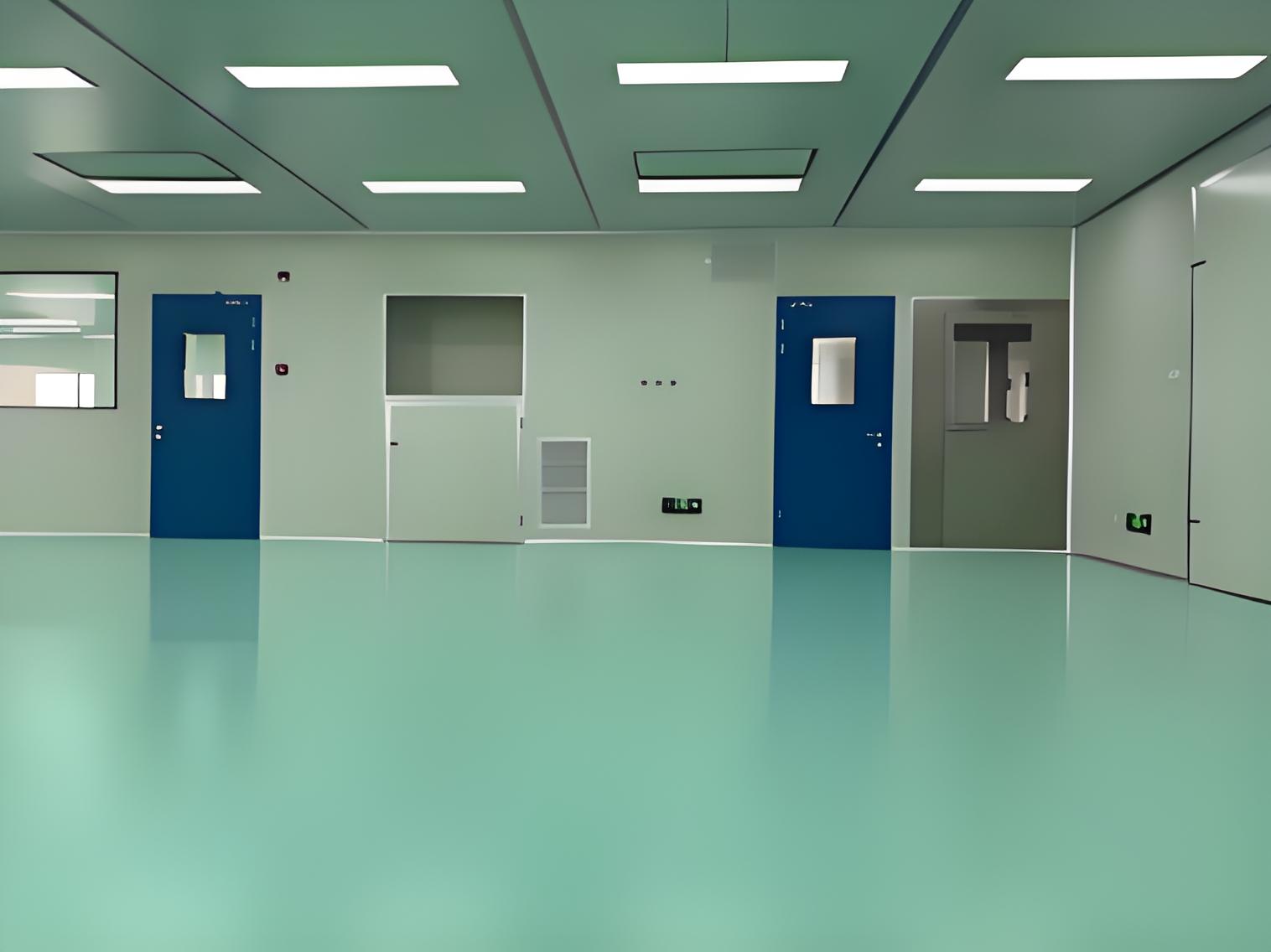
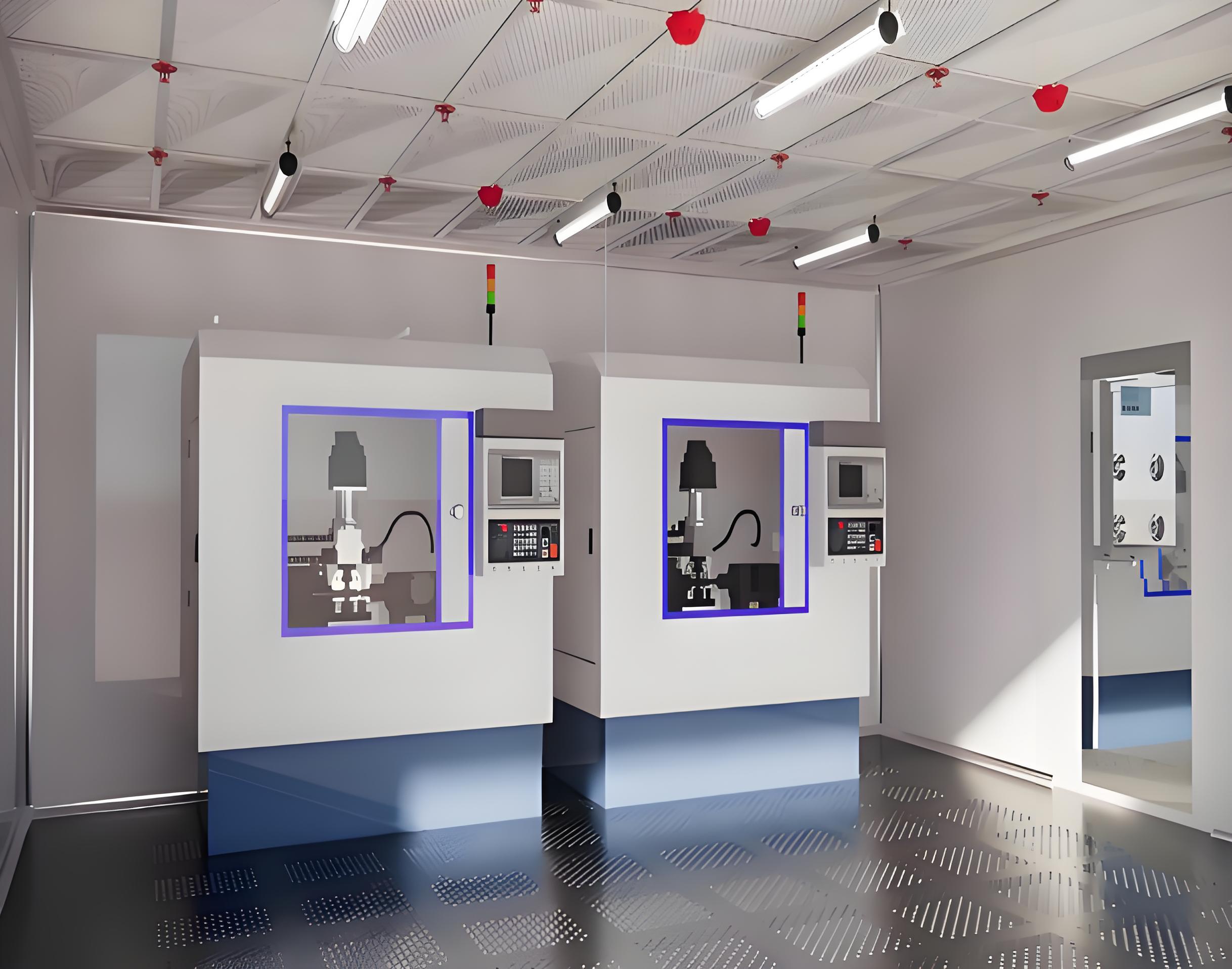
Building a facility for scientific research is one of the most complex challenges in modern engineering. Unlike standard office buildings, the process of laboratory construction and design requires a deep understanding of scientific workflows, safety regulations, and environmental control.
For companies like TAI JIE ER, the goal is clear: create a space where science can thrive without interruption. A successful project hinges on how well the laboratory construction and design integrates mechanical systems with human needs.
Whether you are planning a pharmaceutical cleanroom, a university research center, or an industrial testing facility, the principles of laboratory construction and design remain the foundation of your success. This article details the critical steps and standards required to execute these projects correctly.
The first phase of any project is planning. In laboratory construction and design, planning goes beyond blueprints. It involves analyzing the specific hazards and sensitivities of the research to be conducted.
Effective laboratory construction and design starts with a feasibility study. We must determine if the existing structure can support the necessary ventilation and heavy equipment.
Many projects fail because the laboratory construction and design team did not account for future expansion. A rigid layout limits growth. Therefore, modern laboratory construction and design prioritizes modularity and flexibility.
TAI JIE ER emphasizes that the flow of personnel is a critical component of laboratory construction and design. Scientists should not have to cross high-risk zones to reach their desks.
You cannot discuss laboratory construction and design without mentioning regulations. In the international arena, standards like ISO 14644 for cleanrooms and GLP (Good Laboratory Practice) dictate the physical requirements of the space.
A compliant laboratory construction and design process ensures that all surfaces are non-porous and easy to clean. This is vital for infection control and preventing cross-contamination.
Fire codes also heavily influence laboratory construction and design. The storage of flammable liquids requires specific ventilation strategies and fire-rated walls.
If your laboratory construction and design fails to meet local and international codes, the facility may never open. This makes regulatory expertise a cornerstone of the laboratory construction and design process.
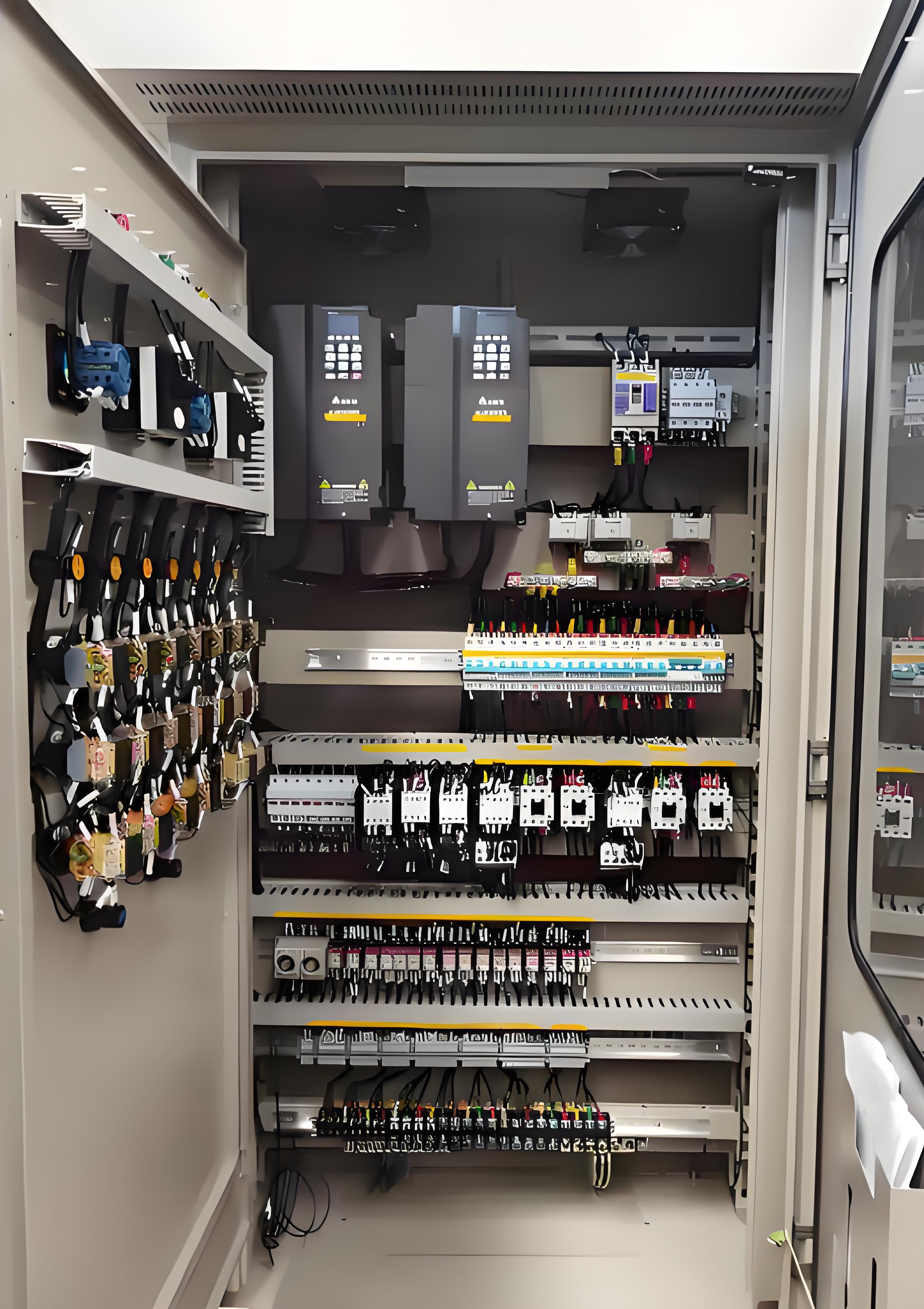
The air handling system is the most expensive and important part of laboratory construction and design. Unlike standard AC, lab HVAC must control humidity, pressure, and filtration.
In laboratory construction and design, we often utilize "single-pass" air systems to prevent the recirculation of fumes. This protects the researchers from chronic exposure to chemicals.
TAI JIE ER engineers focus heavily on pressure cascades during laboratory construction and design. The lab should be at negative pressure relative to the hallway to keep odors inside.
Conversely, in cleanroom laboratory construction and design, positive pressure is used to keep contaminants out. Balancing these pressures is a delicate task that defines the quality of the laboratory construction and design.
Energy recovery is also a major trend in laboratory construction and design. Because labs move so much air, heat recovery wheels are installed to reduce operational costs.
The materials chosen during laboratory construction and design must withstand harsh conditions. Standard flooring will degrade quickly under chemical spills.
Successful laboratory construction and design usually specifies seamless epoxy or chemical-resistant vinyl flooring. These materials prevent bacteria from growing in cracks.
Countertops are another critical element of laboratory construction and design. Phenolic resin and epoxy resin are the industry standards because they resist heat and acids.
The walls selected during laboratory construction and design must be smooth and shed-free. In cleanroom environments, TAI JIE ER utilizes modular panel systems that are specifically engineered for high-end laboratory construction and design.
Even the ceiling tiles matter. A proper laboratory construction and design avoids porous mineral fiber tiles that generate dust, opting instead for vinyl-faced tiles.
Safety is not an operational afterthought; it is a physical attribute built into the laboratory construction and design.
Emergency showers and eyewash stations must be positioned correctly. The laboratory construction and design plan should place these within 10 seconds of travel time from any hazard.
Fume hood placement is a common pitfall in laboratory construction and design. If hoods are placed near doors, the air turbulence will compromise containment.
A safe laboratory construction and design ensures there are two exits for any lab over a certain size. This prevents staff from being trapped during a fire.
TAI JIE ER also considers seismic activity in laboratory construction and design. Heavy equipment must be anchored, and shelving must have lips to prevent chemical bottles from falling.
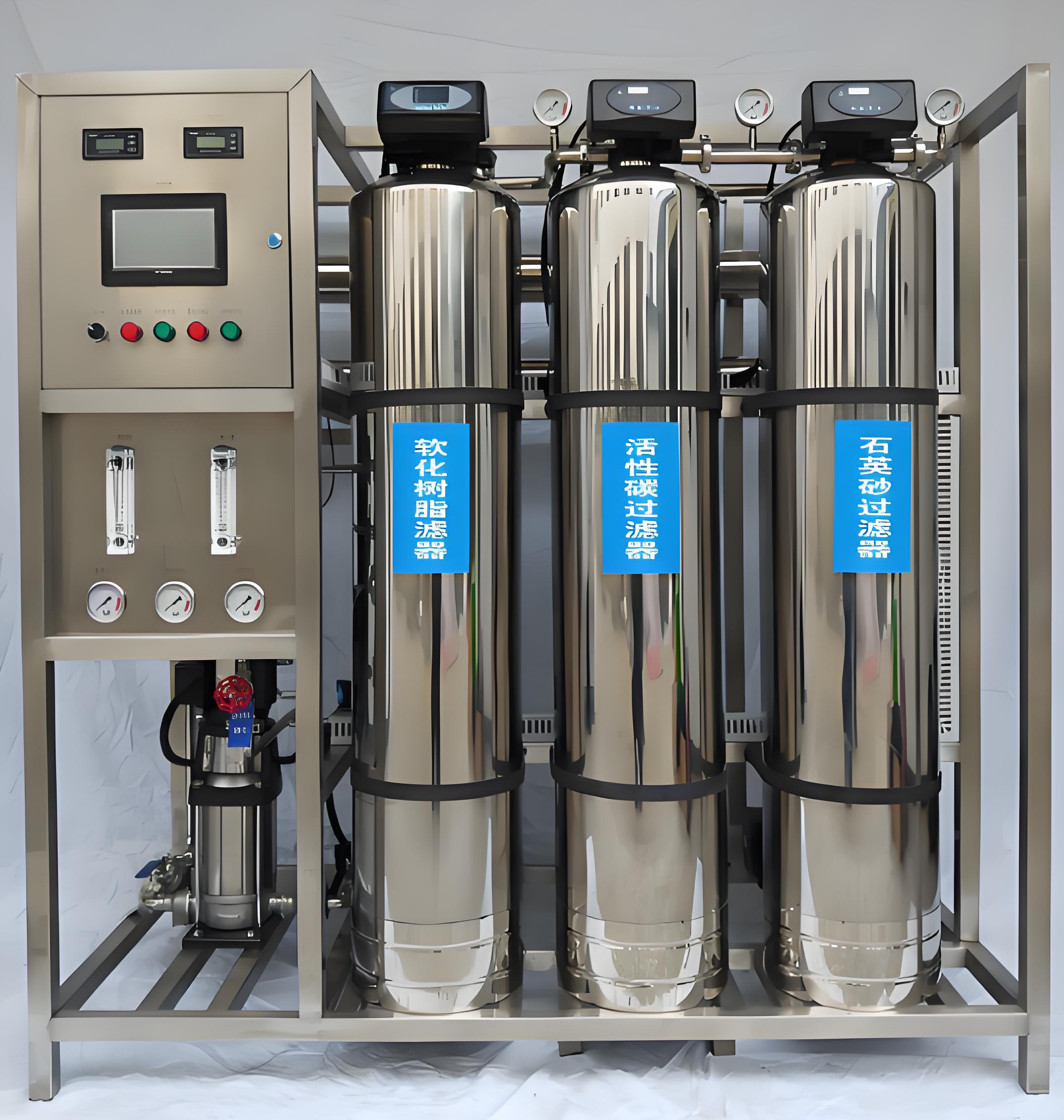
Efficiency is the result of good layout. Laboratory construction and design drives productivity by minimizing the distance researchers must travel.
We use the "zone" concept in laboratory construction and design. Wet benches are grouped together, and sensitive instruments are placed in vibration-free zones.
Waste management is often overlooked in laboratory construction and design. There must be dedicated space for biohazard bins and glass disposal to keep aisles clear.
Lighting is another factor. High-precision work requires excellent illumination. Therefore, laboratory construction and design includes lighting plans that reduce shadows on the work surface.
For clients needing ISO-classified spaces, laboratory construction and design becomes even more rigorous.
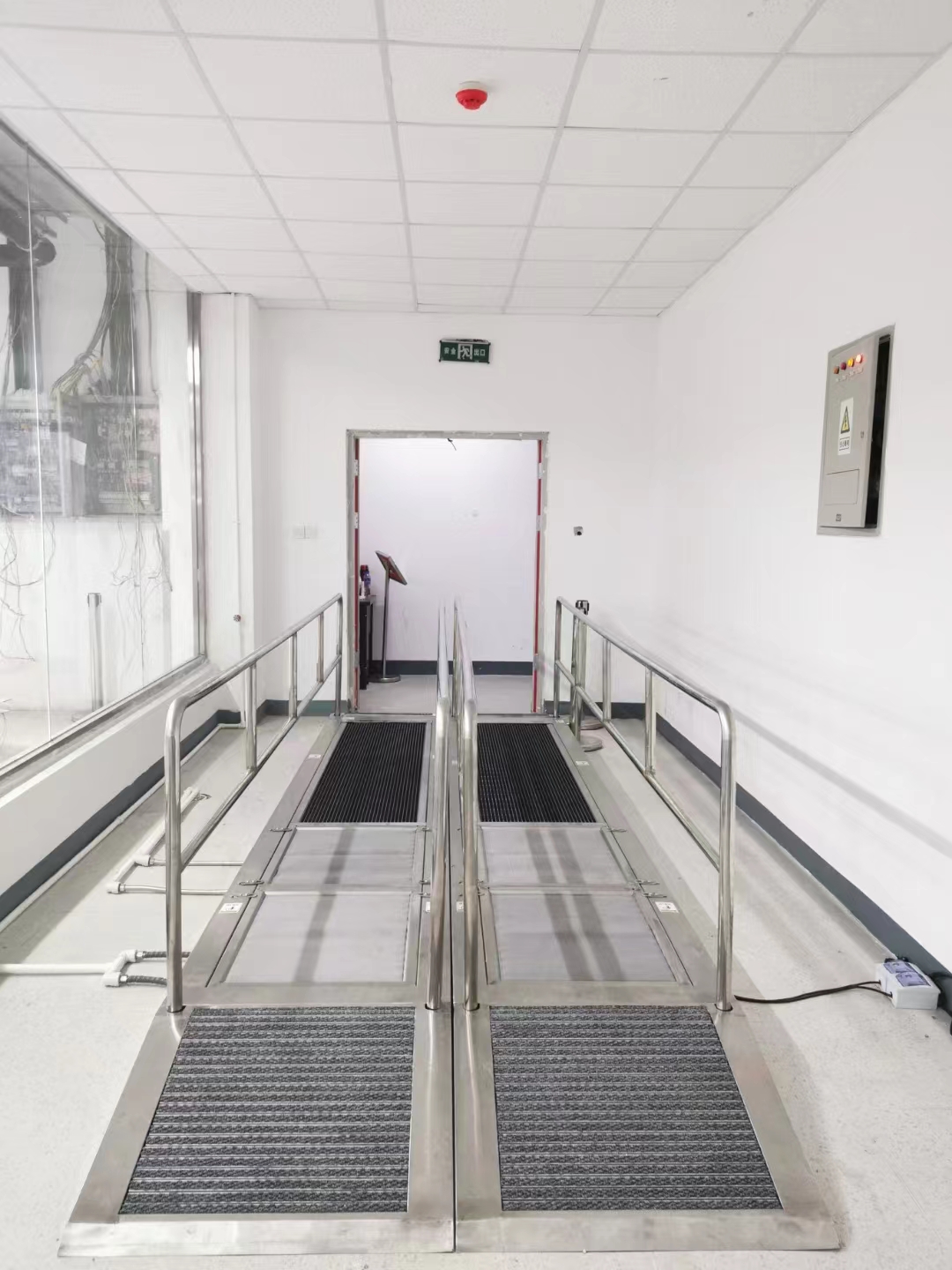
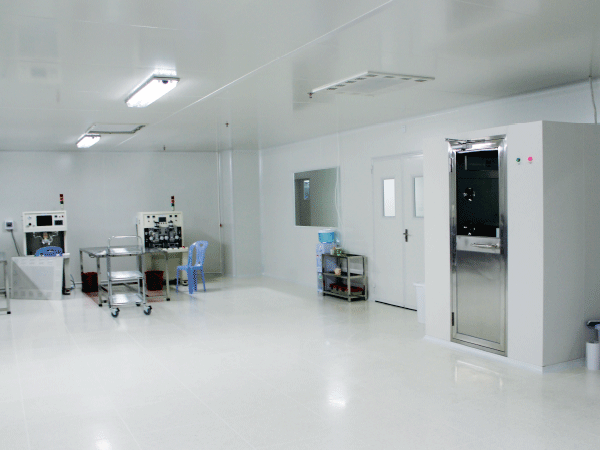
The entry sequence is critical. The laboratory construction and design must include airlocks and gowning rooms (PAL/MAL) to transition from dirty to clean areas.
HEPA filter coverage is determined during the laboratory construction and design phase based on the required cleanliness class.
TAI JIE ER ensures that the laboratory construction and design eliminates 90-degree corners where dust can collect, using coved flooring connections instead.
Particle counters and monitoring systems are integrated directly into the walls during the laboratory construction and design process to provide real-time data.
Labs consume massive amounts of energy. Modern laboratory construction and design seeks to mitigate this environmental impact.
Variable Air Volume (VAV) hoods are a standard feature in green laboratory construction and design. They reduce airflow when the sash is closed.
Water conservation is also part of laboratory construction and design. Closed-loop cooling systems for equipment save thousands of gallons of water per year.
LEED certification is becoming a common requirement for laboratory construction and design projects. This requires sustainable sourcing of building materials.
Digitalization is changing how we build. Building Information Modeling (BIM) is now essential for laboratory construction and design.
BIM allows us to visualize utility clashes before construction begins. This makes the laboratory construction and design process smoother and reduces change orders.
Smart labs are the future. Laboratory construction and design now includes data ports and sensor networks to monitor equipment health automatically.
TAI JIE ER integrates these digital tools into the physical laboratory construction and design to create "smart" facilities.
Budgets can spiral out of control without strict management. Laboratory construction and design is expensive due to the specialized systems involved.
Accurate estimation during the laboratory construction and design phase is vital. We must account for the high cost of ductwork and specialized plumbing.
Value engineering is often applied to laboratory construction and design. This involves finding cost-effective alternatives that do not compromise safety.
However, cutting corners in laboratory construction and design often leads to higher maintenance costs later. It is better to invest in quality infrastructure upfront.
Not all contractors understand the nuances of laboratory construction and design. A general contractor may not know the difference between a biosafety cabinet and a laminar flow hood.
TAI JIE ER brings years of specialized experience to laboratory construction and design. We understand the strict requirements of GMP and ISO standards.
When selecting a partner for laboratory construction and design, look for a track record in similar projects. Ask about their understanding of airflow and containment.
The right partner will guide you through the regulatory maze of laboratory construction and design and deliver a turnkey solution.
One major error in laboratory construction and design is insufficient electrical capacity. Labs are power-hungry, and older buildings often need upgrades.
Another mistake is poor acoustic planning. Laboratory construction and design should isolate noisy pumps from quiet writing areas to reduce staff stress.
Ignoring maintenance access is a fatal flaw in laboratory construction and design. If a technician cannot reach a valve, the lab has to shut down for repairs.
Finally, aesthetic choices should never override safety in laboratory construction and design. Glass walls look good, but they must be fire-rated and impact-resistant.
The industry is moving toward open-plan labs. This trend in laboratory construction and design encourages collaboration between different departments.
However, open plans present challenges for noise and hazard control. Advanced laboratory construction and design solves this with glass partitions and directional airflow.
Prefabrication is also gaining ground in laboratory construction and design. Building mechanical skids off-site speeds up the installation process.
As science evolves, laboratory construction and design must evolve with it. Flexibility is the only way to future-proof a facility.
The quality of your research output is directly linked to the quality of your laboratory construction and design. It is the invisible hand that supports every experiment and protects every scientist.
From the initial concept to the final validation, every step of laboratory construction and design requires precision and expertise. It is a balance of engineering, safety, and human factors.
TAI JIE ER is dedicated to delivering world-class facilities. We know that excellent laboratory construction and design is an investment in the future of science.
Do not underestimate the complexity of this task. Prioritize professional laboratory construction and design to ensure your facility stands the test of time and meets the rigorous demands of modern innovation.
Q1: How long does a typical laboratory construction and design project take to complete?
A1: The timeline for laboratory construction and design varies significantly based on complexity. A simple renovation might take 3 to 6 months, while a new build for a complex BSL-3 facility or pharmaceutical plant can take 18 to 24 months. The design and permitting phase alone often consumes several months before physical construction begins.
Q2: What is the biggest cost driver in laboratory construction and design?
A2: Mechanical, Electrical, and Plumbing (MEP) systems are the primary cost drivers. In standard buildings, MEP might be 30% of the cost, but in laboratory construction and design, it can exceed 50%. The requirement for specialized HVAC, high-purity piping, and backup power systems drives these costs up significantly.
Q3: Can we renovate an office building into a lab using standard laboratory construction and design methods?
A3: It is possible, but challenging. Office buildings usually lack the floor-to-floor height required for the massive ductwork needed in laboratory construction and design. Additionally, floor loading capacities in offices are often lower than what is needed for heavy lab equipment. A structural and mechanical analysis is required first.
Q4: How does TAI JIE ER handle energy efficiency in laboratory construction and design?
A4: We focus on "right-sizing" the equipment. Many engineers oversize systems "just in case," which wastes energy. In our laboratory construction and design process, we use dynamic modeling to predict actual loads. We also implement heat recovery chillers and low-flow fume hoods to reduce the carbon footprint.
Q5: What are the key certifications to look for in laboratory construction and design?
A5: Depending on your industry, you should look for compliance with ISO 14644 (Cleanrooms), cGMP (Pharmaceuticals), or BSL guidelines (Biosafety). A qualified laboratory construction and design firm should also be familiar with local building codes and ASHRAE standards for ventilation to ensure the facility is safe and legal.