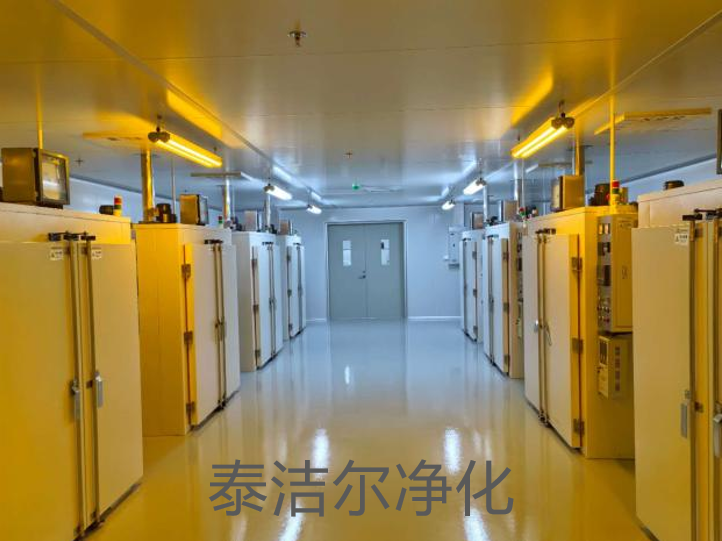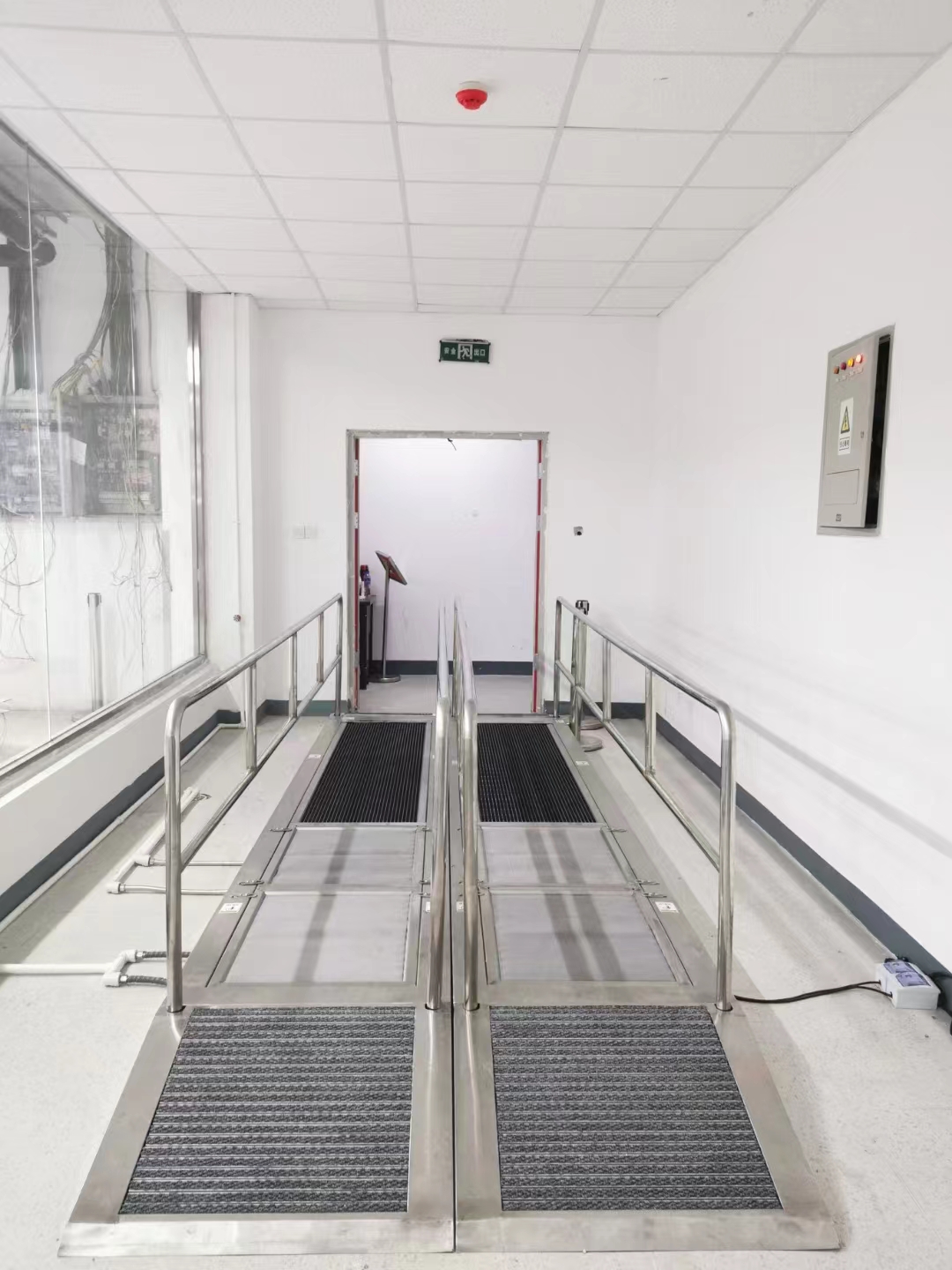
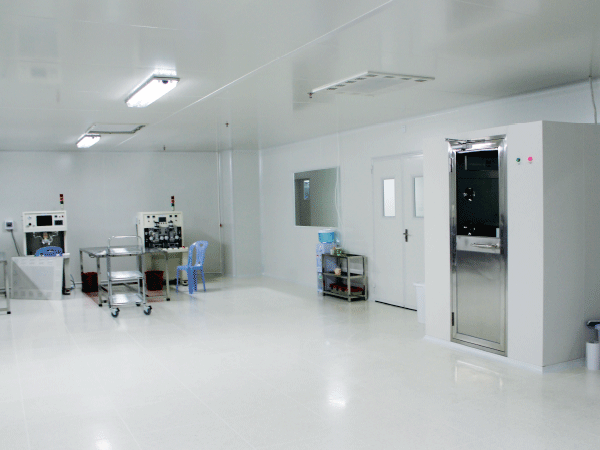

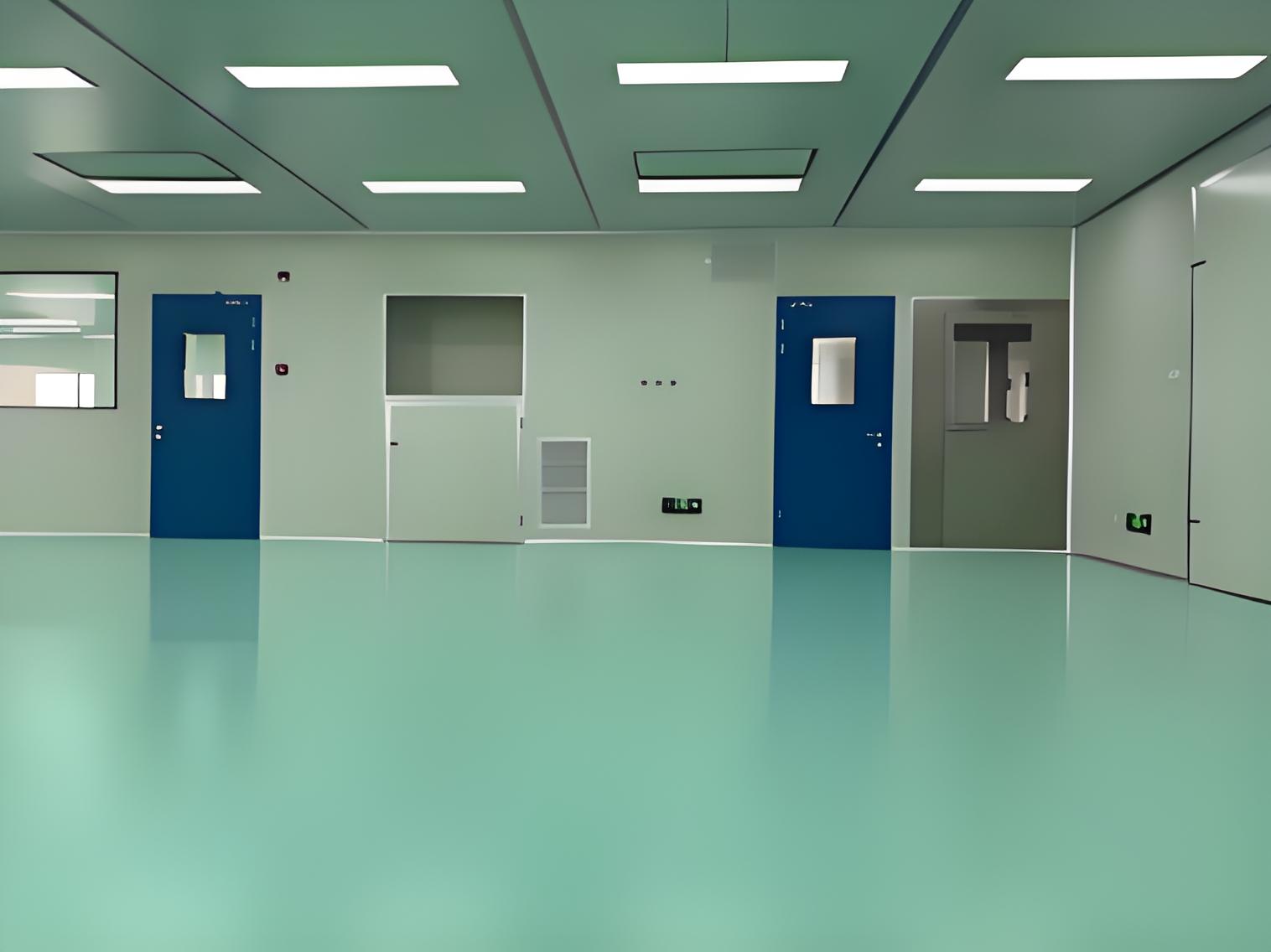
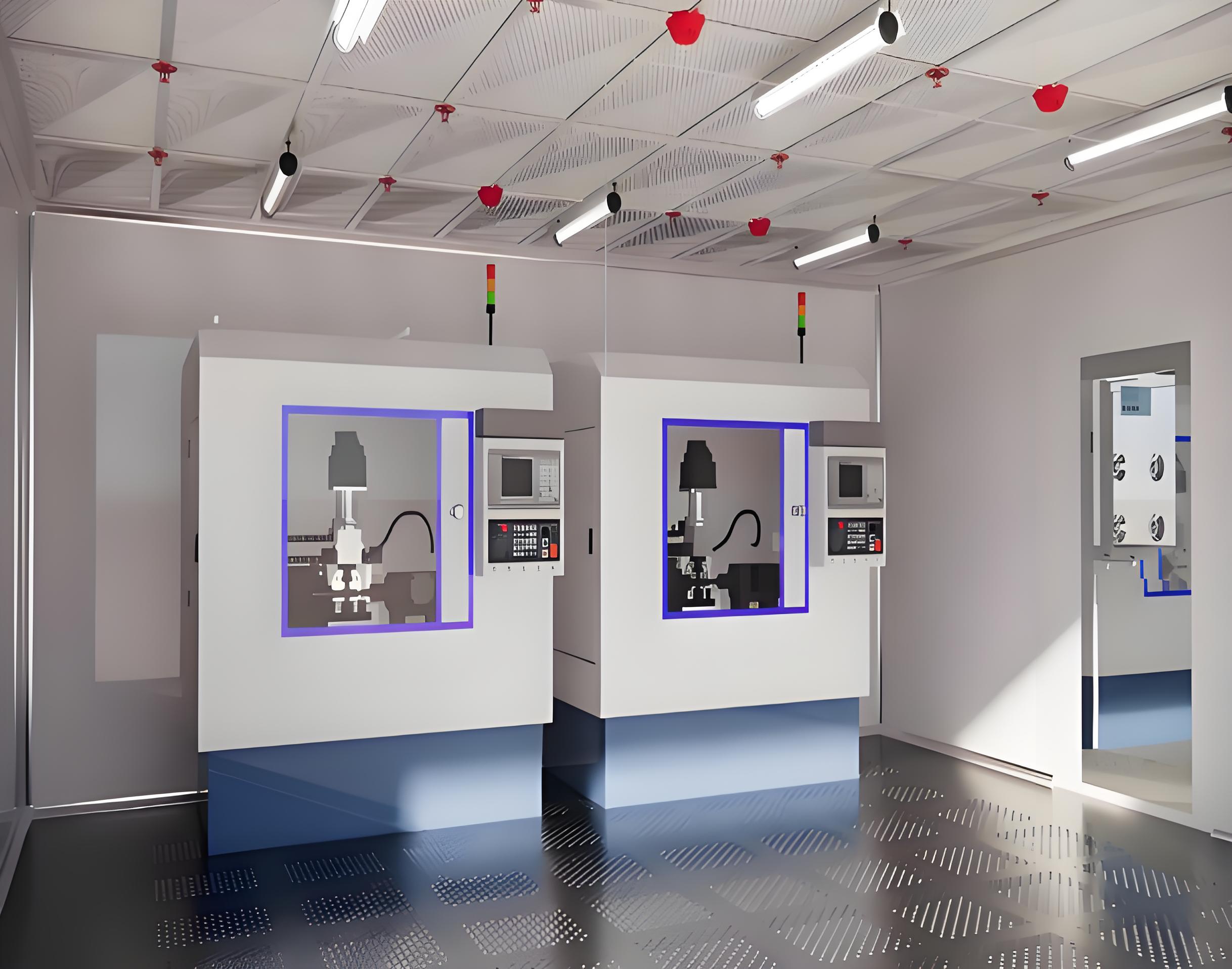
Designing a functional workspace for scientific research or industrial testing requires more than just buying expensive equipment. The core of a successful facility lies in the laboratory arrangement. It is the invisible framework that dictates how safe your staff remains, how accurate your results are, and how efficient your daily operations become.
For companies like TAI JIE ER, specialized in clean engineering and high-standard facility construction, the layout is not merely about aesthetics. It is about compliance, airflow, and precision. Whether you are setting up a pharmaceutical production line or a university research center, the laboratory arrangement is the foundation of your success.
This article delves into the practical aspects of planning your space, ensuring you meet international standards while maximizing productivity.
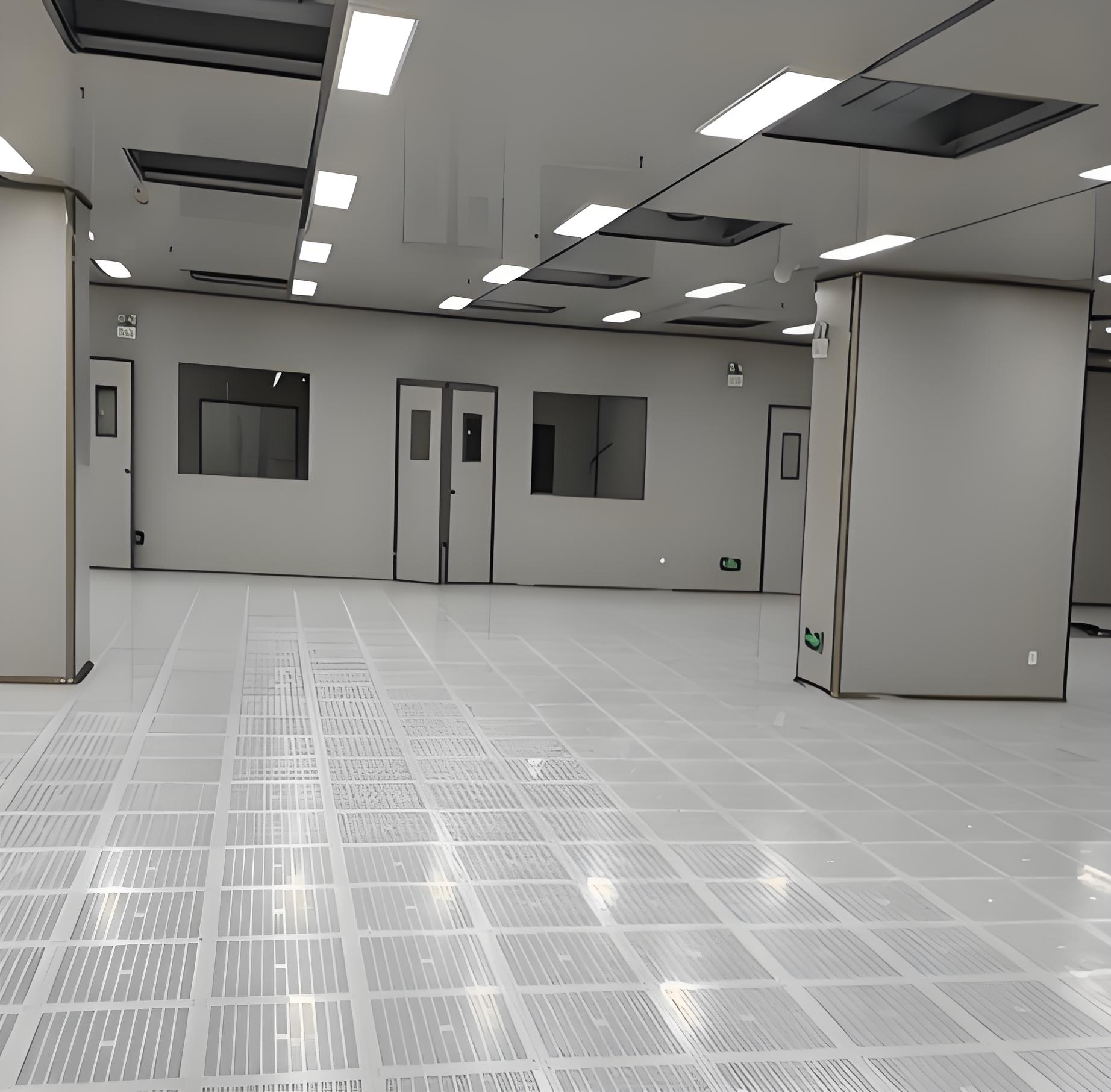
Many project managers underestimate the complexity of a proper laboratory arrangement. A poor layout leads to cross-contamination, accidents, and wasted time as researchers move between stations.
When you prioritize a strategic laboratory arrangement, you are investing in the long-term viability of the facility. It allows for smoother transitions between "clean" and "dirty" zones. It ensures that heavy equipment does not interfere with delicate instrumentation.
Furthermore, a well-thought-out laboratory arrangement reduces operational costs. By optimizing the HVAC duct paths and utility lines during the layout phase, you save on energy consumption and maintenance down the line.
The first step in any laboratory arrangement is understanding the flow of materials and people. You cannot have personnel walking through a high-risk chemical zone to reach their desks.
In modern clean engineering, the "unidirectional flow" is the gold standard. Your laboratory arrangement should encourage movement from clean areas to dirty areas, never the reverse without proper decontamination.
For example, sample reception should be physically distinct from sample processing. The laboratory arrangement must facilitate a linear progression. This reduces the risk of sample confusion and ensures chain-of-custody integrity.
Effective laboratory arrangement involves creating distinct zones. You need wet labs, dry labs, and administrative areas. These should be separated but accessible.
TAI JIE ER often recommends placing heavy vibration-producing equipment on the ground floor or on reinforced slabs. The laboratory arrangement must account for these structural needs early in the design phase to prevent equipment failure.
When dealing with ISO-classified cleanrooms, the laboratory arrangement becomes significantly more technical. You are not just managing space; you are managing air.
In a cleanroom, the placement of biosafety cabinets and laminar flow hoods is critical. A poor laboratory arrangement places these units near doors or high-traffic walkways. This disrupts the air curtain and compromises sterility.
The laboratory arrangement must align with the HVAC design. Air return vents should be positioned to pull particles away from the critical work surface. TAI JIE ER engineers emphasize that the physical layout and the ventilation system must be designed as a single, cohesive unit.
A critical component of the laboratory arrangement in clean sectors is the gowning room (PAL/MAL). This space must be sized correctly. If the laboratory arrangement makes the changing room too small, staff will struggle to comply with gowning protocols, leading to contamination.
We see many designs where the laboratory arrangement neglects the space needed for step-over benches and waste disposal in airlocks. This oversight can cause a facility to fail ISO certification.
Safety is not just a set of rules; it is a physical reality dictated by your laboratory arrangement. In an emergency, seconds count.
International building codes and OSHA standards mandate specific aisle widths. Your laboratory arrangement must maintain a minimum clearance, usually around 5 feet (1.5 meters) between benches, to allow people to pass safely back-to-back.
If the laboratory arrangement is too cluttered, an evacuation becomes a stampede. Furthermore, emergency showers and eyewash stations must be reachable within 10 seconds of any hazard. The laboratory arrangement must position these safety devices in central, unobstructed locations.
Where you store flammables and corrosives is part of the laboratory arrangement. Fume hoods should be located away from the main exit. If a fire starts in a hood, you do not want it blocking the only way out.
A smart laboratory arrangement places solvent storage cabinets near the point of use but away from heat sources. This minimizes the distance dangerous chemicals travel through the lab.
Science is human-driven. If your staff is uncomfortable, errors increase. A modern laboratory arrangement considers the physical toll of lab work.
The standard bench height has evolved. Flexible laboratory arrangement often utilizes adjustable furniture. This allows a station to be used for standing work in the morning and seated microscopy work in the afternoon.
TAI JIE ER suggests that deep benches (over 75cm) can be problematic if the laboratory arrangement forces staff to stretch constantly to reach utilities. Utilities should be brought forward or suspended from the ceiling to improve ergonomics.
Dark corners are dangerous. The laboratory arrangement should align benches with lighting fixtures to prevent shadows. Furthermore, lines of sight are important. Supervisors need a laboratory arrangement that allows them to see the entire room to monitor safety compliance without walking continuously.
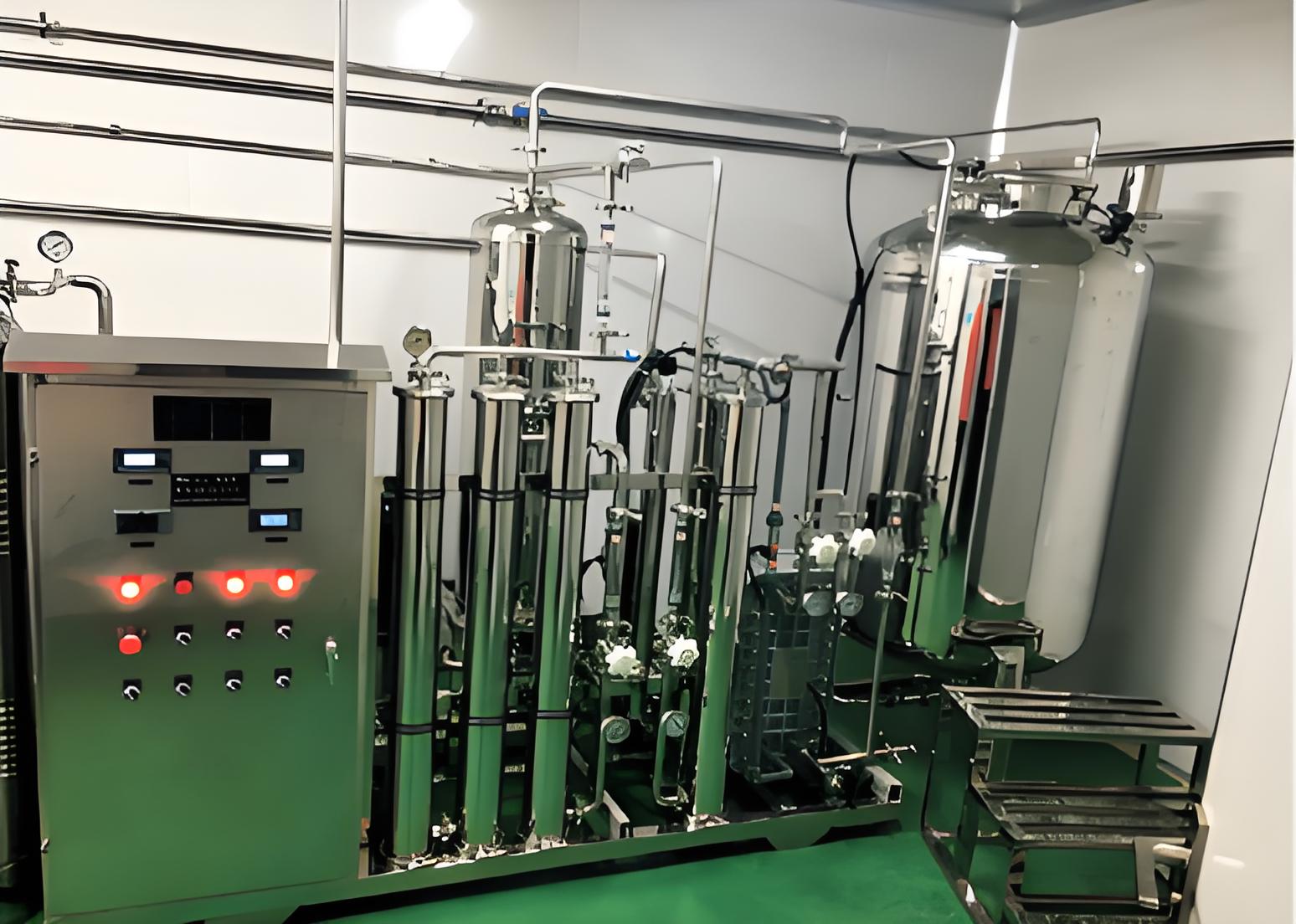
A lab is a hungry beast; it consumes electricity, gas, water, and data. The laboratory arrangement must account for how these services are delivered.
Fixed plumbing can limit future changes. A flexible laboratory arrangement uses overhead service carriers or ceiling panels. This allows you to rearrange benches without ripping up the floor.
When TAI JIE ER designs a facility, the laboratory arrangement includes easy access points for maintenance. You should not have to shut down the entire lab to fix one gas valve. The layout must support maintenance, not hinder it.
Freezers, incubators, and centrifuges generate massive amounts of heat. The laboratory arrangement must group these high-heat items together in areas with enhanced cooling capacity. If they are scattered randomly, your HVAC system will struggle to balance the temperature.
Science changes rapidly. The layout you build today might be obsolete in five years unless you prioritize flexibility in your laboratory arrangement.
Modular walls and movable cabinetry are the future of laboratory arrangement. Instead of built-in casework, use mobile units. This allows the lab to scale up or down based on current projects.
A modular laboratory arrangement is more expensive upfront but saves money during renovations. It allows TAI JIE ER to reconfigure a space in days rather than months.
As automation increases, the laboratory arrangement must include space for robots and auto-samplers. These machines often require specific footprints and safety cages. Planning your laboratory arrangement with automation in mind prevents costly retrofits later.
Even experienced planners make mistakes. One common error in laboratory arrangement is insufficient storage. Labs accumulate equipment and samples. If the layout lacks storage density, benches become cluttered.
Another mistake is ignoring waste streams. The laboratory arrangement must provide dedicated space for biohazard bins, glass disposal, and chemical waste. If these are an afterthought, they end up blocking aisles.
Finally, overlooking acoustics is a flaw in laboratory arrangement. Noisy pumps should be isolated. A loud lab increases stress and reduces concentration.
At TAI JIE ER, we believe that a successful project starts with listening. We analyze your specific protocols before drawing a single line. Our approach to laboratory arrangement combines international GMP standards with practical engineering solutions.
We understand that a university lab has different needs than a semiconductor fab. However, the principles of a good laboratory arrangement—safety, flow, and flexibility—remain constant.
By partnering with experts who understand the nuances of laboratory arrangement, you ensure that your facility is not just a building, but a precision instrument for discovery.
The layout of your facility is the physical embodiment of your operational philosophy. A chaotic layout results in chaotic science. A structured, thoughtful laboratory arrangement fosters innovation and safety.
From the placement of the smallest pipette to the installation of massive air handlers, every detail counts. Whether you are retrofitting an old space or building from the ground up, prioritize the laboratory arrangement.
Trust professionals like TAI JIE ER to guide you through this complex process. When the laboratory arrangement is done correctly, your team can focus on what they do best: creating the future.
Q1: What is the most important factor to consider when starting a new laboratory arrangement plan?
A1: The most critical factor is the workflow analysis. Before choosing furniture or colors, you must map out exactly how people and materials will move through the space. A laboratory arrangement that fights against the natural workflow will always result in inefficiency and safety hazards. You must identify your "clean" to "dirty" flows immediately.
Q2: How does laboratory arrangement impact ISO cleanroom classification?
A2: The arrangement directly impacts airflow patterns. If furniture blocks return air vents or if heat-generating equipment is placed under temperature sensors, the room may fail to maintain its required parameters. A correct laboratory arrangement ensures that the air sweeps contaminants away from critical process areas effectively, maintaining the ISO standard.
Q3: Can TAI JIE ER help with laboratory arrangement for small spaces?
A3: Yes, small spaces often require more precise planning than large ones. In a compact area, vertical storage and multi-functional furniture become essential. Our team specializes in optimizing tight spaces to ensure the laboratory arrangement remains compliant with safety codes while maximizing usable bench space.
Q4: How often should we review or update our laboratory arrangement?
A4: You should review your layout whenever there is a significant change in personnel numbers, equipment, or research focus. However, a general audit of your laboratory arrangement is recommended every 3 to 5 years. This ensures that the space still complies with evolving safety standards and supports current technology.
Q5: What is the relationship between HVAC design and laboratory arrangement?
A5: They are inseparable. The heat load from equipment dictates where cooling is needed, and the toxicity of experiments dictates where fume hoods must go. The laboratory arrangement must be finalized in coordination with mechanical engineers. If you change the layout after the ductwork is installed, it can lead to dead zones in airflow and expensive rework.