
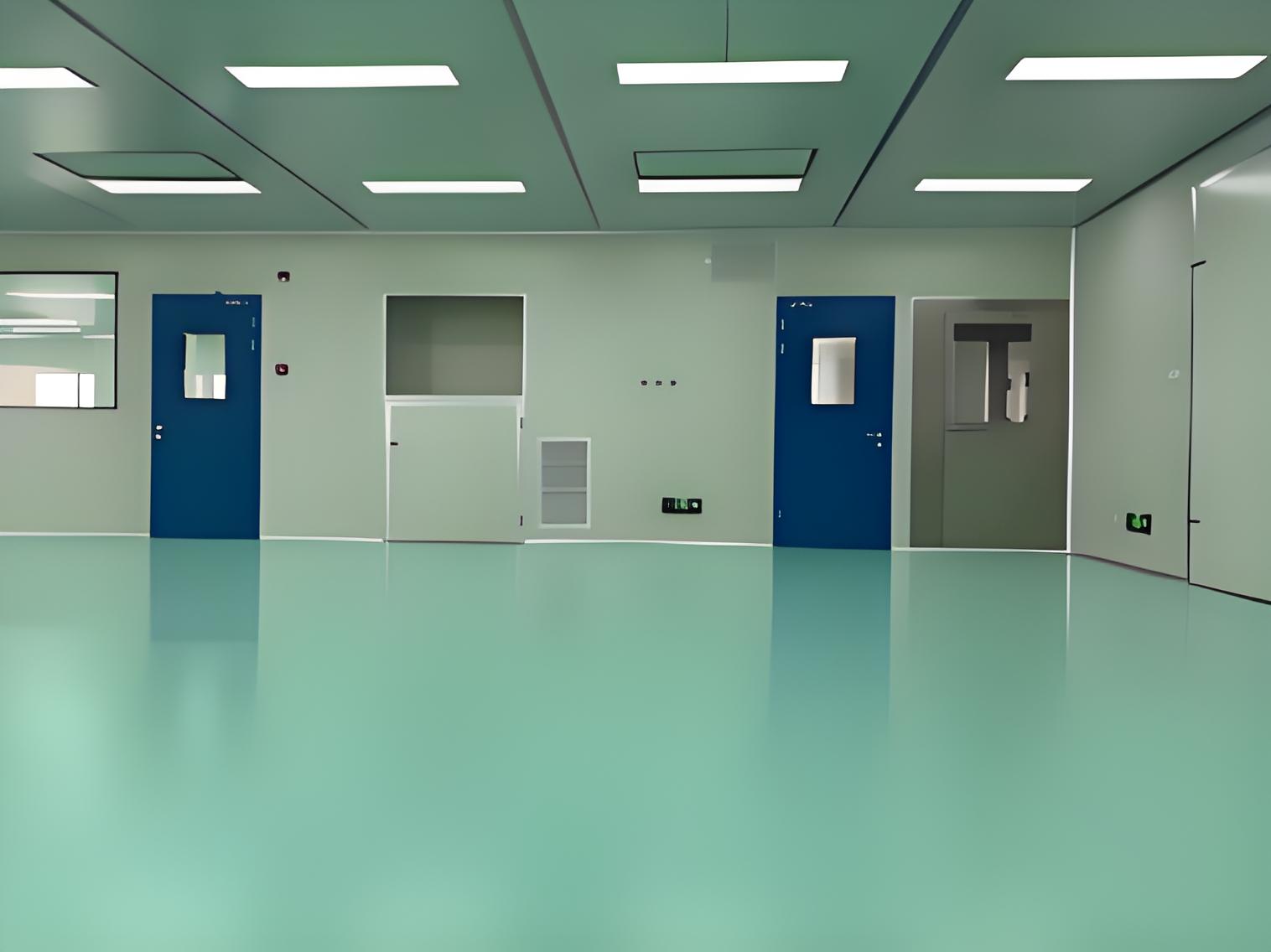
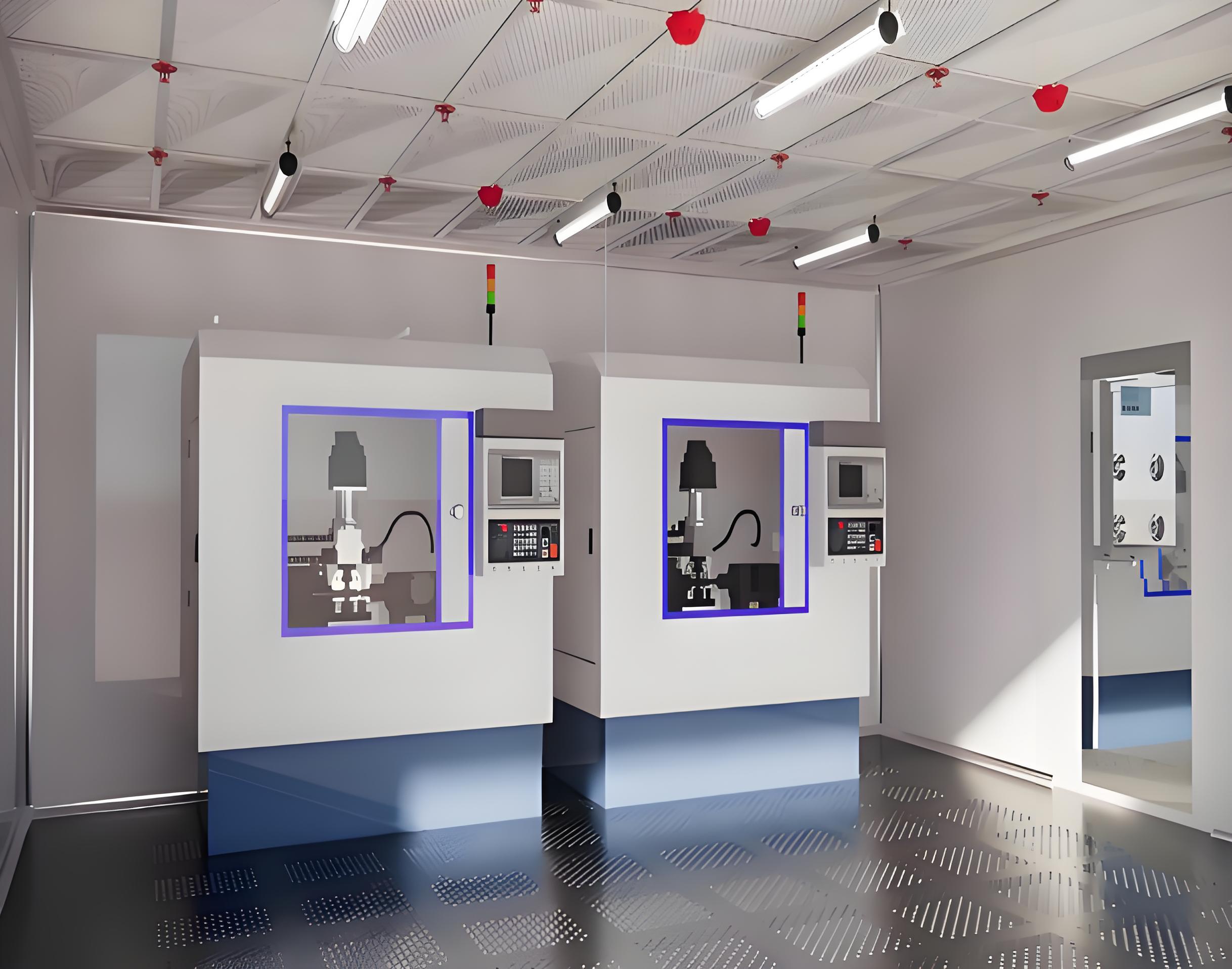
Forget the image of a dark, isolated room filled with bubbling beakers. Modern laboratory architecture design is a sophisticated discipline that merges advanced science with human-centric planning. It’s the foundational process that determines whether a facility will enhance groundbreaking research or hinder it through poor workflow, safety risks, and inflexibility.
Getting the architecture and design right is not a luxury; it's a necessity for operational efficiency, talent retention, and regulatory compliance. This is especially true in fields requiring clean engineering, where the built environment directly controls experimental variables.
Here are the five non-negotiable elements that define successful laboratory architecture today.
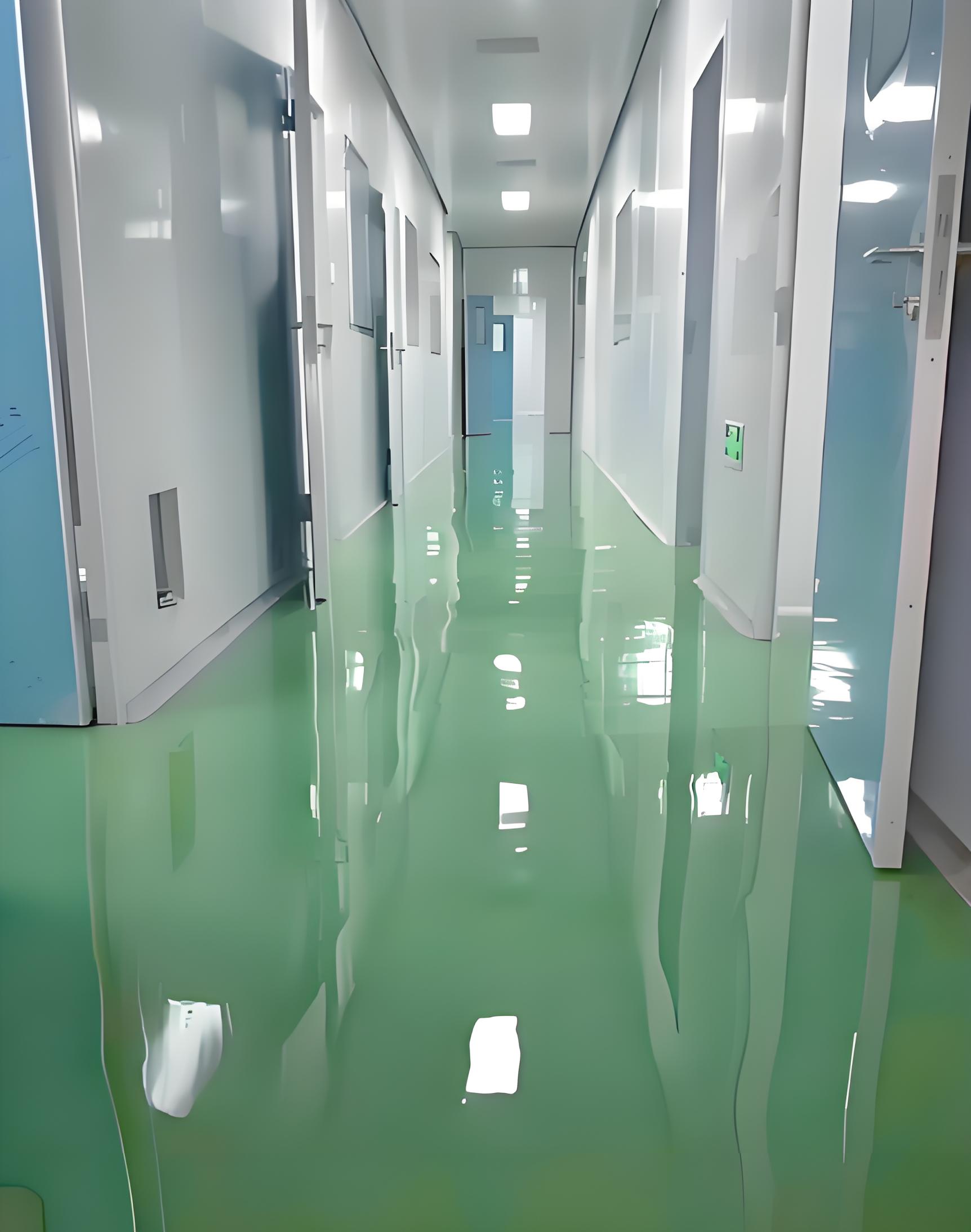
The first and most crucial step in laboratory architecture design is spatial planning. This is the macro-level strategy for organizing the entire facility. It answers fundamental questions about how people, materials, and information will flow.
Good architectural planning creates logical adjacencies. For example, a microbiology lab’s sterile media preparation area must be adjacent to, but separated from, the incubation and analysis zones. Similarly, shared core instrument facilities should be centrally located to serve multiple research groups efficiently.
This phase also defines the relationship between lab spaces, support spaces (like equipment rooms and glassware washing), and write-up areas. The modern trend favors open-plan labs for collaboration, but with dedicated, enclosed spaces for noisy equipment, sensitive instruments, or hazardous procedures. This balance is the core challenge of initial laboratory design.
Scientific progress is not static, and neither should be the laboratory. A primary goal of contemporary laboratory architecture design is to create spaces that can evolve without requiring a complete, costly rebuild.
Architecturally, this is achieved through modular design principles. Instead of load-bearing walls everywhere, designs employ demountable partitions. Flexible casework systems that can be reconfigured replace fixed built-in benches.
A key architectural feature is the concept of interstitial space or service corridors. By placing mechanical, electrical, and plumbing (MEP) services in accessible overhead trusses or separate chaseways, the lab below can be changed without disrupting critical utilities. This level of forethought in the architectural design saves immense time and money over the building's lifespan.
Perhaps the greatest differentiator between laboratory and standard architecture design is the depth of engineering integration. The architectural shell must be conceived in unison with complex MEP systems.
Ventilation is the most prominent example. The architectural layout is heavily influenced by fume hood placement and ductwork routing. High-bay spaces may be required to accommodate large duct runs. The design must also account for the significant space needed for air handling units (AHUs), water purification systems, and emergency generators.
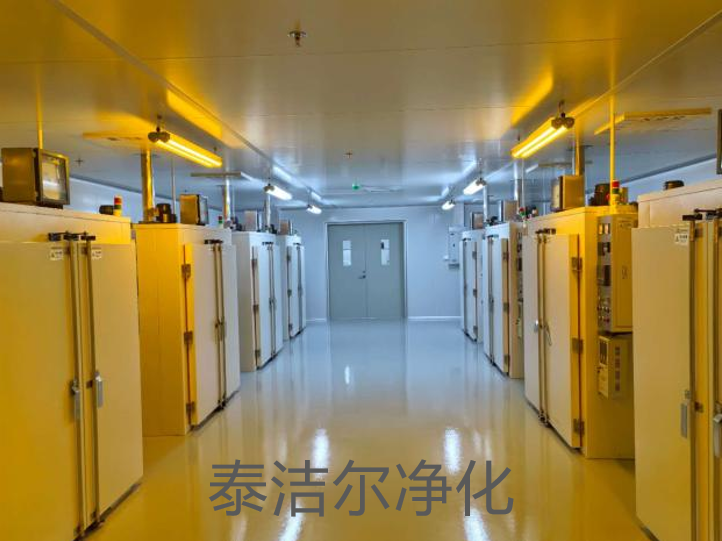
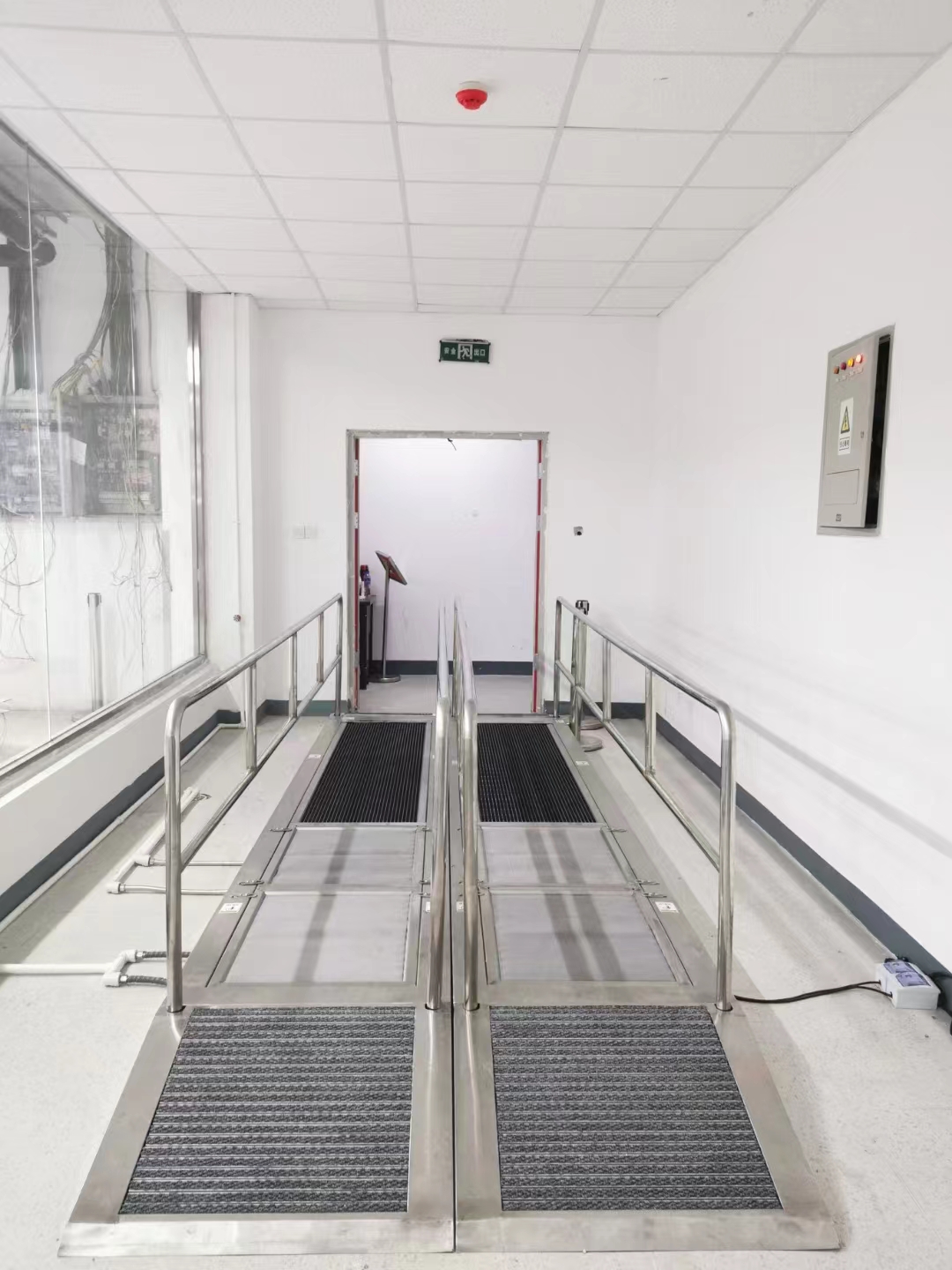
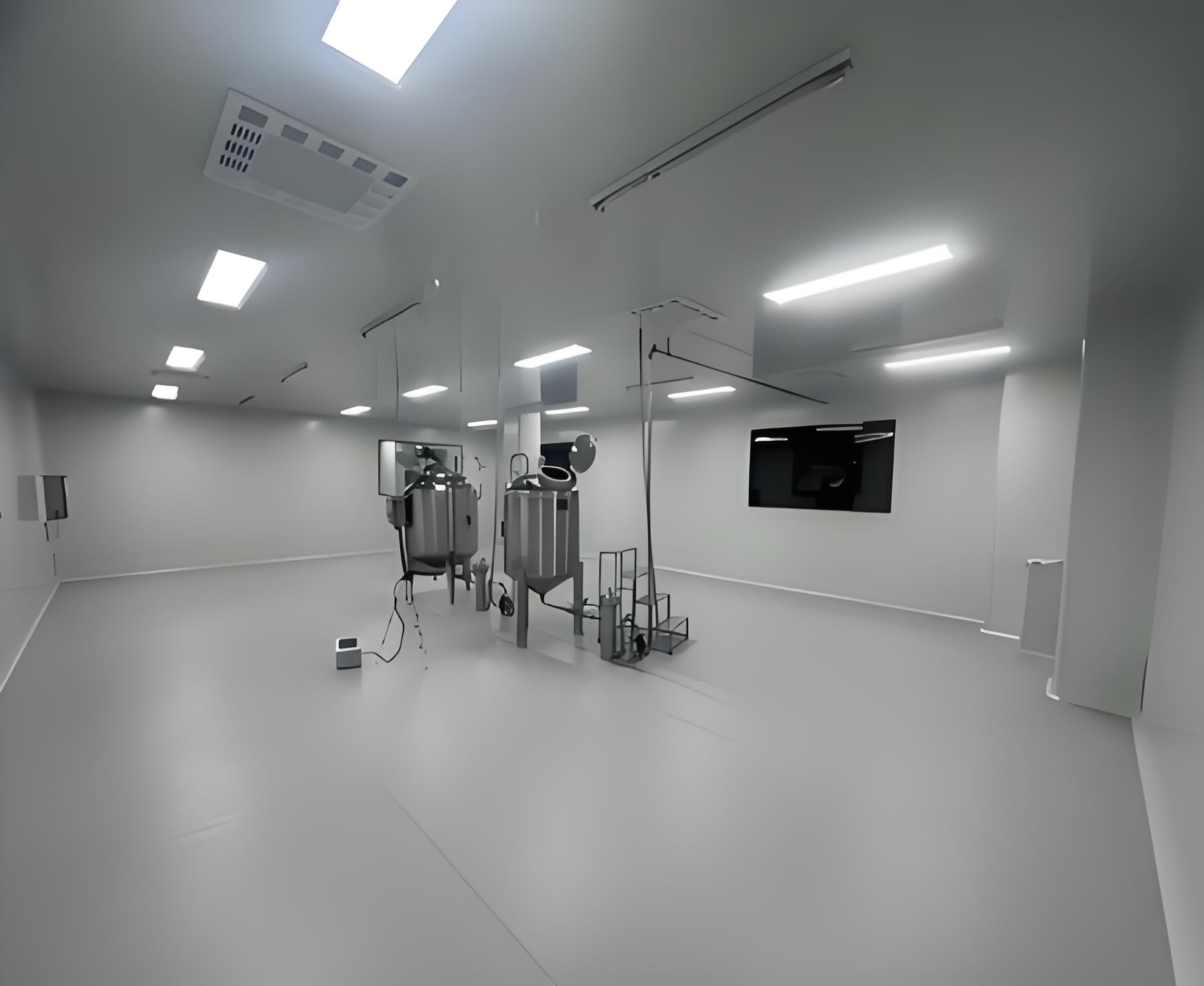
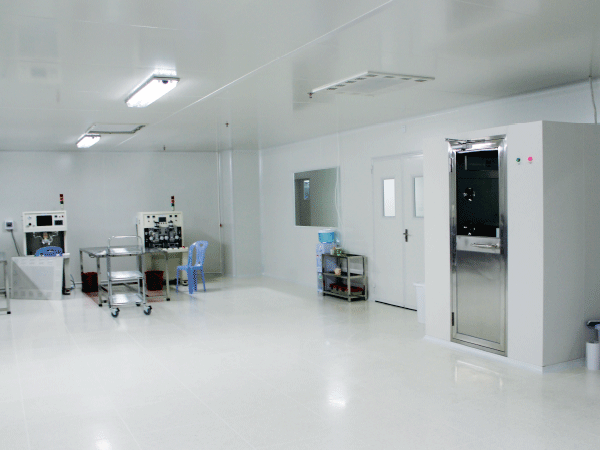
For clean engineering applications, this integration is absolute. The architectural envelope—walls, ceiling, floor—must form a sealed, monolithic environment to maintain ISO-classified air cleanliness. Pass-throughs, airlocks, and gowning rooms are not afterthoughts; they are integral architectural components dictated by engineering protocols.
Safety is not just an add-on feature; it is a fundamental driver of the laboratory architecture design process. The building's form must inherently promote safe operation.
Architectural features like the placement and number of exits (egress), the width of corridors for emergency evacuation, and the location of safety showers and eyewash stations are dictated by codes like the International Building Code (IBC) and guidelines from NFPA and OSHA.
In higher-containment labs (BSL-3/4), safety becomes the overriding architectural principle. The design will feature directional airflow, sealed penetrations, specialized waste treatment chambers, and often, a "box-in-a-box" construction. The architectural design here creates physical barriers that contain risk, protecting both researchers and the community.
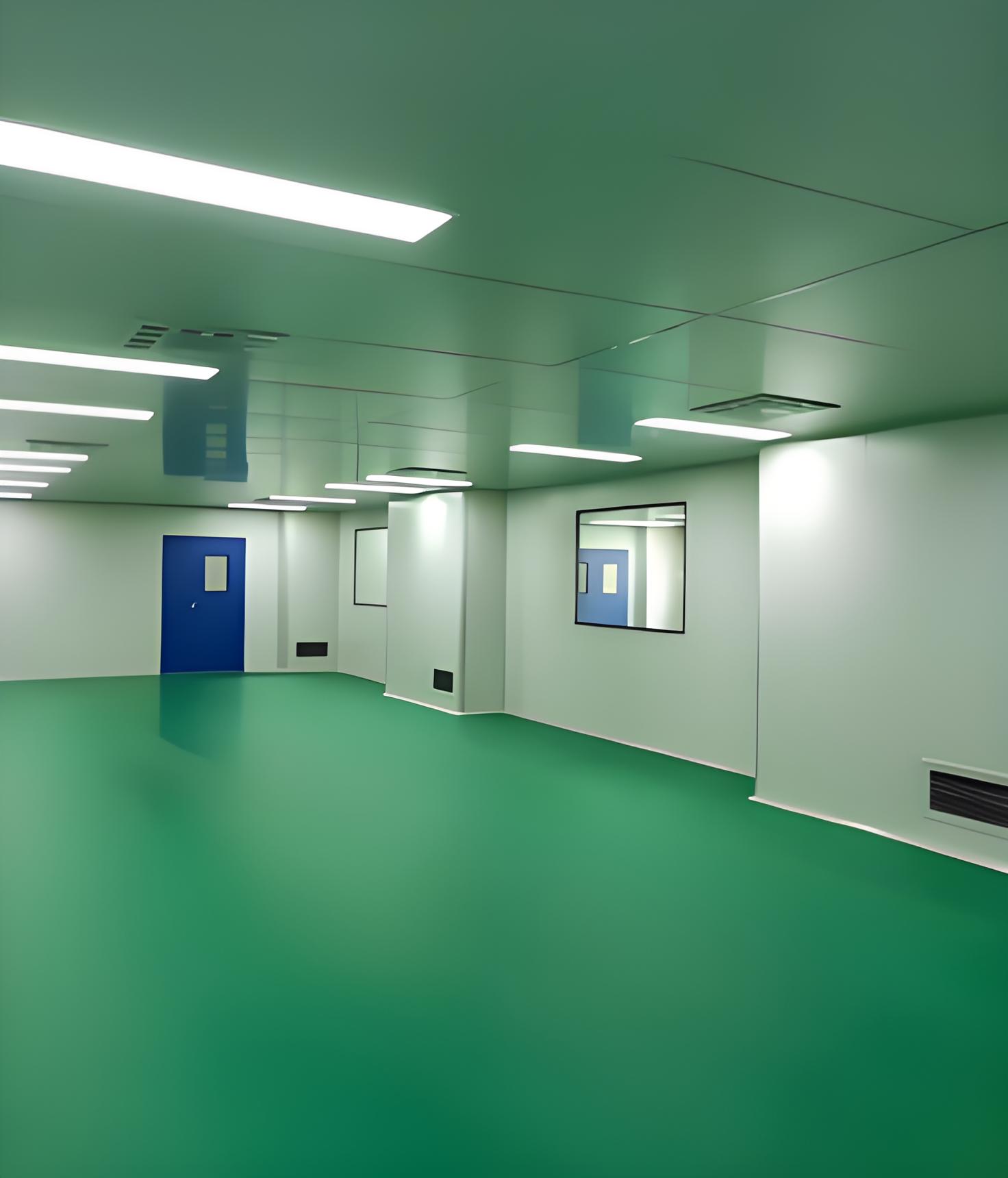
The choice of construction materials in laboratory architecture design is a technical decision with long-term consequences. Surfaces must perform under demanding conditions.
Chemical resistance is paramount. Architects specify epoxy resin countertops, chemical-resistant epoxy or PVC flooring with integral coved bases, and walls finished with durable, cleanable epoxy paint. These material choices prevent damage from spills and enable thorough decontamination.
For cleanrooms, material specifications are even stricter. Materials must be non-shedding, smooth, and free of pores where microbes or particles can lodge. This often leads to the use of fiberglass-reinforced plastic (FRP) panels, stainless steel, and specialized cleanroom-grade vinyl flooring. The architectural design details, such as avoiding ledges and using sealed corners, are critical for performance.
Q1: What's the difference between a standard architect and a laboratory architecture design specialist?
A1: A standard architect focuses on general form, function, and aesthetics of buildings. A laboratory architecture design specialist has deep, specific expertise in the complex interplay of scientific workflows, hazardous material handling, intensive engineering systems (HVAC, plumbing, gases), and strict regulatory codes unique to labs and cleanrooms. They speak the language of both scientists and engineers.
Q2: How much does engaging a specialized lab architecture firm typically add to project cost, and is it worth it?
A2: Specialist fees are an investment, often ranging from 8% to 15% of total project cost, depending on complexity. The value is immense. They prevent extremely costly errors, optimize operational efficiency, ensure regulatory compliance, and design for future adaptability. Their involvement typically pays for itself by avoiding change orders, delays, and a dysfunctional final facility.
Q3: How long does the full laboratory architecture design and construction process usually take?
A3: Timeline varies dramatically. A simple lab renovation may take 12-18 months. A new, mid-size research building with standard labs takes 2-3 years from programming to move-in. A facility with high-containment (BSL-3) or advanced clean engineering ISO Class 5+ spaces can take 4-5 years due to intricate design, specialized construction, and lengthy commissioning/validation processes.
Q4: Can sustainable or "green" design principles be integrated into a high-performance laboratory?
A4: Absolutely, and it's becoming standard. While labs are energy-intensive, strategies like using high-performance building envelopes, energy recovery ventilators (ERVs) on fume hood exhaust, LED lighting with smart sensors, and water-saving lab equipment are now common. The key is that sustainability in laboratory architecture design must never compromise safety, containment, or research integrity.
Q5: What is the single most common mistake organizations make when starting a lab design project?
A5: The most common mistake is not investing enough time and resources in the pre-design "programming" phase. This is the deep-dive process where users, facility managers, and architects define all needs, workflows, and future goals. Rushing this step leads to a design based on assumptions rather than detailed requirements, resulting in a facility that is inefficient or obsolete from day one.