
Building or renovating a laboratory is a complex undertaking. Success hinges on meticulous planning of the lab structure and design. This process goes beyond aesthetics, directly impacting research integrity, operational efficiency, and personnel safety.
A well-conceived laboratory design integrates architectural, engineering, and scientific disciplines. It creates an environment that supports precise workflows while adhering to stringent international standards for clean engineering.
This article outlines the critical elements to consider for a functional and compliant facility.
The foundation of any successful facility is its core layout and philosophy. Lab structure and design begins with defining the primary workflow and adjacency requirements.
Researchers must move efficiently between zones like sample reception, preparation, analysis, and storage. The lab layout should minimize cross-traffic between clean and dirty processes.
Another core principle is flexibility. Modern research evolves rapidly. A rigid lab design can become obsolete. Incorporating modular casework, movable partitions, and adaptable service chases allows the space to change with future needs.
Safety is non-negotiable. The structure must accommodate essential safety features from the outset. This includes dedicated spaces for chemical storage, emergency eyewashes, and clear egress paths.
A key decision in lab structure and design is choosing between traditional fixed build-outs and modular approaches.
Traditional laboratory design involves permanent walls, fixed casework, and built-in utilities. It can be highly customized for specific, long-term processes. However, renovation is often disruptive and expensive.
Modular lab design uses prefabricated components, such as interchangeable casework, overhead service carriers, and demountable walls. This approach offers significant advantages in flexibility.
Changes in equipment or team size can be accommodated quickly. It often leads to faster installation and less on-site construction waste. For facilities anticipating growth or change, modular lab structure is frequently the superior choice.
The decision impacts long-term operational costs and adaptability, making it a central consideration in initial planning.
Effective lab structure and design prioritizes the human experience and daily workflows. Ergonomic design reduces fatigue and error. This includes specifying adjustable-height workbenches and ensuring comfortable reach zones.
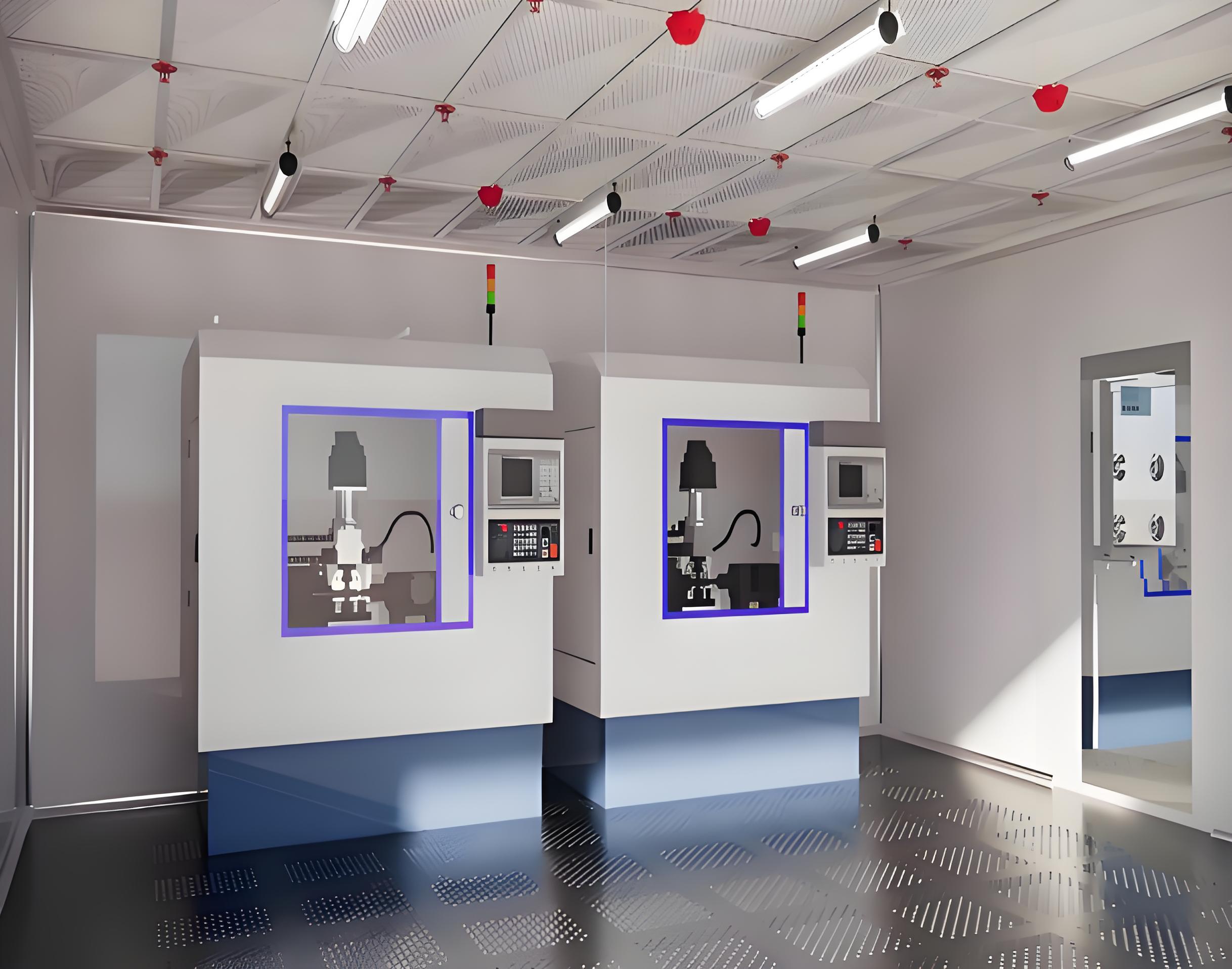
Equipment placement is crucial. Large instruments like analyzers or bioreactors require careful planning for weight loads, access, service clearance, and utility connections. The lab design must allocate space for current and future instrumentation.
Material flow is another critical factor. Separate pathways for clean materials, waste, and samples prevent contamination. The layout should define unidirectional flow where necessary, especially in high-containment or clean engineering areas.
Consider ancillary spaces. Offices, write-up areas, and breakout rooms are vital for productivity and collaboration. They should be integrated yet separated from noisy or hazardous lab zones.
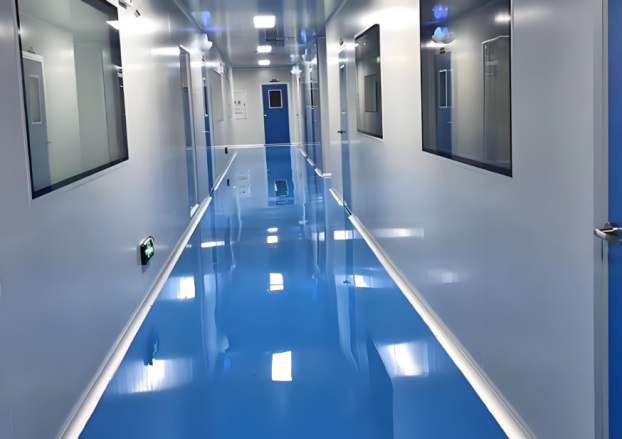
Safety is the paramount driver in lab structure and design. The physical structure must enforce compliance with regulations like OSHA, ISO standards, and local building codes.
Ventilation is a primary concern. Fume hood placement and the overall HVAC strategy dictate much of the lab layout. Hoods should be located away from heavy traffic and doorways to maintain containment.
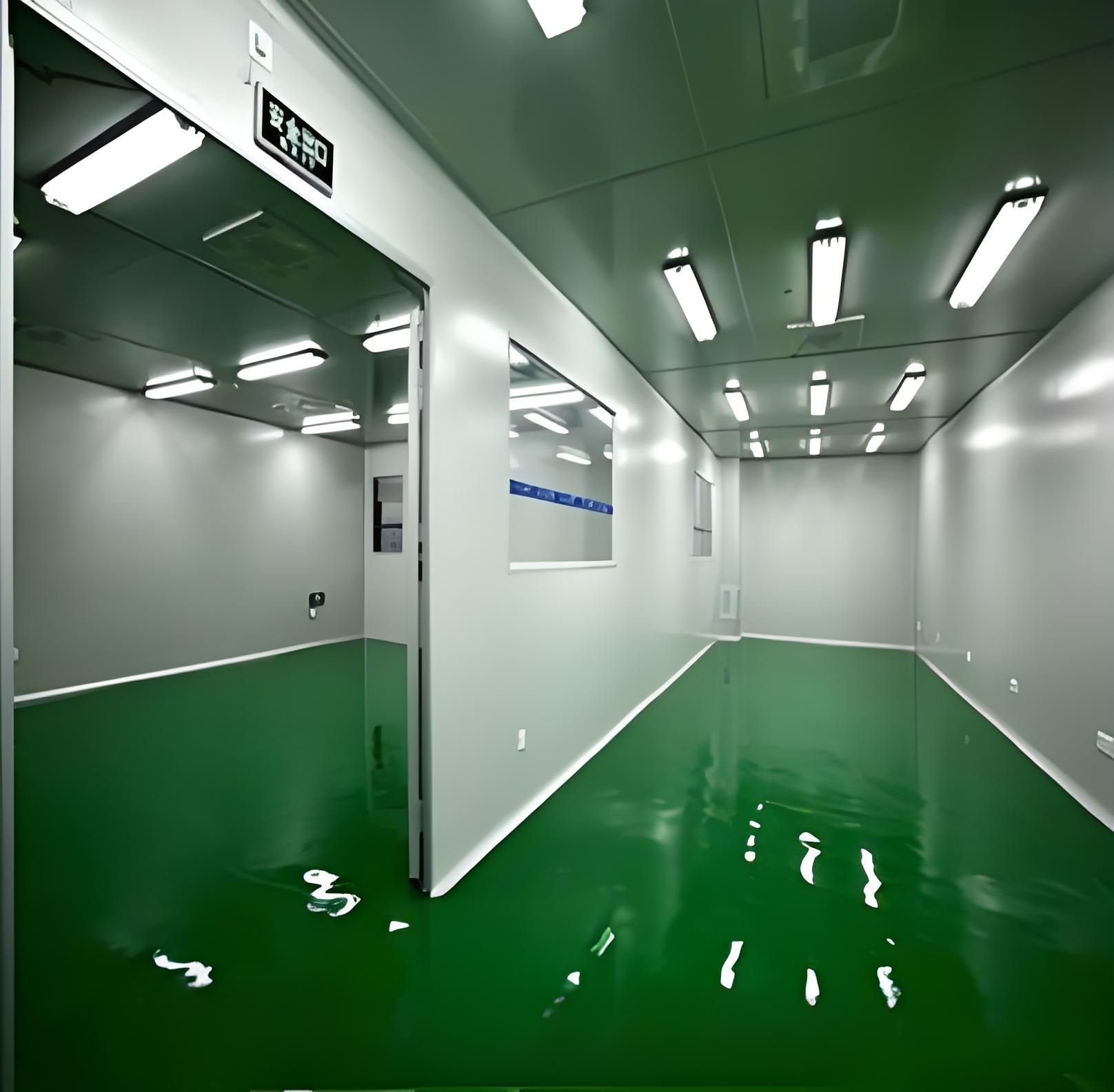
The choice of materials for surfaces, casework, and flooring is a safety decision. They must be chemically resistant, durable, and easy to decontaminate. Seamless, coved flooring is often specified to prevent contamination buildup.
Emergency systems must be integrated into the initial design. This includes safety showers, eyewashes, fire suppression systems, and emergency power for critical equipment. Their location must be instantly accessible from any point in the lab.
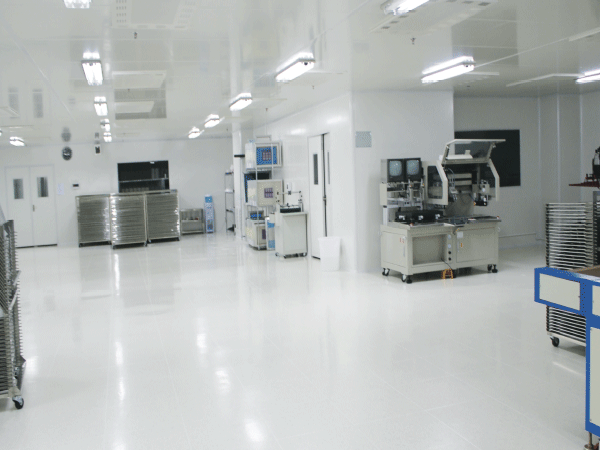
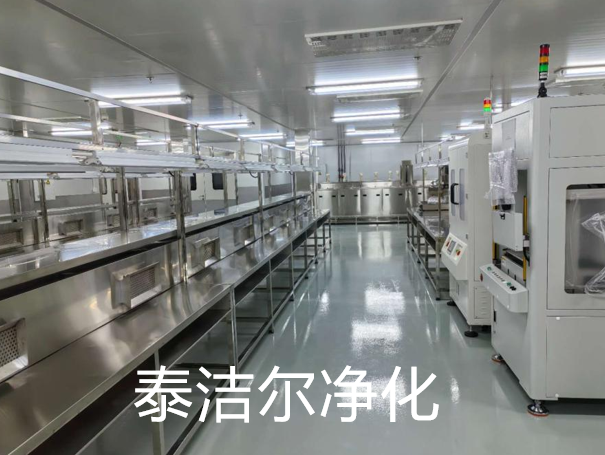
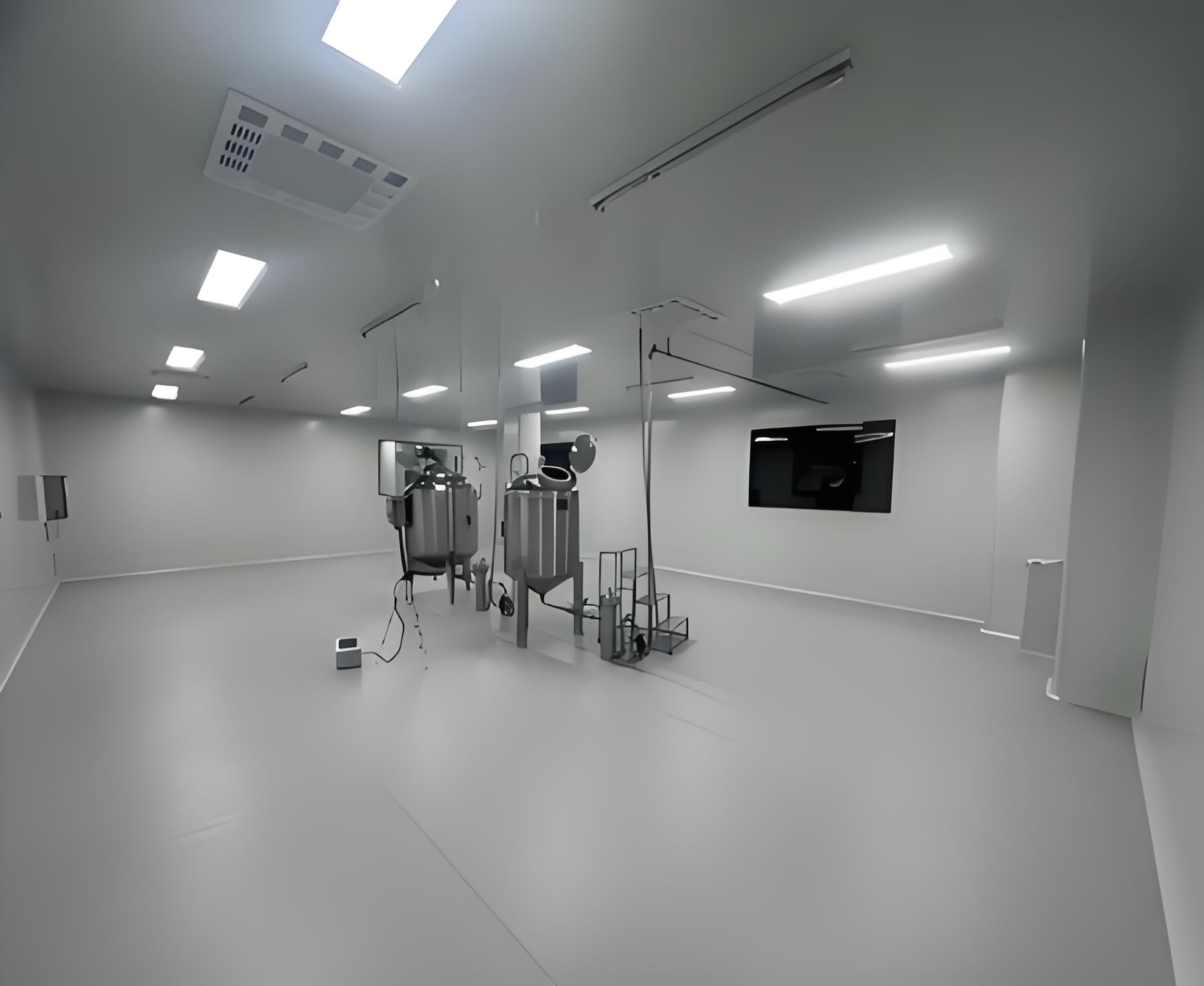
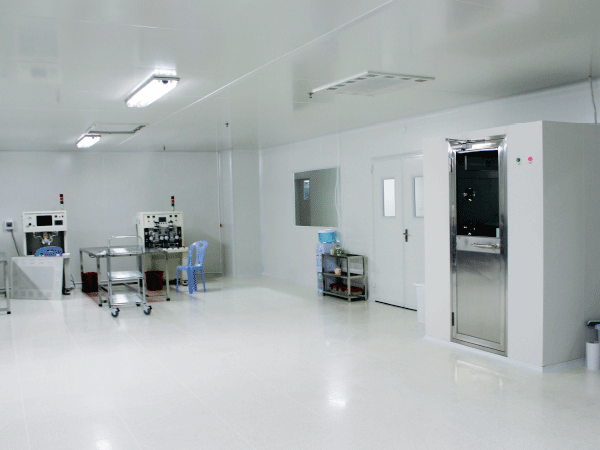
For many fields, advanced lab structure and design incorporates clean engineering principles. Cleanrooms or controlled environments are essential for microelectronics, pharmaceuticals, and advanced biomedical research.
The design must achieve and maintain specific ISO air cleanliness classifications (e.g., ISO Class 5, 7). This governs every aspect: air change rates, filtration (HEPA/ULPA), pressurization cascades, and material selection.
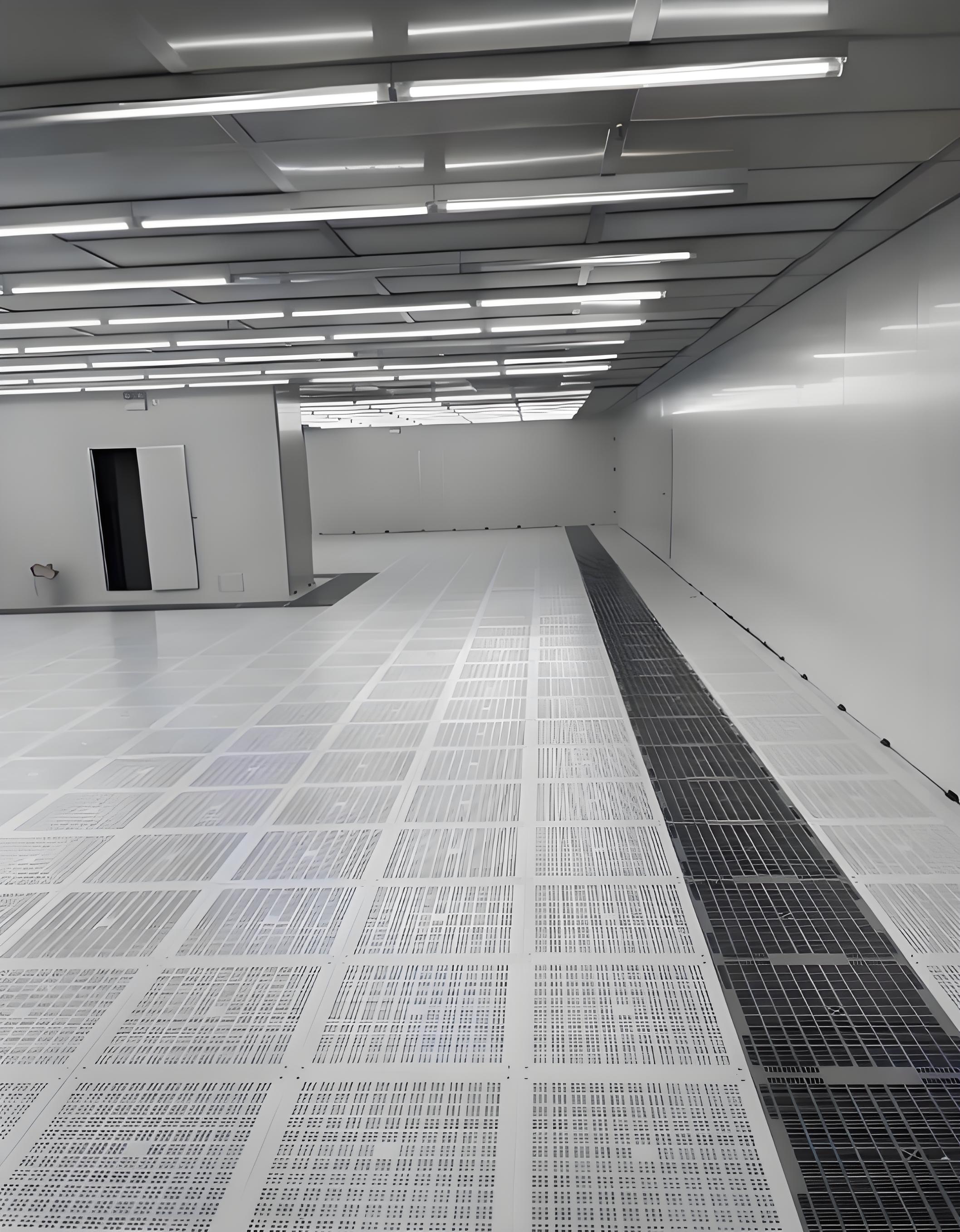
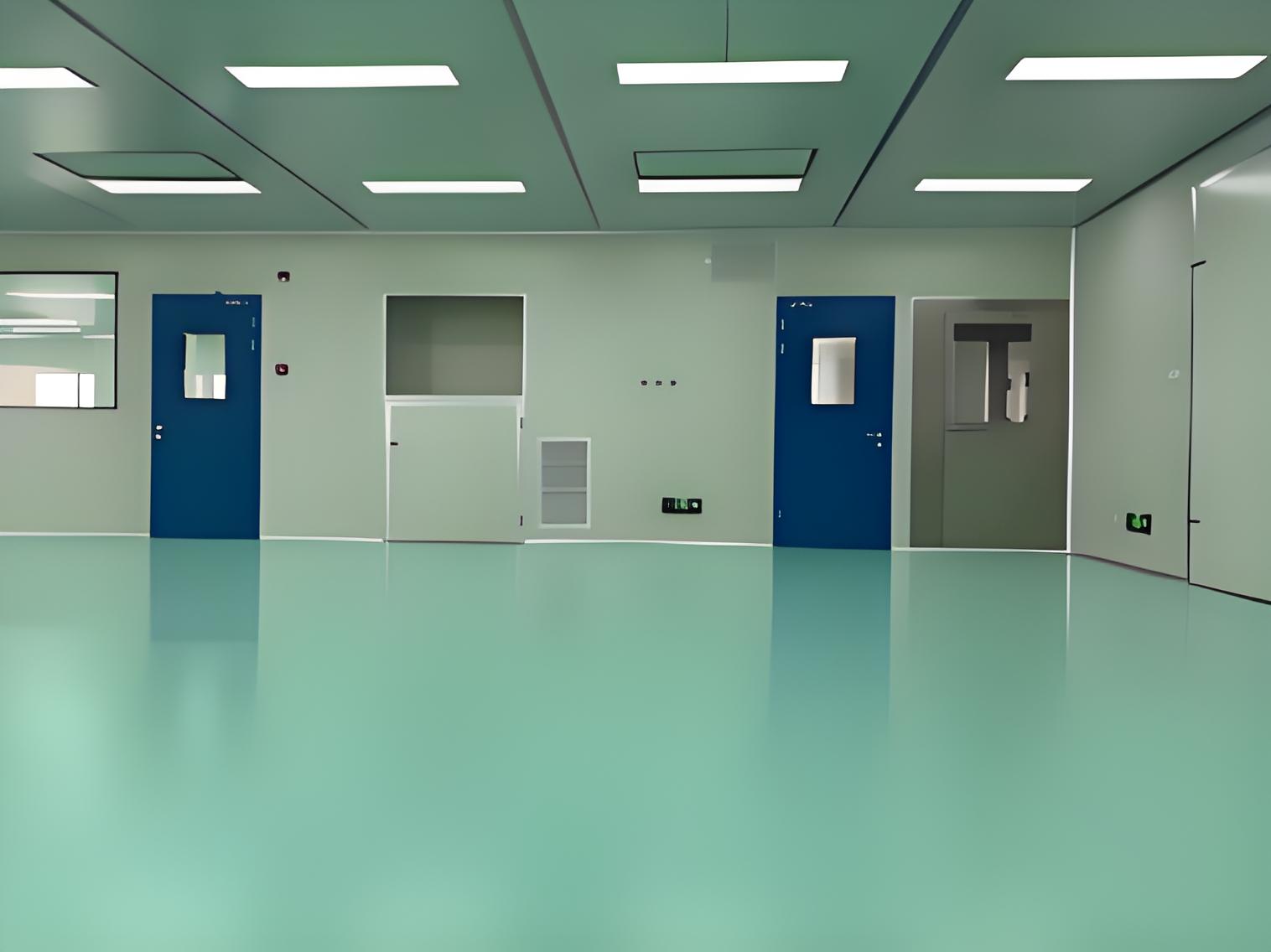
The structure itself must support an airtight envelope. Walls, ceilings, and floors are typically seamless, monolithic panels. Personnel and material airlocks are standard features to prevent particulate ingress.
Cleanroom lab design also strictly regulates gowning procedures. The layout includes graduated gowning rooms where personnel don increasingly clean attire before entering the main controlled space.
The cost of implementing a lab structure and design plan varies dramatically. Understanding the key drivers helps in realistic budgeting and value engineering.
The level of services required is a major cost factor. A simple dry lab may need only power and data. A wet chemistry lab requires extensive plumbing, specialized ventilation, and gas lines. High-containment labs are at the top of the cost spectrum.
The laboratory design complexity directly impacts price. Open-plan labs are generally less expensive to build than those with many fixed walls and rooms. Cleanroom facilities, with their sophisticated HVAC and construction standards, command a significant premium.
Material selections create a wide cost range. Phenolic resin casework is more costly than metal but offers superior chemical resistance. Choosing between epoxy and vinyl flooring also has budget implications.
Engaging with experienced lab design and construction professionals early is the best way to control costs. They can help align aspirations with budget realities from the start.
A forward-thinking lab structure and design incorporates strategies for longevity. Technology and research directions will change, and the facility should be able to adapt.
As mentioned, modularity is a primary tool for future-proofing. A design that uses modular furniture and overhead utility drops can be reconfigured with minimal downtime or construction.
Designing robust utility distribution is key. Installing larger main service trunks and empty conduit chases provides capacity for future equipment. Service corridors or interstitial spaces above ceilings allow easy access for maintenance and upgrades.
Considering sustainability is also a form of future-proofing. Energy-efficient HVAC systems, LED lighting with smart controls, and water-saving fixtures reduce operational costs and environmental impact for the life of the facility.
Q1: How long does the typical lab structure and design process take from concept to completion?
A1: The timeline varies significantly based on scope and complexity. A simple renovation may take 6-12 months. A greenfield (new build) research facility with complex clean engineering requirements can take 2-4 years from initial planning through design, construction, commissioning, and validation.
Q2: What is the single most important factor in ensuring a safe lab design?
A2: While all safety elements are integrated, proper ventilation design is often considered the most critical. It encompasses fume hood selection and placement, room air change rates, containment pressures, and exhaust treatment, directly controlling exposure to hazardous airborne substances.
Q3: Can an existing office or industrial space be converted into an effective laboratory?
A3: Yes, but with important caveats. The existing structure must be evaluated for floor loading capacity, ceiling height (to accommodate ductwork), and column spacing. Significant infrastructure upgrades for utilities, ventilation, and life safety are almost always required, which can be as costly as new construction.
Q4: How does cleanroom classification (like ISO Class) impact the overall lab design cost?
A4: The impact is substantial. Achieving a higher cleanliness level (a lower ISO Class number) exponentially increases cost. It requires more sophisticated HVAC systems with higher air change rates and advanced filtration, more stringent construction materials and finishes, and complex control systems. Moving from an ISO 8 to an ISO 5 area can easily double or triple the cost per square foot.
Q5: Why is engaging a specialized lab design consultant recommended over a standard architect?
A5: Specialized consultants bring proven experience with the unique requirements of lab structure and design. They understand workflow optimization, intensive utility demands, safety codes, cleanroom standards, and the long-term operational needs of research. This expertise prevents costly redesigns, ensures compliance, and creates a more efficient, functional, and sustainable facility from day one.