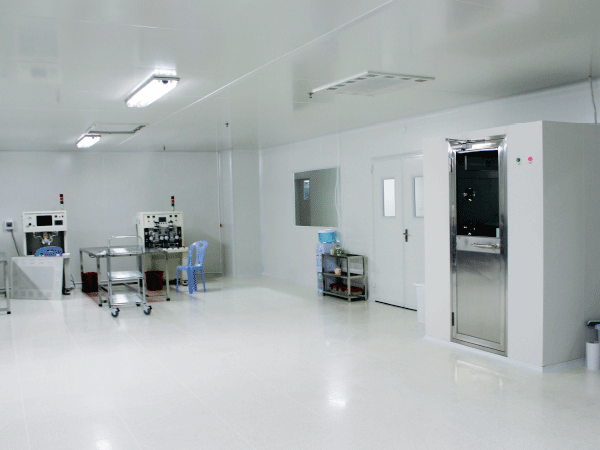

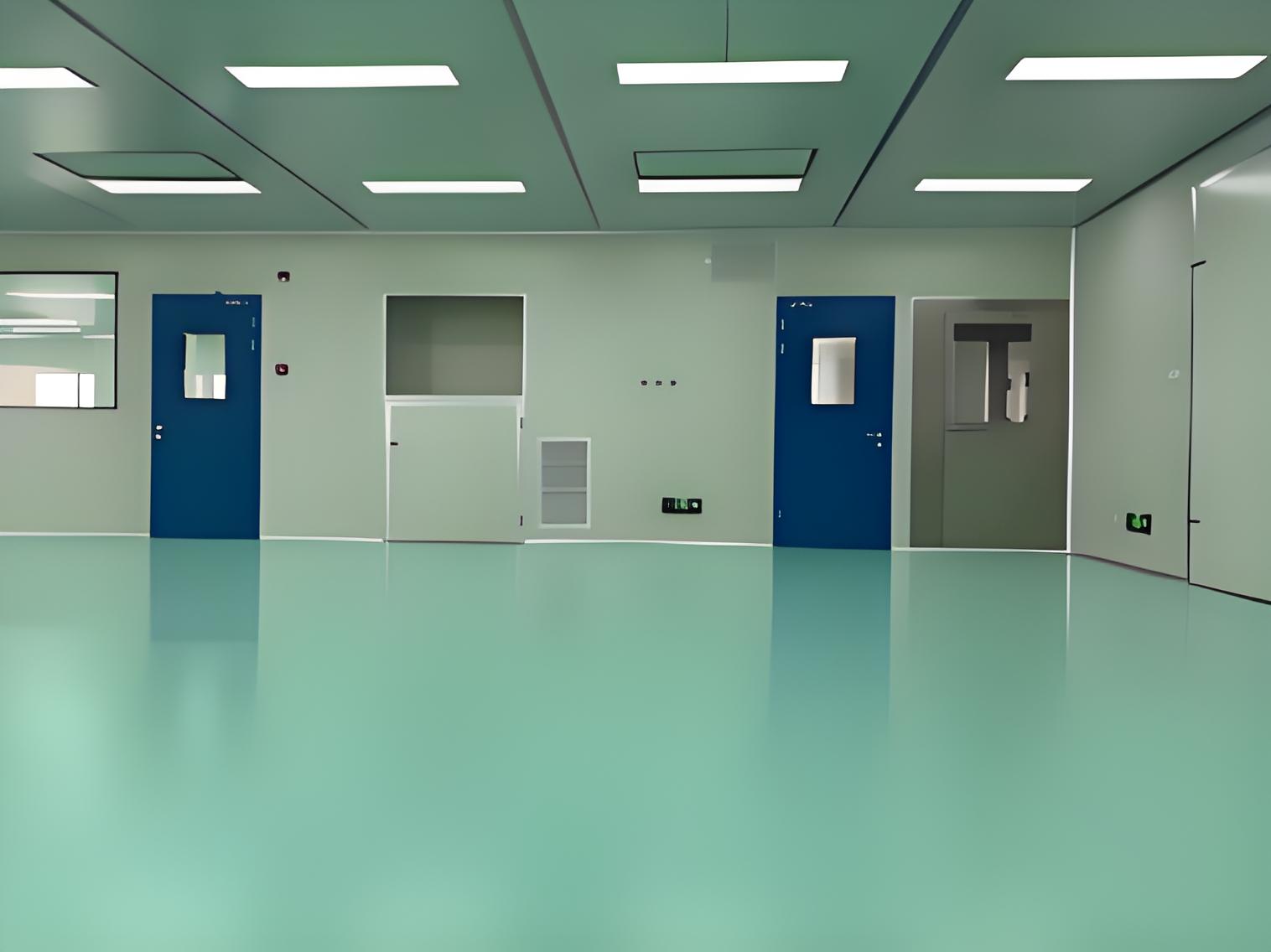
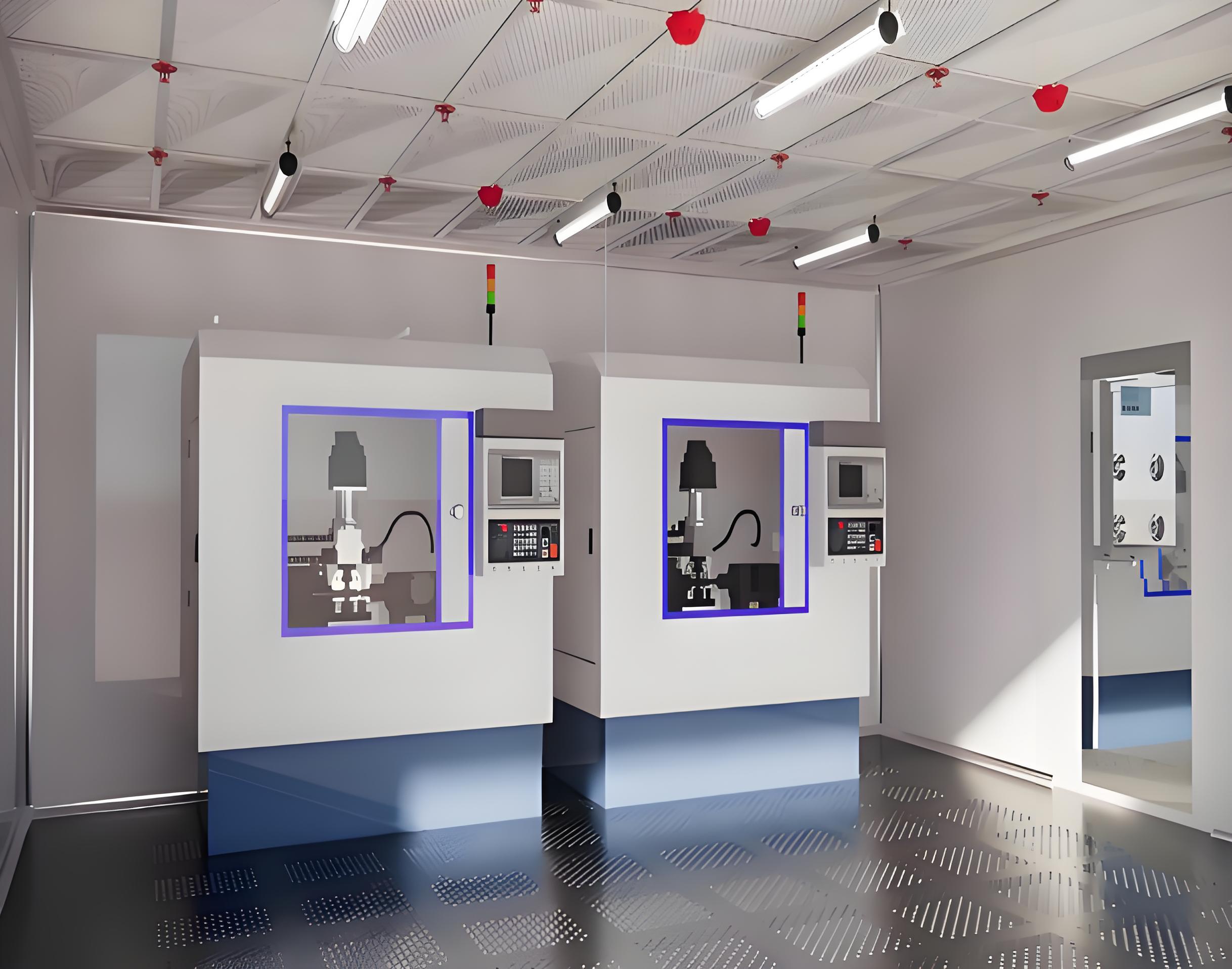
Every laboratory manager understands the fundamental importance of safety. But true safety isn't just about protocols and personal protective equipment (PPE). It is fundamentally built into the very walls, workflow, and systems of the facility itself. This is where professional lab safety design becomes non-negotiable. It is the proactive, architectural, and engineering-led approach to eliminating hazards at their source.
A reactive stance on lab safety—adding fixes after problems occur—is costly and dangerous. Proper lab safety design anticipates risks, from chemical spills and biological exposures to fire and equipment hazards. It creates an environment where safe practices are the easiest and most logical path for personnel. For any new build or renovation, integrating these principles from day one is the wisest investment you can make.
This guide outlines the core principles that define world-class, secure laboratory environments, particularly within the demanding context of international clean engineering.
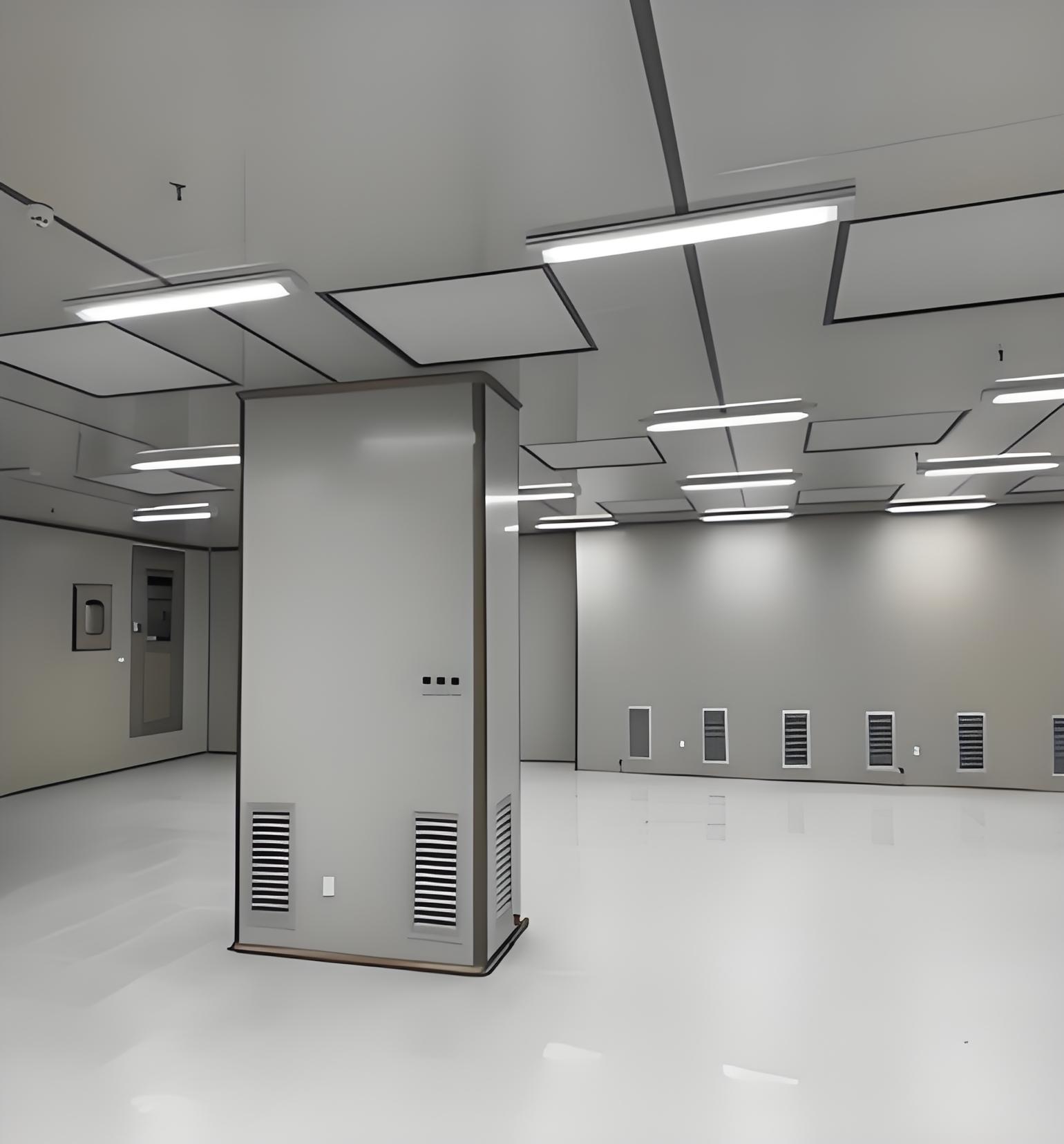
You cannot design for safety if you do not fully understand the risks. This phase must happen before any sketches are drawn.
A rigorous risk assessment identifies all hazards: chemical, biological, radiological, physical, and ergonomic. It defines the necessary containment levels (BSL-1 through BSL-4, Chemical Hygiene Levels).
This document becomes the blueprint for the entire lab safety design process. It informs everything from space zoning and ventilation to material selections and emergency response provisions.
A safe lab controls the movement of hazards and people. Strategic spatial zoning is key.
The concept of "clean vs. dirty" corridors, dedicated gowning/degowning areas, and clear separation of high-hazard operations from general work areas is crucial. Traffic patterns should minimize cross-contamination.
Containment is layered. A proper lab safety design might sequence spaces as: office corridor -> gowning area -> clean corridor -> lab suite -> containment lab -> airlock -> decontamination shower. Each zone has progressively stricter controls.
Engineering controls are physical systems that remove a hazard before it reaches the worker. They are the cornerstone of lab safety design.
This category includes:
A significant portion of lab incidents involve improper storage or handling of chemicals and bioagents. Design must provide dedicated, logical solutions.
Safety includes:
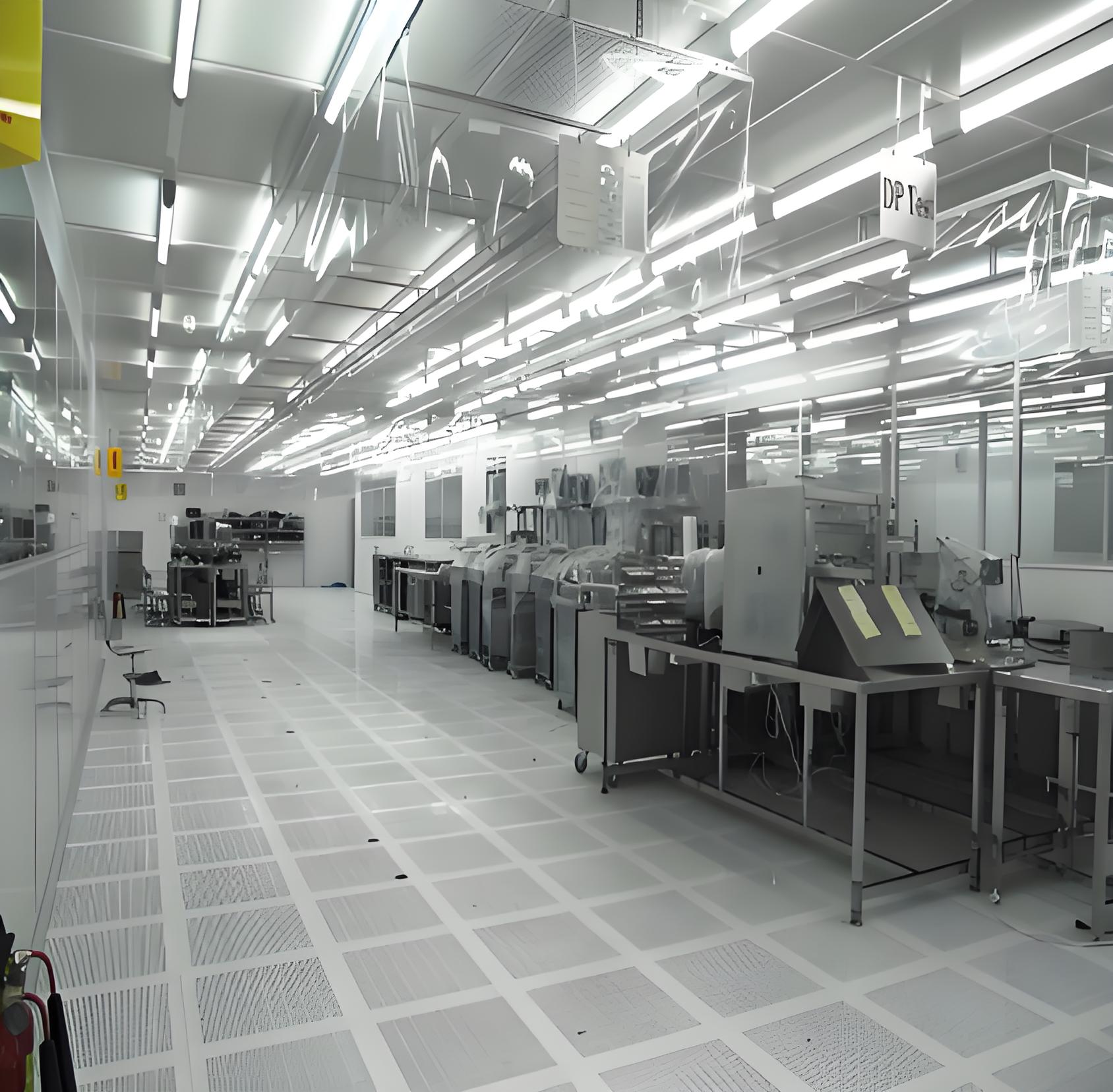
When prevention fails, the design must facilitate a rapid and safe response. This is a critical, often code-driven aspect of lab safety design.
Key features include:
Safety design also protects against chronic injury and procedural errors. A tired, uncomfortable technician is more prone to mistakes.
Considerations include:
In clean engineering and high-hazard labs, the ability to decontaminate the entire space is vital. Material selection directly impacts this.
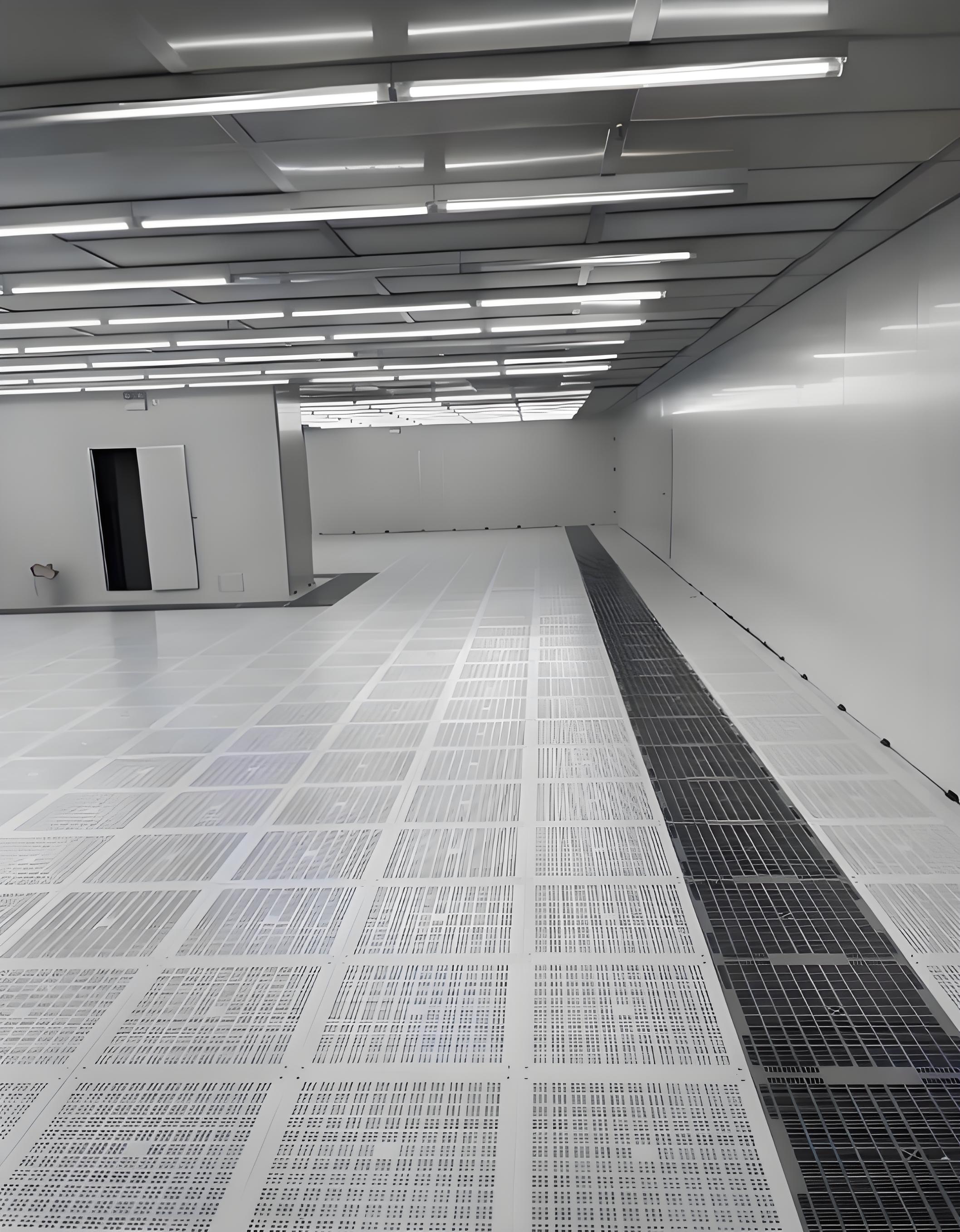
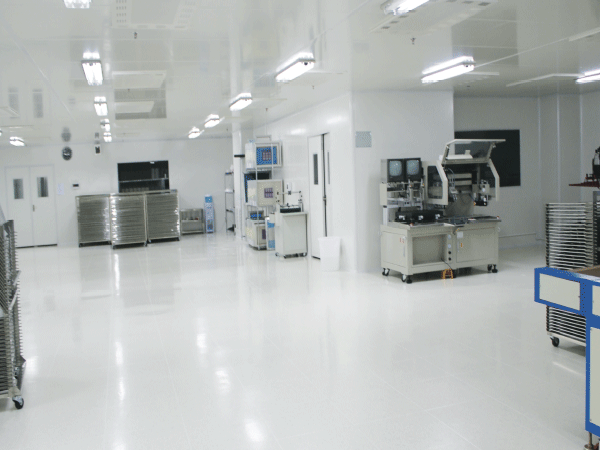
Walls, ceilings, and floors must be seamless, non-porous, and chemical-resistant. Cove bases at wall-floor junctions prevent contamination traps. Epoxy resins, fiberglass-reinforced plastic (FRP), and welded vinyl are common choices.
All surfaces must withstand repeated cleaning with harsh disinfectants without degrading.
At TAI JIE ER, we believe safety is not a separate discipline to be applied later. It is the immutable core of every engineering decision we make. Our approach to lab safety design is holistic, viewing the facility as an interconnected system where architecture, engineering, and human factors converge.
We start with your specific risk profile. Our team then designs multiple layers of protection—from the macro (building zoning) to the micro (fume hood face velocity). We leverage tools like Computational Fluid Dynamics (CFD) to model airflow and contaminant dispersion before construction begins.
For a recent BSL-2+ vaccine research facility, TAI JIE ER integrated pressure cascade monitoring with the building automation system. If pressure differentials fall out of spec, the system automatically alarms and can seal dampers to prevent cross-contamination. This is safety by design, in action.
Our goal is to create labs where scientists can focus on discovery, confident that their environment is actively protecting them. We build resilience, compliance, and well-being into the foundation of your operation.
Ultimately, exceptional lab safety design is the foundation upon which laboratory performance and productivity are built. It reduces downtime from incidents, lowers insurance costs, and is essential for regulatory approvals (FDA, EMA, OSHA).
More importantly, it fosters a culture of safety, showing personnel that their well-being is the top priority. By partnering with a specialist firm like TAI JIE ER that embeds these principles into every line on the drawing, you secure more than a facility—you secure your team, your assets, and your mission's future.
Q1: What's the biggest mistake you see in lab safety design?
A1: The most common mistake is treating safety features as an add-on. Placing a safety shower as an afterthought in a cramped corner, or selecting a fume hood after the floor plan is finalized, severely compromises their effectiveness. Safety must be the primary driver of the initial layout.
Q2: How does cleanroom design (ISO Class) intersect with biosafety design (BSL Level)?
A2: They are orthogonal but intersecting concepts. An ISO Class cleanroom controls particulate count for product protection. A BSL lab controls biohazards for personnel and environmental protection. A cell therapy lab, for example, may require both: an ISO 5 (Class 100) clean zone within a BSL-2 containment suite. The lab safety design must satisfy both sets of stringent requirements simultaneously.
Q3: Are there specific building codes for laboratory safety design?
A3: Yes, beyond general building codes, labs are governed by specialized standards. Key ones include:
Q4: How can we design for flexibility while maintaining safety?
A4: This is a key challenge. Strategies include: designing robust, over-sized ventilation systems with capacity for future hoods; using modular, movable casework that doesn't compromise utility access or egress; creating "soft space" zones with pre-planned utility connections for future expansion. A good lab safety design plans for change.
Q5: Why should we choose a specialist firm like TAI JIE ER over a general design-build contractor?
A5: General contractors excel at standard construction but often lack the deep, specific knowledge of hazard containment, complex MEP systems for labs, and nuanced code interpretations. TAI JIE ER lives in this specialized space. We foresee and mitigate risks an ordinary firm might miss, ensuring your facility is inherently safe, compliant from the start, and avoids costly retrofits. We provide the expert foundation upon which builders can execute successfully.