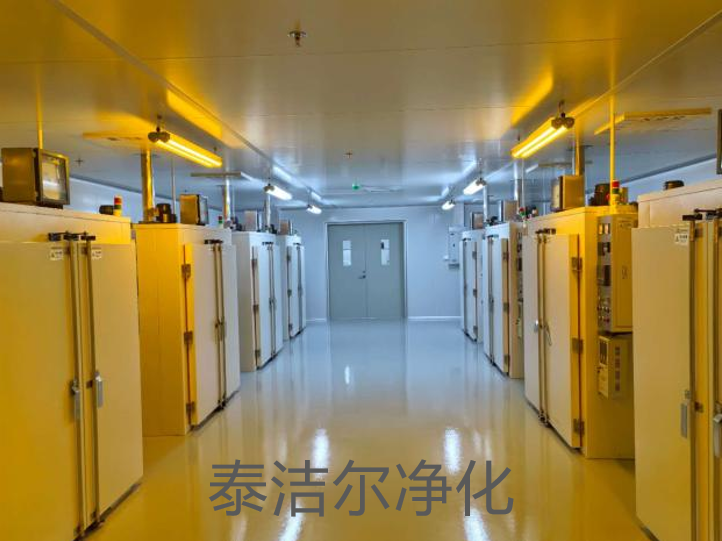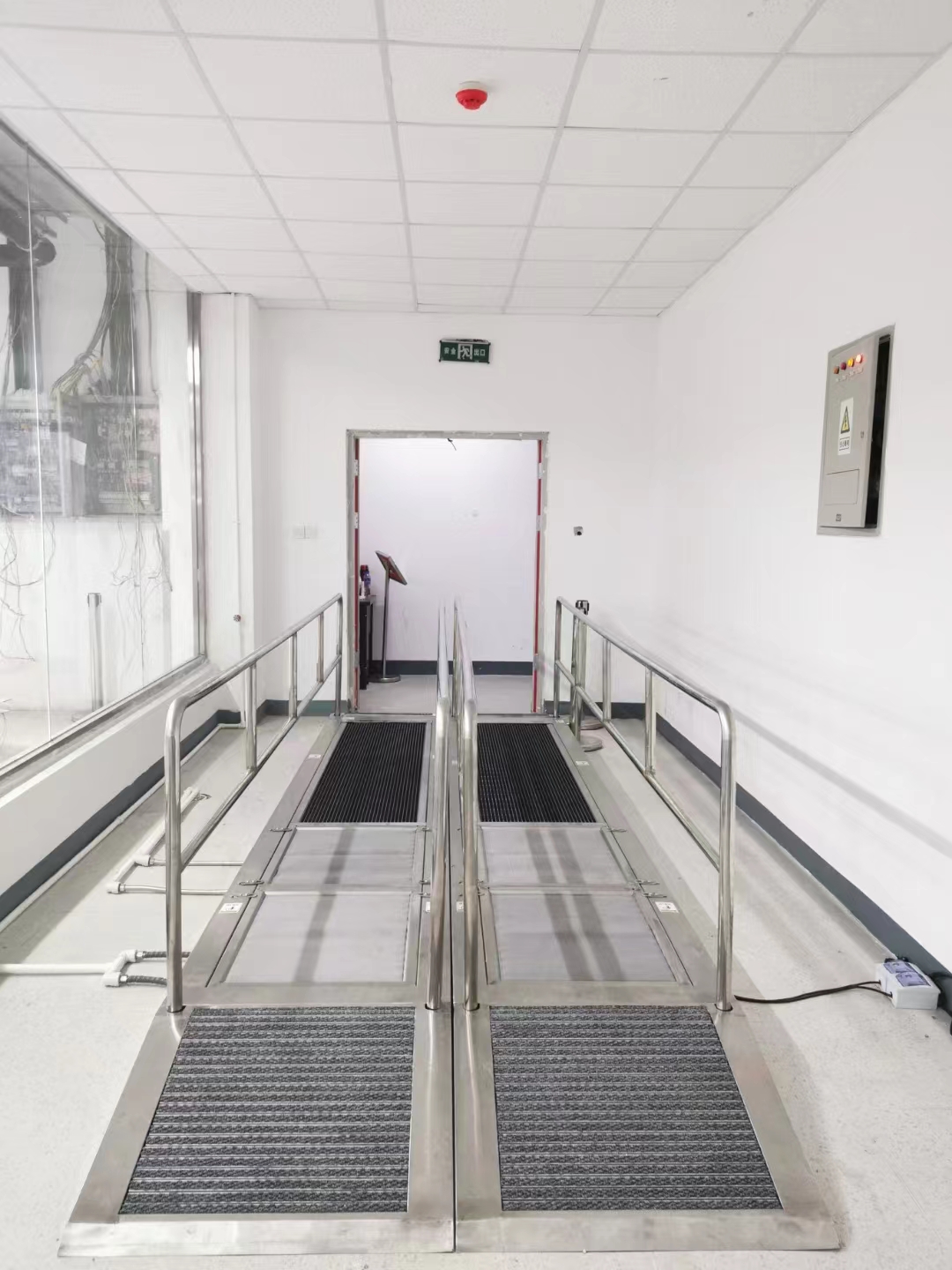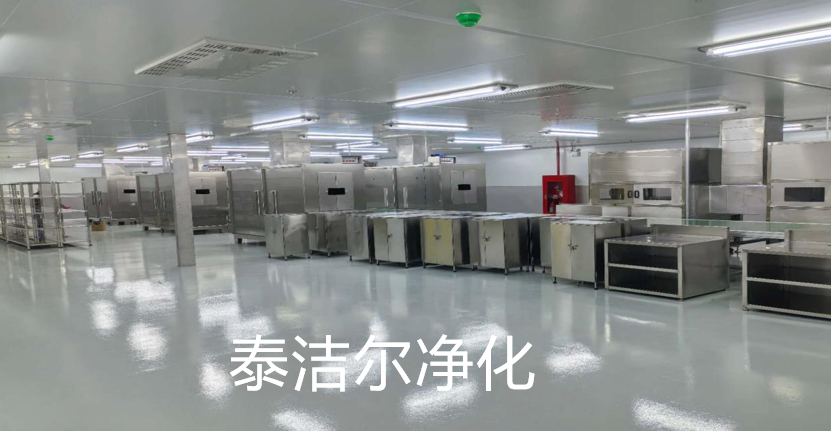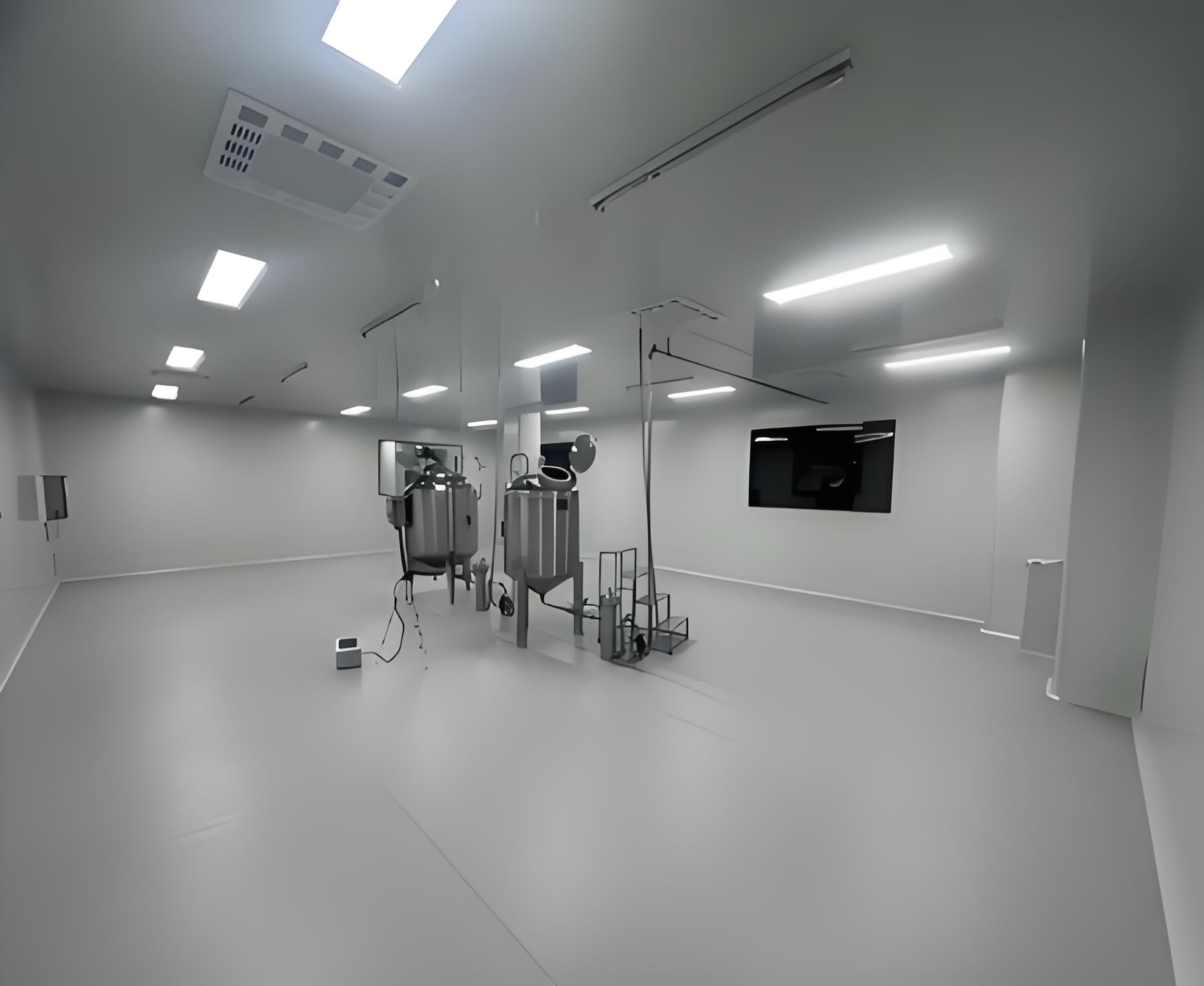
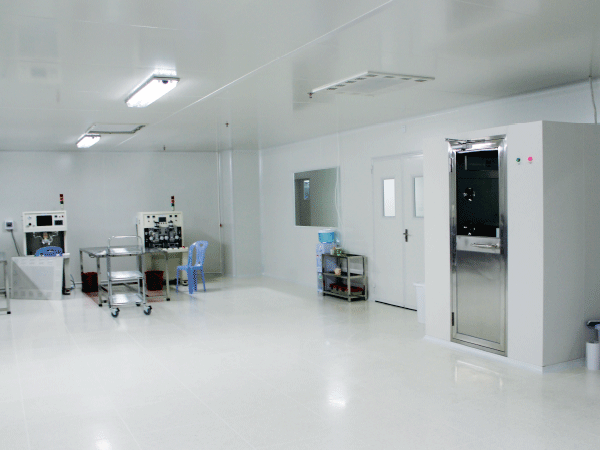

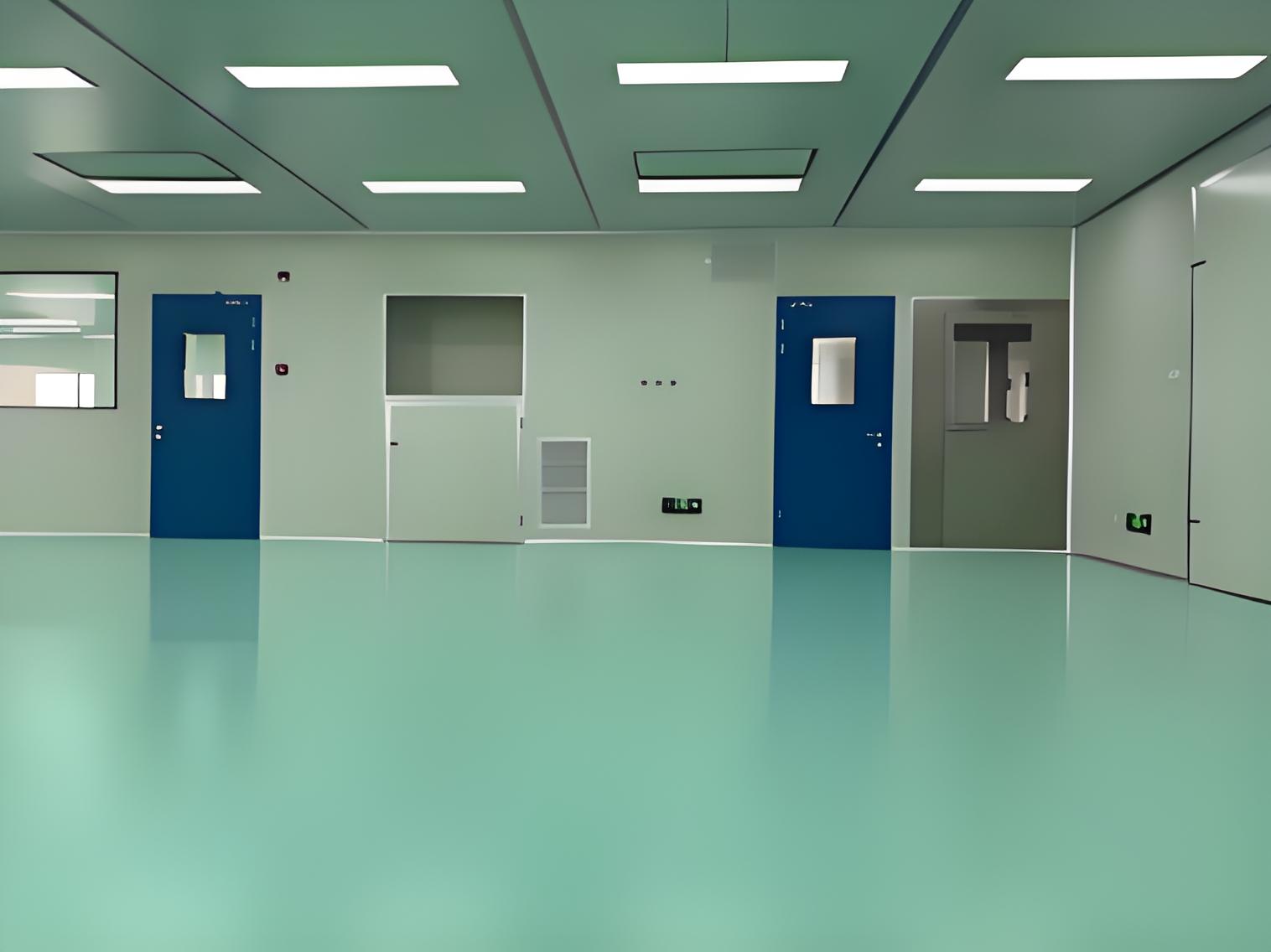
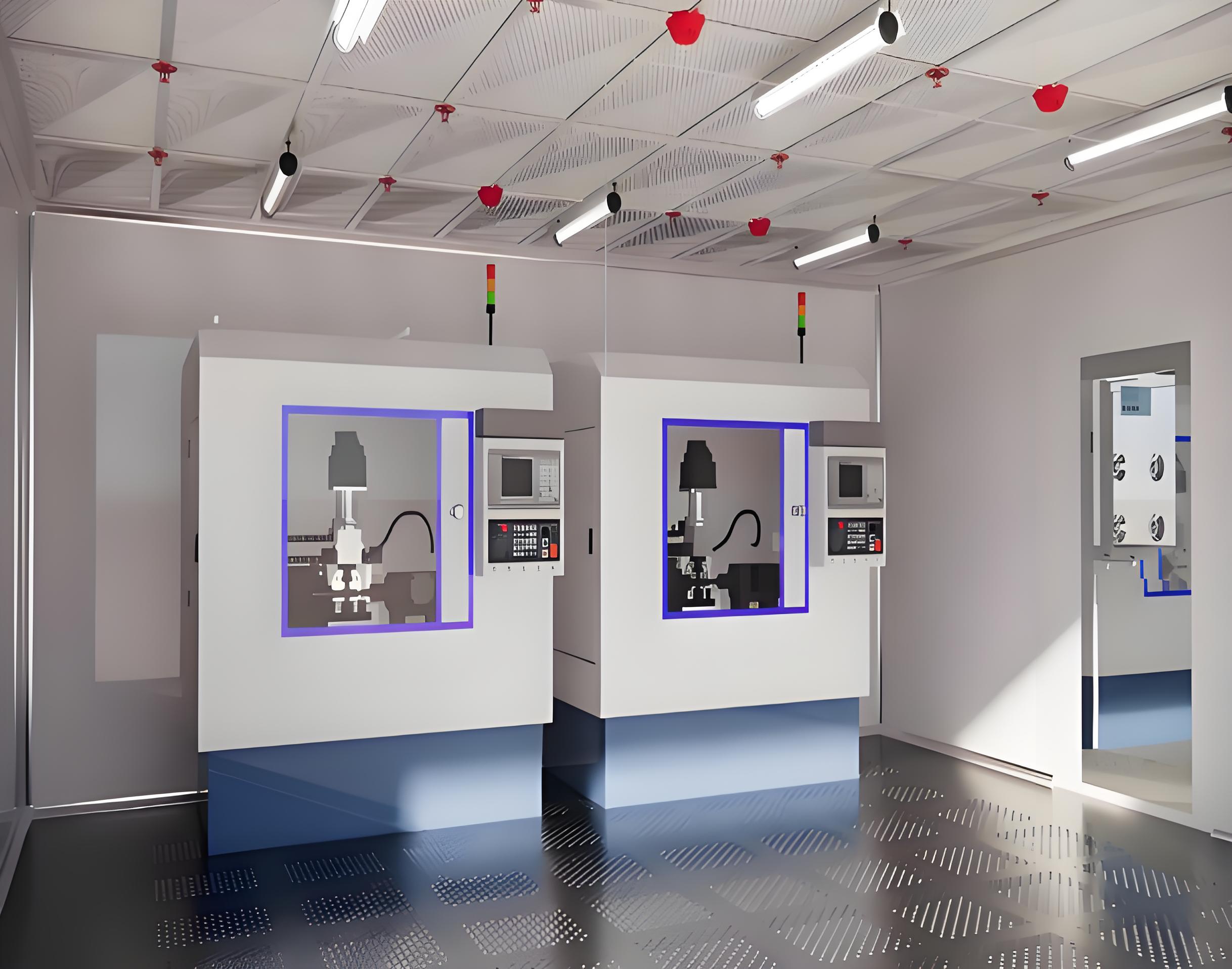
A Food Purification Project represents the cornerstone of modern food safety and quality manufacturing. It goes beyond basic cleaning, encompassing the integrated design, engineering, and construction of environments where microbiological and particulate contamination is rigorously controlled. Such projects are critical for sectors like ready-to-eat meals, dairy, infant formula, and high-value nutritional products. Success hinges on a systematic approach, blending regulatory knowledge with precision engineering. Industry leaders like TAI JIE ER bring essential expertise to these complex builds, ensuring facilities meet the highest international standards from the ground up.
This article breaks down the critical components of a typical Food Purification Project, providing a clear roadmap for stakeholders.
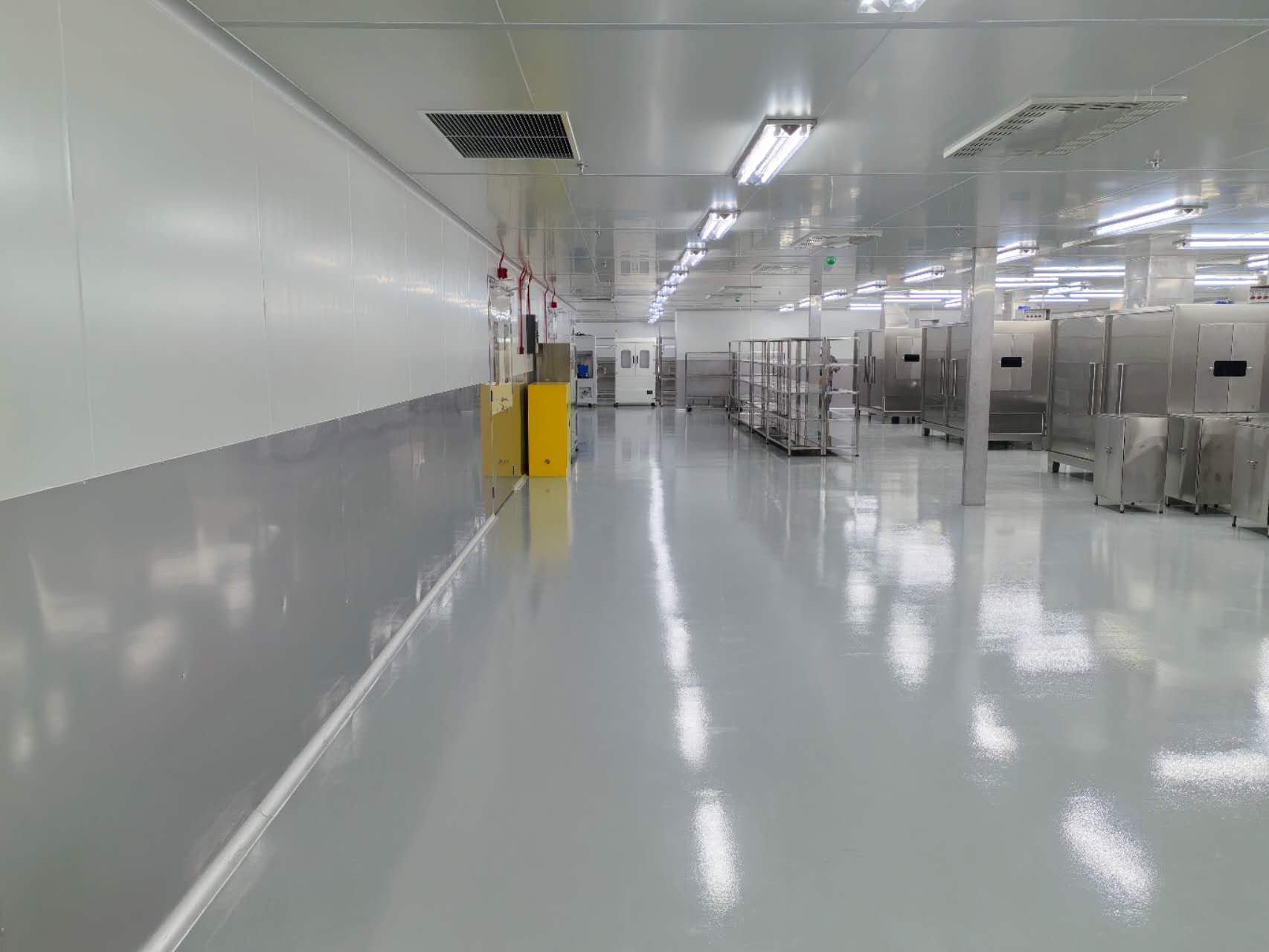
A successful Food Purification Project begins long before construction. The planning phase sets the trajectory for all subsequent work. It involves aligning the facility's purpose with stringent regulatory and operational goals.
Key Considerations in the Design Brief:
The Role of Advanced Design Tools:
Modern projects use 3D BIM (Building Information Modeling) extensively. This allows for clash detection, detailed planning of utilities, and virtual walkthroughs. It ensures that every pipe, duct, and piece of equipment is optimally placed for both performance and cleanability. Partnering with a firm like TAI JIE ER during this phase ensures that design practicality meets engineering excellence, laying a robust foundation for the entire Food Purification Project.
The building itself forms the primary barrier against external contamination. This phase focuses on creating a sealed, controlled environment.
Walls, ceilings, and floors must be impervious, non-porous, and easy to clean. Common specifications include:
The HVAC system is the lungs of a Food Purification Project. It maintains positive air pressure gradients from cleaner to less clean areas, controlling:
With the envelope secured, the focus shifts to the systems that support production. This is where process design and utility installation become paramount.
Water and Steam Systems:
Process water, cleaning-in-place (CIP) systems, and pure steam generators are installed. These systems must be designed to prevent biofilm formation and meet potable or purified water standards.
Process Equipment Installation:
Equipment selection and layout follow the "hygienic design" principle. Key aspects include:
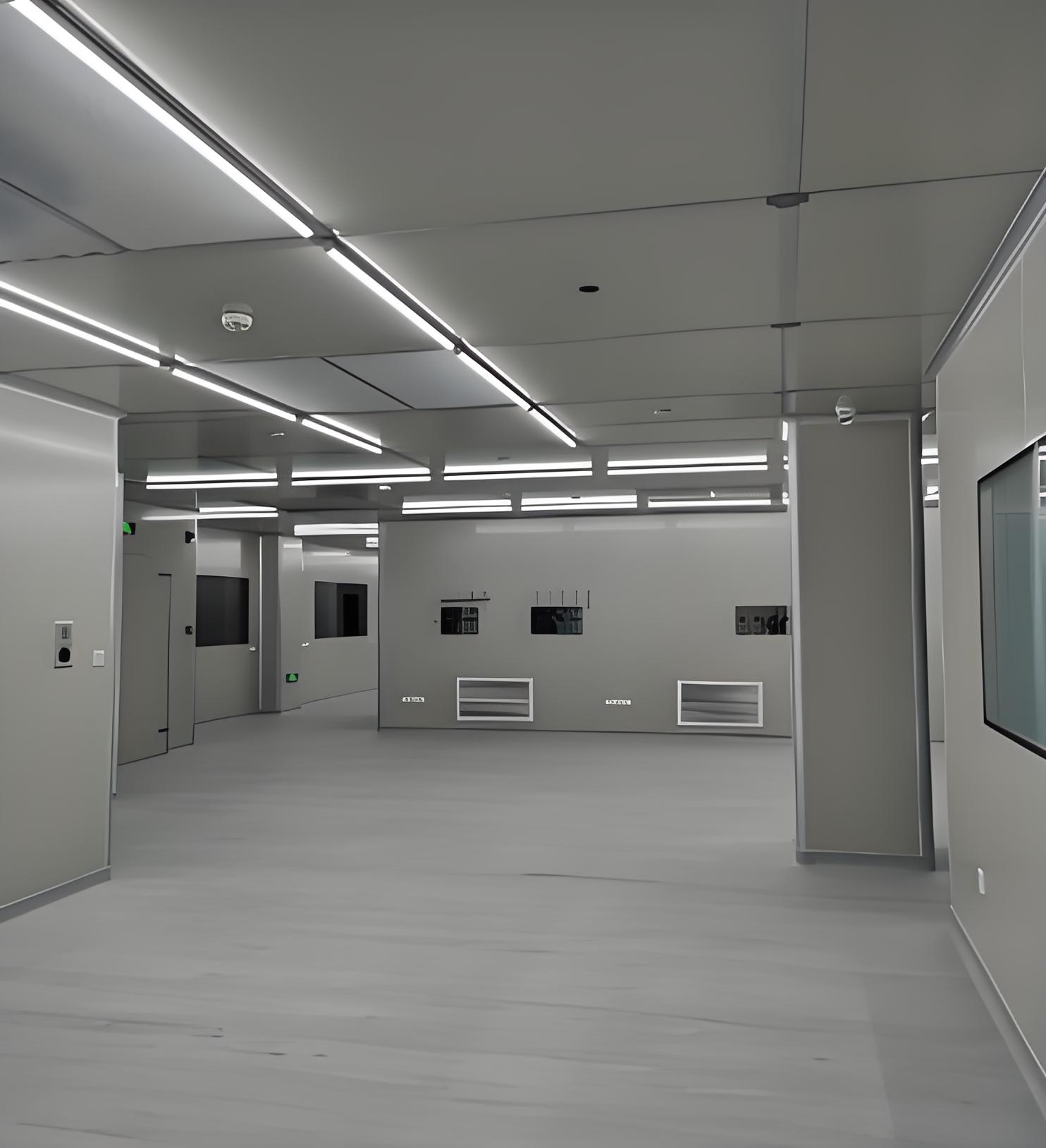
This phase proves that the Food Purification Project meets all defined specifications and regulations. It is a rigorous, documented process.
The CQV Stages:
The Importance of Documentation:
A comprehensive validation master plan and subsequent reports are mandatory for regulatory audits. They provide objective evidence of control. Expertise in this phase, such as that offered by specialized teams, is non-negotiable for project success.
A facility is only as good as the people who run it. The final phase ensures a seamless handover to the production team.
Developing Sanitation Protocols:
Standard Operating Procedures (SOPs) for daily cleaning, deep cleaning, and environmental monitoring must be established and tested.
Training for a Culture of Hygiene:
All personnel, from operators to maintenance staff, require thorough training on:
A holistic Food Purification Project addresses both the physical infrastructure and the human elements required for sustained food safety. It transforms a building into a reliable, validated asset for producing pure, safe food.
Q1: What is the typical timeline for a mid-scale Food Purification Project?
A1: A complete project, from initial design to validated handover, typically takes 12 to 24 months. The timeline depends heavily on the project's complexity, scale, regulatory hurdles, and the efficiency of the design and construction team. Early engagement with an experienced partner can streamline this process significantly.
Q2: How do we decide on the appropriate air cleanliness classification (e.g., ISO Class 7 or 8) for our production area?
A2: The classification is driven by your product's sensitivity and regulatory requirements. Ready-to-eat products exposed to the environment after heat treatment often require ISO Class 7 (10,000 particles per cubic foot) or better. A thorough hazard analysis, often guided by experts familiar with projects like those managed by TAI JIE ER, is essential to determine the precise and cost-effective level for each zone.
Q3: What are the most common cost overruns in such projects, and how can they be avoided?
A3: Common overruns stem from late design changes, underestimating utility requirements, and unforeseen site conditions. A detailed front-end engineering design (FEED) study, a fixed-scope contract with clear specifications, and choosing a contractor with strong project management skills are the best defenses against budget overruns.
Q4: Can an existing facility be upgraded into a compliant Food Purification Project, or is a greenfield build always necessary?
A4: Retrofits are common and can be successful, but they present unique challenges like working around existing structures and live production. They often require more creative engineering and phased implementation to minimize downtime. A greenfield build offers more design freedom but at a higher initial cost.
Q5: Beyond regulatory approval, what are the long-term benefits of investing properly in this type of project?
A5: A well-executed project delivers substantial long-term value: reduced risk of costly recalls and brand damage, lower utility and water consumption through efficient design, easier and faster cleaning (reducing labor costs), and greater operational flexibility for future innovation. It builds a foundation for superior product quality and market trust.